

P0442 on 2005-2010 Pontiac G6: EVAP Small Leak Causes and Fixes
This code means a small leak has been detected in the evaporative emissions (EVAP) system. The most common and cheapest fix is replacing a loose or worn-out gas cap. If that doesn't work, the EVAP purge or vent solenoid is the next likely cause. A smoke test is the most reliable way to find the exact source of the leak.
- Always start your diagnosis with the gas cap. It's the most common and least expensive fix for a P0442 code.
- If a new gas cap doesn't solve the issue, the EVAP purge valve (in the engine bay) and vent valve (near the gas tank) are the next most likely culprits.
- While you can drive the car with this code, you will not pass an emissions inspection until the leak is repaired.
- For hard-to-find leaks, a smoke test performed by a professional is the quickest and most accurate diagnostic method.
What's Unique About the 2005-2010 Pontiac G6

For the 2005-2010 Pontiac G6, which is built on the GM Epsilon platform, the P0442 code points to the same common culprits as most other GM vehicles from this era, like the Chevrolet Malibu and Saturn Aura. There is no unique design flaw making the G6 exceptionally different. The most frequent causes are a faulty gas cap, a failing EVAP purge valve, or a bad EVAP vent solenoid. A Technical Service Bulletin (TSB) for this issue, #PIT4943D, simply directs technicians to follow standard diagnostic procedures using an EVAP system tester (smoke machine), reinforcing that this is a typical emissions system fault without a single, unusual root cause specific to the G6 platform.
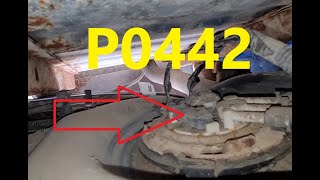
🎬 Watch: A helpful overview of P0442 causes and fixes.Diagnostic Flowchart
Tap your situation to follow the diagnostic path that matches what you're seeing on this vehicle.
Symptoms You May Notice
- Check Engine Light is on
- A faint smell of fuel, especially when parked in an enclosed space like a garage.
- A slight decrease in fuel economy.
- A loose fuel cap warning on the dashboard in some cases.
- Difficulty starting the car immediately after refueling (long crank time), which points to a stuck-open purge valve.
- In rare cases, a rough idle due to an unmetered vacuum leak if the purge valve is stuck open.
- Replacing oxygen (O2) sensors, which are not part of the EVAP system.
- Immediately replacing expensive components like the charcoal canister or fuel tank pressure sensor before checking the gas cap and purge/vent valves.
- Replacing the gas cap with a cheap aftermarket one that doesn't seal properly, leading the technician to believe the cap was not the issue.
Most Likely Causes


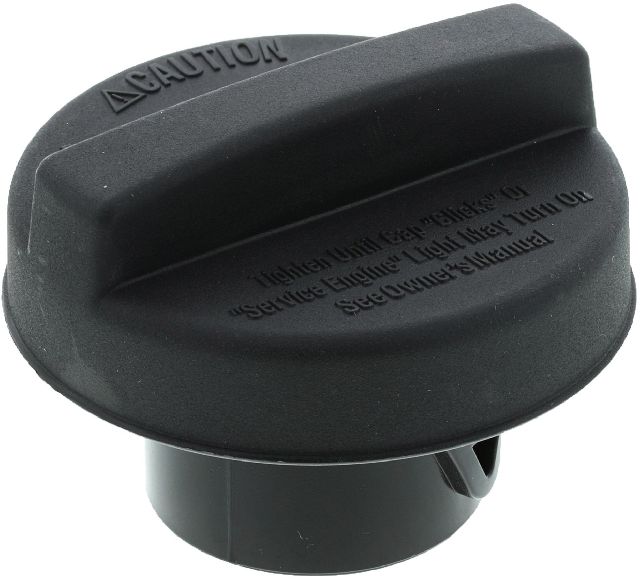
- Loose or Faulty Gas Cap 🔴 High Probability The rubber seal on the gas cap can dry out, crack, or become dirty over time, preventing a proper seal. This is the most common and easiest-to-fix cause for a small EVAP leak code.
How to confirm: Inspect the gas cap's rubber O-ring for any cracks, stiffness, or debris. Ensure it clicks several times when tightened. If the seal looks worn or the cap doesn't click, it's likely bad. An OEM cap is highly recommended as aftermarket caps can cause sealing issues.
Typical fix: Replace the gas cap. Use a genuine OEM part like ACDelco for best results.
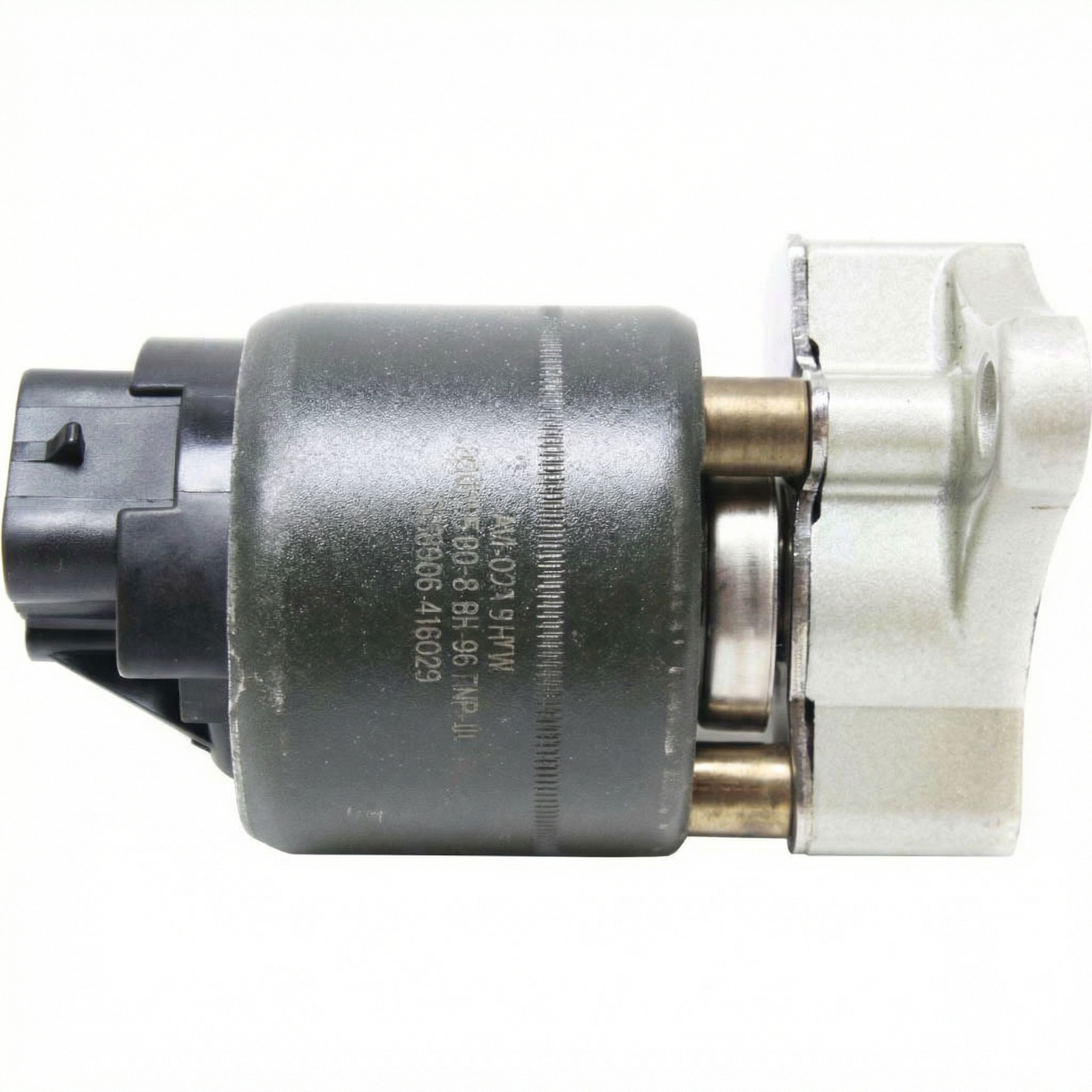
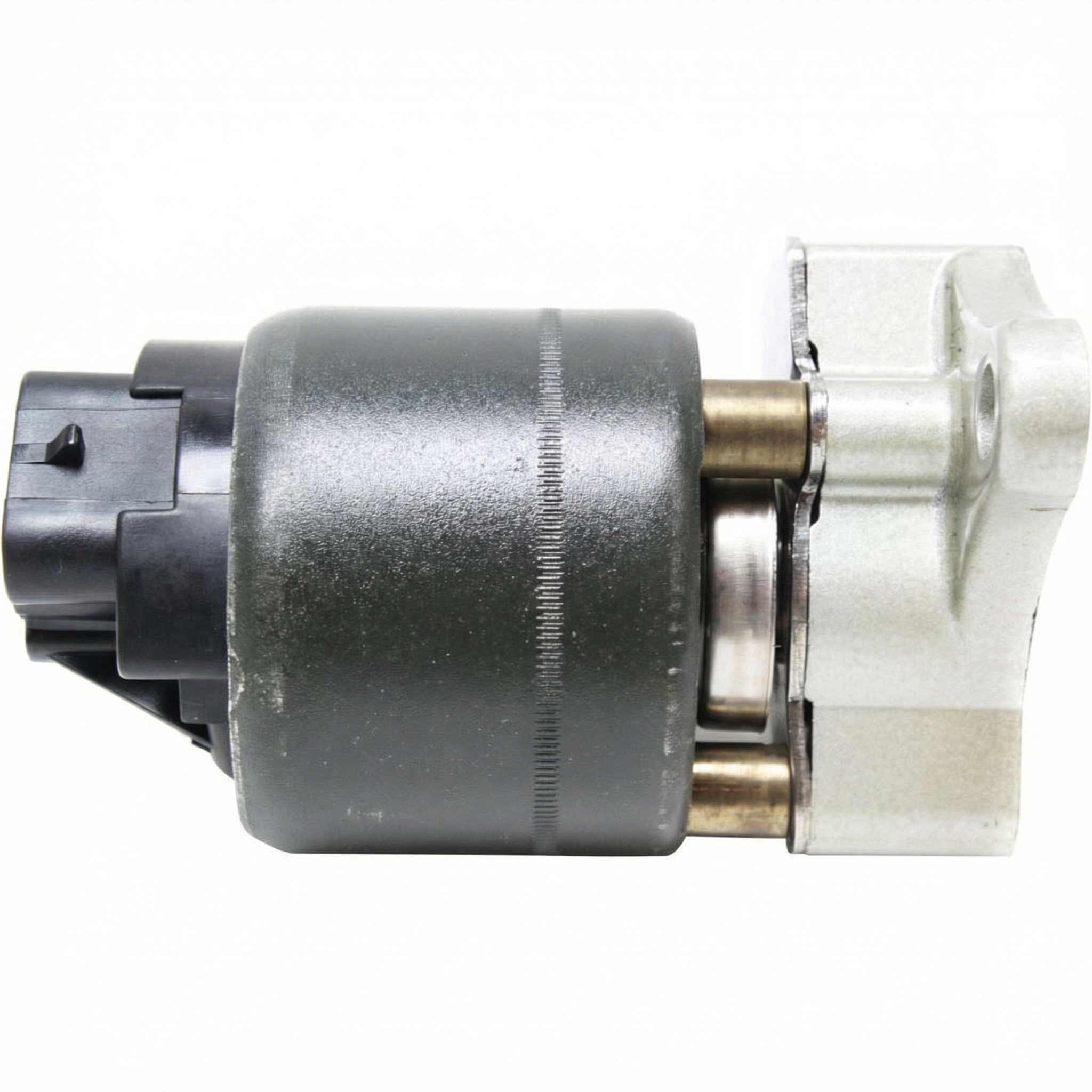
Est. part cost: $15-$35 - Faulty EVAP Purge Valve Solenoid 🟡 Medium Probability This valve, located on the engine, controls the flow of fuel vapors from the charcoal canister to the engine. It can get stuck partially open, creating a small leak within the system. This is a very common failure point on many GM vehicles.
How to confirm: The purge valve is normally closed when the engine is off. You can remove it and try to blow through it; if air passes, it's faulty and stuck open. A mechanic can also test it with a handheld vacuum pump or a scan tool that can command it to open and close. A stuck-open valve often causes difficulty starting after filling the gas tank. 🎬 See how to diagnose a hard start after refueling.
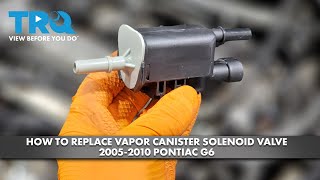
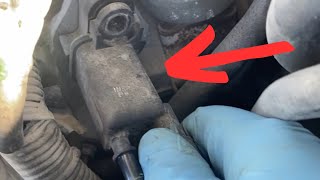
Typical fix: Replacement of the purge valve solenoid. This is generally an easy DIY repair located on top of the engine.
Est. part cost: $30-$70 - Faulty EVAP Vent Valve Solenoid 🟡 Medium Probability This valve is normally open to allow fresh air into the EVAP canister and closes when the system runs a self-test. It can fail to close completely due to dirt, debris, or internal failure, causing a leak. Its location near the rear of the car exposes it to road grime.
How to confirm: The vent valve is located near the charcoal canister by the fuel tank. It can be tested with a scan tool to command it closed to see if it holds a seal. A smoke test will often reveal a leak at a faulty vent valve.
Typical fix: Replace the vent valve solenoid. Access can be more difficult than the purge valve, as it's located on or near the fuel tank. 🎬 Watch: Step-by-step guide to replacing the vent valve solenoid.
Est. part cost: $40-$80 - Cracked or Disconnected EVAP Hoses ⚪ Low Probability The rubber and plastic hoses in the EVAP system can become brittle and crack with age and exposure to heat and elements, creating small leaks.
How to confirm: Visually inspect all accessible EVAP lines running from the gas tank to the engine bay. A smoke test is the most effective way to pinpoint a small crack in a hose that isn't visually obvious.
Typical fix: Replace the cracked section of hose or the entire hose assembly.
Est. part cost: $10-$50
Rare But Worth Checking
- Cracked Fuel Filler Neck: Rust or corrosion on the metal filler neck where the gas cap seals can create an imperfect surface, preventing a tight seal even with a new cap. This is more common in regions with heavy road salt usage. A smoke test will show smoke escaping from the gas cap area even with a new cap installed.
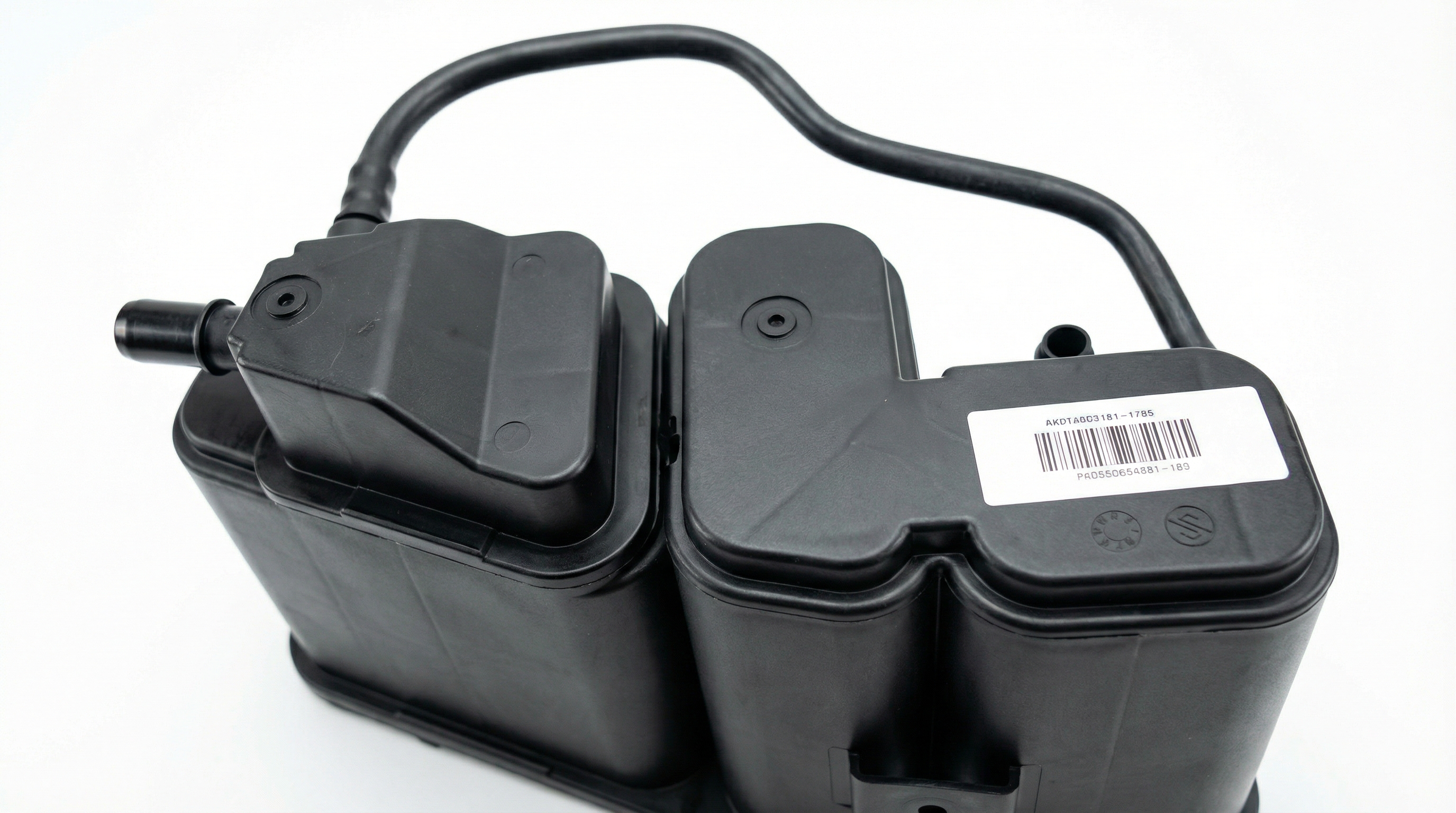
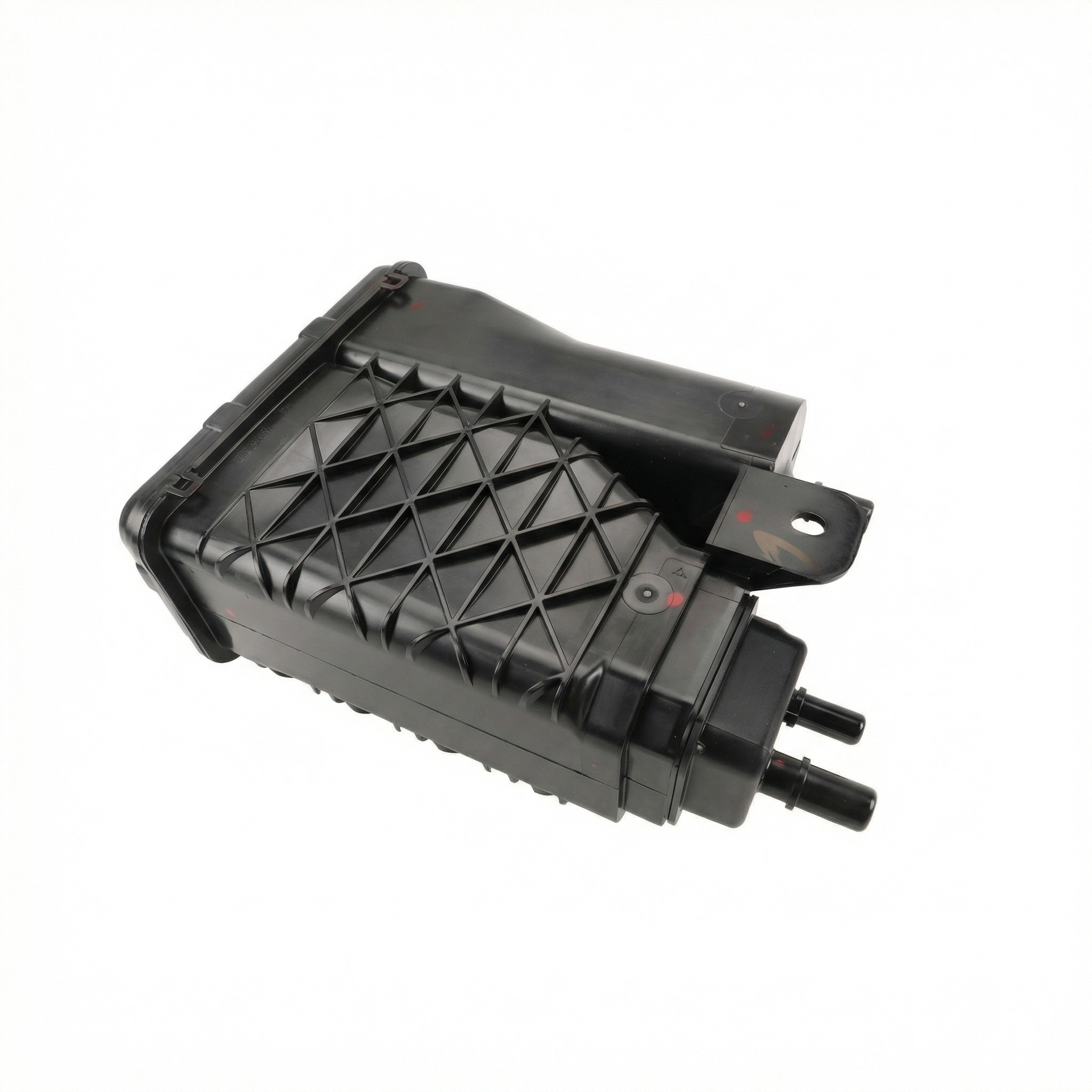
- Leaking Charcoal Canister: The plastic housing of the charcoal canister itself can develop cracks over time, leading to a leak. This is usually found with a smoke test.
- Faulty Fuel Tank Pressure (FTP) Sensor: While this sensor usually triggers other codes (like P0452 or P0453), a faulty sensor could theoretically contribute to an incorrect leak diagnosis by the ECM.
Diagnosis Steps

- Read the code with an OBD-II scanner and check for any other pending or active codes.
- Inspect the gas cap. Ensure it is tight and clicks. Check the rubber seal for cracks or damage. Check the fuel filler neck for excessive rust or debris that could prevent a seal.
- If the cap looks suspect, replace it with a quality OEM part (like ACDelco), clear the code, and drive for a few days to see if it returns.
- Visually inspect all accessible EVAP hoses and lines between the engine and fuel tank for obvious cracks, damage, or loose connections.
- Locate and test the EVAP purge valve in the engine bay. With the engine off, remove the valve and try to blow air through it. If air passes, the valve is stuck open and must be replaced.
- Locate the EVAP vent valve near the fuel tank. A scan tool can be used to command it closed to see if it seals the system.
- If the cause is still not found, the most definitive diagnostic step is to have a professional perform a smoke test. This involves injecting vaporized smoke into the EVAP system to visually identify the exact location of the leak.
Parts You'll Likely Need
- Fuel Tank Cap
(OEM #ACDelco GT265)— This is the most frequent cause of a P0442 code due to the seal wearing out over time. Using an OEM cap is critical for a proper seal.
Trusted brands: ACDelco, Gates, Motorad
OEM price range: $25-$40
Aftermarket price range: $15-$30 - Vapor Canister Purge Valve Solenoid
(OEM #ACDelco 214-1680 (for 2.4L) or 12597567 (for V6))— This valve is a common failure point that can stick open, causing a small leak. It's usually easy to access and replace on the engine.
Trusted brands: ACDelco, Dorman, Standard Motor Products
OEM price range: $50-$90
Aftermarket price range: $30-$70 - Vapor Canister Vent Valve Solenoid
(OEM #ACDelco 214-2149 (Superseded by 25932571))— This valve, located near the fuel tank, can fail to seal during the EVAP test due to dirt or internal failure, causing the P0442 code.
Trusted brands: ACDelco, Dorman, Standard Motor Products
OEM price range: $60-$100
Aftermarket price range: $40-$80
Related Codes That Often Appear With This One
- P0455 — A P0455 code indicates a large EVAP leak. If you see both, it could mean an intermittent issue, a very loose gas cap, or a component that is failing and sometimes creates a small leak and other times a large one.
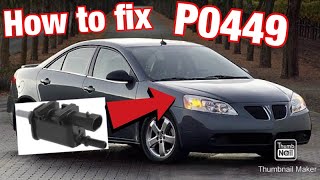
- P0449 — This code specifically points to a fault in the EVAP vent valve solenoid circuit, making the vent valve the prime suspect if seen alongside P0442.
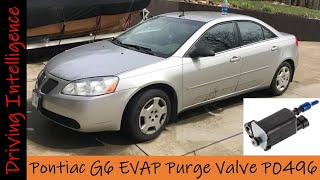
- P0496 — This code indicates 'EVAP Flow During a Non-Purge Condition,' which almost always points to a faulty EVAP purge valve that is stuck open or leaking.
Technical Service Bulletins (TSBs) & Recalls
- Bulletin #PIT4943D: Information for technicians on diagnosing a Service Engine Soon lamp with DTC P0442, directing them to use an Evaporative Emissions System Tester.
Platform-Specific Known Issues
- NHTSA Technical Service Bulletin #PIT4943D was issued for potential P0442 codes on the 2010 G6 (and other GM models). It does not point to a specific faulty part, but rather instructs technicians to follow a standard diagnostic procedure using an EVAP system tester (smoke machine).
- A YouTube video focusing on GM 3.5L V6 engines (used in the G6) highlights a unique leak point on the fuel filler neck where an adapter piece can separate, causing a leak that requires either epoxy to seal or full filler neck replacement.
Mechanic-Grade Diagnostic Values
- Fuel Tank Pressure (FTP) Sensor Voltage (Key On, Engine Off, Gas Cap Removed) — expected: Approximately 1.5 volts. Failure: A reading significantly different from 1.5V indicates a faulty sensor or wiring issue.
- FTP Sensor 5-Volt Reference Circuit (Key On, Engine Off, Sensor Unplugged) — expected: 4.8 - 5.2 volts. Failure: Voltage below 4.8V suggests a short to ground or open/high resistance in the reference circuit. Voltage above 5.2V suggests a short to voltage.
- FTP Sensor Ground Reference Circuit (Key Off, Sensor Unplugged) — expected: Less than 5 ohms between the low reference circuit and ground.. Failure: Resistance greater than 5 ohms indicates an open or high resistance in the ground circuit.
Hidden / Shadow Codes Worth Checking
- Mode $06, TID $26, CID $81 (example): GM uses Mode $06 data to monitor the results of non-continuous tests, including the Engine-Off Natural Vacuum (EONV) test that sets P0442. A technician can view the raw test value and compare it against the minimum/maximum thresholds to see how close the system was to failing, even before a code is set. Specific Test IDs (TID) and Component IDs (CID) vary by year and engine. (see via An advanced scan tool capable of displaying Mode $06 data.)
Scan Tool Commands That Help
- GM Tech2 / GDS2: EVAP Service Bay Test — This is a forced test to verify the integrity of the entire EVAP system after a repair or when trying to get the EVAP monitor to run for an emissions inspection. It commands the solenoids and monitors pressure to confirm there are no leaks. Note: The test has strict preconditions, including fuel level between 15-85% and a cold engine.
- Advanced Scan Tool: EVAP Purge Solenoid Command — Used to command the purge solenoid open and closed to check for mechanical function (listening for a click) and to see if it's sealing properly when commanded closed during a smoke or vacuum test.
- Advanced Scan Tool: EVAP Vent Solenoid Command — Used to command the normally-open vent solenoid to close. This is essential for sealing the system to perform a smoke test. If smoke escapes from the vent with the valve commanded closed, the vent solenoid is faulty.
Wiring & Ground Locations
- G103 / G104 / G105 / G106 — Various locations in the engine compartment. G103 is often on the top of the left front strut tower; G104/G109 are on the left front of the engine compartment; G105/G106 are on the engine block/transaxle area.. These are primary engine and body control grounds. A poor ground at one of these locations can cause erratic behavior from the ECM or the EVAP system components it controls, leading to false codes or incorrect sensor readings.
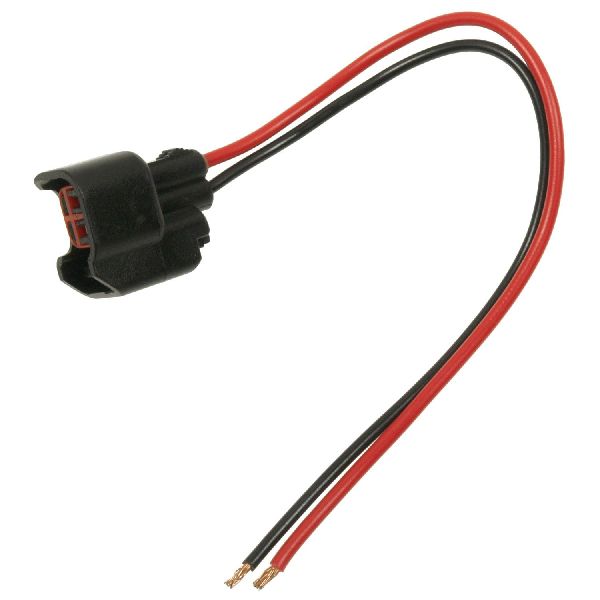
- FTP Sensor Connector — On the fuel tank or charcoal canister.. The three wires are typically a 5-volt reference (tan), a signal wire (dark green), and a ground (gray). Testing for correct voltage and ground at this connector is a key step in diagnosing FTP sensor-related codes.
Real Owner Repair Stories
- YouTube channel 'briansmobile1' (Older GM vehicle, applicable to Pontiac G6 in salt-belt regions.) — Persistent P0442 code.
❌ Tried (didn't work) Replacing the gas cap without inspecting the filler neck.
✅ What actually fixed it The fuel filler neck sealing surface was rusted and pitted. The fix was to thoroughly clean the rust off the metal surface with a wire brush and then apply a thin layer of silicone paste to help the new gas cap seal properly. - Reddit user in r/MechanicAdvice (2008 Pontiac G6) — P0442 code was present for months, then the car began stalling repeatedly during extreme cold weather (-15F).
❌ Tried (didn't work) Initially ignoring the code as non-urgent.
✅ What actually fixed it The thread resolution points to the top comment's suggestion, which was a faulty EVAP purge solenoid. A stuck-open purge valve creates a vacuum leak that can be exacerbated in extreme temperatures, leading to stalling.
"I Checked Everything" — The Actual Cause
- A common scenario that mimics this pattern is a faulty EVAP purge valve that is stuck internally open. When performing a standard smoke test from the service port, the system may appear sealed because the leak is 'upstream' of the test point, allowing un-metered air into the intake manifold. This won't show as an external smoke leak but will cause the ECM to fail the EVAP system test and set a P0442 or P0496 code. The failure is confirmed by removing the valve and being able to blow through it when it should be closed.
Helpful Videos

Used OEM Parts in Stock
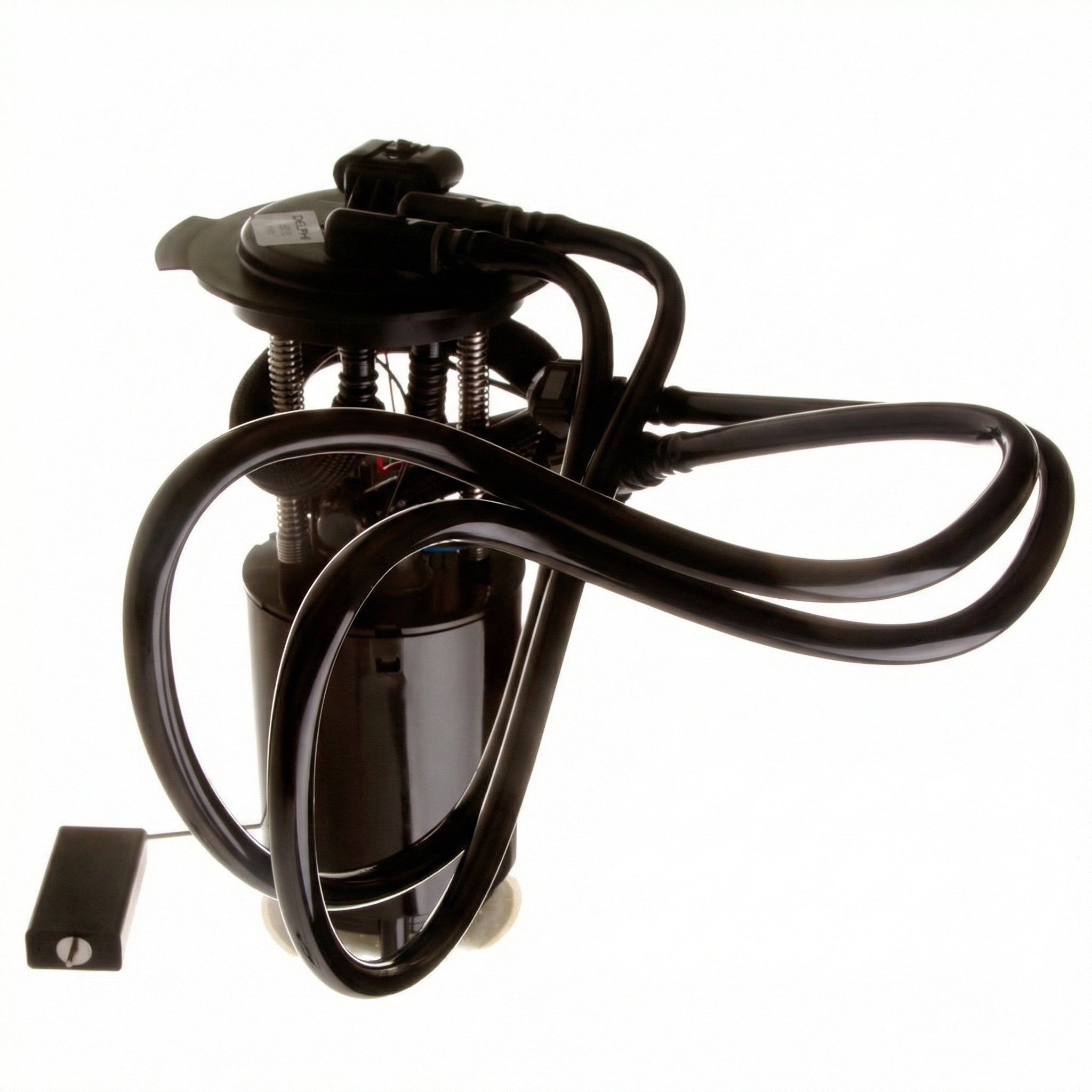
New Aftermarket Parts Available



The information in this article is provided for general reference and educational purposes only. Vehicle specifications, procedures, and part compatibility can vary by production date, trim level, and region. Always consult your vehicle's factory service manual and verify part numbers before purchasing or performing repairs. Safety-critical components such as airbags, seat belts, and braking systems should be installed by a qualified professional.
- Pontiac G6:
- 🎬 Helpful Videos
- 🛍️ Shop This Part
- What's Unique About the 2005-2010 Pontiac G6
- Diagnostic Flowchart
- Symptoms You May Notice
- Most Likely Causes
- Rare But Worth Checking
- Diagnosis Steps
- Parts You'll Likely Need
- Related Codes That Often Appear With This One
- Technical Service Bulletins (TSBs) & Recalls
- Platform-Specific Known Issues
- Mechanic-Grade Diagnostic Values
- Hidden / Shadow Codes Worth Checking
- Scan Tool Commands That Help
- Wiring & Ground Locations
- Real Owner Repair Stories
- "I Checked Everything" — The Actual Cause
- 🎟️ Get 5% Off