

P0442 on 2001-2002 Oldsmobile Intrigue: EVAP Small Leak Causes and Fixes
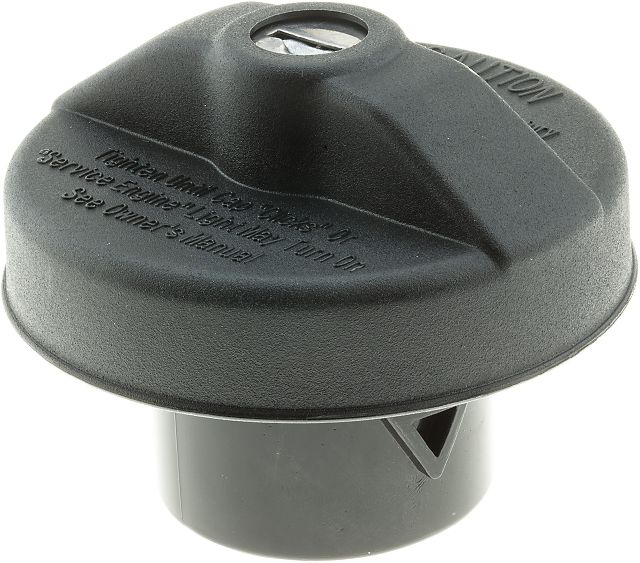
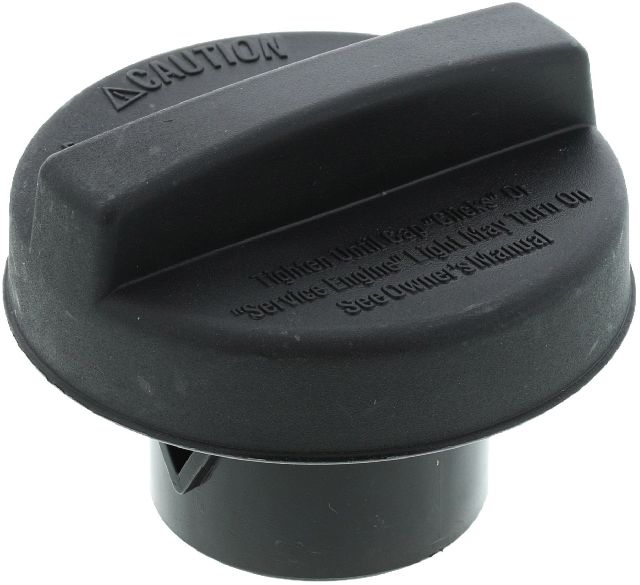
For a 2001-2002 Oldsmobile Intrigue, a P0442 code is most often caused by a loose or worn-out gas cap (ACDelco GT229). If a new, quality OEM cap doesn't fix it, the next most likely culprits are the EVAP purge solenoid (ACDelco 214-641) or the vent solenoid (ACDelco 214-2324). A new gas cap costs about $15-$30, while solenoids can range from $40 to $70. In rust-prone areas, the fuel filler neck itself can also rot and cause this code.
- Always start with the simplest fix: check that your gas cap is tight and its seal is intact. If it's old, replace it.
- P0442 will not affect how your car drives, but it will cause an automatic failure on an emissions test.
- The two most common parts to fail after the gas cap are the EVAP purge solenoid (in the engine bay) and the EVAP vent solenoid (under the car near the tank).
- If a new gas cap and visual inspection don't solve the problem, a smoke test is the most reliable way to find the small leak.
What's Unique About the 2001-2002 Oldsmobile INTRIGUE
The Oldsmobile Intrigue shares its W-body platform and many EVAP components with other GM vehicles like the Buick Regal, Chevrolet Impala, and Pontiac Grand Prix of the same era. On these platforms, the EVAP solenoids (both purge and vent) are known failure points. The purge solenoid for the 3.5L V6 engine is located on the rear of the intake manifold, which can make it slightly more difficult to access than on other engines. The vent solenoid is located underneath the car near the charcoal canister, exposing it to road debris and moisture, which contributes to its failure rate. Another common issue on these aging vehicles is rust on the fuel filler neck, which prevents the gas cap from creating a proper seal.
Diagnostic Flowchart
Tap your situation to follow the diagnostic path that matches what you're seeing on this vehicle.
Symptoms You May Notice
- Check Engine Light is on
- A faint smell of gasoline, particularly after parking in an enclosed space like a garage.
- Difficulty starting the engine immediately after refueling (a less common symptom, often pointing to a stuck-open purge valve).
- Fuel pump nozzle clicks off repeatedly when trying to refuel (this can be a symptom of a faulty vent solenoid).
- Replacing the fuel tank pressure sensor. While possible, this sensor is much less likely to fail than the gas cap or EVAP solenoids and often throws its own specific codes (P0452, P0453).
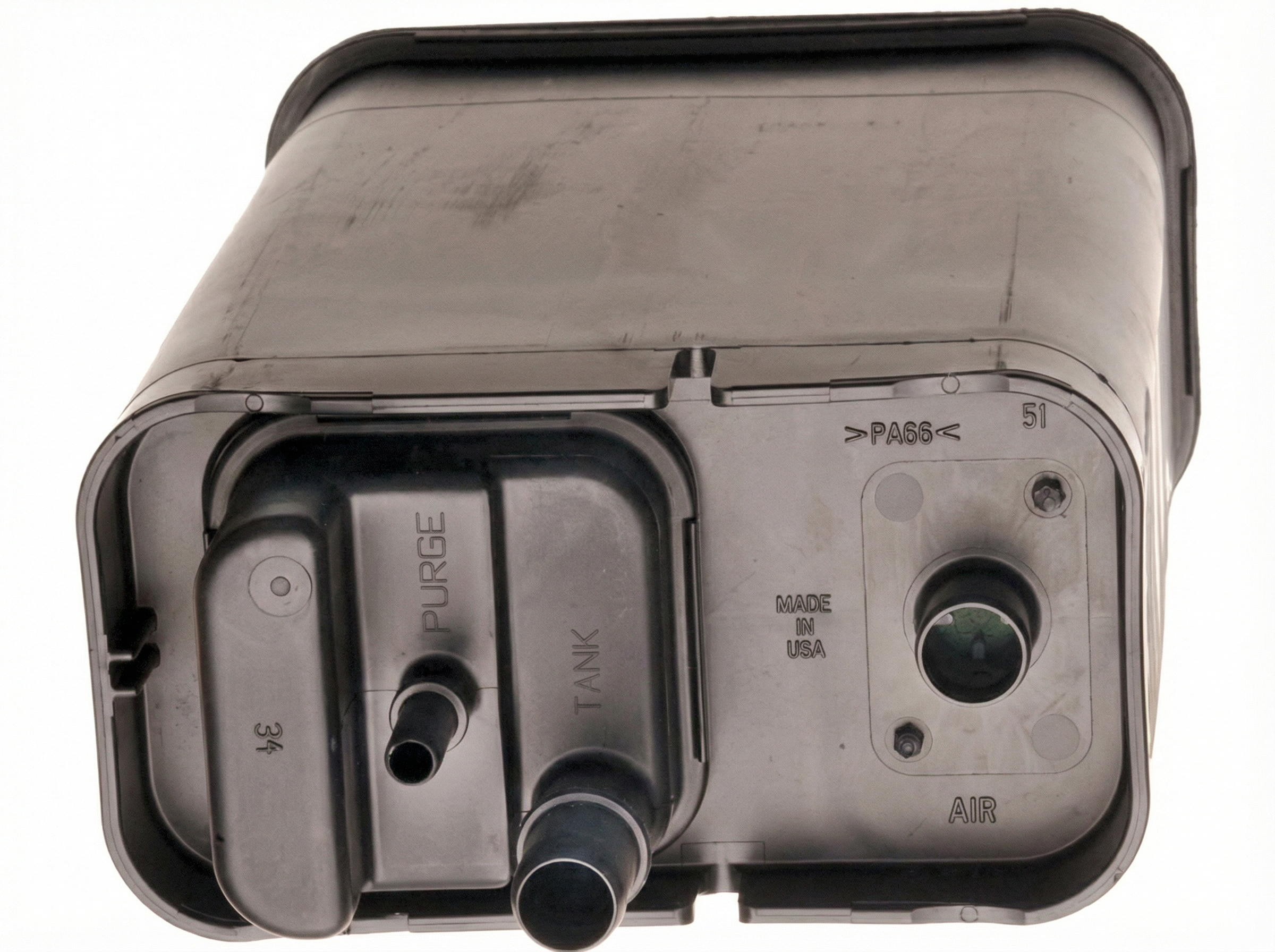
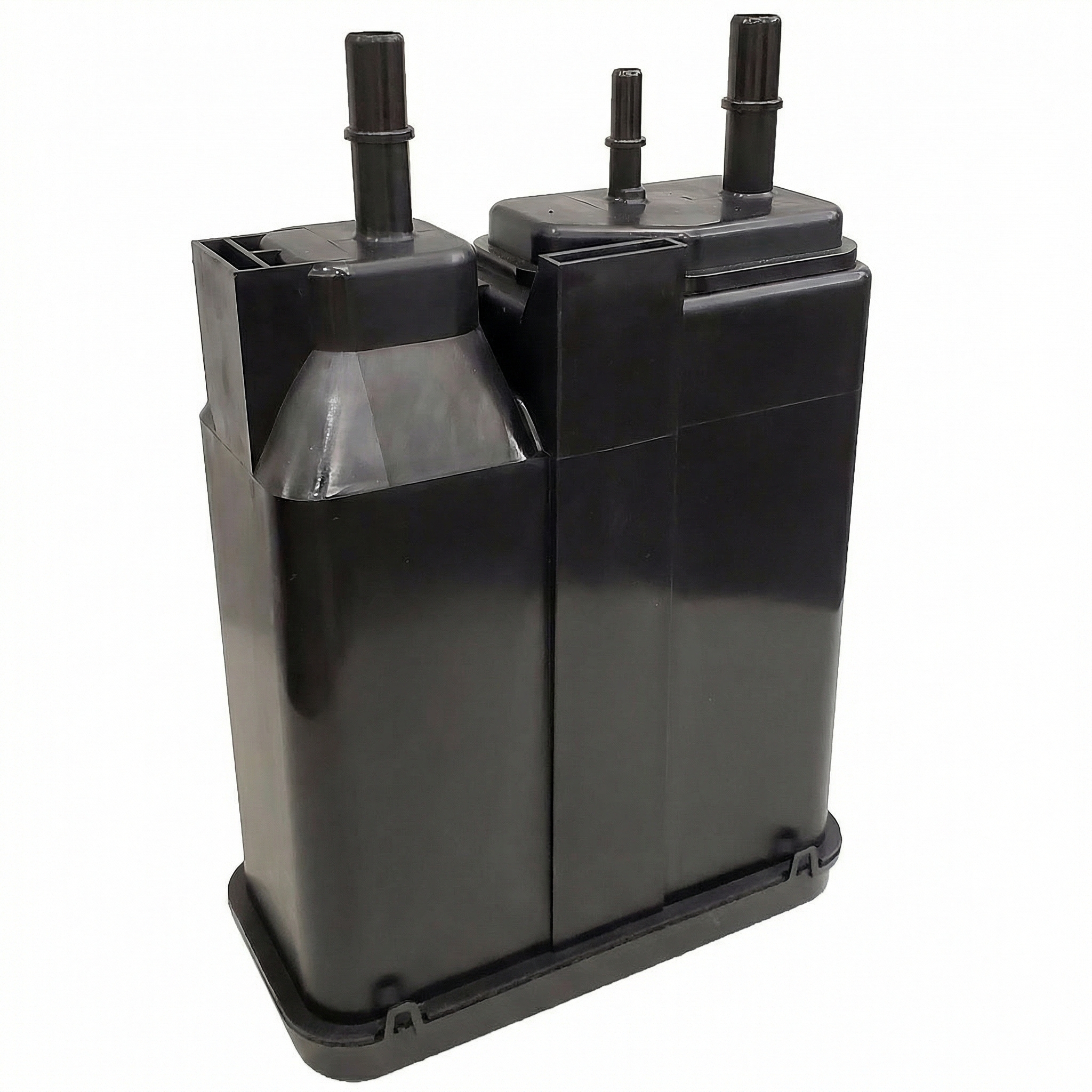
- Immediately replacing the charcoal canister. The canister itself is often durable; the solenoids attached to it or the hoses connected to it are more likely to be the problem.
- Using a cheap, non-OEM gas cap. Many forum posts detail chasing a P0442 code for weeks only to find their new aftermarket gas cap was the problem.
Most Likely Causes
- Loose or Worn Gas Cap 🔴 High Probability The rubber O-ring seal on the gas cap degrades over time due to exposure to fuel vapors and weather, preventing a proper seal. This is the most common and easiest-to-fix cause for a P0442 code. Forum users and mechanics consistently recommend trying an OEM cap first, as aftermarket caps are a known source of P0442 codes.
How to confirm: First, ensure the cap is tightened until it clicks several times. Inspect the rubber seal for cracks, stiffness, or damage. Check the fuel filler neck for rust or debris that could prevent a good seal. A visibly cracked gasket is a clear sign for replacement.
Typical fix: Replace the gas cap with a new, high-quality OEM or equivalent part. Many owners report that only an ACDelco cap solved their issue after trying cheaper aftermarket versions.
Est. part cost: $15-$30 - Faulty EVAP Vent Solenoid 🟡 Medium Probability Located under the car near the charcoal canister, this solenoid is exposed to road salt, water, and debris, which can cause it to fail or get stuck. Dust and dirt intrusion is a known issue addressed by GM in TSBs for similar platforms.
How to confirm: The valve is normally open and should close when 12v is applied, making an audible click. It can be tested with a multimeter and a power source. A smoke test is the most definitive way to confirm if it's leaking when it should be closed. A key symptom can be difficulty refueling.
Typical fix: Replace the EVAP vent solenoid. It is typically mounted on or near the charcoal canister. The mounting bracket is often rusted and may require careful removal or replacement.
Est. part cost: $40-$60 - Faulty EVAP Purge Solenoid/Valve 🟡 Medium Probability This valve can get stuck partially open due to carbon buildup or internal failure, creating a constant small leak. It's a frequent issue on many GM vehicles of this era.
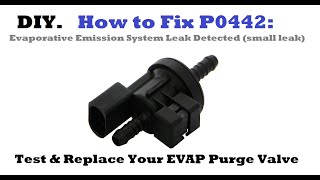
How to confirm: The valve is normally closed. Disconnect it and try to blow through it; if air passes, it has failed and needs replacement. A classic symptom of a stuck-open purge valve is difficulty starting the car right after getting gas. On the 3.5L V6, it is located on the rear of the intake manifold. 🎬 Watch: How to test and replace the EVAP purge valve.
Typical fix: Replace the purge solenoid. On the 3.5L engine, access is from the driver's side front of the engine.
Est. part cost: $35-$65 - Cracked or Disconnected EVAP Hose ⚪ Low Probability Rubber hoses become brittle and crack with age and exposure to engine heat and the elements. Connections can also become loose over time. Check the lines near the purge valve and around the canister.
How to confirm: Visually inspect all accessible EVAP lines in the engine bay and under the vehicle leading to the tank. A smoke test is the most effective way to find a small, hard-to-see crack.
Typical fix: Replace the cracked section of hose or reconnect the loose fitting. Small sections of vacuum hose are inexpensive.
Est. part cost: $5-$25
Rare But Worth Checking
- Cracked Charcoal Canister: The plastic housing of the canister can develop small cracks over time, especially from physical impact. This is less common than solenoid failure but should be checked during a smoke test if other components are good.
- Leaking Fuel Tank Filler Neck: The metal filler neck can rust and develop pinhole leaks, preventing the gas cap from sealing properly. This is a known issue on older GM vehicles in rust-belt areas. Inspect the surface where the cap seals for corrosion or dampness after fueling. Some owners have had to replace the entire filler neck assembly (e.g., Dorman 577-807, Spectra Premium FN717).
Diagnosis Steps
- Read the code with an OBD-II scanner to confirm P0442 is present.
- Inspect the gas cap. Ensure it is tight. Remove it and check the rubber seal for cracks or damage. Clean the fuel filler neck sealing surface with a cloth to remove any rust or debris.
- If the gas cap looks old or worn, replace it with an OEM-spec cap (ACDelco is highly recommended), clear the code, and drive for a few days to see if the light returns. This is the cheapest and most common fix.
- If the light returns, perform a visual inspection of all accessible EVAP hoses and lines in the engine bay and under the car for obvious cracks, damage, or loose connections. Pay special attention to the fuel filler neck for signs of heavy rust or flaking paint.
- Locate and test the EVAP purge solenoid on the rear of the intake manifold. With the engine off, disconnect the hoses and try to blow through it. If air passes, it's faulty and needs to be replaced. Also listen for it clicking with a scan tool or by applying 12v.
- If the purge solenoid is good, the next step is to test the vent solenoid located near the fuel tank. This may require raising the vehicle. Check for corrosion on the valve and its electrical connector.
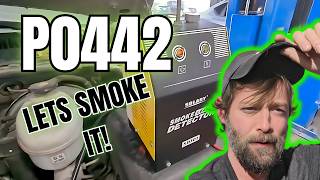
- If no obvious faults are found, the most effective diagnostic method is to have a professional perform a smoke test. This involves injecting smoke into the EVAP system via the service port (often with a green cap) to visually pinpoint the source of the small leak. 🎬 Watch: How to find a small EVAP leak using smoke.
Parts You'll Likely Need
- Gas Cap
(OEM #ACDelco GT229)— This is the most common cause of a P0442 code due to the seal wearing out over time. Owners strongly recommend OEM over aftermarket for a reliable seal.
Trusted brands: ACDelco, Stant
OEM price range: $20-$35
Aftermarket price range: $15-$25 - Vapor Canister Purge Valve / Solenoid
(OEM #ACDelco 214-641 (GM 12569751))— This valve often gets stuck, causing a persistent small leak. It's a known failure item on this platform. A key symptom is hard starting after refueling.
Trusted brands: ACDelco, Dorman, Standard Motor Products (CP469)
OEM price range: $50-$70
Aftermarket price range: $35-$55 - Vapor Canister Vent Valve / Solenoid
(OEM #ACDelco 214-2324)— Its location under the car makes it prone to failure from corrosion and debris, preventing the EVAP system from sealing for its self-test.
Trusted brands: ACDelco, Dorman (911-075), SKP
OEM price range: $55-$75
Aftermarket price range: $40-$60
Related Codes That Often Appear With This One
- P0440 — This is a general EVAP system malfunction code. It can appear alongside P0442 if the system detects a general fault in addition to the specific small leak.
- P0455 — This code indicates a large EVAP leak. If a small leak (P0442) worsens, it may eventually be detected as a large leak, or if there are multiple leak sources like a bad cap and a bad solenoid.
- P0449 — This code specifically points to a fault in the EVAP vent valve/solenoid circuit. If you have P0442 and P0449 together, the vent solenoid is almost certainly the problem.
Technical Service Bulletins (TSBs) & Recalls
- PIT4943D: A TSB directing technicians to a specific article on using an EVAP system tester for diagnosing a P0442 code, confirming that specialized tools may be needed.
- 02-06-04-037 (various revisions): While officially for code P0446 on trucks, this TSB is widely referenced for GM cars as it addresses a root cause of vent valve failure (dirt/dust intrusion) that can also lead to P0442. The solution involves a redesigned vent solenoid with a remote filter box.
Platform-Specific Known Issues
- The provided NHTSA Technical Service Bulletin (TSB) PIT4943D indicates that diagnosing a P0442 code may require specialized knowledge and tools, specifically referencing a Techlink article about using an Evaporative Emissions System Tester.
Mechanic-Grade Diagnostic Values
- Fuel Tank Pressure (FTP) Sensor Signal Voltage — expected: 0.1 - 4.9 Volts. Failure: Voltage outside of the expected range. The sensor operates inversely: high pressure reads as low voltage, while low pressure (vacuum) reads as high voltage.
Scan Tool Commands That Help
- GM Tech 2: EVAP Service Bay Test — This is a bidirectional test used to command the EVAP system to perform a self-test on demand, rather than waiting for the vehicle's drive cycle criteria to be met. It closes the vent solenoid, opens the purge solenoid to create a vacuum, then seals the system to check for vacuum decay, helping to confirm a leak exists.
- GM Tech 2: EVAP Service Bay Test (Status) — Note: Per TSB #02-06-04-014, GM eliminated this test procedure from the scan tool software for the 2001 Oldsmobile Intrigue. If a technician cannot find this test on a 2001 model, it is likely because their scan tool has been updated with the software that removed it.
Wiring & Ground Locations
- Powertrain Control Module (PCM) — Located on the left front side of the engine compartment, inside the air cleaner assembly.. The PCM controls the EVAP purge and vent solenoid drivers and interprets data from the fuel tank pressure sensor. A poor connection here can cause various EVAP codes.
- EVAP Service Port — Located in the EVAP purge pipe between the purge valve and the canister, identified by a green colored cap.. This is the connection point for a smoke machine. A missing cap or leaking Schrader valve at this port can be the source of the P0442 leak itself.
- G201 / G204 — Located on the left side of the steering column.. These are interior ground points. While less likely to be the cause, they provide ground for modules that communicate with the PCM.
"I Checked Everything" — The Actual Cause
- On related GM W-body platforms, a common cause for an EVAP code that is hard to find with a smoke test is a rusted fuel filler neck. The rust creates pinholes or a rough surface that prevents the gas cap from sealing correctly, but the leak may be too small or intermittent to be easily seen with smoke, especially if the smoke machine is connected at the service port and not the filler neck itself.
OEM Part Supersession History
GM 12569751→ACDelco 214-641— Original part discontinued by GM.Varies (Original Vent Solenoid)→ACDelco 214-2324— Part design updated.
Heads up: The replacement vent solenoid (214-2324) may have a square electrical connector, while the original vehicle harness has an oval one. If this is the case, a separate pigtail adapter harness, GM part number 19257603, must be purchased to complete the installation.
Model Year Variations Within This Range
- 2001: Per GM TSB #02-06-04-014, the 'EVAP Service Bay Test' function was officially eliminated from the Tech 2 scan tool for 2001 models. This diagnostic function may still be present for 2002 models or on scan tools with older software.
Helpful Videos
Used OEM Parts in Stock
New Aftermarket Parts Available


The information in this article is provided for general reference and educational purposes only. Vehicle specifications, procedures, and part compatibility can vary by production date, trim level, and region. Always consult your vehicle's factory service manual and verify part numbers before purchasing or performing repairs. Safety-critical components such as airbags, seat belts, and braking systems should be installed by a qualified professional.
- Oldsmobile INTRIGUE:
- 🎬 Helpful Videos
- 🛍️ Shop This Part
- What's Unique About the 2001-2002 Oldsmobile INTRIGUE
- Diagnostic Flowchart
- Symptoms You May Notice
- Most Likely Causes
- Rare But Worth Checking
- Diagnosis Steps
- Parts You'll Likely Need
- Related Codes That Often Appear With This One
- Technical Service Bulletins (TSBs) & Recalls
- Platform-Specific Known Issues
- Mechanic-Grade Diagnostic Values
- Scan Tool Commands That Help
- Wiring & Ground Locations
- "I Checked Everything" — The Actual Cause
- OEM Part Supersession History
- Model Year Variations Within This Range
- 🎟️ Get 5% Off