

P0442 on 2015-2022 Nissan Versa: EVAP Small Leak Causes and Fixes
On a 2015-2022 Nissan Versa, code P0442 is most often caused by a loose or faulty gas cap. Before buying any parts, ensure the cap is tight and clicks. If the problem persists, the next most likely causes are a faulty EVAP vent control valve or purge valve, both known failure points on Nissans.
- P0442 means your Versa has a small leak in the emissions system.
- Always check your gas cap first. Make sure it's tight and the seal is not cracked. This fixes the problem a majority of the time.
- If the gas cap isn't the issue, the next most likely culprits are the EVAP purge valve (in the engine bay) or the vent valve (at the rear of the car).
- You can safely drive with this code, but you won't pass an emissions inspection until it's fixed.
What's Unique About the 2015-2022 Nissan VERSA
For all Nissan vehicles from 2012 onward, including the Versa, the manufacturer has issued several Technical Service Bulletins (TSBs) for EVAP leak codes like P0442, P0455, and P0456. These bulletins, such as NTB13-097J, emphasize that a loose fuel filler cap is a very common trigger and provide a specific diagnostic flow chart for technicians to follow. This official guidance discourages simple test drives to confirm the issue, indicating a high frequency of cap-related problems and a standardized dealer approach to diagnosis that often starts with the cap before moving to a smoke test or component testing.
Diagnostic Flowchart
Tap your situation to follow the diagnostic path that matches what you're seeing on this vehicle.
Generation note: This range covers two generations of the Nissan Versa: the end of the second generation (N17, 2015-2019) and the third generation (N18, 2020-2022). Both primarily use the 1.6L HR16DE engine. While the EVAP system components serve the same function, their specific location and part numbers may differ. The most common causes (gas cap, purge valve, vent valve) are consistent across both generations.
Symptoms You May Notice
- Check Engine Light is on
- A faint fuel smell, especially when parked in an enclosed space like a garage
- Difficulty filling the fuel tank (the nozzle clicks off prematurely) if the vent valve is blocked
- Hard starting immediately after refueling, which can point to a purge valve stuck open.
- Rough idle, which can also be caused by a faulty purge valve.
- Replacing the charcoal canister when only the vent valve is bad. On many Nissans, the vent valve is attached to the canister but can be replaced separately.
- Replacing O2 sensors or other unrelated emissions components before properly diagnosing the EVAP system.
- Assuming a leak exists without first thoroughly checking the gas cap seal and tightness.
Most Likely Causes
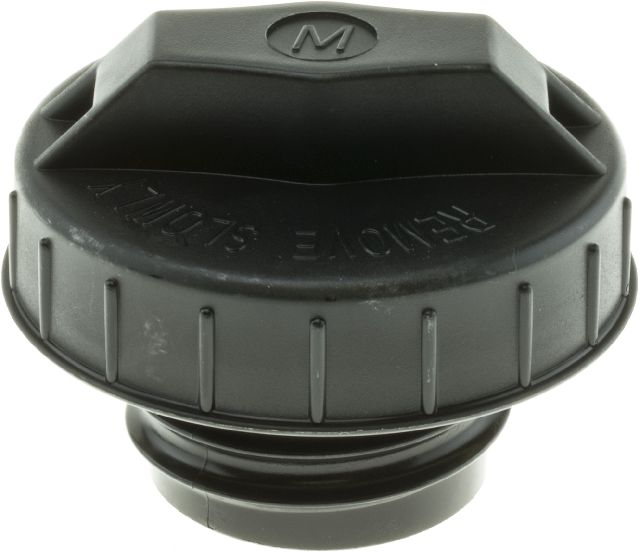
- Loose or Faulty Gas Cap 🔴 High Probability Nissan TSBs NTB13-097J, NTB13-097g, and NTB13-097D all list a loose fuel filler cap as a primary potential cause for P0442 across all 2012+ Nissan models. The rubber seal on the cap can degrade over time, preventing a proper seal.
How to confirm: Remove the gas cap and inspect the rubber seal for cracks, dirt, or damage. 🎬 See how to inspect your gas cap and diagnose P0442. Reinstall it, ensuring it clicks at least once. Clear the code and drive for a few days to see if it returns.
Typical fix: Tighten or replace the gas cap. It is highly recommended to use an OEM (Original Equipment Manufacturer) cap from Nissan, as aftermarket caps are known to cause sealing issues.
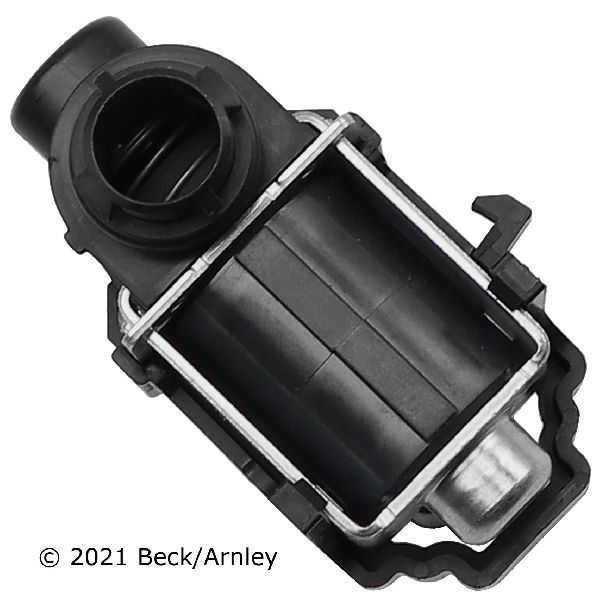
Est. part cost: $15-$40 - EVAP Vent Control Valve (Solenoid) 🟡 Medium Probability The vent valve is located near the charcoal canister under the rear of the car, where it is exposed to road dust, moisture, and debris. This can cause it to get stuck open or fail to seal properly. Another TSB, NTB17-082E, specifically addresses a P0456 leak caused by the O-ring on this valve, indicating it's a known weak point in the system.
How to confirm: A mechanic can command the valve to open and close with a scan tool to check its operation. It can also be removed and tested for leaks using a hand-held vacuum pump. A visual inspection may reveal cracks, corrosion, or debris clogging the filter.
Typical fix: Replacement of the EVAP vent control valve. Sometimes just cleaning the valve and its filter can resolve the issue. The valve is located under the rear of the vehicle, on the passenger side, often behind a plastic cover.
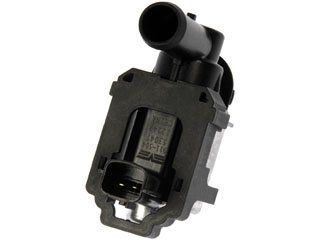
Est. part cost: $50-$100 - EVAP Purge Valve (Solenoid) 🟡 Medium Probability The purge valve is located in the engine bay and can get stuck open or closed over time, creating a leak in the system. A stuck-open purge valve is a common cause of hard starting after refueling.
How to confirm: The valve is normally closed. It can be removed and tested to see if it holds a vacuum or if air can be blown through it when de-energized. With the engine running, you can disconnect the hose leading from the valve to the intake manifold to feel for suction when there shouldn't be any.
Typical fix: Replace the purge valve. This is an easy repair as the valve is accessible in the engine bay, mounted to the intake manifold or nearby 🎬 Watch: Step-by-step purge valve replacement for 2020+ Versa models., and typically held by one 10mm bolt.
Est. part cost: $40-$90 - Cracked or Disconnected EVAP Hoses ⚪ Low Probability Rubber and plastic hoses can become brittle and crack over time due to age and heat cycles, especially the small vacuum lines in the engine bay near the purge valve.
How to confirm: A visual inspection of all EVAP lines between the fuel tank, charcoal canister, and purge valve may reveal obvious cracks. Squeezing the hoses can reveal hidden cracks. The most effective method is a smoke test, which forces smoke into the EVAP system to reveal the exact location of any leaks. 🎬 Watch: How a professional smoke test finds hidden EVAP leaks.
Typical fix: Replace the cracked section of hose. In some cases, a cracked end can be trimmed off and the hose re-secured.
Est. part cost: $10-$30
Rare But Worth Checking
- Cracked Charcoal Canister: The canister itself can develop hairline cracks, especially if the vehicle has sustained an underbody impact. This is less common than valve failure but is a definite possibility.
- Leaking Fuel Tank Filler Neck: Rust and corrosion on the metal surface where the gas cap seals can prevent a proper seal, even with a new cap.
- Overfilling the Fuel Tank: A user on CarParts.com reported that their P0442 code was resolved by no longer 'topping off' the fuel tank after the pump automatically clicks off. Overfilling can saturate the charcoal canister with liquid fuel, causing system malfunctions.
Diagnosis Steps
- Read the code with an OBD-II scanner to confirm P0442 is present.
- Inspect the gas cap for any cracks or damage to the seal. Remove, reinstall, and tighten it until it clicks multiple times. Clear the code and drive for a few days to see if the light returns.
- If the light returns, replace the gas cap with an OEM part. Aftermarket caps are a frequent source of repeat issues.
- If the problem persists, visually inspect all accessible EVAP hoses in the engine bay and under the vehicle for obvious cracks or disconnections. Pay close attention to the small vacuum lines connected to the purge valve.
- Locate the EVAP purge valve in the engine bay. On the N18 Versa (2020+), it's on the center of the intake manifold. With the engine off, remove the valve and try to blow through it. If air passes, it's stuck open and needs replacement.
- Locate the EVAP vent valve near the charcoal canister at the rear of the vehicle, on the passenger side. Inspect it for cracks, and test its function with a scan tool or by applying direct voltage to see if it clicks.
- If no obvious issues are found, the most reliable next step is to have a professional perform a smoke test. This involves closing the vent valve and pumping smoke into the system to pinpoint the exact location of the small leak.
Parts You'll Likely Need
- Fuel Cap
(OEM #17251-ZN90A (superseded by 17251-9BD0F) or 17251-ZZ62D depending on specific year/model)— This is the most frequent cause of P0442 on modern Nissan vehicles, as highlighted in multiple TSBs.
Trusted brands: Nissan (OEM)
OEM price range: $25-$40
Aftermarket price range: $15-$25 - Vapor Canister Vent Valve / Solenoid
(OEM #14935-JF02C (supersedes multiple previous versions like 14935-JF00A/B/C/D/E))— This valve is a common failure point as it can get stuck or clogged with debris, preventing the EVAP system from sealing properly. It is used across a wide range of Nissan vehicles.
Trusted brands: Nissan (OEM), Dorman, Standard Motor Products
OEM price range: $60-$85
Aftermarket price range: $50-$100 - Vapor Canister Purge Valve / Solenoid
(OEM #14930-3YM0A (for N18, 2020+ Versa) or 14930-1KC1A (for N17, 2012-2019 Versa))— This valve can fail by sticking open, creating a constant small leak within the system and potentially causing hard starts after refueling.
Trusted brands: Nissan (OEM), Hitachi, Delphi, Dorman
OEM price range: $60-$100
Aftermarket price range: $40-$90
Related Codes That Often Appear With This One
- P0456 — P0456 indicates a 'very small leak'. The same failing component can sometimes trigger either a P0442 or a P0456 depending on the test conditions and leak severity.
- P0455 — P0455 indicates a 'gross leak'. If a component like a purge or vent valve fails completely or a hose becomes disconnected, it can trigger a large leak code instead of a small one.
- P0441 — P0441 indicates 'Incorrect Purge Flow'. This code often appears alongside P0442 when the purge valve is the root cause, as a stuck valve affects both the system's ability to seal and its flow characteristics.
Technical Service Bulletins (TSBs) & Recalls
- NTB13-097J: 'EVAP LEAK DTC P0442, P0455, P0456 INFORMATION' (Feb 2022) - Confirms that a loose fuel filler cap is a primary potential cause and provides diagnostic procedures for all 2012 and newer Nissan vehicles.
- NTB17-082E: 'DTC P0456 CAUSED BY EVAP LEAK AT VENT CONTROL VALVE O-RING' (Feb 2022) - While for a different code (P0456 very small leak), this TSB highlights the vent control valve's O-ring as a known leak point, which could also manifest as a P0442 small leak.
- NTB09-020f: An older TSB for 2007-2011 vehicles that contains similar information about the gas cap being a likely cause for P0442, showing a long history of this issue on Nissan platforms.
Platform-Specific Known Issues
- DIY Purge Valve Replacement (2020+ N18 Versa): On the third-generation Versa (2020-2022), the purge valve (14930-3YM0A) is located directly on top of the intake manifold, making it exceptionally easy to replace. It is held by a single 10mm bolt and has two simple hose connections. This is a 15-minute job for a DIYer with basic tools.
Mechanic-Grade Diagnostic Values
- EVAP Vent Control Valve Solenoid Resistance — expected: Between 20 and 50 ohms across the two terminals.. Failure: A reading outside of this range (e.g., infinite for an open circuit, or zero for a short) indicates a faulty solenoid winding.
- Voltage at EVAP Vent Control Valve Harness Connector — expected: Approximately 12V (battery voltage) on one of the two wires with the ignition key in the ON position (engine off).. Failure: No voltage suggests a wiring issue, a blown fuse (typically 15-amp), or a problem with the power supply from the ECM/IPDM.
Hidden / Shadow Codes Worth Checking
- EVAP Vent Solenoid Circuit Status: Advanced scan tools may display a specific circuit status like 'Open' or 'Short to Ground'. This is not a separate DTC but a live data parameter from the ECU that can confirm an electrical fault in the vent valve circuit, helping to distinguish it from a physical leak. (see via Nissan CONSULT diagnostic tool or professional-grade bidirectional scan tools (e.g., Autel, Snap-on).)
Scan Tool Commands That Help
- Nissan CONSULT-III plus: EVAP System Leak Check — This is the dealer-level automated test procedure outlined in TSBs to officially diagnose the EVAP system after confirming the fuel cap is secure.
- Professional Bidirectional Scanner (Autel, etc.): EVAP Vent Solenoid On/Off (or Open/Close) — This command is used to manually close the normally-open vent valve. It is essential for performing a smoke test to seal the system, and also to verify the solenoid clicks and functions correctly.
Wiring & Ground Locations
- Main Battery Ground — On a 2020 Versa, the main negative battery cable connects directly to the chassis near the battery.. A poor main ground can cause a variety of unpredictable electrical issues and codes. The 2020 Versa owner's manual specifically warns against grounding accessories directly to the battery terminal, as it can interfere with the vehicle's variable voltage control system.
- Engine Grounds — General Nissan practice includes a ground strap from the intake manifold to the battery area and another from the cylinder head (exhaust side) to the firewall.. The ECM and its sensors, including those for the EVAP system, rely on solid engine and chassis grounds to provide accurate readings. A faulty ground can cause incorrect sensor data, potentially triggering false codes.
Real Owner Repair Stories
- YouTube channel 'MY CHOICE / NOW, WHATS YOURS?' (2009 Nissan Versa (N17 platform, similar EVAP design)) — Check Engine Light with codes P0455 and P0442.
❌ Tried (didn't work) Replacing the gas cap.
✅ What actually fixed it The problem was resolved by replacing the EVAP Vapor Canister Vent Valve (also called a check valve) located under the car near the canister on the passenger side.
"I Checked Everything" — The Actual Cause
- A faulty Fuel Tank Pressure (FTP) sensor can cause the ECU to believe there is a leak even when the system is perfectly sealed and would pass a smoke test. The sensor provides incorrect pressure readings, leading to a false P0442 code.
OEM Part Supersession History
14935-JF00A, 14935-JF00B, 14935-JF00C, 14935-JF00D, 14935-JF00E, 14935-JF01B, 14935-JF01C→14935-JF02C— This is the Vapor Canister Vent Valve. The extensive list of superseded part numbers indicates that Nissan has released multiple revisions of this component, which strongly suggests it is a known failure point that the manufacturer has attempted to improve over time.
Heads up: The part is often noted with 'Part cannot be reused/reinstalled', implying it may be a one-time-use fit or that the seals are compromised upon removal.
Model Year Variations Within This Range
- 2020-2022 (N18 generation): The 2020 refresh introduced a more powerful version of the 1.6L engine (122 hp vs 109 hp) and an upgraded alternator (120 amps vs 110 amps). The purge valve (P/N 14930-3YM0A) was moved to a more accessible location on top of the intake manifold.
Helpful Videos
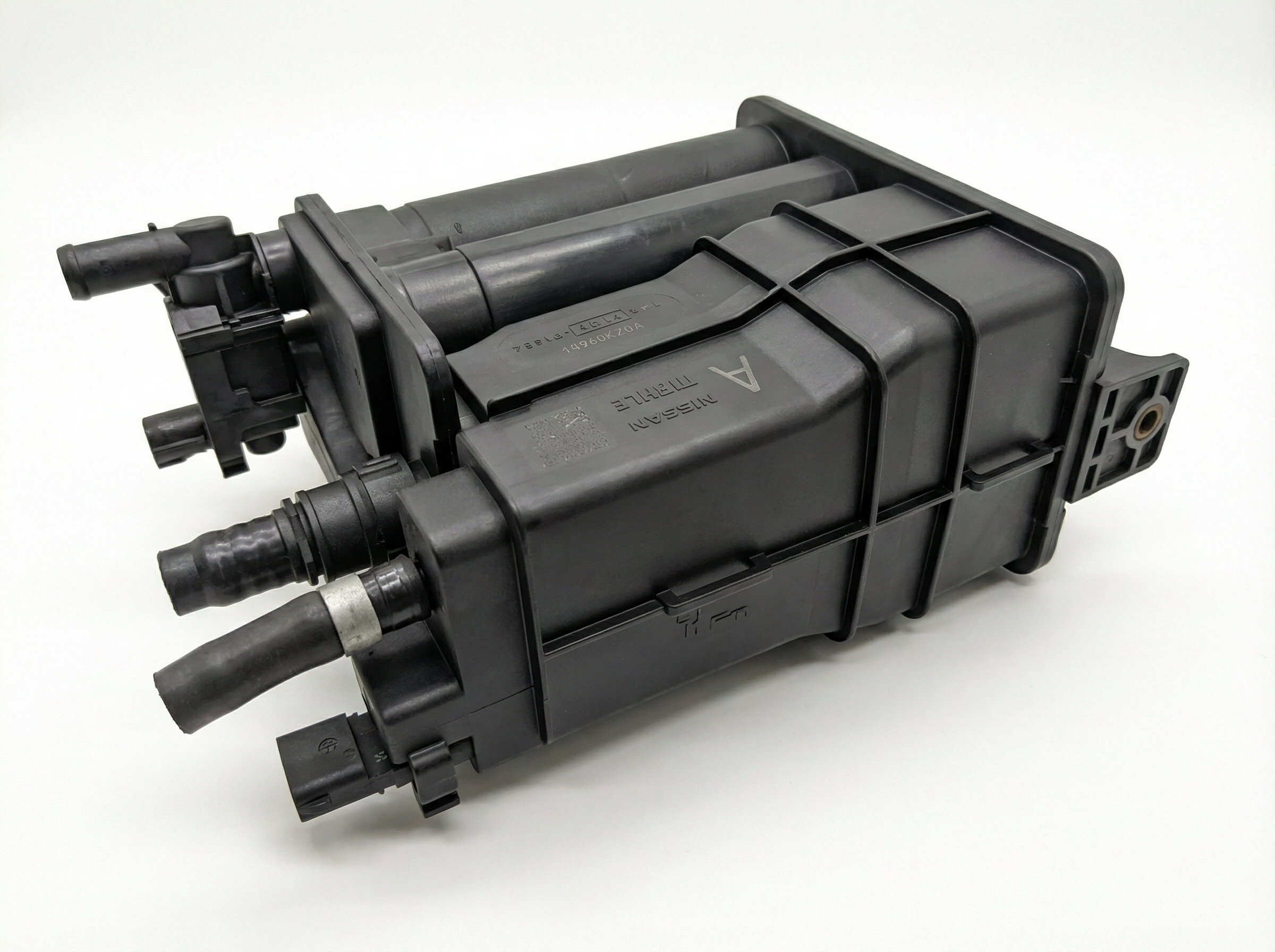
Used OEM Parts in Stock

New Aftermarket Parts Available


The information in this article is provided for general reference and educational purposes only. Vehicle specifications, procedures, and part compatibility can vary by production date, trim level, and region. Always consult your vehicle's factory service manual and verify part numbers before purchasing or performing repairs. Safety-critical components such as airbags, seat belts, and braking systems should be installed by a qualified professional.
- Nissan VERSA:
- 🎬 Helpful Videos
- 🛍️ Shop This Part
- What's Unique About the 2015-2022 Nissan VERSA
- Diagnostic Flowchart
- Symptoms You May Notice
- Most Likely Causes
- Rare But Worth Checking
- Diagnosis Steps
- Parts You'll Likely Need
- Related Codes That Often Appear With This One
- Technical Service Bulletins (TSBs) & Recalls
- Platform-Specific Known Issues
- Mechanic-Grade Diagnostic Values
- Hidden / Shadow Codes Worth Checking
- Scan Tool Commands That Help
- Wiring & Ground Locations
- Real Owner Repair Stories
- "I Checked Everything" — The Actual Cause
- OEM Part Supersession History
- Model Year Variations Within This Range
- 🎟️ Get 5% Off