

P0442 on 2011-2017 Nissan Quest: EVAP Small Leak Causes and Fixes
For a 2011-2017 Nissan Quest, a P0442 code is most often caused by a loose or faulty gas cap. Before buying any parts, tighten the cap until it clicks, clear the code, and drive for a few days. If it returns, a new OEM gas cap is a low-cost first step, typically under $40. If the cap isn't the issue, the next most common culprit is the EVAP canister vent control valve located at the rear of the vehicle.
- P0442 on your Quest means there's a small leak in the emissions system.
- Always check your gas cap first. Make sure it's tight and the seal isn't cracked. This fixes the problem more than half the time.
- If a new gas cap doesn't solve it, the next most likely culprit is the EVAP canister vent control valve, located at the rear of the van.
- You can continue to drive the vehicle, but you won't be able to pass an emissions test until the issue is resolved.
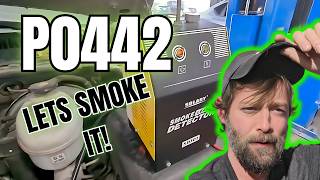
- For leaks that aren't obvious, a smoke test performed by a mechanic is the fastest way to find the source.
What's Unique About the 2011-2017 Nissan QUEST
The 2011-2017 Nissan Quest (fourth generation, RE52) is covered by multiple Nissan Technical Service Bulletins (TSBs) for this exact family of EVAP codes. These bulletins, including NTB13-097J, strongly emphasize checking the fuel filler cap as the primary cause before proceeding 🎬 Watch: Step-by-step guide to fixing the gas cap seal. with more complex diagnostics. This suggests that a simple, inexpensive fix is very common for this vehicle before suspecting more complex component failures. Nissan explicitly warns technicians that test-driving the vehicle to confirm these DTCs will only waste time and that the specific diagnostic flow chart in the TSB must be used for an effective repair.
Diagnostic Flowchart
Tap your situation to follow the diagnostic path that matches what you're seeing on this vehicle.
Symptoms You May Notice
- Check Engine Light is on
- A faint fuel smell, often near the filler cap or rear of the vehicle (less common).
- Vehicle may have a "Loose Fuel Cap" warning on the dash, which often precedes the Check Engine Light if the cap is left loose for multiple trips.
- Difficulty starting the engine immediately after refueling (a classic symptom of a stuck-open purge valve).
- Replacing the purge valve or vent valve before checking or replacing the gas cap. Always start with the simplest and most common fix, which is the gas cap.
- Replacing parts without confirming the leak location. A professional smoke test can save time and money by pinpointing the exact source of the leak before replacing multiple components.
Most Likely Causes
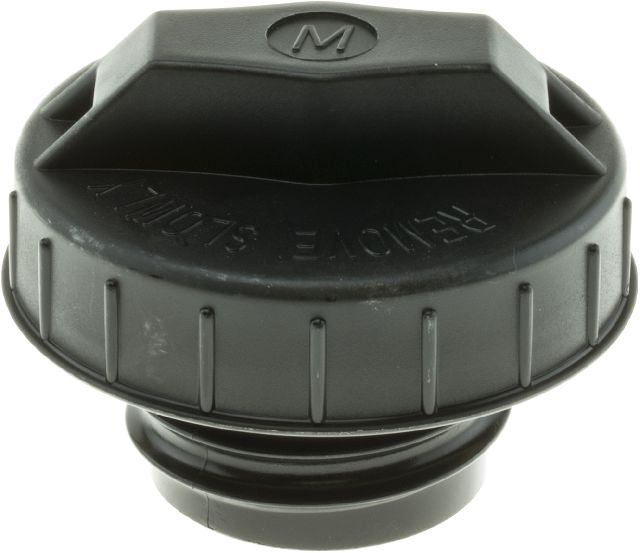
- Loose or Faulty Gas Cap 🔴 High Probability Nissan has issued multiple TSBs (NTB09020F, NTB13-097 series) that identify a loose or faulty fuel cap as a primary trigger for P0442. The rubber O-ring on the cap can crack, harden, or get dirty over time, preventing a proper seal. Aftermarket caps are also a known source of issues, as they may not seal with the same precision as the OEM part.
How to confirm: Remove the gas cap and inspect the rubber seal for any visible cracks, stiffness, or debris. Ensure the fuel filler neck where the cap seals is clean and free of rust. Reinstall the cap, making sure to tighten it until it clicks several times. Clear the code and drive for a few days to see if it returns. A drive cycle may be required for the computer to re-test the system.
Typical fix: Tighten the cap. If the seal is damaged or the code returns, replace the gas cap with a new OEM (Original Equipment Manufacturer) part.
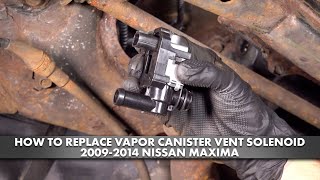
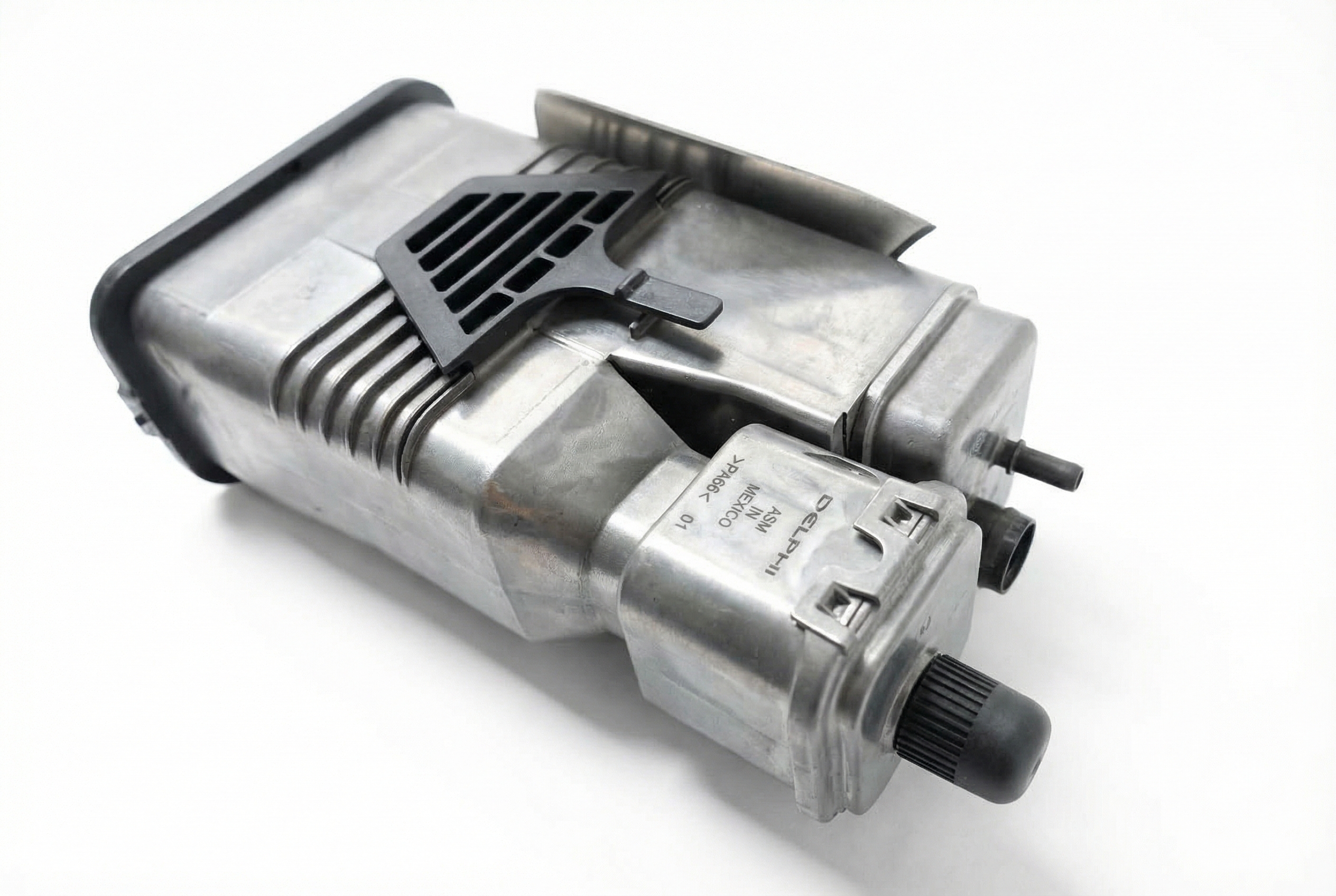
Est. part cost: $15-$40 - Faulty EVAP Canister Vent Control Valve 🟡 Medium Probability This valve is a known failure point on many Nissan models, including the Quest and its platform mates like the Pathfinder and Murano. It is located at the rear of the vehicle near the charcoal canister and is exposed to road debris and moisture, which can cause it to stick open or closed, for its O-ring seal to fail, or for the internal filter to become clogged.
How to confirm: The valve is normally open and should close and seal when 12V is applied. It can be removed and bench-tested by applying power and trying to blow through it; if you can still blow through it when energized, it has failed. A smoke test is the most definitive method; a technician will often see smoke leaking from the valve itself if it has failed. With a capable scan tool, a technician can command the valve closed to test its function.
Typical fix: Replace the EVAP canister vent control valve assembly. It is typically mounted on or near the EVAP canister. Cleaning the valve is sometimes possible but replacement is often necessary.
Est. part cost: $40-$100 - Cracked or Disconnected EVAP Hoses ⚪ Low Probability Rubber hoses, especially the small vacuum lines in the engine bay connected to the purge solenoid, can become brittle and crack with age and exposure to heat cycles. Squeezing the hoses may reveal visible cracks that leak vapor under vacuum.
How to confirm: Perform a thorough visual inspection of all accessible EVAP lines, from the engine bay to the charcoal canister at the rear. Look for obvious cracks, splits, or loose connections. A smoke test is the most effective way to find small, hard-to-see leaks in hoses.
Typical fix: Replace the specific section of cracked or broken hose. Sometimes the end can be trimmed and re-secured if there is enough slack.
Est. part cost: $10-$50 - Faulty EVAP Canister Purge Volume Control Valve/Solenoid ⚪ Low Probability This valve, located in the engine bay, can fail by sticking open or closed. If it sticks open, it creates a vacuum leak and can cause difficulty starting after refueling. While it can cause a P0442, it more commonly triggers other codes like P0441 (Incorrect Purge Flow) or P0443 (Purge Control Valve Circuit).
How to confirm: With the engine off, the valve should be closed. Remove the valve and try to blow through it. If air passes, it is stuck open and has failed. It can also be tested by applying 12V to see if the solenoid clicks. A handheld vacuum pump can also be used to see if it holds vacuum when de-energized.
Typical fix: Replace the purge volume control valve.
Est. part cost: $70-$150
Rare But Worth Checking
- Cracked Charcoal Canister: The plastic housing of the canister itself can develop fine cracks from age or impact from road debris, causing a leak that is difficult to spot without a smoke test.
- Leaking Fuel Tank or Filler Neck: Rust or physical damage can cause a small leak in the fuel tank or the metal filler neck, which is part of the sealed EVAP system. This is less common but should be considered if all other components check out, especially in regions where road salt is used. A visual inspection may reveal rust on the filler neck sealing surface.
- Faulty Fuel Tank Pressure Sensor: A malfunctioning fuel tank pressure (FTP) sensor can incorrectly report a leak to the ECM, triggering a P0442 code even if no leak exists. This is an uncommon failure and will often set a dedicated sensor code.
Diagnosis Steps
- Read the code with an OBD-II scanner and confirm P0442 is present. Note any other codes and freeze frame data.
- Inspect the gas cap. Ensure it is tight. If it's loose, tighten it until it clicks multiple times, clear the code, and drive for a few days to allow the EVAP monitor to run again.
- If the code returns, remove the cap and carefully inspect its rubber seal for cracks, dirt, or damage. Clean the fuel filler neck surface, checking for rust or debris that could prevent a seal.
- If the cap seal looks worn or you are using an aftermarket cap, replace it with an OEM part as a low-cost, high-probability first step.
- If the code persists, perform a visual inspection of all visible EVAP hoses and components under the hood and near the rear of the vehicle for obvious cracks or disconnections. Pay close attention to the small rubber hoses on the purge solenoid in the engine bay.
- Locate the EVAP canister vent control valve near the charcoal canister at the rear of the vehicle. Inspect it for cracks or damage. Test its operation if you have the tools (apply 12V and check if it closes), or consider it the next most likely part to replace.
- If the leak source is still not found, the most effective next step is a professional smoke test. This involves injecting pressurized smoke into the EVAP system to visually pinpoint the location of the small leak. This can identify cracks in hoses, the canister, or the filler neck that are otherwise invisible.
Parts You'll Likely Need
- Fuel Filler Cap
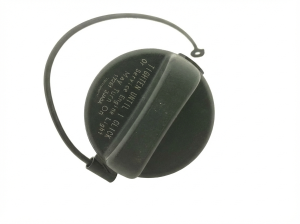
(OEM #17251-1VZ0A)— This is the most frequent cause of P0442 on this vehicle, as confirmed by multiple Nissan TSBs. The seal fails over time. Using an OEM cap is strongly recommended as aftermarket versions can cause sealing issues.
Trusted brands: Nissan (OEM)
OEM price range: $25-$40
Aftermarket price range: $15-$25 - EVAP Canister Vent Control Valve
(OEM #14935-JA10D)— A common failure point on Nissans that causes a variety of EVAP codes. It gets stuck or the seal degrades, creating a leak. This part may be superseded by newer numbers like 14935-JF00B or 14935-JF02C.
Trusted brands: Nissan (OEM), Dorman, Standard Motor Products (SMP)
OEM price range: $90-$120
Aftermarket price range: $40-$80 - EVAP Canister Purge Volume Control Valve
(OEM #14930-JA10D)— Less common than the vent valve, but this part can stick open, causing a constant vacuum leak and often leading to difficulty starting after refueling.
Trusted brands: Nissan (OEM), Dorman, Standard Motor Products (SMP)
OEM price range: $70-$150
Aftermarket price range: $50-$100
Related Codes That Often Appear With This One
- P0456 — This code indicates a 'very small leak,' while P0442 indicates a 'small leak.' They point to the same type of problem, just a different leak size detected by the ECM. They are often caused by the same components and are frequently listed together in Nissan's TSBs.
- P0455 — This code indicates a 'gross leak.' If a component fails significantly (e.g., a hose comes completely disconnected or the gas cap is left off), you may see this code along with or instead of P0442.
Technical Service Bulletins (TSBs) & Recalls
- NTB13-097J: EVAP LEAK DTC P0442, P0455, P0456 INFORMATION
- NTB09020F: SERVICE INFORMATION for EVAP leak DTCs P0442, P0455, P0456, noting a loose fuel fill cap may be the cause.
- NTB13-097g: ALL MODEL YEAR 2012 AND NEWER NISSAN VEHICLES; EVAP LEAK DTC P0442, P0455, P0456 INFORMATION
Platform-Specific Known Issues
- Nissan has released several Technical Service Bulletins (TSBs) related to EVAP codes on these vehicles. Bulletins NTB13-097J, NTB09020F, and NTB13-097g all list P0442 and point to a loose fuel filler cap as a very common cause that should be checked first before performing extensive diagnostics or replacing parts.
- The TSBs specifically instruct technicians not to waste time with test drives for this code and to follow a specific diagnostic flowchart. They also warn that any parts replaced under warranty will be inspected, and if found functional, the claim will be charged back to the dealer, highlighting how often parts are replaced unnecessarily.
Mechanic-Grade Diagnostic Values
- EVAP Canister Vent Control Valve bench test — expected: Valve is normally open. When 12V power is applied, the solenoid should click and the valve should close, preventing air from being blown through.. Failure: No click when power is applied (bad solenoid coil), or air can still pass through the valve when it is energized and closed (bad internal seal).
- EVAP Canister Purge Volume Control Valve bench test — expected: Valve is normally closed. No air should pass through when blowing into it with no power applied.. Failure: Air can be blown through the valve when it is de-energized, indicating it is stuck open.
- Fuel Tank Pressure (FTP) Sensor Voltage (General Reference) — expected: Typically between 1.0 and 4.0 Volts.. Failure: Voltage outside of the expected range may indicate a sensor fault, though this usually triggers a separate DTC.
Scan Tool Commands That Help
- Nissan CONSULT or capable aftermarket scanner: EVAP System 'Activation Test' or 'Active Test' — This function is used to command the normally-open EVAP Canister Vent Control Valve to close. This seals the EVAP system, which is a required step before performing a smoke test to find the physical location of a leak.
Wiring & Ground Locations
- EVAP Canister Vent Control Valve — Under the rear of the vehicle, typically mounted on or near the charcoal canister.. This is a key component for sealing the system. Verifying its connector is secure and wiring is intact is a critical diagnostic step.
- EVAP Canister Purge Volume Control Solenoid Valve — In the engine bay, described as being at the 'rear of engine'.. A failure of this valve or its wiring can cause a P0442. Knowing its location is key for inspection and testing.
- E21 / E38 — Ground points located at the rear of the engine.. A poor ground connection for EVAP system components, like the purge solenoid, can cause erratic operation and trigger fault codes. These are potential points to check for corrosion or looseness.
- BCM (Body Control Module) — Behind the instrument cluster.. The BCM is involved in processing signals and warnings, including the 'Loose Fuel Cap' light, which is related to the EVAP system diagnostics.
Real Owner Repair Stories
- YouTube channel 'Big Will's Car Care' (Toyota Highlander (similar EVAP principle)) — Check Engine Light with small EVAP leak codes (P0442/P0456).
❌ Tried (didn't work) Initial diagnosis pointed to a small leak that was not immediately obvious.
✅ What actually fixed it The small vacuum hoses connected to the EVAP purge solenoid in the engine bay were brittle and had visible cracks upon close inspection and squeezing. Replacing these cracked hoses resolved the small leak code. - YouTube channel 'Schrodinger's Box' (General automotive example) — P0442 code and long crank time after refueling.
❌ Tried (didn't work) The solenoid would click when 12V was applied, suggesting it was functional.
✅ What actually fixed it Despite the solenoid clicking, a bench test revealed the purge valve was stuck partially open, allowing air (and excess fuel vapor after fill-up) to pass through when it should have been sealed. Replacing the faulty purge valve fixed the issue.
OEM Part Supersession History
14935-JF00A, 14935-JF00B, 14935-JF00C, 14935-JF00D, 14935-JF00E, 14935-JF01B, 14935-JF01C→14935-JF02C— Part has been updated multiple times by the manufacturer to improve reliability.14930-JA10A, 14930-JA10B→14930-JA10D— Standard part revision and update by the manufacturer.
Helpful Videos
Used OEM Parts in Stock
New Aftermarket Parts Available


The information in this article is provided for general reference and educational purposes only. Vehicle specifications, procedures, and part compatibility can vary by production date, trim level, and region. Always consult your vehicle's factory service manual and verify part numbers before purchasing or performing repairs. Safety-critical components such as airbags, seat belts, and braking systems should be installed by a qualified professional.
- Nissan QUEST:
- 🎬 Helpful Videos
- 🛍️ Shop This Part
- What's Unique About the 2011-2017 Nissan QUEST
- Diagnostic Flowchart
- Symptoms You May Notice
- Most Likely Causes
- Rare But Worth Checking
- Diagnosis Steps
- Parts You'll Likely Need
- Related Codes That Often Appear With This One
- Technical Service Bulletins (TSBs) & Recalls
- Platform-Specific Known Issues
- Mechanic-Grade Diagnostic Values
- Scan Tool Commands That Help
- Wiring & Ground Locations
- Real Owner Repair Stories
- OEM Part Supersession History
- 🎟️ Get 5% Off