

P0442 on 2007-2014 Nissan Pathfinder: EVAP Small Leak Causes and Fixes
P0442 on a Nissan Pathfinder most often means you have a loose or faulty gas cap. If tightening it doesn't work, the next most likely culprit is a failed EVAP vent control valve near the charcoal canister at the rear of the vehicle. An OEM gas cap is about $25-$40, and a vent valve is $70-$120.
- P0442 means your Pathfinder has a small leak in its fuel vapor system.
- Always check your gas cap first. Make sure it's tight and the seal is intact. This solves the problem more than half the time.
- If the gas cap isn't the issue, the next most likely part to fail is the EVAP vent control valve located at the back of the vehicle by the charcoal canister.
- The issue is not critical and won't stop you from driving, but you won't be able to pass an emissions test until it's fixed.
- For persistent leaks, a smoke test is the most reliable way to find the source without guessing and replacing unnecessary parts.
What's Unique About the 2007-2014 Nissan PATHFINDER
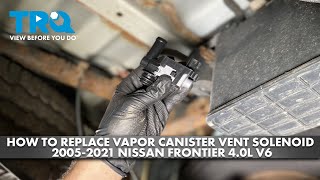
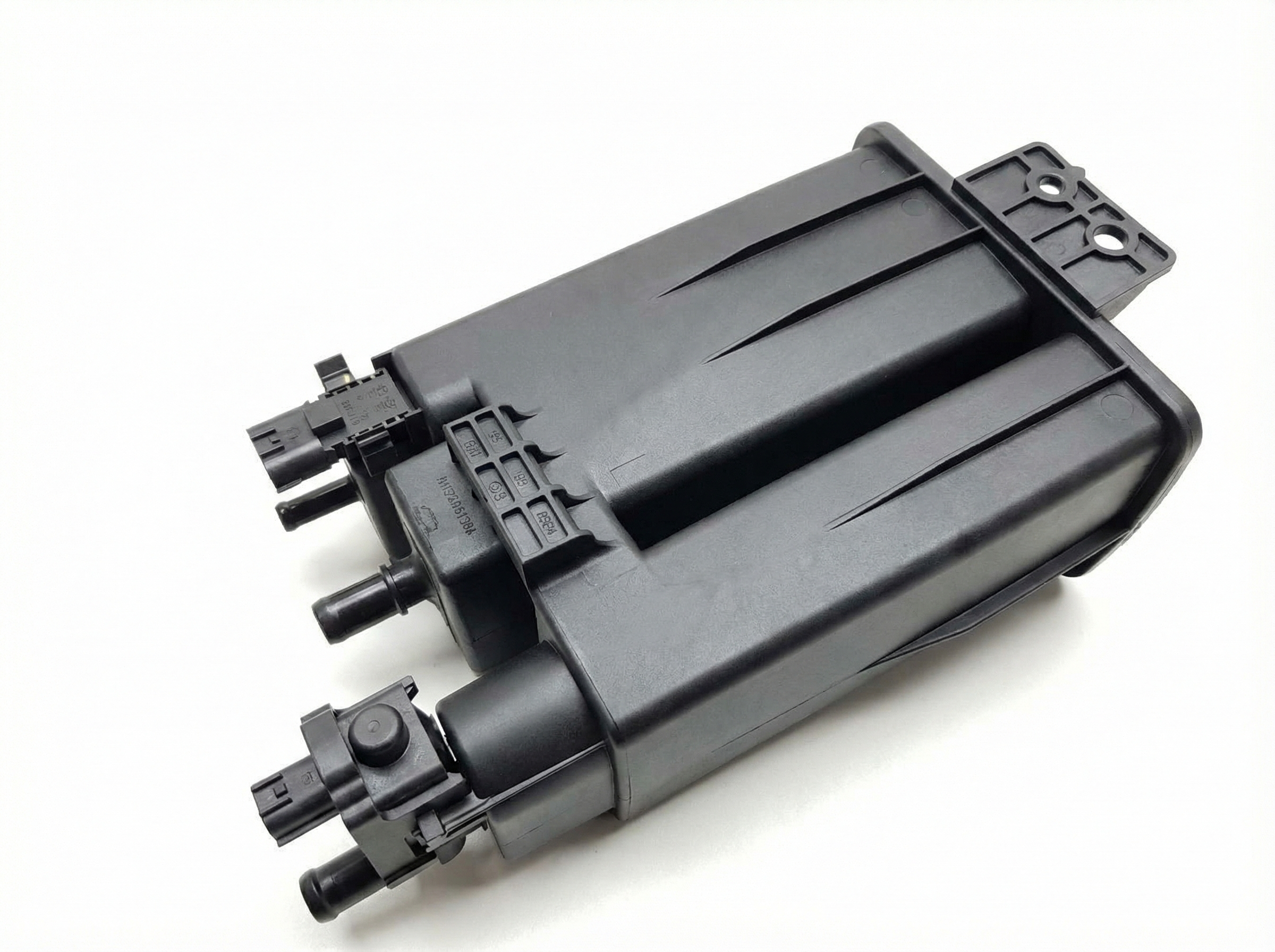
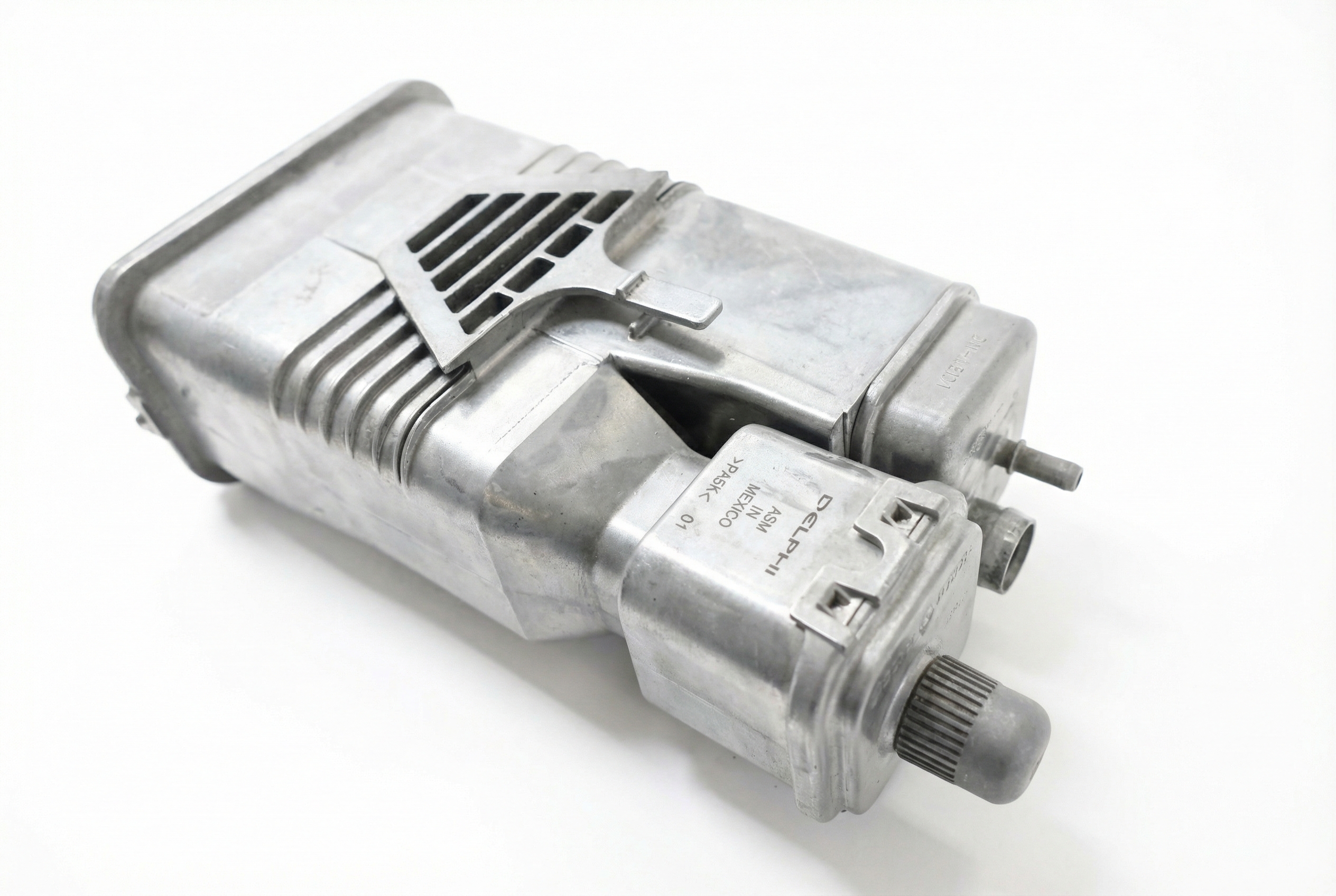
The 2007-2014 Pathfinder range spans two very different vehicle designs: the rugged, body-on-frame R51 (2007-2012) and the more modern, unibody R52 (2013-2014). While the P0442 code's meaning is the same for both, the location and specific design of EVAP components like the vent control valve and charcoal canister differ. A common failure point on many Nissans, including the Pathfinder, is the EVAP canister vent control valve. On the R51, it is located near the rear passenger-side wheel, attached to the EVAP canister. 🎬 See this walkthrough for replacing the vent solenoid on R51 models. On the R52, it's found on the back of the EVAP canister, between the driver's side rear wheel and the spare tire. This valve is highly susceptible to dirt, road salt, and moisture, causing it to stick or fail.
Diagnostic Flowchart
Tap your situation to follow the diagnostic path that matches what you're seeing on this vehicle.
Generation note: This range covers two generations: the 3rd Gen (R51, 2007-2012) and the 4th Gen (R52, 2013-2014). The most common causes (gas cap, vent valve) are shared, but the physical location and part numbers for EVAP components are different. For the R51, the vent valve is often replaced as an assembly with the canister. For the R52 (2013-2014), the vent valve is easily accessible on the back of the EVAP canister near the spare tire and can be replaced separately.
Symptoms You May Notice
- Check Engine Light is on
- A faint smell of fuel, though this is less common.
- Difficulty filling the gas tank (pump clicks off repeatedly), which can point to a stuck-closed vent valve.
- Long crank or difficulty starting immediately after refueling, which can indicate a purge valve that is stuck open.
- Replacing the purge valve when the vent valve is the actual problem. The vent valve is a more common failure point on these vehicles due to its exposed location.
- Replacing the charcoal canister when only the attached vent valve has failed. On many models, including the R52 Pathfinder, the vent valve can be replaced separately.
- Assuming a new aftermarket gas cap will fix the issue. Many forum users report that only an OEM Nissan cap solved their problem after an aftermarket one failed to seal correctly.
Most Likely Causes
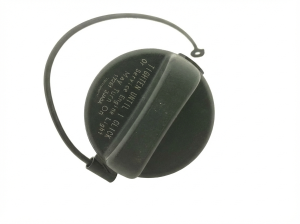
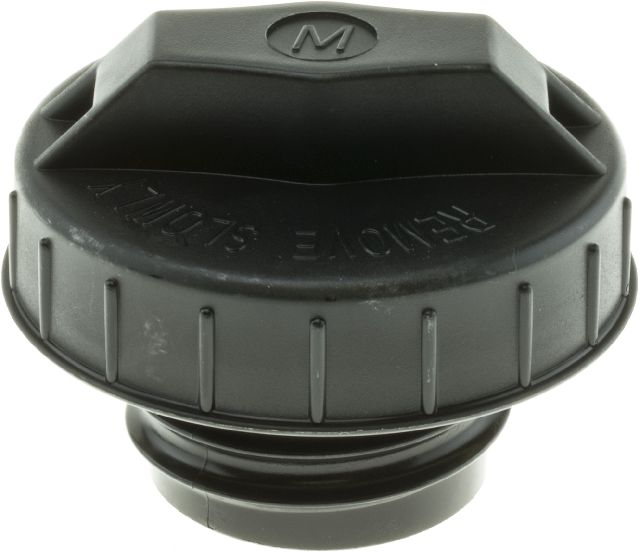
- Loose or Faulty Fuel Cap 🔴 High Probability This is the most common cause for EVAP leak codes on all vehicles. Nissan TSBs NTB09020F, NTB13-097g, and NTB13-097J specifically call out a loose or improperly installed fuel cap as a primary cause for P0442. The rubber O-ring seal can crack or degrade over time, preventing a proper seal.
How to confirm: First, ensure the cap is tightened until it clicks multiple times. If the light returns, inspect the cap's rubber seal for cracks, stiffness, or damage. An OEM replacement is highly recommended as aftermarket caps are a frequent source of sealing issues. Some auto parts stores can test the cap's seal for free.
Typical fix: Tighten or replace the fuel filler cap.
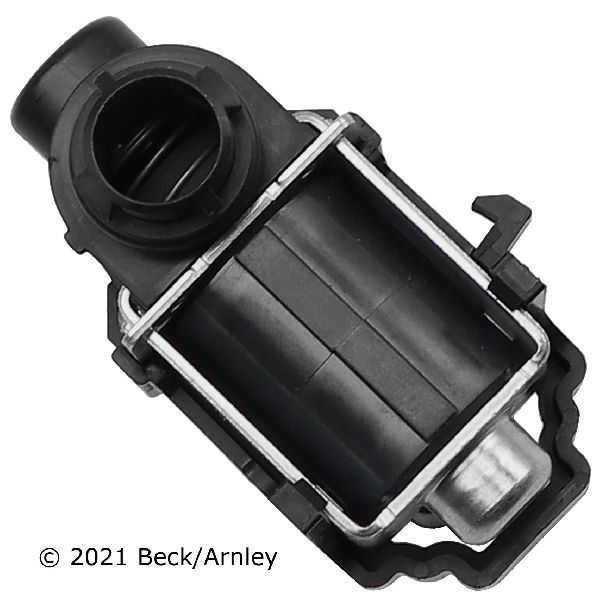
Est. part cost: $25-$40 - Failed EVAP Canister Vent Control Valve 🟡 Medium Probability This valve is located at the rear of the vehicle near the EVAP canister, making it vulnerable to road debris, dirt, and water intrusion, which can cause the solenoid to stick open or closed. This is a widely documented failure on many Nissan models, and updated part designs suggest an acknowledgment of the issue.
How to confirm: The valve can be tested with a capable scan tool to see if it actuates (clicks). A more definitive DIY test is to remove it and apply 12v power to its terminals to listen for a solid click. It should be normally open, so applying power should close it. A professional smoke test is the most effective way to prove it's leaking when it should be closed.
Typical fix: Replace the EVAP canister vent control valve. It often twists and locks into the charcoal canister.
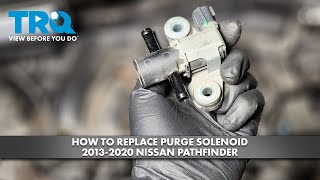
Est. part cost: $70-$120 - Failed EVAP Purge Valve/Solenoid ⚪ Low Probability The purge valve is located in the engine bay and is generally less exposed to the elements than the vent valve. However, it can fail by sticking open, creating a constant small leak path to the intake manifold.
How to confirm: With the engine off, the valve should be closed. Disconnect the hose leading from the valve to the intake manifold and try to blow through it; no air should pass. Another simple test is to start the cold engine and feel for vacuum at the port coming from the canister; there should be no vacuum until the engine warms up and the computer commands it to open. A hand-held vacuum pump can also be used to check if it holds a vacuum when de-energized.
Typical fix: Replace the purge valve.
Est. part cost: $50-$90 - Cracked or Disconnected EVAP Hose ⚪ Low Probability Rubber hoses, especially small elbows and connectors, can become brittle and crack over time due to age and heat cycles. This can happen anywhere between the fuel tank, charcoal canister, and purge valve.
How to confirm: A thorough visual inspection of all accessible EVAP lines is the first step. Bending the hoses slightly can reveal hidden cracks. The most reliable method is to have a professional perform a smoke test, which forces low-pressure smoke into the EVAP system to reveal the exact location of any leaks.
Typical fix: Replace the cracked section of hose or reconnect a loose line.
Est. part cost: $10-$30
Rare But Worth Checking
- Cracked Charcoal Canister: The plastic canister housing itself can develop hairline cracks from age or impact from road debris. This is usually found only with a smoke test after all other components have been checked.
- Leaking Fuel Tank Filler Neck: Rust and corrosion can develop on the metal filler neck where the gas cap seals, preventing a proper seal even with a new cap. This is more common in areas that use road salt. The surface can often be cleaned with a wire brush as a first step.
Diagnosis Steps
- Retrieve the code with an OBD-II scanner. Note any other codes present.
- Inspect the fuel filler cap. Remove it, check the seal for damage, and reinstall it, ensuring it clicks several times. Clear the code and drive for a few days to see if it returns. Many modern Nissans require multiple drive cycles before re-running the EVAP monitor test.
- If the code returns, perform a visual inspection of all visible EVAP hoses and components under the hood and near the fuel tank for obvious cracks, disconnections, or damage.
- Locate the EVAP canister vent control valve at the rear of the vehicle. Inspect its wiring and the valve itself for damage. On the R51 (2007-2012), it's near the passenger rear wheel; on the R52 (2013-2014), it's on the back of the canister by the spare tire.
- Test the purge valve in the engine bay. With the engine cold and off, it should be closed. Check if air can be blown through it or if it holds a vacuum.
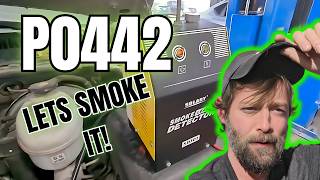
- If visual inspection reveals nothing, the most effective next step is a professional smoke test. This test will pressurize the system with visible smoke, making even the smallest leaks easy to spot. 🎬 Watch: How to find a small EVAP leak using a smoke test.
- Based on the smoke test results, replace the leaking component, which could be a valve, hose, the canister, or the gas cap.
Parts You'll Likely Need
- Fuel Filler Cap
(OEM #17251-1ZA0A (example, verify by VIN))— This is the most frequent cause, as confirmed by multiple Nissan TSBs. The seal wears out over time. Using an OEM cap is highly recommended for a proper seal, as aftermarket versions are known to cause issues.
Trusted brands: Nissan OE
OEM price range: $25-$40
Aftermarket price range: $10-$20 - EVAP Canister Vent Control Valve
(OEM #14935-JF00B / 14935-JF02C (supersedes older numbers, verify by VIN))— A very common failure point on Nissans due to its location. It gets stuck open or closed from dirt and moisture, causing a leak code. Part numbers have been superseded multiple times, indicating design revisions.
Trusted brands: Nissan OE, Hitachi, Bosch
OEM price range: $90-$120
Aftermarket price range: $40-$80 - EVAP Purge Valve / Solenoid
(OEM #14930-EN20A (example, verify by VIN))— Less common than the vent valve, but can fail by sticking open, creating a leak path from the EVAP system to the engine intake and potentially causing hard starts after refueling.
Trusted brands: Nissan OE, Delphi, Denso
OEM price range: $70-$100
Aftermarket price range: $30-$60
Related Codes That Often Appear With This One
- P0455 — Indicates a large EVAP leak. If a component fails significantly (like a vent valve stuck wide open), it can present as a large leak instead of a small one. Both codes often share the same root causes.
- P0456 — Indicates a very small EVAP leak. This points to the same set of problems as P0442, just a smaller leak threshold was detected. It's common to see both P0442 and P0456 together.
Technical Service Bulletins (TSBs) & Recalls
- NTB13-097J: General information bulletin for diagnosing EVAP leak codes P0442, P0455, and P0456. Emphasizes that a test drive is not part of the diagnostic procedure and that a loose fuel cap is a primary cause.
- NTB13-097g: An earlier version of the general EVAP leak diagnostic bulletin for 2012+ models, emphasizing the fuel cap and providing a diagnostic flowchart.
- NTB09020F: Service information stating that a loose fuel fill cap may be the cause for P0442, P0455, and P0456 on 2007-2011 vehicles.
- NTB13-097D: An amended version of the general EVAP leak diagnostic bulletin.
Platform-Specific Known Issues
- source — A 2012 Pathfinder owner on the NPORA Forums reported getting both P0456 and P0442 codes. They first replaced the gas cap with an OEM part, which did not solve the issue. They then performed a smoke test from the service port in the engine bay but could not find a leak, despite confirming the vent valve was closing with 12v power. This highlights the difficulty in finding very small leaks without professional equipment and how even a seemingly functional valve can leak under pressure. The owner noted the retaining clip for the vent valve was weak, which could be a contributing factor.
- source — A detailed DIY guide on the NICOclub forums for a Nissan Rogue shows the vent control valve replacement process. The location and procedure are very similar to the R51 Pathfinder. The author notes that the replacement OEM valve had a revised design, confirming it's a known failure point. The job was completed in 30 minutes without jacking up the vehicle.
Mechanic-Grade Diagnostic Values
- EVAP Canister Purge Valve Resistance — expected: 30 to 38 ohms (when engine is cool). Failure: A reading significantly outside this range indicates a faulty valve coil.
- EVAP Canister Vent Solenoid Resistance — expected: 48 to 65 ohms. Failure: A reading outside this range suggests the solenoid's internal coil is bad.
- EVAP Canister Vent Solenoid Function Test — expected: Valve should be normally open (air passes through) without power, and closed (no air passes) when 12v is applied.. Failure: Valve does not click, or does not seal when 12v is applied, or is stuck closed with no power.
Scan Tool Commands That Help
- Nissan CONSULT or advanced bidirectional scanner: EVAP System Leak Test / Vent Valve Activation — This function is used to command the EVAP vent valve closed, sealing the system. This is a necessary step before performing a smoke test to ensure the system is sealed and can be properly pressurized with smoke to find leaks.
Wiring & Ground Locations
- EVAP Canister Vent Control Valve Location (2013-2014 R52) — Under the vehicle, mounted on the EVAP canister which is located under the spare tire housing.. Knowing the precise location is critical for inspection and replacement, as it differs from the earlier R51 generation.
- EVAP Canister Location (2007-2012 R51) — Behind the rear wheel on the driver's side, behind the fender liner.. This location is different from the later R52 model and is crucial for accessing the vent control valve for testing or replacement.
- EVAP Service Port — In the engine bay, typically a green-capped port on one of the EVAP lines near the purge solenoid on top of the engine.. This is the designated connection point for a smoke machine to introduce smoke into the entire EVAP system for leak testing.
Real Owner Repair Stories
- NPORA Forums user (2012 Pathfinder, 98k miles) — P0456 (very small leak) appeared first, then P0442 (small leak) was also triggered.
❌ Tried (didn't work) Replaced gas cap with a new OEM Nissan cap., Tested vent control solenoid with 12v power; it clicked and seemed to seal., Performed a smoke test via the engine bay service port with the vent valve commanded closed; no smoke was visible anywhere., Tested purge control valve with a vacuum pump; it held vacuum and clicked with 12v power.
✅ What actually fixed it The user noted that the plastic clip holding the vent control valve to the canister was 'barely effective'. Although the O-ring provides the seal, insufficient clamping force from a weak or broken clip can allow a leak under vacuum that may not be apparent during a low-pressure smoke test. The implied fix, after all other components tested good, is replacing the vent valve to get a secure clip and fresh O-ring.
"I Checked Everything" — The Actual Cause
- In some cases, a smoke test may not reveal a leak, especially if the leak is intermittent or only occurs under specific vacuum conditions. A common scenario is a vent control valve O-ring that seals adequately under the low positive pressure of a smoke test but fails to seal under the negative pressure (vacuum) of the EVAP system's self-test. This was reported by a 2012 Pathfinder owner who passed a smoke test but still had the codes; the weak clip on the vent valve was the likely culprit allowing a leak only under vacuum.
OEM Part Supersession History
14935-AM600, 14935-AM60A, 14935-AM60B→14935-JF00A, 14935-JF00B, 14935-JF00C, 14935-JF00E— Design improvement to address common failures from exposure to elements.
Heads up: The newer JF-series valves are generally backward-compatible with vehicles that used the older AM-series, but it is critical to verify fitment by VIN. The physical housing and connector are the same.
Model Year Variations Within This Range
- 2007-2012 (R51 Generation): This generation is a body-on-frame SUV with a 4.0L V6 engine. The EVAP canister and vent valve are located behind the driver's side rear wheel.
- 2013-2014 (R52 Generation): This generation is a unibody crossover with a 3.5L V6 and a CVT. The EVAP canister and vent valve assembly are located under the vehicle near the spare tire. The component design and location are substantially different from the previous generation.
Helpful Videos


Used OEM Parts in Stock


New Aftermarket Parts Available


The information in this article is provided for general reference and educational purposes only. Vehicle specifications, procedures, and part compatibility can vary by production date, trim level, and region. Always consult your vehicle's factory service manual and verify part numbers before purchasing or performing repairs. Safety-critical components such as airbags, seat belts, and braking systems should be installed by a qualified professional.
- Nissan PATHFINDER:
- 🎬 Helpful Videos
- 🛍️ Shop This Part
- What's Unique About the 2007-2014 Nissan PATHFINDER
- Diagnostic Flowchart
- Symptoms You May Notice
- Most Likely Causes
- Rare But Worth Checking
- Diagnosis Steps
- Parts You'll Likely Need
- Related Codes That Often Appear With This One
- Technical Service Bulletins (TSBs) & Recalls
- Platform-Specific Known Issues
- Mechanic-Grade Diagnostic Values
- Scan Tool Commands That Help
- Wiring & Ground Locations
- Real Owner Repair Stories
- "I Checked Everything" — The Actual Cause
- OEM Part Supersession History
- Model Year Variations Within This Range
- 🎟️ Get 5% Off