

P0442 on 2015-2022 Nissan Maxima: EVAP Small Leak Causes and Fixes
For a P0442 code on a 2015-2022 Nissan Maxima, the most likely cause is a loose or faulty gas cap. If that's not it, the next most common failure is the EVAP canister vent control valve near the rear of the car. A new OEM gas cap is under $40, while a vent valve can cost between $50 and $150.
- Always check your gas cap first for a P0442 code. Make sure it's tight and the seal is intact. This is the most common and cheapest fix.
- If the gas cap isn't the problem, the EVAP canister vent control valve (at the rear of the car) is the next most likely part to have failed.
- You can continue to drive the car with this code, but you will not pass an emissions inspection.
- If the fix isn't obvious, a professional smoke test is the fastest way to accurately find the leak, which can save you from replacing unnecessary parts.
What's Unique About the 2015-2022 Nissan MAXIMA
For modern Nissans, including the 2015-2022 Maxima, the P0442 code is so frequently caused by a loose gas cap that Nissan has issued multiple Technical Service Bulletins (TSBs) to guide technicians. These bulletins emphasize checking the cap first before attempting any other repairs. Beyond the cap, the EVAP canister vent control valve is a notoriously common failure point on this platform, often getting stuck due to dirt and debris, which is a key area to inspect after the gas cap has been ruled out. Many owners in forums confirm that replacing this valve finally solved their P0442 issue after a new gas cap did not.
Diagnostic Flowchart
Tap your situation to follow the diagnostic path that matches what you're seeing on this vehicle.
Generation note: This range covers two generations of the Nissan Maxima: the end of the 7th generation (2015 model year, A35) and the 8th generation (2016-2022, A36). The general causes and diagnostic procedures for P0442 are identical for both generations, as confirmed by Nissan TSBs that apply to all 2012+ models. However, 🎬 Watch: How to quickly solve common Nissan EVAP leak codes. specific part numbers for components like the vent valve or purge solenoid may differ slightly. Both generations use the VQ35DE engine.
Symptoms You May Notice
- Check Engine Light is illuminated.
- A faint fuel smell may be noticeable, particularly when parked in an enclosed space like a garage.
- In rare cases of a stuck-open purge valve, a slightly rough idle or difficulty starting immediately after refueling may occur.
- A "LOOSE FUEL CAP" warning may appear on the instrument display.
- Replacing the purge valve or vent valve without first checking the gas cap. The gas cap is the most common and cheapest fix, and should always be the first step.
- Replacing the O2 sensors. Oxygen sensors are not part of the EVAP system and will not cause a P0442 code.
Most Likely Causes
- Loose or Faulty Gas Cap 🔴 High Probability This is the most common cause across all modern Nissan vehicles, as highlighted in official Nissan TSBs. The cap's seal can wear out or it may not have been tightened properly after refueling. Forum users repeatedly confirm this is the first and most successful fix.
How to confirm: Remove the gas cap, inspect the rubber seal for cracks or wear, and check the filler neck for rust or debris that could prevent a seal. Reinstall the cap, ensuring it clicks at least once. Clear the code and drive for a few days to see if it returns.
Typical fix: Replace the gas cap. It is highly recommended to use an OEM (Original Equipment Manufacturer) cap from Nissan, as some aftermarket caps do not seal correctly and can cause the code to return.
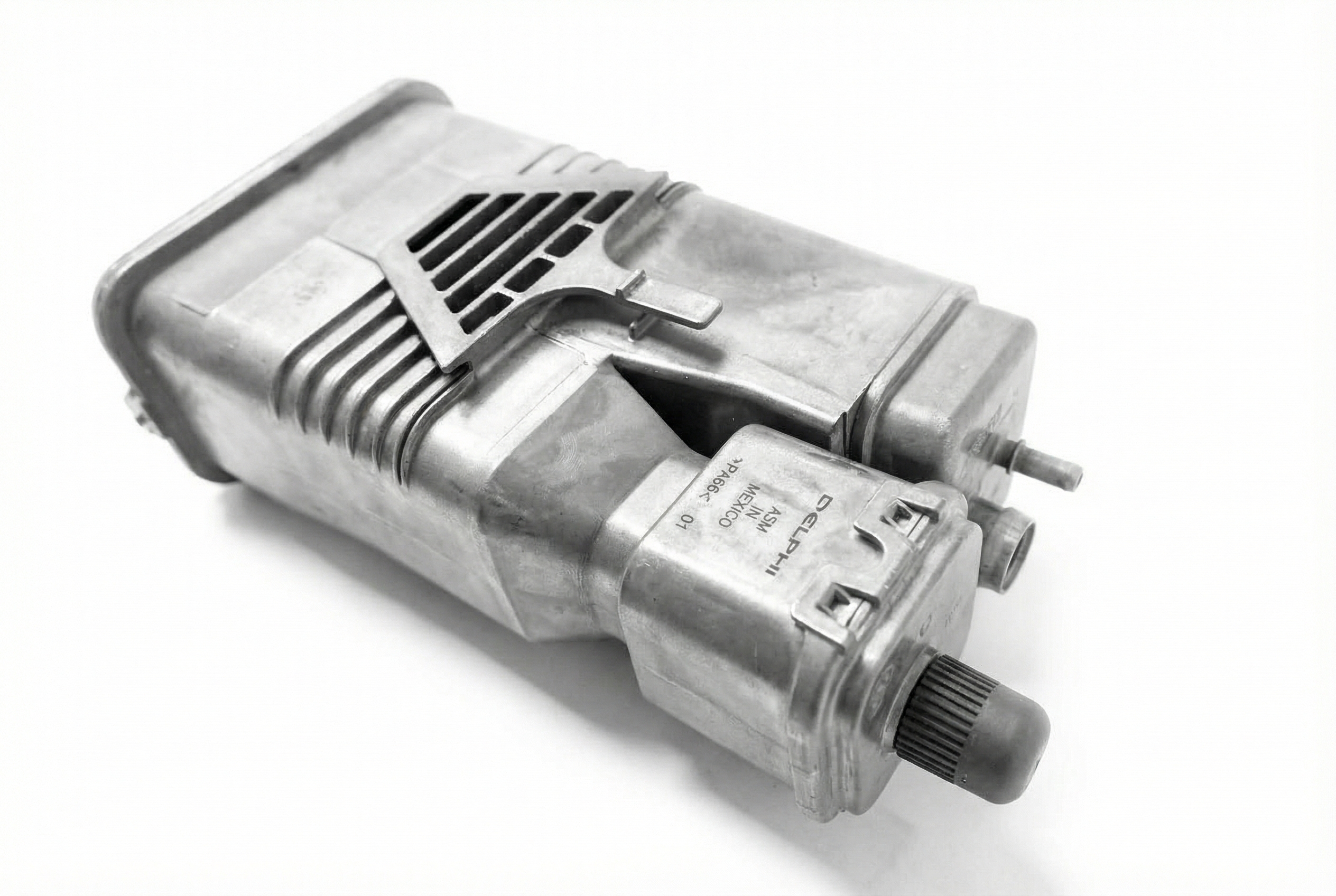
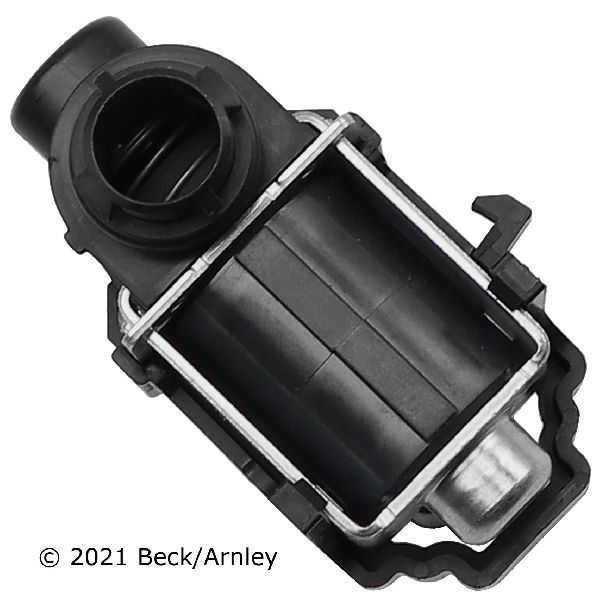
Est. part cost: $20-$40 - EVAP Canister Vent Control Valve Failure 🟡 Medium Probability This valve is located at the rear of the vehicle near the charcoal canister and is exposed to road debris and moisture. It is common for the valve to get stuck open or closed due to internal corrosion or dirt, causing a leak.
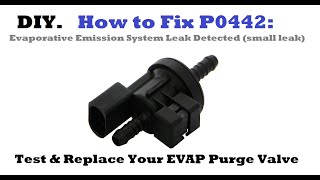
How to confirm: The valve can be removed and tested. When unpowered, it should allow air to pass through. When 12v is applied, the valve should close and block airflow. A bidirectional scan tool can also command the valve to open and close to test its function. A stuck valve is a very common finding during a smoke test.
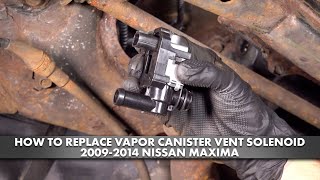
Typical fix: Replace the EVAP canister vent control valve. The part is often sold as a solenoid and valve assembly. It typically twists into the charcoal canister. 🎬 See this walkthrough on replacing the canister vent solenoid.
Est. part cost: $50-$150 - Cracked or Disconnected EVAP Hoses 🟡 Medium Probability The rubber and plastic hoses in the EVAP system can become brittle and crack over time due to heat cycles and age, especially at connection points to the purge valve or canister.
How to confirm: Visually inspect all accessible EVAP lines, both in the engine bay near the purge solenoid and under the car near the charcoal canister. A smoke test is the most effective way to find a small hose leak that isn't visually obvious.
Typical fix: Replace the cracked section of hose or the entire hose assembly. Ensure clamps are used on connections.
Est. part cost: $10-$50 - EVAP Purge Volume Control Solenoid Failure ⚪ Low Probability This solenoid, located in the engine bay, controls the flow of vapors to the engine. It can fail by getting stuck open, which creates a vacuum leak within the EVAP system.
How to confirm: With the engine off, remove the valve and try to blow through it. It should be closed and block air. A vacuum pump can also be used to check if it holds a vacuum. A stuck-open valve will often cause other codes like P0496.
Typical fix: Replace the purge volume control solenoid.
Est. part cost: $40-$100
Rare But Worth Checking
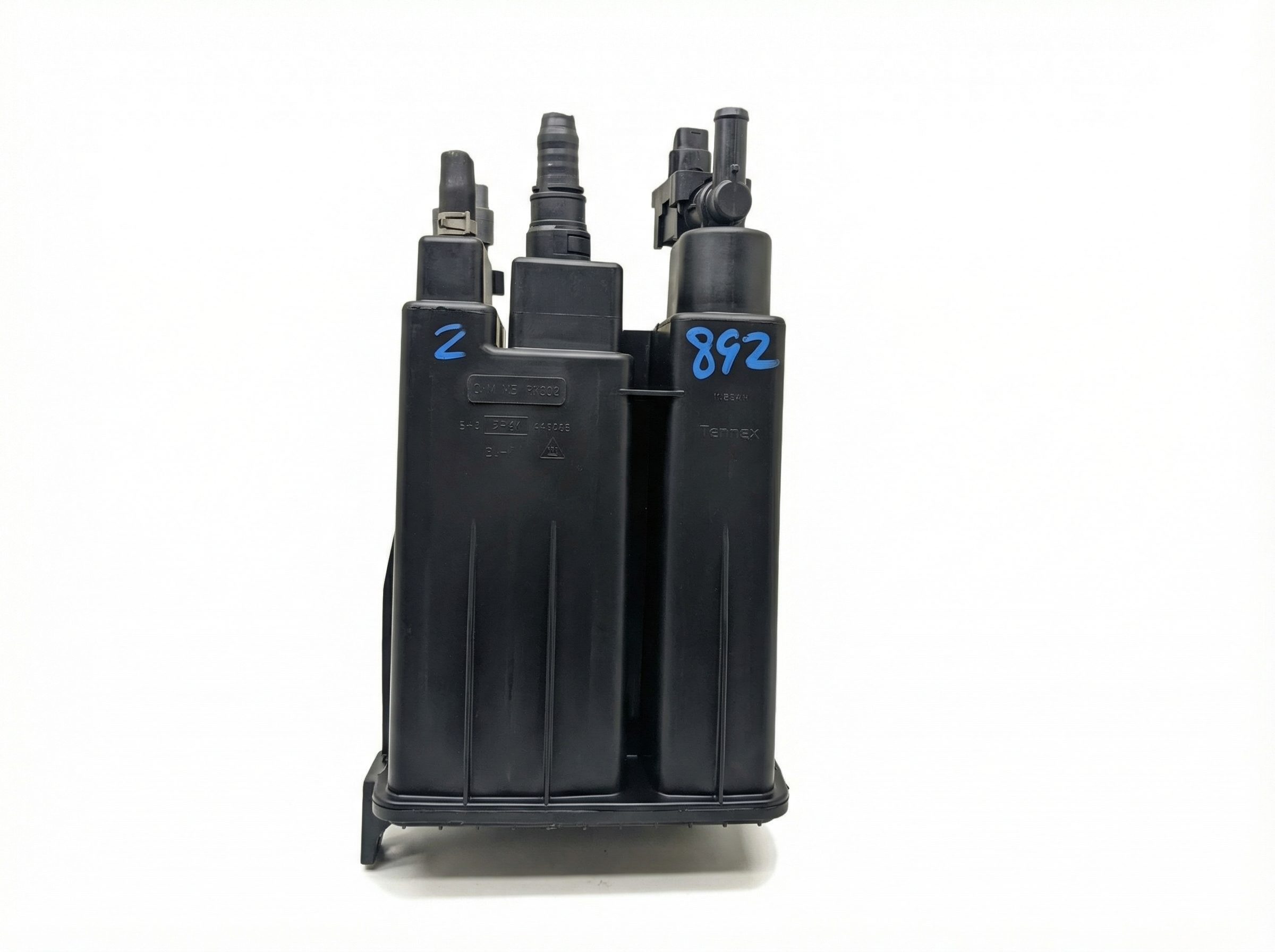
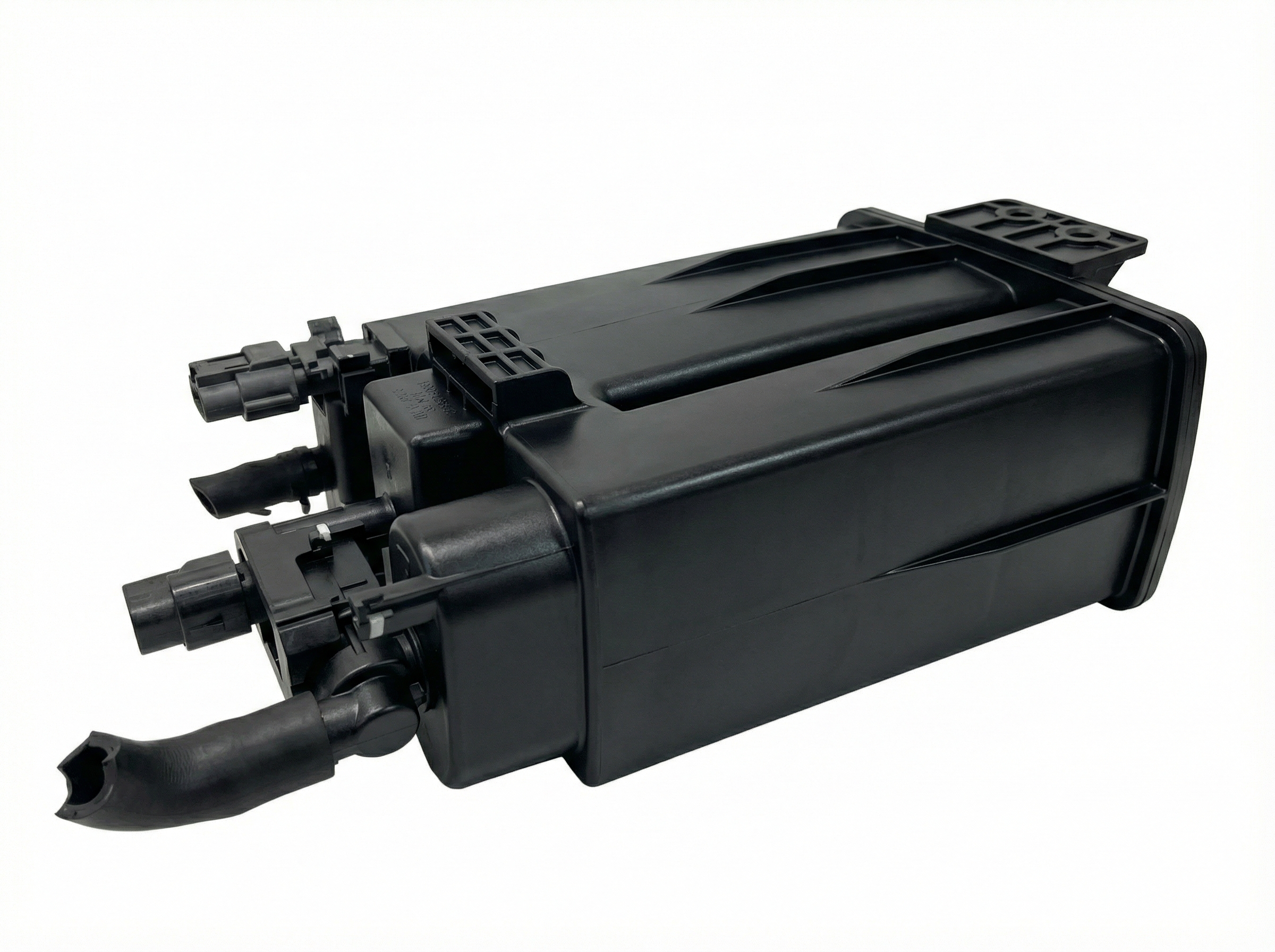
- Cracked Charcoal Canister: The plastic housing of the charcoal canister can develop cracks from impacts or age, causing a leak. This is usually found during a smoke test after other common components have been checked.
- Leaking Fuel Tank Filler Neck: Rust or corrosion on the metal filler neck where the gas cap seals can prevent a proper seal, even with a new cap. This is more common in areas with heavy road salt usage. Some owners use a wire brush to clean the surface to get a better seal.
- Faulty Fuel Tank Pressure (FTP) Sensor: A faulty FTP sensor can send incorrect data to the ECM, making it believe there is a leak when there isn't one. This is a less common cause and should be considered after physical leaks have been ruled out.
Diagnosis Steps
- Read the code with an OBD-II scanner to confirm P0442 is present.
- Inspect the gas cap. Remove it, check the seal for damage, and clean the filler neck surface. Reinstall it, making sure it clicks.
- Clear the code with the scanner. Per Nissan TSB NTB13-097J, do not test drive to confirm the repair; the system runs its self-test under specific conditions. Drive the vehicle for a few days. If the code does not return, the issue is resolved.
- If the code returns, perform a thorough visual inspection of all accessible EVAP hoses and connections in the engine bay and under the car near the fuel tank.
- Locate and inspect the EVAP canister vent control valve at the rear of the vehicle. Check for cracks, damage, and proper electrical connection.
- Locate and inspect the purge volume control solenoid in the engine bay. Check its hoses for cracks.
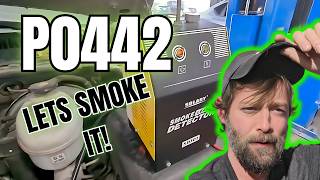
- If no obvious issues are found, the most reliable next step is to have a professional smoke test performed. This test forces vapor-filled smoke into the EVAP system, and the leak will be visible where the smoke escapes. 🎬 Watch: How to find a small leak using a smoke test. The TSB also references using a special tool (J-42909) to pressurize the system.
Parts You'll Likely Need
- Fuel Cap
(OEM #17251-1VZ0A)— This is the most frequent cause of a P0442 code due to a worn seal or improper tightening. Using an OEM cap is critical for a proper seal.
Trusted brands: Nissan
OEM price range: $25-$40
Aftermarket price range: $15-$30 - EVAP Canister Vent Control Valve
(OEM #14935-JF02C (supersedes 14935-JF00A, 14935-JF00B, 14935-JF00C, 14935-JF00D, 14935-JF00E))— A very common failure point on Nissans. It gets stuck open due to dirt or internal failure, causing the system to fail its leak test.
Trusted brands: Nissan, Bosch, Dorman
OEM price range: $60-$90
Aftermarket price range: $40-$70 - EVAP Purge Volume Control Solenoid
(OEM #14930-JA10D (supersedes 14930-JA10A, 14930-JA10B))— This valve in the engine bay can get stuck open, creating a constant vacuum on the EVAP system and triggering a leak code.
Trusted brands: Nissan, Hitachi, Standard Motor Products
OEM price range: $150-$220
Aftermarket price range: $35-$90
Related Codes That Often Appear With This One
- P0456 — P0456 indicates a 'very small leak'. It is often triggered by the same faults as P0442, and the specific code set can depend on the exact size of the leak detected during the test. Nissan TSBs group these codes together.
- P0455 — P0455 indicates a 'gross leak'. If you see this with P0442, it might suggest an intermittent issue, or that a small leak has suddenly become much larger (e.g., a hose completely disconnected).
Technical Service Bulletins (TSBs) & Recalls
- NTB13-097J
- NTB13-097g
- NTB13-097D
Platform-Specific Known Issues
- Nissan has published multiple versions of Technical Service Bulletin NTB13-097, most recently NTB13-097J, for all 2012 and newer vehicles. This TSB specifically addresses P0442, P0455, and P0456 codes and instructs technicians to follow a specific diagnostic flowchart that begins with checking the fuel filler cap. The bulletin explicitly states that a test drive is not part of the diagnostic procedure and will waste time, instead directing the use of a smoke machine or a specific EVAP system tool (J-42909).
Mechanic-Grade Diagnostic Values
- EVAP Purge Volume Control Solenoid Resistance — expected: 15 to 30 Ohms. Failure: A reading far outside this range indicates a damaged internal coil.
- Fuel Tank Pressure (FTP) Sensor Voltage (Key On, Engine Off) — expected: Approximately 2.5 Volts with the gas cap removed (atmospheric pressure).. Failure: Voltage significantly higher or lower, or not changing when pressure/vacuum is applied, indicates a faulty sensor.
- EVAP Canister Vent Control Valve Power Supply — expected: Battery voltage (approx. 12V) at the connector with the key in the ON position.. Failure: No voltage suggests a wiring issue or a blown fuse, preventing the valve from operating.
Scan Tool Commands That Help
- Nissan CONSULT-III Plus: EVAP System Leak Test — This is a guided function that automatically closes the vent valve and commands the purge valve to seal the system, allowing the technician to monitor the FTP sensor for a pressure drop, confirming a leak.
- Advanced Bidirectional Scanner: Vent Valve ON/OFF — This command manually closes the normally-open vent valve to seal the system for a smoke test. This is critical because without closing the valve, smoke will simply exit through the fresh air inlet.
Wiring & Ground Locations
- EVAP Purge Volume Control Solenoid Connector — In the engine bay, on the intake manifold.. This connector provides power and signal to the purge solenoid. A poor connection can prevent the valve from closing properly, creating a leak path. One pin should have battery voltage with the key on.
- EVAP Canister Vent Control Valve Connector — At the rear of the vehicle, connected to the EVAP canister which is located above the rear subframe.. Provides power to close the vent valve during the EVAP self-test. Corrosion or damage to this connector or its wiring can prevent the system from sealing, triggering a P0442.
- Chassis Ground under Battery Tray — Underneath the battery tray in the engine compartment.. While not exclusive to the EVAP system, poor grounds in this area can cause a variety of intermittent electrical issues for engine management components. Ensuring this ground is clean and tight is a good practice when diagnosing electrical faults.
Real Owner Repair Stories
- Maxima.org forum user (2010 Nissan Maxima (7th Gen, A35)) — P0455 and P0442 codes present.
❌ Tried (didn't work) Initial diagnosis pointed to a large and small leak.
✅ What actually fixed it Replacing the gas cap with a new one resolved both codes. The user noted the code would often appear when the fuel tank was below a quarter full. - YouTube video by 'briansmobile1' (General older car, but demonstrates a common Nissan issue.) — P0442 code.
❌ Tried (didn't work) Assuming a new gas cap is good without checking the filler neck.
✅ What actually fixed it The video demonstrates cleaning a rusty fuel filler neck with a wire brush to ensure a proper seal for the gas cap. It also suggests applying silicone paste to the seal to improve sealing and reduce friction.
"I Checked Everything" — The Actual Cause
- In some cases, a vehicle can pass a smoke test but still set a P0442 code. One uncommon cause is a faulty Fuel Tank Pressure (FTP) sensor that is providing incorrect readings to the ECM. The sensor may not be reading the system pressure correctly, causing the ECM to believe a leak exists when the system is actually sealed. Testing the sensor's voltage output against known specifications is necessary to diagnose this.
- Another rare cause is a faulty Fuel Tank Temperature Sensor. The EVAP leak test is only designed to run within a specific fuel temperature range. If the temperature sensor is faulty and reports a temperature that is within the test parameters (even if the actual temperature is not), the test may run under improper conditions, leading to a false failure and a P0442 code.
OEM Part Supersession History
14935-JF00A→14935-JF00B, 14935-JF00C, 14935-JF00D, 14935-JF00E, and finally 14935-JF02C— This long supersession history for the EVAP Canister Vent Control Valve indicates multiple revisions by Nissan, likely to improve reliability and prevent the common issue of the valve sticking due to dirt and moisture.
Heads up: All listed parts are generally interchangeable for the specified applications, with the newest part number being the most revised and recommended version.
Model Year Variations Within This Range
- 2015 (A35) vs 2016-2022 (A36): While the function of the EVAP system and the common causes for P0442 are nearly identical, the physical location and mounting of the charcoal canister and vent valve may have slight differences due to the chassis redesign between the 7th (A35) and 8th (A36) generations. However, the diagnostic approach outlined in Nissan's TSBs applies to both.
Helpful Videos
![How to Fix P0442 Engine Code in 7 Minutes [6 DIY Methods / Under $3.67]](https://img.youtube.com/vi/KISPTedKJmQ/mqdefault.jpg)
Used OEM Parts in Stock


New Aftermarket Parts Available


The information in this article is provided for general reference and educational purposes only. Vehicle specifications, procedures, and part compatibility can vary by production date, trim level, and region. Always consult your vehicle's factory service manual and verify part numbers before purchasing or performing repairs. Safety-critical components such as airbags, seat belts, and braking systems should be installed by a qualified professional.
- Nissan MAXIMA:
- 🎬 Helpful Videos
- 🛍️ Shop This Part
- What's Unique About the 2015-2022 Nissan MAXIMA
- Diagnostic Flowchart
- Symptoms You May Notice
- Most Likely Causes
- Rare But Worth Checking
- Diagnosis Steps
- Parts You'll Likely Need
- Related Codes That Often Appear With This One
- Technical Service Bulletins (TSBs) & Recalls
- Platform-Specific Known Issues
- Mechanic-Grade Diagnostic Values
- Scan Tool Commands That Help
- Wiring & Ground Locations
- Real Owner Repair Stories
- "I Checked Everything" — The Actual Cause
- OEM Part Supersession History
- Model Year Variations Within This Range
- 🎟️ Get 5% Off