

P0442 on 2015-2022 Nissan Frontier: EVAP Small Leak Causes and Fixes
The P0442 code on a Nissan Frontier indicates a small leak in the evaporative emissions (EVAP) system. The most common causes are a loose or faulty gas cap or a failing EVAP vent control valve. Start by checking the gas cap; if that's not the issue, the vent valve located near the charcoal canister is the next likely culprit, a known weak point on this platform.
- P0442 is a minor EVAP system leak. Your truck is safe to drive.
- Always check your gas cap first. Make sure it's tight and the seal is intact. This is the cheapest and most common fix.
- If the gas cap isn't the problem, the EVAP vent control valve located near the charcoal canister is the next most likely culprit on a Nissan Frontier.
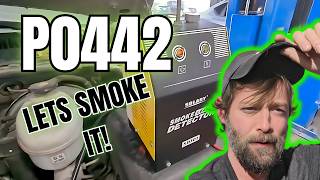
- A professional smoke test is the fastest way to accurately find the leak if it's not the gas cap.
- When replacing the gas cap, use an OEM part to ensure a proper seal.
What's Unique About the 2015-2022 Nissan FRONTIER

On Nissan trucks like the Frontier, the EVAP vent control valve (also called a vent solenoid) is a notoriously common failure point. 🎬 Watch: How to replace the vent solenoid on your Frontier. It is located near the charcoal canister on the frame rail and is exposed to road debris and moisture, which can cause it to stick open or fail electronically. While a loose gas cap is always the first thing to check, many Frontier and Xterra owners find that this specific valve is the root cause of their P0442 woes. 🎬 See how to solve common Nissan EVAP leak codes fast. Another symptom that can point to a failing vent valve is difficulty starting the engine immediately after refueling.
Diagnostic Flowchart

Tap your situation to follow the diagnostic path that matches what you're seeing on this vehicle.
Generation note: This range covers two generations of the Nissan Frontier: the end of the second generation (D40, 2015-2021) and the beginning of the third (D41, 2022). The D40 received a new 3.8L V6 engine (VQ38DD) and 9-speed transmission for 2020-2021, which carried over to the redesigned 2022 D41 model. The 2015-2019 models used the 4.0L V6 (VQ40DE). While the EVAP system components are similar, their exact location and part numbers may differ slightly between these generations and engine types.
Symptoms You May Notice

- Check Engine Light is on
- A faint smell of gasoline, especially when parked in an enclosed space like a garage.
- A "Loose Fuel Cap" warning message may appear on the dashboard.
- Difficulty starting the vehicle right after refueling.
- Replacing the purge valve in the engine bay when the more common failure is the vent valve/solenoid near the gas tank.
- Replacing the gas cap with a cheap aftermarket version that doesn't seal properly, leading to the code returning.
Most Likely Causes

- Loose or Faulty Gas Cap 🔴 High Probability This is the most common cause for any vehicle. The cap's seal can wear out over time, or it may not have been tightened correctly after refueling. Nissan TSB NTB13-097J specifically calls this out as the first item to check.
How to confirm: Remove the gas cap and inspect the rubber O-ring for cracks, dirt, or damage. Ensure it clicks at least once when tightened. Check the fuel filler neck for rust or debris that could prevent a good seal. An aftermarket cap is a common source of issues; an OEM cap is recommended.
Typical fix: First, try tightening the cap. If the code returns or the seal is visibly damaged, replace the gas cap with a new OEM part. Aftermarket caps can sometimes cause sealing issues.
Est. part cost: $25-$45 - Failing EVAP Vent Control Valve/Solenoid 🔴 High Probability This valve is mounted on the frame rail near the EVAP canister, making it susceptible to dirt, water, and corrosion, which can cause it to stick or fail. This is a very frequent failure point on Nissan trucks and SUVs like the Frontier and Xterra.
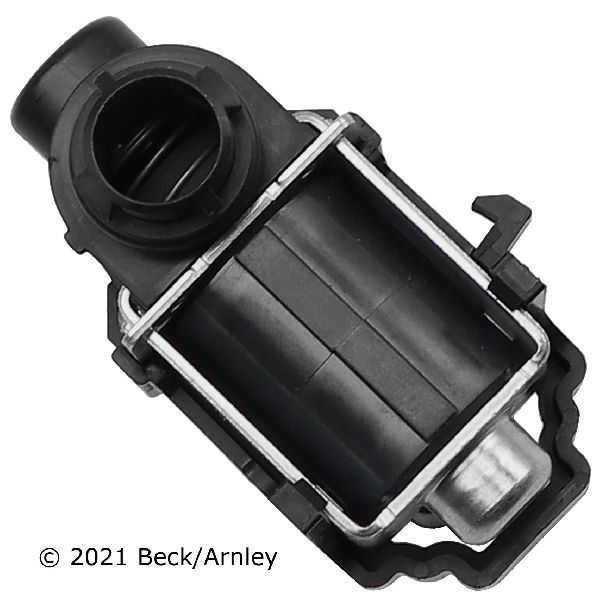
How to confirm: The valve is normally open. A scan tool can command it closed to check its function. A DIY method is to remove the valve and try to blow through it; if air passes, it's likely stuck open. You can also try applying 12V power to the terminals; it should click closed and stop airflow. A smoke test is the definitive way to confirm if the valve is leaking when it should be closed.
Typical fix: Replacement of the EVAP vent control valve. It's typically located on the passenger-side frame rail, near the charcoal canister. Many owners find this to be a straightforward DIY replacement.
Est. part cost: $35-$100 - Cracked or Disconnected EVAP Hose 🟡 Medium Probability Rubber hoses become brittle over time due to heat and age, leading to small cracks, especially at connection points. This is a common issue on many vehicles, not just the Frontier.
How to confirm: Visually inspect all accessible EVAP hoses between the engine bay, charcoal canister, and fuel tank for cracks, splits, or loose connections. Squeezing the hoses can reveal hidden cracks. A smoke test is the most effective way to find a small leak in a hose that isn't obvious.
Typical fix: Replace the damaged section of hose or reconnect it securely. Sometimes trimming the end of the hose and re-clamping it is sufficient if the crack is near the end.
Est. part cost: $10-$50 - Failing EVAP Canister Purge Valve ⚪ Low Probability This valve is located in the engine bay and is generally less exposed than the vent valve, but can still fail by sticking open or closed.
How to confirm: This valve is normally closed. Disconnect it and try to blow through it. If air passes, it's leaking and needs to be replaced. You can also test it with a hand-held vacuum pump.
Typical fix: Replace the purge valve. It's usually mounted on or near the engine intake manifold and is easy to access.
Est. part cost: $40-$90
Rare But Worth Checking
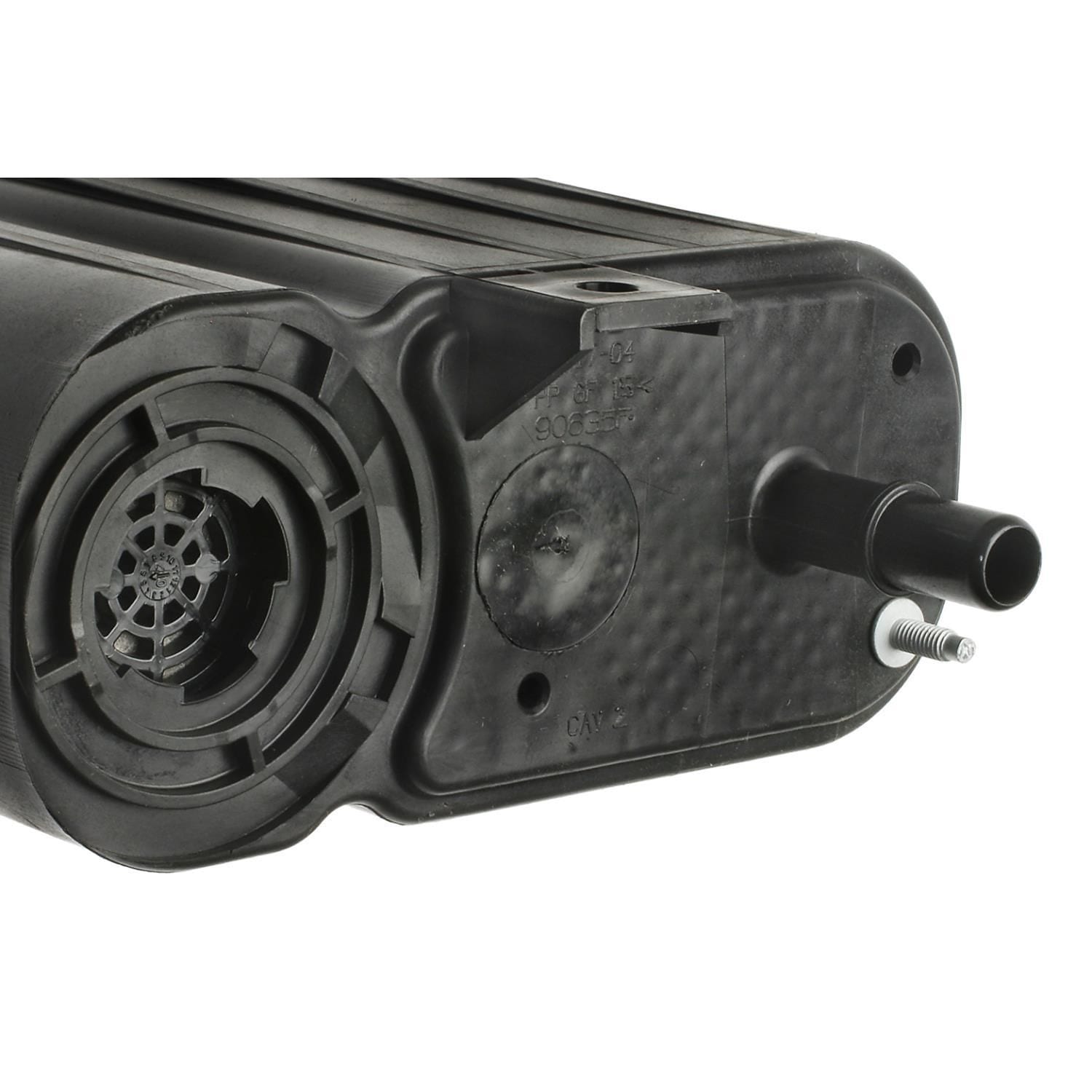
- Cracked Charcoal Canister: The plastic housing of the canister can develop cracks from road debris or impact, causing a leak. This is usually found during a smoke test.
- Leaking Fuel Tank or Filler Neck: Rust or physical damage can create a leak in the fuel tank or the metal filler neck where the gas cap seals. This is more common in areas with heavy road salt usage and is often accompanied by a strong fuel smell.
- Faulty O-ring on Vent Control Valve: Nissan issued TSB #NTB17-082E for a P0456 code caused specifically by the O-ring on the vent control valve failing. While for a different code, it highlights a potential failure point that could also cause a P0442.
Diagnosis Steps
- Check the gas cap. Ensure it is tight and clicks. Inspect the cap's seal and the filler neck for damage or rust. If in doubt, replace it with an OEM cap, clear the code, and drive for a few days.
- If the code returns, visually inspect all accessible EVAP hoses and lines for obvious cracks, damage, or disconnections. Pay close attention to the lines around the charcoal canister and the purge valve in the engine bay.
- Locate the EVAP vent control valve on the frame rail near the charcoal canister. Inspect its wiring and the attached hoses. This is a very common failure point. Consider removing it for a bench test (blowing through it, applying 12V power).
- If a visual inspection reveals nothing, the most effective next step is an EVAP smoke test. A mechanic will introduce smoke into the system and look for where it escapes. This will pinpoint the exact location of the leak, whether it's a hose, the vent valve, the purge valve, or the canister itself.
- Based on the smoke test results, replace the faulty component. If the smoke test shows the vent valve leaking, replace it. If a hose is leaking, replace the hose.
- After repair, the code may need a specific drive cycle to clear from the system's memory, even if the Check Engine Light is off.
Parts You'll Likely Need

- Fuel Cap
(OEM #17251-79961 (fits many 2011-2021 models), 17251-3JA0A (fits 2012-2019 models))— This is the most frequent and easiest fix. The seal wears out over time. Nissan TSBs list this as the first potential cause.
Trusted brands: Nissan (OEM)
OEM price range: $25-$45
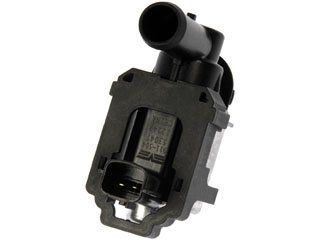
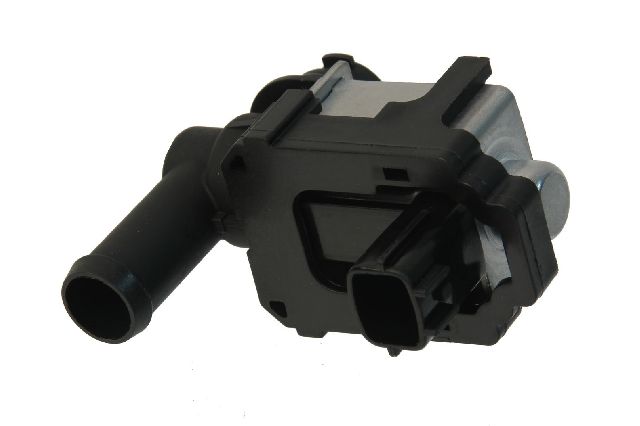
Aftermarket price range: $15-$30 - EVAP Vapor Canister Vent Control Valve (Solenoid)
(OEM #14935-JF02C (supersedes 14935-JF00B, 14935-AM60A, etc.))— This part is highly prone to failure on Nissan trucks due to its exposed location. It gets stuck open, causing a persistent small leak code.
Trusted brands: Nissan (OEM), Dorman (e.g., 911-503), Standard Motor Products
OEM price range: $60-$90
Aftermarket price range: $35-$75 - EVAP Canister Purge Valve
(OEM #14930-JA00B (example, verify by VIN))— Less common than the vent valve, but it can stick open and cause a leak. It's located in the engine bay and is relatively easy to replace.
Trusted brands: Nissan (OEM), Bosch, Delphi
OEM price range: $60-$90
Aftermarket price range: $40-$70
Related Codes That Often Appear With This One
- P0455 — Indicates a large EVAP leak. If a component fails significantly (like a valve sticking wide open), it may be detected as a large leak instead of a small one.
- P0456 — Indicates a very small EVAP leak. These three codes (P0442, P0455, P0456) are all related to the same system and often share the same causes, just differing in the detected leak size.
Technical Service Bulletins (TSBs) & Recalls
- NTB13-097J: Addresses EVAP leak codes P0442, P0455, and P0456 for 2012 and newer Nissan vehicles, noting that a loose fuel filler cap is a possible cause and outlining a diagnostic flow chart. It explicitly states that a test drive is not part of the diagnosis and will waste time.
- NTB17-082E: While specifically for code P0456 (very small leak), this TSB points to a faulty O-ring on the EVAP vent control valve as the cause, reinforcing that the valve and its seals are a known weak point in the system.
Platform-Specific Known Issues
- Vent Valve Corrosion and Location: The vent control valve is almost universally cited as the main culprit after the gas cap. On the D40 Frontier (2015-2021), it's located on the passenger side frame rail, attached to the charcoal canister. Due to this exposed location, it is highly susceptible to water, dirt, and road salt, causing the solenoid to corrode and stick open. Many owners have successfully replaced this part at home with basic tools. The replacement part is often an updated design to better resist the elements.
- Real Owner Experience: Gas Cap vs. Vent Valve: A common story on forums like ClubFrontier.org and Reddit is an owner first replacing the gas cap (sometimes multiple times with aftermarket parts) only to find the P0442 code returns. The final fix is almost always the EVAP vent control valve near the canister. Experienced owners often advise new owners with this code to check the gas cap seal, but to order the vent valve at the same time, as it is the most likely component to have failed.
Mechanic-Grade Diagnostic Values
- EVAP Canister Vent Control Valve Solenoid Resistance — expected: 20 - 50 Ohms. Failure: A reading of infinite resistance (Open Loop) indicates a failed internal coil.
- EVAP Canister Vent Control Valve Power Supply — expected: ~12 Volts at one of the two wires with the ignition in the ON position.. Failure: No voltage indicates a wiring or fuse issue upstream of the valve.
- Scan Tool Fuel Tank Pressure (FTP) Sensor Reading — expected: With the engine idling, use a scan tool to command the purge valve OFF and the vent valve ON (closed). The FTP sensor value should begin to drop, indicating a vacuum is being created.. Failure: If the pressure value does not change or does not hold vacuum, a leak is present in the sealed system.
Scan Tool Commands That Help
- Nissan CONSULT-III plus: WORK SUPPORT > EVAP SYSTEM CLOSE — This is the official Nissan dealer procedure to seal the EVAP system to perform a leak test with an external tool (smoke or pressure tester), as outlined in TSB NTB13-097.
- Advanced OBD-II Scan Tool: Vent Valve ON/OFF Command — This bidirectional control allows a technician to command the normally-open vent valve to close. You should hear an audible click from the valve. This is used to test the electronic function of the solenoid and to seal the system for a smoke test.
Wiring & Ground Locations
- EVAP Canister Vent Control Valve — At the rear of the truck, attached to the EVAP canister, typically on the passenger side frame rail above the spare tire.. This is the location of the most common electrical component to fail for this code. The wiring harness in this exposed location is also susceptible to damage.
- EVAP Canister Purge Valve — In the engine bay, typically mounted on or near the intake manifold. It will have two hoses and an electrical connector.. This is the second most likely valve to fail. Its location in the engine bay makes it easier to inspect than the vent valve.
- Vent Valve Wiring — Connector at the EVAP Canister Vent Control Valve.. Testing requires checking for 12V power on one pin (with key on) and a switched ground from the ECM on the other. A lack of power points to a fuse or wiring issue, not a failed valve.
OEM Part Supersession History
14935-AM60A / 14935-AM60B→14935-JF00A / 14935-JF00B / 14935-JF00C / 14935-JF02C— Multiple revisions to improve reliability and resistance to corrosion and debris, which cause the valve to stick open.
Heads up: While many numbers in this chain are interchangeable, it is always best to use the latest available revision for your vehicle's VIN to ensure you get the most robust design.
Model Year Variations Within This Range
- 2015-2019 vs 2020-2022: The 2015-2019 models use the 4.0L V6 (VQ40DE) and a 5-speed automatic transmission. For 2020, Nissan introduced the new 3.8L V6 (VQ38DD) and a 9-speed automatic, which carried into the 2022 redesign. While the overall EVAP system function is the same, the location of engine-bay components like the purge valve and associated vacuum hose routing may differ between these two powertrains.
Helpful Videos

Used OEM Parts in Stock



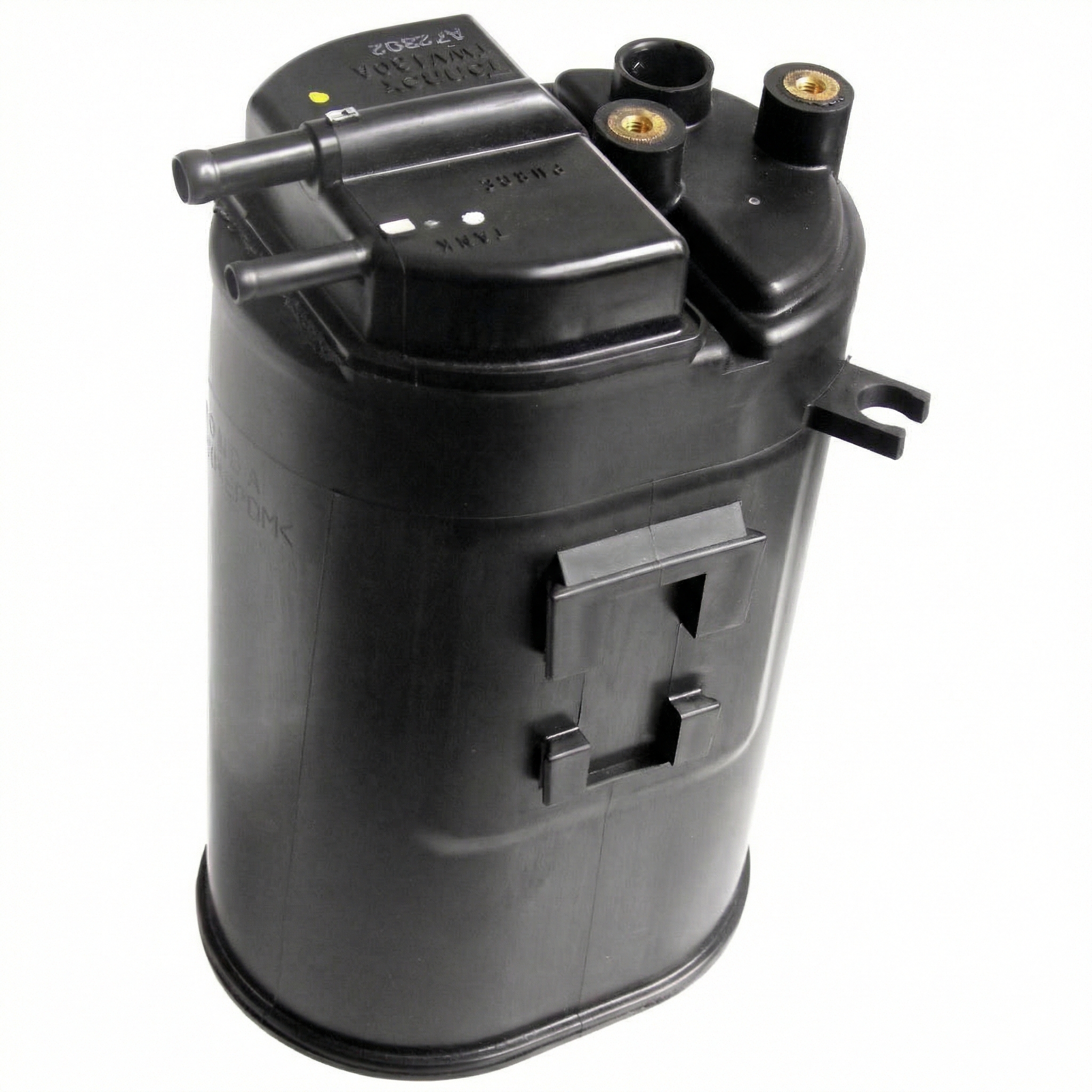
New Aftermarket Parts Available


The information in this article is provided for general reference and educational purposes only. Vehicle specifications, procedures, and part compatibility can vary by production date, trim level, and region. Always consult your vehicle's factory service manual and verify part numbers before purchasing or performing repairs. Safety-critical components such as airbags, seat belts, and braking systems should be installed by a qualified professional.
- Nissan FRONTIER:
- 🎬 Helpful Videos
- 🛍️ Shop This Part
- What's Unique About the 2015-2022 Nissan FRONTIER
- Diagnostic Flowchart
- Symptoms You May Notice
- Most Likely Causes
- Rare But Worth Checking
- Diagnosis Steps
- Parts You'll Likely Need
- Related Codes That Often Appear With This One
- Technical Service Bulletins (TSBs) & Recalls
- Platform-Specific Known Issues
- Mechanic-Grade Diagnostic Values
- Scan Tool Commands That Help
- Wiring & Ground Locations
- OEM Part Supersession History
- Model Year Variations Within This Range
- 🎟️ Get 5% Off