

P0442 on 2010-2014 Nissan Cube: EVAP Small Leak Causes and Fixes
For a 2010-2014 Nissan Cube, the P0442 code is most often caused by a loose or faulty gas cap. If tightening or replacing the cap doesn't work, the next most likely culprit is a failed EVAP canister vent control valve at the rear of the vehicle, a very common failure point on Nissans of this era.
- P0442 on a Nissan Cube means a small leak has been detected in the emissions system.
- Always check the gas cap first. Make sure it's tight. If the code returns, replace it with an OEM cap.
- The second most likely cause is the EVAP canister vent control valve, a known failure point on Nissans located at the rear of the car.
- The issue does not affect vehicle safety or drivability, but it will cause an emissions test failure.
- A smoke test is the most reliable way for a mechanic to find the exact location of the leak if it's not one of the common components.
What's Unique About the 2010-2014 Nissan CUBE
The 2010-2014 Nissan Cube, like many other Nissans from this era using the same components, is particularly susceptible to EVAP leaks from specific parts. Nissan has issued several Technical Service Bulletins (TSBs) that point directly to the gas cap and the EVAP canister vent control valve as common failure points for this and similar codes. This provides a more direct diagnostic path for owners, often starting with the gas cap and then moving to the vent valve, rather than searching aimlessly for a tiny leak.
Diagnostic Flowchart
Tap your situation to follow the diagnostic path that matches what you're seeing on this vehicle.
Symptoms You May Notice
- Check Engine Light is on
- A faint smell of gasoline, particularly around the rear of the vehicle or when parked in a garage.
- A "Check Gas Cap" or "Loose Fuel Cap" message on the dash, if equipped.
- Difficulty when refueling, such as the pump clicking off before the tank is full (this can happen if the vent valve or associated hoses are blocked).
- Replacing the O2 sensors. O2 sensors are not part of the EVAP system and will not cause a P0442 code.
- Replacing the purge valve when the vent valve is the actual problem. While both can cause the code, the vent valve at the rear of the car is a more frequent failure point on this platform than the purge valve in the engine bay.
- Assuming no leak exists because it's not visible. The leaks are often too small to see without a smoke test.
Most Likely Causes
- Loose or Faulty Fuel Cap 🔴 High Probability This is the most common cause for any vehicle with a P0442 code. Nissan TSB NTB09020F and NTB13-097J specifically call out a loose or faulty fuel fill cap as a primary cause for EVAP leak codes on Nissan vehicles. The cap's rubber O-ring seal degrades, cracks, or hardens over time, preventing a proper seal.
How to confirm: First, ensure the cap is tightened until it clicks multiple times. If the light returns, inspect the cap's rubber seal for cracks, stiffness, or damage. Also, clean the filler neck rim where the cap seals, as rust or debris can prevent a good seal.
Typical fix: Replace the fuel cap. It is highly recommended to use a genuine OEM Nissan cap, as aftermarket caps are a frequent source of sealing issues. An owner might try a temporary fix by creating a makeshift seal with a plastic bag to confirm the cap is the issue before buying a new one.
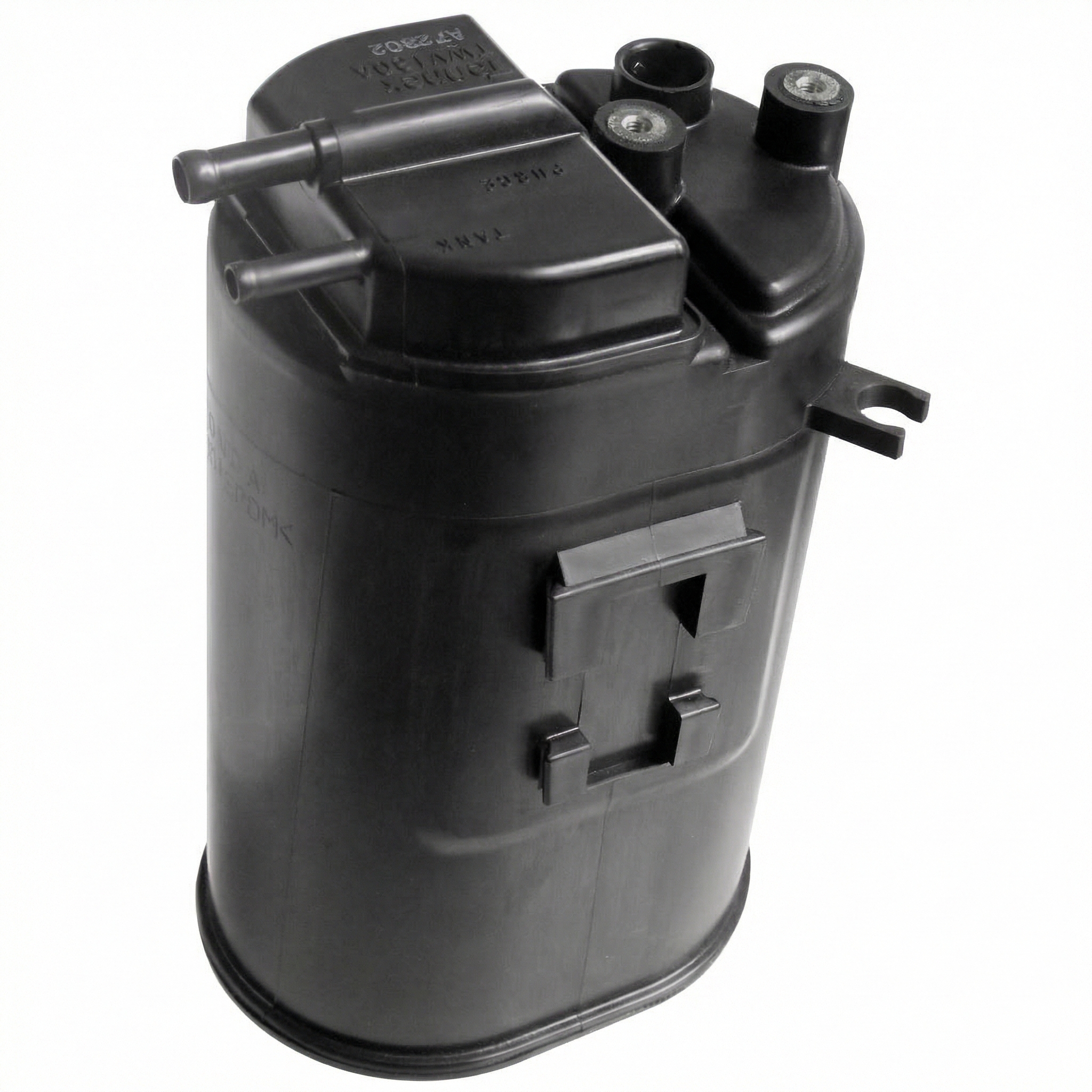
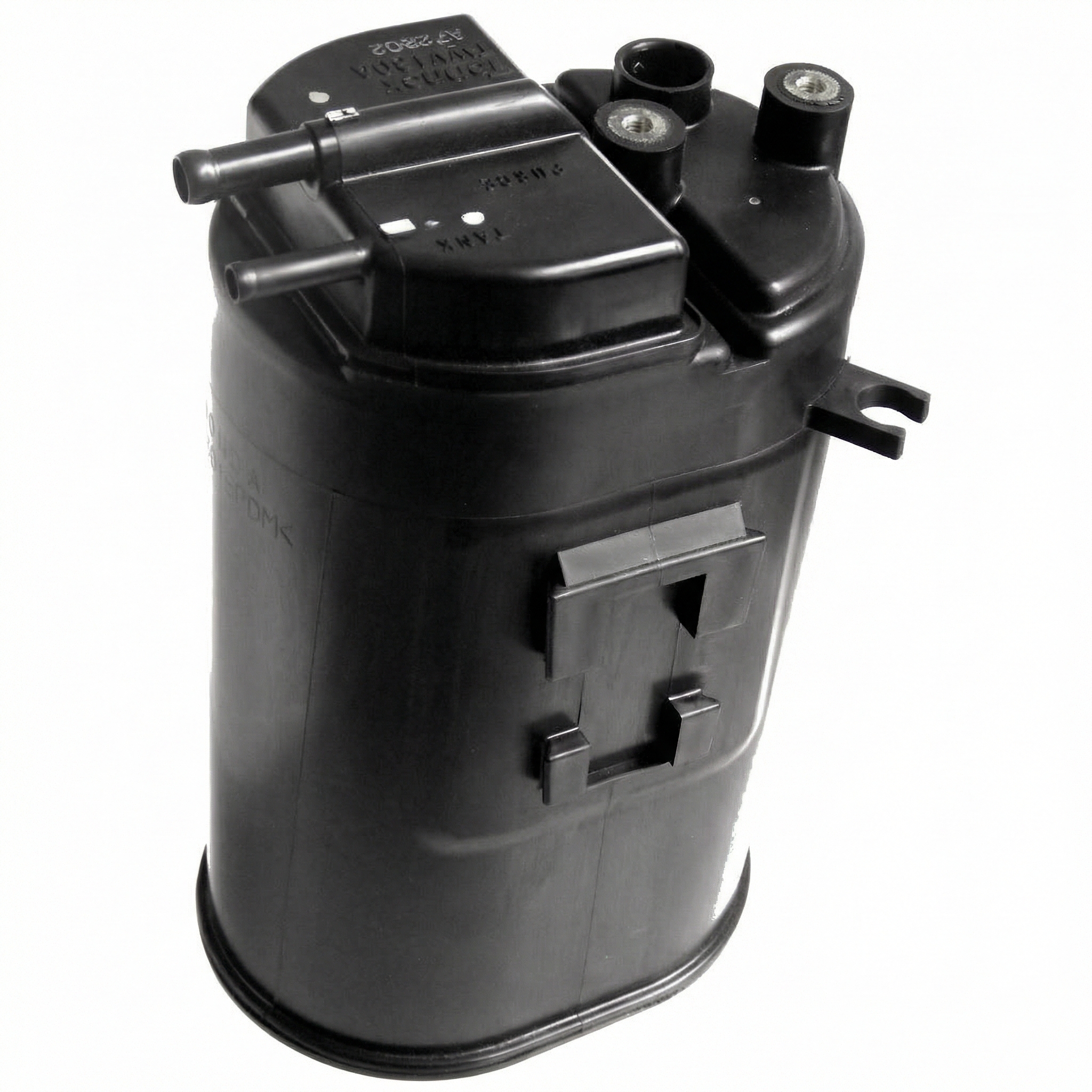
Est. part cost: $25-$40 - EVAP Canister Vent Control Valve 🔴 High Probability This is a well-documented failure point on many Nissan models, including the Cube, Versa, and Sentra which share components. The valve can fail electronically, get stuck open due to debris, or the O-ring that seals it to the canister can crack, causing a leak. Nissan issued TSB NTB09-129 noting a redesign of this part due to failures. This component is located at the rear of the vehicle, attached to the charcoal canister.
How to confirm: A mechanic can command the valve to open and close with a scan tool to test its function; you may hear a click if it's working. A smoke test is the definitive way to confirm a leak at the valve body or its seal. A simple bench test is to apply 12V power to the terminals; a working valve will click and close (you should not be able to blow through it when powered). Visually, the valve is often replaced if the gas cap doesn't solve the issue, due to its high failure rate.
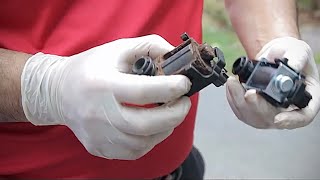
Typical fix: Replace the EVAP canister vent control valve assembly. The replacement involves removing a plastic cover under the rear of the car, disconnecting a hose and electrical connector, and twisting the old valve out of the canister. 🎬 Watch this step-by-step walkthrough of the vent valve replacement. While sometimes just the O-ring is the problem, replacing the entire valve assembly is the standard repair.
Est. part cost: $60-$90 - EVAP Canister Purge Volume Control Solenoid Valve 🟡 Medium Probability This valve, located in the engine bay, can get stuck open or leak internally, causing the system to fail its pressure test. It is a common part across many Nissan models.
How to confirm: The valve should be normally closed when the engine is off. A simple test is to disconnect its electrical connector and the hose coming from the charcoal canister, then start the engine. If you feel any vacuum with your finger on the valve's nipple, it has failed and is stuck open. A scan tool can also command it open and closed to check for proper operation.
Typical fix: Replace the purge valve. This is a relatively simple replacement in the engine bay, typically held by one bolt and connected to two hoses and an electrical clip.
Est. part cost: $80-$115 - Cracked or Disconnected EVAP Hoses ⚪ Low Probability Rubber hoses, especially the small vacuum lines in the engine bay near the purge valve, can become brittle and crack with age and exposure to heat. This is less common than component failure but is a frequent find on older vehicles.
How to confirm: A thorough visual inspection of all EVAP lines is the first step. Squeezing the rubber hoses can reveal hidden cracks. A smoke test is the most effective method, as it will force smoke out of any tiny cracks or loose connections, making them easy to spot.
Typical fix: Replace the damaged section of hose. Some owners use silicone vacuum lines as a more durable replacement.
Est. part cost: $10-$50
Rare But Worth Checking
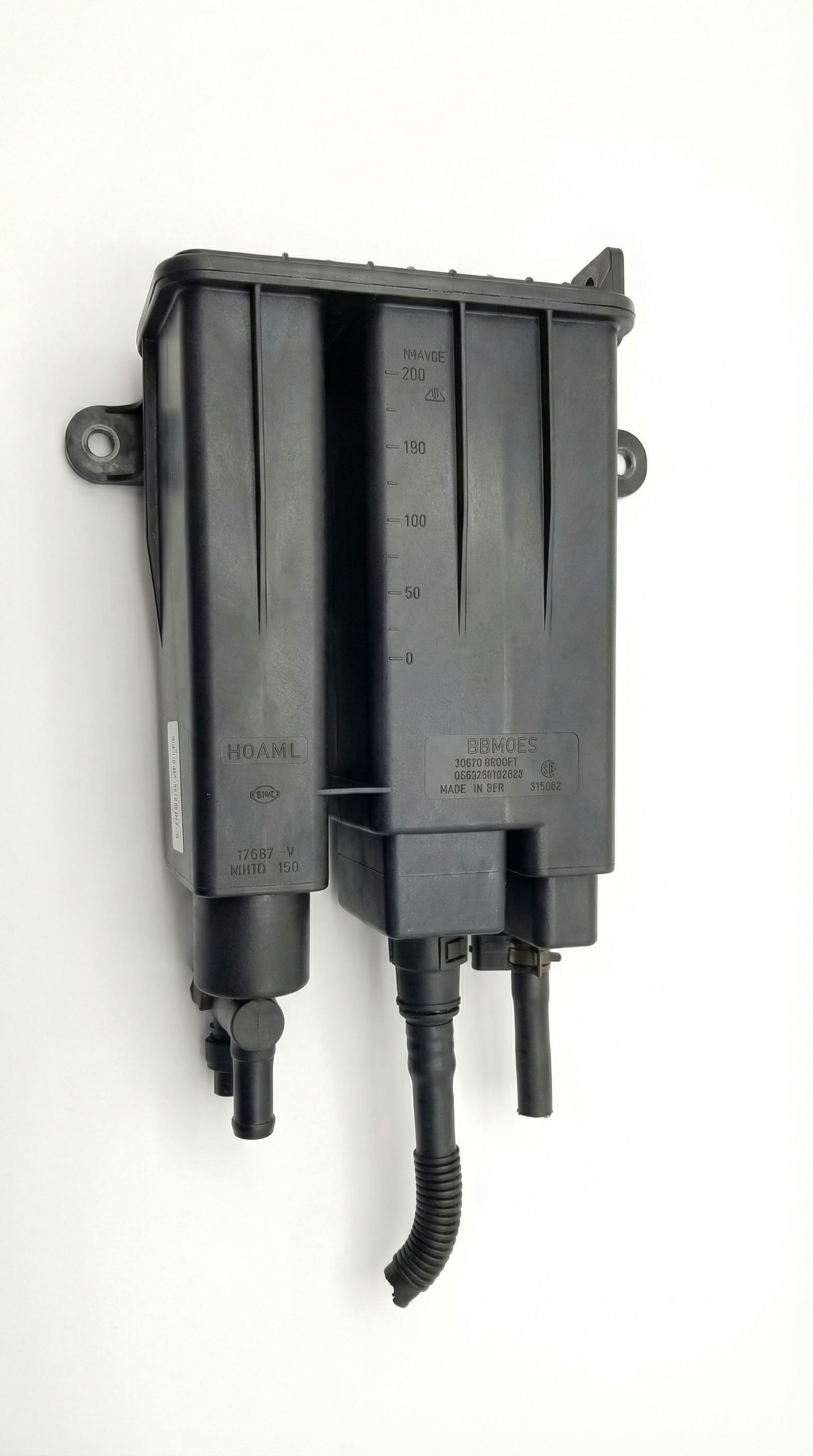
- Cracked EVAP Charcoal Canister: The plastic housing of the canister itself can develop hairline cracks from road debris impact or age, creating a leak. This is almost always found during a smoke test when smoke appears to be coming from the body of the canister itself.
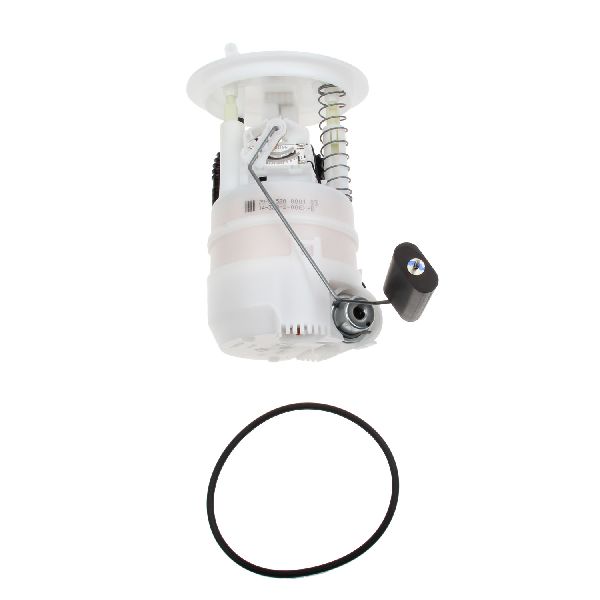
- Leaking Fuel Tank or Filler Neck: Rust or corrosion on the fuel filler neck can create a rough surface that prevents the gas cap from sealing properly, even if the cap is new. In very rare cases, the fuel tank itself or the fuel pump sending unit seal could have a small leak causing this code.
Diagnosis Steps
- Check the Gas Cap: Remove and reinstall the gas cap, ensuring it clicks several times. Clear the code and drive for a few days. This is the most common fix.
- Inspect the Gas Cap and Filler Neck: If the code returns, perform a close visual inspection of the gas cap's rubber seal for any cracks, tears, or hardening. Also, clean the fuel filler neck rim with a cloth or light brush to remove any rust or debris.
- Visual Inspection of Hoses: Inspect all visible EVAP hoses and lines, especially the small vacuum lines in the engine bay near the purge valve, for obvious cracks or disconnections. Squeeze them to check for brittleness.
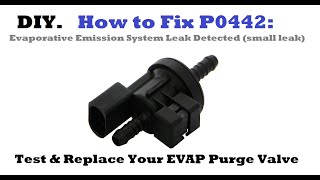
- Test the Purge Valve (Engine Bay): Locate the EVAP purge solenoid in the engine bay. Disconnect the electrical plug and the inlet hose. Start the engine. It should be normally closed, so if you feel any vacuum on the port, 🎬 See how to test and replace the engine bay purge valve. the valve is stuck open and needs replacement.
- Inspect the Vent Valve (Rear of Vehicle): Visually inspect the EVAP vent control valve on the charcoal canister at the rear of the vehicle. Check for cracks on the valve body and its O-ring seal. Due to its high failure rate, many owners replace it as the next logical step if the gas cap is good.
- Perform a Smoke Test: This is the most definitive diagnostic step. A smoke machine forces low-pressure smoke into the EVAP system via a service port. The leak will be revealed by the escaping smoke. 🎬 Watch a pro find a hidden leak using a smoke test. This can pinpoint leaks in hoses, the canister, valves, or the fuel tank that are otherwise impossible to find.
Parts You'll Likely Need
- Fuel Filler Cap
(OEM #17251-79960)— This is the most common failure point and the easiest part to replace. The seal wears out, causing a leak. Using a genuine Nissan cap is strongly recommended.
Trusted brands: Nissan OE
OEM price range: $25-$40
Aftermarket price range: $10-$25 - EVAP Canister Vent Control Valve
(OEM #14935-JF00E)— A very common failure on Nissans of this era. The valve gets stuck or its seal fails, causing a persistent small leak code. This part has been superseded multiple times; newer numbers include 14935-JF00A, 14935-JF00B, 14935-JF00C, 14935-JF00D, and the latest appears to be 14935-JF02C. Nissan TSB NTB09-129 notes a redesign of this part.
Trusted brands: Nissan OE, Bosch, Dorman
OEM price range: $60-$90
Aftermarket price range: $30-$60 - EVAP Canister Purge Volume Control Solenoid Valve
(OEM #14930-EN20A)— Located in the engine bay, this valve can fail and stick open, causing a leak path that triggers the code. This part number also replaces older versions like 14930-EN200 and 14930-ET000.
Trusted brands: Nissan OE, Dorman, Standard Motor Products
OEM price range: $80-$115
Aftermarket price range: $40-$70
Related Codes That Often Appear With This One
- P0456 — P0456 indicates a 'Very Small Leak'. The same faulty component can cause either P0442 or P0456 depending on the severity of the leak at the time of the self-test. They often point to the same root causes.
- P0455 — P0455 indicates a 'Gross Leak'. This can appear if a component fails completely, such as a vent valve stuck wide open or the gas cap being left off entirely.
Technical Service Bulletins (TSBs) & Recalls
- NTB13-097J: EVAP LEAK DTC P0442, P0455, P0456 INFORMATION
- NTB09020F: SERVICE INFORMATION (for loose fuel cap causing EVAP codes)
- NTB13-097g: ALL MODEL YEAR 2012 AND NEWER NISSAN VEHICLES; EVAP LEAK DTC P0442, P0455, P0456 INFORMATION
- NTB13-097D: ALL MODEL YEAR 2012 AND NEWER NISSAN VEHICLES; EVAP LEAK DTC P0442, P0455, P0456 INFORMATION
Platform-Specific Known Issues
- Nissan TSB NTB09020F directly identifies a loose fuel fill cap as a potential cause for P0442 on 2007-2011 Nissan vehicles, which is highly relevant to the 2010-2014 Cube.
- Nissan TSB NTB13-097J is a general bulletin for 2012 and newer Nissans regarding EVAP leak codes P0442, P0455, and P0456. It advises technicians to first confirm proper gas cap installation and then proceed with a specific diagnostic flow chart, acknowledging the commonality of these codes.
- Owner forums for the Nissan Cube and its platform-mate, the Versa, are filled with threads about P0442 and P0456. The most common successful DIY repairs reported are replacing the gas cap, followed by replacing the EVAP canister vent control valve.
Mechanic-Grade Diagnostic Values
- EVAP Canister Vent Control Valve Solenoid Resistance — expected: 13.5 – 16.5 Ω at 25°C (77°F). Failure: Resistance is outside the specified range, or there is no continuity (open circuit).
- EVAP Canister Purge Volume Control Solenoid Valve Resistance — expected: 23.7 – 26.1 Ω at 25°C (77°F). Failure: Resistance is outside the specified range, or there is no continuity (open circuit).
- Fuel Tank Pressure (FTP) Sensor Output Voltage — expected: Approximately 2.5 V at atmospheric pressure. Voltage decreases as vacuum increases.. Failure: Voltage is stuck high (e.g., ~4.0-5.0V) or low (e.g., ~1.0V) regardless of system pressure, or does not change during EVAP self-test.
- EVAP Purge & Vent Valve Connector Voltage — expected: Battery voltage should be present at one terminal with the ignition ON.. Failure: No voltage present, indicating a potential issue with the fuse or wiring harness.
Hidden / Shadow Codes Worth Checking
- Past / Erased DTCs: The Nissan CONSULT-III Plus dealer scan tool can often see a history of codes that have been recently erased by a generic OBD-II scanner. If a P0442 was cleared by a shop or owner before bringing it to the dealer, the dealer may still be able to see the history of the fault. (see via Nissan CONSULT-III Plus diagnostic tool.)
Scan Tool Commands That Help
- Nissan CONSULT or advanced bidirectional scanner: EVAP System Leak Test / Work Support — This function automates the EVAP test sequence. It commands the vent valve closed and the purge valve open/closed to allow a technician to monitor the Fuel Tank Pressure (FTP) sensor and confirm if the system can hold a vacuum.
- Nissan CONSULT or advanced bidirectional scanner: EVAP Canister Vent Control Valve - ON/OFF — Used to manually close the vent valve (which is normally open) to seal the system for a smoke test. A technician can listen for a 'click' to confirm the solenoid is activating.
- Nissan CONSULT or advanced bidirectional scanner: EVAP Purge Volume Control Valve - Duty Cycle % — Allows a technician to command the purge valve to open by a specific percentage to check its operation and its effect on engine vacuum and fuel trims.
Wiring & Ground Locations
- E15, E24 — Main engine grounds located in the engine compartment, typically on the cylinder head and intake manifold.. A poor engine ground can cause incorrect readings from sensors and erratic behavior from solenoids controlled by the ECM, including the EVAP purge valve.
- M61, M79 — Body grounds located inside the passenger cabin, typically behind the kick panels on either side.. The Body Control Module (BCM) and other related electronics rely on these grounds. While less likely to cause a P0442 directly, poor interior grounds can cause a variety of strange electrical issues.
- EVAP Purge Valve Connector (F37) — In the engine bay, connected to the purge valve on the intake manifold assembly.. This is the connector where voltage and resistance tests for the purge valve are performed. Corrosion or damage here can cause a P0443 (circuit code) but could also lead to intermittent P0442 issues.
- EVAP Vent Valve Connector (B110) — At the rear of the vehicle, connected to the vent valve on the EVAP canister.. This is the connector for testing the vent valve. It is exposed to road spray and debris, making it a potential point of failure due to corrosion.
OEM Part Supersession History
14935-JF00A (and others)→14935-JF00E, 14935-JF02C (latest known)— The original EVAP Canister Vent Control Valve design was prone to failure. Nissan issued TSB NTB09-129 indicating a redesigned part should be used for replacement, suggesting the original design was flawed.
Helpful Videos
Used OEM Parts in Stock
New Aftermarket Parts Available


The information in this article is provided for general reference and educational purposes only. Vehicle specifications, procedures, and part compatibility can vary by production date, trim level, and region. Always consult your vehicle's factory service manual and verify part numbers before purchasing or performing repairs. Safety-critical components such as airbags, seat belts, and braking systems should be installed by a qualified professional.
- Nissan CUBE:
- 🎬 Helpful Videos
- 🛍️ Shop This Part
- What's Unique About the 2010-2014 Nissan CUBE
- Diagnostic Flowchart
- Symptoms You May Notice
- Most Likely Causes
- Rare But Worth Checking
- Diagnosis Steps
- Parts You'll Likely Need
- Related Codes That Often Appear With This One
- Technical Service Bulletins (TSBs) & Recalls
- Platform-Specific Known Issues
- Mechanic-Grade Diagnostic Values
- Hidden / Shadow Codes Worth Checking
- Scan Tool Commands That Help
- Wiring & Ground Locations
- OEM Part Supersession History
- 🎟️ Get 5% Off