

P0442 on 2011-2016 Kia Soul: EVAP Small Leak Causes and Fixes
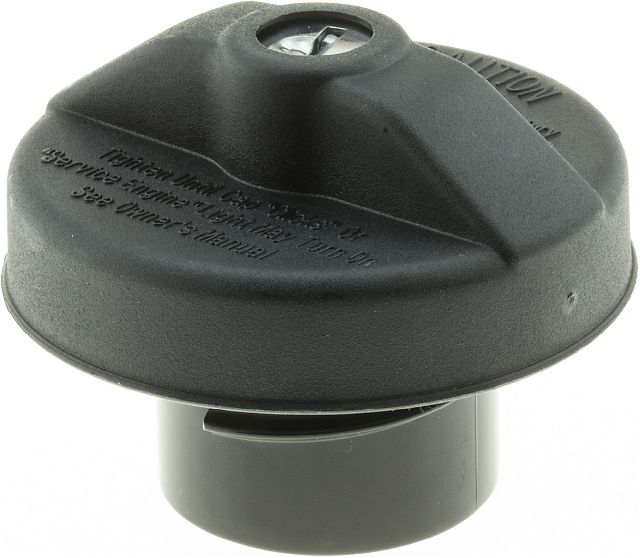
For a 2011-2016 Kia Soul, a P0442 code is most often caused by a loose or faulty gas cap. If that's not the issue, the canister purge valve is the next most likely culprit. A new OEM gas cap (Part No. 31010-3L600U) costs about $20-$35, while a purge valve (Part No. for 1.6L: 29015-2B000) is around $50-$80. Always check the gas cap first before replacing any parts.
- Always check the gas cap first for a P0442 code. Make sure it's tight and the seal is intact. An OEM replacement is best.
- If the gas cap isn't the problem, the canister purge valve is the next most likely and affordable part to replace.
- Do not immediately assume you need an expensive charcoal canister; the issue is often a much cheaper valve or hose.
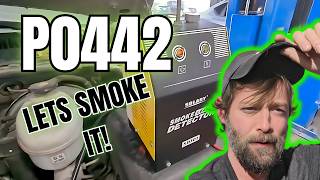
- A smoke test is the most reliable way for a mechanic to find the exact source of a small leak if a visual inspection fails.
- This code will not leave you stranded, but it will prevent your vehicle from passing an emissions test.
What's Unique About the 2011-2016 Kia SOUL
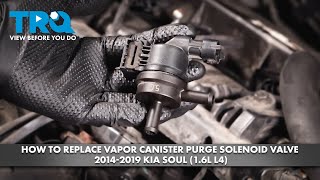
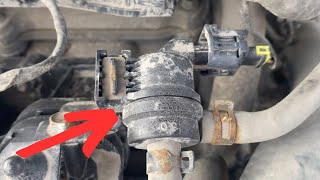
The 2011-2016 Kia Soul spans two generations, but the common causes for P0442 are consistent. A frequently reported failure point on these and other Kia/Hyundai models from this era is the canister purge valve, which can fail to seal properly over time, causing a small leak. The purge valve for the 1.6L engine is located on the top right side of the engine. 🎬 Watch: Locate and replace the purge solenoid on your 1.6L Soul. Additionally, a Kia Technical Service Bulletin (TSB ENG164/SA280) was issued for the 2012-2016 Soul for a related code (P0441), which required an ECU software update to fix faulty logic, highlighting that EVAP system codes on this platform can sometimes be software-related.
Diagnostic Flowchart
Tap your situation to follow the diagnostic path that matches what you're seeing on this vehicle.
Generation note: This range covers the end of the first generation (2011-2013) and the start of the second generation (2014-2016). While the body style and some components changed, the primary causes and diagnostic approach for a P0442 code remain very similar across both generations. The 1.6L engine, for example, uses the same purge valve across these years.
Symptoms You May Notice
- Check Engine Light is on.
- A faint fuel smell may be noticeable, though this is less common.
- The vehicle will fail an emissions inspection.
- In rare cases, difficulty starting the car immediately after refueling if the purge valve is stuck open.
- Replacing the charcoal canister when the actual problem is a less expensive component like the purge valve or a cracked hose.
- Repeatedly replacing the gas cap with aftermarket versions that don't seal properly, when an OEM cap is required to fix the issue.
Most Likely Causes
- Loose or Faulty Gas Cap 🔴 High Probability The gas cap seal is a simple rubber O-ring that degrades over time, leading to pressure loss. This is the most common and easiest fix for any EVAP leak code.
How to confirm: Ensure the cap is tightened until it clicks multiple times. Inspect the rubber seal for cracks, stiffness, or damage. If the code returns after tightening, the cap is likely faulty. Even if it looks okay, the seal can be ineffective.
Typical fix: Replace the gas cap. It is highly recommended to use an OEM (Original Equipment Manufacturer) cap, as aftermarket versions can sometimes fail to seal correctly and cause the code to return.
Est. part cost: $20-$35 - Faulty Canister Purge Valve (Solenoid) 🟡 Medium Probability This valve is a known failure point on many Kia and Hyundai models of this era, including the Soul. It can get stuck partially open, creating a small, persistent leak that the system detects. For the 1.6L engine, it is located on top of the engine.
How to confirm: The valve is located in the engine bay. With the engine off, disconnect the valve and try to blow through it; if air passes, it's stuck open and faulty. A mechanic can also command it open and closed with a scan tool to test its function or check for vacuum at the port when it should be closed.
Typical fix: Replace the canister purge valve. This is a relatively simple replacement involving disconnecting two hoses and an electrical connector.
Est. part cost: $50-$80 - Cracked or Disconnected EVAP Hoses ⚪ Low Probability The plastic and rubber hoses in the EVAP system can become brittle and crack over time due to heat and age, especially the small rubber elbows.
How to confirm: Visually inspect all accessible EVAP lines running from the engine bay to the charcoal canister near the fuel tank. A smoke test is the most effective method, where a machine fills the system with smoke to reveal the exact location of any leaks.
Typical fix: Replace the cracked section of hose or the faulty fitting.
Est. part cost: $10-$50 - Faulty Canister Close Valve (Vent Valve) ⚪ Low Probability Located under the car near the charcoal canister, this valve is exposed to road debris and moisture, which can cause it to fail or get stuck. On the 2011 Soul, the vent solenoid is built into the EVAP canister.
How to confirm: A scan tool can be used to command the valve to close during a smoke test. If smoke escapes from the vent valve, it has failed. On a Kia, a technician can use the GDS scan tool to perform an activation test, commanding the vent valve closed to seal the system for a smoke test.
Typical fix: Replace the canister close valve. If it is part of the canister, the entire canister assembly must be replaced.
Est. part cost: $40-$70
Rare But Worth Checking
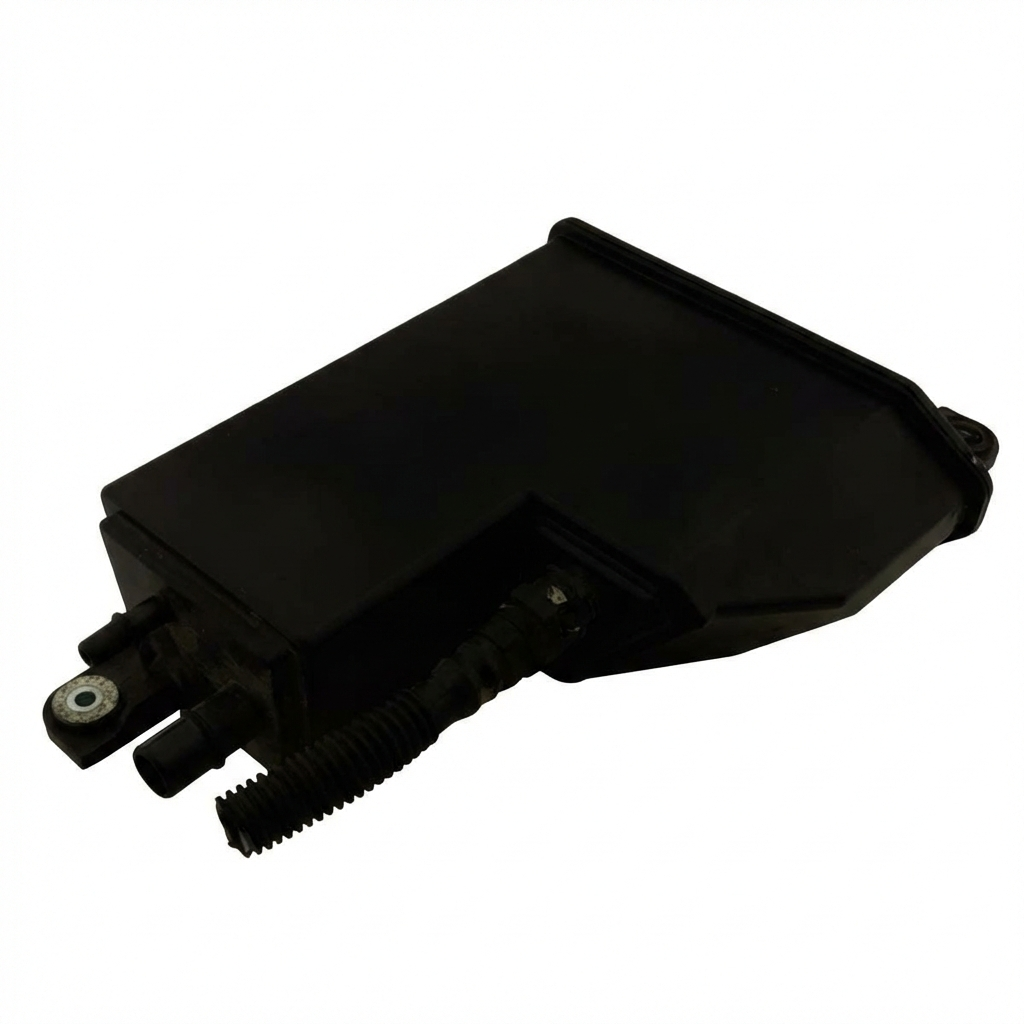
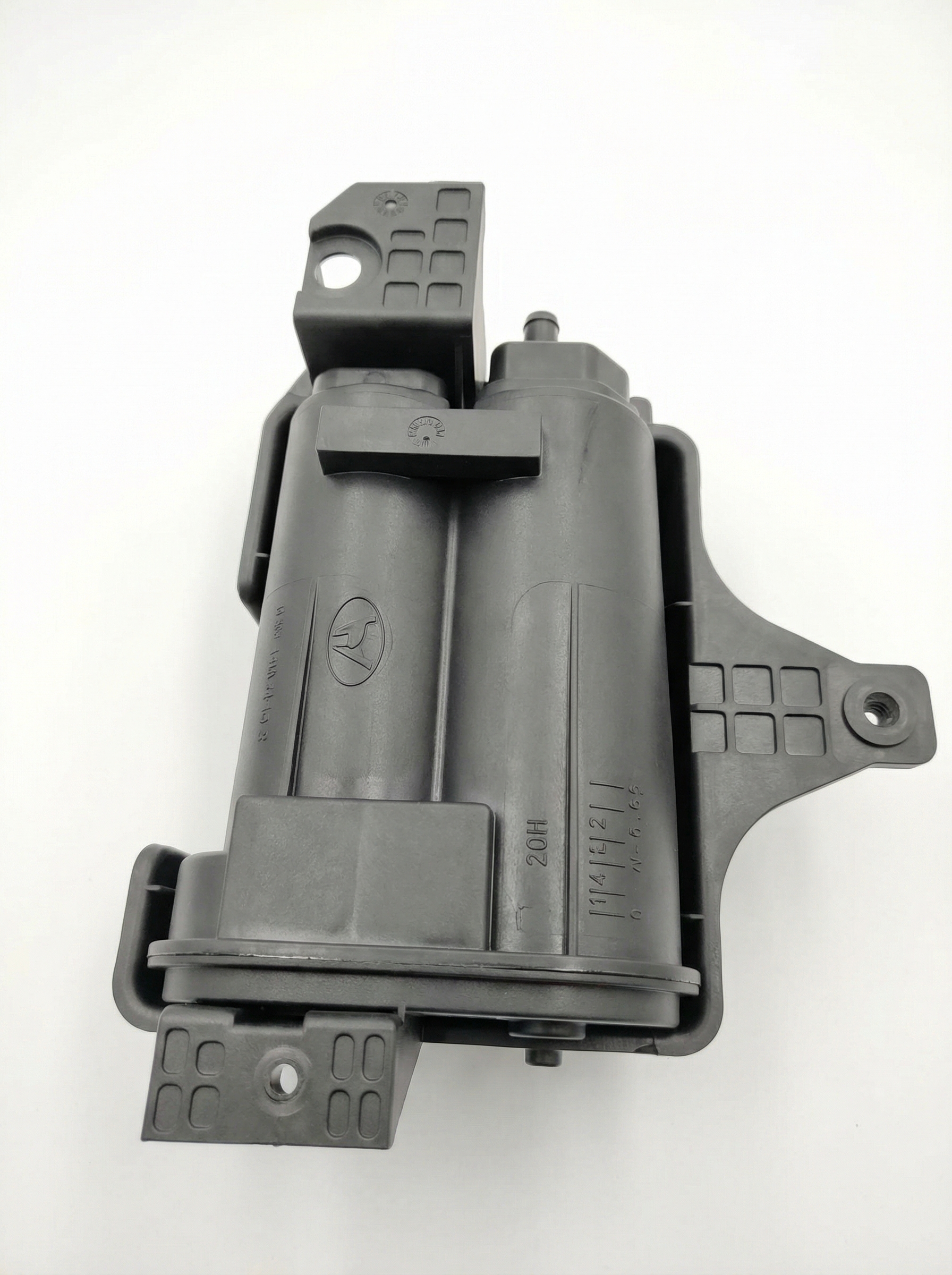
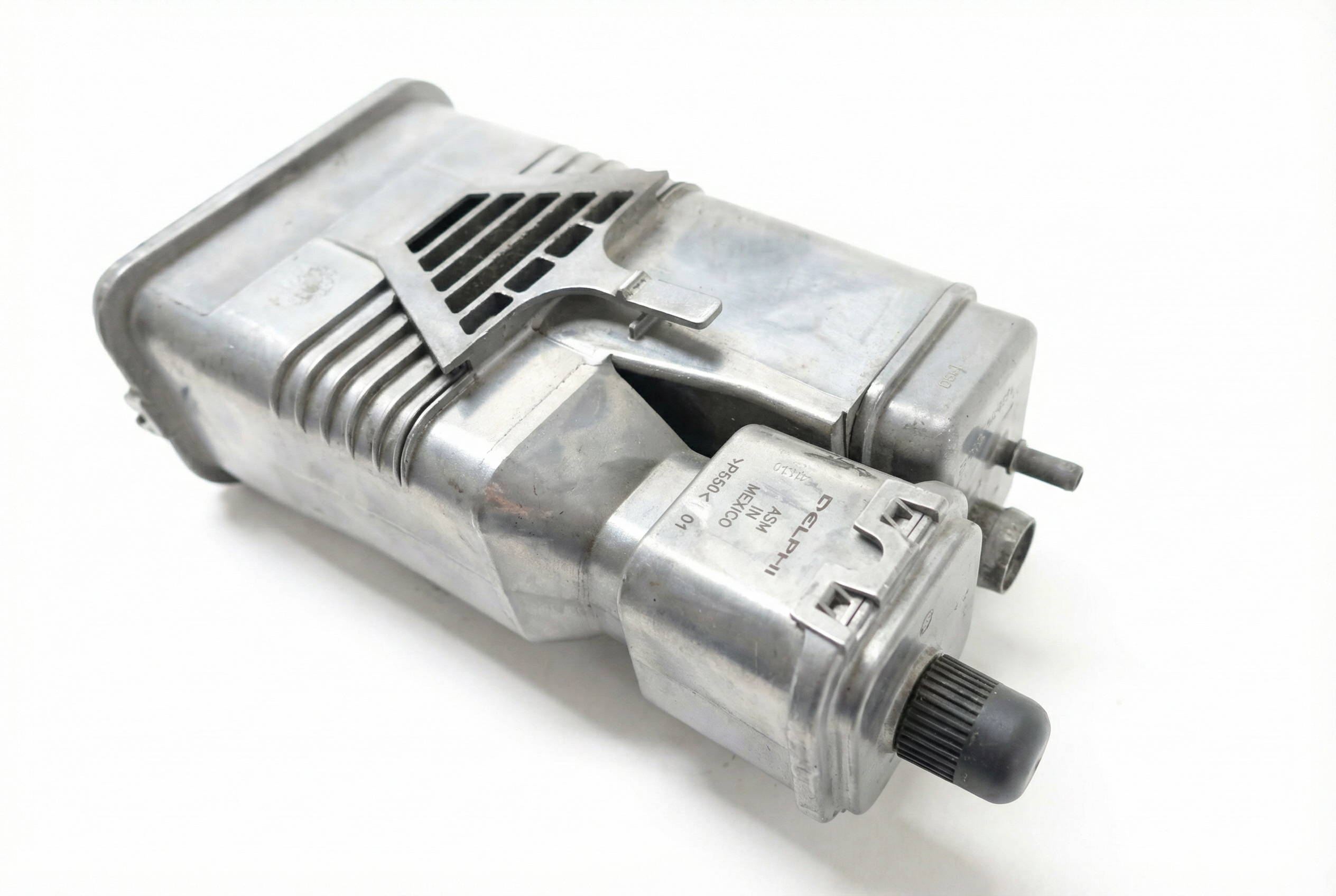
- Cracked Charcoal Canister: The canister body itself can develop hairline cracks, especially in 'salt belt' states where corrosion is common. A TSB for other Kia models (SC135) notes this issue, where road salt can corrode mounting brackets and stress the canister plastic. A smoke test is the best way to confirm a canister leak.
- Leaking Fuel Filler Neck: Rust and corrosion can create small holes or a rough sealing surface on the metal tube that leads from the gas cap to the fuel tank, causing an EVAP leak. This is more common in regions with heavy road salt usage. A visual inspection may reveal pitting or rust that prevents the gas cap from sealing properly. Repair may involve sanding the surface smooth or, in severe cases, replacing the entire filler neck.
Diagnosis Steps
- Check the gas cap. Remove it, inspect the seal for damage, and retighten it until it clicks at least three times. Clear the code and drive for a few days to see if it returns.
- If the code comes back, replace the gas cap with a new OEM part (Part No. 31010-3L600U). This is an inexpensive and very common fix.
- Visually inspect the canister purge valve in the engine bay (top of the engine on the 1.6L) and the EVAP hoses connected to it for any obvious cracks or loose connections.
- Perform a simple purge valve test: with the engine off, remove the valve and try blowing through it. If air passes, it is stuck open and needs replacement.
- Inspect the EVAP canister and vent valve located under the vehicle, near the fuel tank, for any signs of physical damage or corrosion.
- If no obvious issues are found, the most effective next step is to have a smoke test performed. This test will fill the EVAP system with a harmless, visible smoke, and any leak will be quickly identified by where the smoke escapes.
- Based on the smoke test results, replace the identified faulty component, whether it's a hose, valve, fuel filler neck, or the canister itself.
Parts You'll Likely Need
- Gas Cap
(OEM #31010-3L600U)— This is the most common cause of a P0442 code. The seal wears out over time, and using a genuine Kia part is recommended for a proper fit. This part number supersedes 31010-3L600.
Trusted brands: Genuine Kia
OEM price range: $20-$35
Aftermarket price range: $15-$25 - Canister Purge Valve / Solenoid
(OEM #29015-2B000 (for 1.6L engine))— A very common failure item on Kia vehicles of this era that gets stuck open, causing a small leak. This part fits 2009-2011 Soul models with the 1.6L engine.
Trusted brands: Genuine Kia, Bosch, Standard Motor Products (SMP)
OEM price range: $50-$80
Aftermarket price range: $30-$60
Related Codes That Often Appear With This One
- P0455 — Indicates a large EVAP leak. This can appear if a small leak worsens or if the gas cap is left very loose or off entirely.
- P0456 — Indicates a very small EVAP leak. This code is closely related and shares the same causes and diagnostic steps; the only difference is the size of the leak detected by the computer.
- P0441 — Indicates incorrect purge flow. This code often points directly to a malfunctioning canister purge valve, which can also cause a P0442 if it's stuck partially open. Kia also issued a TSB (ENG164) for the Soul to fix false P0441 codes with a software update.
Technical Service Bulletins (TSBs) & Recalls
- PS469: Recommends a manual evaporative emissions test for hard-to-find small leaks (P0442, P0455, P0456, P0457) when the self-test is inconclusive. [⭐ MANUFACTURER TSB — highest authority]
Platform-Specific Known Issues
- Kia issued TSB PS469 for hard-to-find small EVAP leaks (P0442, P0456) on 2011 models, recommending a manual EVAP test if the standard self-test does not find a fault. [⭐ MANUFACTURER TSB — highest authority]
- While not specific to the Soul, TSB SC135 for other Kia models of the same era addresses P0442 codes caused by cracked charcoal canisters due to corroding mounting brackets in salt-belt states, a potential issue for Souls in similar climates.
- A Reddit user with a 2016 Soul reported having a P0442 code return multiple times after replacing the gas cap twice and even after a smoke test reportedly found no leaks, highlighting the intermittent and frustrating nature of this code. They planned to replace the purge valve next.
- TSB ENG164 (also Service Action SA280) was issued for 2012-2016 Souls for the related P0441 code, requiring an ECU software update. This shows that EVAP codes on this platform are not always caused by a physical part failure.
Mechanic-Grade Diagnostic Values
- Fuel Tank Pressure Sensor (FTPS) Signal Voltage — expected: With Key On, Engine Off (KOEO) and the gas cap removed, the voltage should be around 2.5V. During a manual test where the PCSV is grounded for 25 seconds, the voltage should be greater than 1.5V.. Failure: If the initial KOEO voltage is out of spec (and 5V reference/ground are good), the FTPS is likely faulty. If voltage drops below 1.5V during the PCSV ground test, it indicates a restriction in the EVAP system.
- Fuel Tank Pressure Sensor (FTPS) 5V Reference — expected: Approximately 5 volts at the sensor connector with Key On, Engine Off.. Failure: If the 5V reference is not present, check related wiring, connections, and the PCM.
Scan Tool Commands That Help
- Kia GDS (Global Diagnostic System): Activation Test for Canister Close Valve (CCV) and Purge Control Solenoid Valve (PCSV) — This bidirectional control is used during a smoke test. A technician can command the CCV to close (its normal state is open) to seal the system, and then command the PCSV to open or close to isolate different parts of the system while looking for leaks.
- Kia GDS (Global Diagnostic System): EVAP Leak Self-Test — This is the automated test the vehicle runs to detect leaks. A technician can manually initiate this test to confirm if the system can hold pressure after a repair, without waiting for the vehicle's normal drive cycle conditions to be met.
Wiring & Ground Locations
- Fuse 'SENSOR 2' — Located in the engine compartment fuse box.. On a 2016 Kia Soul, this 10-amp fuse supplies power to EVAP system components like the purge valve. A blown fuse would disable the component, potentially causing a system fault code.
- Fuel Tank Pressure Sensor (FTPS) Connector — On top of the fuel pump assembly, accessed by removing the rear seat cushion and a service cover.. This is the primary connection point for testing the FTPS. It requires a 5V reference, a ground from the ECM, and returns a signal voltage. Verifying power and ground here is a key step before condemning the sensor.
Real Owner Repair Stories
- AutoZone Customer Review (2014 Kia Soul) — Difficulty starting after pumping gas.
❌ Tried (didn't work) Not specified, but the symptom is classic for a stuck-open purge valve.
✅ What actually fixed it Replacing the vapor canister purge valve (Duralast PV650) resolved the starting issue after refueling.
OEM Part Supersession History
Not specified→29015-2B000— Standard part update/revision.
Heads up: This part number is specific to the early 1.6L Gamma engine. The 2.0L engine and later model years use different part numbers.31430-3X000→31430-1Y000— Part revision for Canister Close Valve.
Heads up: This is the Canister Close Valve (CCV) or vent valve, located at the canister, not the purge valve in the engine bay.
Model Year Variations Within This Range
- 2011-2013 (First Generation): The first-generation Soul has a distinct body style and interior. The 1.6L engine uses purge valve P/N 29015-2B000. The EVAP canister and built-in vent valve are located above the fuel tank, which may need to be dropped for access.
- 2014-2016 (Second Generation): The 2014 model was a complete redesign with a slightly longer wheelbase, wider stance, and different interior. While the base 1.6L engine remained, some EVAP components and part numbers changed. For example, the Canister Close Valve for 2014+ models is P/N 31430-1Y000. The purge valve for the 2.0L engine is a different part (e.g., 28910-2E000).
Helpful Videos
Used OEM Parts in Stock
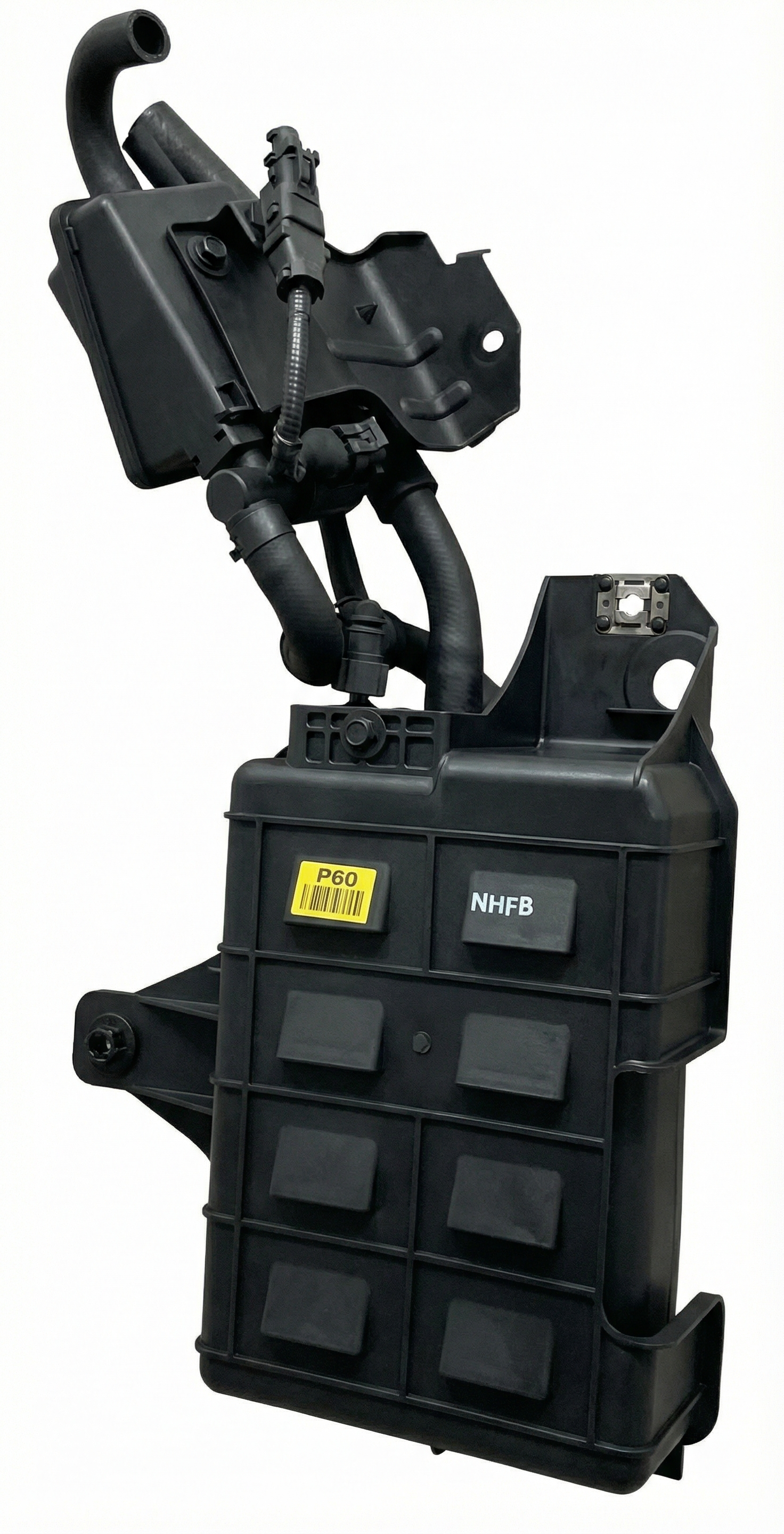
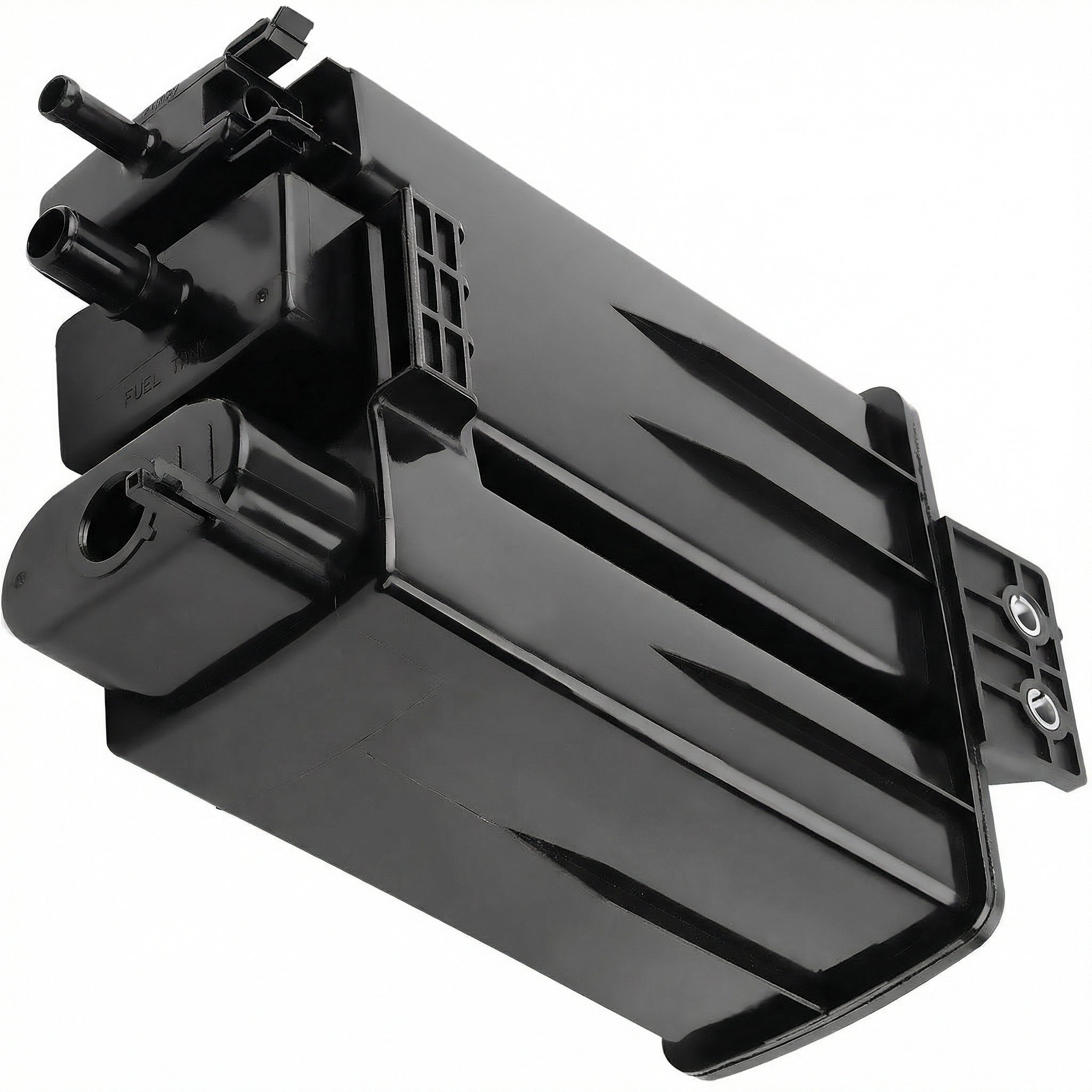
New Aftermarket Parts Available

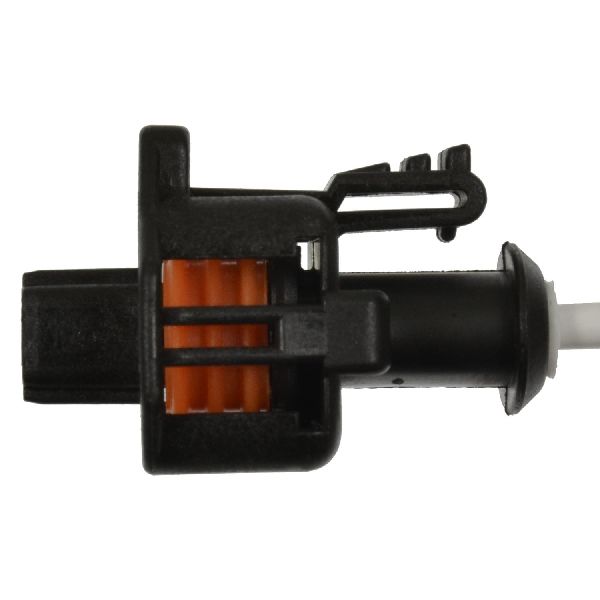
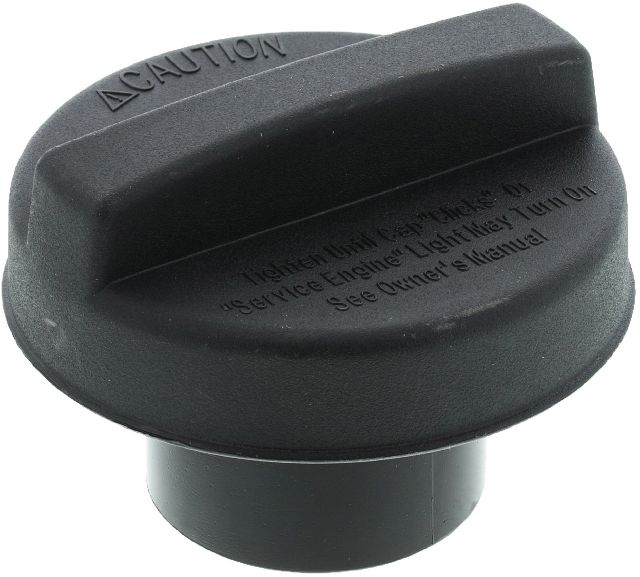

The information in this article is provided for general reference and educational purposes only. Vehicle specifications, procedures, and part compatibility can vary by production date, trim level, and region. Always consult your vehicle's factory service manual and verify part numbers before purchasing or performing repairs. Safety-critical components such as airbags, seat belts, and braking systems should be installed by a qualified professional.
- Kia SOUL:
- 🎬 Helpful Videos
- 🛍️ Shop This Part
- What's Unique About the 2011-2016 Kia SOUL
- Diagnostic Flowchart
- Symptoms You May Notice
- Most Likely Causes
- Rare But Worth Checking
- Diagnosis Steps
- Parts You'll Likely Need
- Related Codes That Often Appear With This One
- Technical Service Bulletins (TSBs) & Recalls
- Platform-Specific Known Issues
- Mechanic-Grade Diagnostic Values
- Scan Tool Commands That Help
- Wiring & Ground Locations
- Real Owner Repair Stories
- OEM Part Supersession History
- Model Year Variations Within This Range
- 🎟️ Get 5% Off