

P0442 on 2012-2013 Infiniti M37: EVAP Small Leak Causes and Fixes
For a 2012-2013 Infiniti M37, a P0442 code almost always means you have a loose or faulty gas cap. Before buying any parts, tighten the cap until it clicks multiple times, clear the code, and drive for a few days. If it returns, a new OEM gas cap is the most likely fix, costing around $35-$50. If the cap is not the issue, the next most common culprit is the EVAP vent control valve located at the rear of the car near the charcoal canister.
- Always check the gas cap first for a P0442 code. Tighten it until it clicks several times. This is the most common and free fix.
- If the code returns, replace the gas cap with a genuine OEM part from Infiniti for the best possible seal.
- Do not replace other EVAP components like the purge or vent valve unless a smoke test has confirmed they are the source of the leak.
- You can safely drive your M37 with this code, but you will not be able to pass an emissions inspection until it is resolved.
What's Unique About the 2012-2013 Infiniti M37
For all 2012 and newer models, Infiniti is aware that this code is frequently triggered by something simple. The manufacturer issued Technical Service Bulletins (TSBs) ITB13-044J and ITB13-044g specifically to guide technicians to check the fuel filler cap first, as many vehicles have a dashboard warning light just for a loose cap. The TSBs emphasize that improper cap tightening is a primary cause and that test-driving to confirm the code is a waste of time, pointing to a specific diagnostic flowchart instead. While the gas cap is primary, the entire VQ37VHR platform (shared with the G37 and Nissan 370Z) has a known secondary weakness in the EVAP vent control valve, which is exposed to the elements at the rear of the car. An older TSB, ITB17-042c, noted that for the 2011-2013 M37/M56, a P0456 (very small leak) was often caused by just the O-ring on this vent control valve, though current guidance often involves replacing the whole valve.
Diagnostic Flowchart
Tap your situation to follow the diagnostic path that matches what you're seeing on this vehicle.
Symptoms You May Notice
- Check Engine Light is on
- A faint smell of gasoline, particularly around the rear of the car
- A "LOOSE FUEL CAP" warning message may appear on the instrument display
- In rare cases with a stuck-open purge valve, the car may be hard to start immediately after refueling.
- Replacing the purge valve or vent valve without performing a smoke test. The gas cap is far more likely to be the cause, and a smoke test is the only way to confirm the exact location of the leak before replacing more expensive parts.
- Replacing the engine-bay-mounted purge valve when the more common failure is the rear-mounted vent control valve.
Most Likely Causes
- Loose or Faulty Fuel Filler Cap 🔴 High Probability Infiniti TSBs ITB13-044J and ITB13-044g specifically identify a loose or improperly secured fuel filler cap as the most common reason for P0442 on 2012 and newer vehicles. The rubber O-ring seal on the cap can also wear out, crack, or harden over time, preventing a proper seal.
How to confirm: Remove the cap and re-install it, tightening it until you hear several clicks. Inspect the rubber seal on the cap for any cracks, stiffness, or damage. If the light returns after a few days of driving, the cap seal is likely faulty. Many owners on forums like G35Driver have fixed the code simply by replacing the cap.
Typical fix: Replace the fuel filler cap. It is strongly recommended to use a genuine OEM Infiniti cap to ensure a perfect seal, as aftermarket caps can be unreliable.
Est. part cost: $35-$50 - Failed EVAP Vent Control Valve/Solenoid 🟡 Medium Probability This valve, located near the charcoal canister at the rear of the vehicle, is exposed to the elements and can fail by sticking open or closed, or developing a crack in its housing. This is a well-documented failure point on the VQ37VHR platform. An older TSB for the M37 (ITB17-042c) specifically identified the O-ring for this valve as a common leak point for the related P0456 code.
How to confirm: A mechanic will command the valve to close using a scan tool and then perform a smoke test on the EVAP system. If smoke exits from the vent valve, it has failed. You can also remove the valve and apply 12v to test its operation; it should be open when de-energized and click closed when energized.
Typical fix: Replace the EVAP vent control valve. On some older models, only an O-ring was replaced, but current procedure often requires replacing the entire valve assembly.
Est. part cost: $60-$115 - Failed EVAP Canister Purge Volume Control Valve/Solenoid ⚪ Low Probability Located in the engine bay, this valve meters fuel vapors into the engine. Over time, the internal solenoid can weaken or stick, failing to seal properly. This can sometimes cause a long crank or rough start after refueling.
How to confirm: A smoke test is the best method. With the valve de-energized (closed), a technician will introduce smoke into the EVAP line leading to it. If smoke passes through the valve into the intake manifold, the valve is leaking internally. Another test is to remove the valve and try to blow through it; when unpowered, it should be closed and block airflow.
Typical fix: Replace the purge valve.
Est. part cost: $150-$210 - Cracked or Disconnected EVAP Hose ⚪ Low Probability Rubber hoses can become brittle and crack with age and exposure to heat cycles, especially in the engine bay or near the exhaust. Small cracks can be hard to see without flexing the hose.
How to confirm: A visual inspection may reveal obvious cracks or disconnected lines. However, a smoke test is the definitive way to find small, hard-to-see leaks in the hose network.
Typical fix: Replace the specific section of cracked hose.
Est. part cost: $10-$40
Rare But Worth Checking
- Cracked EVAP Charcoal Canister: While not common for just a P0442, physical damage to the canister or internal failure can cause leaks. This is often accompanied by other codes like P0455 (large leak) or difficulty filling the fuel tank.
- Leaking Fuel Tank or Filler Neck: Rust or physical damage can cause a small leak in the fuel tank or the metal filler neck leading to it. This is usually found during a smoke test when smoke is seen coming from an area other than a standard EVAP component. Corrosion on the filler neck where the cap seals is a known issue on similar platforms.
- Leaking Fuel Pump or Sender Unit O-Rings: On a similar G35 platform, an owner on the G35Driver forum traced a persistent P0442 and fuel smell to leaking O-ring seals on top of the fuel tank for the fuel pump and gauge sender units. This is a more involved repair requiring access to the top of the fuel tank, which is under the rear seat cushion on the M37.
Diagnosis Steps
- Check for a 'LOOSE FUEL CAP' message on the dashboard.
- Inspect the fuel filler cap. Ensure it is tightened until it clicks multiple times. Check the cap's rubber gasket for cracks, hardening, or damage.
- If the cap looks good, clear the P0442 code with an OBD-II scanner.
- Drive the vehicle for several days to see if the Check Engine Light returns. The EVAP monitor runs under specific conditions (e.g., certain fuel level, ambient temperature), so it may take time.
- If the light returns, the most cost-effective next step is to replace the fuel filler cap with a new OEM part.
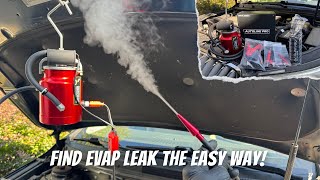
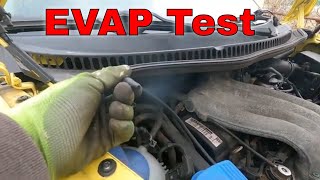
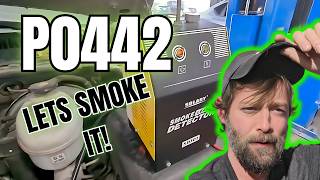
- If a new cap does not resolve the issue, a professional smoke test is required. This involves injecting a harmless, visible vapor into the EVAP system to accurately pinpoint the source of the leak. 🎬 Watch: See how a professional smoke test finds small leaks.
- Based on the smoke test, pay close attention to the EVAP vent control valve at the rear of the car, as it is a known failure point.
- Visually inspect the component identified by the smoke test (e.g., vent valve, purge valve, hose, or canister) for cracks or damage.
- Replace the confirmed faulty part, clear the code, and perform another drive cycle to confirm the repair.
Parts You'll Likely Need
- Fuel Filler Cap
(OEM #17251-4BA0B)— This is the most frequent cause of a P0442 code on this vehicle, as confirmed by Infiniti's own service bulletins. The seal wears out over time.
Trusted brands: Infiniti (OEM)
OEM price range: $35-$50
Aftermarket price range: $15-$30 - EVAP Vapor Canister Vent Valve Solenoid
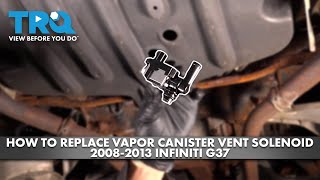
(OEM #14935-JF00B)— This is the second most common failure point after the gas cap. It can get stuck or the housing can crack, causing a leak. This part is a known weak point on the platform.
Trusted brands: Infiniti (OEM), Bosch, Dorman (P/N: 911-504), Standard Motor Products
OEM price range: $65-$90
Aftermarket price range: $50-$100 - EVAP Canister Purge Volume Control Solenoid
(OEM #14930-JK20E)— This valve in the engine bay can fail to seal, allowing an un-metered vacuum leak into the EVAP system. It is less common to fail than the vent valve.
Trusted brands: Infiniti (OEM), Hitachi, Beck/Arnley
OEM price range: $150-$210
Aftermarket price range: $80-$140
Related Codes That Often Appear With This One
- P0456 — This code indicates a 'Very Small Leak,' which is a smaller leak threshold than P0442. They often appear together as the system's leak detection strategy may flag both conditions. The diagnostic process is identical.
- P0455 — This code indicates a 'Large Leak.' If you see this with P0442, it often points to a very loose or missing gas cap, or a completely disconnected hose.
Technical Service Bulletins (TSBs) & Recalls
- ITB13-044J: States that for all 2012 and newer Infiniti vehicles, a loose fuel filler cap is a primary cause for P0442, P0455, and P0456 codes and provides a specific diagnostic flowchart, explicitly stating that test drives are a waste of time for diagnosis.
- ITB13-044g: An earlier version of the same bulletin, also pointing to the fuel cap as the main culprit and advising against test drives for diagnosis.
Mechanic-Grade Diagnostic Values
- EVAP Canister Purge Volume Control Solenoid Resistance — expected: 15 to 30 Ohms. Failure: A reading significantly outside this range indicates a faulty internal coil in the solenoid.
- Fuel Tank Pressure (FTP) Sensor Voltage (Key On, Engine Off, Gas Cap Off) — expected: Approximately 1.3V to 1.7V. Failure: If the voltage remains low (e.g., 0.2V) even with the gas cap removed, it indicates the sensor is stuck reading high pressure and is likely faulty.
Hidden / Shadow Codes Worth Checking
- Mode 6, Monitor ID $82: This is not a DTC, but a monitor ID within OBD-II Mode 6 data that shows the results of the EVAP system's self-test for a 0.020" leak (which corresponds to P0442). Technicians can view the raw test value and compare it against the system's pass/fail limits without waiting for the full drive cycle to set a DTC. (see via An advanced OBD-II scan tool capable of displaying Mode 6 data is required.)
Scan Tool Commands That Help
- Infiniti CONSULT-III plus: Active Test > Close Vent Control Valve — This command manually closes the EVAP vent control valve at the rear of the car. It is essential for sealing the EVAP system to perform a smoke test or a pressure decay test to confirm a leak.
- Infiniti CONSULT-III plus: WORK SUPPORT > EVAP SYSTEM CLOSE — This is a comprehensive function used to seal the entire EVAP system for leak testing, often in conjunction with the tool's internal pressure sensor or an external smoke machine.
- Infiniti CONSULT-III plus: Active Test > PURG VOL CONT/V — This allows a technician to manually open and close the purge valve in the engine bay to check its mechanical function and to test for vacuum flow from the EVAP line.
Wiring & Ground Locations
- EVAP Canister Vent Control Valve — Under the rear of the vehicle, mounted directly on the EVAP charcoal canister.. This is the location of the second most common failure part. The valve and its electrical connector are exposed to road debris and moisture, leading to failure.
- EVAP Canister Purge Volume Control Valve — In the engine bay, typically mounted on or near the intake manifold with hoses connecting to the manifold and the EVAP service port.. This is a less common leak source, but its location in the hot engine bay can lead to hose and valve failure over time.
- Main Engine Bay Grounds — On the driver's side of the engine bay, near the shock tower and air filter box. There are several 10mm and 12mm bolts securing ground wires to the chassis.. Poor ground connections can cause erratic behavior in solenoids and sensors within the EVAP system, leading to false codes or improper valve operation.
- IPDM (Intelligent Power Distribution Module) — In the engine bay, near the battery, under a plastic cover. This module contains fuses and relays that control various engine components, including the EVAP system.. A failure in a relay or fuse within the IPDM could prevent an EVAP valve from receiving power, causing it to fail in its default state (vent valve open, purge valve closed).
Real Owner Repair Stories
- YouTube channel 'This Clown's Garage' (2007 Chevy Impala (demonstrates a universally applicable test)) — DTC P0446 (related EVAP code)
❌ Tried (didn't work) Initial visual inspection showed no obvious leaks.
✅ What actually fixed it The Fuel Tank Pressure (FTP) sensor was faulty. It was diagnosed by observing the live data on a scan tool; the voltage was stuck low (indicating high pressure) even when the gas cap was removed. The fix was to drop the fuel tank slightly to access and replace the sensor. - YouTube channel 'NixFix' (General automotive example) — P0442 and long crank time after refueling.
❌ Tried (didn't work) Testing the purge valve with a 12v source showed it still clicked, suggesting it was functional.
✅ What actually fixed it The purge valve was leaking internally even when de-energized (in its 'closed' state). The technician could blow air through it when it should have been sealed. This allowed fuel vapors to flood the engine after refueling, causing the long crank symptom. Replacing the purge valve fixed both issues.
"I Checked Everything" — The Actual Cause
- A smoke test may show no leaks, but the code can still be caused by an intermittently failing or leaking-internally purge valve. If the valve is commanded closed during the test, it might seal, but under different conditions, it could leak vapors into the intake manifold, which a smoke test wouldn't show externally.
- A faulty Fuel Tank Pressure (FTP) sensor can trigger a P0442 code even with a perfectly sealed system. If the sensor provides an incorrect reading to the ECM (e.g., it doesn't show the expected pressure change during the EVAP self-test), the computer may incorrectly flag a leak.
OEM Part Supersession History
14935-JF00B→14935-JF02C— This is the EVAP Vapor Canister Vent Valve Solenoid. Part numbers are often updated by manufacturers to reflect design improvements or changes in suppliers.
Heads up: No known incompatibility; 14935-JF02C is the current recommended replacement for 14935-JF00B.
Helpful Videos
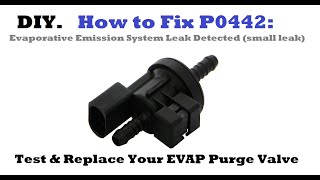
Used OEM Parts in Stock
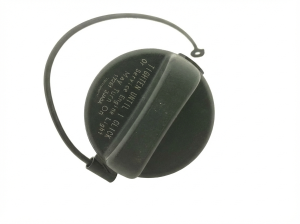

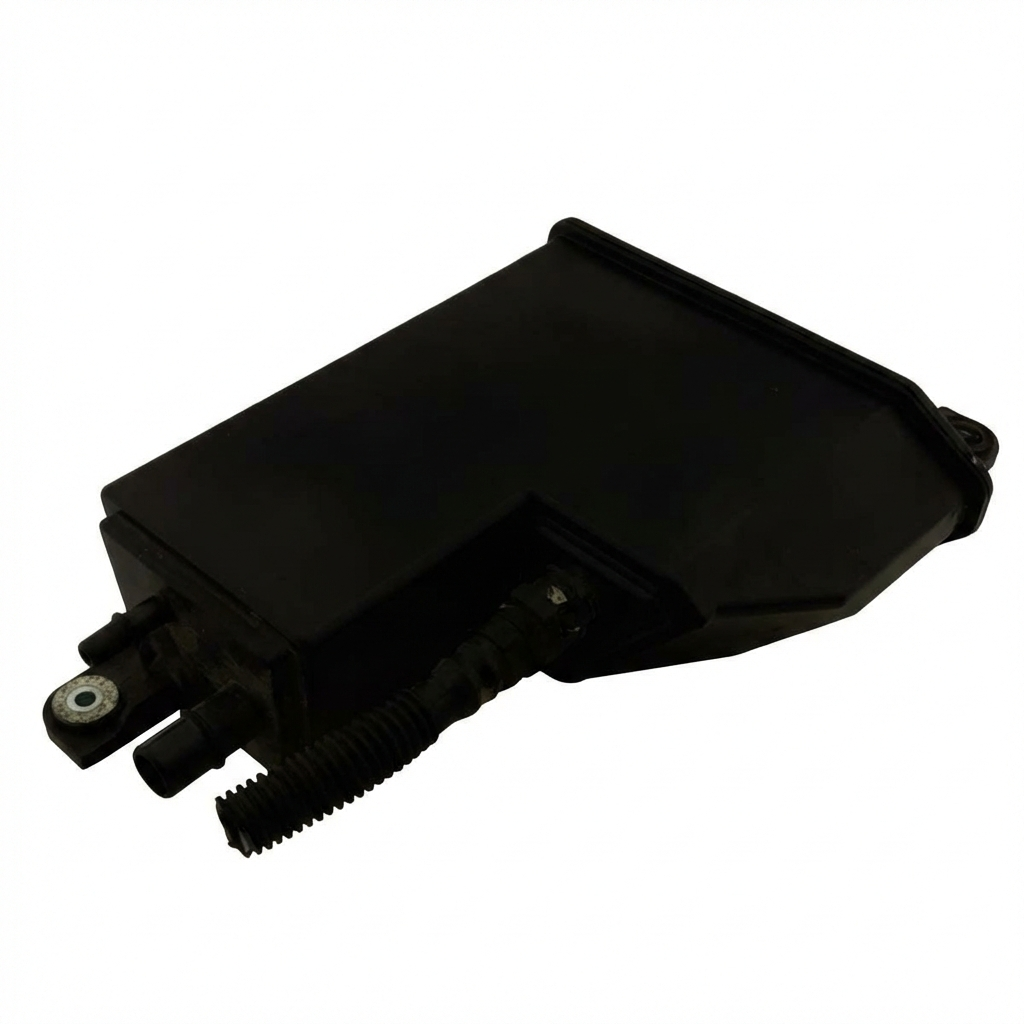
New Aftermarket Parts Available


The information in this article is provided for general reference and educational purposes only. Vehicle specifications, procedures, and part compatibility can vary by production date, trim level, and region. Always consult your vehicle's factory service manual and verify part numbers before purchasing or performing repairs. Safety-critical components such as airbags, seat belts, and braking systems should be installed by a qualified professional.
- Infiniti M37:
- 🎬 Helpful Videos
- 🛍️ Shop This Part
- What's Unique About the 2012-2013 Infiniti M37
- Diagnostic Flowchart
- Symptoms You May Notice
- Most Likely Causes
- Rare But Worth Checking
- Diagnosis Steps
- Parts You'll Likely Need
- Related Codes That Often Appear With This One
- Technical Service Bulletins (TSBs) & Recalls
- Mechanic-Grade Diagnostic Values
- Hidden / Shadow Codes Worth Checking
- Scan Tool Commands That Help
- Wiring & Ground Locations
- Real Owner Repair Stories
- "I Checked Everything" — The Actual Cause
- OEM Part Supersession History
- 🎟️ Get 5% Off