

P0442 on 2004-2009 Hummer H2: EVAP Small Leak Causes and Fixes
The P0442 code on a Hummer H2 indicates a small leak in the evaporative emissions (EVAP) system. The most common causes are a loose or faulty gas cap, a bad EVAP purge valve on the engine, or a failed EVAP vent solenoid under the truck. Start by checking the gas cap, as it's the easiest and cheapest fix.
- P0442 means your H2 has a small leak in the fuel vapor system.
- Always check your gas cap first. Make sure it's tight and the seal isn't cracked.
- There are two common failure parts: the purge valve on the engine and the vent valve under the truck. Know which is which before buying parts.
- If you take your H2 off-road, check the under-vehicle EVAP components for mud or damage.
- A smoke test is the most reliable way for a mechanic (or a well-equipped DIYer) to find the exact source of the leak.
What's Unique About the 2004-2009 Hummer H2

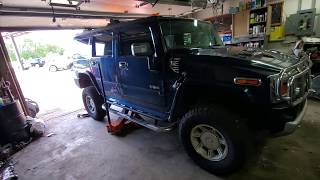
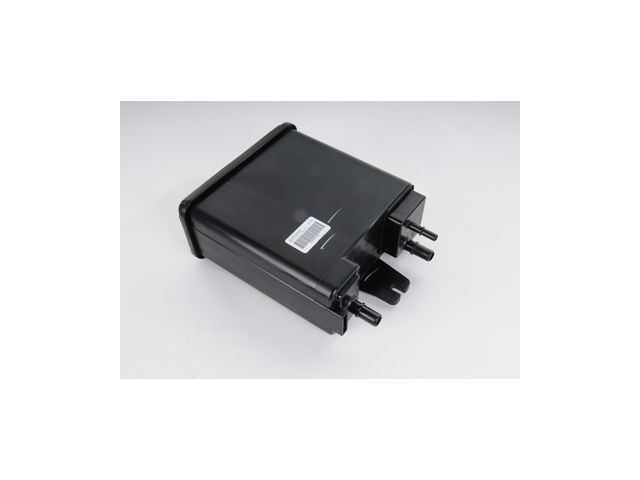
On the Hummer H2, which is built on a modified GM GMT820 truck platform, the P0442 code often points to the same common culprits as its siblings like the Chevy Tahoe and Cadillac Escalade: the gas cap, purge valve, and vent solenoid. However, due to the H2's intended off-road usage, EVAP system components located underneath the vehicle, like the vent solenoid and charcoal canister, are more susceptible to damage or clogging from mud and debris. Owners frequently confuse the two EVAP solenoids: the purge valve is easily accessible on top of the engine 🎬 Watch: A quick walkthrough of the H2 purge valve replacement., while the vent solenoid is located under the driver's side along the frame rail, near the canister.
Diagnostic Flowchart

Tap your situation to follow the diagnostic path that matches what you're seeing on this vehicle.
Symptoms You May Notice
- Check Engine Light is on
- A faint fuel smell, especially when parked in an enclosed space like a garage.
- Difficulty filling the fuel tank (the pump nozzle clicks off repeatedly).
- A hissing sound when opening the gas cap.
- Rough idle or difficulty starting immediately after refueling (this can happen if the purge valve is stuck open, flooding the engine with vapors).
- Replacing the O2 sensors, as they are not related to the EVAP system.
- Confusing the purge valve (on the engine) with the vent solenoid (under the truck) and replacing the wrong part.
Most Likely Causes

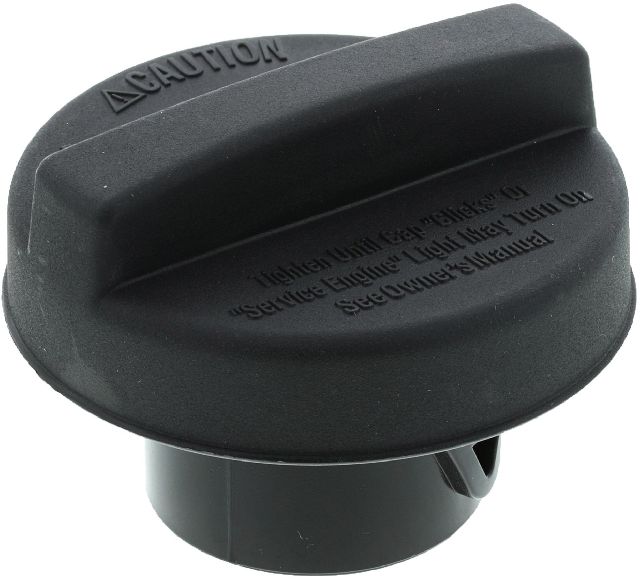
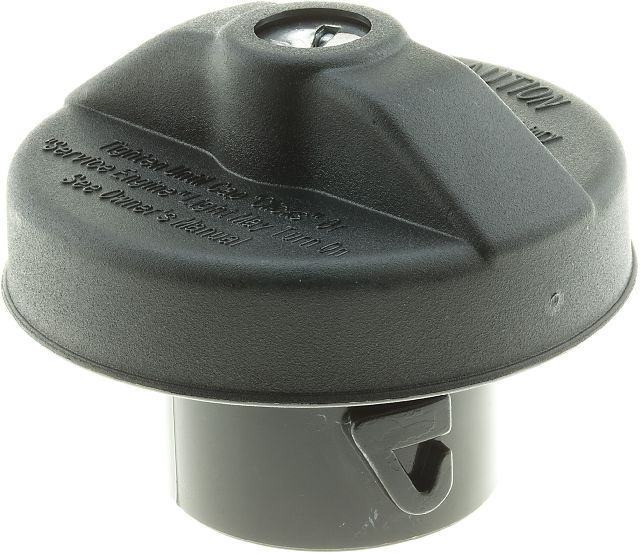
- Loose or Faulty Gas Cap 🔴 High Probability The gas cap seal can degrade, crack, or become hard over time, preventing a proper seal. The filler neck itself can also become corroded with rust, creating an uneven surface that the cap cannot seal against. This is a very common first point of failure for a P0442 code.
How to confirm: Inspect the gas cap's rubber seal for cracks or damage. Ensure it clicks several times when tightened. Clean any rust or debris from the filler neck sealing surface with a light abrasive pad.
Typical fix: Tighten the gas cap. If the seal is damaged or the cap is old, replace it with a new OEM-equivalent part. An OEM part is often recommended over cheaper aftermarket versions which may not seal correctly.
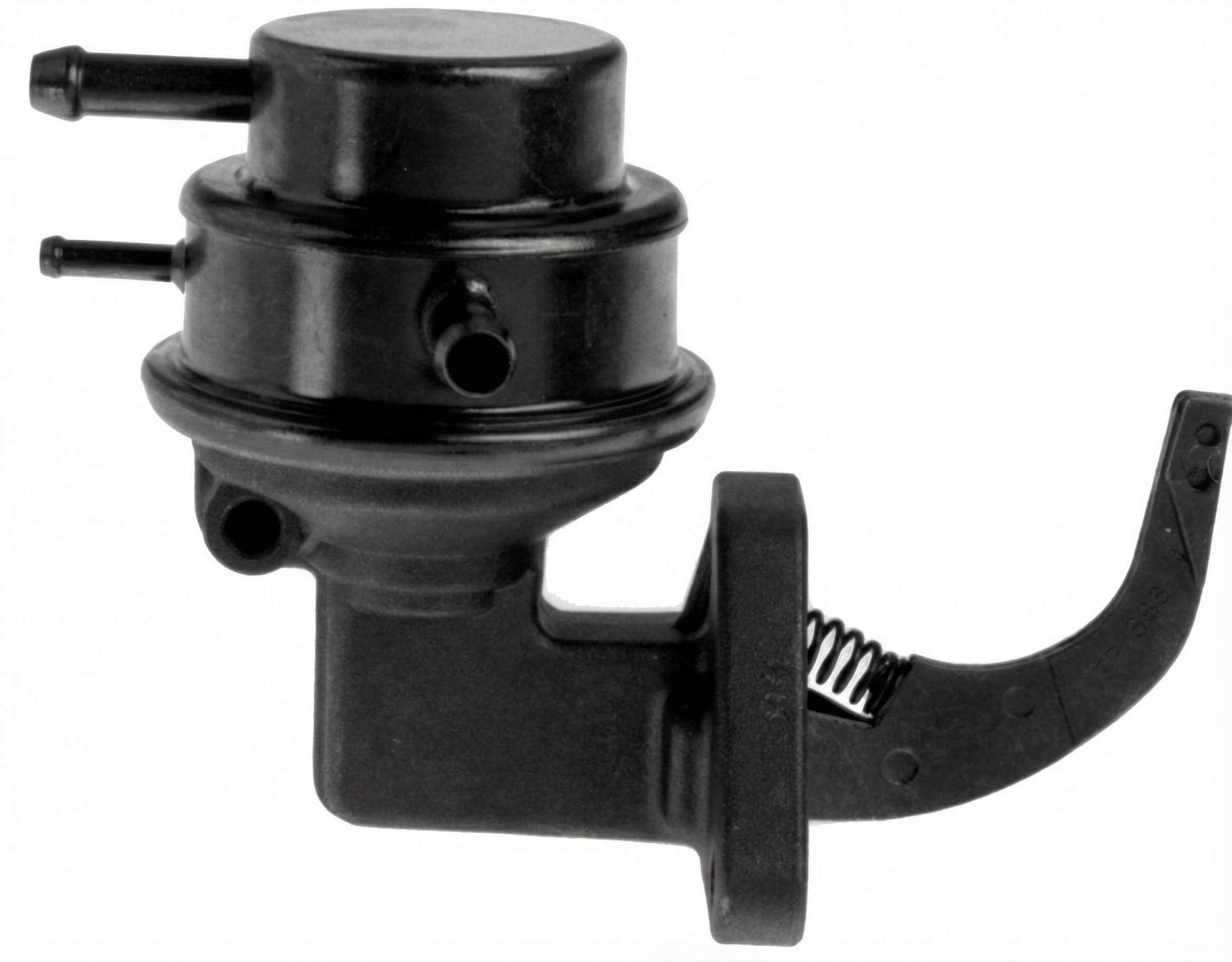
Est. part cost: $15-$40 - EVAP Purge Valve Solenoid Failure 🟡 Medium Probability This valve, located on the engine intake manifold, gets stuck open or closed, creating a leak in the system. It's a common failure point on many GM vehicles of this era.
How to confirm: The purge valve is located on the driver's side of the intake manifold. With the engine off, remove the valve and try to blow through it. If air passes through, it is stuck open and needs to be replaced. You can also test it with a 12v power source; it should click and be closed when de-energized.
Typical fix: Replace the purge valve solenoid. This is a simple repair involving disconnecting a hose, an electrical connector, and one bolt. The part is often listed as GM Part #12597567.
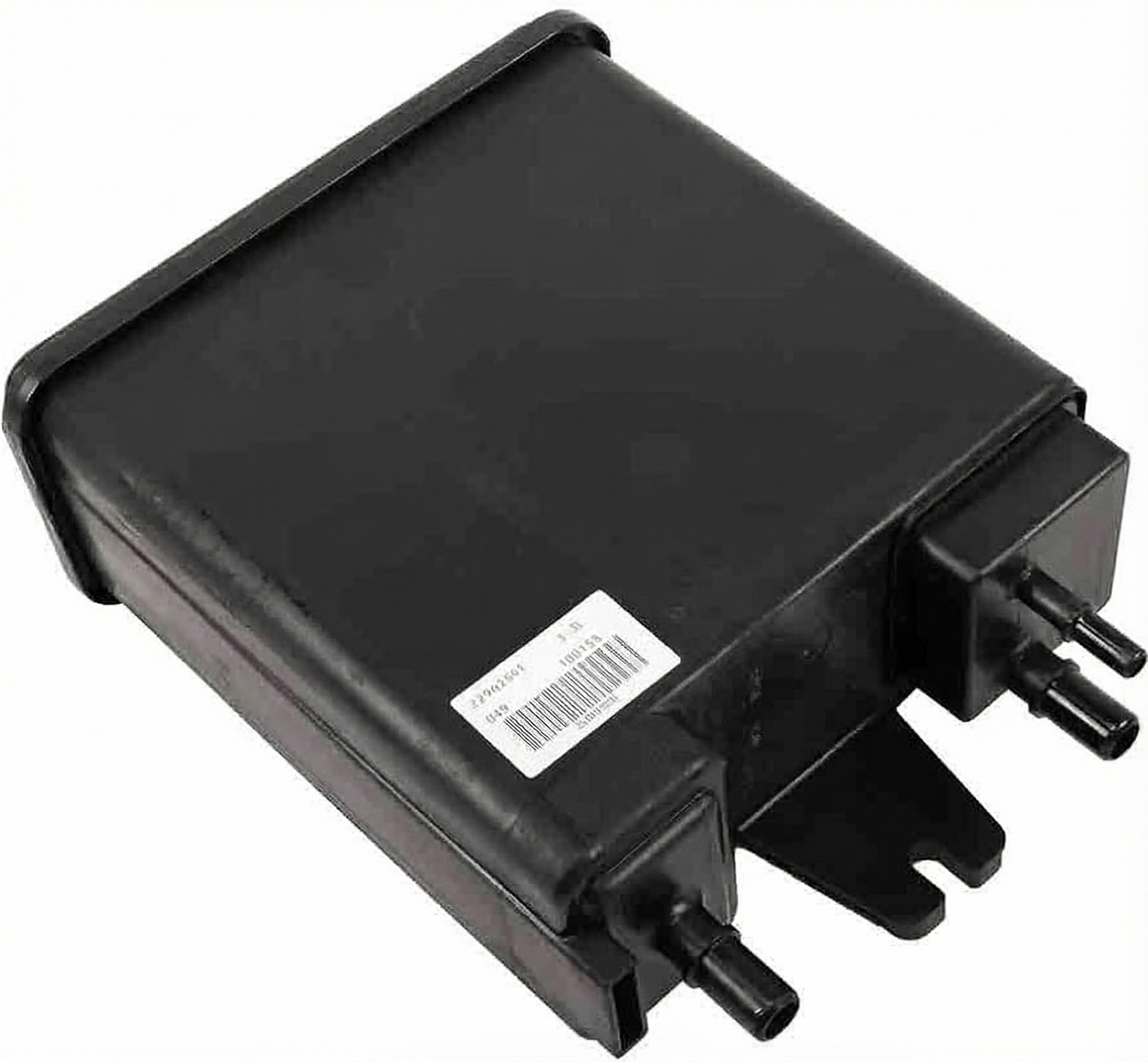
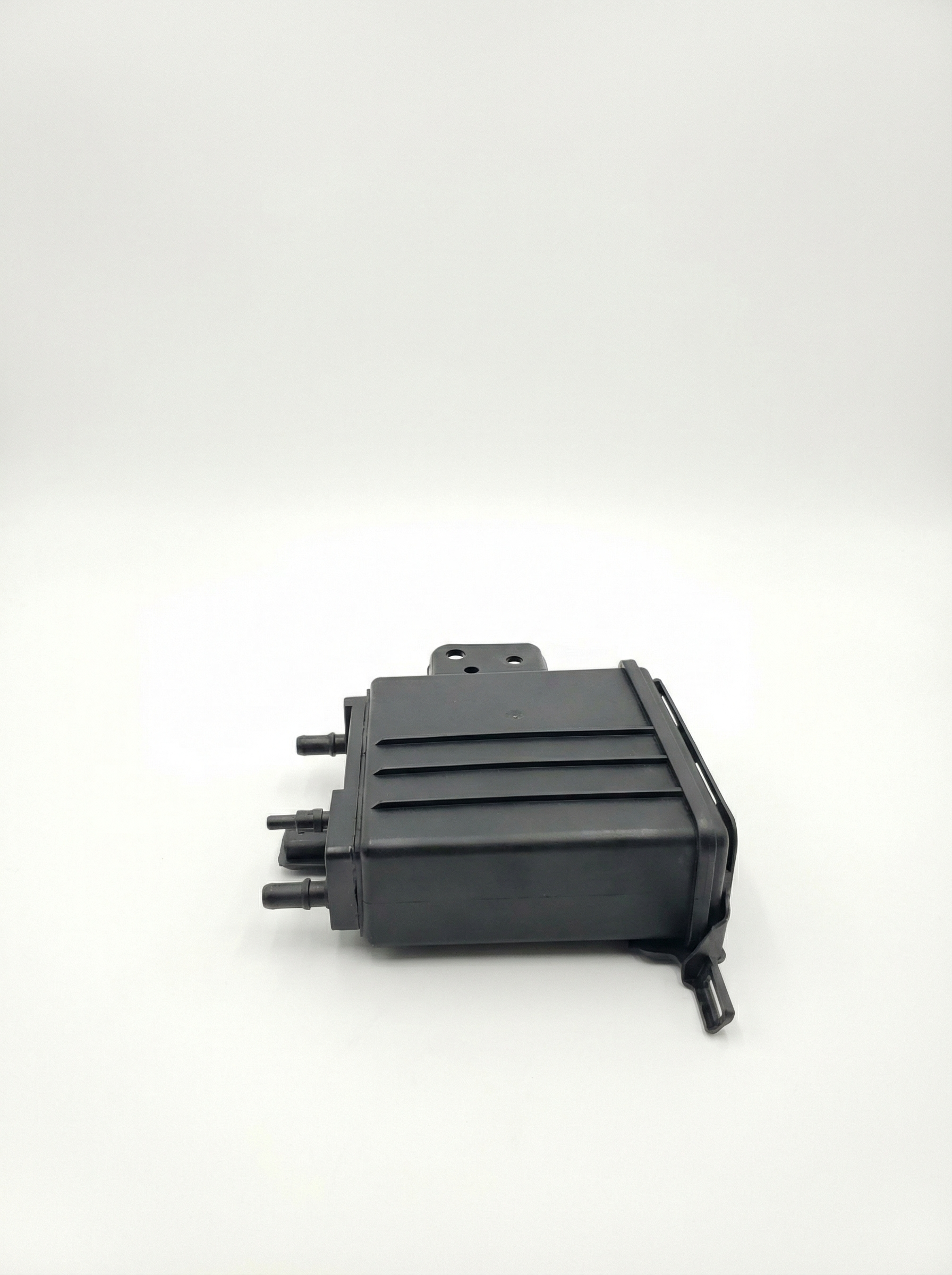
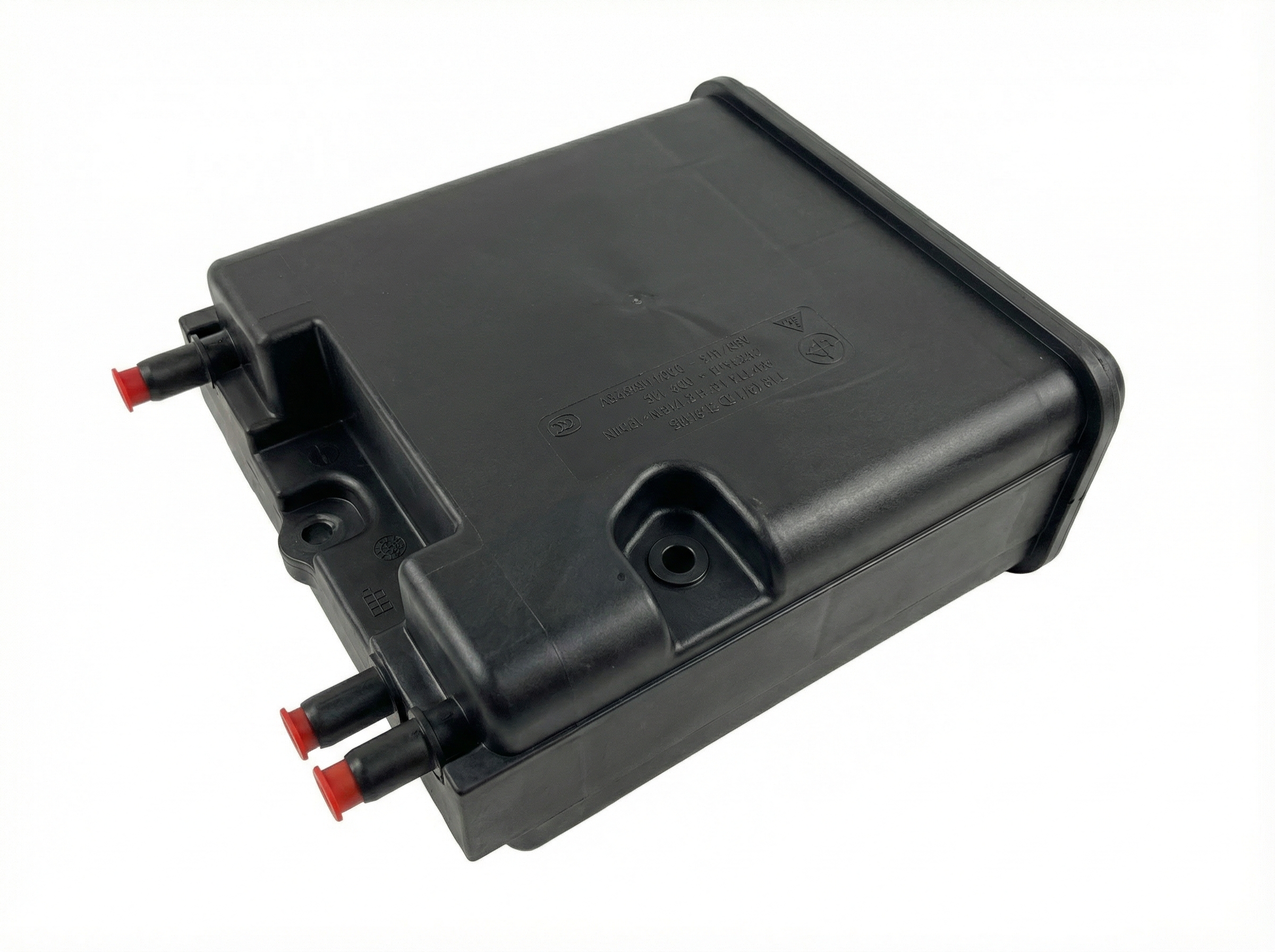
Est. part cost: $30-$80 - EVAP Vent Valve Solenoid Failure 🟡 Medium Probability Located under the truck near the charcoal canister, this part is exposed to road grime, moisture, and physical damage from off-roading, which can cause it to fail or its filter to clog with mud and dust.
How to confirm: Locate the vent solenoid on the driver's side frame rail, near the large black charcoal canister. It can be tested with a scan tool that can command it to close. A smoke test is the most effective way to confirm it's leaking externally or internally.
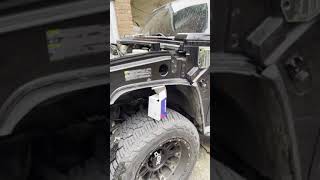
Typical fix: Replace the vent valve solenoid. Access may require removing the driver's side inner fender liner. The recommended ACDelco replacement kit (Part #214-2149) often includes a filter relocation hose to move the air intake to a cleaner, higher location to prevent future failures from debris.
Est. part cost: $30-$60 - Cracked or Disconnected EVAP Hoses ⚪ Low Probability Rubber and plastic hoses can become brittle and crack over time, especially the elbows and connectors. The H2's size and potential for off-road use can put stress on the lines running along the frame.
How to confirm: Visually inspect all accessible EVAP lines between the engine, charcoal canister, and fuel tank for cracks or loose connections. A smoke test is the most reliable method for finding small hose leaks.
Typical fix: Replace the damaged section of hose or the cracked connector.
Est. part cost: $10-$30
Rare But Worth Checking
- Cracked Charcoal Canister: The plastic housing of the charcoal canister can crack from age or impact, especially from off-roading, creating a leak. This is a more expensive repair.
- Leaking Fuel Tank or Filler Neck: Rust can perforate the fuel filler neck or the top of the fuel tank where the fuel pump module seals, causing an EVAP leak. This is more common in regions that use road salt.
- Corroded Fuel Filler Neck: Rust and pitting on the metal lip of the fuel filler neck where the gas cap seals can prevent a proper seal, even with a new gas cap. The surface must be smooth. This is a known issue on GMT800 platform trucks.
Diagnosis Steps
- Check the Gas Cap: Ensure the gas cap is tight and clicks multiple times. Inspect the rubber seal for any cracks or wear. Clean the filler neck surface where the cap seals, checking for rust or pitting.
- Visual Inspection: Look over the EVAP hoses in the engine bay and along the frame rail for any obvious cracks, disconnections, or damage. Pay close attention to rubber elbows and plastic connectors.
- Inspect the Purge Valve: Locate the purge valve on the intake manifold. Disconnect it and attempt to blow through it. If air passes, it has failed and needs replacement.
- Inspect the Vent Solenoid: Locate the vent solenoid and charcoal canister under the driver's side of the vehicle. Check for any visible damage or clogged lines, which can happen after driving in mud.
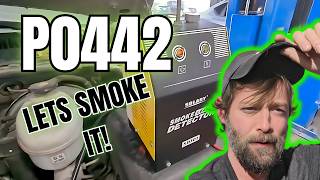
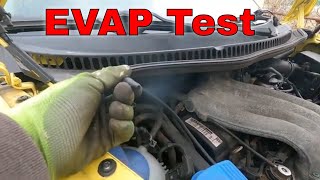
- Perform a Smoke Test: This is the most definitive way to find a small leak. A smoke machine injects low-pressure smoke into the EVAP system's service port (often marked with a green cap). Before starting, use a scan tool to command the normally-open vent valve to close. Smoke will then exit from the location of the leak, whether it's a hose, valve, canister, or filler neck.
Parts You'll Likely Need

- Vapor Canister Purge Valve / Solenoid
(OEM #12597567)— This valve, located on the engine, frequently gets stuck open, causing a constant small leak. A common symptom is a rough start after refueling.
Trusted brands: ACDelco, GM Genuine Parts, Dorman
OEM price range: $35-$65
Aftermarket price range: $20-$45 - Vapor Canister Vent Valve / Solenoid
(OEM #25932571 (Superseded by kit including ACDelco 214-2149))— Located under the truck, this part is prone to failure from exposure to the elements. Its filter can also get clogged with dirt and mud, causing various EVAP codes.
Trusted brands: ACDelco (Part #214-2149, often sold as a kit with a relocation hose), Standard Motor Products, Dorman (Part #911-238)
OEM price range: $40-$60
Aftermarket price range: $25-$45 - Fuel Cap
(OEM #GT261)— A worn-out rubber seal on the gas cap is a very common cause for a small EVAP leak code. Aftermarket caps can sometimes fail to seal properly.
Trusted brands: ACDelco, GM Genuine Parts
OEM price range: $25-$40
Aftermarket price range: $15-$25
Related Codes That Often Appear With This One
- P0455 — Indicates a large EVAP leak. If both are present, it could mean a component has failed completely (like a hose falling off) or there are multiple leak points.
- P0449 — Specifically points to a fault in the EVAP vent solenoid electrical circuit. If you have P0449, the vent solenoid is almost certainly the problem, whereas P0442 is a general leak code.
- P0446 — Indicates a fault in the EVAP vent control system performance. This often points to a clogged vent solenoid filter or a sticky valve, common on trucks exposed to dust and mud.
Technical Service Bulletins (TSBs) & Recalls
- PIT4943D: Mentions DTC P0442 and advises technicians to use an official Evaporative Emissions System Tester (GE 41413-A) for proper diagnosis, warning that aftermarket testers may lack the accuracy for small leaks and that temperature differences can affect results.
Platform-Specific Known Issues
- Mud Clogging Vent Solenoid: Due to the low mounting position of the EVAP vent solenoid, off-roading in mud or even driving on dusty roads can clog the solenoid's filter. This can prevent the system from drawing air to perform its self-test, triggering a P0442 or P0446 code even if no leak exists. The updated ACDelco replacement part often includes a hose to relocate the filter to a higher, more protected area.
- Filler Neck Corrosion: Like other GMT800 trucks, the H2's fuel filler neck is prone to rusting where the gas cap seals. This creates a rough surface that even a new gas cap can't seal, causing a persistent P0442 code. The neck must be cleaned to bare metal or replaced.
Mechanic-Grade Diagnostic Values
- EVAP Canister Purge Valve Solenoid Resistance — expected: 30 - 38 Ohms. Failure: A reading outside this range indicates a faulty solenoid coil.
- EVAP Canister Vent Solenoid Resistance — expected: 48 - 65 Ohms. Failure: A reading outside this range suggests a bad solenoid coil.
- Fuel Tank Pressure (FTP) Sensor Voltage — expected: 0.1 - 4.9 Volts. Failure: A high voltage (approaching 4.9V) indicates vacuum, while a low voltage (approaching 0.1V) indicates pressure. A stuck or unresponsive sensor can cause false codes.
Scan Tool Commands That Help
- Tech2 / GDS2 or equivalent professional scanner: EVAP System Test / System Seal — This bidirectional command manually closes the normally-open EVAP vent solenoid, sealing the entire system. This is a required step before performing a smoke test or a vacuum decay test to ensure the system is closed for an accurate leak diagnosis.
Wiring & Ground Locations
- G100 — On the left front frame body mount, in the engine compartment.. A poor engine/frame ground can cause a variety of electrical issues, potentially affecting PCM operation and sensor readings.
- G200 — On the left side of the dash, near the left kick panel, inside the cabin.. This is a major interior ground point. A loose connection here can cause erratic behavior from modules located inside the vehicle, including the Body Control Module (BCM).
- G402 / G405 — Located on the frame in the rear of the vehicle, near the fuel tank and rear junction block.. These are the primary grounds for rear-mounted components. The EVAP vent solenoid and fuel tank pressure sensor rely on a solid ground connection in this area to function correctly. Corrosion here is common and can cause intermittent EVAP codes.
Real Owner Repair Stories
- Hummer4x4Offroad forum user (Hummer H2 (year not specified)) — Persistent P0442 code that returns shortly after being cleared.
❌ Tried (didn't work) Clearing the code with a scanner.
✅ What actually fixed it The user was advised by a dealer that the issue is often not a leak, but mud/debris being sucked into the EVAP canister vent opening during off-roading. This clogs the intake and prevents the system from creating a vacuum during its self-test, which the computer interprets as a leak. The suggested fix was to remove and clean the vent solenoid and its filter/intake line. - YouTube video by 'Fix It All' (2008 Hummer H2) — Check Engine Light with code P0449 (EVAP Vent Solenoid Circuit Malfunction).
❌ Tried (didn't work) Not specified, went straight to diagnosis.
✅ What actually fixed it Replaced the EVAP vent canister solenoid located on the driver's side frame rail, accessed by removing the inner fender well. This is a highly relevant repair for P0442 as well, since a mechanically stuck or leaking vent solenoid can cause P0442, while an electrical failure of the same part causes P0449.
"I Checked Everything" — The Actual Cause
- A common scenario on H2s used off-road is a P0442 code where a smoke test reveals no leaks. The actual cause can be a vent solenoid intake filter that is clogged with mud or fine dust. The system fails its self-test because it cannot draw in fresh air to establish a vacuum baseline, which the PCM interprets as a leak. Cleaning or relocating the vent filter resolves the issue.
- If a smoke test passes and the gas cap is good, the fault can be a failing Fuel Tank Pressure (FTP) sensor. The sensor may not be reading the system's pressure/vacuum correctly, causing the PCM to believe a leak exists when the system is actually sealed. The sensor might be stuck at a certain voltage or respond too slowly to pressure changes.
When the Usual Fixes Don't Work
- While the vast majority of P0442 codes are caused by a physical leak (bad gas cap, cracked hose, faulty valve), there are established cases where the diagnostic process can be misleading. If a thorough visual inspection and smoke test show no leaks, technicians should not continue to chase phantom leaks. The next step should be to investigate non-leak causes, such as a vent pathway clogged with debris preventing the system from running its test properly, or a faulty Fuel Tank Pressure (FTP) sensor sending erroneous data to the computer.
OEM Part Supersession History
10382105, 15750484, 22728634→25932571— Part consolidation and design updates for the EVAP Vent Solenoid.
Heads up: Some parts suppliers note that GM has redesigned this part, and 25932571 may not be correct for all vehicles it was originally listed for. It is highly recommended to verify the correct part number with a VIN or opt for a complete kit like ACDelco 214-2149, which is known to fit and often includes the beneficial filter relocation hose.
Model Year Variations Within This Range
- 2008-2009: In 2008, the Hummer H2 received a major update, including a new 6.2L L92 V8 engine and 6L80 transmission, replacing the previous 6.0L LQ4 V8. This change affects engine-mounted components. The EVAP Purge Solenoid, located on the intake manifold, will have a different physical location and potentially a different part number for 2008-2009 models compared to 2004-2007 models. However, chassis-mounted components like the EVAP Vent Solenoid and charcoal canister remained largely the same.
Helpful Videos

Used OEM Parts in Stock
New Aftermarket Parts Available


The information in this article is provided for general reference and educational purposes only. Vehicle specifications, procedures, and part compatibility can vary by production date, trim level, and region. Always consult your vehicle's factory service manual and verify part numbers before purchasing or performing repairs. Safety-critical components such as airbags, seat belts, and braking systems should be installed by a qualified professional.
- Hummer H2:
- 🎬 Helpful Videos
- 🛍️ Shop This Part
- What's Unique About the 2004-2009 Hummer H2
- Diagnostic Flowchart
- Symptoms You May Notice
- Most Likely Causes
- Rare But Worth Checking
- Diagnosis Steps
- Parts You'll Likely Need
- Related Codes That Often Appear With This One
- Technical Service Bulletins (TSBs) & Recalls
- Platform-Specific Known Issues
- Mechanic-Grade Diagnostic Values
- Scan Tool Commands That Help
- Wiring & Ground Locations
- Real Owner Repair Stories
- "I Checked Everything" — The Actual Cause
- When the Usual Fixes Don't Work
- OEM Part Supersession History
- Model Year Variations Within This Range
- 🎟️ Get 5% Off