

P0442 on 2012-2019 GMC Yukon XL: EVAP Small Leak Causes and Fixes
P0442 on a GMC Yukon XL most often means you have a loose gas cap or a failing EVAP component like the purge or vent valve. First, tighten your gas cap and clear the code. If it returns, the next most likely culprits are the EVAP purge valve on the engine or the vent valve near the fuel tank. This is a very common issue across the entire GM truck/SUV platform, including the Tahoe, Suburban, and Escalade.
- Always check the gas cap first for a P0442 code. It's the easiest and most common fix.
- If the gas cap isn't the issue, the EVAP purge valve (on the engine) and vent valve (near the tank) are the next most likely parts to have failed.
- A smoke test is the most reliable professional method to pinpoint the exact location of a small EVAP leak if visual inspection doesn't reveal the cause.
- This code will not affect how your Yukon XL drives, but it will cause you to fail an emissions inspection.
- Be aware that your 2012-2019 Yukon XL falls into one of two generations (pre- or post-2015), and part locations can differ slightly.
What's Unique About the 2012-2019 Gmc YUKON XL
On this generation of GMC Yukon XL and its platform mates (Tahoe, Suburban, Escalade), the EVAP system components are notorious failure points. The vent valve, located near the fuel tank, is highly susceptible to dirt and debris, causing it to stick open. The purge valve, located on the engine, can also fail and get stuck, leading to a small leak. Some owners report incredibly persistent P0442 issues that are difficult to diagnose even after replacing common parts. In one detailed forum account, an owner found the code would only trigger when the fuel level dropped to exactly 1/4 tank or when the vehicle was parked on a slight incline, suggesting very specific conditions can expose the leak.
Diagnostic Flowchart
Tap your situation to follow the diagnostic path that matches what you're seeing on this vehicle.
Generation note: This range covers two generations: the GMT900 (2012-2014) and the K2XX (2015-2019). While the causes of P0442 are very similar, the exact location and part numbers for components like the EVAP vent and purge solenoids differ. For example, the vent solenoid on the K2XX platform is located under the driver's side, not necessarily by the spare tire as on many GMT900 models. Always verify the part and location for your specific model year. The purge valve is consistently found on the engine intake manifold for both generations.
Symptoms You May Notice
- Check Engine Light is on
- A faint fuel smell, possibly during or after refueling.
- Difficulty starting the engine immediately after filling the gas tank (less common with small leaks, but possible if the purge valve is the cause).
- Rough or low idle due to an un-metered vacuum leak if the purge valve is stuck open.
- Replacing the O2 sensors. Oxygen sensors are not part of the EVAP system and will not cause a P0442 code.
- Replacing the catalytic converter. This is a costly repair related to different codes (like P0420/P0430) and has no connection to the EVAP system.
Most Likely Causes
- Loose or Faulty Gas Cap 🔴 High Probability This is the most common initial cause for any vehicle. The rubber O-ring on the cap can crack or degrade over time, preventing a proper seal. Some owners recommend only using an OEM replacement cap, as aftermarket caps can sometimes fail to seal correctly.
How to confirm: Inspect the gas cap's rubber seal for any cracks, tears, or brittleness. Ensure the cap is tightened until it clicks at least three times. Check the filler neck sealing surface for rust or debris.
Typical fix: Tighten the cap. If the seal is damaged, replace the gas cap with a new OEM or equivalent part.
Est. part cost: $15-$40 - Failed EVAP Purge Valve/Solenoid 🟡 Medium Probability The purge valve, located on the engine intake manifold, can get stuck slightly open, creating a small leak. This is a very frequent failure point on GM trucks and SUVs, with many owner-documented repairs. Some owners have reported replacing this part multiple times due to poor quality of even OEM replacements.
How to confirm: With the engine off, remove the purge valve and try to blow through it. No air should pass. A capable scan tool can also command the valve to open and close to test its function. A handheld vacuum pump is an excellent way to test it; the valve should hold vacuum when de-energized.
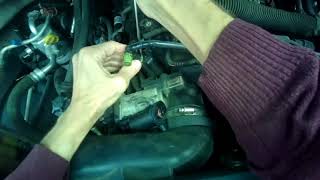
Typical fix: Replace the purge valve solenoid. 🎬 Watch: A quick walkthrough on replacing the purge valve solenoid. This is generally an easy repair located on top of the engine.
Est. part cost: $25-$70 - Failed EVAP Vent Valve/Solenoid 🟡 Medium Probability Located near the fuel tank and charcoal canister, this valve is exposed to road dirt and grime, which can cause it to stick open and create a leak. One owner on a forum reported removing their vent solenoid and having a large amount of fine dirt and sand fall out.
How to confirm: A smoke test is the most effective method. Smoke is introduced into the EVAP system, and if it exits from the vent valve (when commanded closed by a scan tool), the valve is faulty. Visual inspection may reveal heavy contamination.
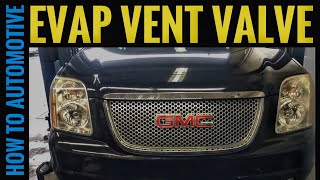
Typical fix: Replace the vent valve solenoid. 🎬 See how to access and install a new vent valve. This repair is more involved as it requires accessing the component near the fuel tank, which may involve removing the spare tire.
Est. part cost: $30-$80 - Cracked or Disconnected EVAP Hoses ⚪ Low Probability Over time, the plastic and rubber hoses that make up the EVAP system can become brittle and crack, especially in areas exposed to heat or flexing. A kinked or cracked hose near the vent valve has been identified by owners as a specific culprit.
How to confirm: A thorough visual inspection of all EVAP lines from the engine bay to the fuel tank is the first step. The definitive diagnostic method is a smoke test, which will show smoke exiting from any cracks or loose connections.
Typical fix: Replace the damaged section of hose or the entire hose assembly.
Est. part cost: $20-$100
Rare But Worth Checking
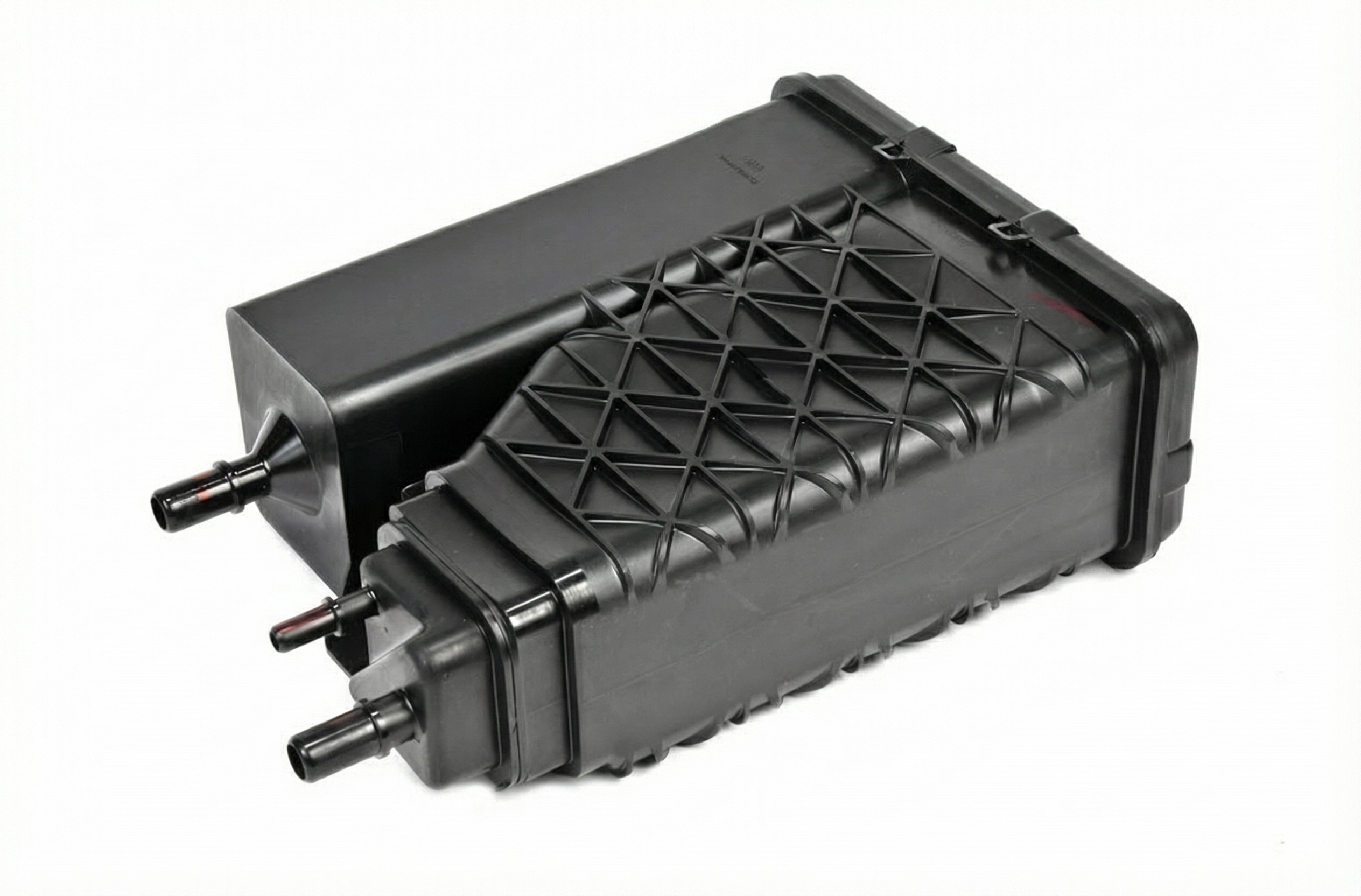
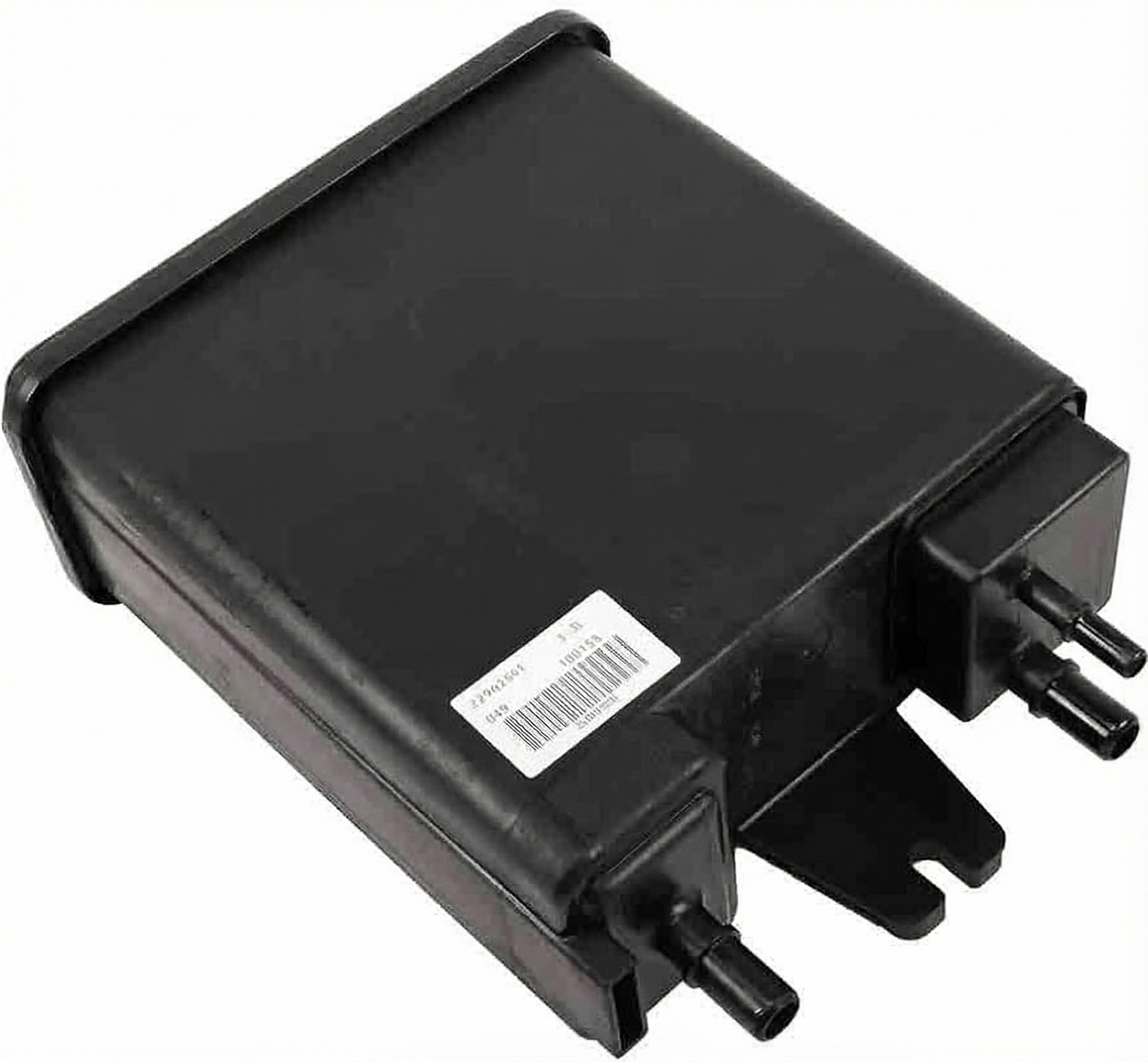
- Leaking Charcoal Canister: The plastic housing of the charcoal canister itself can develop small cracks over time, creating a leak. This is usually found with a smoke test after other common causes have been ruled out. In some cases, the canister can become saturated with fuel if the tank is repeatedly overfilled, which can also cause issues.
- Faulty Fuel Tank Pressure (FTP) Sensor: A failing FTP sensor can send incorrect data to the ECM, making it think there is a leak when there isn't one. This is uncommon and should be considered after a smoke test finds no physical leaks. A GM technician in a forum discussion noted this as a possibility after all other tests fail.
- Cracked Fuel Tank Filler Neck: Rust and corrosion can cause the metal filler neck (where you insert the gas nozzle) to develop small holes, creating an EVAP leak. This is more common on vehicles from regions with heavy road salt use. One owner on a forum specifically mentioned this as a part they did not change during a massive EVAP system overhaul, leaving it as a potential remaining cause.
Diagnosis Steps
- Check the Gas Cap: Remove the gas cap, inspect the seal for cracks or damage, and reinstall it, making sure it clicks several times. Clear the code and drive for a few days to see if it returns. Consider an OEM replacement if the seal is suspect.
- Visual Inspection: Carefully inspect all visible EVAP hoses and lines in the engine bay and under the vehicle for obvious cracks, disconnections, or damage. Pay special attention to the hose leading to the vent valve, checking for kinks or cracks.
- Test the Purge Valve: Locate the purge valve on the engine's intake manifold. Disconnect it and test it with a handheld vacuum pump to see if it holds vacuum when unpowered; it should not leak down.
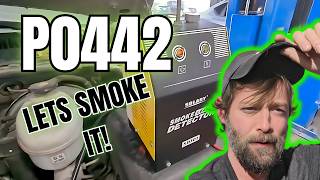
- Perform a Smoke Test: This is the most effective way to find the leak. A smoke machine is connected to the EVAP service port (often a green cap near the purge valve). The machine fills the system with a harmless, visible smoke under low pressure. The leak will be found wherever smoke escapes. 🎬 Watch: How to find a hidden leak using a smoke test.
- Test the Vent Valve: During the smoke test, use a capable scan tool to command the vent valve (near the fuel tank) to close. Since the vent valve is normally open, it must be commanded shut to seal the system for the test. If smoke still exits the valve after it's commanded closed, it has failed.
- Inspect Canister and Filler Neck: While the system is filled with smoke, carefully inspect the charcoal canister and the fuel filler neck for any signs of smoke, which would indicate a crack or rust perforation.
Parts You'll Likely Need
- Gas Cap (Fuel Filler Cap)
(OEM #GT330 (ACDelco, fits many models))— This is the simplest and most common fix. The seal wears out over time, causing a small leak. Using an OEM cap is often recommended.
Trusted brands: ACDelco, Stant
OEM price range: $25-$40
Aftermarket price range: $15-$25 - Vapor Canister Purge Valve/Solenoid
(OEM #12690512 or 214-1680 (ACDelco, fits many 2012-2014 models); 12661763 (ACDelco, fits many 2015-2019 models))— A very common failure point on GM trucks. It gets stuck open, causing a constant small leak that the computer detects.
Trusted brands: ACDelco, Dorman, Standard Motor Products
OEM price range: $40-$70
Aftermarket price range: $25-$50 - Vapor Canister Vent Valve/Solenoid
(OEM #25932571 or 214-2149 (ACDelco, fits many 2012-2014 models); 84731623 or 85133242 (GM, fits many 2015-2019 models))— Its location near the rear axle exposes it to road dirt and debris, causing it to fail or stick open.
Related Codes That Often Appear With This One
- P0455 — This code indicates a large EVAP leak. It can appear with P0442 if a small leak worsens or if a component is failing intermittently. TSB 21-NA-124 specifically groups these two codes together for diagnostic purposes.
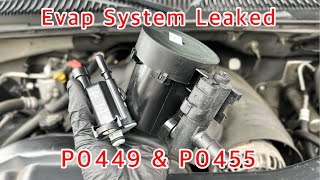
- P0449 — This code specifically points to a fault in the EVAP Vent Valve Solenoid's electrical circuit. If you have P0442 and P0449 together, it's a very strong indicator that the vent valve or its wiring is the problem.
Technical Service Bulletins (TSBs) & Recalls
- 21-NA-124 — Provides diagnostic tips for both P0442 (small leak) and P0455 (large leak). It advises a specific order of operations: 1) Inspect all EVAP lines for proper connection and damage. 2) Check the vent valve for being stuck open. 3) Investigate the purge valve.
- PIT4943D — Addresses hard-to-find P0442 leaks where a smoke test may not initially show a fault. It details a process using a scan tool to monitor the fuel tank pressure sensor before and after starting the engine to help isolate an intermittent purge solenoid leak. It stresses using the proper GM-approved smoke machine (EEST) for accurate diagnosis.
- 15-NA-019 — Connects fuel odors during filling or idle with potential P0442 or P0455 codes, suggesting a leak in the EVAP system is the likely cause.
Platform-Specific Known Issues
- TSB #15-NA-019 notes that a strong fuel odor during filling or at idle can be associated with P0442, pointing towards a potential EVAP system leak.
- TSB #21-NA-124 provides general diagnostic tips for finding EVAP leaks causing P0442, suggesting it's a common enough warranty and service issue for GM to issue guidance.
- Forum users report that the EVAP vent solenoid on GMT900 models (2012-2014) is prone to getting clogged with fine dirt and sand, causing it to fail.
Mechanic-Grade Diagnostic Values
- Fuel Tank Pressure (FTP) Sensor Voltage — expected: Approximately 1.5 Volts with the gas cap off and the system at atmospheric pressure (Key On, Engine Off or running).. Failure: A voltage that is stuck and does not change when vacuum is applied to the system, or a reading that is significantly different from 1.5V at atmospheric pressure, may indicate a faulty sensor.
Scan Tool Commands That Help
- GDS2 / Tech2 or equivalent professional scan tool: EVAP Purge/Seal — This function is used to command the vent valve closed and the purge valve open, applying engine vacuum to the entire EVAP system. Monitoring the FTP sensor voltage during this test confirms if the system can hold a vacuum, quickly identifying if a leak is present without a smoke machine.
- GDS2 / Tech2 or equivalent professional scan tool: Vent Valve Solenoid Control — Used to command the vent valve closed during a smoke test to seal the system. If smoke exits the vent valve while it is commanded closed, the valve is faulty. It can also be used to cycle the valve on and off to check for audible clicking, indicating electrical function.
- GDS2 / Tech2 or equivalent professional scan tool: Purge Valve Solenoid Control — Used to cycle the purge valve to check for an audible click. More importantly, it can be used to command the valve open while monitoring fuel trims; a functioning valve will cause fuel trims to shift rich as vapors are introduced.
Wiring & Ground Locations
- G103 / G102 — Located at the rear of the engine compartment on the cowl, often above the brake booster or on the back of the cylinder heads.. These are primary engine and body control module grounds. A poor connection here can cause erratic behavior in multiple systems, including the sensors and solenoids that the ECM uses to run the EVAP leak test.
- G305 / G401 / G403 — Various points on the frame in the rear half of the vehicle, near body mounts, the spare tire hoist, or rear bumper area.. The EVAP vent valve and sometimes the Fuel Tank Pressure sensor are located in the rear of the vehicle. A corroded or loose frame ground in this area can cause a failure of the vent valve's electrical circuit, leading to codes like P0449 and preventing the system from sealing for a test, which can trigger P0442.
- EVAP Vent Valve Connector — At the EVAP vent valve, typically located above the spare tire or rear axle.. This connector is exposed to the elements and is a common point of failure due to corrosion. A bad connection can prevent the vent valve from closing, creating a permanent leak condition that will set P0442 or P0455.
Real Owner Repair Stories
- Tahoe Yukon Forum (2009 Yukon XL 2500 6.0L) — Permanent P0442 code that would not clear, but no check engine light.
❌ Tried (didn't work) Replaced gas cap, Replaced purge solenoid (passed bench test but was replaced anyway), Replaced vent solenoid, Replaced charcoal canister, Had a shop perform a smoke test (found no leaks), Had a shop perform an overnight vacuum test (held vacuum perfectly)
✅ What actually fixed it The owner had not posted the final fix, but the extensive list of failed attempts and professional tests that came back clean highlights the difficulty of this code. The shop suspected a wiring or ECU issue after observing the vent valve was not triggering correctly, despite the part being new. - YouTube - "P0442 Evap Leak - Notorious GM Fuel Pump Failure" (GM Truck/SUV (specific model not stated, but common platform)) — P0442 code.
❌ Tried (didn't work) Initial smoke test was difficult to pinpoint the source as smoke was billowing from the top of the tank area.
✅ What actually fixed it The final cause was a cracked plastic port on the top of the fuel pump module assembly where an EVAP line connects. The entire fuel pump module had to be replaced to fix the leak.
"I Checked Everything" — The Actual Cause
- In one documented case on a Tahoe/Yukon forum, a vehicle passed both a smoke test and an overnight vacuum-hold test performed by a professional shop. Despite replacing the gas cap, purge valve, vent valve, and canister, the P0442 code persisted. The technician's final suspicion was an intermittent wiring fault or a bad ECU, as they noted the new vent valve was not 'triggering right' via the scan tool, even though the part itself was good.
- Another forum user described a multi-year battle with P0442 where every component was replaced (tank, filler neck, pump, all valves and lines). The system would pass a vacuum test, holding vacuum overnight without any loss. However, the code would reliably set under two specific conditions: when the fuel level dropped to exactly 1/4 tank, or when the vehicle was parked on a slight incline with the passenger side low. This suggests a very specific, conditional leak related to fuel level or vehicle angle that a static test might not catch.
When the Usual Fixes Don't Work
- While common causes like the gas cap, purge valve, and vent valve are the correct starting point, there are numerous documented cases where replacing all of these parts fails to resolve the P0442 code on these vehicles. In one extreme case, a vehicle owner replaced nearly every component of the EVAP system, including the fuel tank and filler neck, yet the code persisted. Another owner had their vehicle pass a professional smoke test and an overnight vacuum test, yet the code remained, pointing towards a more elusive electrical or computer-related fault rather than a simple physical leak. A particularly difficult-to-find cause was a hairline crack in a plastic nipple on the fuel pump module, which required lowering the tank to identify and replacing the entire pump assembly to fix.
OEM Part Supersession History
25932571→214-2149 (ACDelco)— Standard part update/revision.
Heads up: This part is for the older GMT900 platform and is not compatible with the K2XX platform (2015+).
Model Year Variations Within This Range
- 2012-2014 (GMT900): The EVAP vent valve is typically a separate solenoid connected by hoses, located above the spare tire/rear axle area.
- 2015-2019 (K2XX): The EVAP system underwent a redesign. The vent solenoid location may be different, sometimes located more on the driver's side frame rail, and the part numbers for both the purge and vent valves are different from the previous generation.
- All years: Successfully clearing the EVAP monitor to verify a fix requires a specific GM drive cycle. This involves a cold start (ECT and IAT within a specific range), fuel level between 15-85%, and a sequence of idling, slow driving, and highway driving. Failure to follow the procedure can make it seem like the fix didn't work, as the monitor will remain 'Not Ready'.
Helpful Videos
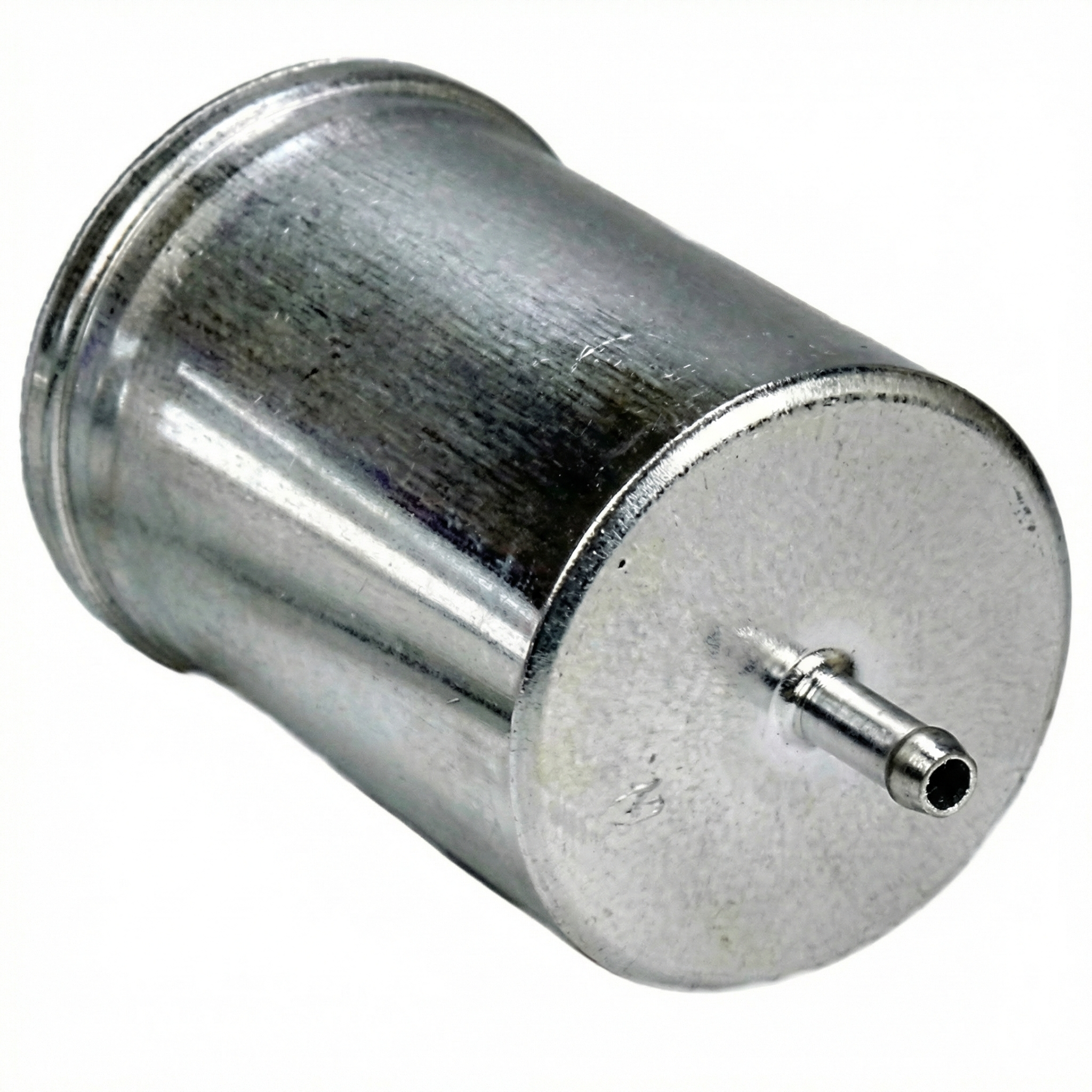
We Have This Part in Stock



The information in this article is provided for general reference and educational purposes only. Vehicle specifications, procedures, and part compatibility can vary by production date, trim level, and region. Always consult your vehicle's factory service manual and verify part numbers before purchasing or performing repairs. Safety-critical components such as airbags, seat belts, and braking systems should be installed by a qualified professional.
- Gmc YUKON XL:
- 🎬 Helpful Videos
- 🛍️ Shop This Part
- What's Unique About the 2012-2019 Gmc YUKON XL
- Diagnostic Flowchart
- Symptoms You May Notice
- Most Likely Causes
- Rare But Worth Checking
- Diagnosis Steps
- Parts You'll Likely Need
- Related Codes That Often Appear With This One
- Technical Service Bulletins (TSBs) & Recalls
- Platform-Specific Known Issues
- Mechanic-Grade Diagnostic Values
- Scan Tool Commands That Help
- Wiring & Ground Locations
- Real Owner Repair Stories
- "I Checked Everything" — The Actual Cause
- When the Usual Fixes Don't Work
- OEM Part Supersession History
- Model Year Variations Within This Range
- 🎟️ Get 5% Off