

P0442 on 2010-2014 GMC Yukon Denali: EVAP Small Leak Causes and Fixes
For a 2010-2014 GMC Yukon Denali, code P0442 usually means you have a faulty gas cap or a failing EVAP purge or vent valve. Start by checking or replacing the gas cap; if that doesn't work, the purge valve on the engine is the next most likely and affordable fix. If the issue persists, the vent valve near the spare tire is the next common culprit.
- P0442 means your Yukon Denali has a small leak in the emissions system that captures fuel vapors.
- Always start with the cheapest and easiest fix: check that your gas cap is tight. If it's old, replace it.
- The most common parts to fail on this truck are the EVAP purge valve (on the engine) and the vent valve (near the spare tire).
- While you can replace parts yourself, a professional smoke test is the fastest way to find the exact source of the leak if it's not an obvious component.
- This code will cause an automatic failure on an emissions test, so it needs to be fixed to stay compliant.
What's Unique About the 2010-2014 Gmc YUKON DENALI

On the GMT900 platform, which includes the 2010-2014 Yukon Denali, the EVAP system components are common failure points, particularly the purge and vent valves. While a loose gas cap is always the first suspect, many owners find the issue lies with one of these solenoids. The purge valve is conveniently located on top of the 6.2L engine, making it a relatively easy DIY replacement. The vent valve, located near the spare tire above the differential, is also a frequent culprit but is more exposed to road debris and corrosion, often becoming clogged with dirt.
Diagnostic Flowchart
Tap your situation to follow the diagnostic path that matches what you're seeing on this vehicle.
Symptoms You May Notice
- Check Engine Light is on
- A faint fuel odor, especially after filling up or during idle.
- Difficulty starting immediately after refueling (in rare cases, if the purge valve is stuck open, flooding the engine with vapors).
- Rough idle (if the purge valve is leaking vacuum).
- In some cases, the code may consistently appear when the fuel level drops to around 1/4 tank, as this is a condition required for the EVAP monitor to run its test.
- Replacing the O2 sensors. O2 sensors are not related to the EVAP system.
- Replacing the catalytic converter. This is a costly repair for exhaust codes (like P0420/P0430), not EVAP codes.
- Replacing the Fuel Tank Pressure (FTP) Sensor without proper diagnosis. While a faulty FTP sensor can cause EVAP codes, it will typically set its own specific codes (like P0452).
Most Likely Causes


- Loose or Faulty Gas Cap 🔴 High Probability The gas cap seal is a simple rubber O-ring that can dry out, crack, or get dirty over time, preventing a proper seal. This is the most common and simple cause for any EVAP leak.
How to confirm: Inspect the gas cap for any visible cracks or damage to the seal. Ensure it is tightened until it clicks at least three or four times. If the cap looks old or worn, replacement is a cheap and effective first step. Make sure the sealing surface on the filler neck is also clean and free of rust.
Typical fix: Tighten or replace the gas cap with an OEM part for best results.
Est. part cost: $15-$30 - EVAP Purge Valve/Solenoid Failure 🟡 Medium Probability The purge valve, located on the engine, cycles frequently and can get stuck open or closed, or develop a leak in its diaphragm. This is a very common failure point on these GM trucks and SUVs.
How to confirm: With the engine running at idle, disconnect the vapor line from the valve and feel for suction with your finger or listen for a vacuum sound. There should be no vacuum at idle with the electrical connector unplugged. If suction is present, the valve is stuck open and has failed. A scan tool can also be used to command the valve open and closed to verify function.
Typical fix: Replace the EVAP purge valve. It is located on the driver's side of the intake manifold and is typically held by a small bracket and a single bolt, making for a quick replacement. 🎬 Watch: How to test and replace the purge valve yourself.
Est. part cost: $25-$50 - EVAP Vent Valve/Solenoid Failure 🟡 Medium Probability Located near the charcoal canister by the spare tire, this valve is exposed to road salt and debris, which can cause it to fail, get stuck, or become clogged. GM issued TSB #21-NA-124 related to diagnosing EVAP leaks which often involve this component. Some owners find it completely filled with fine dirt upon removal.
How to confirm: A mechanic can command the valve to close using a scan tool during a smoke test. If smoke escapes from the vent valve, it has failed. It can also be removed and bench-tested with a 12V source to see if it actuates (clicks). A visual inspection after removal will often show significant dirt and dust contamination.
Typical fix: Replace the EVAP vent valve. On some models, an updated kit relocates the filter to a less exposed area to prevent future contamination. 🎬 See this walkthrough for installing a new vent valve.
Est. part cost: $30-$70 - Cracked or Disconnected EVAP Hoses ⚪ Low Probability The plastic and rubber lines in the EVAP system can become brittle with age and heat cycles, leading to small cracks, especially at connection points or 90-degree bends.
How to confirm: A smoke test is the most effective method. A mechanic injects pressurized smoke into the EVAP system's service port and looks for where it escapes. This is the diagnostic procedure recommended in TSB #PIT4943D and TSB #21-NA-124. Visually inspecting all accessible lines from the engine bay to the tank is a good first step.
Typical fix: Replace the specific section of cracked hose. In some cases, a broken nipple on a component may require replacing the component itself.
Est. part cost: $10-$40
Rare But Worth Checking
- Leaking Fuel Tank Filler Neck: Corrosion can cause pinhole leaks in the metal filler neck where it connects to the tank, a potential issue mentioned in TSB #15-NA-019. One owner on a Chevy HHR forum with a similar EVAP system fixed their P0442 by replacing a rusted filler neck.
- Cracked Charcoal Canister: While not as common as the valves, the plastic housing of the charcoal canister itself can develop cracks, leading to a leak. A smoke test is the best way to identify this.
- Leaking Fuel Pump Module Gasket or Vent: A forum user on Tahoe Yukon Forum reported a persistent P0442 was finally traced to a rusted-through vent on the top of the fuel pump sending unit, requiring a new fuel pump module to fix.
- Chafed or Damaged Wiring Harness: Though less common for a leak code, a damaged wire to the vent or purge solenoid can prevent it from operating correctly, causing the system to fail its pressure test. GM has issued TSBs for other models regarding harness chafing issues (e.g., 21-NA-149), indicating it's a possibility.
Diagnosis Steps
- Read the code with an OBD-II scanner to confirm P0442 is present.
- Inspect the gas cap. Remove it, check the seal for cracks or debris, and reinstall it, ensuring it clicks several times. Clear the code and drive for a few days to see if it returns.
- If the code returns, consider replacing the gas cap with a quality OEM part as a low-cost next step.
- Visually inspect the EVAP purge valve on the engine and the vent valve near the spare tire. Look for obvious cracks or loose connections.
- Test the purge valve. With the engine at idle, disconnect the hose leading from the valve to the intake manifold and check for vacuum. There should be none. If there is, the valve is stuck open and must be replaced.
- If the simple steps above do not resolve the issue, the most reliable next step is a professional smoke test. This will pressurize the entire system with visible smoke, making even the smallest leak 🎬 Watch: How to find a small EVAP leak using smoke. in a hose or at the charcoal canister easy to spot. TSB #21-NA-124 outlines a full diagnostic procedure, starting with inspecting all seven critical connection points in the EVAP system before moving to component testing.
Parts You'll Likely Need

- Vapor Canister Purge Valve
(OEM #ACDelco 214-1680 (May be superseded by 214-2149 on some applications))— This valve, located on the engine, is a frequent failure item that gets stuck open or closed, causing a leak. It's a common fix for P0442 on this platform.
Trusted brands: ACDelco, Dorman (Part #911-032)
OEM price range: $30-$50
Aftermarket price range: $20-$40 - Vapor Canister Vent Valve/Solenoid
(OEM #ACDelco 25932571 (Often replaced by updated kit/part number 23481275))— Located near the rear of the vehicle, this valve is exposed to the elements and can fail, getting stuck open and causing a leak. It's another primary suspect after the gas cap and purge valve.
Trusted brands: ACDelco, Dorman
OEM price range: $40-$70
Aftermarket price range: $25-$45 - Fuel Cap
(OEM #ACDelco GT295 or GT330 (Verify by VIN))— The simplest and most common cause for any EVAP leak code. The seal wears out over time.
Trusted brands: ACDelco, Stant
OEM price range: $20-$30
Aftermarket price range: $15-$25
Related Codes That Often Appear With This One
- P0455 — P0455 indicates a large EVAP leak. If a component fails significantly (like a hose completely disconnecting), you may see both codes as the system tries to diagnose the leak size. TSBs #21-NA-124 and #15-NA-019 mention both codes occurring together.
- P0449 — This code specifically points to a fault in the EVAP vent solenoid valve control circuit. If you see P0449 along with P0442, the vent solenoid or its wiring is almost certainly the problem.
Technical Service Bulletins (TSBs) & Recalls
- 21-NA-124: Provides diagnostic tips for P0442/P0455. It advises technicians to first inspect all seven major EVAP line connections for proper seating and damage before testing the vent and purge valves. It also notes that some leaks are only visible under pressure while others only appear under vacuum.
- PIT4943D: References a Techlink article for using an EVAP system tester (smoke machine) to diagnose P0442, confirming this is the standard professional procedure.
- 15-NA-019: Connects fuel odors and P0442/P0455 codes to potential leaks in the EVAP system, including the fuel filler neck.
- 09-06-04-028D: While not cited in pass 1, this TSB is highly relevant. It addresses hard-to-fill fuel tank issues and EVAP codes by replacing the original vent solenoid with an updated part and relocating the air filter to prevent dirt and water contamination, a common failure mode.
Platform-Specific Known Issues
- Persistent/Recurring P0442: A thread on TahoeYukonForum.com details an owner's multi-year battle with a P0442 code that would only set when the fuel level reached exactly 1/4 tank or when the vehicle was parked on an unlevel surface with the passenger side low. Despite replacing all common components and multiple smoke tests showing no leaks, the issue persisted, highlighting how specific fuel levels and vehicle inclination can trigger the EVAP test and expose a hard-to-find leak.
Mechanic-Grade Diagnostic Values
- Fuel Tank Pressure (FTP) Sensor Voltage — expected: Approximately 1.5 Volts with the system at atmospheric pressure (vent open).. Failure: If the voltage does not drop (indicating vacuum) when the purge valve is commanded open and the vent valve is commanded closed, it suggests a leak in the system is preventing vacuum from building.
Scan Tool Commands That Help
- GDS2 (GM Global Diagnostic System 2): EVAP Canister Vent Valve Control — During a smoke test, a technician uses this command to close the normally-open vent valve, sealing the system. This is a critical step to pressurize the system and find the source of the leak.
- GDS2 (GM Global Diagnostic System 2): EVAP Canister Purge Solenoid Valve Control — Used to cycle the purge valve while smoke or vacuum testing to check if the valve is sticking, which is a potential cause of the P0442 code.
Wiring & Ground Locations
- Fuse #4 (15A) — In the underhood fuse block on the driver's side.. This is one of two fuses that provide power to the EVAP system. A blown fuse would disable a component and could lead to a failed system test.
- Fuse #5 (15A) — In the underhood fuse block on the driver's side, next to fuse #4.. This is the second of two fuses controlling the EVAP system. It should be checked if EVAP components are unresponsive.
- G103 — On the front of the right cylinder head.. This is a major engine ground. A poor connection here could cause erratic behavior or failure of engine-mounted sensors and solenoids, including the EVAP purge valve.
Real Owner Repair Stories
- Tahoe Yukon Forum user 'ford141' (2008 GMC Yukon Denali (similar GMT900 platform)) — Persistent P0442 code.
❌ Tried (didn't work) Clearing the code., Replacing the gas cap with an AC Delco part.
✅ What actually fixed it After a dealer smoke test, the cause was identified as a pinhole rusted through the vent on top of the fuel pump sending unit. Replacing the entire fuel pump sending unit resolved the code.
"I Checked Everything" — The Actual Cause
- In one documented case on a forum, a Yukon owner had a recurring P0442 that passed multiple smoke tests and even held a vacuum overnight. The code would only set when the fuel level dropped to exactly 1/4 tank or when parked on a specific incline. While the final root cause was not posted, this indicates a leak so marginal it only appears under very specific fuel slosh or tank pressure conditions, which a static smoke test might miss.
OEM Part Supersession History
ACDelco 25932571 (and many others)→ACDelco 23481275— GM regularly updates service part designs to integrate new materials and technologies for improved durability and performance.
Heads up: Some users have noted that replacing an older vent valve with a newer superseded part may require a wiring harness adapter or 'pigtail' because the electrical connector configuration was changed. It is wise to check if the new part's connector matches the vehicle's harness before installation.ACDelco 214-1680 (GM #12597567)→ACDelco 214-2149 (On some applications)— Part consolidation and design updates.
Heads up: The purge valve (on engine) and vent valve (near tank) are sometimes confused. 214-1680 is a purge valve. 214-2149 is often listed as a vent solenoid, but part descriptions can be ambiguous; always verify the part's location and function before ordering.
Helpful Videos
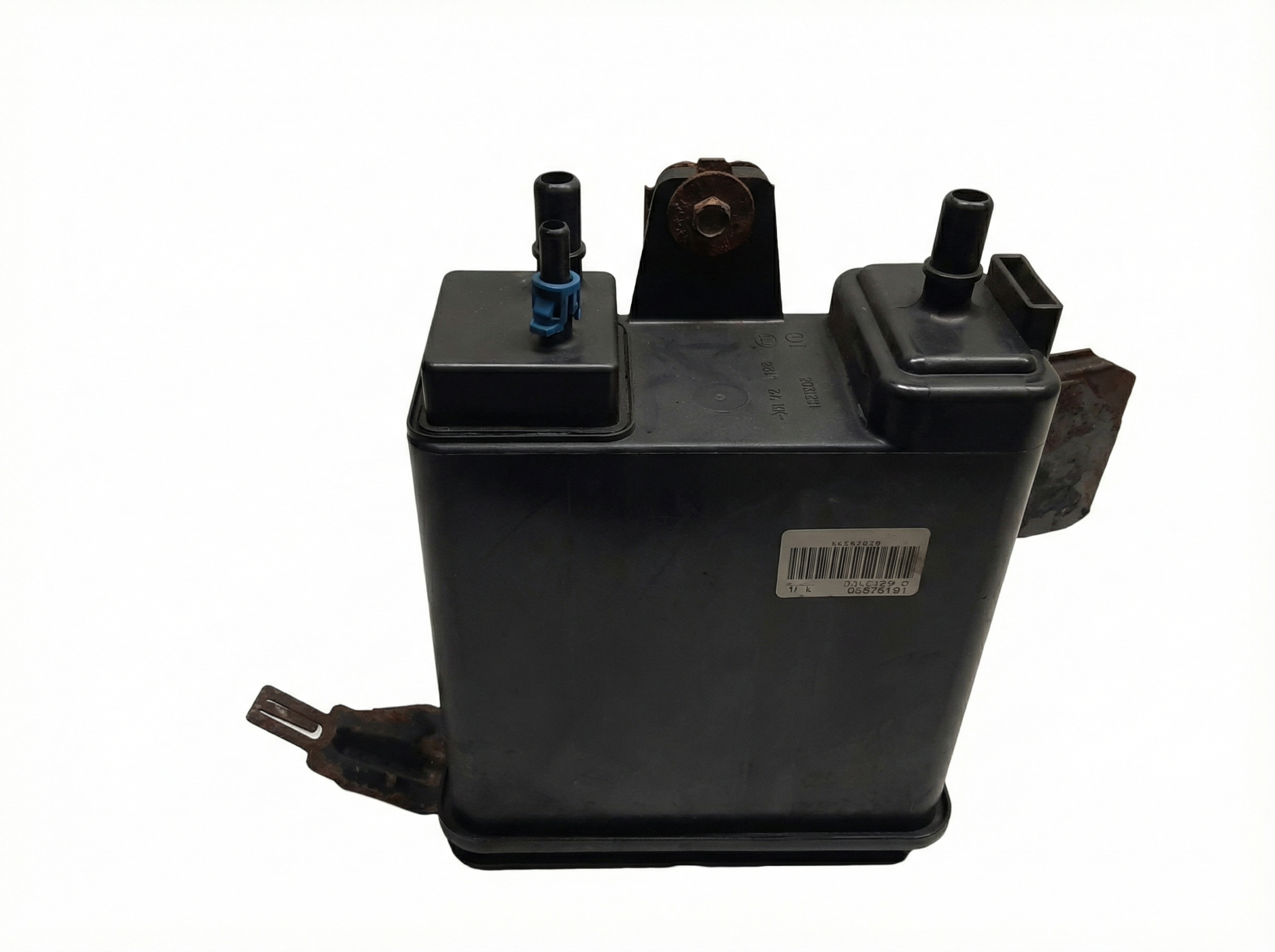
Used OEM Parts in Stock

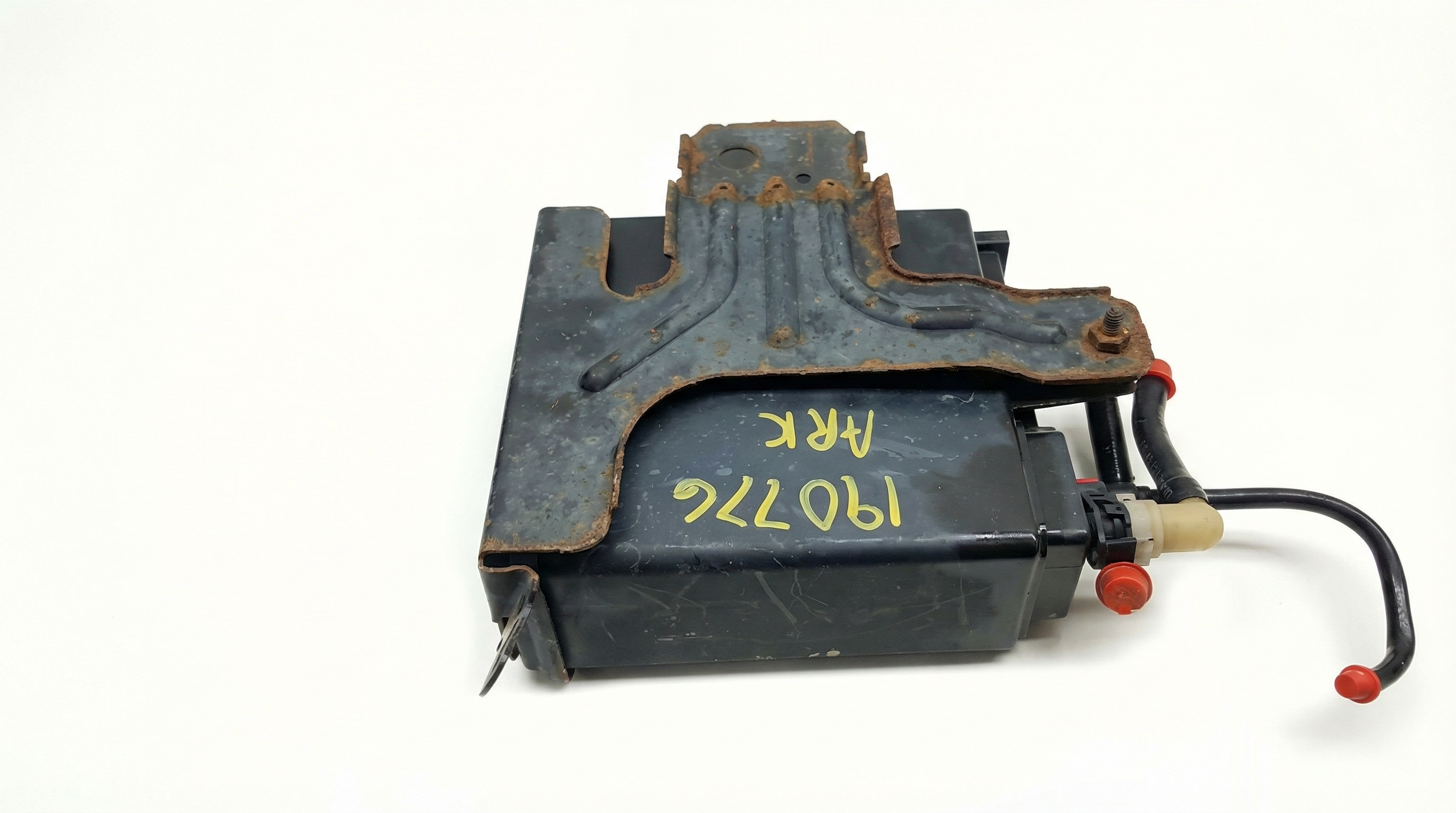
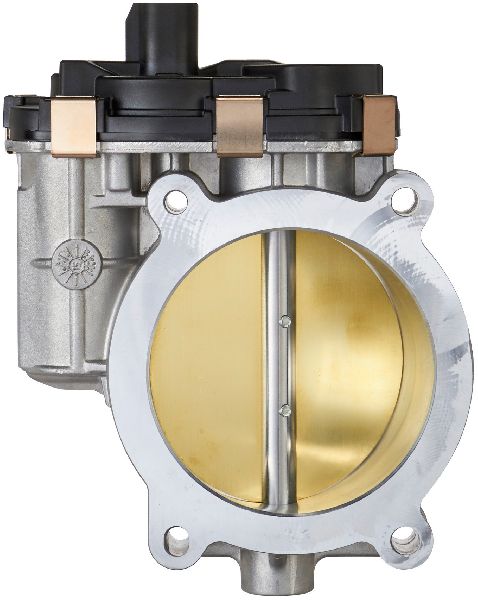
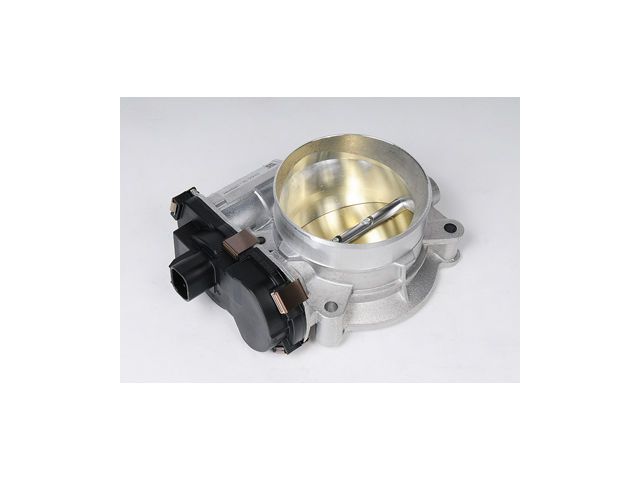
New Aftermarket Parts Available


The information in this article is provided for general reference and educational purposes only. Vehicle specifications, procedures, and part compatibility can vary by production date, trim level, and region. Always consult your vehicle's factory service manual and verify part numbers before purchasing or performing repairs. Safety-critical components such as airbags, seat belts, and braking systems should be installed by a qualified professional.
- Gmc YUKON DENALI:
- 🎬 Helpful Videos
- 🛍️ Shop This Part
- What's Unique About the 2010-2014 Gmc YUKON DENALI
- Diagnostic Flowchart
- Symptoms You May Notice
- Most Likely Causes
- Rare But Worth Checking
- Diagnosis Steps
- Parts You'll Likely Need
- Related Codes That Often Appear With This One
- Technical Service Bulletins (TSBs) & Recalls
- Platform-Specific Known Issues
- Mechanic-Grade Diagnostic Values
- Scan Tool Commands That Help
- Wiring & Ground Locations
- Real Owner Repair Stories
- "I Checked Everything" — The Actual Cause
- OEM Part Supersession History
- 🎟️ Get 5% Off