

P0442 on 2008-2015 GMC Yukon: EVAP Small Leak Causes and Fixes
For a P0442 code on a 2008-2015 GMC Yukon, the most likely causes are a loose gas cap, a faulty EVAP purge valve on the engine, or a bad EVAP vent solenoid near the fuel tank. A new gas cap is about $15-$30, while the solenoids typically cost between $25 and $60 each and are common DIY fixes. Many owners solve the issue by replacing the purge valve (ACDelco 214-1680) or the vent solenoid (ACDelco 23481275).
- P0442 on a GMC Yukon means a small leak has been detected in the EVAP (emissions) system.
- Always check the gas cap first. Make sure it's tight and the seal isn't cracked.
- The most likely parts to fail are the EVAP purge valve (on the engine) and the EVAP vent solenoid (near the spare tire).
- The vehicle is safe to drive, but the Check Engine Light will stay on and it will not pass an emissions test until the leak is fixed.
- If a visual inspection and replacement of common parts don't solve the issue, a smoke test is the best way to find the exact source of the leak.
What's Unique About the 2008-2015 Gmc YUKON

On this generation of GMC Yukon and its GMT900 siblings (Tahoe, Silverado, Escalade), the EVAP purge and vent solenoids are notoriously common failure points that lead to a P0442 code. While a loose gas cap is always the first thing to check, many owners report that replacing one or both of these valves ultimately solves the problem. The vent solenoid, located near the spare tire, is particularly susceptible to dirt, sand, and road debris, which clogs the valve and causes it to stick open, creating a leak. Some earlier models had a poor filter design that was later updated with a relocation kit to move the filter to a cleaner location.
Diagnostic Flowchart
Tap your situation to follow the diagnostic path that matches what you're seeing on this vehicle.
Generation note: This range covers the end of the third generation (GMT900, 2008-2014) and the first year of the fourth generation (K2UG, 2015). While the EVAP system's function is the same, the exact location and part numbers for components like the vent solenoid and charcoal canister may differ between these generations. For example, the vent solenoid for a 2014 Yukon is often listed as ACDelco #23481275, while a 2015 model may use a different part. Always verify fitment with your vehicle's VIN.
Symptoms You May Notice
- Check Engine Light is on
- A faint smell of fuel, particularly when idling or after refueling.
- Difficulty starting the vehicle immediately after filling the gas tank (a classic sign of a stuck-open purge valve, which floods the engine with vapors).
- A 'TIGHTEN FUEL CAP' message on the driver information center, even if the cap is tight.
- Rough idle, especially after the engine has warmed up.
- Replacing oxygen sensors or other unrelated emissions components before properly diagnosing the EVAP system.
- Assuming the code is only a gas cap issue and ignoring other common failure points like the purge or vent valves. Many owners replace the cap only for the light to return.
- Repeatedly replacing one part (like the purge valve) when the leak is actually in another (like the vent valve or a hose). A smoke test is key to avoiding this parts-swapping cycle.
Most Likely Causes

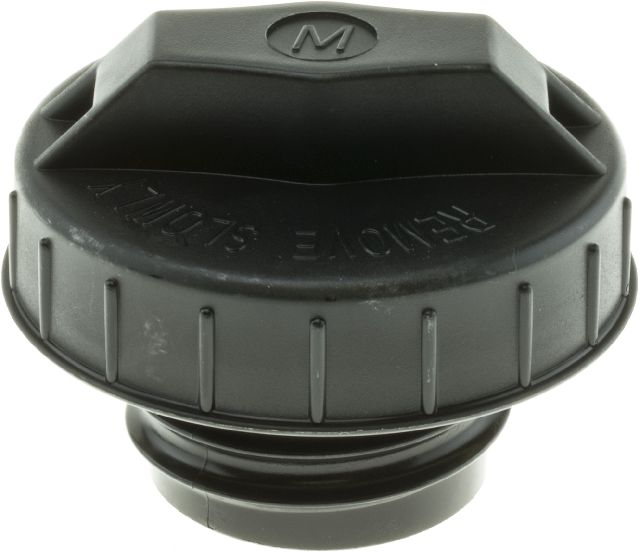
- Loose or Faulty Gas Cap 🔴 High Probability The gas cap is a simple seal that is frequently removed and replaced. O-rings can dry out, crack, or the cap may not be tightened correctly (past the 'clicks'), creating a small leak. Aftermarket caps are also a frequent source of issues.
How to confirm: Ensure the gas cap is tightened until it clicks multiple times. Inspect the rubber seal on the cap for any cracks, tearing, or signs of wear. If the seal is damaged or you have an aftermarket cap, replacement is a cheap and easy first step.
Typical fix: Tighten or replace the gas cap. It's highly recommended to use an OEM ACDelco cap (such as GM #20915842) to ensure a proper seal.
Est. part cost: $15-$30 - Faulty EVAP Purge Valve Solenoid 🔴 High Probability This is an extremely common failure item on GM trucks and SUVs of this era. The valve's internal diaphragm can fail, causing it to get stuck open or closed, or develop a small internal leak that allows un-metered vapor flow.
How to confirm: The purge valve is located on the driver's side of the engine intake manifold. A definitive test is to remove it (one bolt, one electrical clip, one hose) and try to blow through it; a healthy, unpowered purge valve should be completely closed and not allow any air to pass.
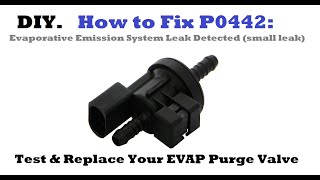
Typical fix: Replacement of the purge valve solenoid. This is a very simple DIY repair. The common ACDelco part number is 214-1680 🎬 Watch: This video shows you how to replace the purge valve. (cross-references to GM #12597567 and Dorman #911-032).
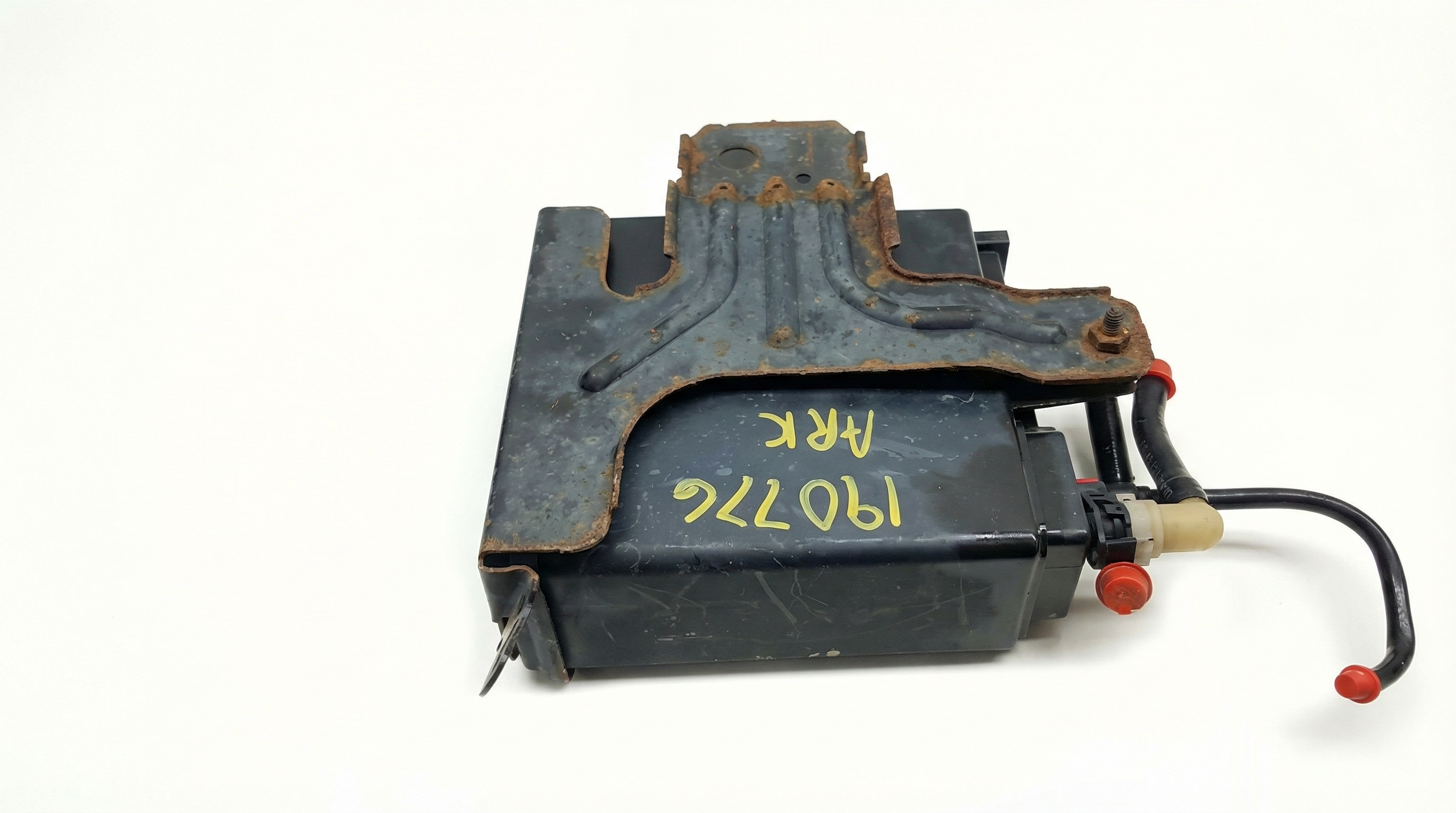
Est. part cost: $25-$50 - Faulty EVAP Vent Valve Solenoid 🟡 Medium Probability Located near the charcoal canister by the spare tire, this valve is exposed to road dirt, dust, and moisture, which can cause it to fail or get stuck open. Forum users report finding the valve and canister filled with fine sand and dirt upon removal.
How to confirm: Visually inspect the valve and its filter for excessive dirt or damage. A scan tool can command the valve closed, and a smoke test can then confirm if it's leaking. Often, the part fails due to internal contamination that isn't visible externally.
Typical fix: Replace the vent valve solenoid. This part is often sold as an assembly with a new hose and filter. A common OEM part number is ACDelco #23481275.
Est. part cost: $30-$70 - Cracked or Disconnected EVAP Hose ⚪ Low Probability Over time, the plastic and rubber hoses in the EVAP system can become brittle and crack, especially the plastic nipples on valves or the rubber elbows. TSB #15-NA-019 specifically points to a fractured gasoline filler neck recirculation line connector as a possible cause for P0442 and a fuel odor.
How to confirm: A visual inspection of all accessible EVAP lines from the engine bay to the fuel tank. A smoke test is the most effective way to find a small crack in a hose that isn't easily visible.
Typical fix: Replace the damaged section of the hose. For the issue noted in TSB #15-NA-019, the fix is to replace the fuel tank filler vent hose assembly (Part #22802074 for a 2013-2014 Yukon).
Est. part cost: $10-$130
Rare But Worth Checking
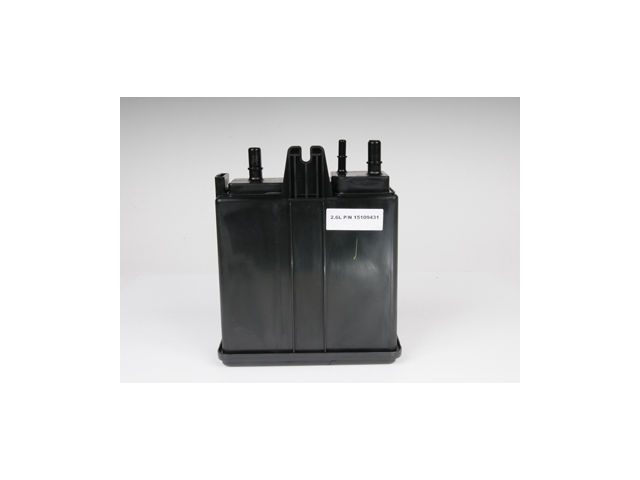
- Cracked Charcoal Canister: The canister itself can develop a hairline crack from road debris impact or age. More commonly, it can become saturated with fuel if you habitually 'top off' the tank, or it can get clogged with dust ingested by a faulty vent solenoid. This is usually found with a smoke test.
- Leaking Fuel Tank Gasket or Filler Neck: The gasket for the fuel pump module on top of the tank can degrade, or the metal fuel filler neck can rust and develop a small hole, causing a leak. TSB #15-NA-019 specifically addresses a potential fracture on the filler neck vent hose connector.
- Faulty Fuel Tank Pressure Sensor: Though less common, the sensor itself can fail, sending incorrect data to the ECM and tricking it into thinking there's a leak when there isn't one. This is often a diagnosis of last resort after all other components have been checked.
Diagnosis Steps

- Read the code with an OBD-II scanner and check for any other related codes.
- Inspect the gas cap. Ensure it's an OEM cap, tightened past three clicks, and the seal is not cracked or worn. If in doubt, it's an inexpensive first part to replace.
- Visually inspect the EVAP purge valve on the engine and the hoses connected to it for any obvious cracks or damage.
- Test the purge valve. Remove it (one bolt, one clip) and see if you can blow air through it. It should be closed when not powered. If air passes, it has failed.
- Visually inspect the EVAP vent solenoid and charcoal canister near the spare tire. Look for cracks, damage, or filters clogged with dirt/sand.
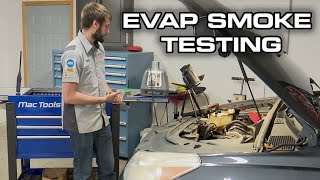
- If no obvious fault is found, perform a smoke test. This involves injecting smoke into the EVAP system's service port (often a green cap near the purge valve) to visually identify the source of the leak. 🎬 Watch: How to perform a smoke test to find leaks. This is the most definitive diagnostic step.
Parts You'll Likely Need

- EVAP Purge Valve Solenoid
(OEM #ACDelco 214-1680 / GM 12597567)— This is one of the most frequent failure points on GM trucks for the P0442 code. It's located on the engine and is extremely easy to replace.
Trusted brands: ACDelco, Dorman (911-032)
OEM price range: $35-$60
Aftermarket price range: $25-$45 - Gas Cap
(OEM #ACDelco GT294 / GM 20915842)— A worn or loose gas cap is the simplest and a very common cause for a small EVAP leak. Using a non-OEM cap is a known cause of this code.
Trusted brands: ACDelco, Stant
OEM price range: $20-$30
Aftermarket price range: $15-$25 - EVAP Vent Valve Solenoid
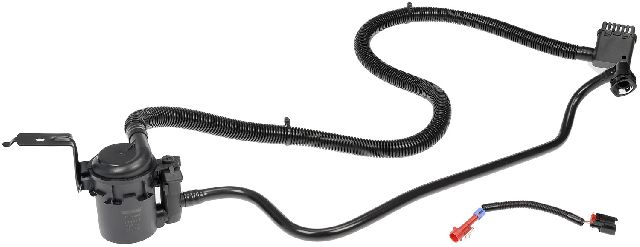
(OEM #ACDelco 23481275 / GM 23481275)— Its location under the vehicle makes it prone to failure from dirt and debris, causing it to stick open. It is often replaced along with the charcoal canister if contamination is severe.
Trusted brands: ACDelco, Dorman (911-064)
OEM price range: $40-$70
Aftermarket price range: $30-$60
Related Codes That Often Appear With This One
- P0455 — This code indicates a large EVAP leak. It can appear with P0442 if the small leak worsens or if the gas cap is left off entirely. Both codes are mentioned together in TSBs #21-NA-124 and #15-NA-019.
- P0449 — This code points specifically to a fault in the EVAP vent solenoid control circuit. If you see P0442 and P0449 together, the vent solenoid (ACDelco #23481275 or similar) is almost certainly the problem.
- P0496 — This code indicates 'EVAP Flow During a Non-Purge Condition,' which almost always points directly to a faulty purge valve (ACDelco #214-1680) that is stuck open.
Technical Service Bulletins (TSBs) & Recalls
- Bulletin #21-NA-124: Provides diagnostic tips for testing EVAP leaks causing P0442 and/or P0455.
- Bulletin #15-NA-019: Links fuel odor during filling or idle with possible P0442 or P0455 codes, specifically identifying a potential fracture of the fuel tank filler vent hose connector as the cause.
- Bulletin #PIT4943D: Directs technicians to specific diagnostic procedures using an EVAP system tester for code P0442.
Platform-Specific Known Issues

- Chronic P0442 Despite Multiple Part Replacements: Some owners on forums report chasing this code for a long time, replacing the gas cap, purge valve, and vent solenoid multiple times only for the code to return. In one detailed thread, a user noted the code would only set when the fuel tank reached exactly 1/4 full or when parked on an incline. This points to an intermittent leak that is difficult to find, possibly in a hose above the fuel tank or the fuel pump seal, which may only leak under specific fuel level conditions.
- Vent Solenoid Clogged with Dirt/Sand: A user on the Tahoe Yukon Forum described solving their P0442 code after finding the vent solenoid and charcoal canister were filled with a large amount of fine dirt and sand. This highlights the vulnerability of the under-vehicle components and why simply replacing the solenoid without checking the canister can lead to repeat failures.
- Cracked Plastic Hose Nipple: One owner on the Tahoe Yukon Forum traced their persistent P0442 to a broken plastic tube nipple where it connects to the purge solenoid. The hose itself was fine, but the small 90-degree connector had cracked, creating a small leak right at the engine.
Mechanic-Grade Diagnostic Values
- Fuel Tank Pressure (FTP) Sensor Voltage — expected: 1.45V - 1.47V with Key On, Engine Off and the gas cap removed.. Failure: Voltage significantly outside this range may indicate a faulty sensor, assuming the 5V reference and ground circuits are intact.
- EVAP Canister Purge Valve Solenoid Resistance — expected: 30 - 38 ohms. Failure: A reading of infinite resistance (open circuit) or near-zero resistance (short circuit) indicates a failed solenoid coil.
- EVAP Canister Vent Valve Solenoid Resistance — expected: Varies by part and manufacturer, with reported ranges between 15-30 ohms or 48-65 ohms.. Failure: The most important readings are definitive failures: an open circuit (infinite/OL) or a short circuit (near zero ohms). A reading within a plausible range (e.g., 15-65 ohms) suggests the coil is likely okay, but doesn't rule out a mechanical issue.
Hidden / Shadow Codes Worth Checking
- Mode 6, Test ID $05, OBDMID $11: On some GM vehicles, a failure of this specific Mode 6 test can point towards the EVAP system leak test failing, which sets the P0442 code. Mode 6 data provides raw test results from the ECM's self-tests before a full-blown DTC is set. (see via An advanced scan tool capable of displaying Mode $06 data. The specific Test ID and Component ID (or OBDMID on CAN systems) can be cross-referenced on GM's service information website.)
Scan Tool Commands That Help
- Tech2 / GDS2 / Advanced Bidirectional Scanner: EVAP System Service Bay Test — This is an automated test that commands the vent and purge solenoids to seal the system and monitors pressure decay to verify a leak's presence without a smoke machine. It can confirm if a leak exists before starting a manual search.
- Tech2 / GDS2 / Advanced Bidirectional Scanner: EVAP Vent Solenoid Control (On/Off) — Used to manually command the vent solenoid closed during a smoke test. This seals the system from the fresh air inlet, allowing the smoke to build pressure and reveal leaks. It's also used to verify the solenoid clicks when commanded.
- Tech2 / GDS2 / Advanced Bidirectional Scanner: EVAP Purge Solenoid Control (% or On/Off) — Used to test the function of the purge valve. A technician can command it open while blowing through it to see if it actuates, or command it closed to ensure it's not leaking internally.
Wiring & Ground Locations
- EVAP Purge Solenoid — On the top, driver's side of the engine intake manifold.. This is a primary component for the code. Knowing its location is key for the most common DIY test (blowing through it).
- EVAP Vent Solenoid — Near the spare tire, mounted on or next to the charcoal canister.. This is the second most common failure part. Access requires lowering the spare tire. Its location exposes it to road debris, a primary cause of failure.
- G102 — Lower left front of the engine block.. This is a major engine ground. A poor connection here could affect various sensors and solenoids, including the purge valve located on the engine.
- G305 / G400 / G401 — On the body mounts and frame at the rear of the vehicle.. These are the primary chassis grounds for rear-mounted components. The EVAP vent solenoid and Fuel Pump/FTP sensor circuits rely on a clean ground connection in this area to function correctly. A corroded ground here can cause erratic behavior or circuit codes like P0449.
Real Owner Repair Stories
- YouTube channel 'greecie', 2005 GMC Yukon Denali (2005 GMC Yukon Denali 6.0L (Similar GMT800 platform, relevant failure mode)) — Check Engine Light with EVAP codes P0449 and P0455.
❌ Tried (didn't work) Initial diagnosis pointed to both purge and vent valves.
✅ What actually fixed it The vent valve solenoid was completely clogged with dirt and dust. When removed, a large amount of debris fell out. The valve would not click or actuate when power was applied. Replacing the vent valve solenoid resolved the issue. - YouTube channel 'ScottTheFixItGuy', 2004 GMC Yukon (2004 GMC Yukon) — Check Engine Light with P0442, rough idle, poor performance.
❌ Tried (didn't work) Cleaning the gas cap seal was suggested as a first step, but the video proceeds directly to the purge valve.
✅ What actually fixed it The EVAP purge valve solenoid on the engine intake was replaced. The repair is shown as a simple, sub-10-minute job. - YouTube channel 'How to Automotive', Chevy Tahoe (Chevy Tahoe (GMT900 platform sibling)) — Check Engine Light with P0442.
❌ Tried (didn't work) A full system diagnosis was performed, including a smoke test.
✅ What actually fixed it The diagnosis concluded the EVAP purge valve was faulty. The video confirms replacement of the purge valve fixed the code.
"I Checked Everything" — The Actual Cause
- In some cases, a smoke test will not reveal any leaks, yet the P0442 code persists. The next step is to suspect an electronic failure rather than a physical leak. The most likely culprit in this scenario is a faulty Fuel Tank Pressure (FTP) sensor. The sensor may be sending incorrect voltage readings to the computer, tricking it into believing a leak exists when the system is actually sealed. Technicians will test the FTP sensor's voltage at baseline (KOEO, cap off) to see if it matches the specification (around 1.45V).
When the Usual Fixes Don't Work
- While the most common fixes are the gas cap, purge valve, and vent solenoid, there are numerous documented cases where these parts are replaced without solving the problem. In a significant number of these instances, the actual cause was a faulty Fuel Tank Pressure (FTP) sensor providing incorrect data to the computer, or a hairline crack in a less obvious location, such as the fuel filler neck or the top of the fuel pump module gasket. This highlights the importance of a comprehensive diagnosis (like a smoke test or sensor voltage check) over simply replacing the most common parts.
OEM Part Supersession History
10382080, 15893884, 25932566, and others→ACDelco 23481275 / GM 23481275— GM has updated the EVAP vent solenoid valve design multiple times to improve durability and prevent contamination from road debris, which was a common failure mode.
Heads up: Some older original harnesses may require a wiring adapter to connect to the newer-style solenoid. Many replacement kits for 2007-2013 models include this adapter harness to comply with GM service bulletins.
Model Year Variations Within This Range
- 2008-2014 (GMT900): These models use the well-documented EVAP system where the vent solenoid (ACDelco 23481275) is located near the spare tire and is a very common failure point. Many aftermarket kits include a filter relocation hose to prevent repeat failures from debris.
- 2015 (K2UG): The 2015 model year marks a new generation (K2UG) with a redesigned EVAP system. Part numbers for the vent solenoid, purge valve, and canister are different from the previous generation. While the operating principles are the same, component locations and replacement procedures may vary.
Helpful Videos
Used OEM Parts in Stock
New Aftermarket Parts Available


The information in this article is provided for general reference and educational purposes only. Vehicle specifications, procedures, and part compatibility can vary by production date, trim level, and region. Always consult your vehicle's factory service manual and verify part numbers before purchasing or performing repairs. Safety-critical components such as airbags, seat belts, and braking systems should be installed by a qualified professional.
- Gmc YUKON:
- 🎬 Helpful Videos
- 🛍️ Shop This Part
- What's Unique About the 2008-2015 Gmc YUKON
- Diagnostic Flowchart
- Symptoms You May Notice
- Most Likely Causes
- Rare But Worth Checking
- Diagnosis Steps
- Parts You'll Likely Need
- Related Codes That Often Appear With This One
- Technical Service Bulletins (TSBs) & Recalls
- Platform-Specific Known Issues
- Mechanic-Grade Diagnostic Values
- Hidden / Shadow Codes Worth Checking
- Scan Tool Commands That Help
- Wiring & Ground Locations
- Real Owner Repair Stories
- "I Checked Everything" — The Actual Cause
- When the Usual Fixes Don't Work
- OEM Part Supersession History
- Model Year Variations Within This Range
- 🎟️ Get 5% Off