

P0442 on 2018-2023 GMC Terrain: Causes and Fixes for a Small EVAP Leak
P0442 on a 2018-2023 GMC Terrain most often means you have a faulty gas cap or a bad EVAP purge valve. Start by checking the gas cap for a good seal. If that's not the issue, the purge valve is the next likely culprit, costing between $30 and $100 for the part. A hard-to-start condition after refueling is a strong indicator of a stuck-open purge valve.
- The P0442 code on your Terrain indicates a small leak in the emissions system and is not an immediate mechanical threat.
- Always start with the simplest fix: check that your gas cap is tight and the seal is intact. If it's worn, replace it with a quality part.
- The EVAP purge valve is the second most likely cause and is a common failure point on GM vehicles.
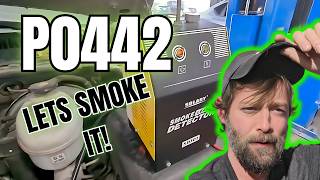
- If simple checks don't solve the issue, a smoke test performed by a mechanic is the most reliable way to find the exact source of the leak.
- This is a known issue, with GM issuing service bulletins to help technicians diagnose the problem.
What's Unique About the 2018-2023 Gmc TERRAIN

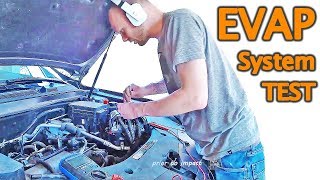
The 2018-2023 GMC Terrain is part of a generation where GM has issued specific Technical Service Bulletins (TSBs) to help technicians diagnose EVAP leaks that trigger the P0442 code. This indicates it's a known issue for which the manufacturer has provided extra guidance. An owner of a 2019 model even reported the check engine light for P0442 appearing three times within the first 1,000 miles, suggesting some components may be prone to early failure. The Terrain's mechanical twin, the Chevrolet Equinox, also frequently experiences the P0442 code for the same reasons, including faulty purge valves and rusted 🎬 Watch: GMC Terrain purge and vent valve replacement walkthrough EVAP lines.
Diagnostic Flowchart

Tap your situation to follow the diagnostic path that matches what you're seeing on this vehicle.
Symptoms You May Notice
- Check Engine Light is on
- A faint fuel smell, particularly outside the vehicle after parking.
- No noticeable difference in how the vehicle drives
- Difficulty starting the engine right after filling the gas tank (a classic sign of a stuck-open purge valve).
- Slightly rough idle.
- Replacing the fuel tank pressure sensor when a physical leak is the actual problem.
- Replacing the charcoal canister when a much cheaper and simpler part like a hose or valve is the real cause.
- Repeatedly replacing the gas cap with aftermarket versions that do not seal correctly, when the real issue is a valve or hose.
Most Likely Causes


- Loose or Faulty Gas Cap 🔴 High Probability The gas cap is the most frequently handled part of the EVAP system, and its seal can wear out or it can simply be left loose. Some 2018+ Terrains have a capless fuel filler system, and the internal flap door can fail to seal properly due to debris or wear. This is the first and easiest check for any P0442 code.
How to confirm: Ensure the gas cap is tightened until it clicks at least once. If it doesn't click, feels loose, or the seal is cracked, it needs replacement. For capless systems, inspect the filler neck opening for debris or damage preventing the flap from closing. Always use an OEM cap for replacement, as aftermarket caps are known to fail prematurely.
Typical fix: Replace the gas cap. Always opt for an OEM-quality cap to ensure a proper seal.
Est. part cost: $15-$40 - EVAP Purge Solenoid/Valve 🔴 High Probability This is a very common failure point on modern GM vehicles, including the Terrain and its platform-mate, the Chevy Equinox. The valve can get stuck open or closed, creating a leak in the system. TSB #21-NA-124 specifically mentions investigating purge valve malfunction as a key diagnostic step for P0442.
How to confirm: A classic symptom is a long crank or hard start after refueling. A technician can use a scan tool to monitor fuel tank pressure; if a vacuum is pulled on the tank right after starting the engine with no command sent to the valve, it's stuck open. A DIY test involves removing the valve, and with the engine off, trying to blow through it; it should be closed and not allow air to pass.
Typical fix: Replace the EVAP purge valve. On the 1.5L and 2.0L engines, it is typically located on the engine's intake manifold and is a relatively simple replacement.
Est. part cost: $30-$100 - EVAP Vent Solenoid/Valve 🟡 Medium Probability This valve, located near the charcoal canister by the fuel tank, can get stuck open, causing a leak. TSB #21-NA-124 also points to checking the vent valve for malfunction after inspecting lines and connections.
How to confirm: The valve is normally open and closes when powered. A mechanic can command it closed with a scan tool during a smoke test to see if it's sealing properly. This part is harder to access for DIY diagnosis than the purge valve.
Typical fix: Replace the EVAP vent solenoid. This requires accessing the underside of the vehicle near the gas tank and spare tire.
Est. part cost: $35-$75 - Cracked or Disconnected EVAP Hose 🟡 Medium Probability Rubber and plastic lines can become brittle over time due to heat and age, leading to small cracks. Connections can also become loose. TSB #21-NA-124 lists seven critical connection points to check between the engine, chassis lines, and canister. On the related Chevy Equinox, rusted metal EVAP lines under the vehicle are a known failure point leading to P0442.
How to confirm: A visual inspection may reveal obvious cracks or loose fittings, especially at the connection points outlined in TSB #21-NA-124. The most definitive method is a smoke test, which forces smoke through the EVAP system, making even tiny leaks visible.
Typical fix: Replace the damaged section of hose or secure the loose connection.
Est. part cost: $10-$50
Rare But Worth Checking
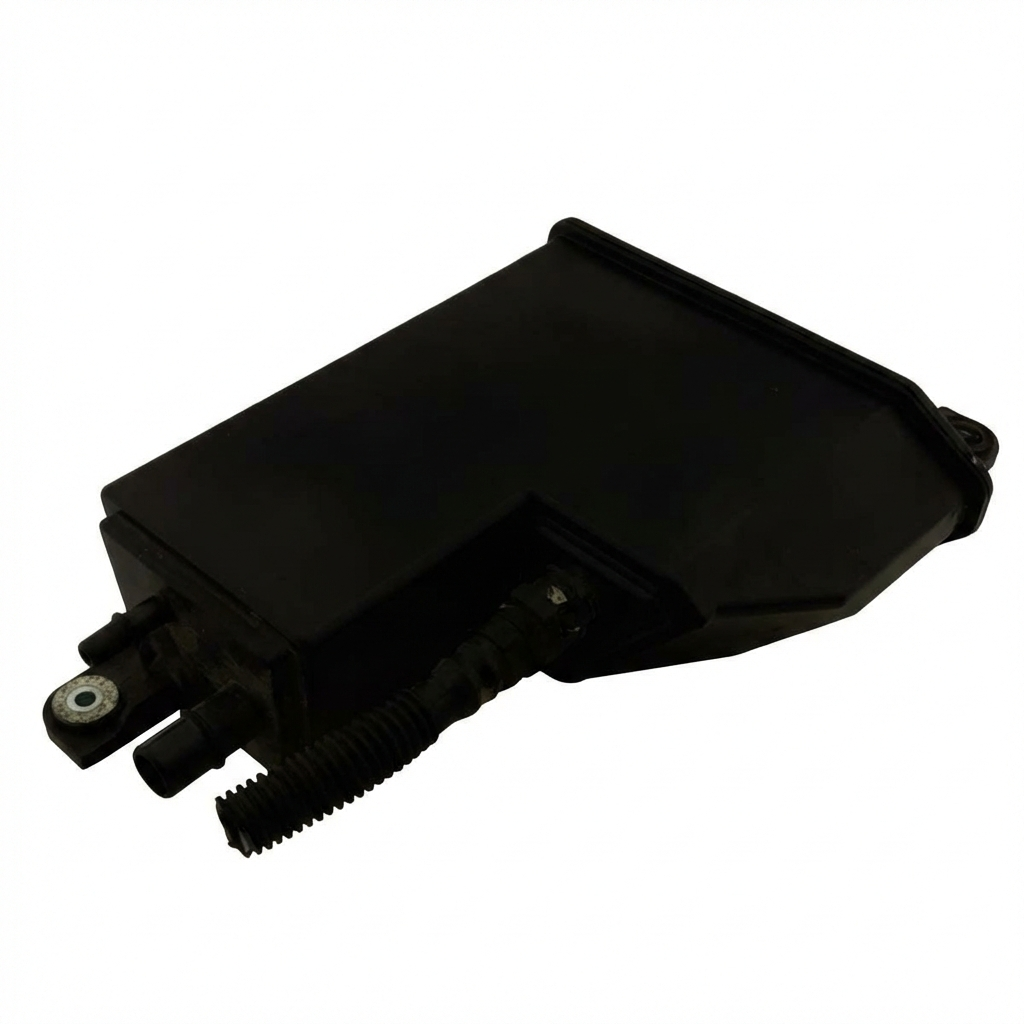
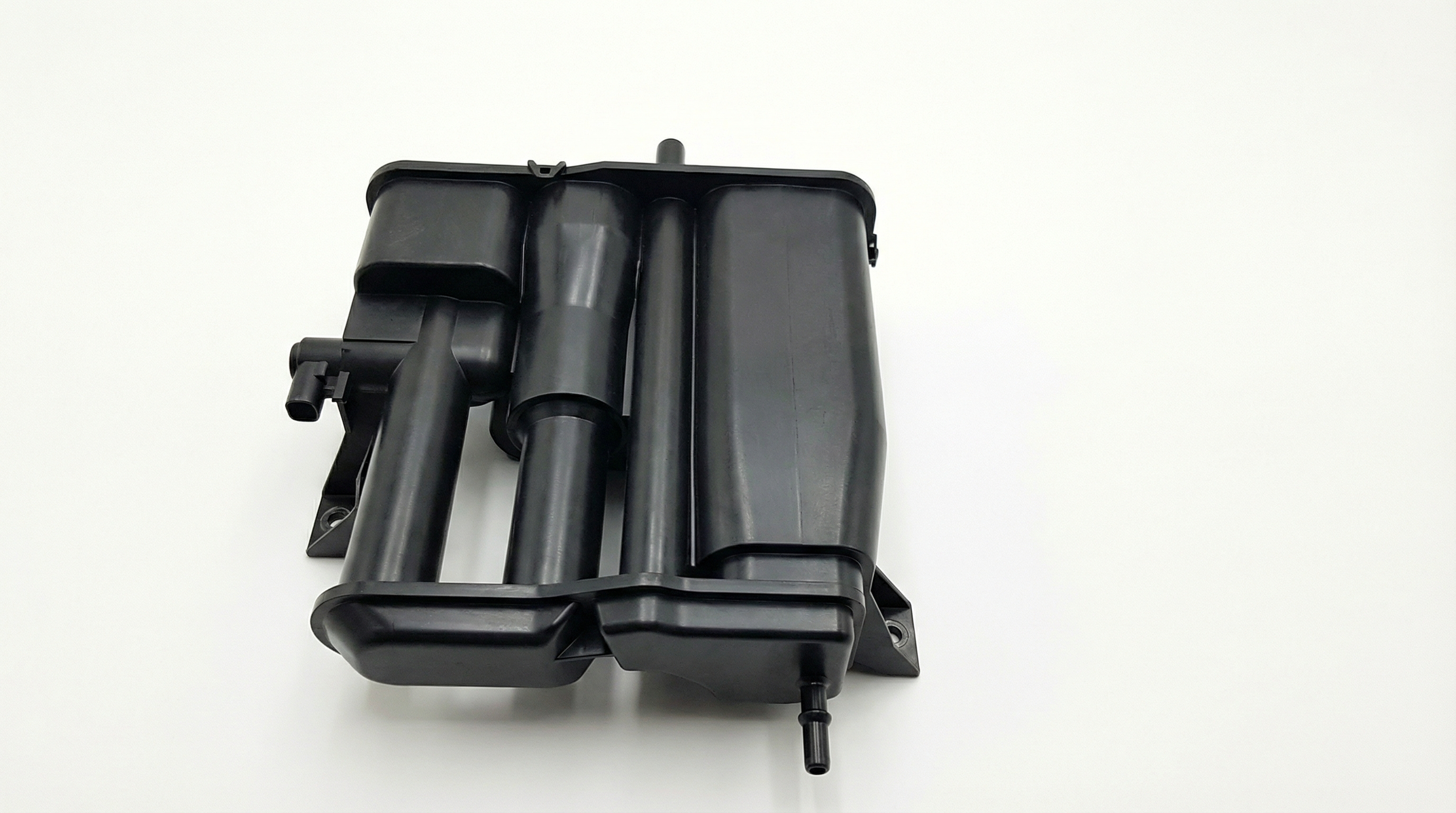
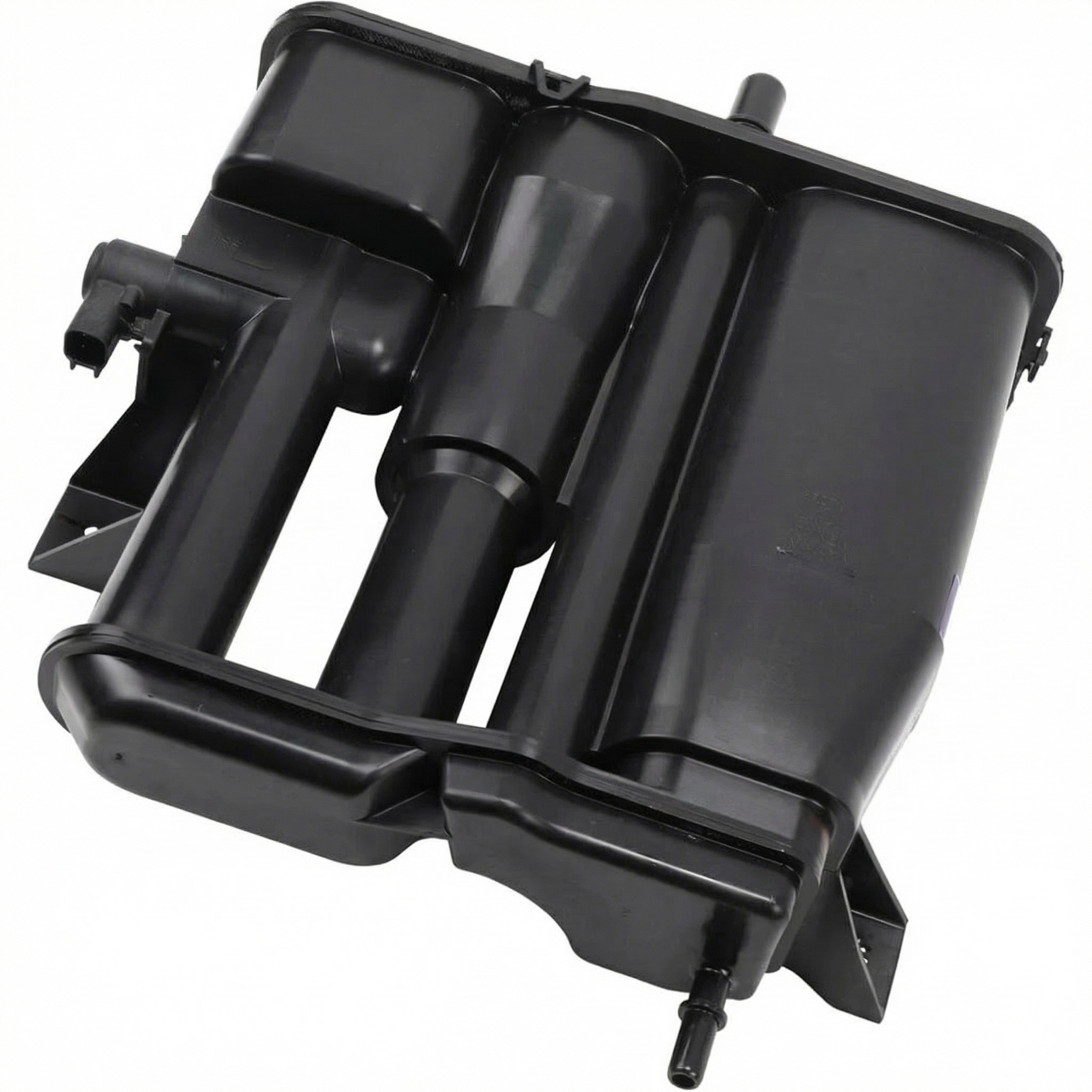
- Cracked EVAP Charcoal Canister: The plastic housing of the canister itself can develop a hairline crack, creating a small leak. TSB #PIE0528 specifically requests information on issues related to canister performance, which can set a P0442 code. A smoke test is the best way to confirm a cracked canister.
- Leaking Fuel Tank Filler Neck: The metal pipe leading to the gas tank can rust or be damaged, causing a leak that the system will detect. On capless systems, the entire filler neck housing may need replacement if the spring-loaded door mechanism fails.
- Chafed Wiring Harness: While less common for an isolated P0442, other GM TSBs like #21-NA-149 discuss engine wire harness chafing on various brackets, which can cause intermittent electrical issues for EVAP components like the purge or vent valve, leading to fault codes.
Diagnosis Steps
- Read the code with an OBD-II scanner and check for any other related codes like P0455, P0446, or P0496.
- Inspect the gas cap. Remove it, check the seal for cracks, and retighten it until it clicks. If you have a capless system, check that the inner flap is clean and seals shut. Clear the code and drive for a few days. This simple step fixes a significant percentage of P0442 issues.
- If the light returns, consider the symptoms. Is the vehicle hard to start after refueling? This strongly points to the EVAP purge valve.
- Perform a thorough visual inspection of all accessible EVAP hoses and lines running from the engine bay to the fuel tank. TSB #21-NA-124 highlights seven key connection points to check for looseness or damage.
- Locate the EVAP purge valve on the engine and inspect its connections. A simple DIY test is to remove it and try blowing through it; if air passes, it's stuck open and needs replacement.
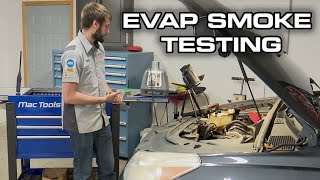
- If no obvious issues are found, the most effective next step is to have a professional perform a smoke test. This test fills the EVAP system with a harmless, visible smoke under low pressure, which will escape from any leak point, making it easy to identify. A small leak may not be visible to the naked eye, but the smoke machine's flow meter will indicate a leak is present.
Parts You'll Likely Need
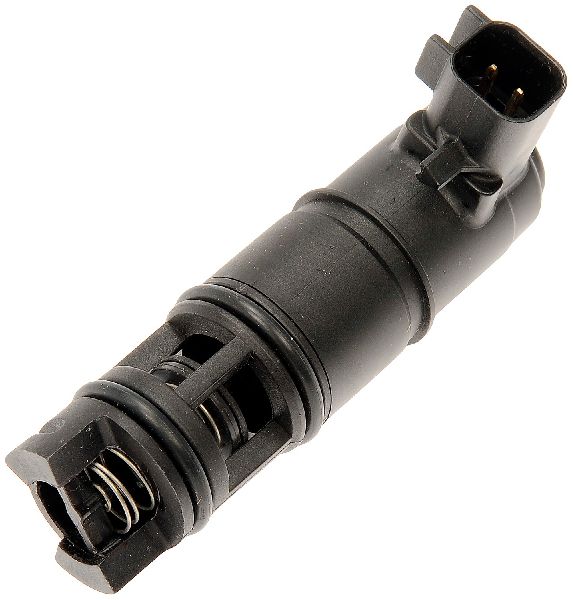
- Vapor Canister Purge Valve
(OEM #12690512)— This is a very common failure item on GM vehicles that gets stuck open, directly causing a P0442 leak and often a hard-start-after-fueling symptom. It is mentioned as a key component to investigate in GM service bulletins and confirmed to fit the 2018-2020 Terrain.
Trusted brands: ACDelco, Dorman, Standard Motor Products
OEM price range: $40-$70
Aftermarket price range: $25-$50 - Fuel Tank Cap
(OEM #GT330)— A worn or loose gas cap is the most common and easiest-to-fix cause for a P0442 code. The seal degrades over time, preventing the system from holding pressure. It is highly recommended to use an OEM cap.
Trusted brands: ACDelco, Stant
OEM price range: $20-$40
Aftermarket price range: $15-$25
Related Codes That Often Appear With This One
- P0455 — This code indicates a large EVAP leak. A small leak (P0442) can worsen over time and trigger a large leak code. Both codes are mentioned together in TSB #21-NA-124 as related issues stemming from the same potential causes, like stuck valves or disconnected lines.
- P0446 — This code points to a problem with the EVAP system's vent control circuit. It is often seen with other EVAP codes, as noted in TSB #PIE0528, because a faulty vent valve can cause both a leak (P0442) and a circuit performance issue.
- P0496 — This code indicates EVAP flow during a non-purge condition, which is almost always caused by a purge valve that is stuck open. If the purge valve is stuck open, it will often trigger both a P0496 and a P0442 leak code.
Technical Service Bulletins (TSBs) & Recalls
- PIE0528: An informational bulletin requesting field data on EVAP canister performance issues that can set codes P0442, P0455, P0446, P0449, and P0498.
- 21-NA-124: A bulletin providing diagnostic tips for finding EVAP system leaks that cause DTCs P0442 and/or P0455. It advises checking all EVAP line connections, then the vent valve, and finally the purge valve.
Platform-Specific Known Issues
- NHTSA Technical Service Bulletin #21-NA-124 provides specific diagnostic tips for technicians to find EVAP leaks causing P0442 and P0455 codes, confirming this is a recognized issue. It lists 7 critical connection points to inspect.
- NHTSA Technical Service Bulletin #PIE0528 was issued to gather information from the field about EVAP canister performance issues that could set codes like P0442, indicating GM was investigating the root cause of these failures.
Mechanic-Grade Diagnostic Values
- EVAP Canister Purge Solenoid Resistance — expected: 20-21 Ohms. Failure: A reading significantly outside this range indicates a faulty solenoid coil.
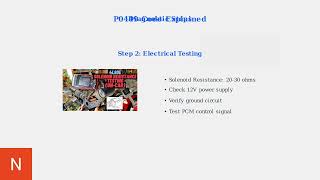
- EVAP Canister Vent Solenoid Resistance — expected: 20-30 Ohms. Failure: A reading outside this range suggests a bad vent solenoid.
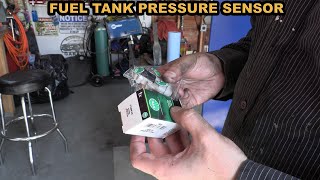
- Fuel Tank Pressure (FTP) Sensor Voltage (Atmospheric Pressure) — expected: 1.3 to 1.7 Volts. Failure: A reading stuck at a low voltage (e.g., 0.2V) or a high voltage, even with the gas cap off, points to a failed sensor or wiring issue.
Scan Tool Commands That Help
- GDS2 (GM Tech 2): Purge/Seal Test — This function is used to diagnose a stuck-open purge valve without a smoke machine. The technician commands the system to seal and observes the Fuel Tank Pressure sensor data. If the system pulls a vacuum with the engine running and no purge command active, the purge valve is stuck open.
- GDS2 (GM Tech 2): Vent Valve Command — This bidirectional control allows a technician to manually close the normally-open vent valve. This is essential for performing a smoke test, as it seals the system to allow it to be pressurized with smoke to find leaks.
Real Owner Repair Stories
- YouTube channel 'Kenny's tool review' (2017 GMC Terrain (similar system to 2018+)) — P0442 (EVAP Small Leak) code present.
❌ Tried (didn't work) The technician immediately suspected a common failure and went straight to advanced diagnostics rather than starting with visual inspection.
✅ What actually fixed it The EVAP purge valve was stuck open. This was confirmed using a scan tool's 'Purge/Seal' function, which showed the fuel tank pulling a vacuum immediately after starting the car with zero purge commanded by the ECM. The technician then performed a smoke test to confirm no other leaks existed before replacing the faulty purge valve. - Reddit user in r/gmcterrain (2020 GMC Terrain) — Check engine light with codes P0442 and P0299 (Turbo Underboost) appeared after running the vehicle out of gas.
❌ Tried (didn't work) Clearing the codes at an auto parts store; the light returned after a few days.
✅ What actually fixed it The thread did not have a confirmed final repair, but the initial advice was to check the seal on the capless fuel filler neck, as running out of gas can sometimes cause the EVAP system to run its leak test under unusual conditions and set a fault.
"I Checked Everything" — The Actual Cause
- A P0442 code can be set even if a smoke test does not show any visible smoke. The leak is so small (0.020-0.040 inches) that smoke particles may not be easily visible to the naked eye. In these cases, a technician must rely on the smoke machine's flow meter gauge. If the gauge's ball does not drop to the bottom, it indicates a leak is present somewhere in the system, even if no smoke can be seen.
OEM Part Supersession History
12690512→12737252— Standard part revision and improvement by the manufacturer.
Heads up: The new part number (12737252) is a direct replacement for the old one (12690512) and previous numbers like 12610560 and 12661763. No incompatibility issues are known.
Model Year Variations Within This Range
- 2018-2021: Within the 2018-2023 range, there were first and second design vapor canisters for the 1.5L engine. The specific canister required depends on the vehicle's build date and equipment. This is important if the canister itself is suspected to be the source of the leak.
Helpful Videos

Used OEM Parts in Stock
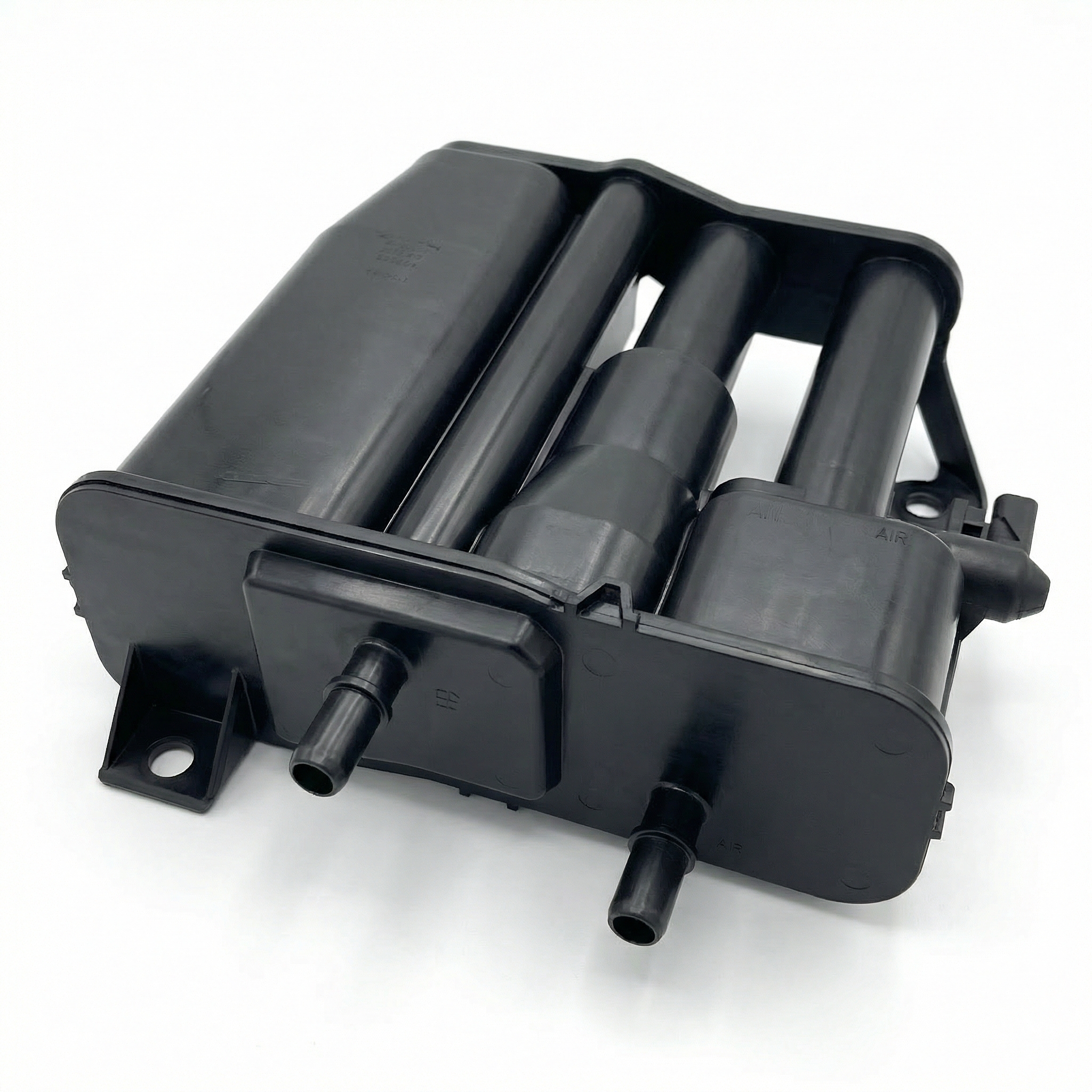
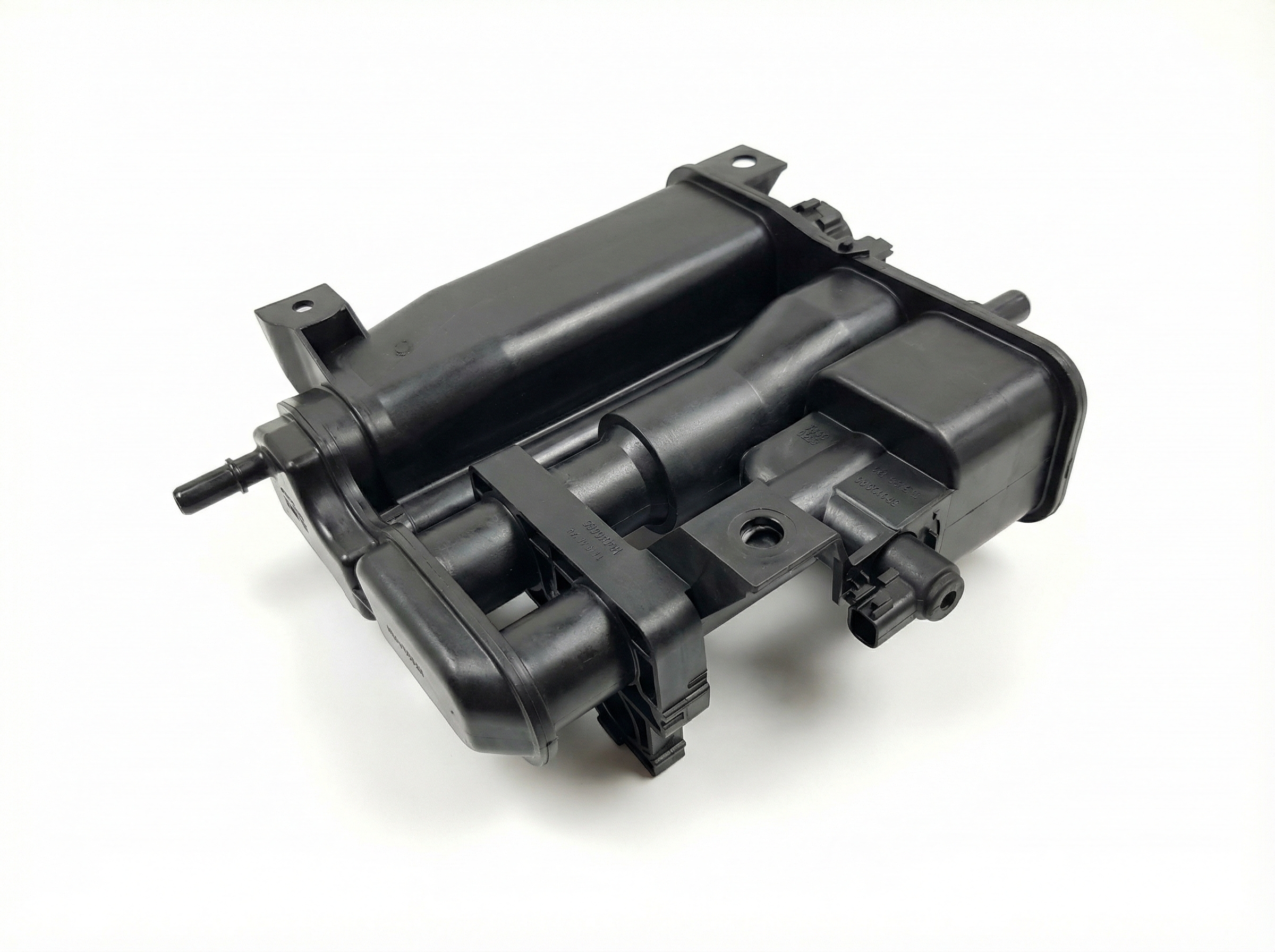
New Aftermarket Parts Available
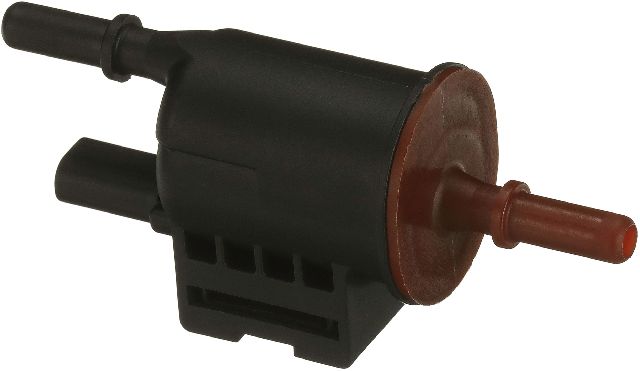


The information in this article is provided for general reference and educational purposes only. Vehicle specifications, procedures, and part compatibility can vary by production date, trim level, and region. Always consult your vehicle's factory service manual and verify part numbers before purchasing or performing repairs. Safety-critical components such as airbags, seat belts, and braking systems should be installed by a qualified professional.
- Gmc TERRAIN:
- 🎬 Helpful Videos
- 🛍️ Shop This Part
- What's Unique About the 2018-2023 Gmc TERRAIN
- Diagnostic Flowchart
- Symptoms You May Notice
- Most Likely Causes
- Rare But Worth Checking
- Diagnosis Steps
- Parts You'll Likely Need
- Related Codes That Often Appear With This One
- Technical Service Bulletins (TSBs) & Recalls
- Platform-Specific Known Issues
- Mechanic-Grade Diagnostic Values
- Scan Tool Commands That Help
- Real Owner Repair Stories
- "I Checked Everything" — The Actual Cause
- OEM Part Supersession History
- Model Year Variations Within This Range
- 🎟️ Get 5% Off