

P0442 on 2017-2020 GMC Sierra Denali: Causes and Fixes for Small EVAP Leaks
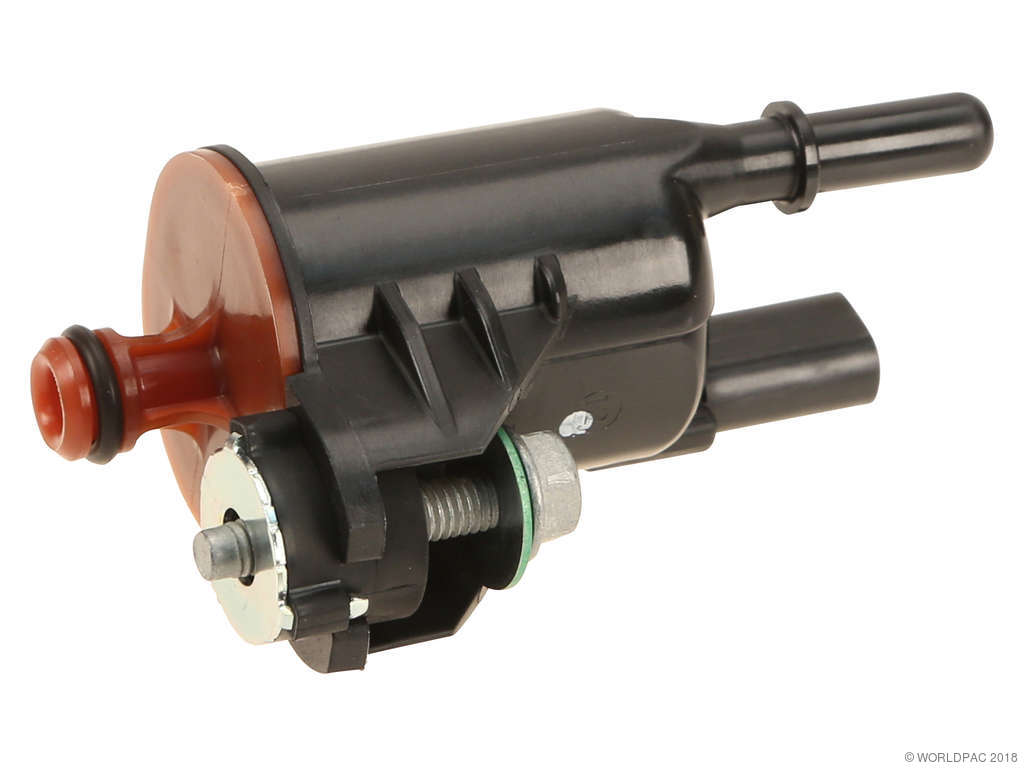
On a 2017-2020 GMC Sierra Denali, code P0442 is most often caused by a loose or faulty gas cap (or capless fuel filler seal). If the cap is fine, the next most likely culprits are a failing EVAP Purge Valve on the engine (GM Part #12737252) or the EVAP Vent Valve near the fuel tank. A purge valve costs around $25-$60 for the part and is a common DIY fix. A hard start after refueling strongly points to a bad purge valve.
- Start with the simplest fix: check that your gas cap is tight and its seal is not cracked. This resolves the issue a significant amount of the time.
- If the gas cap isn't the problem, the EVAP purge valve on the engine is the next most likely and relatively easy part to replace.
- A hard-to-start condition right after getting gas is a strong clue that the purge valve is stuck open.
- Finding the leak may require a smoke test, a common procedure at any repair shop, which can quickly pinpoint cracked hoses or failing valves.
What's Unique About the 2017-2020 Gmc SIERRA DENALI
The 2017-2020 year range for the GMC Sierra Denali spans two different vehicle generations, which can affect repairs for this code. The 2017-2018 models are on the K2XX platform, while 2019-2020 models are on the newer T1XX platform (with 2019 being a split year). While the causes for P0442 are similar, the physical location and part numbers for components like the EVAP purge and vent valves may differ between these two designs. The T1XX generation exclusively uses a capless fuel filler system, which presents a different potential leak point compared to the traditional gas cap on most K2XX models. Always verify parts based on your specific model year and VIN.
Diagnostic Flowchart
Tap your situation to follow the diagnostic path that matches what you're seeing on this vehicle.
Generation note: The 2017-2020 range covers the end of the fourth generation (K2XX; 2017-2018 and 2019 'Limited' models) and the start of the fifth generation (T1XX; 2019-2020). Component locations, particularly for the EVAP vent and purge valves, may vary between these generations. The purge valve location on the intake manifold is similar, but access may differ. The vent valve remains near the charcoal canister.
Symptoms You May Notice
- Check Engine Light is on.
- A faint smell of gasoline, particularly around the rear of the truck.
- Difficulty starting the engine immediately after refueling (this can happen if the purge valve is stuck open, flooding the engine with vapors).
- Difficulty filling the fuel tank, where the pump nozzle clicks off repeatedly before the tank is full. This can indicate a blockage or failure in the EVAP vent valve or associated lines.
- Replacing the charcoal canister when the actual problem is a much cheaper vent valve attached to it.
- Replacing O2 sensors, which are not related to the EVAP system.
- Replacing parts without performing a smoke test, potentially missing a simple cracked hose or loose connection.
Most Likely Causes
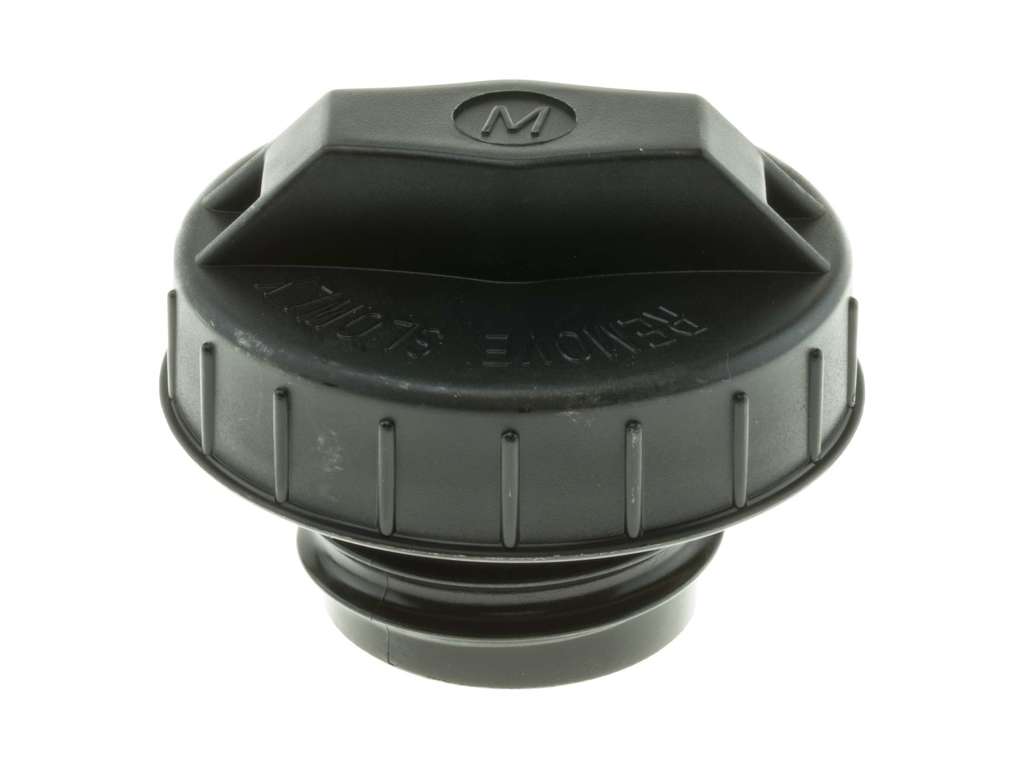
- Loose or Faulty Gas Cap / Capless Fuel Filler 🔴 High Probability This is the most common cause for any EVAP leak code. The seal on the cap can crack and dry out over time. It is critical to use a quality OEM replacement, as cheaper caps often fail to seal correctly. Newer models with a capless system have a spring-loaded door that must seal perfectly; dirt or debris can prevent this.
How to confirm: Inspect the gas cap's rubber O-ring for cracks or damage. Ensure it clicks when tightened. For capless systems, use a clean cloth to wipe the filler neck opening and the sealing flap, checking for debris preventing a perfect seal.
Typical fix: Tighten or replace the gas cap with an OEM part. Clean the capless filler neck seal.
Est. part cost: $15-$35 - EVAP Purge Valve / Solenoid 🔴 High Probability This valve, located on the engine's intake manifold, is an electromechanical part that cycles frequently and is prone to failure. It can get stuck open or closed, causing a leak in the system. A stuck-open valve is a very common cause of P0442 and often presents with a hard-to-start condition after filling the gas tank.
How to confirm: With the engine off, disconnect the valve and try to blow through it. It should be normally closed, so no air should pass. If you can blow through it, it's faulty and needs replacement. A professional can command it open and closed with a scan tool, but even a valve that clicks can still leak internally.
Typical fix: Replace the purge valve. It is typically held on by one 10mm bolt and has two hoses and an electrical connector. 🎬 Watch: A quick walkthrough on replacing the EVAP purge valve.
Est. part cost: $25-$60 - EVAP Vent Valve / Solenoid 🟡 Medium Probability Located near the charcoal canister by the fuel tank (often near the spare tire), this valve can get stuck open, especially in dusty environments or with age. GM issued TSB 21-NA-124 that mentions this part as a key potential cause of P0442.
How to confirm: This valve is normally open and closes when the ECM tests the system. Diagnosis usually requires a smoke machine to see if smoke exits the valve when it's commanded closed by a bi-directional scan tool.
Typical fix: Replace the vent valve. Access can be difficult, sometimes requiring the spare tire to be lowered for better access.
Est. part cost: $30-$75 - Cracked or Disconnected EVAP Hoses 🟡 Medium Probability The plastic and rubber lines that carry fuel vapors can become brittle over time and develop small cracks, especially at connection points and bends. TSB 21-NA-124 specifically calls out checking the seven critical connection points in the system as a primary step. Even the metal sections of the EVAP lines along the frame can corrode and develop pinhole leaks.
How to confirm: A visual inspection may reveal obvious cracks or loose fittings, especially at the connection points outlined in TSB 21-NA-124. The most reliable method is to use a smoke machine, which fills the system with vaporous smoke and makes even tiny leaks visible. 🎬 See how a smoke test finds leaks on a 2018 Sierra.
Typical fix: Replace the damaged section of hose or reconnect a loose fitting.
Est. part cost: $10-$50
Rare But Worth Checking
- Cracked Charcoal Canister: The plastic housing of the canister itself can crack from road debris or age, causing a leak. This is usually found during a smoke test after all valves and lines have been checked.
- Faulty Fuel Tank Pressure (FTP) Sensor: Rarely, the sensor that measures system pressure can fail and send incorrect readings to the computer, tricking it into setting a P0442 code when no leak exists. This can be an expensive misdiagnosis, as replacement can cost between $394 and $531, often requiring the fuel tank to be lowered. The GM part is often #13502903.
Diagnosis Steps
- Check the Gas Cap / Capless Filler: Remove, inspect the seal for cracks, and reinstall it, ensuring it clicks multiple times. For capless systems, wipe the seal clean of any debris. Clear the code and drive for a few days to see if it returns.
- Visual Inspection per TSB 21-NA-124: Before using tools, visually inspect the EVAP lines, especially the seven critical connection points identified by GM: Purge valve, rear of engine, canister connections (x2), vent valve, fuel tank jumper line, and the fuel filler neck. Look for any obvious cracks, damage, or disconnected hoses.
- Test the Purge Valve: Locate the purge valve on the engine intake manifold. Disconnect it and attempt to blow through it. If air passes, the valve is stuck open and needs to be replaced. This is a very common failure.
- Perform a Smoke Test: This is the most effective way to find small, hard-to-see leaks. A smoke machine is connected to the EVAP service port, and the system is filled with a harmless, visible smoke. Smoke will exit from any leak point, whether it's a hose, valve, or the canister itself.
- Test the Vent Valve: During a smoke test, a mechanic will use a scan tool to command the vent valve closed. If smoke still exits from the vent valve, the valve is faulty and needs replacement.
- Inspect Charcoal Canister and FTP Sensor: If no other leaks are found, the canister itself may be cracked, or the Fuel Tank Pressure sensor could be faulty, though these are less common issues. 🎬 Watch: How to find a small EVAP leak when none are obvious.
Parts You'll Likely Need
- EVAP Canister Purge Valve
(OEM #GM 12737252 (Supersedes 12690512, 12610560))— This is one of the most common failure points for a P0442 code. It's a frequently moving part located in the hot engine bay that can get stuck open, often causing a hard start after refueling.
Trusted brands: ACDelco, GM Genuine Parts, Dorman
OEM price range: $40-$70
Aftermarket price range: $25-$50 - Gas Cap
(OEM #ACDelco GT330 (Example for K2XX))— The seal on the gas cap is the simplest and most common cause of a small EVAP leak. Using a quality OEM cap is crucial as aftermarket versions can be unreliable.
Trusted brands: ACDelco, Stant
OEM price range: $20-$35
Aftermarket price range: $15-$25 - EVAP Canister Vent Valve Solenoid — This valve, located near the fuel tank, is another common failure item that will cause a P0442 leak code when it sticks open due to exposure to road debris and moisture.
Trusted brands: ACDelco, GM Genuine Parts, Dorman
OEM price range: $50-$90
Aftermarket price range: $30-$75
Related Codes That Often Appear With This One
- P0455 — P0455 indicates a large EVAP leak. If a component fails significantly (like a valve sticking wide open or a hose falling off), you may see both codes as the system tries to diagnose the fault.
- P0449 — This code specifically points to a fault in the EVAP vent valve solenoid circuit. If you have P0442 and P0449 together, the vent valve or its wiring is almost certainly the problem.
Technical Service Bulletins (TSBs) & Recalls
- 21-NA-124: Diagnostic Tip for Malfunction Indicator Lamp (MIL) Illuminated - DTC P0442 and/or P0455 Set.
Platform-Specific Known Issues
- GM TSB 21-NA-124 Diagnostic Procedure: General Motors issued Technical Service Bulletin #21-NA-124, which provides diagnostic tips for both P0442 (small leak) and P0455 (large leak) codes. The bulletin advises technicians to pay close attention to seven critical connection points in the EVAP system before performing more complex tests. It also notes that some leaks may only appear under vacuum, while others only appear under pressure, recommending that both conditions be checked.
Mechanic-Grade Diagnostic Values
- Fuel Tank Pressure (FTP) Sensor Voltage — expected: ~1.45V - 1.50V (with key on, engine off, gas cap removed). Failure: Voltage is stuck and does not change when pressure or vacuum is applied, or is significantly different from 1.5V at atmospheric pressure.
- EVAP Vent Solenoid Power Supply Voltage — expected: 10-12 Volts DC (at the solenoid connector with key in RUN position). Failure: No voltage at the red power wire indicates a problem with the fuse or wiring upstream.
- EVAP Purge Valve Solenoid Resistance — expected: 15 - 30 Ohms (general specification for most vehicles). Failure: A reading far outside this range indicates a damaged internal circuit in the valve.
Hidden / Shadow Codes Worth Checking
- Mode $06, TID $04, CID $61/$71: This is not a trouble code, but raw data from the ECM's self-test for the EVAP system. For many GM trucks, a scan tool may incorrectly label these as 'High Limit' tests when they are actually 'LOW Limit' tests. A passing value will be ABOVE the test limit shown on the scanner, while a failing value (indicating a leak) will be BELOW the limit. (see via A professional scan tool capable of displaying Mode $06 data.)
Scan Tool Commands That Help
- GDS2 (GM Techline Connect) or equivalent professional scanner: EVAP Purge and Seal Test / Vent Solenoid Activation — This is a critical step for smoke testing. The command forces the normally-open vent valve to close (the status changes from 'Venting' to 'Not Venting'), sealing the EVAP system. This allows the system to be pressurized with smoke to find the physical location of a leak.
Wiring & Ground Locations
- EVAP Vent Solenoid Connector — On the EVAP vent solenoid, located near the charcoal canister, typically under the driver's side of the vehicle.. The connector on 2019+ models has a red secondary locking tab that must be slid out before the primary black release tab can be depressed. Knowing this prevents damage to the connector during diagnosis or replacement.
- EVAP Vent Solenoid Power (Fuse F34) — The vent solenoid receives 12V power from a fuse in the underhood fuse block (Fuse 34 on some similar GM trucks).. If there is no voltage at the solenoid's red wire, this fuse should be checked before condemning the wiring harness or ECM.
- EVAP Vent Solenoid Control Wire — A specific wire (e.g., wire #20 on some diagrams) runs from the Engine Control Module (ECM) to the vent solenoid.. The ECM sends a ground signal on this wire to close the valve during a system test. A break in this wire will prevent the valve from closing, causing the EVAP monitor test to fail and setting a code.
Real Owner Repair Stories
- YouTube channel 'P0442 Fix - UPDATE!' (Chevrolet Silverado (mechanically identical)) — P0442 code came back 700 miles after replacing the purge valve.
❌ Tried (didn't work) Replacing the original EVAP purge valve with a new aftermarket part.
✅ What actually fixed it The new aftermarket purge valve was faulty from the factory. The owner tested it with a handheld vacuum pump and confirmed it would not hold a vacuum. Replacing it a second time with a different part resolved the issue permanently. - YouTube channel 'South Main Auto Repair LLC' (2018 GMC Sierra 1500) — P0442 small EVAP leak code.
❌ Tried (didn't work) Visual inspection of capless fuel filler neck.
✅ What actually fixed it A smoke test revealed a leak coming from the top of the fuel tank. The cause was a cracked fuel pump module assembly. The metal locking ring had swollen with rust and expansion, cracking the plastic flange of the fuel pump unit it secures. The entire fuel pump module had to be replaced.
"I Checked Everything" — The Actual Cause
- A valve (purge or vent) can sometimes hold against the low pressure of a smoke machine but will leak under the vacuum pulled by the ECM during its self-test. A handheld vacuum pump can reveal this type of leak when a smoke test will not.
- The Fuel Tank Pressure (FTP) sensor itself can fail. It may report a static, unchanging voltage (e.g., 1.5V) to the ECM. The ECM interprets this lack of pressure change during the test cycle as a leak, triggering P0442 even when the system is perfectly sealed. Often, a faulty FTP sensor will not set its own specific trouble code.
When the Usual Fixes Don't Work
- While the purge valve is a very common cause, do not assume a new replacement part is good, especially if it is an aftermarket brand. One owner fixed their P0442 only after replacing a brand-new, faulty-out-of-the-box purge valve that could not hold a vacuum when tested with a hand pump.
- In cases where a smoke test passes and all valves seem to work, the issue can be electronic rather than a physical leak. A faulty Fuel Tank Pressure (FTP) sensor can send bad data, or on 2019+ models, a failing Fuel Pump Control Module can be the root cause.
OEM Part Supersession History
12610560, 12661763, 12690512→12737252— Standard part evolution for improved reliability or manufacturing.
Heads up: This is the most common purge valve for these engines, but always verify by VIN as other designs exist.
Model Year Variations Within This Range
- 2019-2020 (T1XX Platform): On the newer T1XX platform trucks, if the purge and vent valves test good, a common cause for EVAP circuit codes (like P0449, often seen with P0442) can be a faulty Fuel Pump Control Module. This module controls both the fuel pump and the EVAP valves, and its failure can mimic a valve or wiring issue.
Helpful Videos
We Have This Part in Stock



The information in this article is provided for general reference and educational purposes only. Vehicle specifications, procedures, and part compatibility can vary by production date, trim level, and region. Always consult your vehicle's factory service manual and verify part numbers before purchasing or performing repairs. Safety-critical components such as airbags, seat belts, and braking systems should be installed by a qualified professional.
- Gmc SIERRA DENALI:
- 🎬 Helpful Videos
- 🛍️ Shop This Part
- What's Unique About the 2017-2020 Gmc SIERRA DENALI
- Diagnostic Flowchart
- Symptoms You May Notice
- Most Likely Causes
- Rare But Worth Checking
- Diagnosis Steps
- Parts You'll Likely Need
- Related Codes That Often Appear With This One
- Technical Service Bulletins (TSBs) & Recalls
- Platform-Specific Known Issues
- Mechanic-Grade Diagnostic Values
- Hidden / Shadow Codes Worth Checking
- Scan Tool Commands That Help
- Wiring & Ground Locations
- Real Owner Repair Stories
- "I Checked Everything" — The Actual Cause
- When the Usual Fixes Don't Work
- OEM Part Supersession History
- Model Year Variations Within This Range
- 🎟️ Get 5% Off