

P0442 on 2002-2006 GMC Sierra Denali: Causes and Fixes for Small EVAP Leaks
For a 2002-2006 GMC Sierra Denali, a P0442 code is most often caused by a loose or worn-out gas cap. If that's not the issue, the next most likely culprits are the EVAP vent solenoid near the fuel tank or the purge valve on the engine. A new gas cap is under $25, while the solenoids can range from $30 to $100. A smoke test is the best way to find less obvious leaks.
- P0442 indicates a small leak in the fuel vapor system.
- Always start your diagnosis with the simplest and most common fix: check that the gas cap is tight and inspect its seal for damage.
- The EVAP vent solenoid (near the spare tire) and purge valve (on the engine) are the next most likely failure points on this truck.
- While you can drive with this code, the Check Engine Light will remain on and you will not pass an emissions inspection.
- For hard-to-find leaks, a smoke test performed by a professional is the quickest way to pinpoint the source.
What's Unique About the 2002-2006 Gmc SIERRA DENALI
On the GMT800 platform, which includes the 2002-2006 Sierra Denali, the EVAP components are known to fail due to age and exposure to the elements. The EVAP vent solenoid, located near the spare tire, is particularly susceptible to ingesting dust, road debris, and water, causing it to stick or fail to seal. This is such a common issue that GM issued service bulletin 02-06-04-037J, which recommends replacing the original solenoid with an updated kit (ACDelco P/N 214-2149) that relocates the air filter to a cleaner, drier location above the transmission.
Diagnostic Flowchart
Tap your situation to follow the diagnostic path that matches what you're seeing on this vehicle.
Symptoms You May Notice
- Check Engine Light is on
- A faint smell of gasoline, particularly around the rear of the truck.
- Difficulty starting the engine immediately after refueling (in rare cases, if the purge valve is stuck open).
- Gas pump nozzle clicks off repeatedly before the tank is full (a symptom more related to a blocked vent path, which can accompany a P0442).
- Replacing the oxygen sensors. O2 sensors are not related to the EVAP system.
- Replacing the fuel pump. While the fuel tank pressure sensor may be part of the fuel pump module, the pump itself is not a cause for a P0442 code. However, the seal for the module can be a cause.
Most Likely Causes
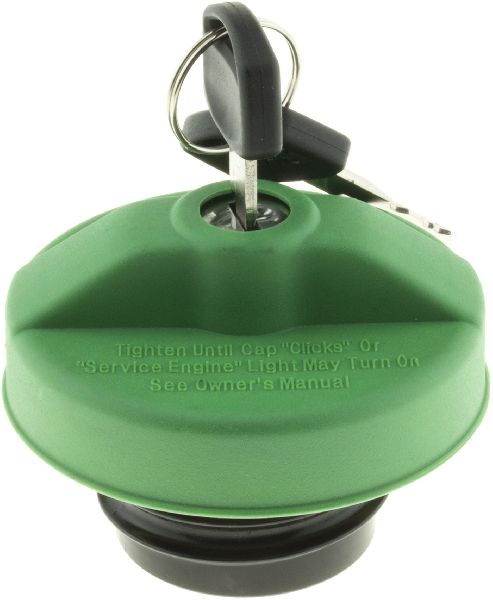
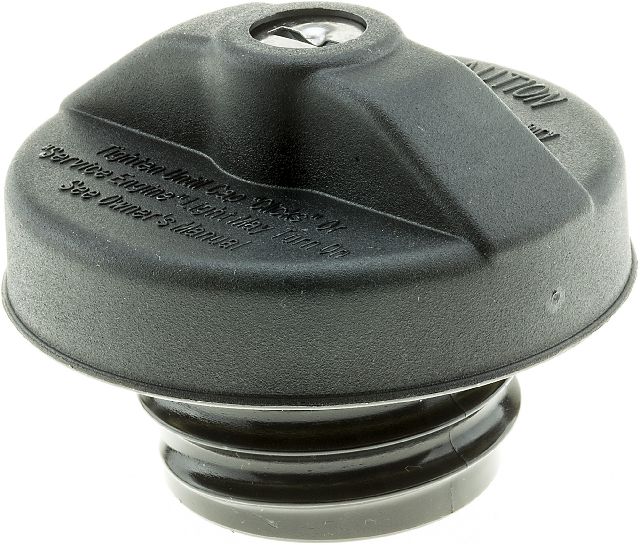
- Loose or Faulty Gas Cap 🔴 High Probability The gas cap is a frequently used part and its rubber seal can crack, harden, or wear out over time, preventing a proper seal. Using a non-OEM cap can also cause sealing issues.
How to confirm: First, ensure the cap is tightened until it clicks several times. Inspect the rubber O-ring on the cap for any cracks, tears, or signs of deterioration. Check the fuel filler neck for rust or debris that could prevent a good seal.
Typical fix: Replace the gas cap with a new, preferably OEM (ACDelco), part. This is an inexpensive and simple first step.
Est. part cost: $15-$25 - Failed EVAP Vent Solenoid/Valve 🟡 Medium Probability Located near the fuel tank and spare tire, this valve is exposed to road grime, dust, and moisture, which can cause it to fail or its filter to clog. It can get stuck open, creating a permanent leak. GM released an updated design with a remote filter to mitigate this common failure.
How to confirm: The valve is normally open. A scan tool can command it closed to test for leaks with a smoke machine. It can also be removed and tested with a 12V power source to see if it actuates correctly. A clogged filter often leads to slow fueling.
Typical fix: Replace the vent solenoid assembly. The recommended replacement is the updated kit (ACDelco 214-2149) that includes a new hose and a remote filter box to be mounted higher on the chassis for protection.
Est. part cost: $40-$120 - Failed EVAP Purge Solenoid/Valve 🟡 Medium Probability This valve is located on the engine's intake manifold and can get stuck open or closed over time, causing a leak. A key symptom of it being stuck open is a long crank or rough idle immediately after refueling.
How to confirm: With the engine off, disconnect the vapor line from the valve and see if you can blow through it; it should be closed. A scan tool can also be used to command it open and closed while checking for flow. A handheld vacuum pump can also be used to see if it holds vacuum.
Typical fix: Replace the purge solenoid. This is typically an easy repair located on top of the engine.
Est. part cost: $25-$75 - Cracked or Disconnected EVAP Hoses ⚪ Low Probability The plastic and rubber lines that run from the fuel tank to the engine can become brittle and crack with age and heat exposure, especially at connection points.
How to confirm: A visual inspection may reveal obvious cracks or loose connections. The most effective method is to use an automotive smoke machine to feed low-pressure smoke into the EVAP service port and look for where it escapes.
Typical fix: Replace the damaged section of hose or reconnect it securely.
Est. part cost: $10-$50
Rare But Worth Checking
- Cracked EVAP Charcoal Canister: The plastic housing of the canister can develop small cracks from impacts or age, creating a leak. This is usually found during a smoke test. Sometimes the canister can become saturated with fuel if the tank is repeatedly overfilled, causing issues.
- Rusted Fuel Tank Filler Neck: In areas with heavy road salt use, the metal filler neck where the gas cap seals can corrode, creating a rough or pitted surface that the cap's O-ring can't seal against, causing a persistent small leak. Aftermarket repair kits are available for this specific problem.
- Faulty Fuel Tank Pressure (FTP) Sensor: Rarely, the sensor that monitors system pressure can fail and send incorrect readings to the computer. It may not show a change in pressure during the EVAP self-test, falsely triggering a leak code when no leak exists. This can be a frustrating cause to diagnose after a smoke test shows no leaks.
- Leak at Fuel Pump Module Seal: The O-ring that seals the fuel pump module to the top of the fuel tank can degrade and leak. This is often discovered during a smoke test where smoke will be seen exiting from the top of the fuel tank. This can sometimes occur after a fuel pump replacement if the seal was not installed correctly.
Diagnosis Steps
- Check the gas cap. Ensure it is tight and clicks. Remove it and inspect the seal for cracks or damage. If in doubt, replace it with an OEM cap, clear the code, and drive for a few days.
- Visually inspect the accessible EVAP hoses in the engine bay and around the fuel tank for obvious cracks, damage, or loose connections.
- Consider symptoms. If you have a long crank after refueling, suspect the purge valve on the engine. If you have trouble filling the tank with gas, suspect a blocked vent solenoid near the tank.
- Locate the EVAP purge valve on the engine intake manifold. Test it to ensure it is closed when the engine is off by attempting to blow through it.
- Locate the EVAP vent solenoid near the fuel tank/spare tire. Inspect it and its filter for dirt or damage. Test its operation using a scan tool or by applying 12V power.
- If the leak is not obvious, the most effective diagnostic method is to use an automotive smoke machine. Connect the machine to the EVAP service port and command the vent valve closed with a scan tool. Watch for smoke escaping from any component in the system, from the engine bay to the fuel tank, paying close attention to the top of the fuel tank and the filler neck.
- If no external leaks are found with a smoke test, suspect an internally leaking purge or vent valve, or a faulty fuel tank pressure sensor that is not reporting pressure changes correctly.
Parts You'll Likely Need
- Gas Cap
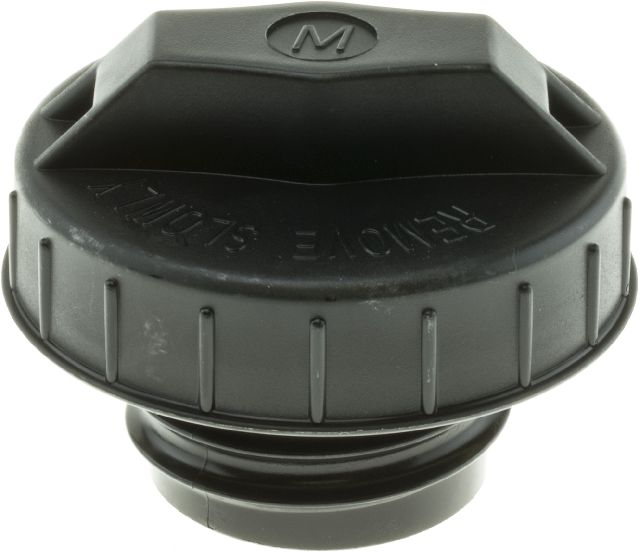
(OEM #GT261 (ACDelco))— This is the most common cause due to its frequent use and seal degradation over time. An OEM cap is recommended as aftermarket versions can have sealing issues.
Trusted brands: ACDelco, Stant
OEM price range: $20-$30
Aftermarket price range: $15-$25 - EVAP Vent Valve Solenoid Kit (Updated Design)
(OEM #ACDelco 214-2149 (replaces older designs like 214-2082))— A very common failure point on this platform due to its location under the truck, where it is exposed to dirt and moisture. The updated kit relocates the filter to a cleaner location.
Trusted brands: ACDelco, Dorman, Standard Motor Products
OEM price range: $70-$120
Aftermarket price range: $40-$80 - EVAP Canister Purge Valve
(OEM #214-1105 (ACDelco CP470))— Located in the hot engine bay, this valve can fail over time, typically by sticking open or closed. A stuck-open valve often causes hard starting after filling the gas tank.
Trusted brands: ACDelco, Dorman
OEM price range: $50-$90
Aftermarket price range: $25-$50
Related Codes That Often Appear With This One
- P0455 — This code indicates a large EVAP leak. If a component fails completely (like a vent valve stuck wide open or a hose falling off), it can trigger both small (P0442) and large (P0455) leak codes.
- P0449 — This code points specifically to an electrical fault in the EVAP vent solenoid circuit. If you have P0449 with P0442, the vent solenoid or its wiring is almost certainly the problem.
- P0446 — This indicates a fault in the EVAP vent control system performance, often due to a blockage. A clogged vent filter or stuck valve can cause both P0446 and P0442, and is often accompanied by difficulty filling the fuel tank.
Technical Service Bulletins (TSBs) & Recalls
- 02-06-04-037J: The primary TSB for this issue. Recommends replacing the vent valve solenoid assembly and relocating the filter to prevent contamination for P0442, P0446, and other EVAP codes.
- 09-06-04-028D: A later TSB that provides similar instructions for replacing the EVAP vent solenoid with an updated design to prevent water and dirt intrusion on slightly newer but related GM trucks and SUVs.
- PIT4943D: Mentions P0442 and directs technicians to use an EVAP system tester for diagnosis.
- 21-NA-124: Provides diagnostic tips for EVAP leaks related to codes P0442 and/or P0455.
Platform-Specific Known Issues
- TSB for Vent Solenoid Relocation: A GM service bulletin (#02-06-04-037J and its successors) directly addresses P0442, P0446, and P0449 codes caused by dirt and water intrusion into the vent solenoid. The official fix is to replace the original vent valve solenoid with an updated kit (ACDelco 214-2149) that includes a length of hose and a new filter box to be mounted in a protected area, often above the transmission bell housing or high on the frame rail.
Mechanic-Grade Diagnostic Values
- Fuel Tank Pressure (FTP) Sensor Voltage — expected: Approximately 1.5V with the gas cap off (atmospheric pressure). Should change to ~2.5V when the system is sealed and under vacuum during a test.. Failure: Voltage that is stuck high (e.g., 4.5V) or low (e.g., 0.1V), or does not change during an EVAP test, points to a faulty sensor or wiring.
- EVAP Vent Solenoid Coil Resistance — expected: Typically between 14 and 30 ohms.. Failure: A reading of 0 ohms indicates a short, while an infinite (OL) reading indicates an open circuit. Either requires replacement of the solenoid.
- EVAP Purge Solenoid Coil Resistance — expected: Typically between 15 and 35 ohms.. Failure: A reading of 0 ohms (short) or infinite/OL (open) means the solenoid's internal coil has failed and the part needs to be replaced.
Scan Tool Commands That Help
- Tech 2 / GDS2: EVAP Service Bay Test — This is a comprehensive, automated test that commands the purge and vent solenoids to seal the system, creates a vacuum, and monitors for decay. It's the primary function to verify if a leak exists after a repair or to confirm the system's integrity.
- Tech 2 / GDS2: EVAP Purge/Seal — This function allows the technician to manually command the vent solenoid closed ('Seal') and then incrementally open the purge solenoid ('Purge') to create a vacuum. It's used with a smoke machine to find leaks or to manually check if the solenoids are responding to commands.
- Tech 2 / GDS2: Vent Solenoid Command — This is a simple on/off bidirectional control for the vent solenoid. It's used to verify the solenoid clicks and closes the vent path. This is essential before starting a smoke test to ensure the system is sealed.
Wiring & Ground Locations
- G103 — On the right rear of the engine block.. This is a primary engine control ground. A poor connection here can cause erratic behavior from various sensors and solenoids, including those in the EVAP system, leading to false codes.
- G104 — On the left rear of the engine block.. Similar to G103, this is a critical ground for the powertrain control module (PCM) and its related components. Verifying it is clean and tight is a crucial step in diagnosing any electrical-related engine code.
- EVAP Vent Solenoid Connector — Under the truck, near the charcoal canister, which is typically mounted to a crossmember near the spare tire.. This connector is highly exposed to road spray and debris. Corrosion on the terminals is a common cause of P0449 (circuit fault) and can cause intermittent operation leading to a P0442. The red lock tab often becomes brittle and breaks.
- EVAP Purge Solenoid Connector — On top of the engine, typically on the intake manifold.. While less exposed than the vent solenoid, heat can make the connector and wiring brittle, leading to poor connections over time.
Real Owner Repair Stories
- 2CarPros Forum User (2000-2005 Mitsubishi Eclipse (similar metal filler neck issue)) — Persistent P0442 code, visible fuel leak from under the car only when actively pumping gas.
❌ Tried (didn't work) Unspecified previous attempts to find the leak.
✅ What actually fixed it The metal fuel filler neck was completely rusted out on the bottom where it was not easily visible. Replacing the entire fuel filler neck assembly resolved both the fuel leak and the P0442 code. - Volkswagen subreddit user (2016 VW Passat) — Strong gas smell inside the car and a P0442 code appeared two days after having the fuel pump module assembly replaced.
❌ Tried (didn't work) N/A, issue occurred post-repair.
✅ What actually fixed it The consensus was that the fuel pump tank seal was likely damaged or improperly installed during the recent repair, creating a leak at the top of the tank. The fix is to have the shop re-do the installation and replace the seal.
"I Checked Everything" — The Actual Cause
- A common scenario is a smoke test passing, yet the P0442 code returns. This often points to an intermittent or functional failure rather than a static leak. The top culprits are: 1) A faulty Fuel Tank Pressure (FTP) sensor that isn't correctly reporting vacuum/pressure changes to the PCM. 2) An EVAP vent or purge solenoid that is not leaking at rest but fails to seal properly under specific vacuum or electrical load conditions during the EVAP self-test.
OEM Part Supersession History
Multiple older PNs including 10357992, 15138619, 19207763, 25932571→ACDelco 214-2149— Consolidation of older designs into the new, updated kit which includes the solenoid and often a remote filter relocation hose to protect the valve from debris and moisture, which was the primary failure mode of the originals.
Model Year Variations Within This Range
- 2004-2006: In 2004, GM began integrating the Fuel Tank Pressure (FTP) sensor into the fuel pump module for many trucks. On earlier 2002-2003 models, the FTP sensor was sometimes a separate, serviceable part on the tank. On 2004+ models, if the FTP sensor fails, the entire fuel pump module must be replaced to service it.
Helpful Videos

We Have This Part in Stock


The information in this article is provided for general reference and educational purposes only. Vehicle specifications, procedures, and part compatibility can vary by production date, trim level, and region. Always consult your vehicle's factory service manual and verify part numbers before purchasing or performing repairs. Safety-critical components such as airbags, seat belts, and braking systems should be installed by a qualified professional.
- Gmc SIERRA DENALI:
- 🎬 Helpful Videos
- 🛍️ Shop This Part
- What's Unique About the 2002-2006 Gmc SIERRA DENALI
- Diagnostic Flowchart
- Symptoms You May Notice
- Most Likely Causes
- Rare But Worth Checking
- Diagnosis Steps
- Parts You'll Likely Need
- Related Codes That Often Appear With This One
- Technical Service Bulletins (TSBs) & Recalls
- Platform-Specific Known Issues
- Mechanic-Grade Diagnostic Values
- Scan Tool Commands That Help
- Wiring & Ground Locations
- Real Owner Repair Stories
- "I Checked Everything" — The Actual Cause
- OEM Part Supersession History
- Model Year Variations Within This Range
- 🎟️ Get 5% Off