

P0442 on 2000-2007 GMC Sierra 2500: Causes and Fixes for Small EVAP Leaks
On a 2000-2007 GMC Sierra 2500, the P0442 code is most often caused by a loose or faulty gas cap, or a failed EVAP vent solenoid located near the fuel tank. A new gas cap is inexpensive, while a vent solenoid can cost between $30 and $100 for the part. Due to its location, the vent solenoid is a very common failure point from ingesting dust and debris.
- P0442 signifies a small leak in the fuel vapor system.
- Always start by checking the gas cap; make sure it's tight and the seal is not cracked. This is the most common and cheapest fix.
- If the gas cap isn't the issue, the EVAP vent solenoid (near the tank) or purge valve (in the engine bay) are the next most likely culprits.
- While you can drive with this code, your truck will not pass an emissions test until the leak is repaired.
- For leaks that aren't obvious, a smoke test performed by a mechanic is the fastest way to find the source of the problem.
What's Unique About the 2000-2007 Gmc SIERRA 2500
On these GMT800 and early GMT900 trucks, the EVAP canister vent solenoid is a very common failure point. It is often mounted on or near the fuel tank, exposing it to road debris, dirt, and moisture, which can cause it to fail or stick. The original design's filter was often insufficient, allowing dust to be ingested, which damages the valve. General Motors has issued service bulletins that acknowledge this issue and provide updated diagnostic tips. Many owners opt to replace the original solenoid with an updated kit that relocates the filter to a cleaner location, such as higher up in the frame rail or near the transmission.
Diagnostic Flowchart
Tap your situation to follow the diagnostic path that matches what you're seeing on this vehicle.
Generation note: This year range covers two generations of the Sierra 2500. The 2000-2006 models (and 2007 "Classic") belong to the GMT800 platform. The new body style introduced in 2007 is the GMT900 platform. While the causes for P0442 are similar, the exact location and part design for components like the vent and purge solenoids can differ between these generations. For example, the vent solenoid on GMT800 trucks is notoriously placed in a spot where it collects dirt and water.
Symptoms You May Notice
- Check Engine Light is on.
- A faint smell of fuel, though this is less common.
- Vehicle will not pass an emissions test.
- Difficulty filling the fuel tank (pump clicks off repeatedly), which can happen if the vent path is blocked.
- Replacing the O2 sensors. Oxygen sensors are not related to the EVAP system and will not fix a P0442 code.
- Replacing the fuel pump. While the fuel pump is in the tank, it is not typically a source of small vapor leaks unless the sealing gasket is damaged during a replacement.
- Replacing parts without diagnosis. Many owners replace the gas cap, purge valve, and vent solenoid in succession. While this often fixes the issue, a smoke test is the only way to be certain of the leak's location.
Most Likely Causes
- Loose or Faulty Gas Cap 🔴 High Probability The gas cap is a critical sealing point for the EVAP system. Over time, the rubber O-ring can crack or degrade, preventing a proper seal. Aftermarket caps are a frequent source of issues.
How to confirm: First, ensure the cap is tightened until it clicks several times. Inspect the rubber seal on the cap for any cracks, stiffness, or damage. If the seal is compromised, the cap needs replacement. A lack of a 'whoosh' sound (pressure release) when opening the cap after the truck has been sitting can indicate a leak.
Typical fix: Tighten or replace the gas cap. It is highly recommended to use an OEM (Original Equipment Manufacturer) or high-quality aftermarket cap, as some cheaper versions may not seal correctly. An ACDelco cap is a reliable choice.
Est. part cost: $15-$40 - Failed EVAP Vent Solenoid 🔴 High Probability The vent solenoid is typically located near the charcoal canister by the fuel tank, making it vulnerable to dirt, dust, and corrosion, which can cause it to stick open or fail to seal. GM has released service bulletins related to this component and updated designs that relocate the filter.
How to confirm: The valve can be tested with a scan tool that can command it to close. A smoke test is the most effective method; with the valve commanded shut, a technician will introduce smoke into the EVAP system and look for it exiting the vent valve. Sometimes the valve will click when activated by a scan tool, but can still be leaking internally.
Typical fix: Replace the EVAP vent solenoid assembly. On many GMT800 trucks, this part is located near the spare tire. It is often recommended to install a relocation kit for the filter to prevent repeat failures. This involves running a new hose to a higher, cleaner location.
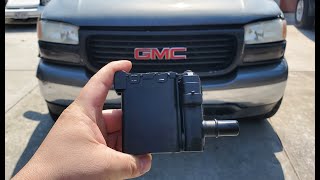
Est. part cost: $30-$100 - Failed EVAP Purge Valve/Solenoid 🟡 Medium Probability This valve is located in the engine bay and controls the flow of fuel vapors to the engine. It can get stuck open or leak internally, creating a small leak path. Some owners have reported receiving new, faulty aftermarket purge valves.
How to confirm: With the engine off, the valve should be closed. You can test it by removing it and trying to blow through it; no air should pass. A more accurate test involves using a handheld vacuum pump on the intake port of the valve to see if it holds a vacuum. A scan tool can also be used to command the valve and check its operation.
Typical fix: Replace the purge valve. This is typically an easy repair located on or near the engine intake, often held by a single bolt.
Est. part cost: $25-$75 - Cracked or Disconnected EVAP Hoses 🟡 Medium Probability The plastic and rubber hoses that make up the EVAP system can become brittle and crack over time due to heat and age, especially the quick-connect fittings.
How to confirm: A visual inspection may reveal obvious cracks or loose connections, particularly around the canister and valves. However, small cracks are often invisible and are best found using a professional EVAP smoke machine, which fills the system with vaporous smoke to reveal the exact leak location.
Typical fix: Replace the damaged section of hose or the entire hose assembly.
Est. part cost: $10-$60
Rare But Worth Checking
- Leaking Charcoal Canister: The plastic housing of the canister itself can develop cracks, causing a leak. This is less common than the valves failing but should be checked during a smoke test if no other source is found.
- Cracked Fuel Tank Filler Neck: Rust and corrosion can perforate the metal filler neck where the gas cap seals, creating a leak that the cap cannot fix. This is more common in regions that use road salt. Owners have fixed this by cleaning the rust off with a wire brush to restore a smooth sealing surface.
- Faulty Fuel Tank Pressure Sensor: In rare cases, the system may not have a leak at all. The Fuel Tank Pressure (FTP) sensor, often located on top of the fuel pump module, can fail and send incorrect data to the ECM, falsely triggering the P0442 code.
Diagnosis Steps
- Check the gas cap. Ensure it is an OEM or quality cap, is tightened until it clicks, and the seal is in good condition.
- Clear the code and drive the vehicle for a few days to see if the light returns. This allows the EVAP system's self-test monitor to run.
- If the light returns, perform a thorough visual inspection of all accessible EVAP hoses and lines between the engine bay and the fuel tank, looking for obvious cracks or disconnections.
- Locate and inspect the EVAP purge solenoid in the engine bay. Remove it and test if it's properly sealed by trying to blow through it or using a handheld vacuum pump.
- Inspect the EVAP vent solenoid and charcoal canister near the fuel tank for damage, corrosion, or being clogged with dirt/mud.
- If no visual faults are found, the most effective next step is to have the system tested with a smoke machine. This test will fill the EVAP system with a harmless, visible smoke under low pressure, making even the smallest leaks easy to spot.
- While the smoke test is running, a scan tool can be used to command the purge and vent valves to open and close, confirming their mechanical operation and checking for leaks through the valves themselves.
Parts You'll Likely Need
- Fuel Cap
(OEM #ACDelco GT225 (for some 2000-2006 models) or GT287)— This is the most frequent and cheapest first step for a P0442 code due to its seal wearing out. Using a quality OEM cap is crucial.
Trusted brands: ACDelco, Stant
OEM price range: $25-$40
Aftermarket price range: $15-$25 - EVAP Canister Vent Solenoid
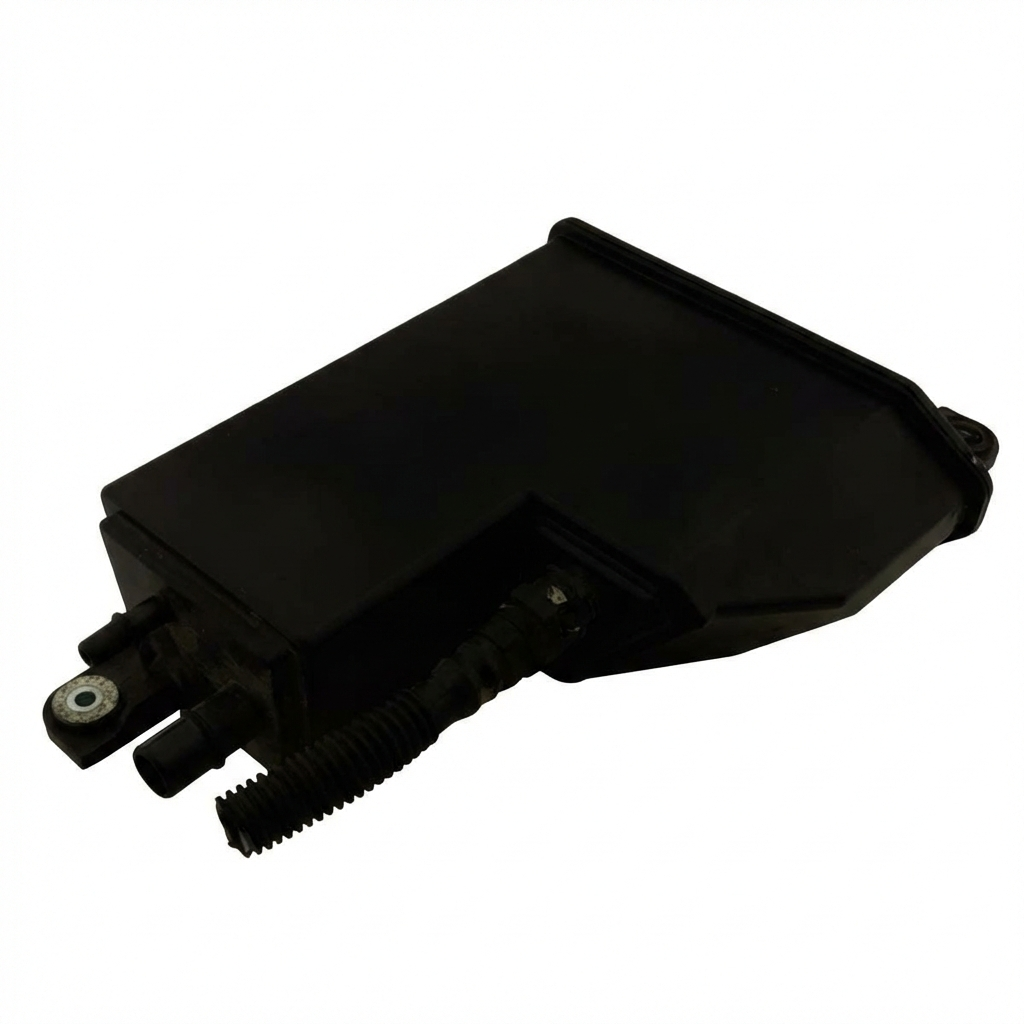
(OEM #ACDelco 214-2149 (fits many 2004+ models), ACDelco 214-2082 (updated kit with filter relocation))— A very common failure point on these trucks due to its location, which exposes it to the elements. It often gets stuck open from dirt/dust ingestion, causing a persistent small leak.
Trusted brands: ACDelco, Dorman (e.g., 911-021), Delphi
OEM price range: $50-$100
Aftermarket price range: $30-$70 - EVAP Purge Solenoid/Valve
(OEM #ACDelco 214-1105 (GM 12581282))— Located in the engine bay, this valve can fail and stick open, causing a leak. It's a common failure item, though slightly less so than the vent solenoid for this code.
Trusted brands: ACDelco, Bosch, Delphi
OEM price range: $40-$75
Aftermarket price range: $25-$50
Related Codes That Often Appear With This One
- P0455 — This code indicates a large EVAP leak. If a component fails significantly (like a completely stuck open vent valve) or a hose becomes disconnected, it may trigger both the small and large leak codes.
- P0449 — This code specifically points to a fault in the EVAP vent solenoid valve control circuit. If you have P0449 along with P0442, the vent solenoid or its wiring is almost certainly the problem.
- P0446 — This code indicates a fault in the EVAP vent system performance. It is often related to a blocked or malfunctioning vent solenoid or a clogged canister, which can also cause a P0442.
Technical Service Bulletins (TSBs) & Recalls
- PIT4943D: Advises technicians on a specific diagnostic procedure for P0442 when a leak is hard to find. It recommends starting the vehicle with the EVAP system commanded closed and monitoring the tank pressure sensor. If vacuum builds, the purge solenoid is likely leaking internally and should be tested with a smoke machine.
- 21-NA-124: Provides general diagnostic tips for P0442 and P0455. It instructs technicians to check EVAP line connections for proper seating and damage first, then test the vent valve for being stuck open, and finally investigate the purge valve.
Platform-Specific Known Issues
- Owner Experience: Vent Solenoid Replacement and Filter Relocation: An owner of a 2006 Silverado with P0442 and P0455 first replaced the gas cap (ACDelco GT225) which did not solve the issue. The next step was replacing the canister vent valve with an updated ACDelco kit (214-2082) that allows the filter to be relocated. The original valve was clogged with dust. The owner cut the old hose off the canister fitting, attached a new 1/2" hose to the new valve, and routed about 10-12 feet of hose along the frame to mount the new filter near the transmission, away from the dust and debris of the rear axle area. This solved the codes and also fixed an issue with the gas pump constantly clicking off during fill-ups.
Mechanic-Grade Diagnostic Values
- Fuel Tank Pressure (FTP) Sensor Voltage — expected: ~1.45V - 1.50V with key on, engine off, and gas cap removed (atmospheric pressure).. Failure: Voltage is stuck and does not change when pressure/vacuum is applied, or reads significantly different from 1.5V at atmospheric pressure.
- EVAP Vent Solenoid Power Supply Voltage — expected: 10-12 Volts DC with key in RUN position.. Failure: No voltage present at the power wire indicates a wiring or fuse issue upstream.
- EVAP Purge Valve Solenoid Resistance — expected: Generally between 20 and 30 Ohms (check specific vehicle service manual).. Failure: A reading that is excessively high, low, or infinite (open circuit) indicates a faulty solenoid coil.
Scan Tool Commands That Help
- GM Tech 2 / Professional Scan Tool: EVAP Service Bay Test — This function commands the vent solenoid to close, sealing the system. The tool then monitors the FTP sensor to see if the system holds vacuum, automatically testing for leaks without a smoke machine. It's a primary step in professional diagnosis.
- GM Tech 2 / Professional Scan Tool: Vent Solenoid On/Off — Used to manually command the vent solenoid closed during a smoke test to confirm it is sealing properly. A technician will command it shut and watch for smoke exiting the vent, which would indicate a failed valve. It can also be used to listen for an audible 'click' to confirm electrical activation.
- GM Tech 2 / Professional Scan Tool: Purge Solenoid On/Off — Used to test the function of the purge valve in the engine bay. A technician can command it open while blowing through it or applying vacuum to ensure it is actuating correctly.
Wiring & Ground Locations
- EVAP Vent Solenoid Power Wire — At the EVAP vent solenoid connector, near the charcoal canister under the truck.. The wire color providing 12V power differs by year. On 1999-2002 models, it is Pink (PNK). On 2003-2006 models, it is Orange (ORG). Knowing the correct wire is crucial for electrical testing.
- EVAP Vent Solenoid Ground Control — The second wire at the vent solenoid connector, which runs back to the Engine Control Module (ECM).. The ECM activates the solenoid by grounding this wire. A break in this wire will cause a circuit code (like P0449) and prevent the solenoid from closing, leading to a P0442 or P0455 leak code.
- EVAP Line Frame Clip — Along the frame rail, where plastic clips hold the metal EVAP vapor line.. Corrosion can occur where the clip holds the metal line against the frame, creating a rust pinhole leak that is hard to see without a smoke test.
Real Owner Repair Stories
- Chevy Talk forum user (2006 Silverado SS, 90k miles) — P0442 and P0455 codes, 'TIGHTEN FUEL CAP' message, fuel pump nozzle constantly clicking off when filling tank.
❌ Tried (didn't work) Replacing the gas cap with a new OEM ACDelco cap.
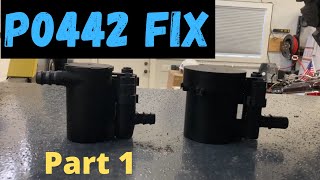
✅ What actually fixed it Replacing the original canister vent valve with the updated ACDelco remote filter kit (part #214-2082). - YouTube video by 'realfixesrealfast' (Older GM truck (model not specified, but applicable to Sierra)) — P0442 code.
❌ Tried (didn't work) Initial focus was on the gas cap itself.
✅ What actually fixed it The fuel filler neck sealing surface was rusted and pitted. The fix was to clean the rust off the metal neck with a wire brush, creating a smooth surface for the gas cap's O-ring to seal against. - YouTube video by 'Nix Fix' (General, applicable to Sierra) — P0442 code, plus long crank time after refueling.
✅ What actually fixed it The EVAP purge valve in the engine bay was mechanically stuck open, even though it clicked when electrically activated. This allowed fuel vapors to flood the engine after fill-ups. Replacing the purge valve solved both issues.
"I Checked Everything" — The Actual Cause
- A valve (purge or vent) can sometimes seal against the low pressure of a smoke machine but fail to seal under the vacuum that the ECM uses for its self-test. A technician found that applying vacuum with a handheld pump revealed the leak when the smoke test did not.
- The Fuel Tank Pressure (FTP) sensor itself can fail. It may read a static voltage (e.g., 1.5V) and not respond to pressure changes. The ECM interprets this lack of change during the test as a leak, triggering P0442 even though the system is perfectly sealed.
OEM Part Supersession History
Multiple, including 10357992, 15138619, 19152349→ACDelco 214-2082 (GM #19207763)— The original vent solenoid design had an integrated filter that was low to the ground and prone to clogging with dust and debris, causing the valve to stick open. The new part is a kit that includes a hose to relocate the filter to a cleaner, higher location.
Heads up: There are different vent valve part numbers depending on the specific year and model within the GMT800 platform. Always verify the part number by VIN before ordering.
Model Year Variations Within This Range
- 2000-2006 (GMT800): The power wire for the EVAP vent solenoid is Pink (PNK) on 1999-2002 models but changed to Orange (ORG) for 2003-2006 models. This is critical for accurate electrical diagnosis.
- 2007: 2007 was a split year. The 'Classic' is a GMT800 truck and follows the earlier design. The 'New Body Style' is a GMT900 truck, which has different ground point locations (e.g., G1xx, G4xx designators) and may have different part routing and designs, though the EVAP system function is fundamentally the same.
Helpful Videos
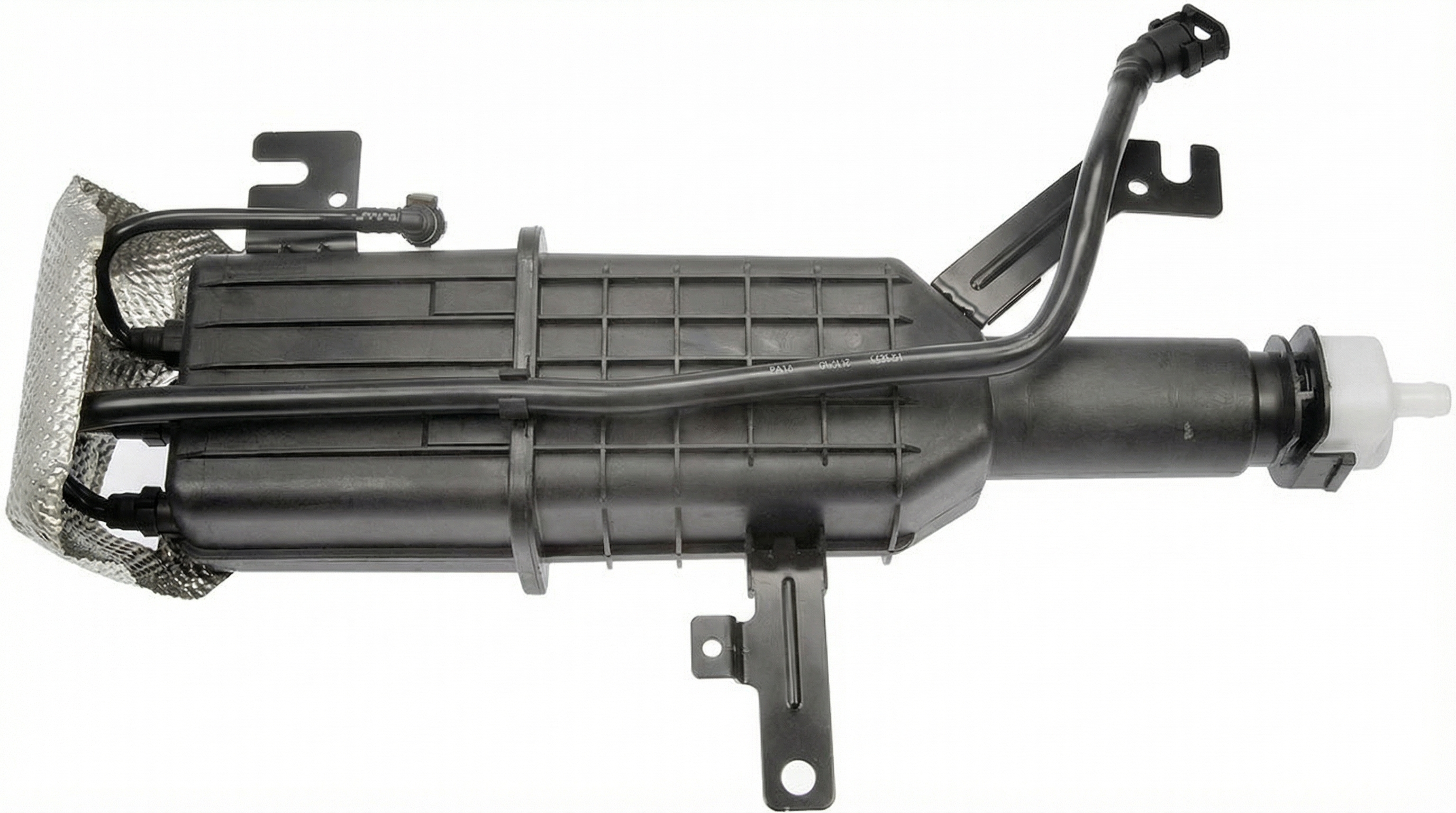
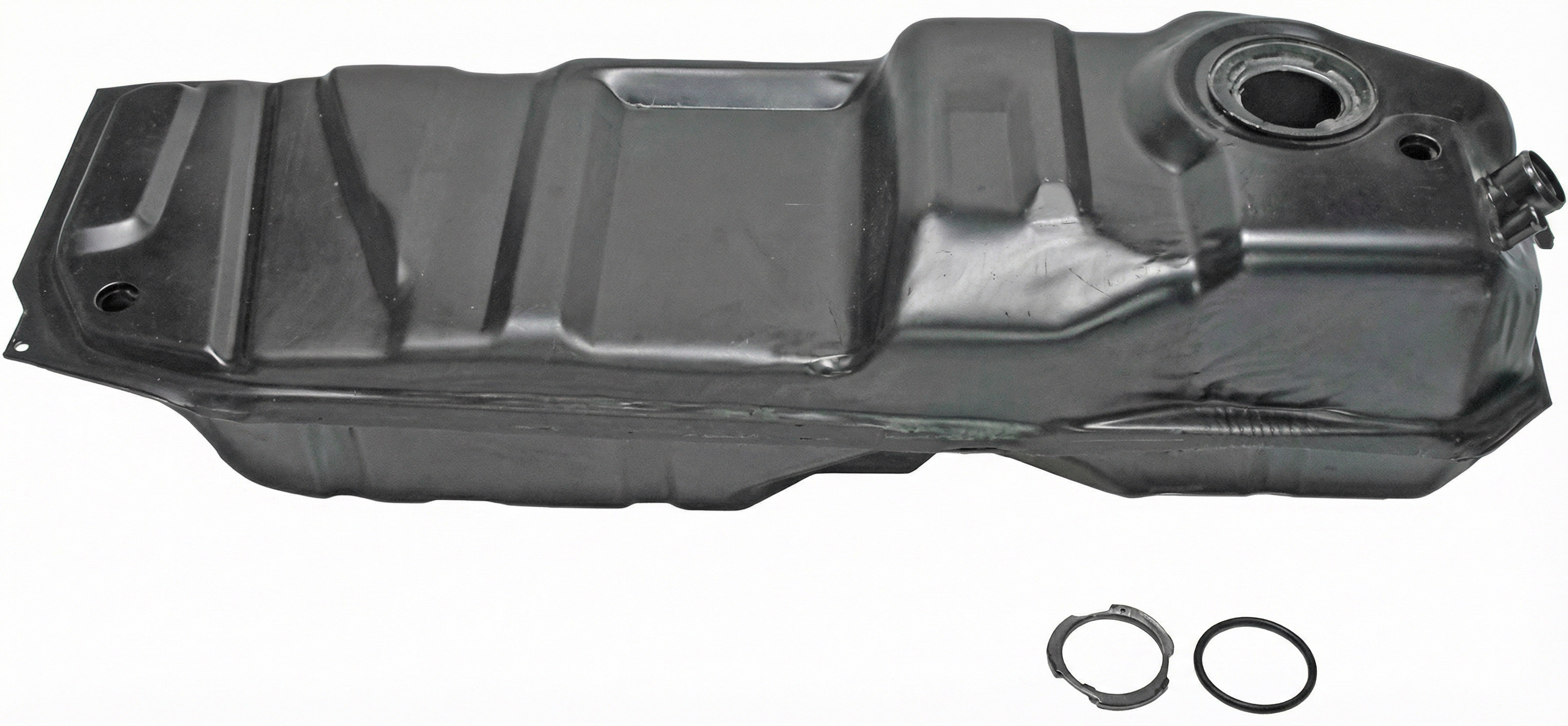
We Have This Part in Stock

The information in this article is provided for general reference and educational purposes only. Vehicle specifications, procedures, and part compatibility can vary by production date, trim level, and region. Always consult your vehicle's factory service manual and verify part numbers before purchasing or performing repairs. Safety-critical components such as airbags, seat belts, and braking systems should be installed by a qualified professional.
- Gmc SIERRA 2500:
- 🎬 Helpful Videos
- 🛍️ Shop This Part
- What's Unique About the 2000-2007 Gmc SIERRA 2500
- Diagnostic Flowchart
- Symptoms You May Notice
- Most Likely Causes
- Rare But Worth Checking
- Diagnosis Steps
- Parts You'll Likely Need
- Related Codes That Often Appear With This One
- Technical Service Bulletins (TSBs) & Recalls
- Platform-Specific Known Issues
- Mechanic-Grade Diagnostic Values
- Scan Tool Commands That Help
- Wiring & Ground Locations
- Real Owner Repair Stories
- "I Checked Everything" — The Actual Cause
- OEM Part Supersession History
- Model Year Variations Within This Range
- 🎟️ Get 5% Off