

P0442 on 2000-2007 GMC Sierra 1500: Causes and Fixes for Small EVAP Leaks
On a 2000-2007 GMC Sierra, P0442 is most often caused by a loose gas cap or a bad EVAP vent solenoid near the fuel tank. Always check the gas cap first. If that's not it, the vent solenoid is the next likely culprit, costing about $25-$75 for the part. This issue is so common that GM issued a service bulletin (02-06-04-037) for a related component failure due to dust and debris.
- P0442 indicates a small leak in the fuel vapor (EVAP) system.
- The most common and easiest fix is to check and tighten the gas cap. If the seal is worn, replace it.
- If the gas cap isn't the issue, the next most likely parts to fail are the EVAP vent solenoid (by the tank) or the purge valve (on the engine).
- The vehicle is safe to drive with this code, but it will not pass an emissions test until the leak is fixed.
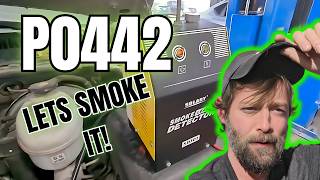
- For leaks that are not obvious, a mechanic's smoke test is the fastest and most reliable way to pinpoint the source.
What's Unique About the 2000-2007 Gmc SIERRA 1500
On this generation of GMC Sierra (and its platform-mate, the Chevrolet Silverado), the EVAP system components are known for specific failure patterns. The EVAP vent solenoid, located near the spare tire, is highly exposed to road debris, water, and dirt, causing it to fail frequently. This problem is so prevalent that GM issued a Technical Service Bulletin (TSB #02-06-04-037) acknowledging that dust and dirt intrusion causes the vent valve to fail, recommending replacement with a kit that relocates the air filter to a cleaner location, often near the transmission bell housing. Additionally, the fuel filler neck and the EVAP lines running along the frame are susceptible to rust and cracking over time, especially in regions that use road salt, creating hard-to-find leaks.
Diagnostic Flowchart
Tap your situation to follow the diagnostic path that matches what you're seeing on this vehicle.
Generation note: This range covers two generations: the GMT800 (2000-2006, and 'Classic' 2007 models) and the GMT900 (new body style 2007). While the EVAP system's function is identical, the exact location and part numbers for components like the vent solenoid may differ slightly. However, the common causes and diagnostic principles, particularly regarding the vent solenoid's vulnerability, are the same for both.
Symptoms You May Notice
- Check Engine Light is on.
- A faint smell of fuel, particularly around the rear of the truck.
- Vehicle will not pass an emissions test.
- Difficulty refueling (gas pump nozzle clicks off repeatedly). This is more common with a clogged vent system (P0446) but can accompany a P0442.
- Replacing the O2 sensors. O2 sensors are not related to the EVAP system.
- Replacing the Fuel Tank Pressure (FTP) sensor. While possible for it to fail, it is much less common than a simple leak from a hose, cap, or valve. A failing FTP sensor often has its own specific trouble codes or will cause the system to fail a smoke test even with no visible leak.
Most Likely Causes
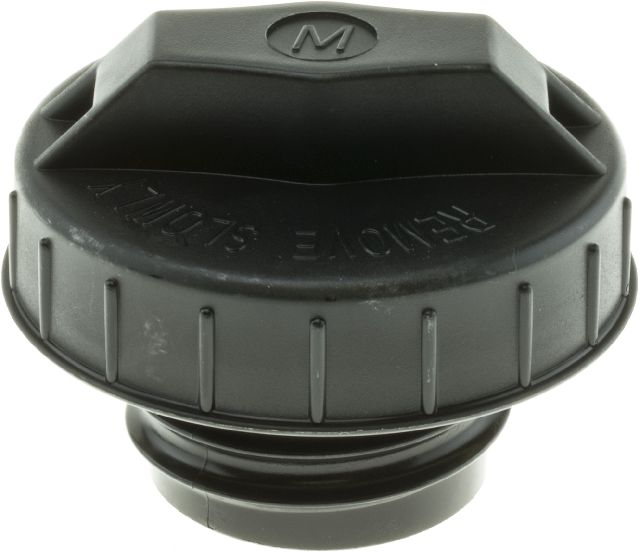
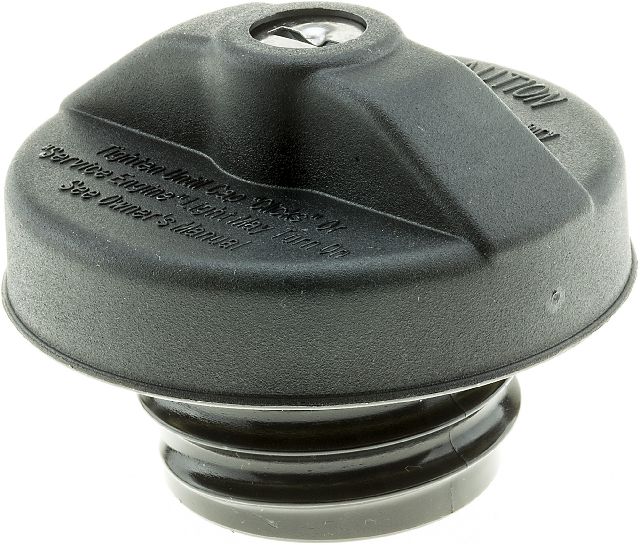
- Loose or Faulty Gas Cap 🔴 High Probability This is the most common cause for any vehicle. The seal can wear out, crack, or the cap may simply not have been tightened correctly after refueling. Many owners report the "tighten gas cap" message on the driver information center (DIC) appearing before the check engine light.
How to confirm: Inspect the gas cap's rubber seal for cracks or brittleness. Ensure the cap clicks at least three times when tightened. A new OEM cap is a cheap and effective first step. If you've replaced it with an aftermarket cap and the code persists, try an OEM cap, as some aftermarket versions have sealing issues.
Typical fix: Replace the gas cap.
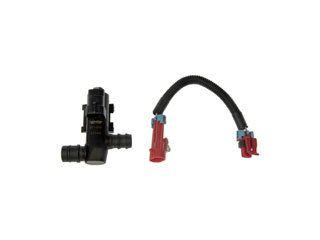
Est. part cost: $15-$30 - Failed EVAP Vent Solenoid 🔴 High Probability The vent solenoid is typically mounted on or near the charcoal canister by the fuel tank, making it highly susceptible to dirt, moisture, and corrosion, which can cause it to stick open or fail electronically. This is a well-documented weak point, leading GM to issue TSB #02-06-04-037, which recommends replacing the valve and relocating the filter to a cleaner area.
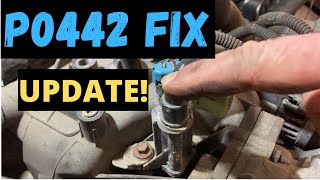
How to confirm: Locate the solenoid near the spare tire. 🎬 Watch: How to replace the EVAP vent solenoid on this generation. Check for obvious damage or corrosion on the electrical connector. A scan tool can command the valve to close; if it doesn't, or if it's clogged with debris, it has failed. A smoke test will show smoke exiting the valve if it's stuck open. Some owners test it by applying 12V power to see if the valve clicks open and closed.
Typical fix: Replace the EVAP vent solenoid. It is highly recommended to use a replacement kit that includes a hose and a remote-mountable filter box to prevent repeat failures from dust intrusion.
Est. part cost: $25-$85 - Failed EVAP Purge Valve/Solenoid 🟡 Medium Probability This valve is located in the engine bay and can get stuck slightly open, creating a small, constant vacuum leak. Owners have reported replacing this part, only to find the new aftermarket part is also faulty and leaks under vacuum test.
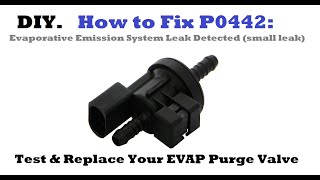
How to confirm: Locate the valve on the intake manifold. With the engine off, disconnect the hose coming from the canister and try to blow through it; it should be closed. A more definitive test is to remove the valve, apply vacuum with a hand pump to the intake side, and see if it holds. It should not leak down. You can also disconnect the electrical connector and start the engine; a properly functioning (normally closed) valve should not allow vacuum to be felt at the port.
Typical fix: Replace the purge valve.
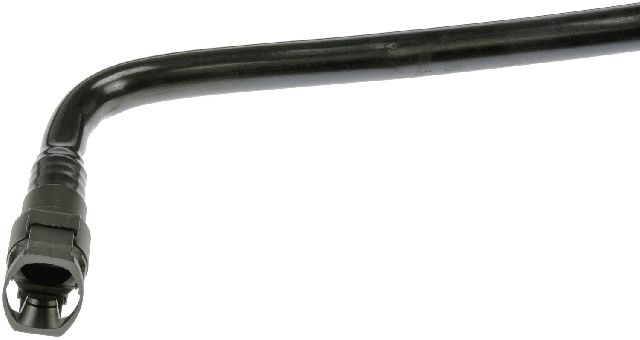
Est. part cost: $25-$60 - Cracked or Disconnected EVAP Hoses 🟡 Medium Probability Over many years, the plastic and rubber EVAP lines that run along the truck's frame can become brittle from heat and age, leading to small cracks, especially at bends or connection points.
How to confirm: A visual inspection may reveal obvious cracks, especially at bends or connection points. A smoke test is the most effective way to find a small hose leak. Pay close attention to the lines near the vent and purge solenoids and where they connect to the charcoal canister.
Typical fix: Replace the cracked section of the hose or the entire line assembly.
Est. part cost: $10-$50
Rare But Worth Checking
- Rusted Fuel Filler Neck: In areas with heavy road salt use, the metal fuel filler neck can rust through, creating a leak that is often mistaken for a bad gas cap. Owners report finding pinholes under the plastic shroud where dirt and moisture collect. A temporary fix can sometimes be made with putty like JB Weld or Quick Steel after sanding the area clean, but replacement is the correct repair.
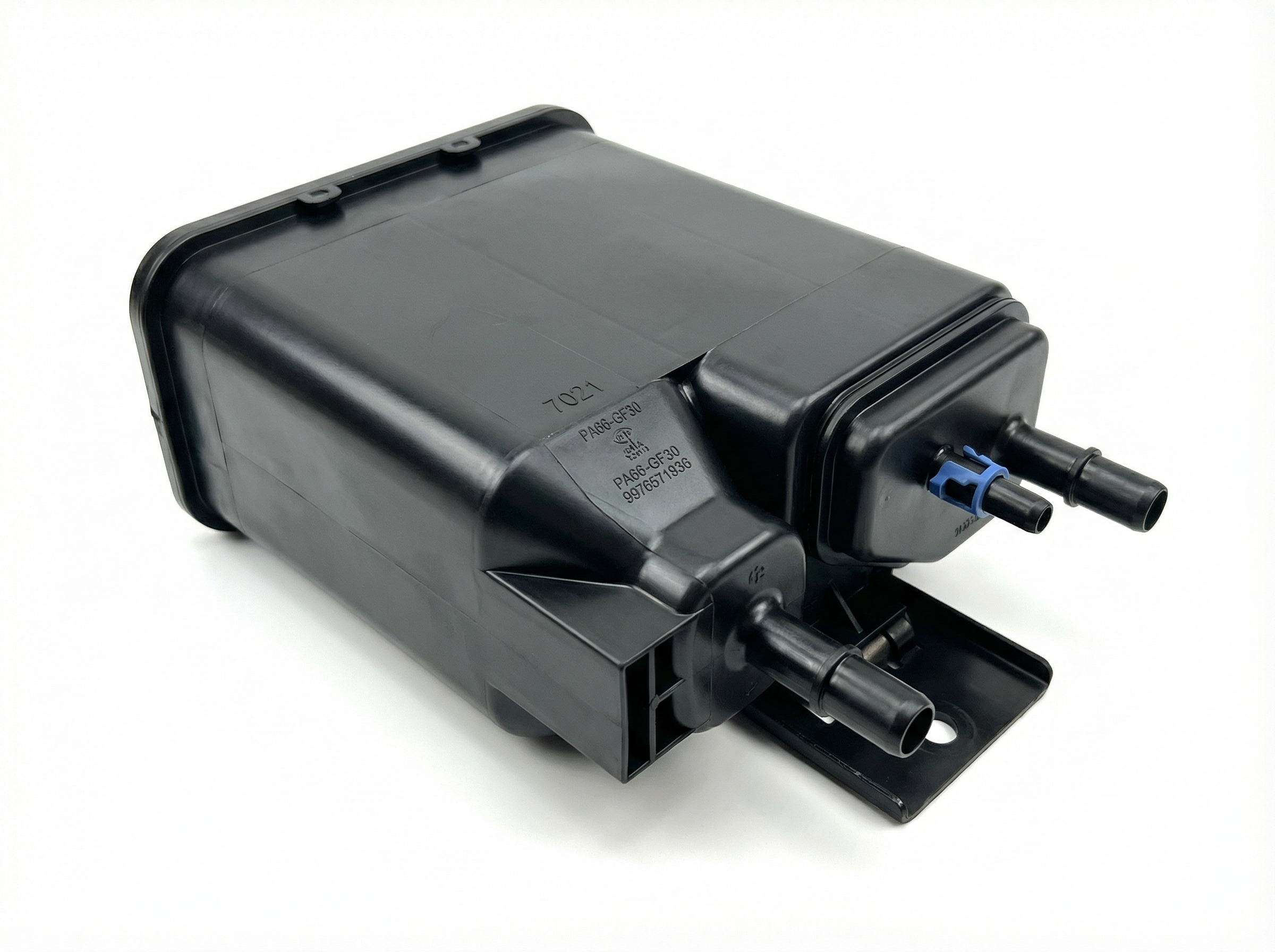
- Cracked Charcoal Canister: While durable, the plastic housing of the charcoal canister can be damaged by road debris or develop stress fractures, causing a leak. This is often found during a smoke test after all other common components have been checked.
- Leaking Fuel Tank Gasket/Seal: The large O-ring that seals the fuel pump assembly to the top of the fuel tank can degrade over time, causing a vapor leak. One owner on a Chevrolet forum found this to be the cause of a persistent P0442 after replacing all other common parts.
Diagnosis Steps
- Read the code with an OBD-II scanner and check for any other related codes. Note any freeze frame data.
- Inspect the gas cap. Ensure it is tight and the rubber seal is not cracked or missing. If in doubt, replace it with an OEM part. Clear the code and drive for a few days to see if it returns.
- Perform a thorough visual inspection of all accessible EVAP hoses and lines from the engine bay to the fuel tank, looking for obvious cracks, damage, or loose connections. Pay special attention to the fuel filler neck for signs of rust or perforation.
- Locate the EVAP vent solenoid near the fuel tank/spare tire. Inspect it and its electrical connector for corrosion or damage.
- Locate the EVAP purge valve in the engine bay (on top of the intake manifold) and inspect it and its connections. Perform a vacuum test on the valve with a hand pump to ensure it's not leaking internally.
- If no obvious issues are found, the most effective next step is a smoke test. A smoke machine injects low-pressure smoke into the EVAP service port (located in the engine bay). Wherever smoke escapes is the source of the leak. 🎬 Watch: How to find a small EVAP leak using a smoke test.
- While the smoke test is running, use a scan tool to command the vent solenoid to close. If smoke immediately billows out of the vent solenoid, the valve is bad.
- If no leaks are found with smoke, the Fuel Tank Pressure (FTP) sensor itself could be faulty, providing incorrect readings to the computer.
- After replacing the faulty part, clear the code and perform a complete EVAP drive cycle to confirm the fix.
Parts You'll Likely Need
- Gas Cap — This is the most frequent and cheapest fix for P0442 due to a worn seal or not being tightened properly.
Trusted brands: ACDelco, Stant
OEM price range: $20-$35
Aftermarket price range: $15-$25 - EVAP Vent Valve Solenoid
(OEM #25932571 (ACDelco 214-2149 is a common replacement part number for the valve itself, but kits with filter relocation are recommended))— Its exposed location under the truck makes it prone to failure from dirt and moisture, causing it to stick open. This is a very common failure on these trucks.
Trusted brands: ACDelco, Dorman, Standard Motor Products
OEM price range: $50-$85
Aftermarket price range: $25-$60
Related Codes That Often Appear With This One
- P0455 — This indicates a large EVAP leak. If a component like the vent valve is completely stuck open or a hose is disconnected, the system may detect both a small and large leak.
- P0449 — This code specifically points to a fault in the EVAP vent solenoid's electrical circuit. If you see P0449 with P0442, the vent solenoid or its wiring is almost certainly the problem.
- P0446 — This indicates a problem with the EVAP vent control system's performance, often a blockage. A clogged vent solenoid or canister can trigger this code alongside P0442.
Technical Service Bulletins (TSBs) & Recalls
- 21-NA-124: Provides general diagnostic tips for testing EVAP system leaks related to DTCs P0442 and P0455. It advises checking lines for proper connection and damage first, then investigating the vent valve, and finally the purge valve.
- 02-06-04-037 (and subsequent revisions): Specifically addresses check engine lights with codes like P0446, P0449, P0455, and P0442 due to a restricted/blocked EVAP vent path from dirt and dust. It recommends replacing the vent valve assembly and installing a filter relocation kit.
Platform-Specific Known Issues
- Vent Solenoid Filter Clogging (TSB 02-06-04-037): The original design of the vent solenoid filter was highly susceptible to clogging from dust and debris, especially on trucks used in rural or off-road conditions. This would lead to codes P0446, P0449, and sometimes P0442. The official GM fix involves replacing the vent solenoid and installing a kit that relocates the filter to a cleaner location, such as high on the transmission bell housing.
- Owner Experience: Persistent P0442 After Multiple Part Replacements: A user on ChevroletForum.com shared their frustrating experience with a 2007 Silverado and a recurring P0442. After a dealer replaced the gas cap, purge valve, and charcoal canister, and fixed a loose filler neck, the code returned. The key symptom was the gas pump nozzle clicking off during refueling, pointing to a vent path issue. A technician on the forum suggested the issue could be a faulty Fuel Tank Pressure (FTP) sensor giving bad data, even if a smoke test shows no leak.
Mechanic-Grade Diagnostic Values
- EVAP Canister Purge Valve Solenoid Resistance — expected: 30 to 38 ohms (when cool). Failure: A resistance reading significantly outside this range indicates a faulty solenoid coil.
- EVAP Canister Vent Solenoid Resistance — expected: 48 to 65 ohms. Failure: A reading outside this range suggests the solenoid coil is bad.
- Fuel Tank Pressure (FTP) Sensor Voltage (Key On, Engine Off, Gas Cap Off) — expected: ~1.45V - 1.50V (at atmospheric pressure). Failure: A reading of 0V or 5V, or a voltage that is stuck and does not change when pressure/vacuum is applied, indicates a faulty sensor or wiring issue.
Scan Tool Commands That Help
- GM Tech2 / Professional Scan Tool: EVAP Service Bay Test — This is a powerful bidirectional function that forces the ECM to seal the EVAP system (by commanding the vent solenoid closed) and run its internal leak test on demand. It allows a technician to monitor the Fuel Tank Pressure (FTP) sensor reading in real-time to see if the system holds a vacuum, confirming a leak without necessarily needing a smoke machine.
Wiring & Ground Locations
- EVAP Vent Solenoid Power Wire — At the EVAP vent solenoid connector, near the charcoal canister under the truck.. The wire color providing 12V power differs by year. On 1999-2002 models, it is Pink (PNK). On 2003-2006 models, it is Orange (ORG). Knowing the correct wire is crucial for electrical testing.
- G103 — On the front of the right (passenger side) cylinder head.. This is a primary ground for the Engine Control Module (ECM). While not exclusively for the EVAP system, a poor connection here can cause erratic behavior from any sensor or solenoid the ECM controls, including the EVAP purge and vent valves.
Real Owner Repair Stories
- Chevrolet Forum user (2012 Chevy Silverado) — Persistent P0442 code.
❌ Tried (didn't work) Replaced Purge Valve, Replaced Gas Cap, Replaced Vent Solenoid
✅ What actually fixed it A smoke test revealed a leak in the fuel pump itself, requiring replacement of the fuel pump module to fix the EVAP code. - Go-Parts owner experience summary (2006 Silverado) — P0442 and P0455 codes, gas pump constantly clicking off during refueling.
❌ Tried (didn't work) Replaced gas cap (ACDelco GT225)
✅ What actually fixed it Replaced the canister vent valve with an updated ACDelco kit (214-2082) that included a hose to relocate the filter to a cleaner area near the transmission. The original valve was found to be clogged with dust. This resolved all codes and the refueling issue.
"I Checked Everything" — The Actual Cause
- A faulty Fuel Tank Pressure (FTP) sensor. The sensor itself can fail in a way that it continuously reports a plausible, but incorrect, pressure (e.g., stuck at 1.5V). The ECM commands the system to seal and expects to see a pressure change, but the sensor doesn't report one. The ECM interprets this lack of change as a leak, triggering P0442 even though the system is perfectly sealed and will pass a smoke test.
- A purge or vent valve that seals under the low pressure of a smoke machine, but fails to seal under the vacuum created by the engine during the EVAP self-test. A technician can diagnose this by removing the valve and applying vacuum with a handheld pump to see if it leaks down.
OEM Part Supersession History
Various original vent solenoids→Service Kit P/N 19207762 (for 1999-2003 models) or P/N 19207763 (for 2004-2009 models)— The original vent solenoid design was highly susceptible to dirt and dust intrusion, causing it to stick open or become restricted.
Heads up: These kits replace the original valve and add a long hose and a remote filter box that must be mounted in a cleaner location, typically above the transmission, to prevent repeat failures. The common replacement part ACDelco 214-2149 is an updated valve often used in these kits.
Model Year Variations Within This Range
- 2000-2006 (GMT800) vs. 2007 (GMT900): 2007 was a split year. The 'Classic' body style is a GMT800 truck and follows the earlier design. The 'New Body Style' is a GMT900 truck. While the P0442 cause is often the same (e.g., vent solenoid), the physical part designs, mounting locations, and wiring/ground points can be substantially different and are not interchangeable.
- 2000-2002 vs. 2003-2006: The 12V power feed wire to the EVAP canister vent solenoid changed color. On 1999-2002 models, the wire is Pink (PNK). On 2003-2006 models, it is Orange (ORG). This is a critical detail for accurate electrical diagnosis at the solenoid connector.
Helpful Videos
Used OEM Parts in Stock

New Aftermarket Parts Available


The information in this article is provided for general reference and educational purposes only. Vehicle specifications, procedures, and part compatibility can vary by production date, trim level, and region. Always consult your vehicle's factory service manual and verify part numbers before purchasing or performing repairs. Safety-critical components such as airbags, seat belts, and braking systems should be installed by a qualified professional.
- Gmc SIERRA 1500:
- 🎬 Helpful Videos
- 🛍️ Shop This Part
- What's Unique About the 2000-2007 Gmc SIERRA 1500
- Diagnostic Flowchart
- Symptoms You May Notice
- Most Likely Causes
- Rare But Worth Checking
- Diagnosis Steps
- Parts You'll Likely Need
- Related Codes That Often Appear With This One
- Technical Service Bulletins (TSBs) & Recalls
- Platform-Specific Known Issues
- Mechanic-Grade Diagnostic Values
- Scan Tool Commands That Help
- Wiring & Ground Locations
- Real Owner Repair Stories
- "I Checked Everything" — The Actual Cause
- OEM Part Supersession History
- Model Year Variations Within This Range
- 🎟️ Get 5% Off