

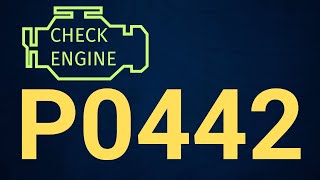
P0442 on 2013-2020 Chevrolet Trax: EVAP Small Leak Causes and Fixes
P0442 on a Chevy Trax indicates a small leak in the EVAP system. The most common causes are a faulty gas cap or a failing vapor canister purge valve on the engine. A new gas cap is under $25, while a purge valve is a common DIY fix costing $30-$60 that can often be done without tools.
- P0442 on a 2013-2020 Trax means the computer has found a small leak in the fuel vapor system.
- Always check the gas cap first. Make sure it's tight and the seal is not cracked.
- The most likely faulty part is the vapor canister purge valve on the engine (Part #55573017), a common failure on this 1.4L engine.
- If the code appears with P0496 (Incorrect Purge Flow), the purge valve is almost certainly the culprit.
- While you can drive with this code, you will fail an emissions test, so it's best to address it promptly.
What's Unique About the 2013-2020 Chevrolet TRAX

The 1.4L turbocharged engine in the first-generation Chevy Trax is also used in the Sonic, Cruze, and Buick Encore, and they all share a common EVAP system design and its associated weak points. The vapor canister purge valve is a notoriously common failure item on this platform, often causing a P0442 code, sometimes accompanied by a P0496 code. This specific part fails so frequently that it's the first component to suspect after checking the gas cap. Some owners report replacing this valve every couple of years. GM has issued extended warranties for this part on some model years, including Special Coverage N232395300 for the 2020 Trax, extending coverage to 15 years or 150,000 miles.
Diagnostic Flowchart

Tap your situation to follow the diagnostic path that matches what you're seeing on this vehicle.
Symptoms You May Notice
- Check Engine Light is on
- A faint smell of gasoline, particularly around the rear of the vehicle or after parking in a garage.
- Difficulty starting the engine immediately after refueling (if the purge valve is stuck open).
- Slightly rough idle (less common, but possible if the purge valve is leaking).
- Reduced fuel economy (uncommon for a small leak, but possible).
- Fuel pump nozzle clicks off repeatedly when trying to fill the gas tank (can indicate a blocked vent path, sometimes related to EVAP issues).
- Replacing the O2 sensors. O2 sensors are not part of the EVAP system and will not cause a P0442 code.
- Replacing the catalytic converter. While other codes might point to the converter, P0442 is strictly an EVAP system code.
- Replacing the purge valve without checking the gas cap first. Many owners have replaced the valve only to find the issue was a much cheaper and simpler bad gas cap.
Most Likely Causes

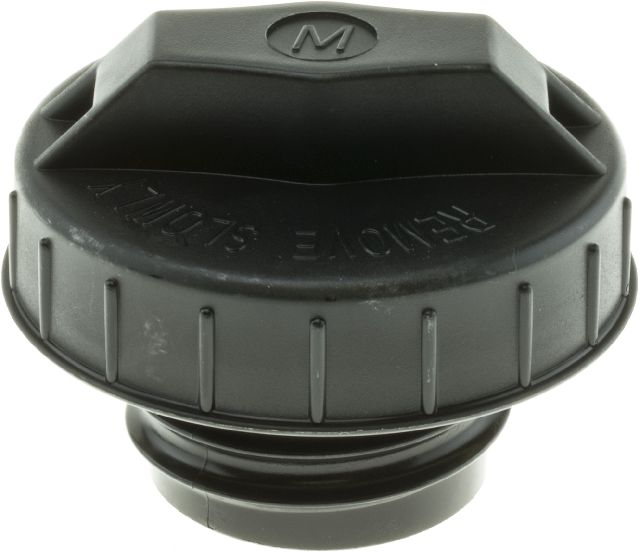
- Loose or Faulty Gas Cap 🔴 High Probability The gas cap is the most frequently removed and re-installed part of the emissions system. Its seal can wear out, get cracked, or the cap can simply be left loose after refueling. Aftermarket gas caps are also a common source of leaks if they don't seal as well as the OEM part.
How to confirm: Ensure the gas cap is tightened until it clicks several times. Inspect the rubber O-ring on the cap for cracks, stiffness, or damage. Check the fuel filler neck for rust or debris that could prevent a good seal. If you suspect the cap, a new OEM one is a cheap and effective first step.
Typical fix: Tighten or replace the gas cap. An OEM replacement is recommended.
Est. part cost: $15-$30 - Vapor Canister Purge Valve/Solenoid 🔴 High Probability This component is a well-documented, high-failure-rate part on the 1.4L GM engine platform used in the Trax, Cruze, Sonic, and Encore. It can get stuck open or closed, causing a leak or incorrect flow. Its failure is so common that GM issued special coverage warranties for it on some models.
How to confirm: With the engine off, disconnect the purge valve and try to blow through it. It is a normally closed valve, so if air passes through, it is defective and needs replacement. Another common symptom is a long crank or difficult start after refueling. This issue often triggers code P0496 alongside P0442.
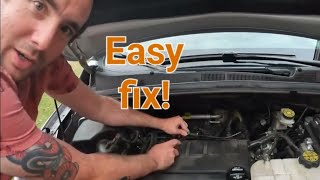
Typical fix: Replace the purge valve assembly located on the intake manifold. This is often a tool-free, 5-minute job. 🎬 Watch this quick walkthrough of the purge valve replacement.
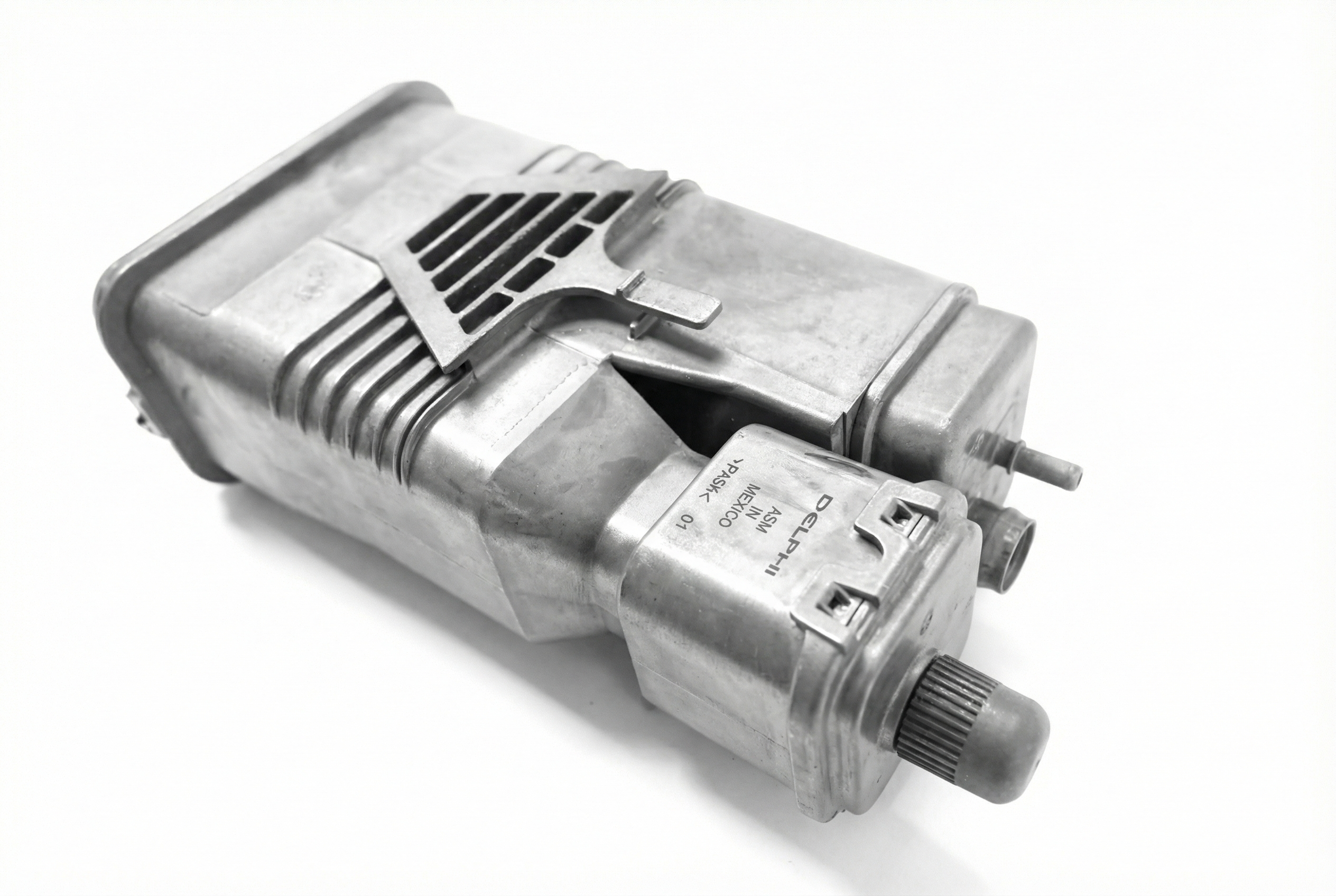
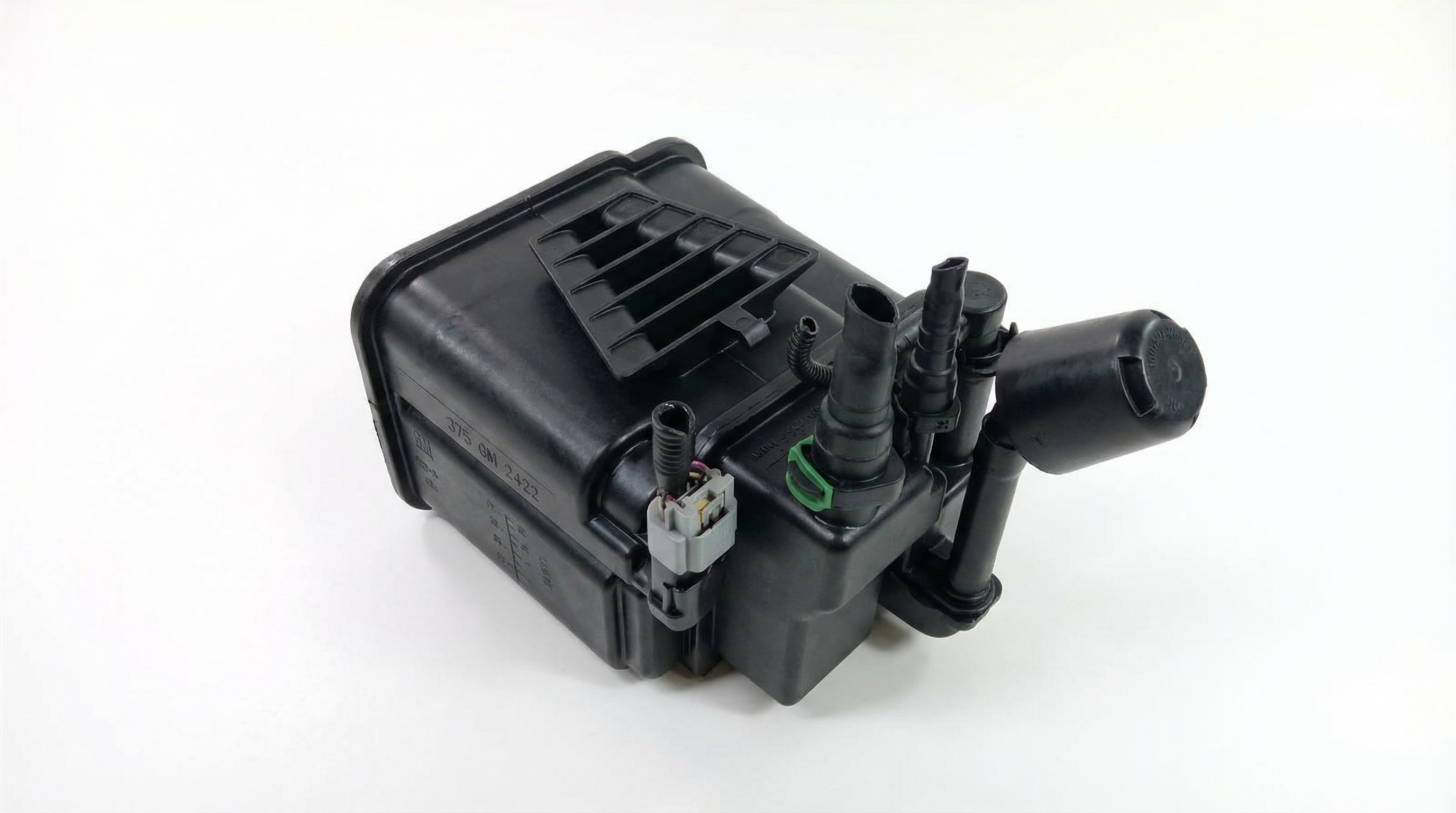
Est. part cost: $30-$60 - EVAP Vent Valve/Solenoid 🟡 Medium Probability Located near the fuel tank and charcoal canister, this valve can get stuck open due to dirt, debris, or internal failure, especially in areas with road salt or dust, creating a system leak.
How to confirm: The vent valve is normally open and closes when powered. Diagnosis often requires a bi-directional scan tool to command it closed during a smoke test. If smoke escapes from the vent valve when commanded shut, it has failed. You can also test it by applying 12V power; it should click closed and you should not be able to blow through it.
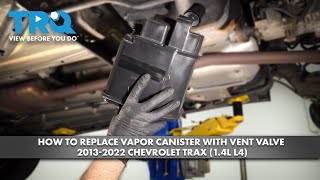
Typical fix: Replace the vent valve, which is often attached to the charcoal canister 🎬 See how to replace the vapor canister and vent valve. near the fuel tank.
Est. part cost: $40-$75 - Cracked or Disconnected EVAP Hoses ⚪ Low Probability Over time, the plastic and rubber hoses in the EVAP system can become brittle and crack, or connections can become loose, particularly the fittings at the purge valve or canister.
How to confirm: A visual inspection may reveal obvious cracks, but small leaks often require a smoke test. A mechanic will introduce pressurized smoke into the EVAP system's service port and look for where it escapes. GM TSB #21-NA-124 specifically advises technicians to check that all EVAP line connections are fully seated before replacing parts.
Typical fix: Replace the damaged section of hose or secure the loose connection.
Est. part cost: $10-$50
Rare But Worth Checking
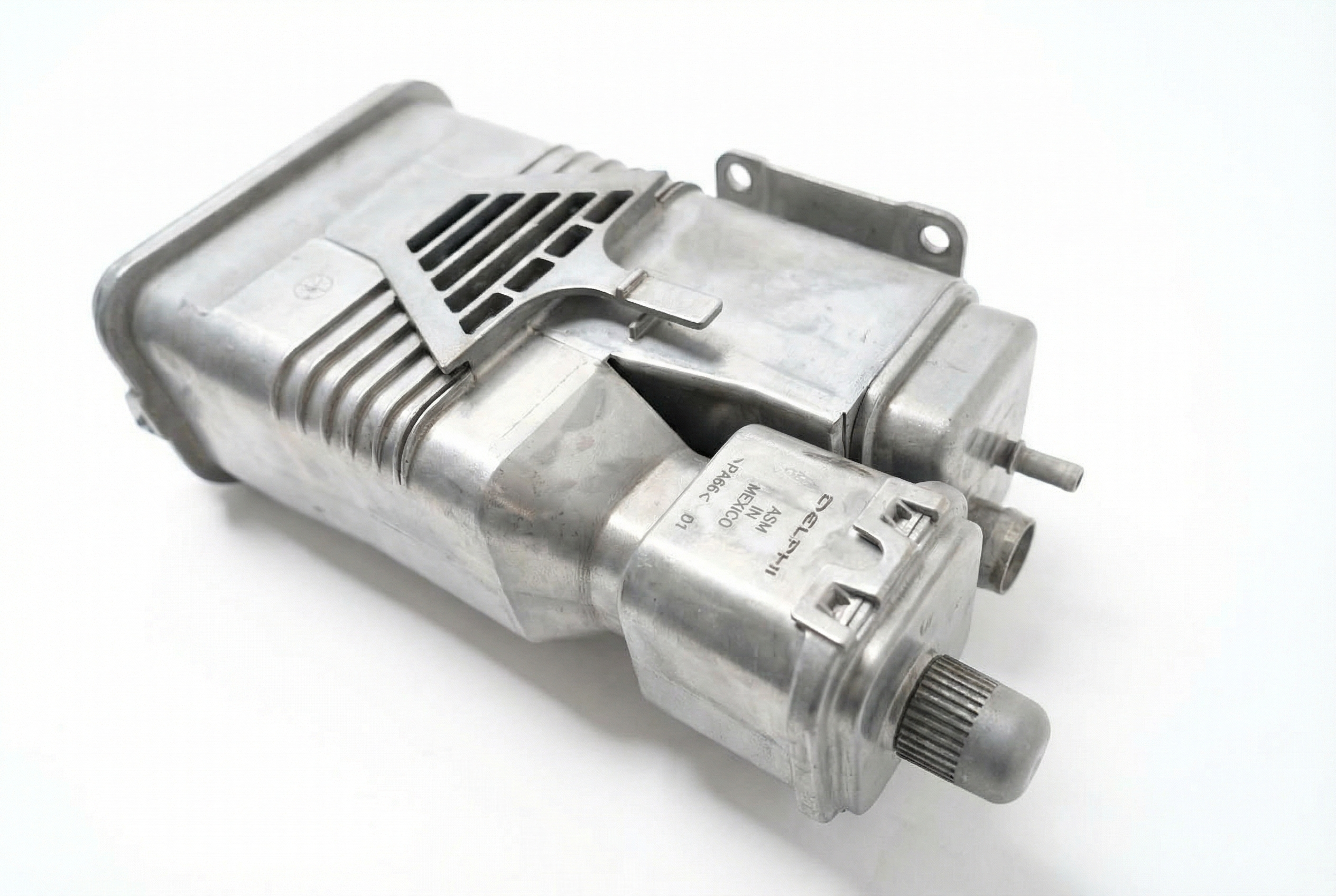
- Leaking Charcoal Canister: The plastic housing of the charcoal canister itself can develop hairline cracks over time, leading to a small leak. This is usually found with a smoke test after all other components have been checked.
- Faulty Fuel Tank Pressure (FTP) Sensor: In rare cases, the sensor that reports pressure to the computer can fail, causing the ECM to believe there is a leak when there isn't one. This is uncommon and should be considered only after a smoke test finds no leaks.
- Blown EVAP System Fuse: A blown fuse for the purge or vent solenoid can prevent the system from operating correctly during its self-test, potentially leading to a P0442 code. On the related Chevy Cruze, this can be fuse #3 or #13 in the under-hood fuse box.
Diagnosis Steps
- Scan the vehicle for any other stored trouble codes. Pay special attention to codes like P0455, P0496, or P0449.
- Inspect the gas cap. Remove it, check for cracks in the seal, and ensure it's the correct type for the vehicle. Clean the filler neck sealing surface. Reinstall the cap, ensuring it clicks multiple times. Many forum users report solving the code with a new OEM gas cap after an aftermarket one failed.
- Clear the code and drive the vehicle for a few days to see if the light returns. If it does, proceed with further diagnosis.
- Locate the EVAP purge valve on the top of the engine, attached to the intake manifold. Visually inspect its connections.
- Test the purge valve. With the engine off, disconnect the valve and attempt to blow through it. If any air passes, the valve is stuck open and must be replaced. A long crank after refueling is another strong indicator of a failed-open purge valve.
- If the purge valve is good, visually inspect all accessible EVAP hoses between the engine, charcoal canister, and fuel tank for obvious cracks or damage.
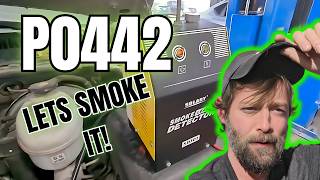
- If no visible issues are found, the most effective next step is to perform a smoke test. This involves injecting smoke into the EVAP test port (often near the purge valve) and watching for leaks from any hoses, the charcoal canister, the vent valve, or the gas cap seal. This procedure is referenced in GM's Technical Service Bulletins. [Bulletin #PIT4943D, Bulletin #21-NA-124]
- During the smoke test, a scan tool can be used to command the vent valve (normally open) to close, sealing the system for the test. If smoke pours out of the vent valve area when it's commanded shut, the valve has failed.
Parts You'll Likely Need

- Vapor Canister Purge Valve
(OEM #55573017)— This is the most common failure point on the 1.4L engine that causes a P0442 code, often accompanied by P0496. It is a well-documented issue across the GM platform.
Trusted brands: ACDelco / GM Genuine Parts, Dorman (911-082), Standard Motor Products (CP781)
OEM price range: $45-$65
Aftermarket price range: $25-$50 - Fuel Cap
(OEM #GT331)— A worn or improperly sealed gas cap is a very common and simple-to-fix cause for a small EVAP leak. Forum users often report that only an OEM cap will solve the problem permanently.
Trusted brands: ACDelco, Stant
OEM price range: $20-$30
Aftermarket price range: $15-$25 - EVAP Canister Vent Valve
(OEM #25950499)— This valve, located near the fuel tank, can get stuck open or fail to seal properly, causing a leak. It's often replaced after a smoke test confirms the leak source.
Trusted brands: ACDelco / GM Genuine Parts, Dorman
OEM price range: $50-$80
Aftermarket price range: $40-$60
Related Codes That Often Appear With This One
- P0455 — Evaporative Emission System Leak Detected (Large Leak). This often appears with P0442 if a small leak worsens or if a component fails intermittently. Both codes are addressed by the same diagnostic procedures.
- P0496 — Evaporative Emission System Incorrect Purge Flow. This code strongly points to a faulty purge valve that is stuck open, allowing fuel vapor to flow when it shouldn't. It is the most common companion code to P0442 on this platform.
- P0171 — System Too Lean (Bank 1). A leaking purge valve can create a vacuum leak, allowing unmetered air into the intake manifold and causing a lean condition. This was also seen in NHTSA ODI #11710113.
- P0449 — Evaporative Emission System Vent Valve/Solenoid Circuit. This code specifically points to an electrical fault in the vent valve circuit, whereas P0442 is a mechanical leak. It appeared alongside P0442 in NHTSA ODI #11710113, suggesting a potential vent valve issue.
Technical Service Bulletins (TSBs) & Recalls
- Bulletin #21-NA-124: Provides diagnostic tips for technicians for P0442 and P0455. It advises checking all EVAP line connections for proper seating and damage before suspecting the vent or purge valves.
- Bulletin #PIT4943D: Directs technicians to a Techlink article about proper use of an EVAP smoke tester for diagnosing code P0442.
Platform-Specific Known Issues
- The vapor canister purge valve (GM Part #55573017) is a frequent point of failure on the 1.4L engine, making it a primary suspect for code P0442. The replacement is extremely simple, often requiring no tools and taking less than 10 minutes.
- Owners on forums for the Trax and its platform-mates (Cruze, Sonic) frequently discuss the P0442 code, with the overwhelming consensus pointing to either the gas cap or the purge valve as the fix.
Mechanic-Grade Diagnostic Values
- Vapor Canister Purge Valve Solenoid Resistance — expected: 15 - 30 Ohms. Failure: A reading far outside this range, or showing an open (infinite) or short (zero) circuit, indicates a failed solenoid coil.
- EVAP Canister Vent Valve Solenoid Resistance — expected: 20 - 50 Ohms. Failure: A reading of 0 Ohms (short) or infinite Ohms (open) points to a failed coil.
- Fuel Tank Pressure (FTP) Sensor Voltage (Key On, Engine Off) — expected: 1.3V - 1.7V (at normal atmospheric pressure). Failure: A voltage reading that is stuck at 0V, 0.3V, or 5V suggests a faulty sensor or a wiring issue. The normal operating signal range is typically between 0.5V and 4.5V.
Scan Tool Commands That Help
- GDS2 (GM Dealer Tool) or equivalent professional scanner: EVAP Service Bay Test / Vent Valve Solenoid Control — This bidirectional command is used during a smoke test. The vent valve is normally open, so to seal the system for a pressure/smoke test, the technician must use the scan tool to command the vent valve closed. If smoke still escapes from the vent valve when commanded 'Not Venting' or closed, the valve is faulty.
Wiring & Ground Locations
- G103 — Located at the left rear of the engine compartment on the cowl, above the brake booster.. This is a primary ground location for the Engine Control Module (ECM) and Body Control Module (BCM). A poor or corroded ground here can cause erratic behavior from multiple systems, including the EVAP system controls, potentially leading to false codes or incorrect sensor readings.
Real Owner Repair Stories
- Reddit user comment in r/ChevyTrax (2025 Chevrolet Trax (applies to the new generation, but the issue is relevant to EVAP leaks)) — Check Engine Light with code P0442 at only 3,000 miles.
❌ Tried (didn't work) Not specified, but the issue was not a simple gas cap or purge valve.
✅ What actually fixed it The dealer replaced the fuel filler neck under a service bulletin to resolve the EVAP leak.
"I Checked Everything" — The Actual Cause
- In a documented case on a similar GM vehicle (Chevy Tahoe), a P0442 code was present but a smoke test showed no leaks. The final cause was determined to be a faulty EVAP purge valve that was intermittently failing but sealed correctly during the test. This highlights that component testing (electrically and mechanically) is critical even if a smoke test is negative.
OEM Part Supersession History
55573017→55573017— No supersession found.
Heads up: This part number appears to be stable for the 1.4L LUV engine across the 2013-2020 model years and is shared with the Cruze, Sonic, and Encore.
Helpful Videos

Used OEM Parts in Stock


New Aftermarket Parts Available


The information in this article is provided for general reference and educational purposes only. Vehicle specifications, procedures, and part compatibility can vary by production date, trim level, and region. Always consult your vehicle's factory service manual and verify part numbers before purchasing or performing repairs. Safety-critical components such as airbags, seat belts, and braking systems should be installed by a qualified professional.
- Chevrolet TRAX:
- 🎬 Helpful Videos
- 🛍️ Shop This Part
- What's Unique About the 2013-2020 Chevrolet TRAX
- Diagnostic Flowchart
- Symptoms You May Notice
- Most Likely Causes
- Rare But Worth Checking
- Diagnosis Steps
- Parts You'll Likely Need
- Related Codes That Often Appear With This One
- Technical Service Bulletins (TSBs) & Recalls
- Platform-Specific Known Issues
- Mechanic-Grade Diagnostic Values
- Scan Tool Commands That Help
- Wiring & Ground Locations
- Real Owner Repair Stories
- "I Checked Everything" — The Actual Cause
- OEM Part Supersession History
- 🎟️ Get 5% Off