

P0442 on 2017-2023 Chevrolet Traverse: Causes and Fixes for Small EVAP Leaks
For a 2017-2023 Traverse, code P0442 is most often caused by a faulty EVAP purge valve located on the engine. A loose or bad gas cap (on 2017 models) is another prime suspect. Replacing the purge valve is a common DIY fix costing between $30 and $80 for the part.
- P0442 indicates a small leak in the emissions vapor system.
- For all 2017-2023 Traverse models, the most likely culprit is a faulty EVAP purge valve on the engine, which is a simple DIY replacement.
- On 2017 models, always check that the gas cap is tight and its seal is intact before attempting other repairs.
- If the code appears with P0496 (High Purge Flow), the purge valve is almost certainly the problem.
- If simple checks don't resolve the issue, a professional smoke test is the best way to find the leak.
What's Unique About the 2017-2023 Chevrolet TRAVERSE

This year range spans two generations of the Traverse. The 2017 model (first generation) has a traditional gas cap, which is 🎬 See how to replace the purge valve on a 2017 model. a common failure point. The second generation (2018-2023) uses a capless fuel filler system, shifting the most common cause of P0442 to the EVAP purge valve. This purge valve is a known high-failure item on GM's 3.6L V6 engine, which is the primary engine for this vehicle. GM has also issued TSBs like #21-NA-124 that provide diagnostic advice for this exact code on their vehicles, acknowledging it's a frequent issue. For some model years, GM has extended the warranty on the purge valve due to known issues.
Diagnostic Flowchart

Tap your situation to follow the diagnostic path that matches what you're seeing on this vehicle.
Generation note: The 2017 model is the last of the first generation and has a standard gas cap. The 2018-2023 models are the second generation and feature a capless fuel filler. While many causes are the same, the gas cap is only a potential issue for the 2017 model. Part locations and numbers, particularly for the vent solenoid, may differ between generations.
Symptoms You May Notice
- Check Engine Light is on.
- A faint fuel smell, particularly around the outside of the vehicle.
- Difficulty starting the vehicle immediately after refueling (this strongly points to a stuck-open purge valve).
- Rough idle or hesitation for a short period after a cold start or after refueling.
- Replacing oxygen (O2) sensors, which are not part of the EVAP system.
- Replacing the catalytic converter.
- Assuming the code is *only* a gas cap issue on 2018+ models without testing the purge valve.
Most Likely Causes

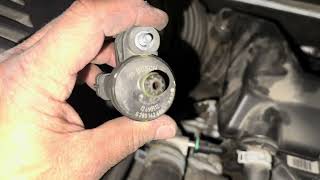
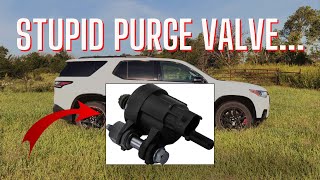
- Faulty EVAP Purge Solenoid/Valve 🔴 High Probability This is a very common failure point on GM's 3.6L V6 engine. The valve can get stuck open or closed, causing a leak in the system. It is the most cited cause in owner forums for the 2018+ Traverse. GM has issued special warranty coverage for this part on certain model years.
How to confirm: With the engine running at idle, disconnect the EVAP hose from the purge valve. If you can feel suction with your finger over the valve's port, it is stuck open and needs to be replaced. A smoke test can also definitively show a leak through the valve.
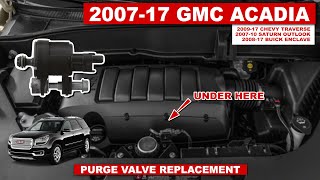
Typical fix: Replace the purge valve. It is located on the top/rear of the engine and is accessible after removing the plastic engine cover and sometimes the air intake tube for better access.
Est. part cost: $30-$80 - Loose or Faulty Gas Cap (2017 models only) 🔴 High Probability The gas cap seal is a critical part of the EVAP system. Over time, the rubber seal can crack or degrade, preventing a proper seal. This is the number one cause of P0442 on vehicles with a traditional cap.
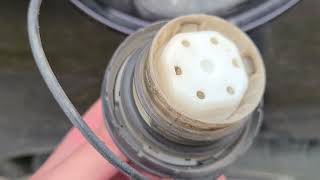
How to confirm: First, ensure the cap is tightened until it clicks several times. Clear the code and drive. If the light returns, visually inspect the cap's rubber O-ring for cracks, stiffness, or damage.
Typical fix: Replace the gas cap with a new, high-quality OEM part (such as ACDelco GT358). Aftermarket caps can sometimes cause sealing issues.
Est. part cost: $15-$40 - Faulty EVAP Vent Solenoid/Valve 🟡 Medium Probability
How to confirm: The vent valve is normally open. It must be commanded closed with a scan tool to check for leaks. A professional smoke test is the most effective way to confirm a faulty vent valve. This part is often implicated when code P0449 is also present.
Typical fix: Replace the vent solenoid. It is located near the EVAP canister under the vehicle, close to the fuel tank. Access can be difficult and may require lowering the fuel tank slightly.
Est. part cost: $25-$70 - Cracked or Disconnected EVAP Hose ⚪ Low Probability
How to confirm: Visually inspect all accessible EVAP lines in the engine bay and under the vehicle for obvious cracks, brittleness, or loose connections. A smoke test is the most reliable method to find small, hard-to-see cracks in the hoses.
Typical fix: Replace the damaged section of the hose.
Est. part cost: $10-$50
Rare But Worth Checking
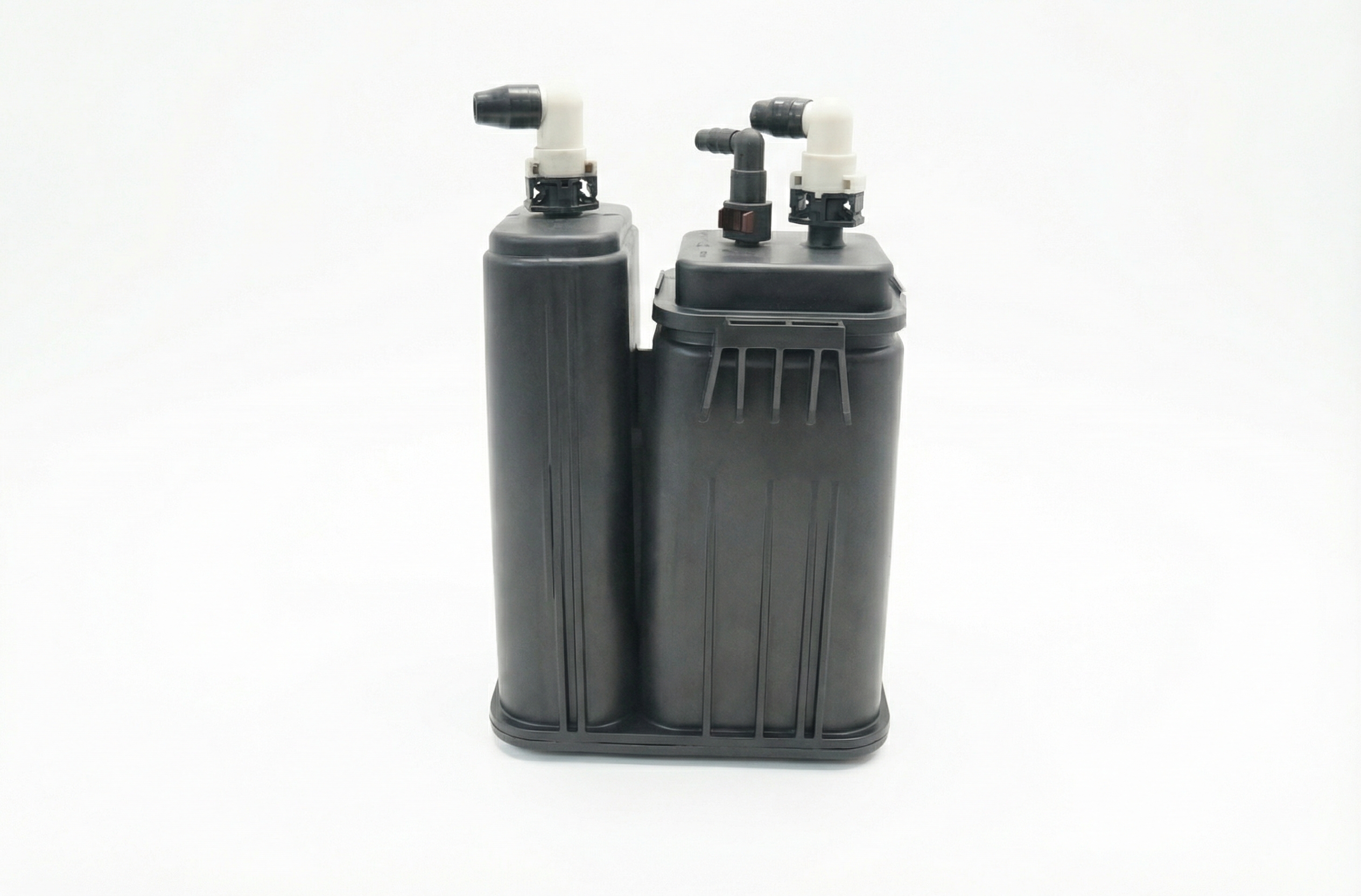
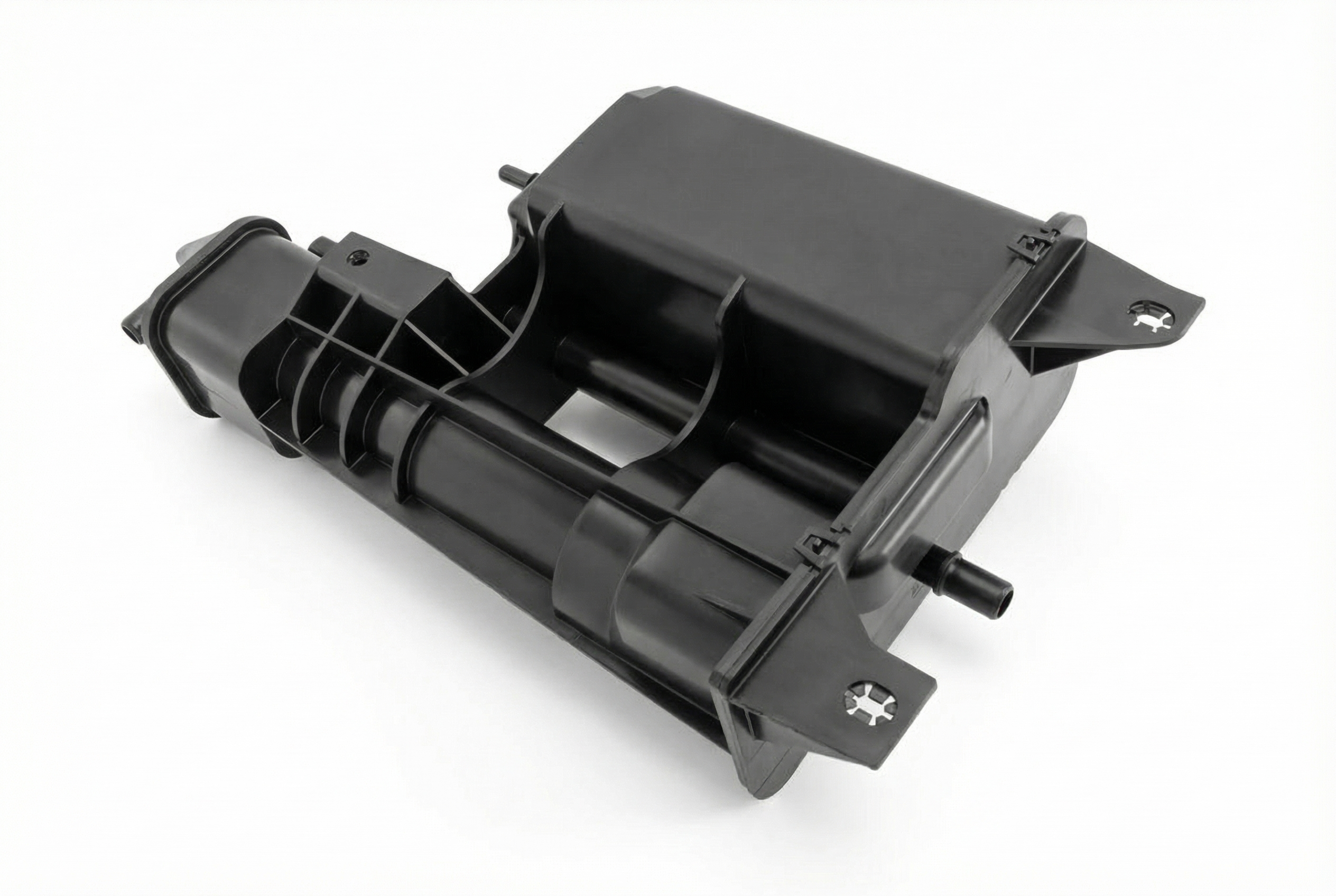
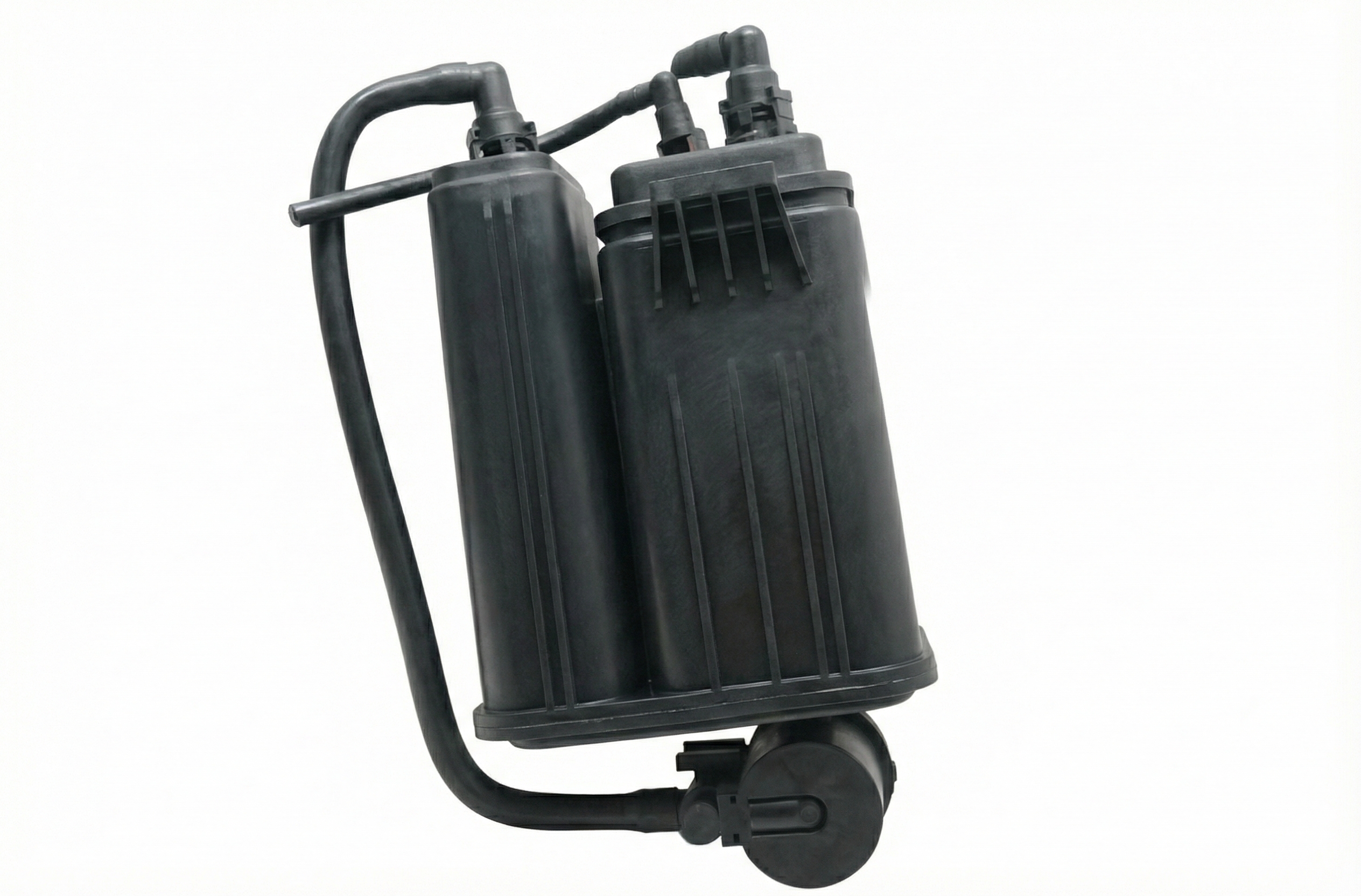
- Leaking EVAP Charcoal Canister: The plastic housing of the canister can develop cracks over time, sometimes from road debris impact. This was noted as a possibility in GM's informational bulletin #PIE0528. Overfilling the gas tank by 'topping off' can also saturate the canister with liquid fuel, causing it to fail and trigger codes.
- Damaged Fuel Filler Neck (especially 2018+ capless models): The seal on the capless system can be damaged by debris or fail to close properly, creating a leak similar to a loose gas cap. For 2017 models, the filler neck can rust and develop pinholes, preventing a good seal with the cap. One owner resolved a persistent P0442 after a clean smoke test by adding an auxiliary cap to the capless filler neck.
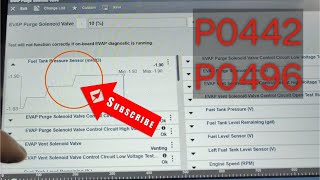
- Faulty Fuel Tank Pressure Sensor or Gasket: A user on a Chevrolet forum reported that after multiple failed attempts to fix a P0442, the issue was finally traced to a faulty fuel tank pressure sensor. The tech confirmed this by watching sensor values during a smoke test. A bad sensor can report a leak to the computer even when none exists.
Diagnosis Steps
- Read the code with an OBD-II scanner and confirm P0442 is present. Note any other codes, especially P0496 or P0455.
- For 2017 models: Inspect the gas cap. Remove it, check the seal for cracks, and reinstall it, ensuring it clicks multiple times. For 2018+ models: Inspect the capless fuel filler opening for debris or damage to the seal.
- Clear the code and drive for a few days. If the code returns, proceed to the next step. A full EVAP drive cycle may be needed for the monitor to run again.
- Visually inspect the EVAP purge valve and its connecting hoses on top of the engine for any obvious cracks or damage.
- Test the purge valve. With the engine idling, disconnect the vapor line from the valve and check for vacuum with your finger. If suction is present, the valve is faulty and must be replaced.
- If the purge valve is good, visually inspect the EVAP lines running to the back of the vehicle and the area around the charcoal canister for damage.
- If no visible leaks are found, the next step is a professional smoke test. This involves injecting pressurized smoke into the EVAP system to pinpoint the exact location of the small leak, which could be the vent valve, a hose, or the canister itself.
Parts You'll Likely Need
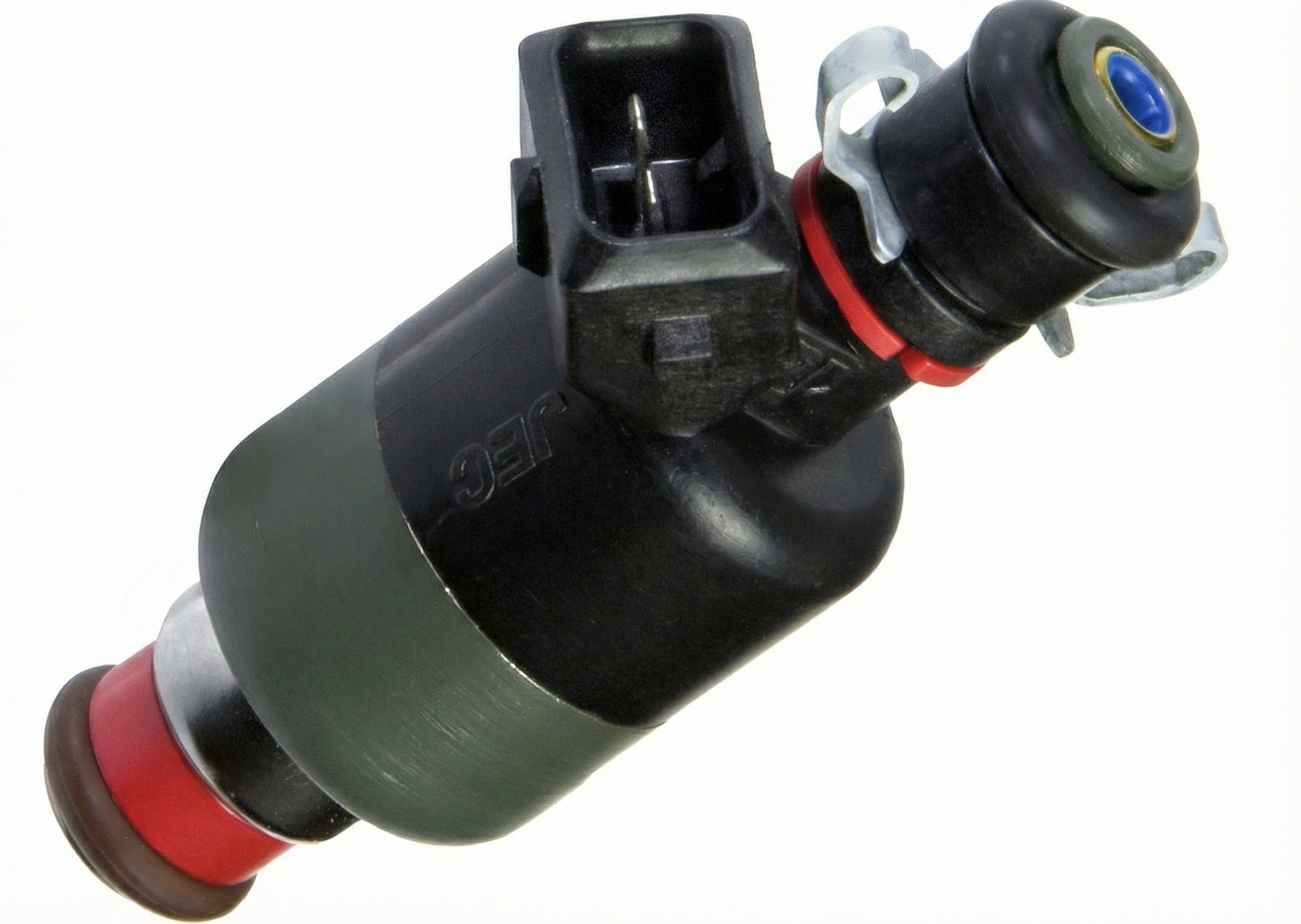
- EVAP Vapor Canister Purge Valve / Solenoid
(OEM #12690512)— This is the most frequent cause of P0442 on the 2017-2023 Traverse, especially on the 3.6L V6 engine. It's an easy part to access and replace.
Trusted brands: ACDelco, Bosch, Dorman
OEM price range: $40-$80
Aftermarket price range: $25-$60 - Fuel Cap (2017 model year only)
(OEM #ACDelco GT358)— A worn-out seal on the gas cap is a very common cause for EVAP leaks on vehicles with this design.
Trusted brands: ACDelco, Stant, Gates
OEM price range: $20-$40
Aftermarket price range: $15-$25 - EVAP Vapor Canister Vent Valve / Solenoid
(OEM #GM 85123399 / ACDelco W0133-4998121)— This valve is exposed to the elements under the car and can fail due to corrosion or dust, causing a leak. It's the next most likely component to check after the purge valve and gas cap.
Trusted brands: ACDelco, Dorman, Standard Motor Products
OEM price range: $40-$70
Aftermarket price range: $30-$50
Related Codes That Often Appear With This One
- P0455 — Indicates a large EVAP leak. It can appear with P0442 if the leak is intermittent or on the borderline between small and large. Both codes are mentioned together in TSB #21-NA-124.
- P0496 — Indicates 'EVAP Flow During a Non-Purge Condition.' This code strongly points to a purge valve that is stuck open, making it a very common companion to P0442.
- P0449 — Indicates a fault in the EVAP vent control circuit. If you see this code with P0442, the problem is very likely related to the vent valve/solenoid or its wiring.
- P0446 — Indicates a fault in the EVAP vent control circuit. If you see this code with P0442, the problem is very likely related to the vent valve/solenoid or its wiring.
Technical Service Bulletins (TSBs) & Recalls

- 21-NA-124: Diagnostic Tips for DTCs P0442 and/or P0455
- PIE0528: Engineering Informational Bulletin for EVAP Canister Performance
Platform-Specific Known Issues
- GM has issued Technical Service Bulletin (TSB) #21-NA-124, which provides diagnostic tips for finding the source of P0442 and P0455 codes, indicating this is a recognized issue across many of their vehicles, including the Traverse. The TSB advises checking line connections first, then the vent valve, and finally the purge valve.
- Informational bulletin #PIE0528 was released for the 2019 Traverse to gather data from technicians on EVAP canister performance issues that could trigger P0442, suggesting GM was investigating patterns of failure related to the canister.
- The symptom of a hard start after refueling is extremely common with this code on the Traverse and its platform mates, and almost always points directly to a faulty, stuck-open purge valve.
- GM has Special Coverage programs for the purge valve on certain model years. N232395300 extends the warranty for the 2019 Traverse (3.6L V6) to 15 years/150,000 miles, and a previous program (N192210240) covered 2016-2018 models.
Mechanic-Grade Diagnostic Values
- Fuel Tank Pressure (FTP) Sensor Voltage — expected: Approximately 1.45V - 1.5V. Failure: A voltage that is stuck high or low, or does not change as pressure/vacuum is applied.
- EVAP Vent Valve/Solenoid Coil Resistance — expected: Approximately 20.6 - 20.9 Ohms. Failure: A reading significantly higher (open circuit) or lower (shorted) than the expected range.
Scan Tool Commands That Help
- GDS2 / Professional Scan Tool: EVAP Vent Solenoid Control — Used during a smoke test to command the normally-open vent valve to close, which seals the EVAP system and allows it to be properly pressure tested for leaks.
- GDS2 / Professional Scan Tool: EVAP Purge Solenoid Control — Used to command the purge valve to open and close to check for response. A technician can monitor short-term fuel trims or O2 sensor data to see if the engine reacts when the valve is commanded open, confirming flow.
- GDS2 / Professional Scan Tool: EVAP Purge / Seal Test — This is an automated function that commands the various EVAP solenoids and monitors the fuel tank pressure sensor to perform a system leak test, similar to the one the ECM runs automatically. It's used to verify a repair without waiting for a full drive cycle.
Wiring & Ground Locations
- EVAP Vent Solenoid Connector — On top of the fuel tank, connecting to the vent solenoid.. For testing the vent solenoid circuit (often related to code P0449 but can be relevant), the wires on a similar platform vehicle were identified as a white wire (control circuit from ECM) and a red/white wire (12V+ power). This allows a technician to test for power, ground, and continuity.
Real Owner Repair Stories
- Reddit user in r/ChevyTraverse (2018 Traverse) — Check Engine Light with P0442 (small EVAP leak).
❌ Tried (didn't work) A professional smoke test came back clean (no leaks found)., Replacing the EVAP purge valve.
✅ What actually fixed it Placing an aftermarket, auxiliary gas cap onto the capless fuel filler neck. This indicated the original capless filler door was not sealing properly, even though it passed a smoke test. - YouTube channel 'Dezarov's Classics' (2019 Chevrolet Traverse) — P0442 small EVAP leak.
❌ Tried (didn't work) A system-wide smoke test did not reveal any obvious external leaks.
✅ What actually fixed it The mechanic removed the purge valve and tested it individually with a smoke machine. Smoke was observed leaking directly from the valve itself, indicating an internal failure. Replacing the purge valve resolved the code. - YouTube channel 'VertexAuto' (2016 Chevrolet Traverse (same generation as 2017 model)) — Check Engine Light with codes P0442 and P0496.
❌ Tried (didn't work) Inspecting and re-tightening the gas cap, then clearing the codes. The light returned.
✅ What actually fixed it Replacing the EVAP purge valve solenoid on the engine. The light did not return after several days of driving.
"I Checked Everything" — The Actual Cause
- In one documented case for a 2018 Traverse, the EVAP system passed a smoke test, but the P0442 code persisted. The root cause was a faulty seal on the capless fuel filler neck, which was resolved by adding an auxiliary gas cap.
- A 2019 Traverse passed a general system smoke test, but the technician isolated the purge valve and tested it directly with a smoke machine, revealing an internal leak through the valve body itself that was not apparent during the system test.
OEM Part Supersession History
12690512→12737252— Standard part revision and supplier changes over time.
Heads up: The new part number (12737252) is the correct service replacement for the older numbers, including 12690512, 12661763, and 12610560.Multiple (e.g., 22740537, 84065747)→85123399— Standard part revision and consolidation.
Heads up: Part 85123399 is the current service replacement for the EVAP Vent Solenoid. Some parts catalogs note that this solenoid is 'Included with vapor canister,' which is a critical detail to verify before ordering, as you may need to purchase the entire canister assembly.
Model Year Variations Within This Range
- 2019: GM issued Special Coverage N232395300 for the 3.6L V6, extending the warranty on the vapor canister purge valve to 15 years or 150,000 miles. Owners should check with a dealer before paying for this repair.
- 2017-2018: A previous Special Coverage program, N192210240, also extended the warranty on the purge valve for these model years, though it may now be expired for some vehicles based on time.
- 2020-2023: TSB 21-NA-023 was issued to address a loud ticking or rattling noise from the purge solenoid tube. The fix involves installing rubber dampers. While not a direct cause of P0442, it's a known issue with this component on later models.
Helpful Videos

![How to Fix P0442 Engine Code in 7 Minutes [6 DIY Methods / Under $3.67]](https://img.youtube.com/vi/KISPTedKJmQ/mqdefault.jpg)
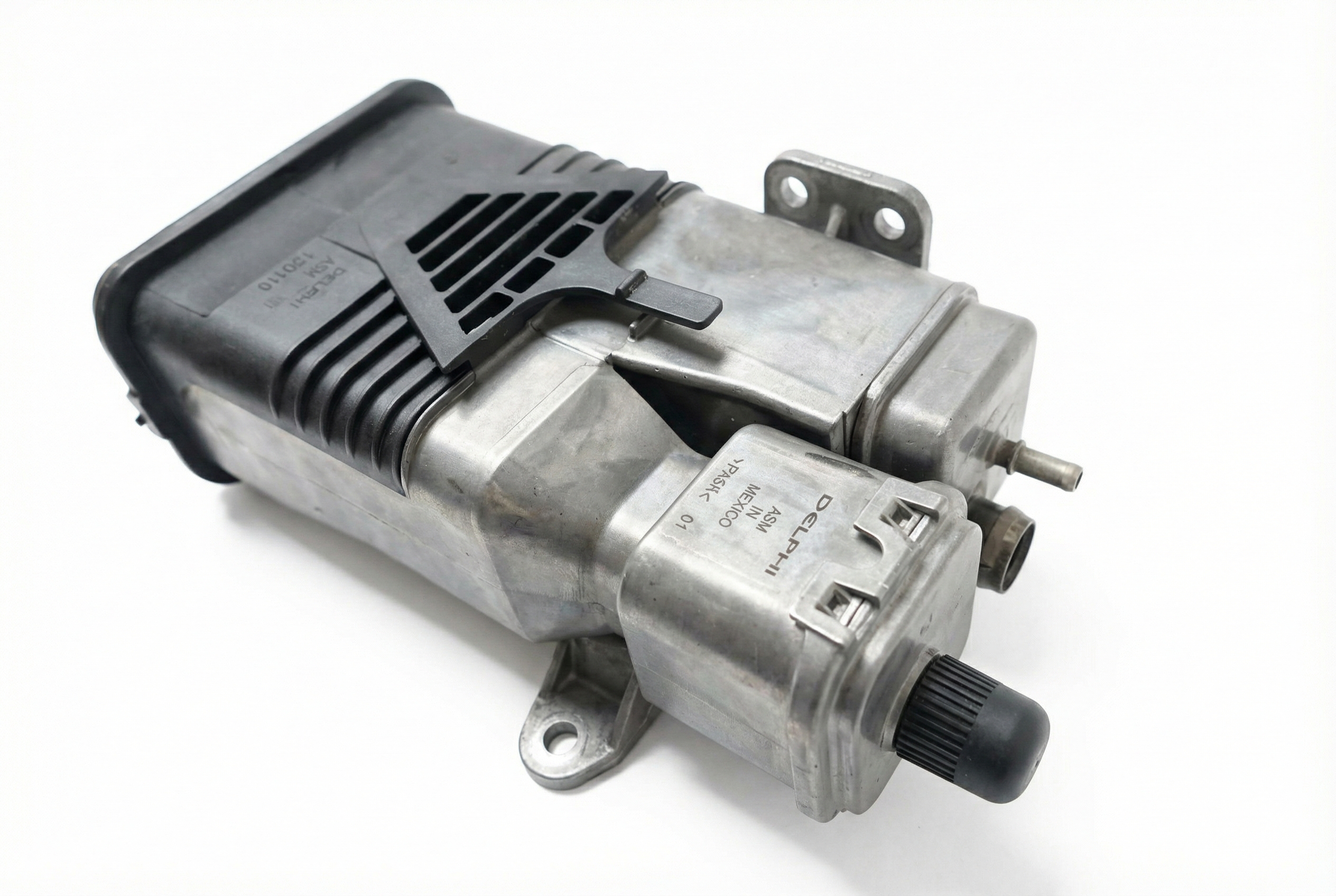
Used OEM Parts in Stock

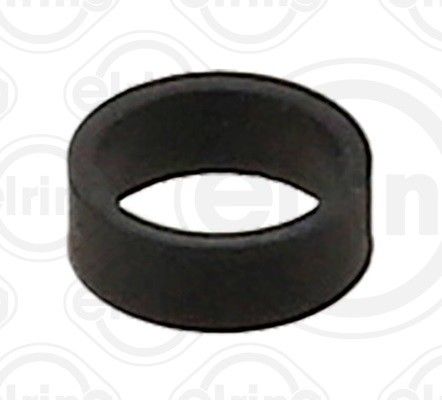
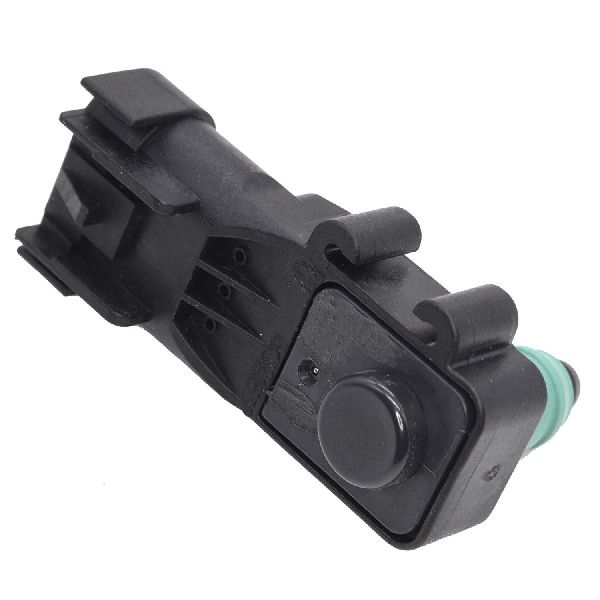
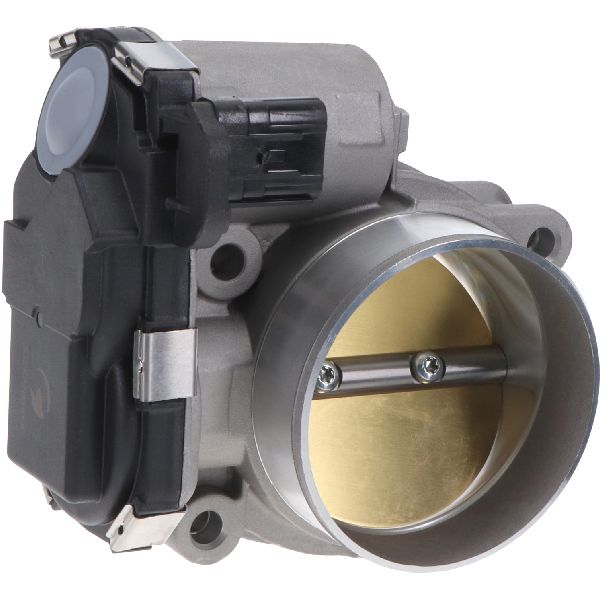
New Aftermarket Parts Available



The information in this article is provided for general reference and educational purposes only. Vehicle specifications, procedures, and part compatibility can vary by production date, trim level, and region. Always consult your vehicle's factory service manual and verify part numbers before purchasing or performing repairs. Safety-critical components such as airbags, seat belts, and braking systems should be installed by a qualified professional.
- Chevrolet TRAVERSE:
- 🎬 Helpful Videos
- 🛍️ Shop This Part
- What's Unique About the 2017-2023 Chevrolet TRAVERSE
- Diagnostic Flowchart
- Symptoms You May Notice
- Most Likely Causes
- Rare But Worth Checking
- Diagnosis Steps
- Parts You'll Likely Need
- Related Codes That Often Appear With This One
- Technical Service Bulletins (TSBs) & Recalls
- Platform-Specific Known Issues
- Mechanic-Grade Diagnostic Values
- Scan Tool Commands That Help
- Wiring & Ground Locations
- Real Owner Repair Stories
- "I Checked Everything" — The Actual Cause
- OEM Part Supersession History
- Model Year Variations Within This Range
- 🎟️ Get 5% Off