

P0442 on 2012-2019 Chevrolet Sonic: EVAP Small Leak Causes and Fixes
For a 2012-2019 Chevy Sonic, code P0442 most often points to a faulty EVAP canister purge valve, a very common failure on this platform. A failing or loose gas cap is another frequent cause. Replacing the purge valve is a simple, often tool-less, DIY job with the part costing between $25 and $60.
- P0442 means your Sonic has a small leak in the emissions system.
- The most likely cause is a faulty EVAP purge valve on the engine, followed by a loose or bad gas cap.
- If you smell fuel, stop driving and have the car inspected immediately due to a rare but serious risk of a fuel leak.
- Replacing the purge valve is an inexpensive and straightforward DIY repair that often solves the problem.
- The car will not pass an emissions test with this code active.
What's Unique About the 2012-2019 Chevrolet SONIC

The Chevrolet Sonic, which shares its Gamma II platform and many components with the 2011-2018 Chevrolet Cruze, Buick Encore, and Chevrolet Trax, is particularly known for issues with the EVAP canister purge valve. While a loose gas cap is a universal cause for this code, many Sonic and Cruze owners report that replacing the purge valve, located on the intake manifold, resolves the P0442 code, often when accompanied by P0496. An owner complaint filed with the NHTSA also highlights a more severe, though less common, issue where a fuel leak was observed during refueling, which was associated with this code, indicating a potential problem with the filler neck or tank seals.
Diagnostic Flowchart

Tap your situation to follow the diagnostic path that matches what you're seeing on this vehicle.
Symptoms You May Notice

- Check Engine Light is on.
- A faint smell of fuel, particularly around the gas cap area or outside the vehicle.
- Difficulty starting the engine immediately after refueling. 🎬 Watch: Why your Sonic stalls or runs rough after refueling.
- Rough or unstable idle, especially if the purge valve is stuck open.
- Slight decrease in fuel economy.
- Gas flowing to the ground when filling the tank (a rare but critical symptom reported to the NHTSA).
- Replacing the charcoal canister when the issue is a simple, inexpensive purge valve or hose.
- Replacing the fuel tank pressure sensor without first performing a smoke test to confirm there are no physical leaks.
- Assuming the check engine light is from a serious issue when it is most often a loose gas cap or a simple-to-replace purge valve.
Most Likely Causes

- Faulty EVAP Canister Purge Valve 🔴 High Probability This is a widely reported failure item on the Chevy Sonic and Cruze platform. The internal diaphragm or solenoid coil fails, causing the valve to get stuck open or closed, creating a leak in the system.
How to confirm: Remove the valve (located on the intake manifold). With the engine off, try to blow through it. If air passes through, the valve is stuck open and needs replacement. You can also disconnect the electrical connector and the engine-side hose while the car is running; if you feel suction on the valve's port with your finger, it is stuck open and faulty.
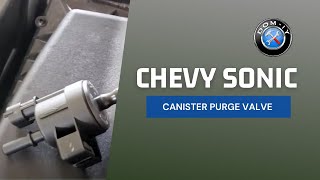
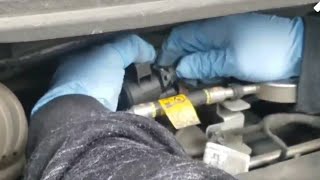
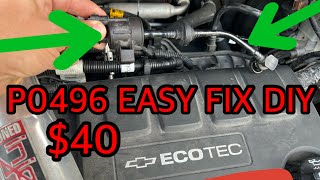
Typical fix: Replace the canister purge valve. This is a plug-and-play part that is easily accessible on top of the engine and often requires no tools. 🎬 See this quick DIY purge valve diagnosis and repair guide.
Est. part cost: $25-$60 - Loose or Worn Gas Cap 🟡 Medium Probability The gas cap seal can degrade, crack, or harden over time, preventing a proper seal and causing the system to fail its pressure test. This is a common cause on all vehicles.
How to confirm: First, ensure the cap is tightened until it clicks multiple times. Remove the cap and inspect the rubber O-ring for any visible cracks, stiffness, or damage. If the seal looks worn, it's a likely culprit.
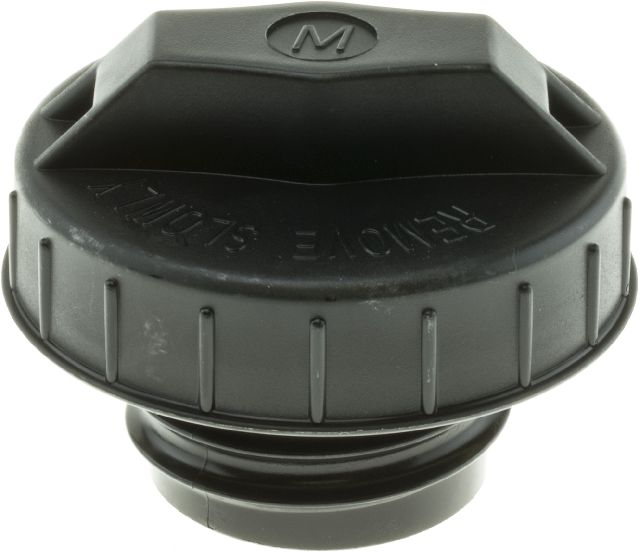
Typical fix: Replace the gas cap with a new, OEM-spec part. Aftermarket caps can sometimes cause sealing issues. An OEM cap is recommended to ensure a perfect seal.
Est. part cost: $15-$30 - Cracked or Disconnected EVAP Hoses ⚪ Low Probability The plastic and rubber hoses in the EVAP system can become brittle and crack over time due to engine heat and age, especially at connection points and elbows.
How to confirm: Visually inspect all accessible EVAP lines running from the gas tank to the charcoal canister and up to the engine bay. Pay close attention to rubber connectors. A smoke test is the most effective professional method to find a small, hard-to-see leak. 🎬 Watch: How to find a small EVAP leak using smoke.
Typical fix: Replace the cracked section of hose or re-secure any loose connections. Small cracks can sometimes be repaired by cutting out the bad section and splicing with a new piece of hose and clamps.
Est. part cost: $5-$50
Rare But Worth Checking
- Leaking Fuel Filler Neck: An NHTSA complaint for a 2015 Sonic with code P0442 reported fuel spilling onto the ground during refueling. This points to a crack in the filler neck tube and is a major safety hazard that should be inspected immediately if you smell fuel or see any leakage.
- Faulty EVAP Canister Vent Valve/Solenoid: This valve, typically located near the charcoal canister by the fuel tank, can also stick open or closed. It's less common to fail than the purge valve on the engine for this specific platform, but it is a possible cause. TSB 21-NA-124 suggests checking this component after verifying lines and connections are secure.
- Faulty Fuel Tank Pressure Sensor: This sensor reports the pressure in the EVAP system to the computer. If it provides incorrect readings, the computer may mistakenly believe there is a leak. This often triggers other codes related to the sensor itself and is less likely to be the sole cause of P0442.
- Cracked Charcoal Canister: The plastic housing of the charcoal canister itself can develop cracks from road debris impact or age, creating a leak. This would be found during a smoke test.
Diagnosis Steps
- Check the gas cap. Remove it, inspect the rubber seal for cracks or hardness, and reinstall it, ensuring it clicks several times. Clear the code and drive for a few days.
- If the cap looks old or worn, replace it with an OEM part (GM Part #95292260 is a common fit). This is an inexpensive and very common fix.
- Inspect the EVAP canister purge valve on the engine. It's easily accessible on top of the motor. Check for any visible cracks on the valve body or its connecting hoses.
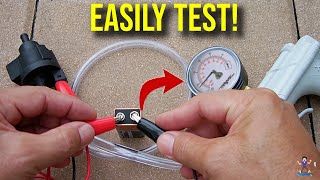
- Test the purge valve. With the engine off, disconnect the valve and try to blow through it. If air passes, it's stuck open and must be replaced. For a more definitive test, start the engine, disconnect the hose on the engine side of the valve, and place your finger over the port. If you feel vacuum, the valve is faulty.
- Visually inspect all accessible EVAP hoses for cracks, brittleness, or loose connections, especially at elbows and fittings.
- If the above steps do not reveal the issue, the most reliable next step is to have a professional perform a smoke test. This involves pumping low-pressure, vaporized smoke into the EVAP system to pinpoint the exact location of the small leak.
- The smoke test will reveal leaks in the vent valve, charcoal canister, fuel filler neck, or any of the system's lines. TSB PIT4943D provides dealers with a detailed procedure for this test.
Parts You'll Likely Need
- EVAP Canister Purge Valve
(OEM #55567453 (For 1.8L Engine), 55573017 (For 1.4L Engine))— This is the most frequent failure point on the Chevy Sonic and its platform mates for code P0442. It gets stuck, causing a constant small leak in the system.
Trusted brands: ACDelco (OEM), Dorman, Bosch
OEM price range: $40-$60
Aftermarket price range: $25-$45 - Gas Cap
(OEM #95292260 (Supersedes 95049575))— A worn seal on the gas cap is a very common cause for small EVAP leaks across all vehicles and is an easy first step in diagnosis.
Trusted brands: ACDelco (OEM), Gates, Stant
OEM price range: $15-$30
Aftermarket price range: $10-$20
Related Codes That Often Appear With This One
- P0455 — This indicates a large EVAP leak. If a component fails significantly (like a hose completely disconnecting), you may see both codes as the system tries to diagnose the leak size. TSB #21-NA-124 specifically addresses diagnostic strategies for both P0442 and P0455 together.
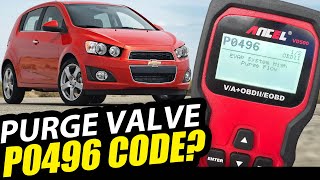
- P0496 — This code indicates 'EVAP Flow During a Non-Purge Condition,' which almost always points directly to a purge valve that is stuck open. Many Sonic and Cruze owners report this code alongside or preceding a P0442.
Technical Service Bulletins (TSBs) & Recalls
- 21-NA-124: Diagnostic tips for MIL on with DTCs P0442 and/or P0455 set.
- PIT4943D: Information for technicians on diagnosing P0442 using an Evaporative Emissions System Tester, specifically by checking for vacuum pull from a faulty purge solenoid.
Platform-Specific Known Issues
- NHTSA Technical Service Bulletin #21-NA-124 provides diagnostic tips for finding EVAP leaks related to codes P0442 and P0455. It advises technicians to first check that all EVAP line connections are fully seated and undamaged before suspecting the vent or purge valves.
- NHTSA Technical Service Bulletin #PIT4943D gives technicians a detailed diagnostic flow for P0442. It involves using a scan tool to monitor the fuel tank pressure sensor while the engine is running to see if the purge valve is leaking vacuum when it should be closed.
- A 2015 Sonic owner filed NHTSA complaint #10871858 after a P0442 code was followed by gasoline flowing onto the ground during refueling, highlighting a potential fire hazard from a cracked fuel filler neck.
Mechanic-Grade Diagnostic Values
- EVAP Canister Purge or Vent Solenoid Coil Resistance — expected: 20 - 30 Ohms. Failure: A reading of infinite (OL) or zero ohms indicates a failed solenoid coil. A reading outside the 20-30 ohm range suggests a potential issue.
- Fuel Tank Pressure (FTP) Sensor Voltage — expected: Around 1.5V with the gas cap off (atmospheric pressure). Should vary between 0.1V and 4.9V depending on vacuum/pressure in the tank.. Failure: A voltage that is stuck high or low regardless of tank pressure, or a reading that doesn't change when vacuum is applied, indicates a faulty sensor.
Scan Tool Commands That Help
- GDS2 / Professional Scan Tool: EVAP Vent Solenoid/Valve Command — During a smoke test, command the vent valve closed (it is normally open) to seal the system. If smoke immediately exits the vent, the valve is not closing and is faulty.
- GDS2 / Professional Scan Tool: EVAP Purge Solenoid/Valve Command — To test for a stuck-open purge valve. With the engine running and the purge valve commanded OFF, monitor the Fuel Tank Pressure sensor. If vacuum increases (pressure drops), the valve is leaking vacuum into the system and is faulty.
- GDS2 / Professional Scan Tool: EVAP Service Bay Test — This is an automated test that runs the onboard large leak, small leak, and purge/vent solenoid functional tests on demand, without needing to perform a full drive cycle. It's used to verify a repair is successful.
Wiring & Ground Locations
- G105 — On the left frame rail, under the battery tray.. This is a major grounding point for the front of the vehicle, including the Engine Control Module (ECM) and other components that control the EVAP system. A preliminary service bulletin (PIC5574A) notes this ground can have paint or weld slag from the factory, causing poor connections and various electrical issues, including communication codes.
- G104 — On the rear of the cylinder bank/engine block.. This ground is used by the Engine Control Module (ECM). A service bulletin mentions that this ground can be loose or have improperly crimped wires, leading to intermittent issues.
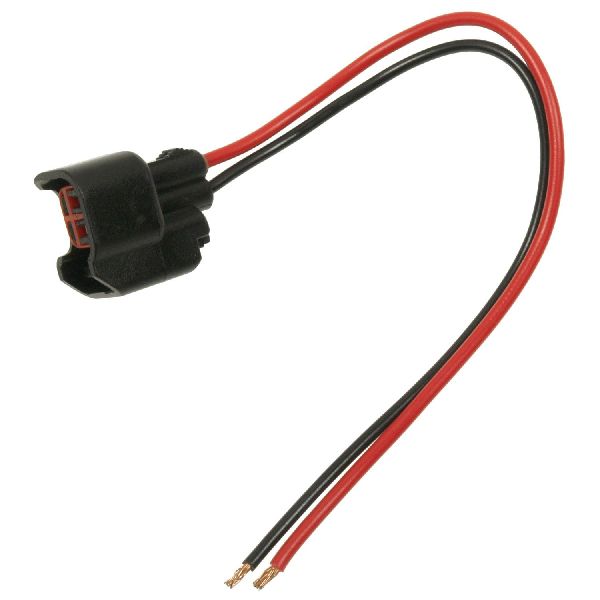
- EVAP Purge Solenoid Connector — On the EVAP purge solenoid, located on the intake manifold.. This is the electrical connection for the most commonly failed part. One pin should have 12V with the key on (ignition voltage), and the other is a control wire that the ECM pulses to ground to activate the valve. Checking for voltage here confirms the circuit is live.
- EVAP Vent Solenoid Connector — Near the charcoal canister, by the fuel tank.. This connector powers the vent valve. One pin should have 12V with the key on, and the other is the control ground from the ECM. A P0449 code specifically points to a circuit malfunction here, so checking for power and ground is a key diagnostic step.
Real Owner Repair Stories
- Sonic Owners Forum user (2017 Chevrolet Sonic 1.8L NA) — Check Engine Light with code P0449 (Evap vent circuit malfunction).
❌ Tried (didn't work) Replaced the EVAP vent solenoid valve. The old one tested at 23 ohms (within spec) but was replaced anyway., Checked the EVAP vent solenoid fuse (it was good).
✅ What actually fixed it The user did not post a final resolution, but the fact that a new valve and good fuse did not fix the P0449 circuit code strongly implies the problem was in the wiring between the solenoid and the ECM, or a bad ground.
When the Usual Fixes Don't Work
- While the purge valve is the most common culprit, a forum user with a 2017 Sonic replaced the vent valve for a P0449 circuit code, but the code immediately returned. This highlights that for circuit-specific codes (like P0449, P0443, etc.), the issue is often in the wiring or connections, not the component itself. Simply replacing the part associated with the code without testing the circuit can lead to a misdiagnosis.
OEM Part Supersession History
55567453→28289971— Part redesign or manufacturer change.
Heads up: For 1.8L engines. The new part number is a direct replacement.
Model Year Variations Within This Range
- 2012-2019 (1.4L Turbo models): Turbocharged Sonics have an additional one-way check valve in the purge tube located between the purge solenoid and the charcoal canister. This valve prevents the EVAP system from being pressurized when the engine is under boost. Its presence means a smoke test cannot be performed by introducing smoke at the canister purge tube connector; the test must be done from the service port near the engine.
- 2017-2019: The 2017 model year introduced a facelift for the Sonic, which included some electrical and component updates. While the fundamental causes of P0442 remain the same, specific wiring diagrams or connector locations may differ slightly from earlier models.
Helpful Videos

Used OEM Parts in Stock
New Aftermarket Parts Available


The information in this article is provided for general reference and educational purposes only. Vehicle specifications, procedures, and part compatibility can vary by production date, trim level, and region. Always consult your vehicle's factory service manual and verify part numbers before purchasing or performing repairs. Safety-critical components such as airbags, seat belts, and braking systems should be installed by a qualified professional.
- Chevrolet SONIC:
- 🎬 Helpful Videos
- 🛍️ Shop This Part
- What's Unique About the 2012-2019 Chevrolet SONIC
- Diagnostic Flowchart
- Symptoms You May Notice
- Most Likely Causes
- Rare But Worth Checking
- Diagnosis Steps
- Parts You'll Likely Need
- Related Codes That Often Appear With This One
- Technical Service Bulletins (TSBs) & Recalls
- Platform-Specific Known Issues
- Mechanic-Grade Diagnostic Values
- Scan Tool Commands That Help
- Wiring & Ground Locations
- Real Owner Repair Stories
- When the Usual Fixes Don't Work
- OEM Part Supersession History
- Model Year Variations Within This Range
- 🎟️ Get 5% Off