

P0442 on 2012-2019 Chevrolet Malibu: EVAP Small Leak Causes and Fixes
For a 2012-2019 Chevy Malibu, code P0442 most often means you have a faulty EVAP purge valve or a loose/bad gas cap. Replacing the purge valve is a common, inexpensive DIY fix, with the part costing between $25 and $60. For 2016+ models with a capless system, the filler neck seal is a possible culprit.
- P0442 means your Malibu has a small leak in the emissions system, which is not a critical driving concern but will cause you to fail an emissions test.
- The most likely culprits are a faulty EVAP purge valve on the engine or a bad gas cap (on 2012-2016 models).
- Start with the simplest fix: check that the gas cap is tight and its seal is intact. If it looks worn, replace it.
- If the gas cap isn't the issue, the EVAP purge valve is the next most probable cause and is a relatively inexpensive and accessible part to replace for a DIYer.
- Finding the leak may require a smoke test, a procedure best left to a professional mechanic.
What's Unique About the 2012-2019 Chevrolet MALIBU

The 2012-2019 Malibu spans two distinct generations (8th and 9th), but the common failure points for P0442 are consistent. The EVAP canister purge valve is a frequently cited cause of this code on Malibus and other GM vehicles. Some models may be covered by a special warranty extension for this specific part. The transition to capless fuel fillers on the 9th generation (2016+) shifts the focus from a loose gas cap to a potentially faulty sealing mechanism at the filler neck, which can get dirty or fail to seal properly.
Diagnostic Flowchart

Tap your situation to follow the diagnostic path that matches what you're seeing on this vehicle.
Generation note: This range covers the end of the 8th generation (2012-2016 'Limited' models) and the beginning of the 9th generation (2016-2019). The 8th gen uses a traditional gas cap, which is a very common leak source. The 9th gen uses a capless fuel filler system, where the sealing flap can be a point of failure. The location and part number of the purge valve also differ. The 8th gen (2.4L) purge valve is often on the side of the engine, while the 9th gen (1.5T/2.0T) has it on top of the intake manifold, making it very easy to access.
Symptoms You May Notice
- Check Engine Light is on
- A faint smell of fuel, particularly after parking.
- Difficulty starting the car immediately after refueling (if the purge valve is stuck open).
- Failing a state emissions inspection.
- Rough or low idle due to an unmetered vacuum leak from a stuck-open purge valve.
- Replacing the oxygen sensors. O2 sensors are not part of the EVAP system and will not cause a P0442 code.
- Replacing the catalytic converter. This is an expensive repair related to different codes (like P0420) and has no connection to the EVAP system.
Most Likely Causes

- Faulty EVAP Purge Valve (Solenoid) 🔴 High Probability The purge valve is a known high-failure item on many GM vehicles of this era, including the Malibu. It can get stuck open, causing a constant small leak that the system detects. GM has issued special coverage warranties for this part on similar models, highlighting its frequency.
How to confirm: With the engine running at idle, disconnect the vapor line from the purge valve and feel for vacuum with your finger. There should be no vacuum at idle. If suction is present, the valve is stuck open and must be replaced. A professional can also command the valve open and closed with a scan tool to test its function.
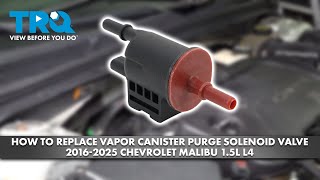
Typical fix: Replace the EVAP purge valve. On 9th gen Malibus (2016+), it is often located on top of the engine and held by a single 10mm bolt, making for a 5-10 minute repair. 🎬 Watch: How to replace the purge valve on 2016+ models.
Est. part cost: $25-$60 - Loose or Faulty Gas Cap / Fuel Filler Neck Seal 🔴 High Probability For 2012-2016 models, a worn-out gas cap seal is a very common cause for small EVAP leaks. For 2016+ capless systems, debris or damage to the filler neck's spring-loaded door can prevent a proper seal, causing a leak.
How to confirm: Inspect the gas cap's rubber seal for cracks or damage. Ensure it is tightened until it clicks at least three times. For capless systems, inspect the filler neck opening for debris and ensure the flap seals tightly. A wetness or fuel smell around the filler neck can indicate a bad seal.
Typical fix: Replace the gas cap with a new OEM-spec part; aftermarket caps can sometimes fail to seal correctly. Clean the capless filler neck sealing area with a rag and some cleaner.
Est. part cost: $15-$30 - Cracked or Disconnected EVAP Hose 🟡 Medium Probability Over time, the plastic and rubber hoses in the EVAP system can become brittle and crack, especially at connection points near the engine or canister. This is a key inspection point in GM's technical service bulletin #21-NA-124.
How to confirm: Visually inspect all accessible EVAP lines running from the gas tank to the charcoal canister and up to the purge valve on the engine. Pay close attention to rubber elbows and connectors. A smoke test is the most effective way to find a small, hard-to-see crack.
Typical fix: Replace the cracked section of hose or the entire hose assembly. Small cracks can sometimes be temporarily sealed, but replacement is the correct long-term fix.
Est. part cost: $20-$75 - Faulty EVAP Vent Valve (Solenoid) ⚪ Low Probability The vent valve, located near the charcoal canister by the fuel tank, can fail to close properly during the system's self-test, creating a leak path to the atmosphere. While less common than the purge valve, it is a known failure point.
How to confirm: A bidirectional scan tool is needed to command the valve closed to check if it seals. A smoke test is the definitive method; if the system is commanded closed and smoke exits from the vent valve area, the valve is faulty.
Typical fix: Replace the EVAP vent valve. This is typically located near the rear of the vehicle, mounted to or near the charcoal canister.
Est. part cost: $20-$50
Rare But Worth Checking
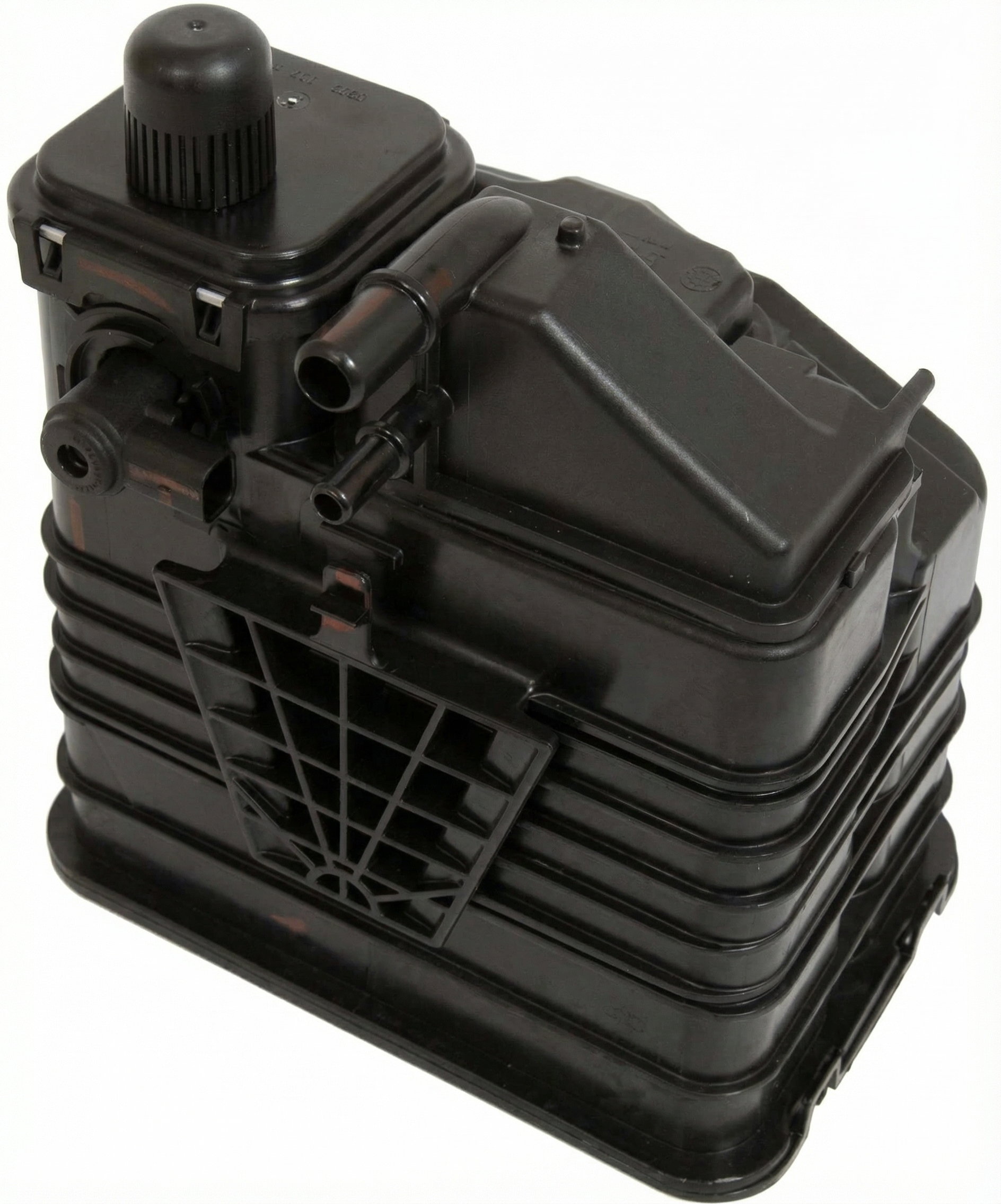
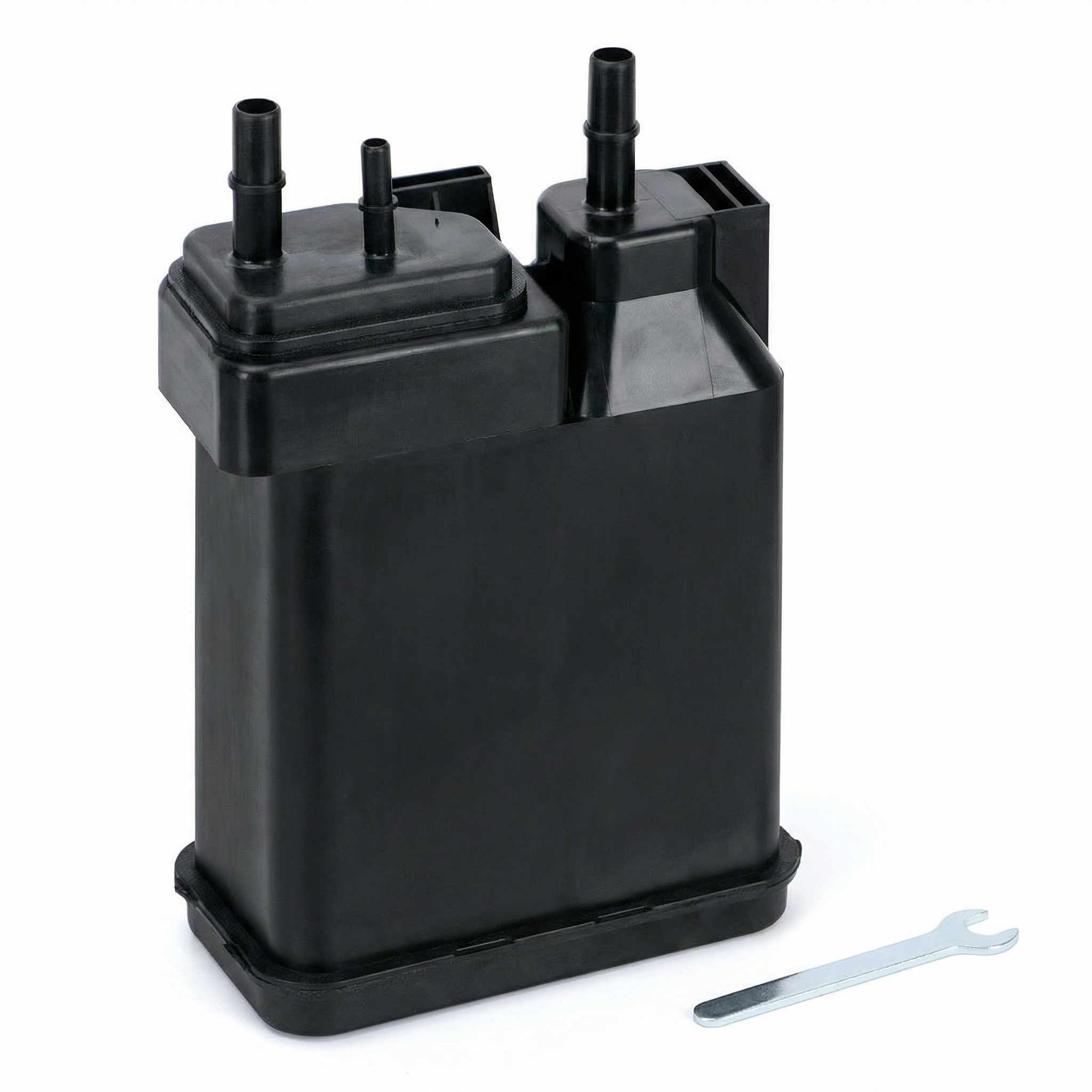
- Cracked EVAP Charcoal Canister: The plastic housing of the charcoal canister can develop small cracks from age or road debris impact, causing a leak. This is usually found with a smoke test.
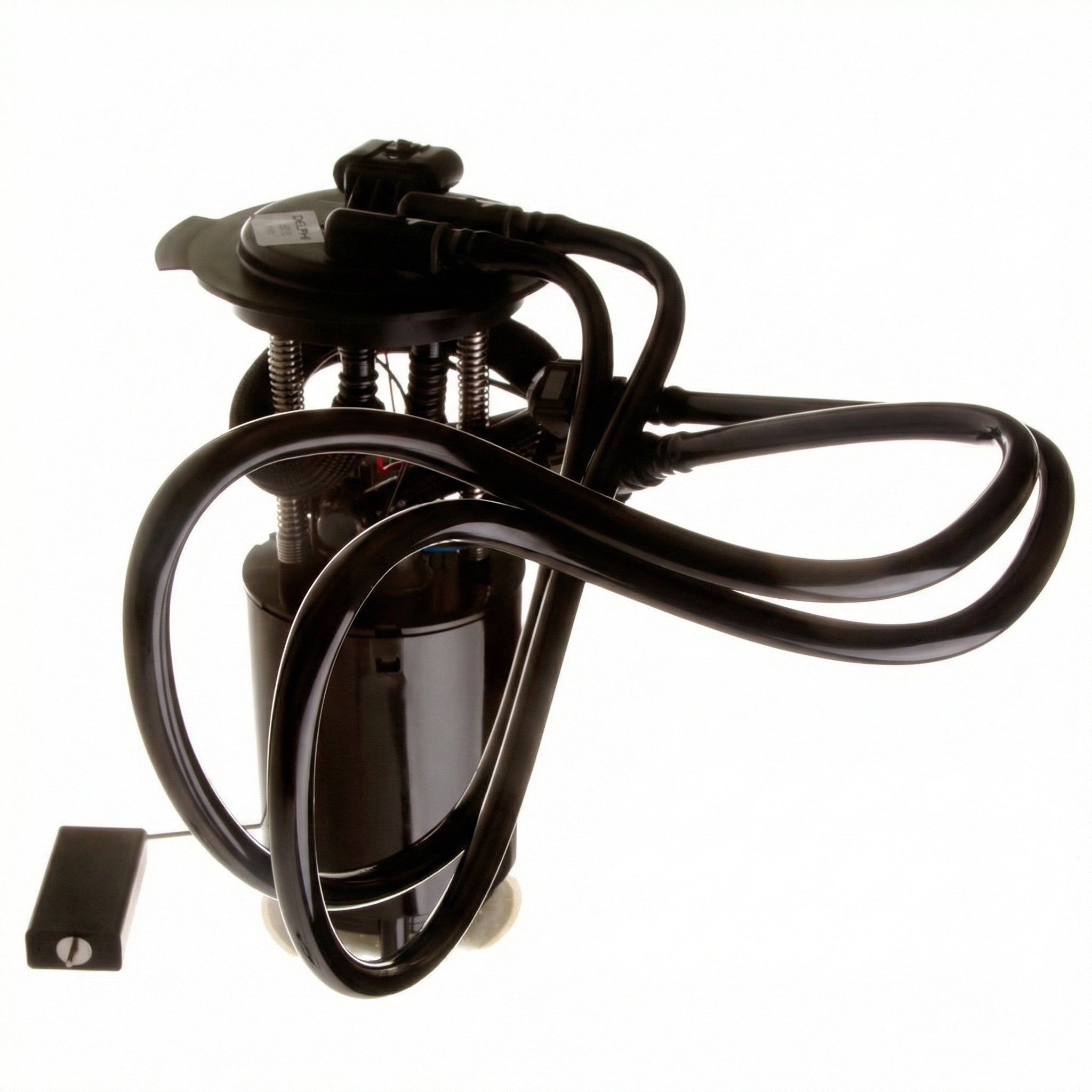
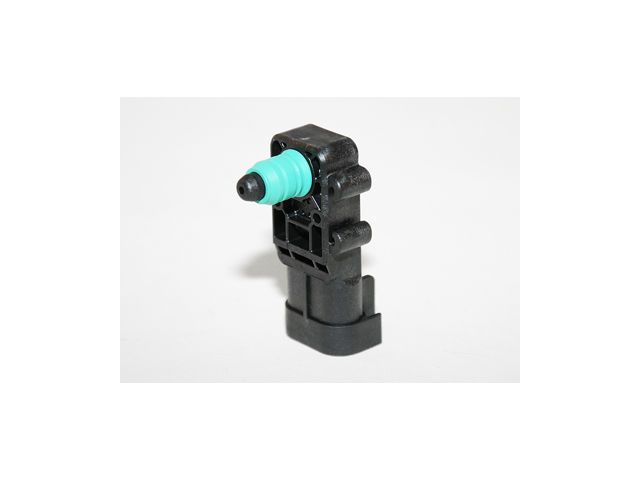
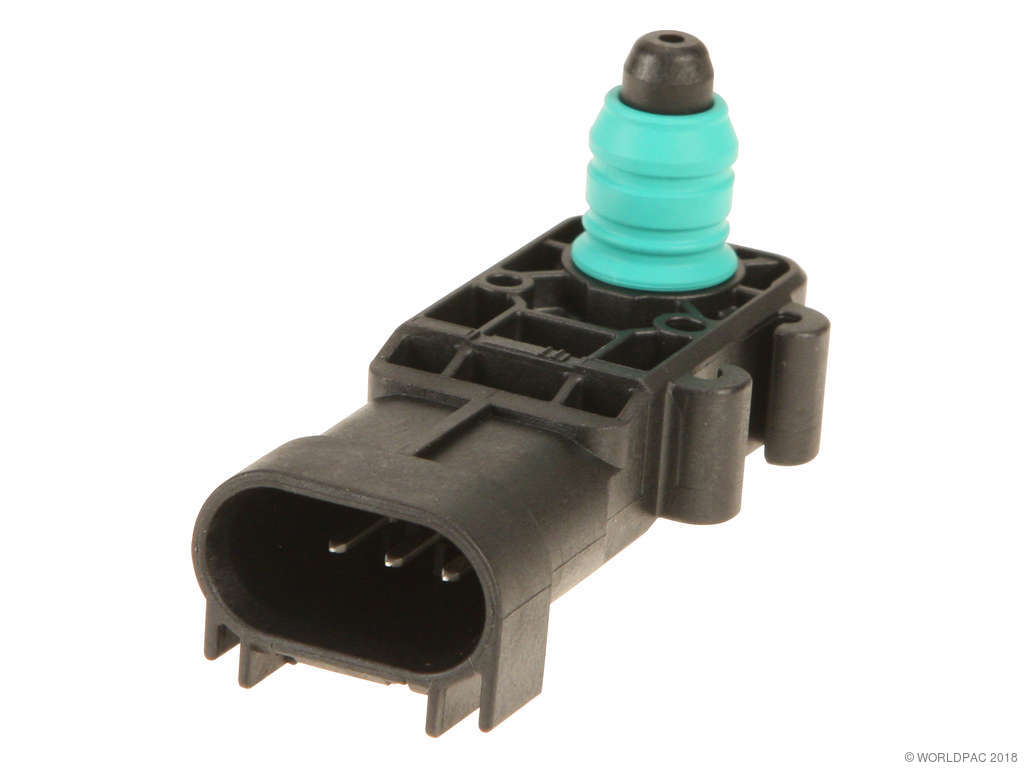
- Leaking Fuel Tank Pressure Sensor: The sensor itself or its seal on the fuel tank/fuel pump module can develop a small leak, triggering the code. A faulty sensor can also fail to detect pressure changes, falsely setting the code. 🎬 See this overview of P0442 causes, symptoms, and fixes.
- Leaking Fuel Tank Filler Neck: On either capped or capless systems, the metal or plastic filler neck itself can rust or crack, creating a leak. This is more common in areas with heavy road salt use and is often found via smoke test.
Diagnosis Steps
- Read the code with an OBD-II scanner to confirm P0442 is present.
- Inspect the gas cap (2012-2016 models). Ensure it is tight. Remove it and check the rubber O-ring for cracks or wear. If in doubt, replace it with an OEM part.
- For 2016+ capless systems, inspect the fuel filler opening for any debris holding the sealing flap open. Clean it carefully with a cloth.
- Clear the code and drive for a few days to see if it returns. If it does, proceed with further diagnosis.
- Perform a simple purge valve test: With the engine idling, disconnect the hose that runs from the purge valve to the intake manifold and feel the valve's port for suction. If you feel a vacuum, the valve is stuck open and is the cause of the leak.
- Visually inspect the EVAP purge valve and its connecting hoses near the engine for any obvious cracks or loose connections.
- Locate the EVAP vent solenoid near the fuel tank and check its hoses and electrical connector for damage.
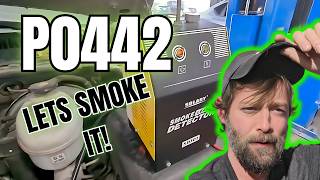
- If simple visual checks don't reveal the issue, the most effective next step is a professional smoke test. A machine injects vaporized smoke into the EVAP system, and any leaks will be visible as smoke escapes. 🎬 Watch: How to find a small EVAP leak using smoke.
- While the smoke test is running, a technician can use a scan tool to cycle the purge and vent valves to see if they are the source of the leak, as recommended by TSB #21-NA-124.
Parts You'll Likely Need
- Vapor Canister Purge Valve
(OEM #ACDelco 12690512 (for 9th Gen 1.5T/2.0T), ACDelco 214-2237 (for 8th Gen 2.4L))— This is one of the most frequent failure points for P0442 on the Malibu. It gets stuck, creating a leak path.
Trusted brands: ACDelco, Standard Motor Products, Dorman
OEM price range: $35-$50
Aftermarket price range: $25-$40 - Fuel Cap
(OEM #ACDelco GT334 (or similar, for 2012-2016 models))— For 2012-2016 models, a worn seal on the gas cap is a simple and extremely common cause of small EVAP leaks.
Trusted brands: ACDelco, Gates, Stant
OEM price range: $20-$30
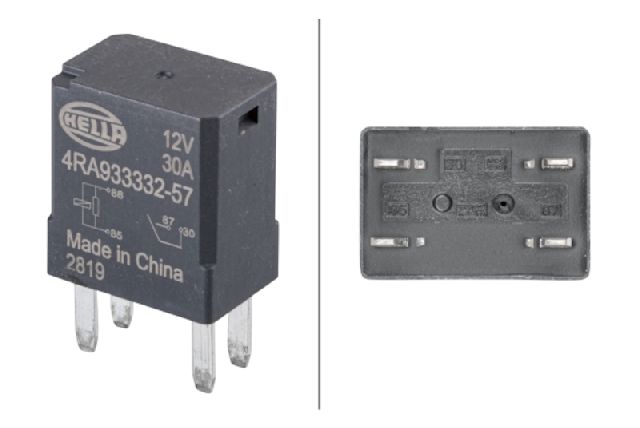
Aftermarket price range: $15-$25 - Vapor Canister Vent Valve/Solenoid
(OEM #ACDelco 214-2149 (or similar, varies by year))— Less common than the purge valve, but still a known failure. It fails to seal the system from the atmosphere during leak testing.
Trusted brands: ACDelco, Dorman, SKP
OEM price range: $30-$50
Aftermarket price range: $20-$40
Related Codes That Often Appear With This One
- P0455 — This indicates a large EVAP leak. If you see both, it could mean a component (like a purge valve) is failing intermittently, sometimes causing a small leak and other times a large one, or there may be multiple leaks. A missing gas cap is a common cause for both.
- P0496 — This code indicates 'EVAP Flow During a Non-Purge Condition,' which almost always points directly to a purge valve that is stuck open. It's very common to see this code alongside P0442, as a stuck-open purge valve is a type of leak.
Technical Service Bulletins (TSBs) & Recalls
- 21-NA-124: Provides diagnostic tips for finding EVAP leaks related to DTCs P0442 and P0455. It emphasizes a chronological investigation: 1) check line connections, 2) inspect for line damage, 3) test the vent valve, and 4) test the purge valve. It also recommends using a smoke machine and cycling the valves with a scan tool.
- PIT4943D: Directs technicians to review a specific Techlink article from May 2013 on using an EVAP system tester for diagnosing code P0442.
Platform-Specific Known Issues
- Owner Experience: Purge Valve Replacement on a 2017 Malibu: An owner on a forum reported a P0442 code on their 2017 Malibu. After first checking the capless fuel filler for debris, they replaced the purge valve (ACDelco #12690512). The part was located on top of the engine, held by one bolt. The entire job took less than 15 minutes and immediately solved the Check Engine Light issue after clearing the code. This aligns with many DIY videos showing the same easy fix.
- Owner Experience: Missing Gas Cap on a 2014 Malibu: A YouTube video do
Mechanic-Grade Diagnostic Values
- Fuel Tank Pressure (FTP) Sensor Voltage — expected: ~1.5 Volts with the system at atmospheric pressure (engine running, system not sealed).. Failure: Voltage significantly different from 1.5V at rest may indicate a biased sensor. Voltage that does not change when the system is sealed and vacuum is applied indicates a faulty sensor or a large leak.
Scan Tool Commands That Help
- GDS2 / Tech2: EVAP System Service Bay Test — This is a forced function to run the entire EVAP monitor sequence without needing to perform a full drive cycle. It can confirm a fix is successful in about an hour by running engine-on, drive, and engine-off tests. It requires holding RPMs steady for several minutes.
- Bidirectional Scan Tool: Vent Valve Control — During a smoke test, a technician must command the normally-open vent valve to the 'Closed' or 'Not Venting' position to seal the system. If smoke is still seen exiting the vent valve area after it's commanded closed, the valve itself is faulty.
Wiring & Ground Locations
- F32 Underhood Fuse — In the under-hood fuse box on 2016-2023 models, this 5-amp fuse provides power to the EVAP system.. If there is no power to the purge or vent solenoids (verifiable with a multimeter), this fuse should be checked before condemning the components or wiring.
- Vent Valve Connector — At the EVAP vent valve, typically near the charcoal canister by the fuel tank.. On GM vehicles exposed to road salt and moisture, the wires can corrode and break inside the insulation right at the back of the connector. A visual inspection may look fine, but tugging on the wires can reveal a break, causing an open circuit code (like P0449) or preventing the valve from closing for the P0442 test.
Real Owner Repair Stories
- YouTube video from 'The Ronin Mechanic' (2017 Chevrolet Malibu) — Check Engine Light on.
✅ What actually fixed it The vehicle had been in an incident that caused physical damage to the plastic EVAP and fuel lines running along the underbody. Replacing the entire damaged line assembly resolved the check engine light. - Mechanics Stack Exchange user 'Jay Kay' (2000 Chevrolet Malibu (Note: Older generation, but illustrates a common diagnostic trap)) — Persistent P0442 code.
❌ Tried (didn't work) Professional smoke test identified a porous, rusty fuel filler neck, which was replaced., Replaced the gas cap., Replaced a rotted hose.
✅ What actually fixed it The user was still in the process of diagnosing after the initial fixes failed, highlighting that even after a professional smoke test and repair, the code can return, suggesting multiple leak points or a misdiagnosis.
"I Checked Everything" — The Actual Cause
- In some cases, a smoke test may not reveal a leak if the issue is intermittent or related to a component that only fails under specific conditions (e.g., a vent valve that doesn't seal properly only when commanded by the ECM during a self-test). Another possibility is a faulty Fuel Tank Pressure (FTP) sensor that gives an incorrect reading, causing the ECM to believe there is a leak when the system is actually sealed.
OEM Part Supersession History
12690512→12737252— This is a common part number update for the vapor canister purge valve used on many GM vehicles, including the 9th Gen Malibu. The new part number replaces older numbers including 12610560 and 12661763.
Model Year Variations Within This Range
- 2016: In 2016, Chevrolet sold both the all-new 9th generation Malibu and a carryover of the 8th generation, branded as the 'Malibu Limited'. The Malibu Limited uses the older 2.5L engine and a traditional gas cap, making the cap a primary suspect for P0442. The new 2016 Malibu introduced the 1.5T/2.0T engines and a capless fuel filler system, shifting the focus to the filler neck's sealing flap.
Helpful Videos
Used OEM Parts in Stock



New Aftermarket Parts Available


The information in this article is provided for general reference and educational purposes only. Vehicle specifications, procedures, and part compatibility can vary by production date, trim level, and region. Always consult your vehicle's factory service manual and verify part numbers before purchasing or performing repairs. Safety-critical components such as airbags, seat belts, and braking systems should be installed by a qualified professional.
- Chevrolet MALIBU:
- 🎬 Helpful Videos
- 🛍️ Shop This Part
- What's Unique About the 2012-2019 Chevrolet MALIBU
- Diagnostic Flowchart
- Symptoms You May Notice
- Most Likely Causes
- Rare But Worth Checking
- Diagnosis Steps
- Parts You'll Likely Need
- Related Codes That Often Appear With This One
- Technical Service Bulletins (TSBs) & Recalls
- Platform-Specific Known Issues
- Mechanic-Grade Diagnostic Values
- Scan Tool Commands That Help
- Wiring & Ground Locations
- Real Owner Repair Stories
- "I Checked Everything" — The Actual Cause
- OEM Part Supersession History
- Model Year Variations Within This Range
- 🎟️ Get 5% Off