

P0442 on 2013-2020 Chevrolet Equinox: Causes and Fixes for a Small EVAP Leak
For a 2013-2020 Chevy Equinox, code P0442 is most often caused by a loose or faulty gas cap. If that's not the issue, the next most likely culprits are the EVAP purge or vent solenoids. A new gas cap is about $15-$30, while solenoids can range from $30 to $100. In rust-belt regions, a rusted-out EVAP line under the car is also a very common cause.
- Always check the gas cap first. It's the most common and cheapest fix for a P0442 code.
- If the gas cap isn't the problem, the EVAP purge and vent solenoids are the next most likely culprits and are relatively inexpensive to replace.
- Do not just replace parts. A smoke test is the most reliable way to find the exact source of an EVAP leak, which can save you from buying parts you don't need.
- If you replace the gas cap, use an OEM part from the dealer (like ACDelco) to ensure a proper seal.
- A fuel smell accompanying the check engine light is a strong indicator of an EVAP leak and should be investigated promptly. [ODI #11234911]
What's Unique About the 2013-2020 Chevrolet EQUINOX

The Chevrolet Equinox and its platform-mate, the GMC Terrain, particularly across the second (2013-2017) and third (2018-2020) generations, are known to be susceptible to this EVAP code. GM has issued multiple Technical Service Bulletins (TSBs) acknowledging the issue and providing diagnostic advice. While a loose gas cap is a universal cause, Equinox models frequently suffer from faulty purge and vent valves. A more specific and notorious failure point for this platform, especially in regions with harsh winters or road salt usage, is rusted and perforated metal EVAP lines that run along the vehicle's underbody.
Diagnostic Flowchart

Tap your situation to follow the diagnostic path that matches what you're seeing on this vehicle.
Generation note: This range covers the end of the second generation (2013-2017) and the beginning of the third generation (2018-2020). While the core EVAP components are similar, part locations and designs (like the move to capless fuel fillers on some newer models) can differ. The underlying causes like faulty solenoids and hose leaks are common to both generations. The rusted underbody EVAP line is a well-documented issue on the second-gen models. The 2018 model year introduced all-new turbocharged engines, replacing the previous 2.4L I-4 and 3.6L V6, which can affect component locations and part numbers.
Symptoms You May Notice
- Check Engine Light is on.
- A faint smell of gasoline, particularly after parking.
- Slight decrease in fuel economy.
- Vehicle will fail an emissions inspection.
- Difficulty refueling (gas pump nozzle clicks off repeatedly before the tank is full). This can be a symptom of a blocked or faulty vent valve.
- Replacing the purge or vent solenoid when the actual problem is a rusted EVAP line underneath the vehicle. A smoke test is crucial to avoid this.
- Using a cheap, aftermarket gas cap that does not seal properly, leading to the code returning. Always use an OEM cap for best results.
- Replacing the gas cap when the code is actually caused by a stuck purge valve.
Most Likely Causes

- Loose or Faulty Gas Cap 🔴 High Probability This is the most common and simplest cause for any vehicle. The rubber O-ring on the cap can crack, get dirty, or degrade over time, preventing a proper seal. A Reddit user with a 2017 Equinox confirmed their P0442 was resolved by simply re-tightening the loose cap.
How to confirm: Ensure the gas cap is tightened until it clicks several times. Inspect the rubber O-ring on the cap for cracks, dirt, or damage. For capless systems, inspect the filler neck flap for proper sealing and ensure there is no debris.
Typical fix: Tighten the cap. If the seal is damaged, replace the gas cap. It is strongly recommended to use an OEM part (like ACDelco) as aftermarket caps are known to cause sealing issues.
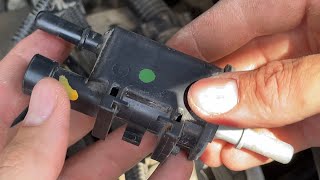
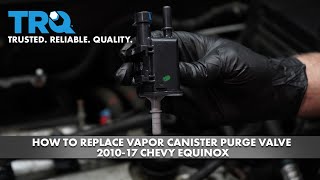
Est. part cost: $15-$30 - Faulty EVAP Purge Solenoid (Purge Valve) 🟡 Medium Probability This valve is a very common failure point on GM vehicles, including the Equinox. It can get stuck open or closed, causing a leak in the system. A forum user noted this was one of the first parts they replaced to solve the code.
How to confirm: The purge solenoid is located on the engine. A quick test is to start the engine, then disconnect the electrical connector and the vapor line from the solenoid. If you can feel engine vacuum from the port on the solenoid, it is stuck open and faulty. A scan tool can also command the valve and monitor its response.
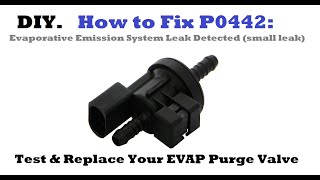
Typical fix: Replace the purge solenoid. This is generally an easy part to access on the engine and replace with basic tools. 🎬 Watch: Step-by-step guide to replacing the EVAP purge solenoid.
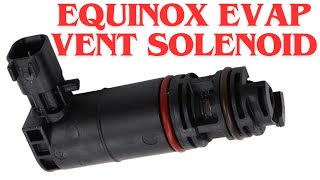
Est. part cost: $30-$100 - Faulty EVAP Vent Solenoid (Vent Valve) 🟡 Medium Probability This valve, typically located on or near the charcoal canister under the vehicle by the fuel tank, is exposed to road debris and moisture. It can fail and get stuck open, creating a leak path.
How to confirm: The valve should be normally open and close when voltage is applied. It can be tested with a scan tool that can command it closed, followed by a smoke test to see if it's leaking. A faulty vent valve can also cause issues with refueling.
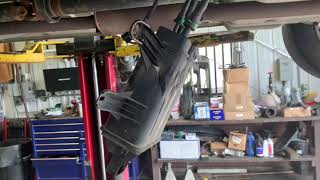
Typical fix: Replace the vent solenoid. Accessing it may require lowering the charcoal canister, but it is a common DIY repair. 🎬 See how to access and replace the vent solenoid under the vehicle.
Est. part cost: $30-$80 - Cracked or Rusted EVAP Hoses/Lines ⚪ Low Probability This is a significant issue for Equinox models in the rust belt. Metal EVAP lines running under the car along the frame rail are highly susceptible to rusting through and developing pinhole leaks. Rubber hoses can also become brittle and crack. An owner complaint for a 2019 Equinox reported a purge tube that was not fully seated from the factory. [ODI #11234911]
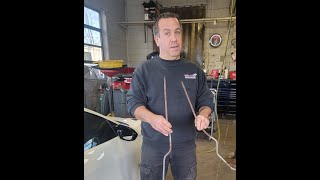
How to confirm: A visual inspection may reveal obvious cracks or disconnections. The most effective method is to use a smoke machine to pressurize the EVAP system and look for smoke escaping from the leak point. A video of a 2012 Equinox repair shows smoke billowing from a rusted section of the line under the driver's side.
Typical fix: Replace the damaged section of hose or the entire line assembly. For the rusted metal line, GM sells a replacement assembly.
Est. part cost: $20-$160
Rare But Worth Checking
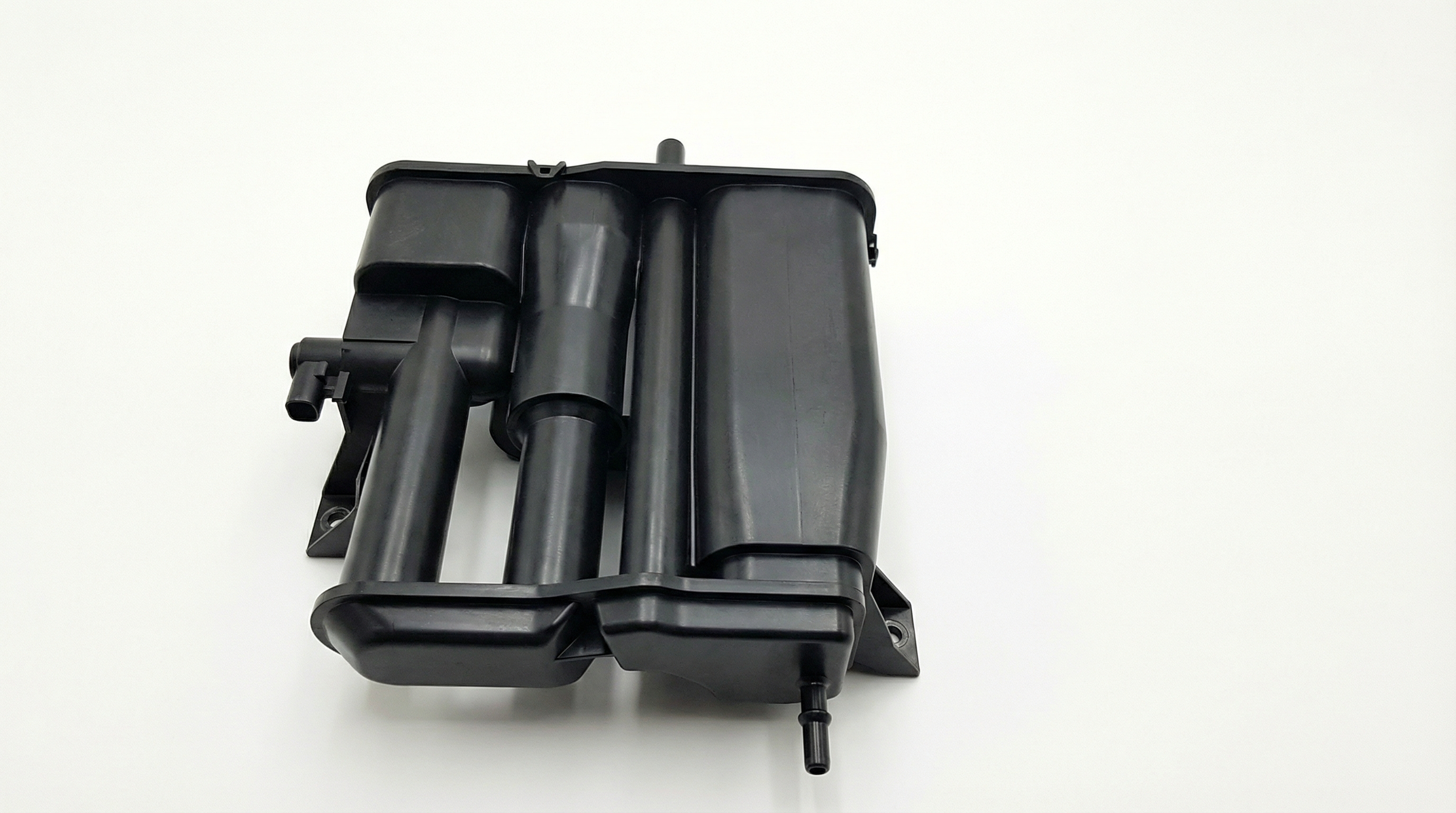
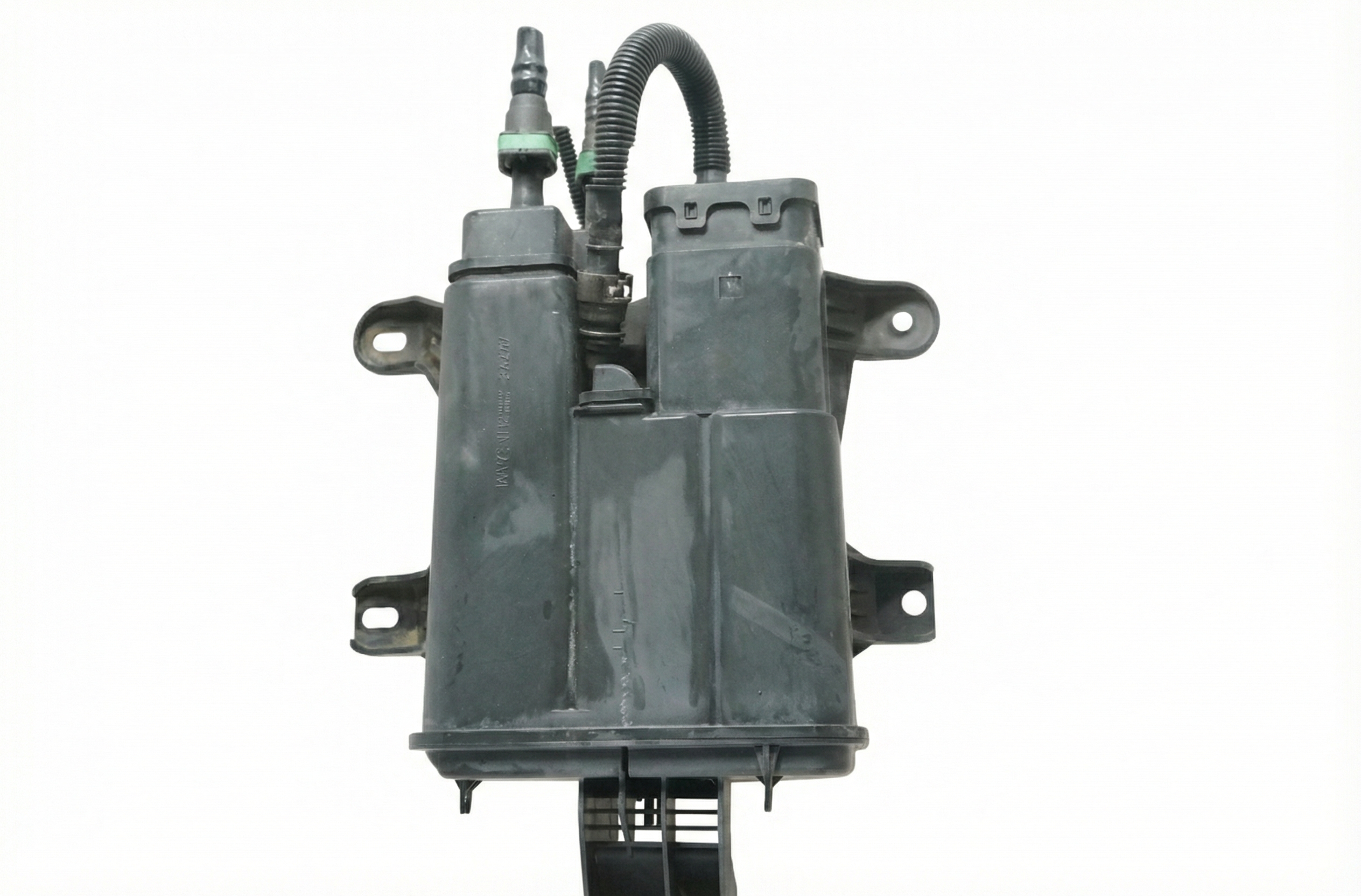
- Leaking Charcoal Canister: The plastic housing of the canister itself can develop cracks. It can also become saturated with fuel if the gas tank is consistently overfilled, which can damage internal components and cause codes. TSB PIE0528 was issued to gather information on canister failures related to P0442.
- Leaking Fuel Tank or Filler Neck: Rust or physical damage can cause a small leak in the fuel tank or the pipe leading to it (the filler neck), which will be detected by the EVAP system test.
- Faulty Fuel Tank Pressure (FTP) Sensor: The sensor that monitors the system pressure can fail. If it provides incorrect data to the ECM, the computer may believe there is a leak when there isn't one. This is less common than an actual leak.
Diagnosis Steps

- Check the gas cap. Remove it, inspect the seal for damage, and reinstall it, ensuring it clicks multiple times. For capless fillers, check the seal. Clear the code and drive for a few days to see if it returns.
- If the gas cap is good, perform a thorough visual inspection of all accessible EVAP hoses and lines in the engine bay and under the vehicle for obvious cracks, rust, or disconnections. Pay special attention to the metal lines running along the frame rails.
- Test the EVAP purge solenoid on the engine. With the engine running, disconnect the vapor line; if vacuum is present at the solenoid's port, it's stuck open and needs replacement.
- If the above steps don't reveal the issue, a smoke test is the most effective next step. A mechanic will introduce smoke into the EVAP system via a service port. The smoke will exit from the location of the leak, making it easy to pinpoint. This is the best way to find hairline cracks in hoses or rusted-out lines.
- Follow GM's diagnostic advice in TSB 21-NA-124: 1) Inspect all EVAP lines for proper seating/damage, 2) Test the vent valve, 3) Test the purge valve.
- Per TSB PIT4943D, a technician can use a scan tool to seal the EVAP system and monitor the fuel tank pressure sensor. A change in pressure (vacuum) with the engine running points towards a leaking purge solenoid.
Parts You'll Likely Need
- Gas Cap
(OEM #ACDelco GT330 (for threaded), check dealer for capless)— This is the most frequent and simplest fix. The seal wears out over time. Always use an OEM part.
Trusted brands: ACDelco (OEM)
OEM price range: $20-$30
Aftermarket price range: $15-$25 - EVAP Vapor Canister Purge Solenoid
(OEM #12690512 (supersedes 12610560 for many applications))— A very common failure point on GM vehicles. It gets stuck, causing a persistent small leak.
Trusted brands: ACDelco, Delphi
OEM price range: $40-$70
Aftermarket price range: $20-$50 - EVAP Vapor Canister Vent Solenoid
(OEM #ACDelco 214-2149 (GM 13575703) - verify fitment)— Located near the fuel tank, this part is exposed to the elements and can fail, getting stuck open.
Trusted brands: ACDelco
OEM price range: $40-$80
Aftermarket price range: $25-$60
Related Codes That Often Appear With This One
- P0455 — This code indicates a 'Large EVAP Leak'. It often appears alongside P0442 if the leak is intermittent or on the borderline between small and large. Both codes point to a breach in the same system and are mentioned together in TSB 21-NA-124.
- P0446 — This code relates to the 'EVAP Vent Control Circuit'. If the vent solenoid or its wiring is faulty, it can cause both a circuit code (P0446) and a leak code (P0442). TSB PIE0528 lists this as a related code.
- P0449 — Similar to P0446, this code also points to a fault in the EVAP vent valve solenoid control circuit. It is frequently seen with P0442 when the vent solenoid is the root cause.
Technical Service Bulletins (TSBs) & Recalls
- Bulletin #21-NA-124: Provides diagnostic tips for testing EVAP leaks causing P0442 and/or P0455, advising a specific order of operations.
- Bulletin #PIE0528: An engineering request for information on failing canister assemblies that set P0442 and other EVAP codes.
- Bulletin #PIT4943D: Details a specific procedure for using a smoke machine and scan tool to confirm a leaking purge solenoid.
Platform-Specific Known Issues
- GM has issued multiple Technical Service Bulletins (TSBs) related to P0442. TSB 21-NA-124 provides a clear diagnostic order: check lines, then vent valve, then purge valve. TSB PIE0528 was an engineering query into failing canister assemblies causing P0442. TSB PIT4943D gives detailed steps for using a professional EVAP tester to isolate purge valve leaks.
- A real-world owner complaint for a 2019 Equinox with under 1,000 miles reported code P0442 was caused by a purge tube that was not fully seated from the factory, which also caused a smell of gas fumes. [ODI #11234911]
- Rusted metal EVAP lines under the vehicle are a known failure point, especially in areas that use road salt. A YouTube video by a repair shop on a 2012 Equinox specifically shows this failure, with the replacement OEM part costing $160 and the total repair around $350.
Mechanic-Grade Diagnostic Values
- Fuel Tank Pressure (FTP) Sensor Voltage — expected: Approximately 1.45-1.5V with key on, engine off, and gas cap removed (at atmospheric pressure). The voltage should change when vacuum is applied to the system.. Failure: A voltage that is stuck and does not change, or a reading that is irrational for the condition (e.g., showing pressure when the cap is off), indicates a faulty sensor or wiring.
- EVAP Purge Solenoid Coil Resistance — expected: Between 20 and 30 ohms.. Failure: A reading that is significantly higher, lower, or infinite (open circuit) indicates a faulty solenoid coil.
- EVAP Vent Solenoid Power Supply — expected: Battery voltage at the solenoid connector (red/white wire on some models) with the ignition on.. Failure: No voltage suggests a blown fuse (e.g., F24UA 10A in the underhood fuse box for some models) or an open/short in the power wire.
Scan Tool Commands That Help
- GDS2 (GM Dealer Tool) or equivalent professional scan tool: EVAP Service Bay Test — This is a comprehensive, automated test that allows a technician to command the ECM to run the entire EVAP leak test sequence in the shop, rather than waiting for the monitor to run during normal driving. It seals the system, pulls a vacuum, and monitors for decay, quickly identifying if a leak is present.
- GDS2 or equivalent bidirectional scan tool: Purge/Seal — This function allows the technician to manually command the purge and vent solenoids on and off. It's used to isolate and test individual components. For example, a technician can command the vent solenoid closed and the purge solenoid open to apply smoke or vacuum from the engine side, then command the purge solenoid closed to see if the system holds pressure/vacuum.
Wiring & Ground Locations
- EVAP System Fuse (2010-2017) — In the underhood fuse box, fuse #21 is related to the EVAP system.. While a blown fuse typically causes a circuit code (like P0449), it's a primary check for an unresponsive EVAP component.
- EVAP Vent Solenoid Fuse (P0449 specific) — For models throwing a P0449 circuit code, fuse F24UA (10A) in the underhood fuse box is often the power source for the vent solenoid.. If the vent solenoid has no power, it cannot close, which will cause the system to fail a leak test and can set a P0442 in addition to the circuit code.
- FTP Sensor Wiring — The Fuel Tank Pressure (FTP) sensor wiring (often a 3-wire connector with gray, black, and green wires) runs from the ECM directly to the sensor on top of the fuel tank.. Damage to this harness can cause incorrect pressure readings, leading to a false P0442 code. A common failure point is the wire being cut or chafed where it comes out of the main harness above the fuel tank.
- PCM Ground G112 (2013 Equinox 2.4L) — There are two primary PCM grounds that both lead to ground point G112.. A poor PCM ground can cause a host of erratic issues and incorrect sensor readings. While not a direct cause of a physical leak, it can contribute to misdiagnosis and should be verified if multiple electronic issues are present.
Real Owner Repair Stories
- Winter Auto Repair YouTube Channel (2012 Chevrolet Equinox) — Check Engine Light with code P0442.
❌ Tried (didn't work) Replaced gas cap (OEM), Replaced EVAP purge solenoid
✅ What actually fixed it A smoke test revealed a heavily rusted and leaking metal EVAP line that runs along the underbody of the vehicle. The entire line assembly was replaced with a new OEM part for $160, which resolved the code. - Chevy Equinox Forum User (2012 Chevrolet Equinox, 38k miles) — P0442 code appears 3-4 engine starts after getting gas.
❌ Tried (didn't work) Replacing the gas cap.
✅ What actually fixed it The user reported that replacing both the purge solenoid and the vent valve solenoid resolved the issue. They specifically advised using OEM parts over aftermarket brands like NAPA for these components.
"I Checked Everything" — The Actual Cause
- A technician on a professional forum noted a situation where a GM vehicle passed a smoke test (which uses pressure) but failed the onboard vacuum-based leak test. The theory is that a faulty purge or vent valve can sometimes leak under vacuum (which the system self-test uses) but seal properly under the positive pressure of a smoke machine. The fix is to test the valves for sealing using a hand-held vacuum pump in addition to a smoke test.
OEM Part Supersession History
12610560→12690512, and subsequently by 12737252— Standard part evolution for improved reliability or manufacturing changes.
Heads up: The newest part number (12737252) is the correct service replacement for the older numbers on applicable models.
Model Year Variations Within This Range
- 2013-2017 (Second Generation): These models primarily used the 2.4L 4-cylinder and 3.6L V6 engines. The notorious issue of the rusted underbody EVAP line is well-documented on this platform.
- 2018-2020 (Third Generation): The 2018 model year was a complete redesign with a lighter platform and all-new turbocharged engines (1.5T, 2.0T, 1.6T Diesel), replacing the previous naturally aspirated engines. This means component locations (like the purge valve on the intake manifold) and part numbers for EVAP components will differ from the second generation. Some models also feature a capless fuel filler system, which introduces a different potential sealing failure point compared to a traditional gas cap.
Helpful Videos
Used OEM Parts in Stock

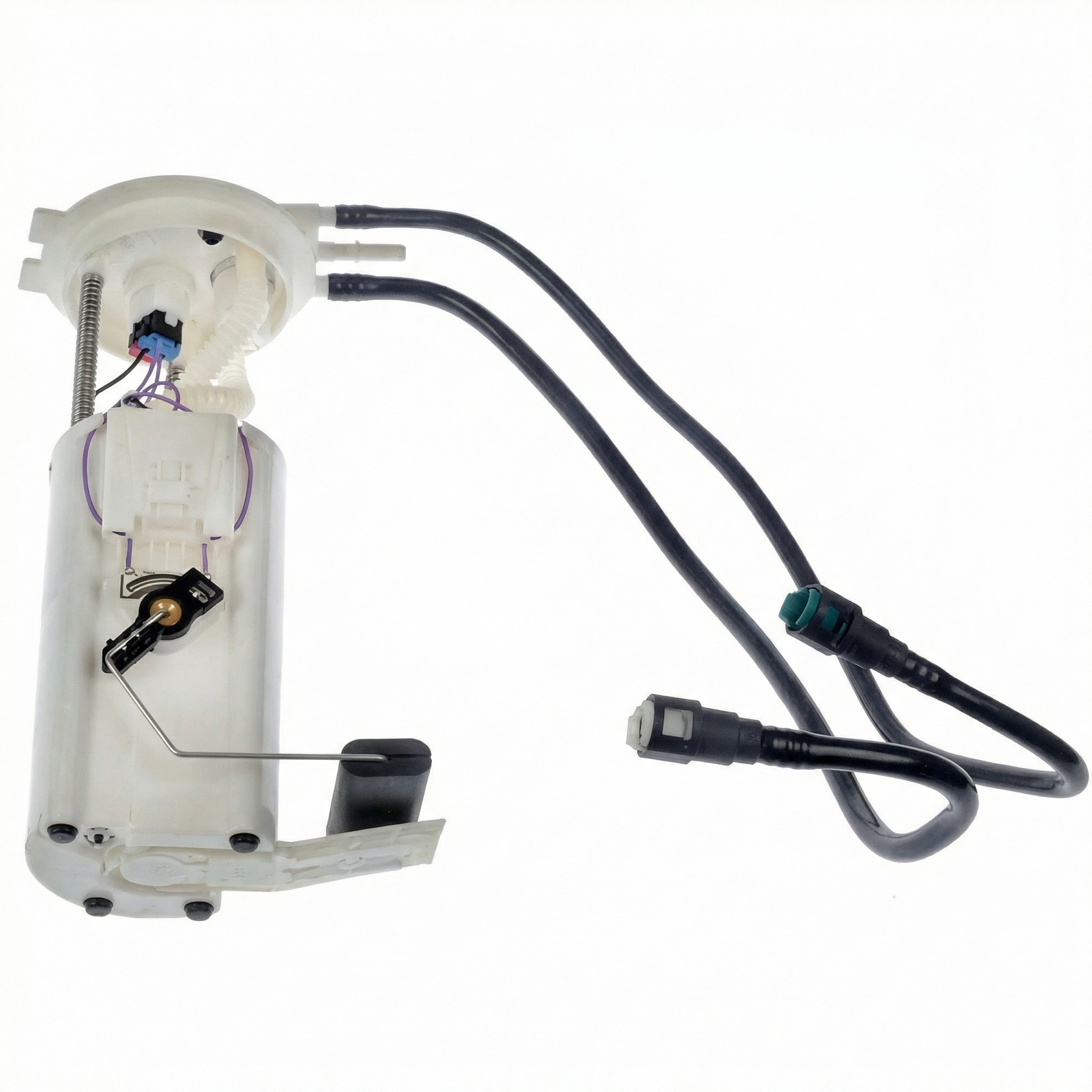
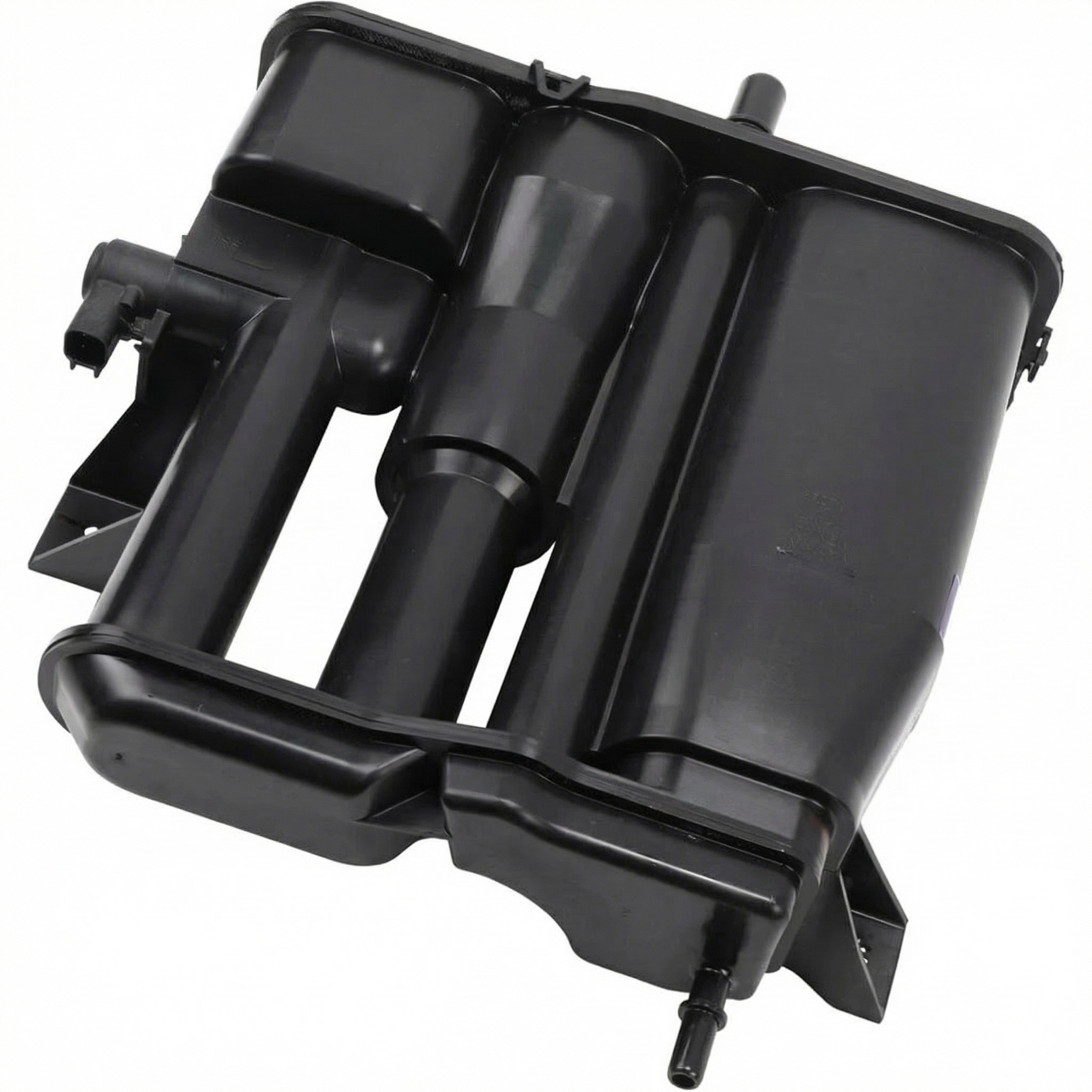

New Aftermarket Parts Available

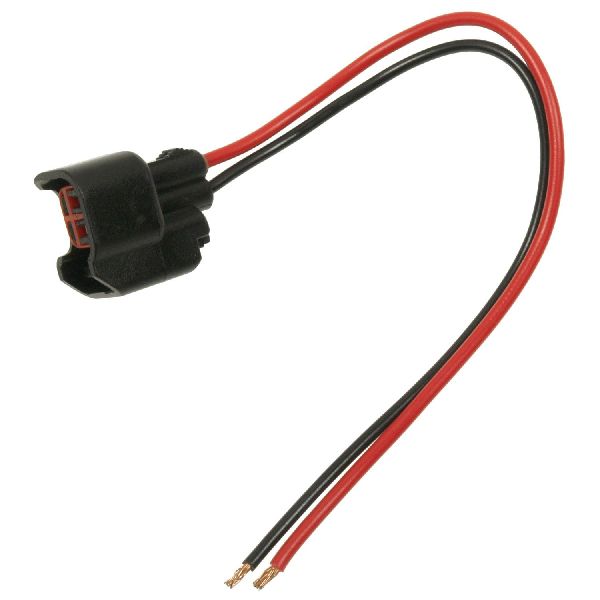

The information in this article is provided for general reference and educational purposes only. Vehicle specifications, procedures, and part compatibility can vary by production date, trim level, and region. Always consult your vehicle's factory service manual and verify part numbers before purchasing or performing repairs. Safety-critical components such as airbags, seat belts, and braking systems should be installed by a qualified professional.
- Chevrolet EQUINOX:
- 🎬 Helpful Videos
- 🛍️ Shop This Part
- What's Unique About the 2013-2020 Chevrolet EQUINOX
- Diagnostic Flowchart
- Symptoms You May Notice
- Most Likely Causes
- Rare But Worth Checking
- Diagnosis Steps
- Parts You'll Likely Need
- Related Codes That Often Appear With This One
- Technical Service Bulletins (TSBs) & Recalls
- Platform-Specific Known Issues
- Mechanic-Grade Diagnostic Values
- Scan Tool Commands That Help
- Wiring & Ground Locations
- Real Owner Repair Stories
- "I Checked Everything" — The Actual Cause
- OEM Part Supersession History
- Model Year Variations Within This Range
- 🎟️ Get 5% Off