

P0442 on 2005-2012 Chevrolet Equinox: Small EVAP Leak Causes and Fixes
P0442 on your Equinox indicates a small EVAP leak, most often caused by a loose or faulty gas cap. If a new OEM gas cap (~$30) doesn't fix it, the next most likely culprits are the EVAP purge or vent valve solenoids, which are relatively inexpensive parts and simple to replace. On second-generation models (2010+), rusted EVAP lines are also a known issue in rust-belt states.
- Always check the gas cap first. Make sure it's tight and the seal is intact. Using an OEM cap is best.
- If the gas cap isn't the issue, the EVAP purge valve (on the engine) and vent valve (near the tank) are the next most likely parts to fail and are affordable DIY fixes.
- Do not replace expensive components like the charcoal canister without confirming the leak source.
- A smoke test is the most reliable professional method to pinpoint hard-to-find leaks in hoses or other components.
- This code will cause an automatic failure on an emissions test, so it needs to be resolved to keep the vehicle street-legal in many areas.
What's Unique About the 2005-2012 Chevrolet EQUINOX

The 2005-2012 Equinox spans two distinct generations, with different engines and some variations in EVAP component design and location. The first generation (2005-2009) is known for issues with the EVAP vent valve solenoid and its wiring connector. The second generation (2010-2012) shares common GM EVAP parts, with the purge valve being a frequent failure point. For both generations, using aftermarket gas caps can be problematic and lead to persistent codes; an OEM cap is strongly recommended. Owners in rust-belt regions should also be aware of potential leaks from corroded EVAP lines, particularly on 2010-2012 models.
Diagnostic Flowchart

Tap your situation to follow the diagnostic path that matches what you're seeing on this vehicle.
Generation note: The 2005-2012 model years cover the first generation (2005-2009) and the beginning of the second generation (2010-2017). The first generation used 3.4L and 3.6L V6 engines, while the second generation introduced the 2.4L I4 and 3.0L V6. While the most common causes (gas cap, purge/vent valves) are similar, the exact part numbers and locations will differ between these generations and engine types. For example, the purge valve on the 2nd gen 2.4L is on the driver's side of the intake manifold, while the vent valve is located near the muffler.
Symptoms You May Notice

- Check Engine Light is on.
- A faint fuel smell, possibly noticeable after parking in an enclosed space like a garage.
- Difficulty filling the fuel tank (pump clicks off repeatedly), which often points to a faulty or clogged vent valve.
- A 'Check Gas Cap' message may appear on the driver information center on some models.
- Replacing the expensive charcoal canister before thoroughly testing the gas cap, purge valve, and vent valve.
- Using a cheap, non-OEM gas cap which fails to seal properly and does not resolve the code.
- Replacing the purge or vent valve without performing a smoke test to confirm the leak location, potentially missing a cracked hose or rusted line.
Most Likely Causes

- Loose, Damaged, or Incorrect Gas Cap 🔴 High Probability The gas cap seal is a critical part of the EVAP system. Aftermarket caps often do not seal correctly on GM vehicles, causing persistent leak codes. The rubber O-ring can also dry out and crack over time.
How to confirm: Ensure the cap is tightened until it clicks multiple times. Inspect the rubber seal for cracks, stiffness, or damage. If it's an aftermarket cap or looks worn, replacement with an OEM part is the cheapest and easiest first step.
Typical fix: Replace the gas cap with a new, OEM (Original Equipment Manufacturer) part. An ACDelco cap is the recommended choice.
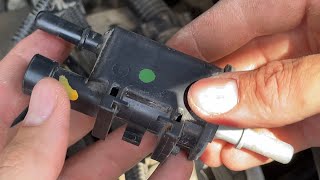
Est. part cost: $20-$40 - Faulty EVAP Purge Valve Solenoid 🟡 Medium Probability This valve is a very common failure point on many GM vehicles, including the Equinox. It can get stuck open or closed, creating a leak path or preventing vapor flow. A stuck-open valve is a common cause for a P0442.
How to confirm: The purge valve is typically located on the engine intake manifold. A simple test is to disconnect the valve's electrical connector and the hose leading to the canister, then start the engine. If you feel vacuum from the valve at idle, it's stuck open and needs replacement. A stuck-open valve often causes a rough idle or difficulty starting after refueling.
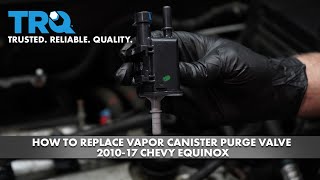
Typical fix: Replace the purge valve solenoid. This is usually a simple repair involving disconnecting two hoses and an electrical connector. 🎬 See this walkthrough for replacing the 2nd gen purge valve.
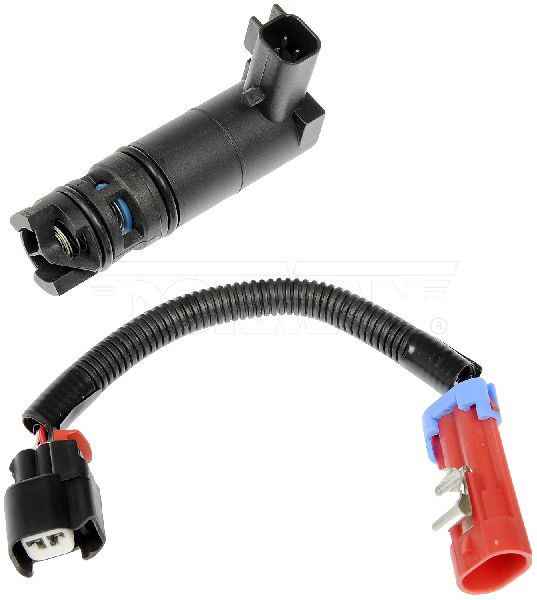
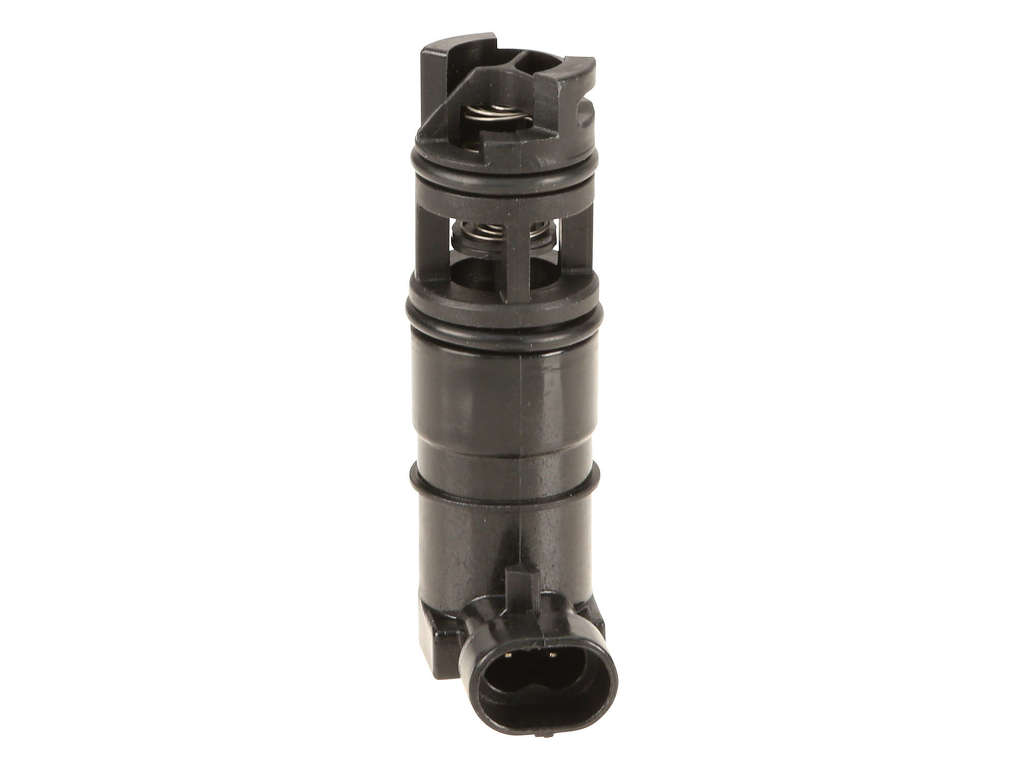
Est. part cost: $25-$60 - Faulty EVAP Vent Valve Solenoid 🟡 Medium Probability Located near the charcoal canister by the fuel tank, this valve is exposed to road debris, salt, and moisture, which can cause corrosion or clog the valve with dirt, causing it to stick open.
How to confirm: Inspect the valve and its filter for dirt and debris. A scan tool can command the valve to close during a smoke test to confirm if it's sealing properly. A common symptom of failure is the fuel pump nozzle clicking off repeatedly when refueling, indicating a vent path blockage.
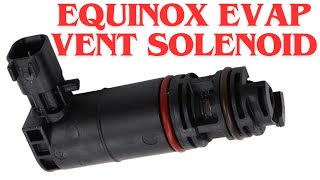
Typical fix: Replace the vent valve solenoid. On the 2nd generation Equinox, it is located next to the muffler on the driver's side. The part is often sold as an assembly with the filter box. 🎬 Watch: How to replace the vent valve solenoid and filter.
Est. part cost: $30-$70 - Cracked or Deteriorated EVAP Hoses/Lines ⚪ Low Probability Rubber and plastic lines can become brittle and crack over time due to heat and environmental exposure. On the 2010-2012 models, the metal EVAP line running from the canister to the engine is known to rust through, especially in northern climates.
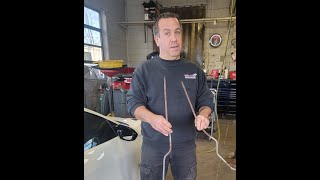
How to confirm: A visual inspection may reveal obvious cracks or rust, but small leaks are best found using a smoke machine. This involves feeding low-pressure smoke into the EVAP system and looking for where it escapes. A YouTube video shows a rusted line on a 2012 Equinox as the culprit. 🎬 Watch: Finding a rusted EVAP line on a 2012 Equinox.
Typical fix: Replace the specific section of leaking hose or the entire line assembly if it is rusted or severely degraded. The GM replacement line can cost around $160.
Est. part cost: $20-$160
Rare But Worth Checking
- Cracked Charcoal Canister: The canister itself can develop hairline cracks from road debris impact or age, creating a leak. This is usually found with a smoke test. Overfilling the fuel tank can also saturate the canister with raw fuel, leading to damage and other EVAP codes.
- Leaking Fuel Tank Filler Neck: Rust or corrosion on the metal filler neck where the gas cap seals can prevent a proper seal, even with a new cap. Owners have reported cleaning the rust off with a wire brush as a temporary fix, but replacement of the filler neck is the correct repair if it's pitted or perforated.
- Faulty Fuel Tank Pressure Sensor: While this sensor usually sets its own specific code (like P0452 or P0453), a faulty sensor can sometimes provide incorrect data, leading the computer to mistakenly believe there is a leak.
Diagnosis Steps
- Confirm the P0442 code with an OBD-II scanner.
- Inspect the gas cap. Ensure it is tight and clicks. Check the rubber O-ring for cracks or damage. If it's an aftermarket cap, replace it with an OEM ACDelco cap as the first step.
- Clear the code and drive for a few days to see if it returns. The EVAP monitor only runs under specific conditions (e.g., fuel tank between 1/4 and 3/4 full), so it may take time.
- Visually inspect all accessible EVAP hoses and lines running from the fuel tank to the engine for obvious cracks, disconnections, or signs of wear. Pay close attention to the metal line on 2010+ models for rust.
- Locate and test the EVAP purge solenoid on the engine. With the engine running, disconnect the hose from the canister side; there should be no vacuum. If there is, the valve is stuck open and bad.
- Locate the EVAP vent solenoid near the charcoal canister (by the fuel tank/muffler area). Inspect it and its filter for dirt or clogs, which are common issues.
- If the leak source is still not found, the most effective method is to perform a smoke test. A mechanic will connect a smoke machine to the EVAP service port, command the vent valve closed with a scan tool, and fill the system with visible vapor, making even the smallest leaks from hoses, the filler neck, or canister easy to spot.
Parts You'll Likely Need
- Gas Cap
(OEM #GT295 (ACDelco for 2nd Gen), GT284 (ACDelco for 1st Gen))— This is the most frequent and simplest cause. Aftermarket caps are a common source of problems, so an OEM replacement is highly recommended.
Trusted brands: ACDelco (GM Original Equipment)
OEM price range: $20-$40
Aftermarket price range: $10-$25 - Vapor Canister Purge Valve / Solenoid
(OEM #12610560 (Common for 2nd Gen V6/I4), 12597567 (Common for 1st Gen 3.4L))— A very common failure point on GM vehicles that gets stuck open or closed. It's located on the engine and is typically easy to replace.
Trusted brands: ACDelco, Standard Motor Products, Bosch
OEM price range: $35-$60
Aftermarket price range: $20-$45 - Vapor Canister Vent Valve / Solenoid
(OEM #25932571 (Superseded by 214-2149 for many applications))— Prone to failure from dirt and moisture due to its location near the fuel tank. A faulty vent valve can also make refueling difficult.
Related Codes That Often Appear With This One
- P0455 — Indicates a large EVAP leak. A small leak (P0442) can worsen over time and become a large leak, or both codes may appear if the leak size is on the borderline. GM TSB #21-NA-124 specifically addresses diagnosing P0442 and P0455 together.
- P0496 — Indicates incorrect purge flow, often caused by a purge valve stuck open. This is a very common related code on GM vehicles and often points directly to a faulty purge valve solenoid.
- P0449 — Indicates a fault in the EVAP vent valve solenoid control circuit. This code points more specifically to an electrical issue with the vent valve or its wiring, rather than a physical leak, but can appear alongside leak codes.
Technical Service Bulletins (TSBs) & Recalls
- 21-NA-124: Diagnostic Tip for Malfunction Indicator Lamp (MIL) Illuminated - DTC P0442 and/or P0455 Set. This bulletin provides general diagnostic tips for finding EVAP leaks, noting that P0442 can be caused by a stuck open purge valve or vent valve.
- PIT4943D: SES Light With A P0442 And/Or P0455. This bulletin directs technicians to a Techlink article about properly using the specific GM-approved EVAP smoke machine/tester for accurate diagnosis.
Platform-Specific Known Issues
- The provided NHTSA records indicate that GM has issued Technical Service Bulletins (TSBs) specifically to help technicians diagnose P0442 on these vehicles. Bulletin #21-NA-124 provides diagnostic tips for P0442/P0455, explaining that a small leak can be a stuck open purge or vent valve. Bulletin #PIT4943D directs technicians to use a specific EVAP system tester, underscoring that finding the leak may require more than a simple visual check.
- A recurring theme in owner forums is the importance of using OEM parts, especially for the gas cap and purge valve, as aftermarket versions are reported to fail quickly or not seal correctly from the start.
- For second-generation (2010-2012) Equinox models in the rust belt, a rusted-through EVAP line that runs from the canister to the engine is a well-documented cause of P0442 that can be missed without a smoke test.
Mechanic-Grade Diagnostic Values
- Fuel Tank Pressure (FTP) Sensor Voltage (Key On, Engine Off) — expected: ~1.5 Volts at atmospheric pressure.. Failure: Voltage that is significantly higher (P0453) or lower (P0452) than the baseline, or does not change when a vacuum is applied during testing.
- EVAP Purge Valve Solenoid Resistance — expected: Approximately 20-30 Ohms (general specification, confirm for specific part).. Failure: A reading that is too high, too low, or infinite (open circuit) indicates a faulty solenoid coil.
Scan Tool Commands That Help
- Tech2 / GDS2 / Professional Scan Tool: EVAP System Test: Vent Valve Control — This bidirectional command is used to manually close the normally-open EVAP vent valve. This seals the system, which is a required first step before performing a smoke test or a vacuum decay test. The scanner display will typically change from 'Venting' to 'Not Venting'.
- Tech2 / GDS2 / Professional Scan Tool: EVAP System Test: Purge Solenoid Control — Allows a technician to command the purge solenoid open by a specific percentage (e.g., 10%, 20%, 100%). This is used during a vacuum decay test to use engine vacuum to draw down the EVAP system pressure and test its ability to hold a vacuum.
Wiring & Ground Locations
- G103 / G105 (First Generation) — For a 2007 Equinox, G103 is at the left side of the engine compartment and G105 is at the lower right rear of the engine.. The Engine Control Module (ECM), which controls and monitors the EVAP system, relies on these grounds. A poor ground connection can cause erratic sensor readings and false codes.
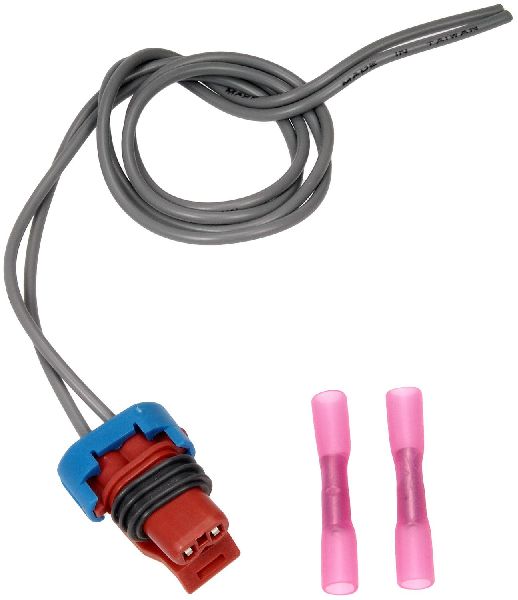
- EVAP Vent Solenoid Connector — At the EVAP vent solenoid, located on or near the charcoal canister by the fuel tank.. This is a 2-wire connector exposed to the elements. Corrosion or damage to the connector or its wiring can cause a P0449 (circuit fault) and can sometimes contribute to intermittent P0442 issues if the valve cannot be commanded closed properly.
Real Owner Repair Stories
- YouTube channel 'Auto Repair Guys' (2012 Chevrolet Equinox (New Jersey vehicle)) — Check Engine Light with code P0442.
❌ Tried (didn't work) Replacing the gas cap with an OEM part., Replacing the EVAP purge valve solenoid.
✅ What actually fixed it A smoke test revealed the leak was coming from a heavily rusted metal EVAP line that runs from the canister to the engine. The entire line was replaced with a new GM part, which cost $160. The total repair was about $350.
"I Checked Everything" — The Actual Cause
- A 2012 Equinox with P0442, P0455, and P0172 (System Too Rich) passed multiple smoke tests with no leaks found. The gas cap, purge valve, and vent valve were all new. The root cause was a failing high-pressure fuel pump on the engine. The pump was leaking internally, allowing fuel pressure to bleed off. The ECM's EVAP monitor test, which runs when the engine is off, saw this gradual pressure drop in the fuel tank and misinterpreted it as a small EVAP leak, setting the P0442 code. The actual problem was completely unrelated to the EVAP hoses and valves.
When the Usual Fixes Don't Work
- In a documented case for a 2012 Equinox, the common fixes for P0442 (new gas cap, new purge valve) did not resolve the issue. A professional smoke test was required to find the true cause, which was a rusted-out metal EVAP line—a problem specific to the vehicle's design and regional conditions (rust belt). This highlights that while common parts are a good starting point, they are not always the solution, and a proper smoke test is invaluable. Another case showed that even a smoke test can be misleading; a P0442 was ultimately traced to a failing high-pressure fuel pump that was causing a pressure drop in the tank, fooling the EVAP monitor.
OEM Part Supersession History
15929484, 20842715, 20924748, 22758497→23156464— Part has been updated by the manufacturer.
Heads up: This part is for Federal emissions vehicles only. California (PZEV) models use a different canister (e.g., 23156465).
Model Year Variations Within This Range

- 2010-2012 (Second Generation): These models are known to have issues with the metal EVAP line running along the frame rusting through, particularly in salt-belt states. This causes a leak that is often only found with a smoke machine after more common parts have been replaced.
- 2010-2012 (2.4L I4 Engine): Vehicles were built with two different emissions systems: Federal (EPA) and California (PZEV). These systems use different vapor canisters. The specific system must be identified by checking the Vehicle Emission Control Information label under the hood before ordering a replacement canister.
- 2008-2009 (3.6L V6 Engine): For the first-generation 3.6L V6 models, GM used different vapor canisters for Front-Wheel Drive (FWD) and All-Wheel Drive (AWD) versions. The vehicle's drivetrain must be verified before ordering a replacement.
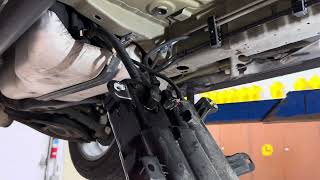
Helpful Videos
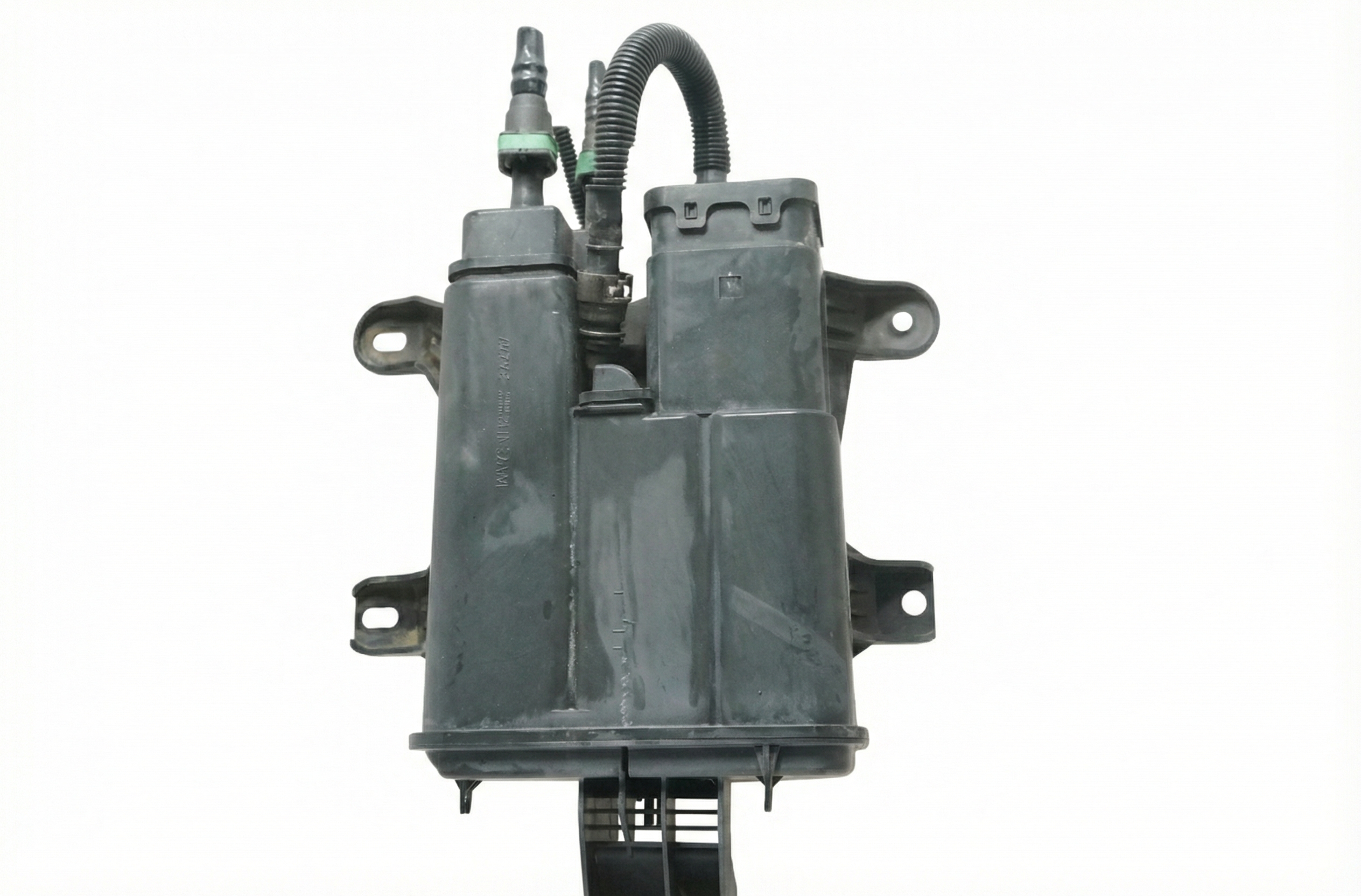
Used OEM Parts in Stock
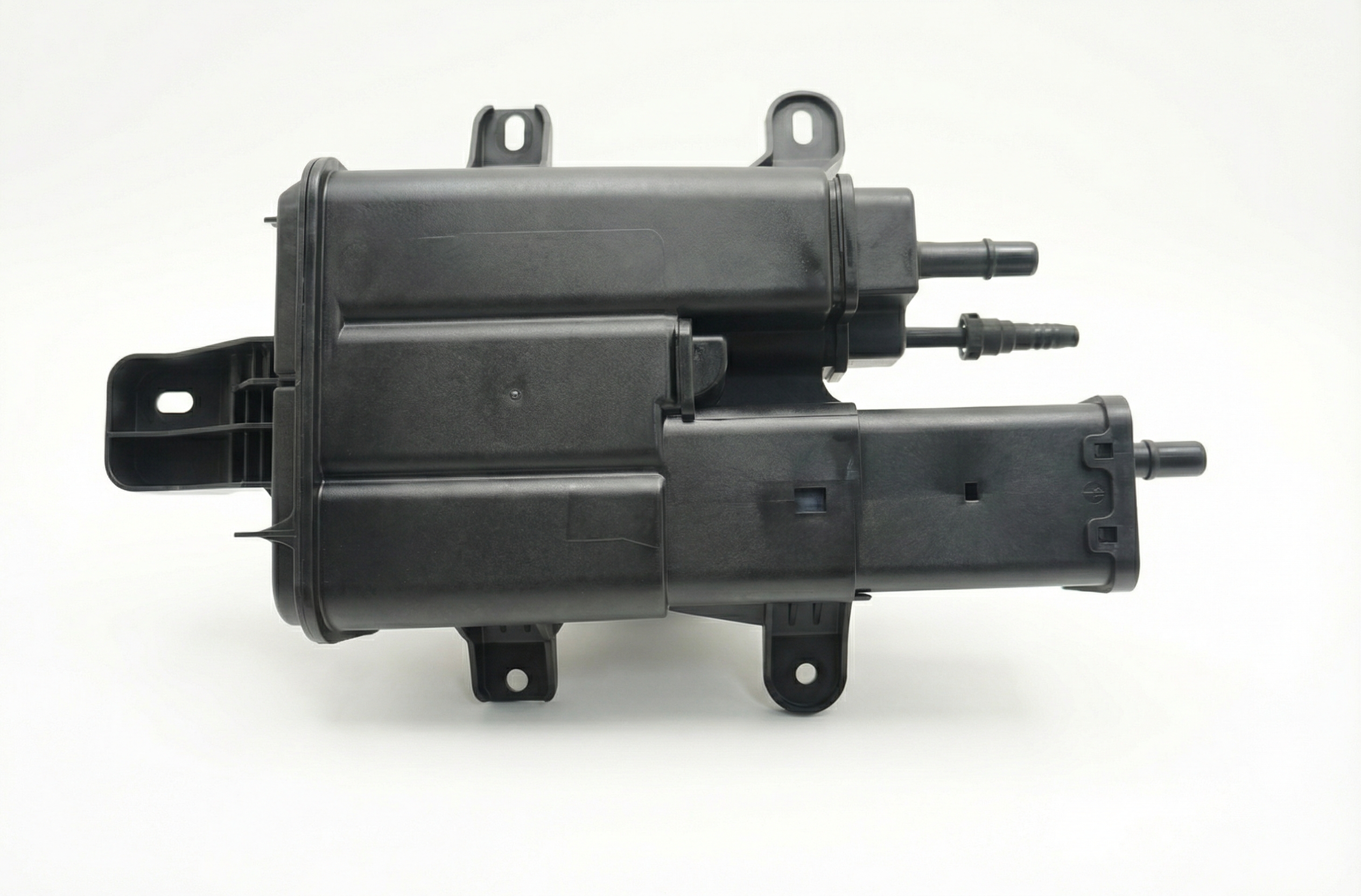
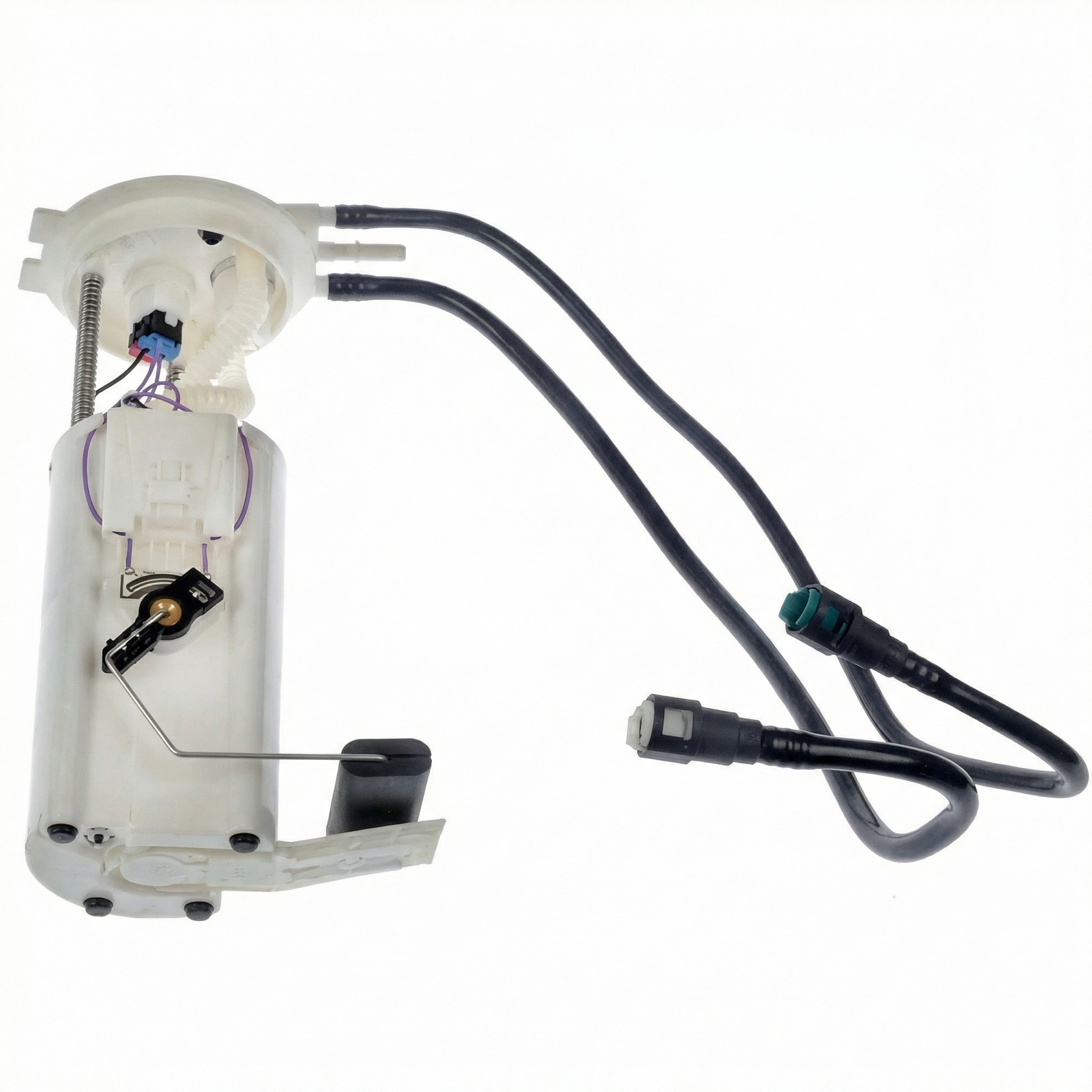
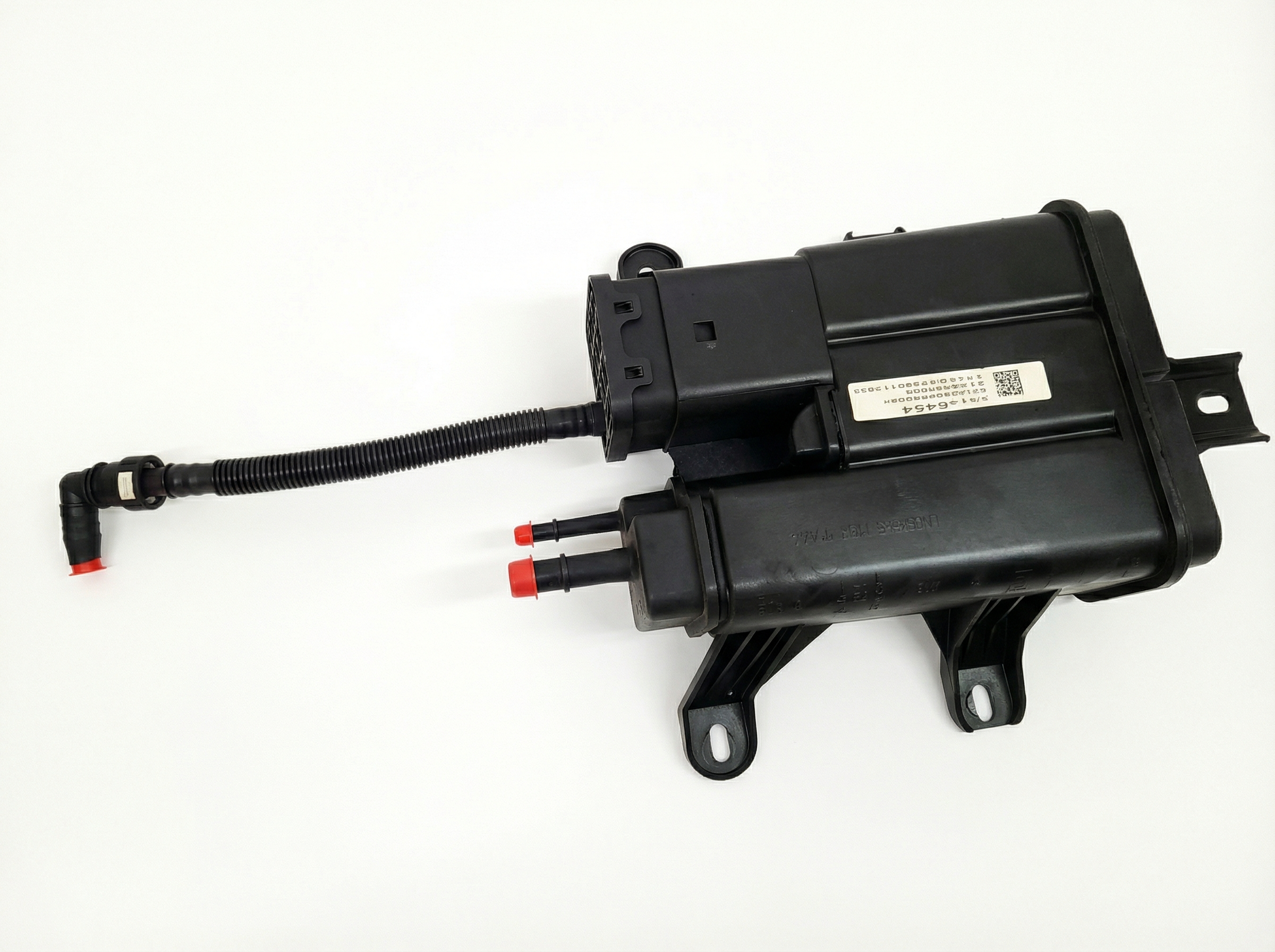

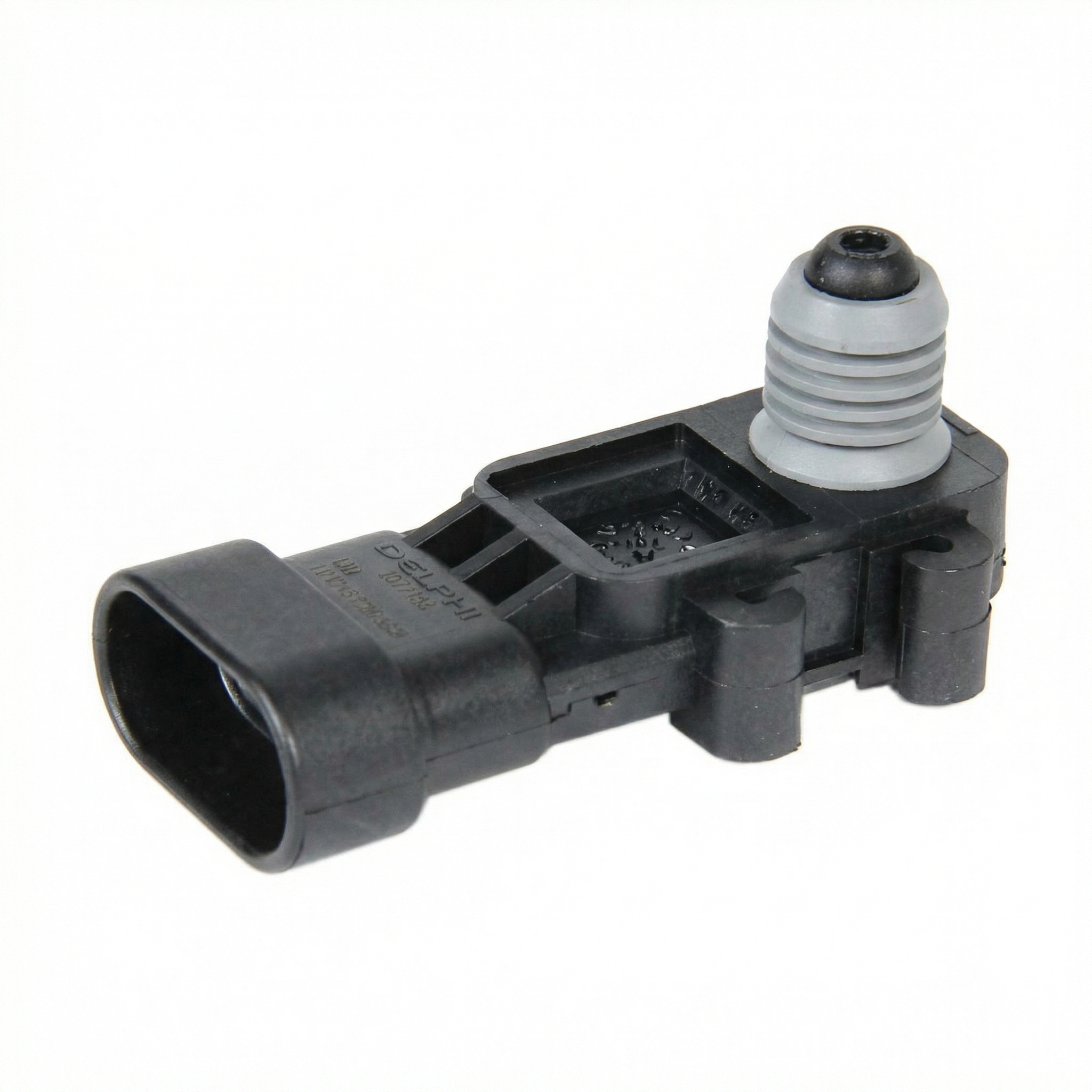
New Aftermarket Parts Available

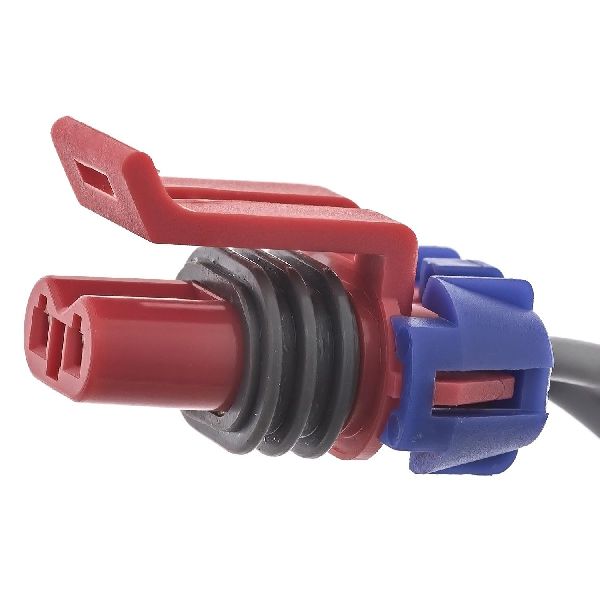

The information in this article is provided for general reference and educational purposes only. Vehicle specifications, procedures, and part compatibility can vary by production date, trim level, and region. Always consult your vehicle's factory service manual and verify part numbers before purchasing or performing repairs. Safety-critical components such as airbags, seat belts, and braking systems should be installed by a qualified professional.
- Chevrolet EQUINOX:
- 🎬 Helpful Videos
- 🛍️ Shop This Part
- What's Unique About the 2005-2012 Chevrolet EQUINOX
- Diagnostic Flowchart
- Symptoms You May Notice
- Most Likely Causes
- Rare But Worth Checking
- Diagnosis Steps
- Parts You'll Likely Need
- Related Codes That Often Appear With This One
- Technical Service Bulletins (TSBs) & Recalls
- Platform-Specific Known Issues
- Mechanic-Grade Diagnostic Values
- Scan Tool Commands That Help
- Wiring & Ground Locations
- Real Owner Repair Stories
- "I Checked Everything" — The Actual Cause
- When the Usual Fixes Don't Work
- OEM Part Supersession History
- Model Year Variations Within This Range
- 🎟️ Get 5% Off