

P0442 on 2006-2009 Cadillac XLR: EVAP Small Leak Causes and Fixes
On a 2006-2009 Cadillac XLR, code P0442 is most often caused by a loose or worn-out gas cap. A new OEM cap is the easiest first step and costs around $35-$65. If that doesn't fix it, the issue is likely a failing EVAP vent or purge solenoid. A smoke test is the best way to find the exact source of the leak.
- P0442 means your XLR has a small leak in the emissions vapor system.
- Always check the gas cap first. Make sure it's tight. If the light comes back, spend the $40 on a new OEM cap before trying anything else.
- This code will not leave you stranded but needs to be fixed to pass an emissions inspection.
- If a new gas cap doesn't solve it, the next most likely culprits are the EVAP purge valve (on the engine) or the vent valve (under the car).
- A smoke test performed by a mechanic is the fastest way to find the exact source of the leak if it's not the gas cap.
What's Unique About the 2006-2009 Cadillac XLR
The Cadillac XLR is built on the same GM Y-body platform as the C6 Chevrolet Corvette and was assembled in the same Bowling Green plant. It shares the Corvette's complex dual-tank fuel system connected by crossover plumbing, which increases the number of hoses and connections where a small leak can occur. General Motors has issued Technical Service Bulletins (TSBs) like #21-NA-124, which specifically address diagnostics for EVAP leaks (P0442/P0455) and recommend a chronological investigation of lines and valves. While the most common failure points are consistent with other GM vehicles, the increased plumbing means a smoke test is highly recommended to pinpoint the leak source accurately.
Diagnostic Flowchart
Tap your situation to follow the diagnostic path that matches what you're seeing on this vehicle.
Symptoms You May Notice
- Check Engine Light is on
- A faint smell of gasoline near the rear of the vehicle or around the gas cap (less common than with a large leak)
- Difficulty starting the car immediately after refueling (a symptom more commonly associated with a stuck-open purge valve, which can also cause a P0442).
- Replacing the oxygen sensors. O2 sensors are not related to the EVAP system.
- Replacing the catalytic converter. This is an exhaust component and has no connection to the P0442 code.
Most Likely Causes
- Loose or Worn Gas Cap 🔴 High Probability The rubber O-ring seal on the gas cap degrades over time from exposure to fuel vapors and weather, losing its ability to create an airtight seal. This is the most frequent and simplest cause for a small EVAP leak code.
How to confirm: First, ensure the cap is tightened until it clicks several times. If the code returns, visually inspect the cap's rubber seal for cracks, stiffness, or damage. The easiest confirmation is to replace the cap, as a visual inspection may not reveal a subtle sealing issue.
Typical fix: Replace the gas cap with a new, high-quality OEM part to ensure a proper seal. Aftermarket caps can sometimes have sealing issues.
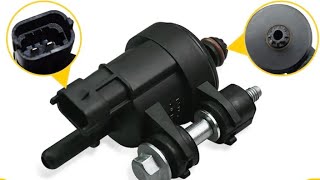
Est. part cost: $35-$65 - Faulty EVAP Vent Solenoid 🟡 Medium Probability This valve, located near the charcoal canister at the rear of the car, can get stuck or fail to seal due to dirt, debris, or age. Its location under the car exposes it to road grime, and it's a known failure point on many GM vehicles. Spiders building nests inside the valve housing is a surprisingly common cause of failure.
How to confirm: A mechanic can command the valve closed with a scan tool and perform a smoke test to see if it's leaking. A DIY check involves removing the valve and trying to blow through it; it should be open by default, but when 12v is applied, it should close completely and hold air.
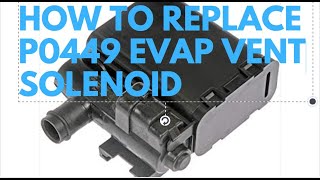
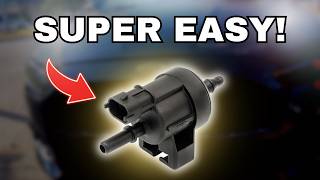
Typical fix: Replace the EVAP vent solenoid. On the XLR and its platform-mate Corvette, it is located under the rear of the car, near the differential and fuel tanks, just above the exhaust pipes. 🎬 See this walkthrough for replacing the vent solenoid.
Est. part cost: $25-$75 - Faulty EVAP Purge Solenoid/Valve 🟡 Medium Probability This valve is located on the engine and controls the flow of vapors to the intake. It can fail by not closing completely, creating a constant small leak in the system. This is a common failure part across many GM models.
How to confirm: A valve stuck partially open can sometimes cause difficulty starting after refueling. With the engine off, disconnect the vapor line from the purge solenoid. A smoke test or handheld vacuum pump can be used at this port to see if the valve is leaking when it should be closed. You can also remove it and try to blow through it; it should be closed with no power applied.
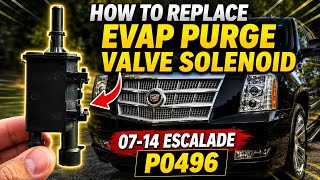
Typical fix: Replace the purge solenoid. On the XLR's Northstar V8, it is found on top of the engine, under the plastic engine cover, making it a relatively easy part to access and replace. 🎬 Watch: How to replace the purge valve on a Cadillac.
Est. part cost: $40-$100 - Cracked or Disconnected EVAP Hoses ⚪ Low Probability The numerous rubber and plastic hoses in the EVAP system, especially those related to the dual-tank crossover, can become brittle with age and heat exposure, leading to small cracks. TSB #21-NA-124 specifically calls out checking for improperly seated or damaged lines as a primary diagnostic step.
How to confirm: A visual inspection may reveal obvious cracks, especially at connection points and bends. However, a smoke test is the most effective method, as it will make even tiny, hard-to-see leaks visible as streams of smoke.
Typical fix: Replace the specific section of cracked hose. It may require OEM-specific pre-formed hoses.
Est. part cost: $10-$50
Rare But Worth Checking
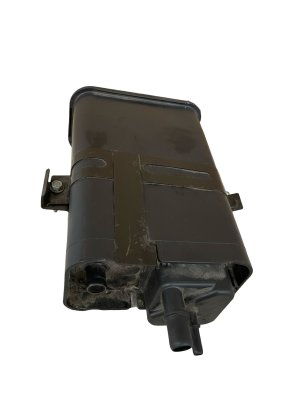
- Cracked Charcoal Canister: The plastic housing of the canister itself can develop hairline cracks from age or impact from road debris. This is usually found with a smoke test after all other common components have been checked. A technician in one video diagnosed a defective canister that was leaking internally.
- Leaking Fuel Tank Sending Unit Gasket: The seal where the fuel pump and level sender assembly mounts to the top of the fuel tank can degrade and cause a small leak. Due to the XLR/Corvette's dual-tank design, there are two such access points, doubling the potential for failure.
- Leaking Fuel Filler Neck: Corrosion or damage to the fuel filler neck where the gas cap seals can prevent a proper seal even with a new cap. GM issued a bulletin for the C6 Corvette (EI07238) to inspect this area carefully if a P0442 or P0455 code persists.
Diagnosis Steps
- Check the gas cap. Remove it, inspect the seal for cracks or hardness, and retighten it until it clicks at least three times.
- Clear the code with an OBD-II scanner. Drive the vehicle for a few days, ensuring the fuel level is between 15% and 85% to allow the EVAP self-test to run.
- If the code comes back, replace the gas cap with a new OEM part. This is the most common fix and is inexpensive.
- If the code persists, perform a thorough visual inspection of all accessible EVAP hoses and lines in the engine bay and under the car near the fuel tanks. Look for any obvious cracks, damage, or loose connections.
- For definitive diagnosis, take the vehicle to a professional for an EVAP smoke test. This test fills the system with a harmless, visible smoke, and any leak from a hose, valve, or canister will be immediately visible.
- Based on smoke test results, identify the leaking component. TSB #21-NA-124 suggests a chronological check: lines/connections first, then the vent valve, then the purge valve.
- Test the vent and purge solenoids for functionality. A scan tool can command them open and closed to verify operation. They can also be bench-tested with a 12v source to listen for a click and check if they seal properly.
Parts You'll Likely Need
- Gas Cap
(OEM #19435845)— This is the most common failure point for a small EVAP leak. The seal wears out over time.
Trusted brands: ACDelco, GM Genuine Parts
OEM price range: $35-$65
Aftermarket price range: $15-$30 - EVAP Vapor Canister Purge Solenoid
(OEM #12735398)— This valve on the engine can fail to seal completely, causing a persistent small leak and sometimes hard starting after refueling.
Trusted brands: ACDelco, Dorman, Standard Motor Products
OEM price range: $65-$100
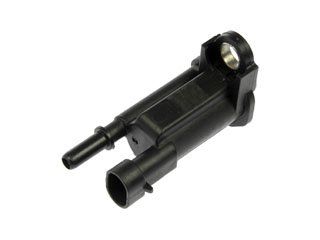
Aftermarket price range: $30-$60 - EVAP Vapor Canister Vent Solenoid
(OEM #214-2149)— This valve near the fuel tank is exposed to the elements and can fail, preventing the system from sealing for its pressure test. It can get clogged with debris or simply wear out.
Trusted brands: ACDelco, Dorman, TRQ
OEM price range: $50-$90
Aftermarket price range: $25-$50
Related Codes That Often Appear With This One
- P0455 — A large leak (P0455) can sometimes be intermittent and initially be detected as a small leak (P0442), or vice-versa. Both codes are addressed in the same GM service bulletin.
- P0449 — This code specifically points to an electrical circuit fault in the EVAP vent solenoid. A solenoid that is failing electrically can also fail to seal properly, causing the leak detected by P0442.
- P0496 — This code indicates improper vapor flow when the purge valve should be closed ('flow during non-purge'). A leaking purge valve that is stuck partially open is a classic cause for both a P0496 and a P0442.
Technical Service Bulletins (TSBs) & Recalls
- Bulletin #21-NA-124: Provides diagnostic tips for testing EVAP system leaks related to DTCs P0442 and/or P0455. It advises a specific order of operations: check all lines for damage/proper connection, then check the vent valve, then check the purge valve.
- Bulletin #PIT4943D: Directs technicians to a specific article on using an Evaporative Emissions System Tester for diagnosing DTC P0442.
- Bulletin #EI07238: A Corvette-specific bulletin that also applies to the XLR due to the shared platform. It addresses persistent P0442/P0455 codes by instructing technicians to inspect the fuel filler neck for damage that could prevent the gas cap from sealing.
Platform-Specific Known Issues
- Corvette Platform Crossover Plumbing: Because the XLR shares its chassis and dual-tank fuel system with the C6 Corvette, it has an extended network of EVAP lines running between the tanks. This adds more potential failure points for cracked hoses or loose connections compared to a single-tank vehicle. A smoke test is particularly valuable on this platform.
- Fuel Filler Neck Sealing Issues: A service bulletin for the C6 Corvette (EI07238) advises careful inspection of the fuel filler neck for corrosion or damage if a P0442 or P0455 code persists after replacing the gas cap.
Mechanic-Grade Diagnostic Values
- Fuel Rail Pressure — expected: 55-62 psi. Failure: Pressure outside this range indicates a fuel delivery problem, which is checked before complex EVAP diagnosis.
- EVAP Purge/Vent Solenoid Coil Resistance — expected: 20-50 Ohms. Failure: A reading of 0 or infinite Ohms (OL) indicates an open or shorted coil, requiring solenoid replacement.
- EVAP Vent Solenoid Connector Voltage — expected: ~12V (battery voltage) on one pin with key on, engine off.. Failure: No voltage suggests a wiring or fuse issue upstream. Voltage on both pins suggests an open in the ground control wire or a faulty ECM driver.
- Tech-2 Scan Tool Fuel Trim Readings — expected: Less than 25%. Failure: A fuel trim reading greater than 25% indicates a fault that should be diagnosed before diving deep into EVAP issues.
Scan Tool Commands That Help
- GM Tech2 / GDS2: EVAP System Test (Purge/Seal) — This is a guided test that commands the vent solenoid closed and the purge solenoid open to draw a vacuum on the tank, then seals the system to monitor for a vacuum decay, which confirms or denies a leak.
- GM Tech2 / GDS2: Vent Solenoid ON/OFF Command — Used to manually close the vent solenoid. A technician will command it closed and then introduce smoke into the system. If smoke escapes from the vent solenoid, the part is faulty.
- GM Tech2 / GDS2: Purge Solenoid Duty Cycle Control — Allows a technician to command the purge solenoid open to varying degrees to test its functionality and ensure it's not stuck.
Wiring & Ground Locations
- G401 / G402 — Bolted to the side of the rear left-hand (G401) and right-hand (G402) frame rails.. These are the primary grounds for components at the rear of the vehicle. The EVAP vent solenoid and charcoal canister are located in this area, and a poor ground can cause erratic operation or electrical fault codes like P0449.
- Vent Solenoid Connector Wiring — The two-wire harness connecting to the EVAP vent solenoid, located near the rear axle.. This wiring is exposed to road debris and moisture. It is a known failure point where wires can break internally inside the insulation, right near the connector, causing an open circuit (often triggering P0449) that isn't visually obvious.
- BCM (Body Control Module) — Part of the fuse/relay block located in the passenger footwell, under the carpet.. The BCM controls many body functions and has several large connectors (C1, C2, C3, C4). While not directly controlling the EVAP solenoids (which are ECM controlled), understanding its location is critical for diagnosing any related wiring that may pass through this area.
"I Checked Everything" — The Actual Cause
- In cases where a comprehensive smoke test reveals no leaks, the root cause can be a faulty Fuel Tank Pressure (FTP) sensor. The sensor may send incorrect data to the ECM, making it believe a leak exists when the system is actually sealed. Because this is an electronic failure rather than a physical one, a smoke test will come back clean, often leading to a misdiagnosis. The FTP sensor is typically located on the fuel pump module inside the fuel tank, making it a more involved repair.
OEM Part Supersession History
12581282, 12573220, 12582627, 89017383, and others→12735398— GM regularly updates part designs to integrate new materials and technologies for improved reliability.
Model Year Variations Within This Range
- 2006-2009: No significant variations have been documented regarding the primary causes or diagnostic procedures for code P0442 within this model year range. The core EVAP system components and their locations remain consistent.
Helpful Videos

Used OEM Parts in Stock
New Aftermarket Parts Available


The information in this article is provided for general reference and educational purposes only. Vehicle specifications, procedures, and part compatibility can vary by production date, trim level, and region. Always consult your vehicle's factory service manual and verify part numbers before purchasing or performing repairs. Safety-critical components such as airbags, seat belts, and braking systems should be installed by a qualified professional.
- Cadillac XLR:
- 🎬 Helpful Videos
- 🛍️ Shop This Part
- What's Unique About the 2006-2009 Cadillac XLR
- Diagnostic Flowchart
- Symptoms You May Notice
- Most Likely Causes
- Rare But Worth Checking
- Diagnosis Steps
- Parts You'll Likely Need
- Related Codes That Often Appear With This One
- Technical Service Bulletins (TSBs) & Recalls
- Platform-Specific Known Issues
- Mechanic-Grade Diagnostic Values
- Scan Tool Commands That Help
- Wiring & Ground Locations
- "I Checked Everything" — The Actual Cause
- OEM Part Supersession History
- Model Year Variations Within This Range
- 🎟️ Get 5% Off