

P0442 on 2011-2018 Cadillac Escalade ESV: EVAP Small Leak Causes and Fixes
For a P0442 code on a 2011-2018 Escalade ESV, the most common causes are a loose or faulty gas cap (2011-2014 models), a bad EVAP vent solenoid, or a bad EVAP purge valve. Start by checking the gas cap or capless filler neck, as it's the simplest and cheapest fix. A smoke test is the most effective way to find the exact source of the leak.
- P0442 indicates a small leak in the fuel vapor system; it is not a critical engine problem but will cause an emissions test failure.
- For 2011-2014 models, always start by checking or replacing the gas cap. It's the most common, cheapest, and easiest fix.
- The next most likely culprits are the EVAP vent solenoid (by the spare tire) and the purge solenoid (in the engine bay).
- While you can visually inspect hoses, a smoke test is the most reliable way to find the exact source of the leak without guessing and replacing unnecessary parts.
- If you also smell fuel, this code is likely pointing to a real, physical leak that needs to be addressed. [3, 15-NA-019]
What's Unique About the 2011-2018 Cadillac ESCALADE ESV
The Escalade ESV from this era is a large, body-on-frame SUV, and its EVAP components are spread out. The purge solenoid is in the engine bay, while the vent solenoid and charcoal canister are located near the fuel tank, often above the spare tire. The Escalade ESV from this era is a large, body-on-frame SUV, and its EVAP components are spread out. The purge solenoid is in the engine bay, while the vent solenoid and charcoal canister are located near the fuel tank, often above the spare tire. Furthermore, TSB #15-NA-019 specifically notes that a strong fuel odor can accompany this code on these vehicles, pointing to a tangible symptom beyond just the check engine light. The bulletin specifies this may be caused by a fractured gasoline filler neck recirculation line connector, a known issue on these large SUVs.
Diagnostic Flowchart
Tap your situation to follow the diagnostic path that matches what you're seeing on this vehicle.
Generation note: This range covers two Escalade ESV generations: the third (2011-2014, GMT900 platform) and the fourth (2015-2018, K2XX platform). The 2011-2014 models have a traditional gas cap, which is a very common failure point. The 2015-2018 models feature a capless fuel filler system, which can also develop leaks at the sealing flap but eliminates the gas cap as a cause. Part numbers for EVAP components, particularly the vent solenoid, differ between these generations.
Symptoms You May Notice
- Check Engine Light is on
- A message on the dash to "Tighten Gas Cap", which may persist even after tightening or replacing the cap, indicating the leak is elsewhere.
- A noticeable fuel smell, especially during idle, after refueling, or when parked in a garage. TSB #15-NA-019 directly links this to a potential leak at the filler neck.
- Difficulty filling the fuel tank (the pump clicks off prematurely), which can point to a blocked vent valve or hose.
- Replacing the charcoal canister when the actual fault is a much cheaper solenoid or hose. The canister rarely fails by leaking; it's more likely to cause issues by sending charcoal pellets into the system.
- Replacing the gas cap without cleaning rust and debris from the filler neck sealing surface, leading to the code returning.
Most Likely Causes
- Loose or Faulty Gas Cap (2011-2014 models) 🔴 High Probability The gas cap seal is a simple rubber O-ring that can dry out, crack, or get dirty over time, preventing a proper seal. The filler neck sealing surface can also rust, preventing even a new cap from sealing.
How to confirm: First, ensure the cap is tightened until it clicks several times. Inspect the rubber seal for any visible cracks, stiffness, or debris. Clean the filler neck sealing surface with a wire brush if it's rusty. If the code returns, replacement is the best confirmation. A quick DIY test is to place a plastic bag over the filler neck before screwing on the cap to create a temporary, better seal; if the code stays off, the cap is bad.
Typical fix: Replace the gas cap. It is highly recommended to use an OEM ACDelco cap, as cheaper aftermarket versions are known to cause EVAP codes.
Est. part cost: $15-$40 - Faulty EVAP Vent Solenoid 🟡 Medium Probability Located near the rear of the vehicle by the spare tire, this valve is exposed to road dirt and moisture, which can cause it to stick open or fail electronically. A specific GM service bulletin notes that a leaking vent solenoid is a common cause for P0442 on 2011-2013 models.
How to confirm: A mechanic can command the valve to close with a scan tool while performing a smoke test. If smoke escapes from the vent valve, it has failed. It can also be removed and bench-tested; it should be normally open and hold vacuum when 12v is applied.
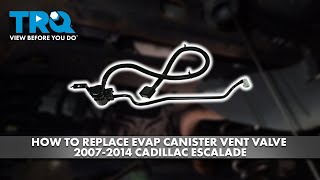
Typical fix: Replace the EVAP vent solenoid. This often requires lowering the spare tire for access. 🎬 Watch: Step-by-step guide to replacing the vent valve. While there, carefully inspect the attached rubber hoses for cracks or kinks, as this is also a common failure point.
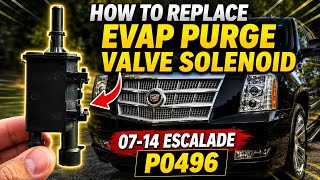
Est. part cost: $40-$85 - Faulty EVAP Purge Solenoid/Valve 🟡 Medium Probability This valve is located in the engine bay and can get stuck open or closed, or leak internally. Sometimes, charcoal pellets from a deteriorating EVAP canister can travel up the line and jam the valve open.
How to confirm: With the engine off, disconnect the hose from the intake manifold side and try to blow through it; no air should pass. With the engine running at idle, it should be closed. A mechanic can also command it open and closed with a scan tool to listen for a click and test its function.
Typical fix: Replace the purge solenoid. This is typically an easy repair located on or near the engine's intake manifold.
Est. part cost: $25-$60 - Cracked or Disconnected EVAP Hose ⚪ Low Probability The rubber and plastic lines can become brittle and crack with age. A particularly common failure point is the rubber hose connecting to the EVAP vent solenoid, which can become kinked and cracked from stress. TSB 21-NA-124 lists seven critical connection points throughout the system that should be inspected for being unseated.
How to confirm: The most effective method is a smoke test. A machine fills the EVAP system with a harmless, visible smoke under low pressure. The leak will be wherever smoke is seen escaping. Pay close attention to the hoses around the vent solenoid and purge valve.
Typical fix: Replace the damaged section of hose or reconnect it if it has simply popped off its fitting. In one documented case, an owner modified the vent solenoid bracket to give a replacement hose more slack to prevent kinking.
Est. part cost: $10-$50
Rare But Worth Checking
- Leaking Fuel Filler Neck: On 2015+ capless systems, the spring-loaded door can fail to seal properly. On all years, the metal filler neck itself can rust and develop pinhole leaks. TSB 15-NA-019 specifically identifies a fractured recirculation line connector on the filler neck as a cause for P0442 and fuel odors.
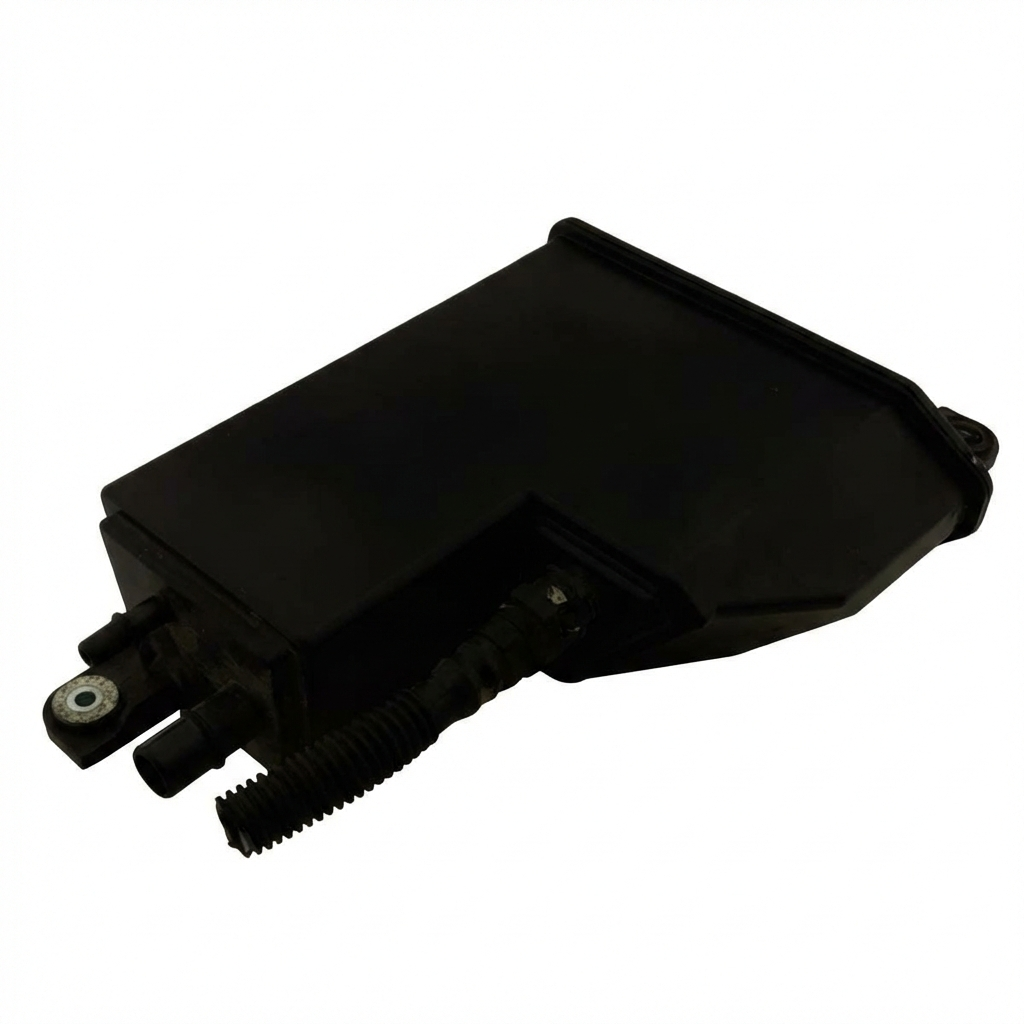
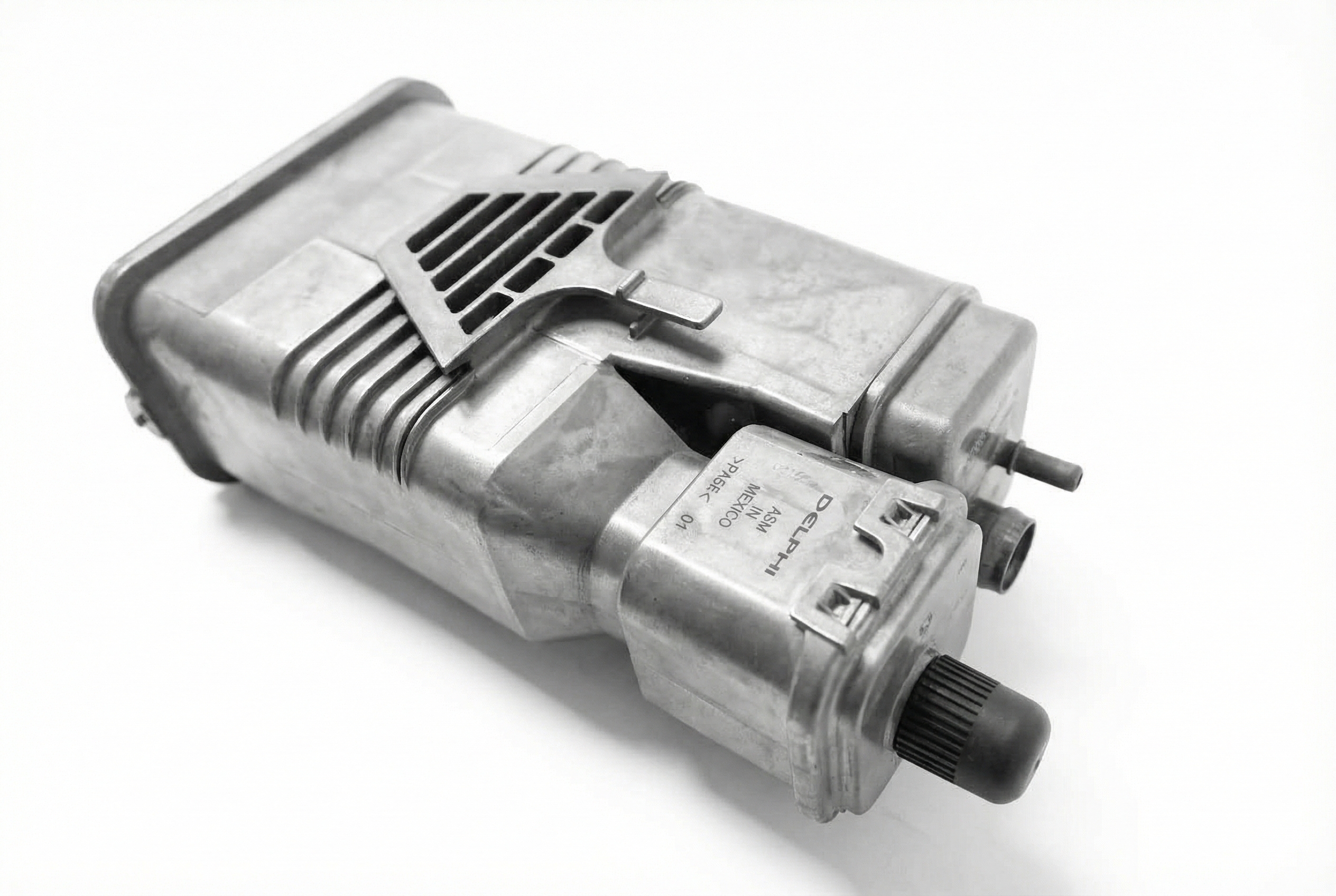
- Cracked EVAP Charcoal Canister: While the canister itself is durable, a physical impact from road debris can crack the plastic housing, causing a leak. More often, it fails internally, sending charcoal pellets into the EVAP lines and clogging the purge valve.
- Leaking Fuel Tank Pressure Sensor: The sensor itself or the seal where it mounts to the fuel tank/pump module can fail, creating a small leak. This was discussed as a possibility in forum threads after all other common parts were replaced.
Diagnosis Steps
- Step 1: Inspect the Fuel Cap/Filler Neck. For 2011-2014 models, inspect the gas cap. Ensure it is tight and the seal is in good condition. If in doubt, replace it with an OEM part. For 2015+ models, inspect the capless filler neck for debris holding the flap open. On all models, check the filler neck sealing surface for rust or dirt.
- Step 2: Follow TSB 21-NA-124. GM recommends a specific diagnostic order. First, visually inspect all accessible EVAP lines and connections for obvious cracks, kinks, or disconnections, paying attention to the seven critical connection points outlined in the bulletin.
- Step 3: Test the Vent Valve. If no visible line damage is found, the next step is to investigate the vent valve for malfunction (e.g., being stuck open). This is a very common failure point.
- Step 4: Test the Purge Valve. If the vent valve is functioning correctly, the final step in the TSB's flow is to investigate the purge valve for leaks.
- Step 5: Perform a Smoke Test. The most definitive diagnostic step is to perform a smoke test. This involves injecting low-pressure smoke into the EVAP service port and looking for where the smoke escapes. This will pinpoint the exact location of the leak, whether it's a hose, valve, canister, or filler neck.
Parts You'll Likely Need
- Gas Cap (2011-2014)
(OEM #ACDelco GT346)— This is the most frequent and simplest cause for a small EVAP leak on models with a traditional cap. The seal degrades over time.
Trusted brands: ACDelco, Stant
OEM price range: $25-$40
Aftermarket price range: $15-$25 - EVAP Vapor Canister Vent Solenoid
(OEM #GM 23481275)— This valve is a known failure item on GM trucks and SUVs of this era due to its location under the vehicle. It can stick open, causing a persistent small leak.
Trusted brands: ACDelco (GM Genuine), Dorman
OEM price range: $50-$85
Aftermarket price range: $30-$55 - EVAP Vapor Canister Purge Solenoid/Valve
(OEM #GM 12690512)— Located in the engine bay, this valve can fail by sticking open, causing a constant small leak that the system detects.
Trusted brands: ACDelco (GM Genuine), Dorman
OEM price range: $30-$60
Aftermarket price range: $20-$45
Related Codes That Often Appear With This One
- P0455 — P0455 indicates a large EVAP leak. It's common to see both codes because a component may be intermittently failing, sometimes causing a small leak (P0442) and other times a large one (P0455). GM TSB #21-NA-124 provides a unified diagnostic procedure for both codes.
- P0449 — P0449 specifically points to a fault in the EVAP vent solenoid valve control circuit. If you have P0442 and P0449 together, the vent solenoid or its wiring is almost certainly the problem.
Technical Service Bulletins (TSBs) & Recalls
- PIT4943D: Service Engine Soon light with DTC P0442, directing technicians to use an evaporative emissions system tester.
- 21-NA-124: Diagnostic tips for testing EVAP leaks related to DTCs P0442 and/or P0455.
- 15-NA-019: Addresses customer concerns of fuel odor which may be accompanied by P0442 or P0455.
Platform-Specific Known Issues
- TSB #15-NA-019 directly links P0442 with customer complaints of a strong fuel odor, caused by a fractured gasoline filler neck recirculation line connector.
- TSB #21-NA-124 provides a clear diagnostic hierarchy for technicians to follow when diagnosing P0442/P0455, starting with line inspections, then the vent valve, then the purge valve.
- A GM service bulletin for 2011-2013 models specifically calls out the EVAP Vent Solenoid as a likely cause for P0442, requiring testing under vacuum.
- Owner experiences frequently point to a cracked or kinked rubber hose right at the connection to the vent solenoid, which can be missed if only the solenoid itself is replaced.
Mechanic-Grade Diagnostic Values
- EVAP Vent Solenoid Resistance — expected: 20 to 50 Ohms. Failure: A reading of 0 Ohms (short) or infinite/OL (open circuit).
- EVAP Purge Solenoid Resistance — expected: 20 to 50 Ohms. Failure: A reading significantly outside the expected range, or infinite/OL, indicates a faulty coil.
- Fuel Tank Pressure (FTP) Sensor Voltage — expected: 1.45V - 1.47V. Failure: A voltage significantly different from the expected reading with the gas cap off may indicate a faulty sensor.
Scan Tool Commands That Help
- GDS2 / Tech2 (or equivalent professional scanner): EVAP Vent Solenoid Valve Control — During a smoke test, command the valve from its normally open state ('Venting') to closed ('Not Venting') to seal the system for the test. This also confirms the control circuit and solenoid are functional if the valve responds.
- GDS2 / Tech2 (or equivalent professional scanner): EVAP Purge Solenoid Valve Control — Used to command the normally closed purge valve to open. This allows a technician to check if the valve is stuck and to test for vacuum flow from the engine.
- GDS2 / Tech2 (or equivalent professional scanner): EVAP Service Bay Test — This is an automated test that runs the EVAP monitor on demand. It commands the vent and purge valves to seal the system and pulls a vacuum, monitoring the FTP sensor to verify the system can hold vacuum, simulating the test the ECM runs during a drive cycle.
Wiring & Ground Locations
- Frame Grounds (Driver Side) — Under the driver's side door, attached to the main frame rail.. On GMT900 platforms (2011-2014), these grounds are notorious for corrosion. A poor ground here can cause a host of bizarre electrical issues, including erratic behavior of chassis-mounted components like the EVAP vent solenoid and fuel pump module.
- G103 — On the cowl in the left rear of the engine compartment, often near the brake booster.. This is a major ground point for the Body Control Module (BCM) and Instrument Panel Cluster (IPC), which communicate EVAP system status (like the 'tighten gas cap' message) to the driver.
- EVAP Vent Solenoid Connector — At the EVAP vent solenoid, located near the charcoal canister above the spare tire.. The connector itself can change. Later model replacement solenoids may use a USCAR-style connector, while the vehicle harness may have an older Packard style, requiring a jumper harness (GM P/N 19257603) to adapt.
Real Owner Repair Stories
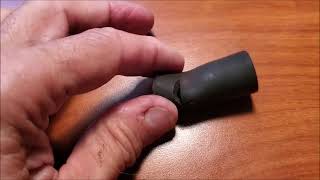
- YouTube video by user 'Tim S' (2007 Cadillac Escalade (GMT900 platform)) — P0442 Check Engine Light.
❌ Tried (didn't work) Initial diagnosis pointed towards common causes like the gas cap or the purge/vent valves themselves.
✅ What actually fixed it The hose leading to the EVAP vent valve was severely kinked due to stress from the mounting bracket. The owner modified the bracket to provide more slack for the hose, reconnected it, and cleared the code successfully. - ScannerDanner Forum discussion (General Motors vehicle) — Intermittent P0442 code.
❌ Tried (didn't work) A standard pressure smoke test showed no leaks., The scan tool's automated Purge/Seal test also passed, indicating the system could hold vacuum.
✅ What actually fixed it The suggested root cause was a vent or purge valve that sealed correctly under pressure (from a smoke machine) but leaked under vacuum (the condition used by the ECM for its self-test). The recommended fix was to remove the solenoids and test them individually with a hand-held vacuum pump to see if they would leak.
"I Checked Everything" — The Actual Cause
- In some documented cases, a vehicle will pass a standard EVAP smoke test (which uses pressure) but continue to set a P0442. This can happen when a purge or vent valve seals properly under pressure but fails to seal under vacuum. Since the vehicle's computer uses vacuum to test the system, it detects a leak that the smoke test misses. The solution is to test the individual valves with a hand-held vacuum pump to see if they leak under vacuum.
OEM Part Supersession History
10382080, 20995471, 25932566, and others→GM 23481275— Updated design for the EVAP Vent Solenoid.
Heads up: The replacement part (23481275) may have a newer USCAR-style electrical connector. If the vehicle's harness has the older Packard-style connector, a jumper harness (GM P/N 19257603) is required to adapt it.
Model Year Variations Within This Range
- 2011-2014 (GMT900): These models use a traditional, screw-on gas cap which is a primary cause of P0442. They also may feature older Packard-style electrical connectors on EVAP components.
- 2015-2018 (K2XX): These models use a capless fuel filler system, eliminating the gas cap as a cause but introducing the sealing flap as a potential leak point. They feature newer Gen V EcoTec3 engines and are more likely to have USCAR-style electrical connectors from the factory.
Helpful Videos
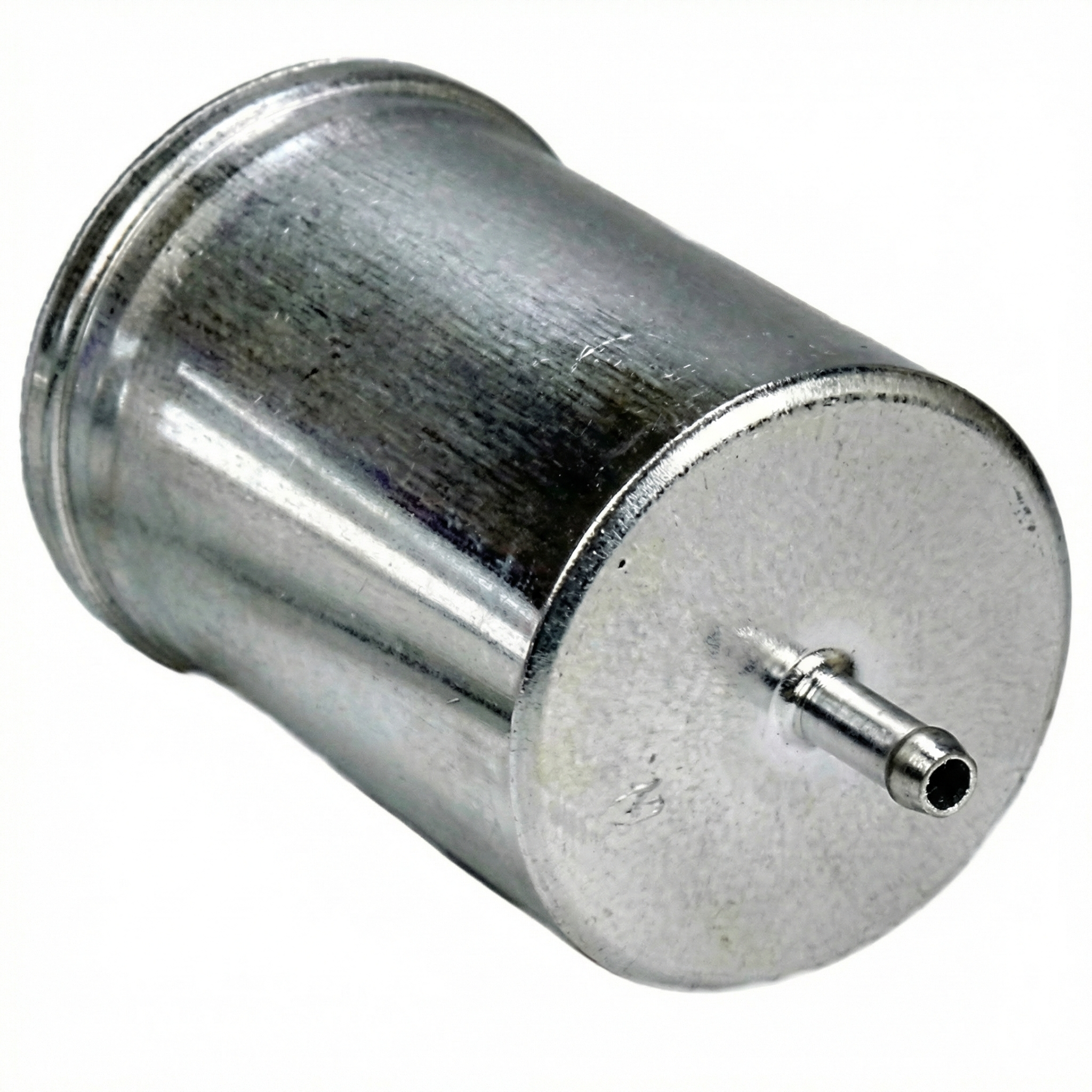
We Have This Part in Stock

The information in this article is provided for general reference and educational purposes only. Vehicle specifications, procedures, and part compatibility can vary by production date, trim level, and region. Always consult your vehicle's factory service manual and verify part numbers before purchasing or performing repairs. Safety-critical components such as airbags, seat belts, and braking systems should be installed by a qualified professional.
- Cadillac ESCALADE ESV:
- 🎬 Helpful Videos
- 🛍️ Shop This Part
- What's Unique About the 2011-2018 Cadillac ESCALADE ESV
- Diagnostic Flowchart
- Symptoms You May Notice
- Most Likely Causes
- Rare But Worth Checking
- Diagnosis Steps
- Parts You'll Likely Need
- Related Codes That Often Appear With This One
- Technical Service Bulletins (TSBs) & Recalls
- Platform-Specific Known Issues
- Mechanic-Grade Diagnostic Values
- Scan Tool Commands That Help
- Wiring & Ground Locations
- Real Owner Repair Stories
- "I Checked Everything" — The Actual Cause
- OEM Part Supersession History
- Model Year Variations Within This Range
- 🎟️ Get 5% Off