

P0442 on 2000-2005 Cadillac DeVille: EVAP Small Leak Causes & Fixes
Code P0442 on a 2000-2005 Cadillac DeVille almost always indicates a small leak in the fuel vapor system. The most common and cheapest fix is replacing a worn or loose gas cap. If that doesn't solve it, the EVAP vent or purge solenoid are the next most likely culprits. A smoke test is the most reliable way to find the exact source of the leak.
- Always start with the simplest and most common fix: check, tighten, or replace the gas cap.
- This code will not affect how your car drives, but it will cause you to fail an emissions test.
- If a new gas cap doesn't solve the problem, the next most likely parts to fail are the EVAP vent solenoid (by the tank) and the purge solenoid (in the engine bay).
- A smoke test is the most reliable and professional way to find the exact source of the leak, saving time and money on unnecessary parts.
What's Unique About the 2000-2005 Cadillac DEVILLE

For this generation of the Cadillac DeVille, the P0442 code is a very common issue. General Motors has issued multiple Technical Service Bulletins (TSBs) for technicians, such as #21-NA-124 and #PIT4943D, which provide specific diagnostic tips. These bulletins emphasize the need for a smoke test using a specialized EVAP tester (like the J 41413-A or GE 41413-A) to accurately locate the source of the small leak, rather than just replacing parts. The TSBs note that leaks can be intermittent and sometimes only appear under a vacuum condition, making them difficult to find without the proper procedure.
Diagnostic Flowchart
Tap your situation to follow the diagnostic path that matches what you're seeing on this vehicle.
Symptoms You May Notice
- The primary symptom is the Check Engine Light illuminating on the dashboard.
- A faint smell of gasoline, especially when parked in an enclosed space like a garage, may be noticeable.
- In some cases, a "Check Gas Cap" message may appear on the driver information center (DIC).
- Reduced fuel efficiency may occur in some instances.
- A rough or low idle can happen if the purge valve is stuck open, creating a vacuum leak.
- Replacing oxygen sensors or other unrelated emissions components without performing a proper EVAP system diagnosis.
- Replacing the purge or vent valve without first checking the gas cap, which is the most common and cheapest fix.
- Replacing parts without performing a smoke test, which can lead to multiple incorrect repairs when the actual fault is a small, hard-to-see cracked hose.
Most Likely Causes

- Loose or Faulty Gas Cap 🔴 High Probability The rubber O-ring on the gas cap seal deteriorates over time from exposure to fuel vapors, becoming hard and cracked. This is the most frequent and simple cause for a P0442 code.
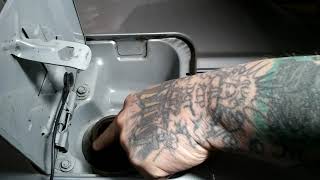
How to confirm: Ensure the cap clicks at least three times when tightened. Visually inspect the rubber seal for cracks, hardening, or damage. A YouTube video by 'Hugh is Helpful' shows this exact process on a 2004 DeVille, including cleaning minor rust off the filler neck before installing a new cap. 🎬 Watch: See this exact gas cap and filler neck repair.
Typical fix: Replace the gas cap. It is highly recommended to use an OEM ACDelco cap (Part No. 19207873) as cheaper alternatives may not seal correctly. After replacing, the code may take several drive cycles to clear on its own, or you can clear it with a scanner.
Est. part cost: $15-$35 - Failed EVAP Vent Solenoid/Valve 🟡 Medium Probability Located near the rear of the car by the charcoal canister, this valve is exposed to road dirt, moisture, and salt, which can cause it to stick open or its seals to fail. It is normally open and closes only when the system runs a self-test.
How to confirm: A smoke test is the best method. The valve can be commanded closed with a bidirectional scan tool; if smoke passes through, it has failed. It can also be removed and tested by applying 12V to see if the solenoid actuates and seals.
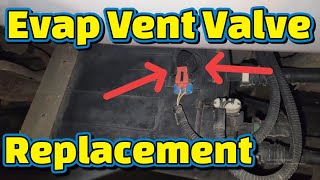
Typical fix: Replace the EVAP vent solenoid. On the DeVille, it is typically located on or near the vapor canister at the rear of the vehicle.
Est. part cost: $40-$100 - Failed EVAP Purge Solenoid/Valve 🟡 Medium Probability This valve is located in the engine bay and is constantly subject to engine heat cycles, which can cause it to fail over time by getting stuck partially open. On many GM vehicles, this is a very common failure point, sometimes even more so than the gas cap.
How to confirm: With the engine off, disconnect the valve and try to blow through it. It should be closed and not allow air to pass. With the engine running, disconnect the vapor line from the solenoid; there should be no vacuum present at idle. If there is suction, the valve is stuck open and needs to be replaced.
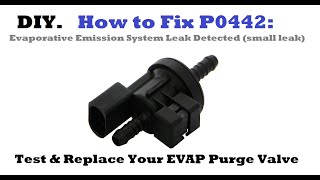
Typical fix: Replace the purge solenoid. It is usually mounted on the engine or firewall and is an accessible, straightforward replacement. 🎬 Watch: How to test and replace the EVAP purge valve.
Est. part cost: $30-$90 - Cracked or Disconnected EVAP Hose ⚪ Low Probability Rubber hoses, especially the small connectors in the engine bay, can become brittle and crack from age and heat. Lines underneath the car can be damaged by road debris or become disconnected.
How to confirm: A thorough visual inspection of all EVAP lines is the first step. A smoke test is the definitive method, as it will show smoke escaping from any crack or hole, even a very small one.
Typical fix: Replace the damaged section of the hose or the cracked rubber connector.
Est. part cost: $10-$30
Rare But Worth Checking
- Cracked Charcoal Canister: The plastic housing of the canister itself can develop hairline cracks from age or physical impact. This is almost always found with a smoke test. Sometimes the canister can become saturated with fuel or the internal filter can break down, sending charcoal pellets into the lines and clogging the purge solenoid.
- Leaking Fuel Tank Pressure Sensor Seal: The sensor that monitors the system pressure has a seal that can degrade, causing a small leak right at the source of measurement. On some GM models, this sensor is integrated into the charcoal canister assembly. This can be difficult to find without a smoke test.
- Rusted Fuel Filler Neck: The metal neck where the gas cap seals can rust and corrode, creating an uneven surface that prevents even a new cap from sealing properly. This is common in areas with road salt. The fix involves either sanding the surface smooth or replacing the entire filler neck assembly.
Diagnosis Steps

- Read the code with an OBD-II scanner to confirm P0442 is present. Note any other codes.
- Inspect the gas cap. Ensure it is tight. Remove it and check the rubber seal for any signs of cracking, stiffness, or damage. Clean any rust or debris from the filler neck sealing surface. When in doubt, replace it with a quality OEM part.
- Clear the code and drive the vehicle for a few days to see if the light returns. Many drive cycles may be needed for the EVAP monitor to run again.
- If the code returns, perform a visual inspection of all accessible EVAP hoses and components in the engine bay and under the car for obvious cracks or damage. Pay close attention to rubber elbow connectors.
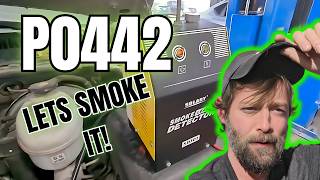
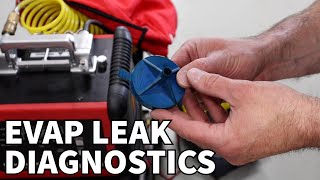
- The most effective diagnostic step is to use an automotive smoke machine. This tool injects low-pressure smoke with UV dye into the EVAP system via the service port, which is usually near the purge solenoid in the engine bay.
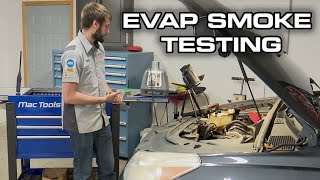
- While the smoke machine is running, use a flashlight and UV light to look for smoke or dye escaping from any part of the system, including the gas cap, filler neck, hoses, canister, and valves. 🎬 See how to perform a professional EVAP smoke test.
- Use a scan tool to command the EVAP vent valve closed. If smoke starts coming from the vent valve area, it has failed and needs replacement.
- Test the purge valve by disconnecting it and attempting to blow through it; it should be sealed. If air passes, it's faulty.
Parts You'll Likely Need

- Fuel Cap
(OEM #19207873)— This is the most common failure point for the EVAP system on any car, including the DeVille. The seal wears out over time.
Trusted brands: ACDelco, GM Genuine Parts
OEM price range: $25-$40
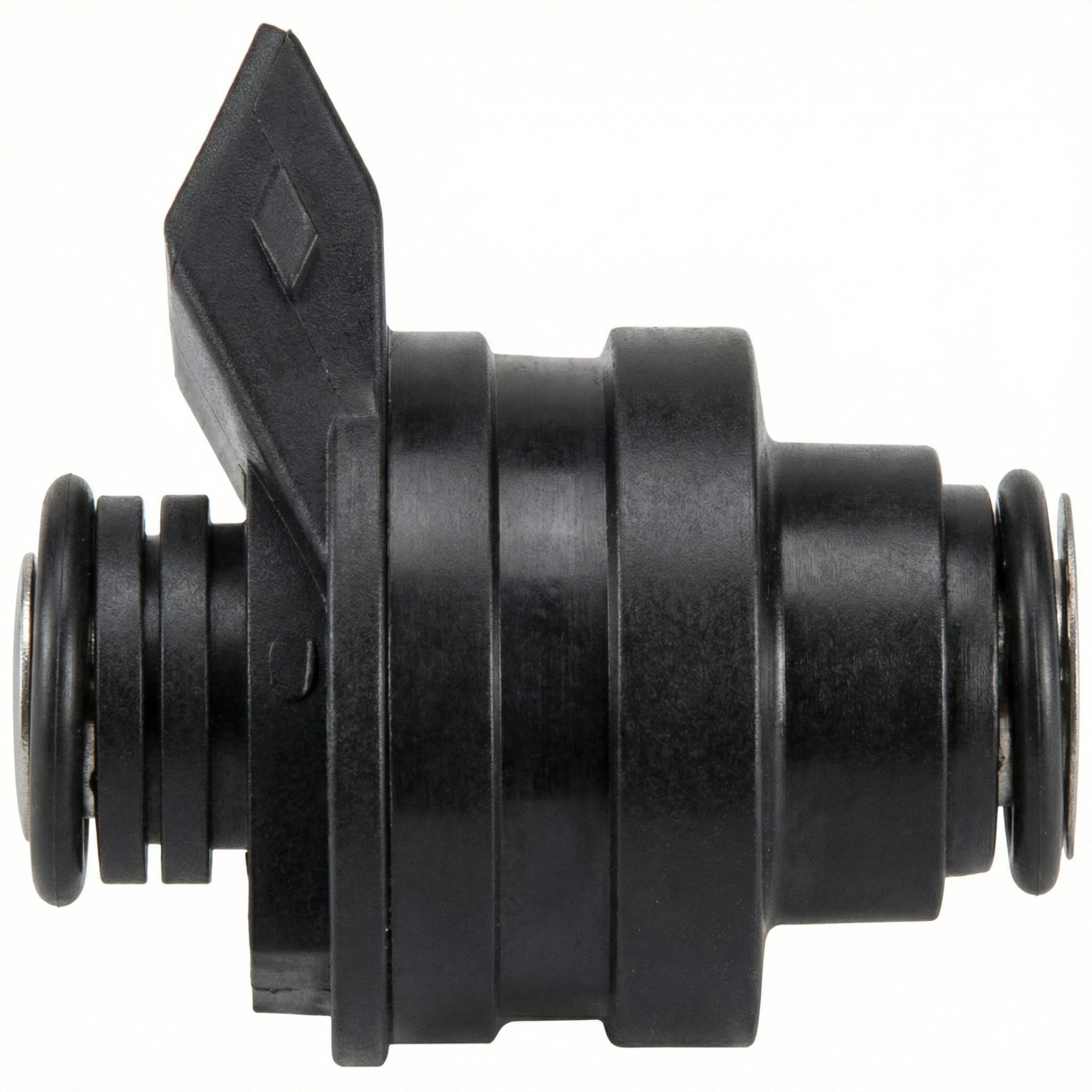
Aftermarket price range: $15-$25 - EVAP Vapor Canister Vent Solenoid
(OEM #214-1363)— This valve is prone to sticking or failing due to its location under the car, exposed to the elements. It's a common cause for P0442 after the gas cap has been ruled out.
Trusted brands: ACDelco, Dorman, Standard Motor Products
OEM price range: $60-$100
Aftermarket price range: $40-$70 - EVAP Vapor Canister Purge Valve
(OEM #214-646)— Located in the engine bay, this valve can fail due to heat and constant use, getting stuck partially open and causing a small leak. It's a very common failure on GM vehicles.
Trusted brands: ACDelco, Dorman, GM Genuine Parts
OEM price range: $50-$90
Aftermarket price range: $30-$60
Related Codes That Often Appear With This One
- P0455 — This code indicates a large EVAP leak. It can appear with P0442 if a small leak (like a cracked hose or failing valve) gets worse over time. Sometimes a faulty purge solenoid stuck open can trigger both codes.
- P0440 — This is a general EVAP system malfunction code. It may be stored alongside P0442 if the computer detects a general fault in addition to the specific small leak.
- P0446 — This code indicates a fault in the EVAP Vent Control Circuit. If you see this with P0442, it points strongly toward a problem with the vent solenoid or its wiring.
Technical Service Bulletins (TSBs) & Recalls
- Bulletin #21-NA-124: Provides diagnostic tips for testing EVAP leaks related to DTCs P0442 and/or P0455.
- Bulletin #PIT4943D: Recommends technicians use an Evaporative Emissions System Tester and provides a detailed diagnostic flow, including checking for leaks that only appear under vacuum.
Platform-Specific Known Issues
- As noted in TSB #21-NA-124, GM provides specific diagnostic tips for technicians to test for EVAP leaks related to P0442. This suggests the issue is common enough to warrant special manufacturer guidance.
- TSB #PIT4943D also points technicians toward a specific Techlink article for using an EVAP tester, reinforcing that specialized tools are often necessary for an accurate diagnosis on these vehicles.
Mechanic-Grade Diagnostic Values
- EVAP Purge Solenoid Coil Resistance — expected: Approximately 30 ohms at 68°F (20°C).. Failure: A reading significantly higher (open) or lower (short) than the expected value indicates a faulty solenoid coil.
- EVAP Purge Solenoid Connector Voltage — expected: Battery voltage on the power feed wire with the key on, engine off.. Failure: No voltage indicates a wiring or fuse issue upstream of the solenoid.
- Conditions for DTC P0442 Test to Run — expected: Fuel level between 15-85%; ECT and IAT between 39-86°F (4-30°C); BARO > 75 kPa.. Failure: The self-test will not run if these conditions are not met, which can delay diagnosis or the clearing of a code after a repair.
Scan Tool Commands That Help
- GM Tech 2: EVAP System Purge/Seal — This function allows a technician to manually command the purge and vent solenoids on and off to seal the system. This is critical for verifying solenoid operation and for performing a smoke test without the vent solenoid releasing the smoke/pressure.
- GM Tech 2: EVAP System Service Bay Test — This is an automated test that runs the vehicle's own EVAP leak detection monitor. It commands the valves, pulls a vacuum, and monitors the FTP sensor to give a pass/fail result in the service bay, confirming if a leak is currently present without needing a full drive cycle.
Wiring & Ground Locations
- Underhood Fuse Block Ground — Located at the right side of the engine compartment.. This fuse block provides power and ground paths for multiple engine management components, including potentially the EVAP purge solenoid relay. A poor ground connection here can cause intermittent and difficult-to-diagnose electrical issues for the entire system.
- EVAP Purge Valve Connector — On the purge valve itself, located on the intake manifold under the engine cover.. The connector is a common point of failure. It has two pins: one for 12V power (Key On) and one for the ground-side control signal from the PCM. Verifying power at this connector is a key first step in diagnosing a non-responsive valve.
Real Owner Repair Stories
- YouTube channel 'Hugh is Helpful' (2004 Cadillac DeVille) — Check Engine Light with codes P0442 and P0455, and a 'Check Gas Cap' message on the DIC.
❌ Tried (didn't work) Initially, the owner planned to go straight to a smoke test if the first fix didn't work.
✅ What actually fixed it Replacing the gas cap with a new OEM part and cleaning rust from the fuel filler neck sealing surface resolved the codes. The owner confirmed months later that the check engine light had not returned.
OEM Part Supersession History
21994122 (GM)→ACDelco 214-1363, Dorman 911-069— Original part number for the EVAP Vent Solenoid has been superseded by replacement parts from both OEM and aftermarket manufacturers.
Helpful Videos
Used OEM Parts in Stock
New Aftermarket Parts Available



The information in this article is provided for general reference and educational purposes only. Vehicle specifications, procedures, and part compatibility can vary by production date, trim level, and region. Always consult your vehicle's factory service manual and verify part numbers before purchasing or performing repairs. Safety-critical components such as airbags, seat belts, and braking systems should be installed by a qualified professional.
- Cadillac DEVILLE:
- 🎬 Helpful Videos
- 🛍️ Shop This Part
- What's Unique About the 2000-2005 Cadillac DEVILLE
- Diagnostic Flowchart
- Symptoms You May Notice
- Most Likely Causes
- Rare But Worth Checking
- Diagnosis Steps
- Parts You'll Likely Need
- Related Codes That Often Appear With This One
- Technical Service Bulletins (TSBs) & Recalls
- Platform-Specific Known Issues
- Mechanic-Grade Diagnostic Values
- Scan Tool Commands That Help
- Wiring & Ground Locations
- Real Owner Repair Stories
- OEM Part Supersession History
- 🎟️ Get 5% Off