

P0442 on 2019 Cadillac CTS: EVAP Small Leak Causes and Fixes
For a 2019 Cadillac CTS, a P0442 code almost always means you have a loose gas cap or a bad EVAP purge valve. First, tighten the gas cap until it clicks. If that doesn't work, a new ACDelco gas cap is about $20-$30. The next most likely cause, the purge valve, is a common DIY fix for under $60 and often presents with difficulty starting after refueling.
- P0442 on a 2019 CTS means a small leak has been detected in the fuel vapor system.
- Always check the gas cap first. Make sure it's tight; if it's old or the seal is cracked, replace it. This solves the problem more than half the time.
- If the gas cap isn't the issue, the EVAP purge valve on the engine is the next most likely culprit, especially if you have trouble starting the car after getting gas.
- The code does not indicate a dangerous condition, but it will cause an automatic failure on an emissions test.
- If simple fixes don't work, a smoke test is the most reliable way to find the exact source of the leak without guessing.
What's Unique About the 2019-2019 Cadillac CTS
For modern GM vehicles like the 2019 CTS built on the Alpha platform, the EVAP system is a common source of check engine lights. While the causes are typical for most cars (gas cap, valves), GM has issued specific technical service bulletins, like #21-NA-124, that provide dealers with advanced diagnostic tips for finding these small leaks, indicating it can sometimes be tricky to pinpoint. The EVAP purge valve, in particular, is a known high-failure item across many Cadillac and platform-mate models like the Camaro and XTS.
Diagnostic Flowchart
Tap your situation to follow the diagnostic path that matches what you're seeing on this vehicle.
Symptoms You May Notice
- Check Engine Light is on
- A faint smell of fuel, particularly around the rear of the car
- Difficulty starting the engine immediately after refueling (a strong sign of a bad purge valve)
- Remote start feature is disabled
- Replacing the charcoal canister when the actual problem is a much cheaper vent or purge valve.
- Replacing O2 sensors or other unrelated components before properly diagnosing the EVAP system.
- Assuming a new gas cap didn't fix the issue without completing a full OBD-II drive cycle to allow the system to re-test.
Most Likely Causes
- Loose or Worn Gas Cap 🔴 High Probability The rubber O-ring seal on the gas cap degrades over time due to exposure to fuel vapors and weather, causing it to crack and lose its sealing ability. This is the most frequent and simple cause for P0442 on any vehicle.
How to confirm: First, ensure the cap is tightened until it clicks several times. If the light returns, visually inspect the rubber seal on the cap for any cracks, stiffness, or deformities.
Typical fix: Replace the gas cap with a new, OEM-quality part. Using non-OEM caps can sometimes lead to sealing issues.
Est. part cost: $20-$40 - Faulty EVAP Purge Solenoid/Valve 🟡 Medium Probability This valve is electronically controlled and cycles frequently, leading to wear. It can get stuck open or closed, or develop a leak through its housing. It's a very common failure point on many GM vehicles, including the CTS and its platform mates.
How to confirm: If the code is accompanied by P0496 or if the car is hard to start after filling the gas tank, the purge valve is the likely culprit. A simple mechanical test is to remove the valve (typically located on the engine intake manifold) and try to blow through it. If air passes through, the valve is stuck open and faulty.
Typical fix: Replace the purge valve. It is typically located on the engine and is accessible for DIY replacement.
Est. part cost: $30-$75 - Faulty EVAP Vent Solenoid/Valve ⚪ Low Probability This valve is located near the charcoal canister under the car, often above the rear subframe or near the fuel tank, exposing it to road debris and moisture which can cause it to fail or get stuck.
How to confirm: A scan tool can be used to command the valve closed. If the system still won't seal (often confirmed with a smoke test), the vent valve is likely stuck open. It can also be bench-tested with a 12V source to see if it actuates. Because it is normally open, smoke from a smoke test will exit through it unless it is commanded closed.
Typical fix: Replace the vent solenoid. This may require safely lifting the vehicle for access, and on platform mates like the Camaro, it can be labor-intensive due to its location.
Est. part cost: $30-$70 - Cracked or Disconnected EVAP Hose ⚪ Low Probability The plastic and rubber lines that carry fuel vapor can become brittle with age and heat cycles, leading to small cracks, especially at connection points.
How to confirm: A thorough visual inspection of all accessible EVAP lines between the engine, charcoal canister, and fuel tank may reveal obvious damage. However, the definitive method is a professional smoke test, which fills the system with visible vapor to pinpoint the exact location of the leak.
Typical fix: Replace the damaged section of the hose or the entire line assembly.
Est. part cost: $15-$100
Rare But Worth Checking
- Cracked Charcoal Canister: The plastic housing of the canister itself can develop hairline cracks, creating a leak. This is less common than valve or hose failures but should be checked during a smoke test if no other source is found.
- Leaking Fuel Tank or Filler Neck: Rust or physical damage can cause a small leak in the fuel tank or the pipe leading to it. This is uncommon on a 2019 model but possible, and would be revealed during a smoke test. On the related Cadillac ATS, a rolled-over rubber insulator in the fuel filler pocket was noted as a potential cause.
Diagnosis Steps
- Read the code with an OBD-II scanner to confirm P0442 is present.
- Inspect the gas cap. Remove it, check the seal for cracks or damage, and retighten it until it clicks at least once.
- Clear the code with the scanner and drive the vehicle for a few days, completing a full drive cycle, to see if the Check Engine Light returns.
- If the light returns, perform a thorough visual inspection of all visible EVAP hoses and lines in the engine bay and under the car for obvious cracks, disconnections, or damage.
- If symptoms include difficulty starting after refueling, the purge valve is highly suspect. Locate it on the engine, remove it, and try to blow through it. If air passes, 🎬 Watch: How to test and replace the EVAP purge valve it's defective.
- If the cause is still not apparent, the most effective method is to have a professional perform a smoke test. This test introduces vaporized smoke into the EVAP system, making even the smallest leaks visible. 🎬 See how to find small leaks using a smoke machine The technician will need to command the vent valve closed with a scan tool to properly seal the system for the test.
Parts You'll Likely Need
- Fuel Tank Cap
(OEM #20971566)— This is the most common cause of a P0442 code. The seal wears out, causing a leak that the system detects. It's the cheapest and easiest part to replace first.
Trusted brands: ACDelco, Stant
OEM price range: $25-$40
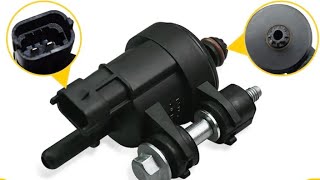
Aftermarket price range: $15-$30 - Vapor Canister Purge Valve/Solenoid
(OEM #12632174 (for 2.0L L4) or 12690512 (for 3.6L V6))— A very common failure point on GM vehicles that gets stuck open, causing a leak or flow issue. Often the culprit if the gas cap is not the problem and is frequently associated with hard starting after refueling.
Trusted brands: ACDelco, Dorman, Bosch
OEM price range: $40-$85
Aftermarket price range: $30-$60 - Vapor Canister Vent Solenoid
(OEM #85123399)— This valve fails from exposure to the elements, getting stuck open and preventing the system from sealing for its pressure test. It is located near the fuel tank.
Trusted brands: ACDelco, Standard Motor Products, Dorman
OEM price range: $40-$70
Aftermarket price range: $25-$50
Related Codes That Often Appear With This One
- P0455 — Indicates a large EVAP leak. If a component is failing intermittently or a small leak worsens, both codes can appear. TSB 21-NA-124 addresses diagnostics for both codes together.
- P0496 — Indicates 'EVAP Flow During a Non-Purge Condition'. This code combination almost always points directly to a faulty EVAP purge valve that is stuck open, allowing fuel vapor to flow when it shouldn't.
- P0441 — Indicates incorrect purge flow. This is also commonly related to a malfunctioning purge valve and strengthens the diagnosis of a faulty valve when seen with P0442.
Technical Service Bulletins (TSBs) & Recalls
- 21-NA-124: Provides diagnostic tips for testing EVAP system leaks related to DTCs P0442 and/or P0455. It applies to a wide range of GM vehicles from 2000-2021 and suggests checking lines, then the vent valve, then the purge valve.
Platform-Specific Known Issues
- GM has issued Technical Service Bulletin #21-NA-124, which provides specific diagnostic advice for technicians to trace EVAP leaks that set P0442 and P0455 codes. It advises a specific order of operations: 1. Inspect all EVAP lines and connections. 2. Investigate for damage to the lines. 3. Test the vent valve for malfunction (e.g., stuck open). 4. Test the purge valve for malfunction.
Scan Tool Commands That Help
- GDS2 / Professional Scan Tool: EVAP System Activation Test / Special Functions — This function is critical when performing a smoke test. The technician must command the EVAP Vent Solenoid to the closed (non-venting) position. The vent valve is normally open, so failing to close it will cause smoke to exit the vent, leading to a misdiagnosis of a massive leak.
Real Owner Repair Stories
- YouTube channel 'P0174 P0171 P0496 P0442 FIXED FAST & EASY CADILLAC CTS COUPE!' (2014 Cadillac CTS Coupe) — Check Engine Light with codes P0174, P0171, P0496, and P0442.
✅ What actually fixed it The owner fixed all codes by replacing two components: the EVAP purge valve on the engine, which was faulty and causing a vacuum leak, and a cracked vacuum hose boot connected to the EVAP system.
"I Checked Everything" — The Actual Cause
- A common reason for a P0442 to persist after a smoke test comes back clean is the difference in test methods. A smoke test applies positive pressure, while the vehicle's onboard diagnostic test often uses engine vacuum to check for leaks. A purge or vent valve can have a weak seal that holds under slight pressure but leaks under vacuum. In these cases, a technician may need to test the individual solenoids with a handheld vacuum pump to see if they hold vacuum, or cycle the solenoid multiple times with a scan tool to induce an intermittent failure.
OEM Part Supersession History
12610560→12690512— This is the Vapor Canister Purge Valve for the 3.6L V6 engine. Part numbers are often superseded due to design improvements, material changes, or manufacturer updates.22740537, 84065747, 84802774, 85123403→85123399— This is the Vapor Canister Vent Solenoid. GM consolidated multiple older part numbers into this single, updated part for wide vehicle application.
Helpful Videos
![How to Fix P0442 Engine Code in 3 Minutes [2 DIY Methods / Only $4.67]](https://img.youtube.com/vi/73AR8Tl6YZU/mqdefault.jpg)
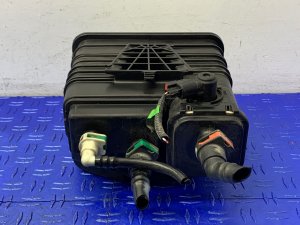
Used OEM Parts in Stock
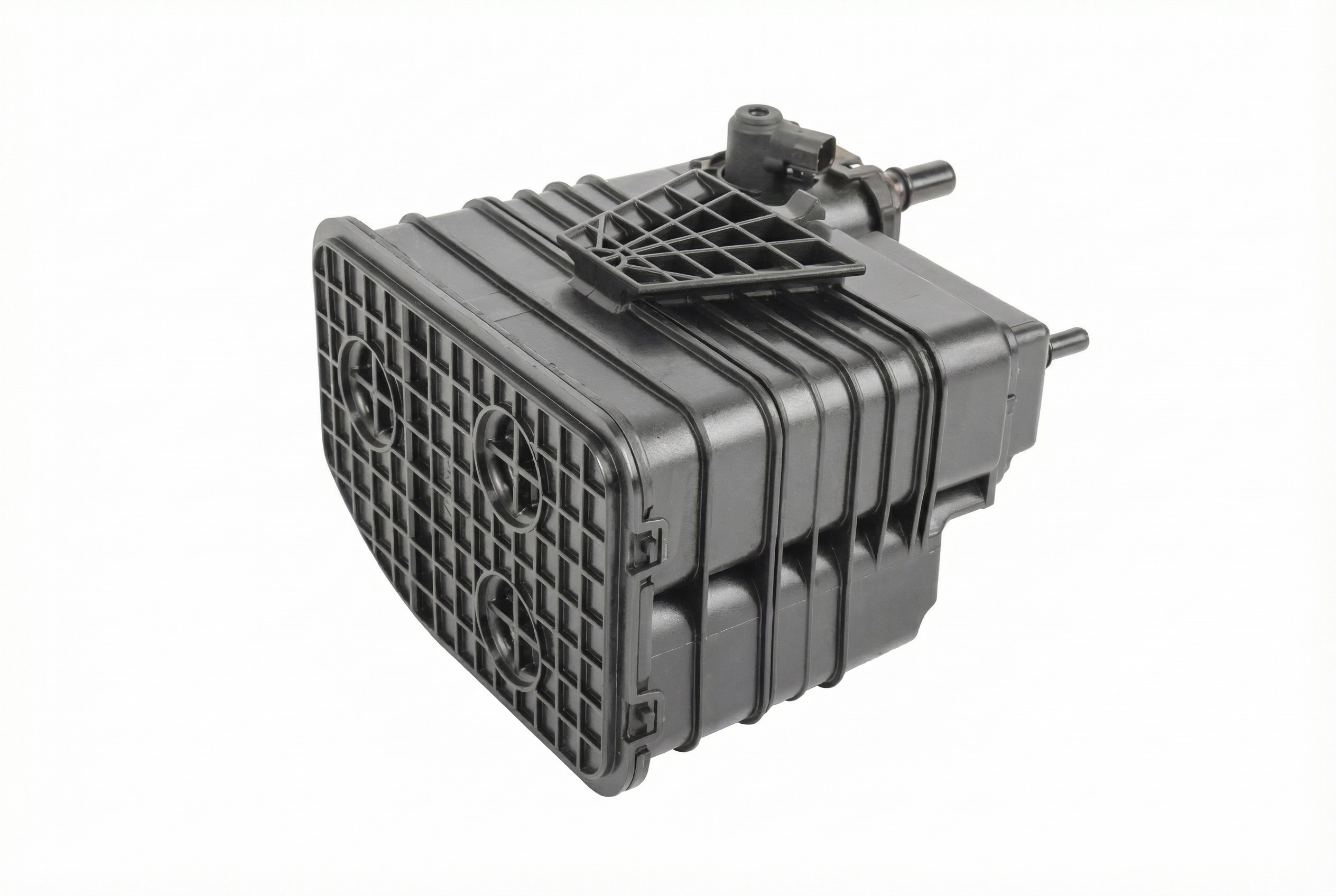
New Aftermarket Parts Available



The information in this article is provided for general reference and educational purposes only. Vehicle specifications, procedures, and part compatibility can vary by production date, trim level, and region. Always consult your vehicle's factory service manual and verify part numbers before purchasing or performing repairs. Safety-critical components such as airbags, seat belts, and braking systems should be installed by a qualified professional.
- Cadillac CTS:
- 🎬 Helpful Videos
- 🛍️ Shop This Part
- What's Unique About the 2019-2019 Cadillac CTS
- Diagnostic Flowchart
- Symptoms You May Notice
- Most Likely Causes
- Rare But Worth Checking
- Diagnosis Steps
- Parts You'll Likely Need
- Related Codes That Often Appear With This One
- Technical Service Bulletins (TSBs) & Recalls
- Platform-Specific Known Issues
- Scan Tool Commands That Help
- Real Owner Repair Stories
- "I Checked Everything" — The Actual Cause
- OEM Part Supersession History
- 🎟️ Get 5% Off