

P0442 on 2003-2010 Cadillac CTS: EVAP Small Leak Causes and Fixes
The P0442 code on a 2003-2010 Cadillac CTS most often points to a loose gas cap or a failing EVAP purge solenoid valve. First, check that your gas cap is tight and the seal is intact. If that's not the issue, the purge valve is the next likely culprit, a common failure on GM vehicles that costs around $25-$60 for the part. A smoke test is the best method to find other, less obvious leaks.
- Start with the simplest fix: check and tighten your gas cap. If the seal is cracked or old, replace it with a quality part.
- If the gas cap isn't the problem, the EVAP purge solenoid on the engine is the next most likely culprit and is a straightforward DIY replacement.
- The location of the purge solenoid changes between the 2003-2007 models (driver's side) and 2008-2010 models (passenger's side).
- Finding leaks in hoses or other components almost always requires a smoke test, which a professional shop can perform.
- This code will not affect how your car drives, but it will cause an automatic failure on an emissions test.
What's Unique About the 2003-2010 Cadillac CTS

For the 2003-2010 Cadillac CTS, the P0442 code is a common issue that often points directly to one of two components: the gas cap or the EVAP purge solenoid. While any part of the EVAP system can leak, these two parts are the most frequent offenders on this platform. The location of the purge solenoid differs between the first generation (2003-2007, driver's side of the engine) and the second generation (2008-2010, passenger's side), which is a key detail for DIY repair. This issue is also prevalent in its platform mates, the Cadillac SRX and STS, which share the same GM Sigma architecture.
Diagnostic Flowchart
Tap your situation to follow the diagnostic path that matches what you're seeing on this vehicle.
Generation note: This range covers two generations of the Cadillac CTS built on the GM Sigma platform. The first generation (2003-2007) and the second generation (Sigma II, 2008-2010). The most notable difference for this code is the location and part number of the EVAP purge solenoid. On 2003-2007 models with the 3.2L or 3.6L V6, it's on the driver's side of the engine. On 2008-2010 models with the 3.0L or 3.6L V6, it's on the passenger's side, often mounted near the throttle body.
Symptoms You May Notice
- Check Engine Light is on
- A faint smell of gasoline, particularly outside the vehicle
- Difficulty starting the car immediately after refueling (if the purge valve is stuck open)
- Rough idle (if the purge valve is stuck open, creating a vacuum leak)
- Replacing the oxygen sensors. O2 sensors are not part of the EVAP system and will not cause a P0442 code.
- Replacing the fuel injectors. While a vacuum leak from a bad purge valve can affect the air-fuel mixture, the injectors themselves are not the cause of an EVAP leak code.
- Replacing the fuel tank pressure (FTP) sensor. While part of the EVAP system, a faulty FTP sensor will typically set its own specific trouble codes, though it can cause a P0442 in rare cases without setting its own code.
Most Likely Causes

- Loose or Faulty Gas Cap 🔴 High Probability The gas cap seal is a simple rubber O-ring that can crack, dry out, or get dirty over time, preventing a proper seal. This is the most common and easiest-to-fix cause for any EVAP leak code. Using a non-OEM cap can also lead to sealing issues.
How to confirm: Ensure the gas cap is tightened until it clicks at least once. Inspect the rubber seal on the cap for any cracks, tearing, or debris. If the seal is damaged or the cap doesn't click, it's faulty.
Typical fix: Replace the gas cap. It is highly recommended to use an OEM ACDelco cap to ensure a perfect seal, as cheaper alternatives are a frequent source of comebacks.
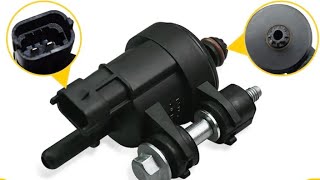
Est. part cost: $15-$40 - Failing EVAP Purge Solenoid/Valve 🔴 High Probability This valve is electronically controlled and cycles frequently, leading to eventual wear. It can get stuck partially open, creating a small leak that the system detects. This is a very common failure point on many GM vehicles of this era and is often the culprit if code P0496 is also present. 🎬 Watch: How to quickly fix P0442 and P0496 codes.
How to confirm: With the engine off, remove the valve and try to blow air through it; if air passes, it's stuck open and faulty. A more definitive test is to use a scan tool to command the valve closed and see if it holds a vacuum. A mechanic can also use a smoke machine to see if smoke leaks from the valve.
Typical fix: Replace the purge solenoid. It is located on top of the engine and is typically held by one 10mm bolt and two hose connections, making it a simple DIY replacement that often takes less than 30 minutes. 🎬 Watch: Step-by-step guide to replacing your EVAP purge solenoid.
Est. part cost: $25-$60 - Cracked or Disconnected EVAP Hoses 🟡 Medium Probability The plastic and rubber hoses in the EVAP system become brittle over time due to engine heat and age. A small crack, especially at a connection point, elbow, or boot, is enough to cause a P0442 code.
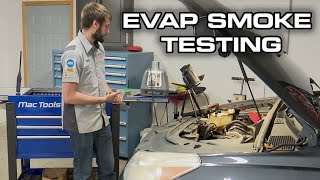
How to confirm: Visually inspect all accessible EVAP lines running from the engine bay to the fuel tank. Bend the hoses slightly to reveal hidden cracks. The most reliable method is a smoke test, which forces smoke through the system and makes any leak visible. 🎬 See how to perform a smoke test to find leaks. TSB 21-NA-124 specifically advises checking that all EVAP line connections are fully seated.
Typical fix: Replace the cracked section of hose or the entire hose assembly. Small cracks can sometimes be repaired, but replacement is the most reliable solution.
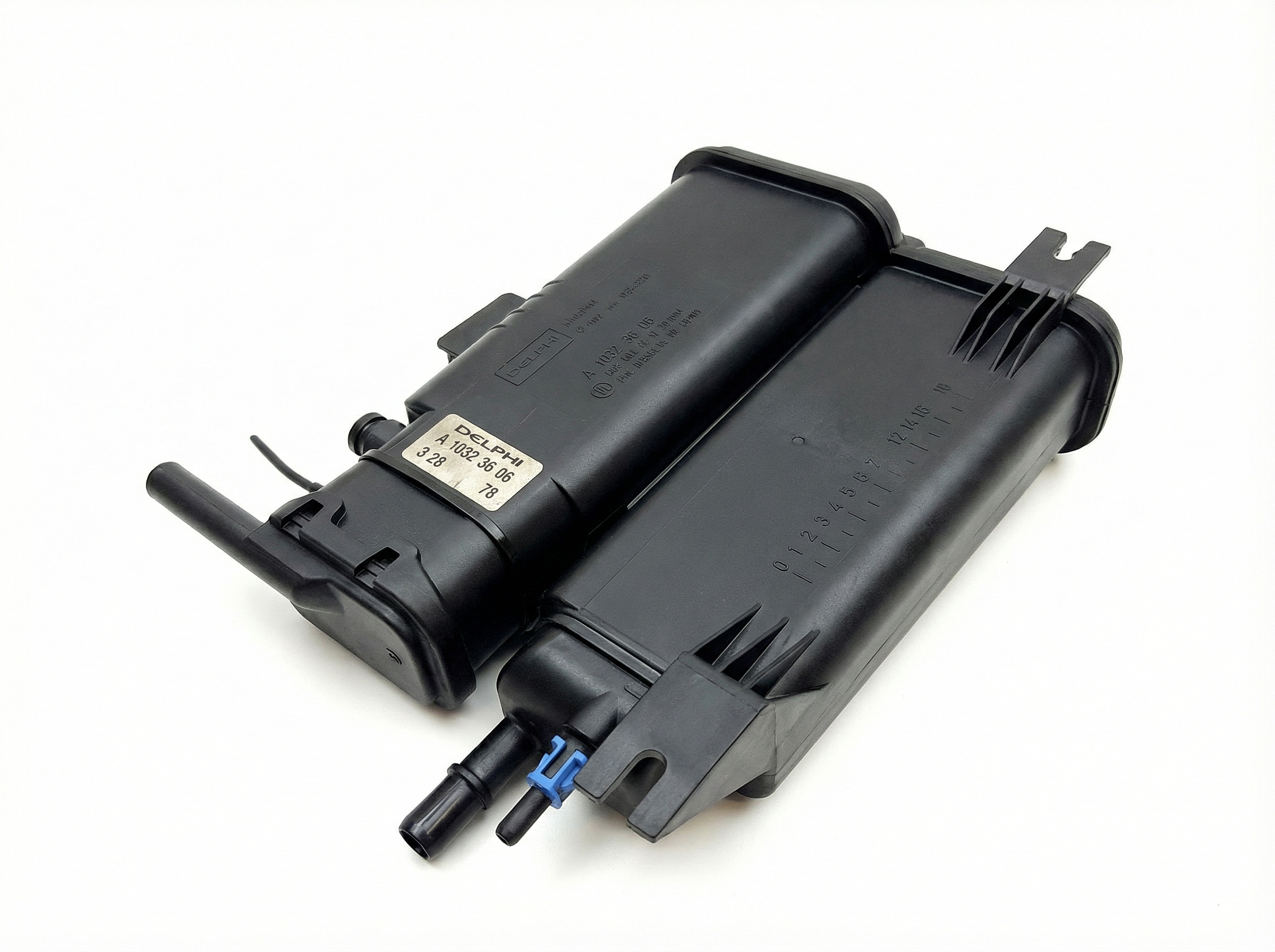
Est. part cost: $10-$50 - Failing EVAP Vent Solenoid/Valve ⚪ Low Probability Located near the charcoal canister by the fuel tank, this valve is exposed to road debris and moisture, which can cause it to fail or get stuck. While it can cause a P0442, it more commonly triggers other EVAP codes like P0449. However, it can fail without throwing its own specific code.
How to confirm: A scan tool can be used to command the valve closed during a smoke test. If smoke exits the vent valve, it has failed. You can also apply 12V power to the solenoid to see if it actuates correctly. It is normally open and closes when powered.
Typical fix: Replace the vent solenoid. This part is located underneath the vehicle near the fuel tank, sometimes requiring removal of a wheel well liner for access. The part is often sold with the charcoal canister.
Est. part cost: $30-$75
Rare But Worth Checking
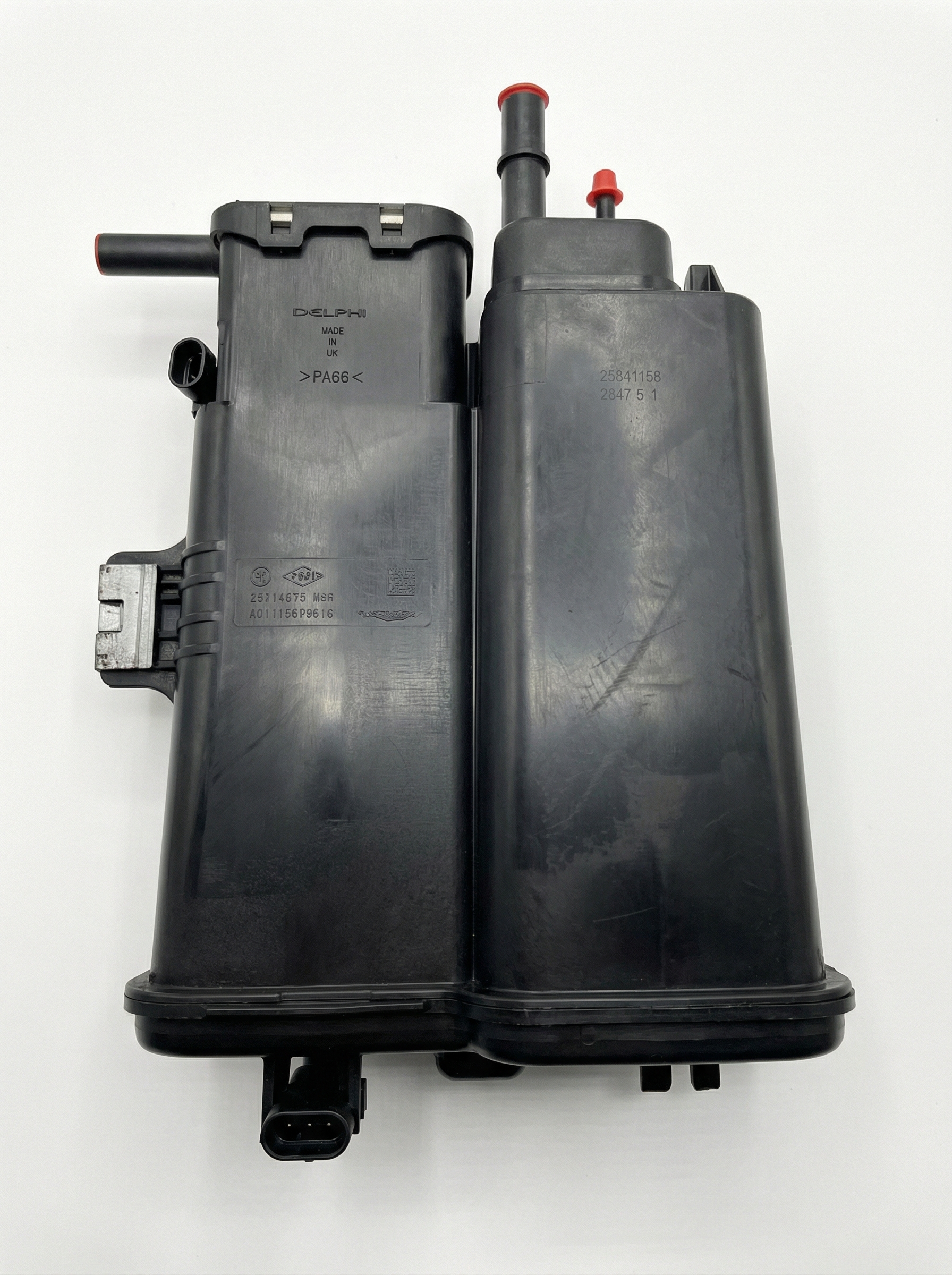
- Cracked EVAP Charcoal Canister: The plastic housing of the canister itself can develop small cracks from age or impact from road debris. This is usually found during a smoke test when smoke is seen seeping from the canister body.
- Leaking Fuel Tank Filler Neck: The metal tube leading to the gas tank can rust or crack over time, creating a leak. This is less common but should be checked during a smoke test if other components are confirmed to be working. A common failure point is the surface where the gas cap seals, which can become pitted with rust, preventing a seal even with a new cap.
Diagnosis Steps

- Check the Gas Cap: Remove the gas cap, inspect the seal for damage, and reinstall it, ensuring it clicks several times. Clear the code and drive for a few days to see if it returns.
- Inspect the Purge Solenoid: Locate the purge valve on the engine (driver's side for 2003-2007, passenger's for 2008-2010). Check for any obvious cracks on the valve body or its connecting hoses. A simple test is to detach the valve, and with it de-energized, try blowing through it. If air passes, it's bad.
- Visual Inspection of EVAP Hoses: Trace the EVAP hoses in the engine bay and underneath the car as much as possible. Look for any brittle, cracked, or disconnected lines, paying close attention to rubber elbows and boots.
- Perform a Smoke Test: This is the most effective way to find a small leak. A smoke machine is connected to the EVAP service port, and the system is filled with a harmless, visible smoke. Smoke will escape from the location of the leak. This test is crucial for finding hairline cracks in hoses, the canister, or a faulty vent valve. TSBs 21-NA-124 and PIT4943D emphasize using a smoke machine for proper diagnosis.
- Test Solenoids with a Scan Tool: A bi-directional scan tool can command the purge and vent solenoids to open and close, which helps confirm if they are functioning electrically and mechanically during the smoke test.
Parts You'll Likely Need

- Gas Cap (Fuel Tank Filler Cap)
(OEM #ACDelco GT261 / GM 19432733)— This is the most frequent cause of a P0442 code. The seal fails over time, preventing the system from holding pressure. Using a genuine OEM cap is highly recommended.
Trusted brands: ACDelco, Gates, Motorad
OEM price range: $30-$40
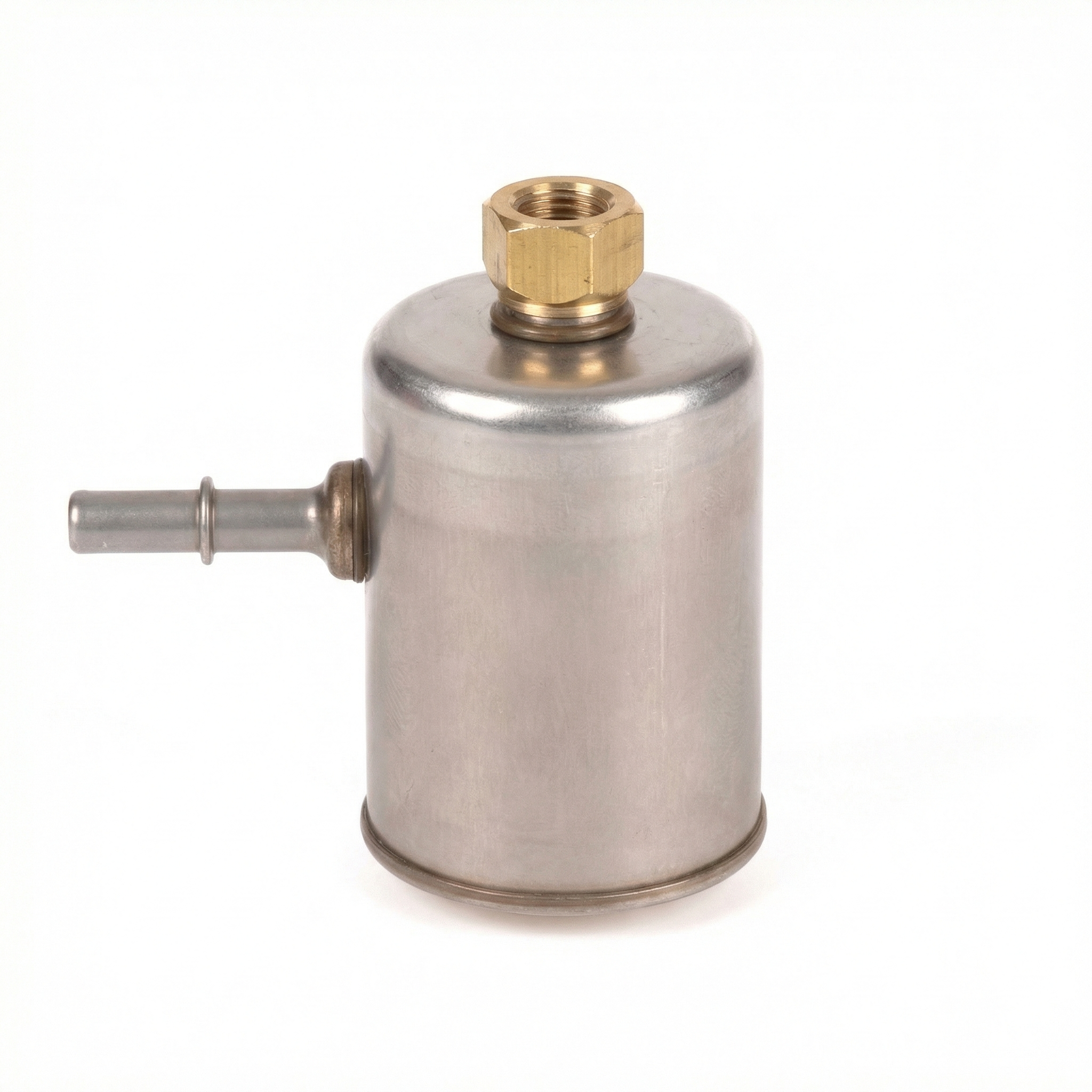
Aftermarket price range: $15-$25 - Vapor Canister Purge Solenoid/Valve
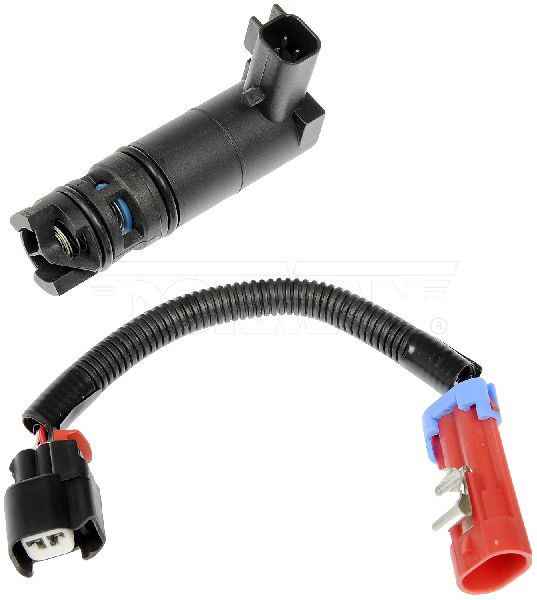
(OEM #ACDelco 214-1074 (For 3.2L V6, 2003-04); ACDelco 12610560 (For 3.0L/3.6L V6, 2010-12))— This valve is a common failure point that gets stuck open, creating a small, persistent vacuum leak that triggers the P0442 and often a P0496 code. Part numbers vary by year and engine.
Trusted brands: ACDelco, Delphi, Dorman, Standard Motor Products
OEM price range: $50-$80
Aftermarket price range: $25-$60
Related Codes That Often Appear With This One
- P0455 — This code indicates a large EVAP leak. If a component fails significantly, you may see both a small leak (P0442) and a large leak (P0455) code, as mentioned in TSB 21-NA-124.
- P0496 — This code indicates 'EVAP Flow During a Non-Purge Condition,' which almost always points to a faulty purge solenoid that is stuck open. It's very common to see P0496 alongside P0442 on a Cadillac CTS.
- P0171 / P0174 — These codes for 'System Too Lean' on Bank 1 and Bank 2 can appear if the purge solenoid is stuck open, creating a vacuum leak that allows unmetered air into the intake manifold, disrupting the air-fuel ratio.
Technical Service Bulletins (TSBs) & Recalls
- Bulletin #21-NA-124: Provides diagnostic tips for testing EVAP leaks related to DTCs P0442 and/or P0455. It advises a chronological check: 1) EVAP lines and connections, 2) Vent valve, 3) Purge valve.
- Bulletin #PIT4943D: References a Techlink article for using an Evaporative Emissions System Tester (smoke machine) to diagnose DTC P0442. It details a procedure to isolate the purge solenoid and test it for leaks with smoke.
Platform-Specific Known Issues
- Purge Valve Location Swap: A key difference between the two CTS generations is the purge valve's location. On the 1st gen (2003-2007), it is on the driver's side of the engine. On the 2nd gen (2008-2010), it moved to the passenger's side near the throttle body. Knowing this is critical for a quick DIY repair.
- Common Pairing with P0496: On the Cadillac CTS, the P0442 code is very frequently accompanied by P0496 ('EVAP Flow During a Non-Purge Condition'). When these two codes appear together, the cause is almost certainly a purge solenoid that is stuck open.
Mechanic-Grade Diagnostic Values
- EVAP Purge Solenoid Resistance — expected: 20-50 Ohms. Failure: An open circuit (infinite resistance) or a significantly low reading (e.g., ~10 Ohms) indicates a faulty solenoid coil.
- EVAP Vent Solenoid Resistance — expected: 15-30 Ohms for many GM vehicles.. Failure: An open circuit (infinite resistance) or a reading outside the specified range indicates a faulty solenoid coil.
- Fuel Tank Pressure (FTP) Sensor Voltage (KOEO, gas cap off) — expected: Approximately 1.45V - 1.5V. Failure: A sensor that is stuck at this voltage and does not change when the system is sealed and vacuum is applied can cause a false P0442 code.
- EVAP Solenoid Control Wire Voltage (Key On, Solenoid OFF) — expected: ~12V (Battery Voltage). Failure: A reading of 0V when the solenoid is not commanded on indicates a short to ground in the control circuit ('Circuit Low').
- EVAP Solenoid Control Wire Voltage (Key On, Solenoid Commanded ON) — expected: Near 0V. Failure: A reading of 12V when the solenoid is commanded on indicates an open in the control circuit or a failed PCM driver.
Scan Tool Commands That Help
- Tech2 / GDS2 / Professional Scan Tool: EVAP System Test (or Purge/Seal Test) — This is a PCM-initiated automated test that closes the vent valve, opens the purge valve to create a vacuum, then seals the system to monitor for vacuum decay. It's the most accurate way to confirm if the system is failing its self-test.
- Tech2 / GDS2 / Professional Scan Tool: EVAP Vent Valve Solenoid Command (On/Off) — Used during a smoke test to command the normally-open vent valve closed, sealing the system. If smoke still escapes from the vent, the valve is faulty. It's also used to verify the control circuit is working.
- Tech2 / GDS2 / Professional Scan Tool: EVAP Purge Valve Solenoid Command (0-100%) — Used to verify the purge valve is opening and closing correctly and to check for leaks. Repeatedly cycling the valve (e.g., 10 times) can sometimes reveal an intermittent sticking issue that a single test might miss.
Wiring & Ground Locations
- G200 — Behind the driver's side kick panel.. This is a major interior ground point. A poor connection here could affect the Body Control Module or other interior modules that interact with the emissions system.
- G402 — At or near the left rear shock tower in the trunk/undercarriage area.. This is a primary ground location for components in the rear of the vehicle, including the EVAP vent solenoid and Fuel Tank Pressure (FTP) sensor, which are located near the fuel tank.
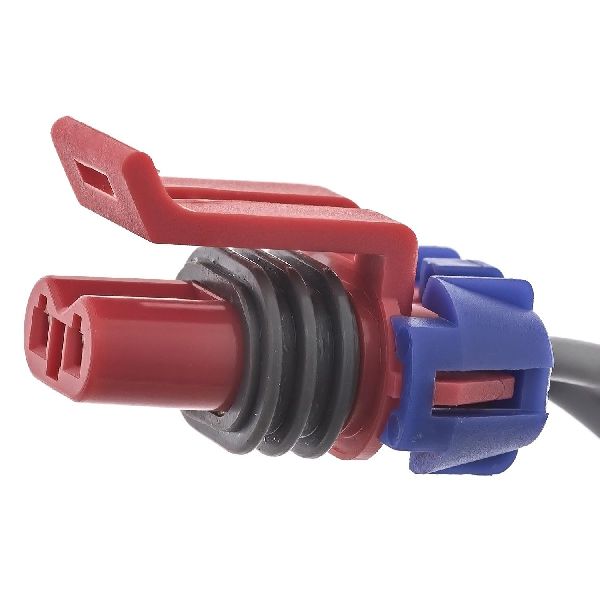
- EVAP Solenoid Wiring — At the purge and vent solenoid connectors.. Solenoids are typically controlled on the ground side. One pin will have ~12V with the key on, and the other wire is the control line that the PCM pulls to ground to activate the solenoid. A break in the wire, especially inside the insulation near the connector on the vent solenoid, can cause a circuit fault.
Real Owner Repair Stories
- Reddit user in r/MechanicAdvice (Ford Mustang (similar EVAP principle)) — Check engine light with EVAP code (P1450)
❌ Tried (didn't work) The initial replacement of the purge valve with a cheap aftermarket part worked for only one month before the code returned.
✅ What actually fixed it The second diagnosis revealed the replacement purge valve had failed. Although it passed a mechanical 'blow-through' test, it failed an electrical resistance test, reading a very low 10.5 ohms. This highlights that cheap aftermarket parts can fail quickly and that electrical testing is as important as mechanical checks. - Chevrolet Forum user (2011 Silverado 1500 5.3L) — P0449 (EVAP Vent Control Circuit) returned after replacing multiple parts.
❌ Tried (didn't work) Replacing gas cap, Replacing purge valve, Replacing vent solenoid/canister assembly, Replacing tank pressure sensor
✅ What actually fixed it The user diagnosed that the new vent valve was good (20 ohms resistance) and would close when powered directly, but would not activate via the harness. They found 11-13V on the power wire and the same voltage on the switched ground wire (with key on), which is correct for an 'off' state. This correctly pointed the diagnosis away from the parts and toward a fault in the switched ground wire's path to the PCM or the PCM driver itself. The final fix was not posted, but the diagnostic path is extremely valuable.
"I Checked Everything" — The Actual Cause
- A key reason a smoke test can pass while a P0442 code persists is that smoke tests use positive pressure, while the vehicle's self-test uses engine vacuum. A component, like a purge or vent valve, can sometimes seal under pressure but leak under vacuum. A professional technique is to test the individual solenoids with a handheld vacuum pump to see if they hold vacuum.
- An intermittently sticking purge or vent solenoid may work correctly during the test but fail later. Cycling the solenoid multiple times with a scan tool can sometimes trigger the intermittent failure.
- A faulty Fuel Tank Pressure (FTP) sensor that is 'stuck' at its baseline reading (~1.5V) will not show the pressure changes the PCM expects during the EVAP test, causing the test to fail and set a P0442 code even with no actual leak. The sensor itself doesn't set a code because the voltage is within its normal operating range.
When the Usual Fixes Don't Work
- While the most common causes are the gas cap and purge solenoid, there are documented cases where a smoke test reveals no leaks and both solenoids appear to function correctly. In these instances, the root cause was found to be more complex. One such case involved a leak that only appeared under vacuum, not the pressure of a smoke machine, which was traced back to a faulty vent valve. Another possibility is a Fuel Tank Pressure (FTP) sensor that has failed in a way that it reports a steady, plausible voltage but does not actually measure pressure changes, tricking the ECM into flagging a leak that isn't there.
OEM Part Supersession History
ACDelco 214-1074→Discontinued by GM. Cross-references to aftermarket parts like Standard Motor Products CP487.— Part for early models (2003-2004) is no longer produced by the original manufacturer.
Heads up: Owners of 2003-2004 models must use aftermarket cross-referenced parts as the OEM part is unavailable.GM 12581282→GM 12735398— Standard part lifecycle update by the manufacturer.
Model Year Variations Within This Range
- 2003-2004: Uses a specific purge solenoid, ACDelco PN 214-1074, which is now discontinued. Owners must seek aftermarket alternatives.
- 2005-2007: The purge solenoid is located on the driver's side of the engine. It uses a different part number than the early models, such as GM 12581282 (or its replacements).
- 2008-2010: The purge solenoid is located on the passenger's side of the engine, near the throttle body. It uses similar part numbers to the 2005-2007 models, like Dorman 911-079 or ACDelco 214-1685.
Helpful Videos


Used OEM Parts in Stock
New Aftermarket Parts Available


The information in this article is provided for general reference and educational purposes only. Vehicle specifications, procedures, and part compatibility can vary by production date, trim level, and region. Always consult your vehicle's factory service manual and verify part numbers before purchasing or performing repairs. Safety-critical components such as airbags, seat belts, and braking systems should be installed by a qualified professional.
- Cadillac CTS:
- 🎬 Helpful Videos
- 🛍️ Shop This Part
- What's Unique About the 2003-2010 Cadillac CTS
- Diagnostic Flowchart
- Symptoms You May Notice
- Most Likely Causes
- Rare But Worth Checking
- Diagnosis Steps
- Parts You'll Likely Need
- Related Codes That Often Appear With This One
- Technical Service Bulletins (TSBs) & Recalls
- Platform-Specific Known Issues
- Mechanic-Grade Diagnostic Values
- Scan Tool Commands That Help
- Wiring & Ground Locations
- Real Owner Repair Stories
- "I Checked Everything" — The Actual Cause
- When the Usual Fixes Don't Work
- OEM Part Supersession History
- Model Year Variations Within This Range
- 🎟️ Get 5% Off