

P0442 on 2012-2017 Buick Verano: EVAP Small Leak Causes and Fixes
For a 2012-2017 Buick Verano, a P0442 code is most often caused by a loose or faulty gas cap. If a new gas cap doesn't fix it, the next most likely culprit is a failing canister purge valve in the engine bay, a common issue on GM vehicles. If neither of those resolves the issue, the canister vent valve near the fuel tank is the next component to inspect.
- P0442 on your Verano means a small leak in the fuel vapor system.
- Always start with the simplest fix: check that your gas cap is tight. If that doesn't work, a new OEM gas cap is the best next step.
- The most likely part to have failed after the gas cap is the canister purge valve in the engine bay, a common GM issue.
- While the code doesn't affect how the car drives, it will cause an automatic failure on an emissions test.
- For leaks that aren't obvious, a professional smoke test is the fastest and most accurate way to find the source of the problem.
What's Unique About the 2012-2017 Buick VERANO
While P0442 is a generic code, on GM's Delta II platform (which includes the Verano and Chevrolet Cruze), it's frequently traced back to specific components. The canister purge valve, located on top of the engine near the intake manifold, is a well-documented common failure point. GM has issued Technical Service Bulletins (TSBs) like #21-NA-124, providing dealers with specific diagnostic advice for EVAP leaks that trigger this code, underscoring that it's a known issue for the manufacturer.
Diagnostic Flowchart
Tap your situation to follow the diagnostic path that matches what you're seeing on this vehicle.
Symptoms You May Notice
- Check Engine Light is on
- A faint fuel odor may be present near the vehicle (less common).
- Possibly a 'Check Gas Cap' message on the driver information center.
- Difficulty starting the engine, especially after filling the gas tank.
- Rough or unstable idle.
- Replacing the O2 sensors. O2 sensors are not related to the EVAP system.
- Replacing the catalytic converter. This is an exhaust component and is unrelated to fuel vapor leaks.
- Immediately replacing the charcoal canister. While it can fail, it's less common than the valves or gas cap, and should be confirmed bad with a smoke test before replacement.
Most Likely Causes
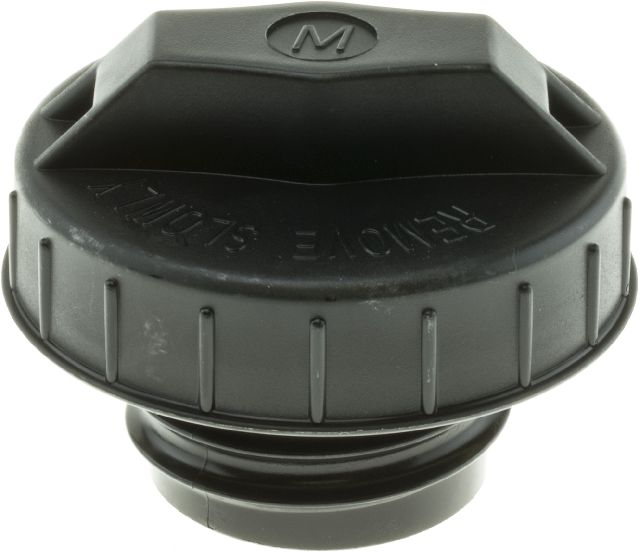
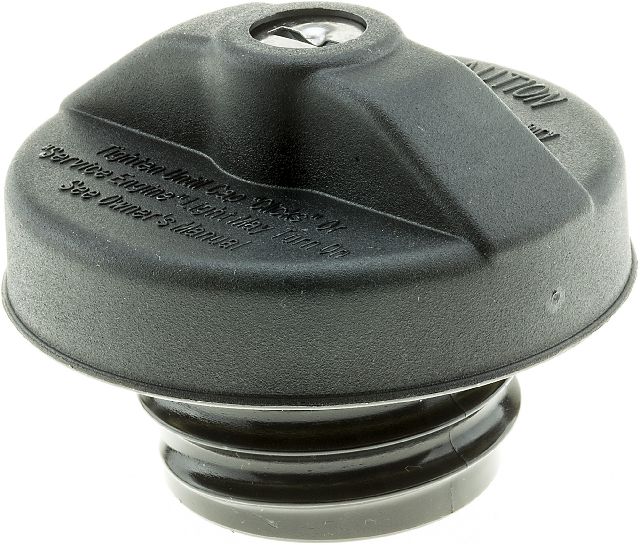
- Loose or Faulty Gas Cap 🔴 High Probability The gas cap seal is a simple rubber O-ring that degrades over time from exposure to fuel vapors and weather, causing it to lose its sealing ability. This is the most common and easiest fix for a P0442 code.
How to confirm: First, ensure the cap is tightened until it clicks several times. If the light returns, inspect the rubber seal on the cap for cracks, stiffness, or damage. A visual inspection of the filler neck for rust or debris is also recommended. Some owners suggest a temporary test by placing a doubled-up plastic bag over the filler neck before screwing on the cap to create a better seal; if the code clears after a few days, the cap is faulty.
Typical fix: Replace the gas cap with a new OEM (ACDelco) or high-quality aftermarket part. This is the cheapest and easiest first step.
Est. part cost: $15-$30 - Faulty EVAP Canister Purge Valve 🔴 High Probability The purge valve (or solenoid) is a known common failure item on many GM vehicles, including the Verano and its platform-mate, the Chevy Cruze. It can get stuck partially open or fail to seal completely, creating a small leak path. This part is located on top of the engine and is relatively easy to access.
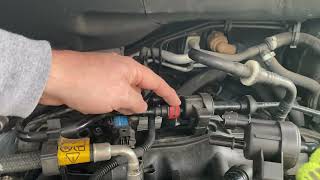
How to confirm: The valve is located in the engine bay, on top of the intake manifold. A quick test is to disconnect the EVAP line from the valve (the side going towards the canister) with the engine off. If you can blow through the valve, or if a vacuum pump shows it doesn't hold vacuum, it is faulty. A professional will use a scan tool to command it closed and check for leaks.
Typical fix: Replace the canister purge valve. It is typically held by one bolt and has two hose connections and an electrical connector, making it a relatively easy DIY job that can be done in under 30 minutes.
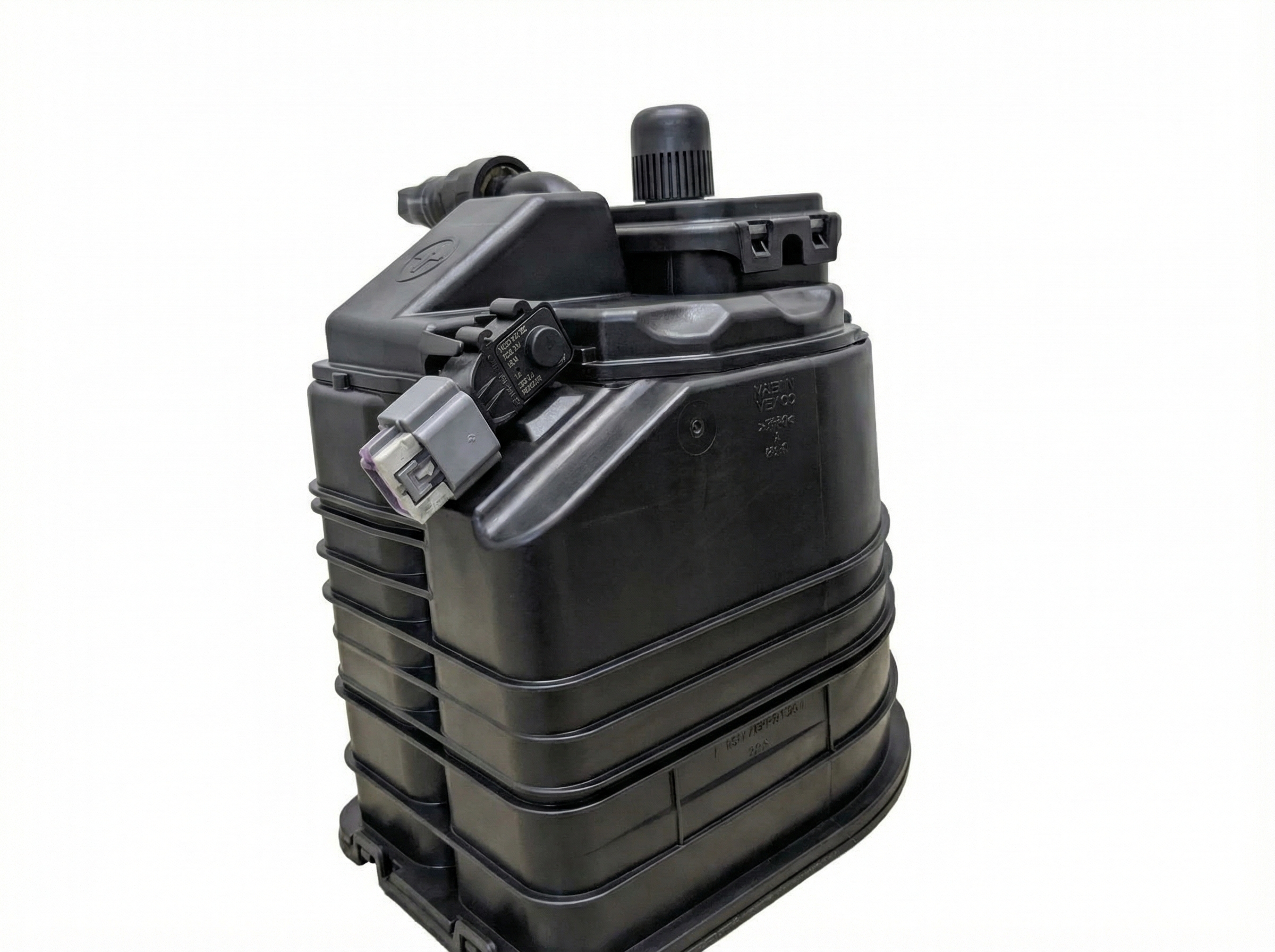
Est. part cost: $25-$80 - Faulty EVAP Vent Valve/Solenoid 🟡 Medium Probability Located near the charcoal canister under the car by the fuel tank, this valve is exposed to road debris and moisture, which can cause it to fail, get clogged with dirt, or its seals to leak.
How to confirm: This valve is normally open and closes when the system runs its leak test. Diagnosis often requires a scan tool to command the valve closed and then a smoke machine to see if it's leaking. A visual inspection may reveal dirt or debris clogging the atmospheric vent line attached to it.
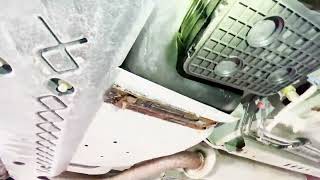
Typical fix: Replace the vent valve solenoid. Accessing it requires safely raising the vehicle. 🎬 Watch: How to access and replace the vent valve solenoid. On some platform mates like the Chevy Cruze, the fuel tank may need to be lowered slightly to gain access.
Est. part cost: $30-$75 - Cracked or Disconnected EVAP Hoses ⚪ Low Probability Over time, the plastic and rubber hoses in the EVAP system can become brittle and crack, especially at connection points or bends. This is less common than valve failures on modern GM vehicles.
How to confirm: A thorough visual inspection of all EVAP lines from the engine bay to the fuel tank may reveal obvious cracks. However, small leaks are difficult to spot, and a smoke test is the most effective method. A mechanic will introduce pressurized smoke into the EVAP system and look for where it escapes.
Typical fix: Replace the specific section of cracked hose or the damaged fitting.
Est. part cost: $10-$50
Rare But Worth Checking
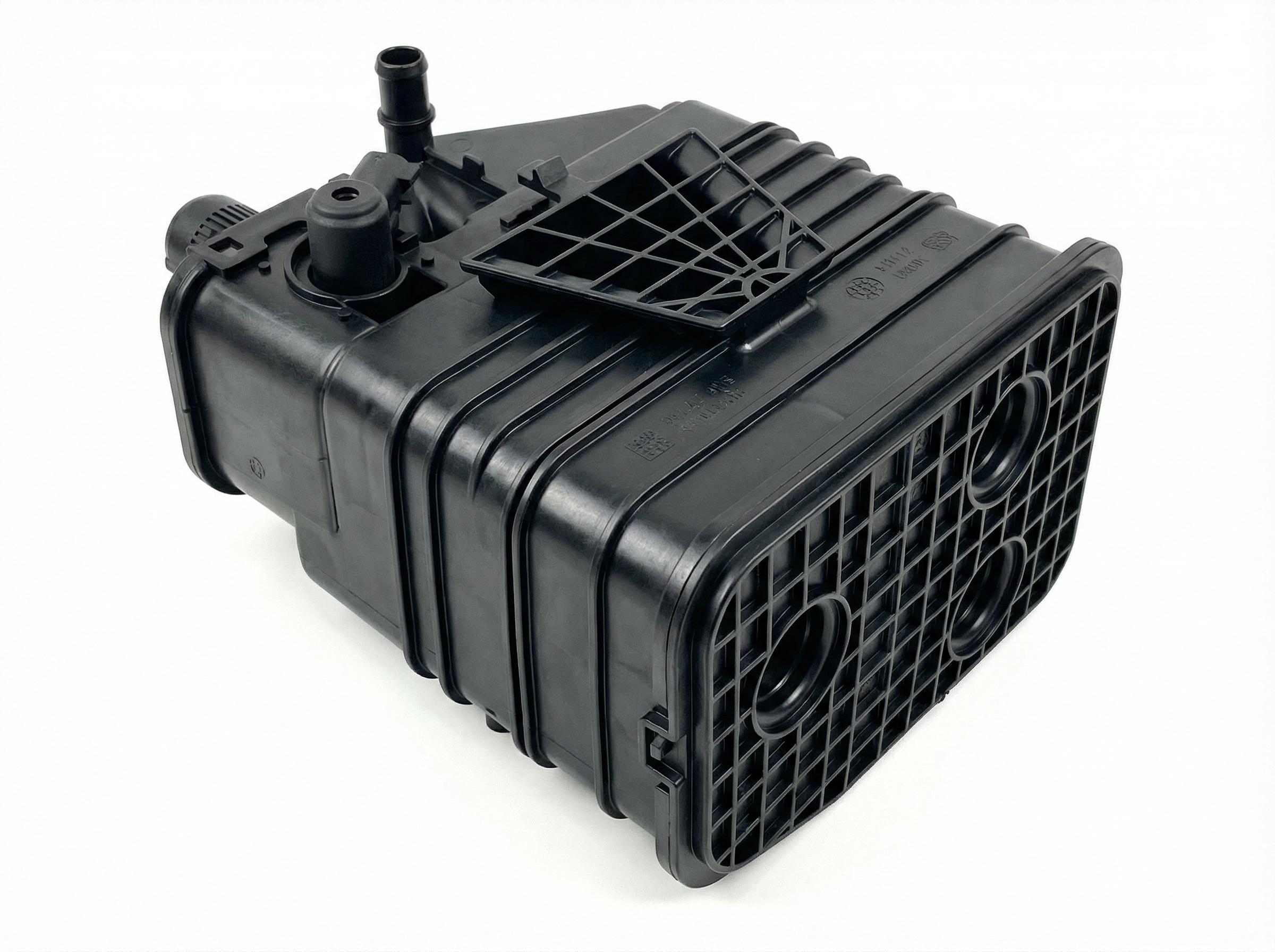
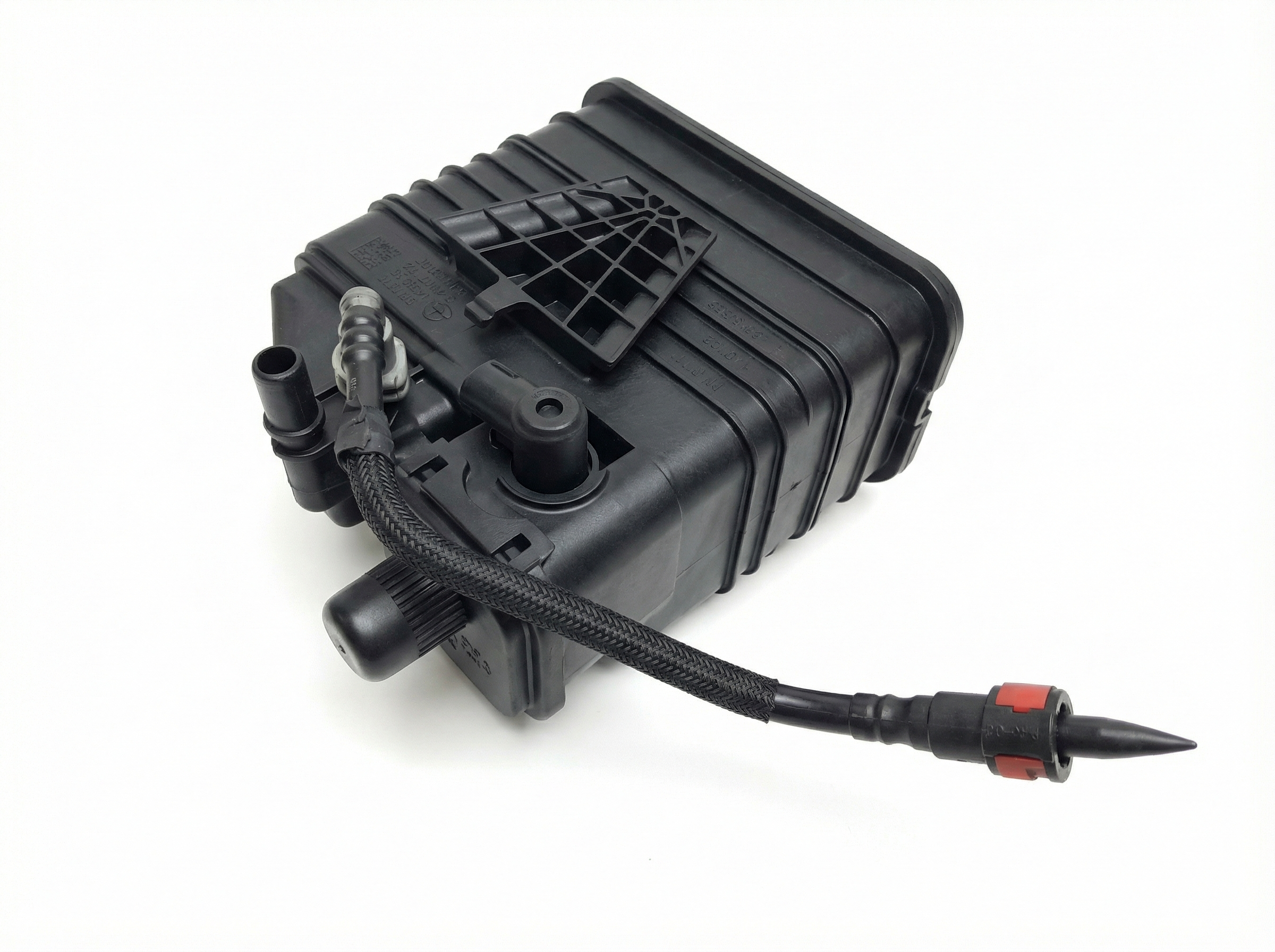
- Cracked Charcoal Canister: The plastic housing of the charcoal canister can develop hairline cracks, creating a small leak. This is usually found with a smoke test after other, more common components have been ruled out.
- Leaking Fuel Tank Gasket / Filler Neck: The seal for the fuel pump sending unit or the connection of the filler neck to the tank can degrade and cause a small leak. In some cases, the filler neck itself can develop rust or damage on the sealing surface, preventing even a new gas cap from sealing properly. A wet appearance around the filler neck after fueling can be a strong indicator.
Diagnosis Steps
- Read the code with an OBD-II scanner to confirm P0442 is present.
- Inspect the gas cap. Remove it, check the seal for cracks or damage, and reinstall it, ensuring it clicks multiple times. Clear the code and drive for a few days to see if it returns.
- If the code returns, replace the gas cap with an OEM part as an inexpensive and easy potential fix.
- Visually inspect the engine bay for the EVAP purge valve, located on top of the engine. Check its connected hoses for obvious cracks or loose connections.
- Perform a basic function test on the purge valve. With the engine off, disconnect the hose coming from the fuel tank side. Try to blow through the valve or attach a hand vacuum pump; it should be sealed and hold vacuum. If it doesn't, it's faulty and needs replacement.
- Visually inspect the accessible EVAP lines running under the vehicle for any signs of cracking, damage, or disconnection.
- If the leak is still not found, the most effective next step is a professional smoke test. 🎬 Watch: A professional mechanic's step-by-step smoke test and diagnosis. This will fill the system with a harmless, visible smoke, making even the smallest leak easy to pinpoint.
- Based on the smoke test results, replace the leaking component, which could be the purge valve, vent valve, a hose, the filler neck, or the canister itself.
Parts You'll Likely Need
- Gas Cap
(OEM #GT333 (ACDelco))— This is the most frequent and simplest cause of a P0442 code due to seal degradation.
Trusted brands: ACDelco, Stant
OEM price range: $20-$30
Aftermarket price range: $15-$25 - Vapor Canister Purge Valve
(OEM #12690512 (Supersedes 12608378))— A very common failure point on GM vehicles that causes a small, persistent leak when the valve no longer seals completely.
Trusted brands: ACDelco, Standard Motor Products, Dorman
OEM price range: $40-$80
Aftermarket price range: $25-$50 - Vapor Canister Vent Valve Solenoid
(OEM #911-059 (Dorman Aftermarket))— This valve can fail due to its location under the car, causing it to stick or leak.
Trusted brands: ACDelco, Dorman
OEM price range: $50-$90
Aftermarket price range: $30-$75
Related Codes That Often Appear With This One
- P0455 — Indicates a large EVAP leak. If both P0442 and P0455 are present, it suggests a component has failed significantly or a hose may be completely disconnected. TSB #21-NA-124 specifically addresses diagnosing both codes together.
- P0496 — Indicates EVAP flow during a non-purge condition, which very strongly points to a faulty purge valve that is stuck open. This is a very common companion code on GM vehicles.
- P0446 — Indicates a problem with the EVAP vent control circuit. If seen with P0442, this points strongly towards a faulty vent valve or its wiring near the charcoal canister.
Technical Service Bulletins (TSBs) & Recalls
- Bulletin #21-NA-124: Provides diagnostic tips for testing EVAP leaks related to DTCs P0442 and/or P0455. It advises technicians to first check all EVAP line connections for proper seating, then inspect for damage, then test the vent valve, and finally tes
Platform-Specific Known Issues
- Purge Valve Location and Ease of Replacement: On the Buick Verano (both 2.4L and 2.0L Turbo engines), the purge valve is conveniently located on top of the engine near the intake manifold, making it a very accessible part for DIY replacement. It is often held by a single bolt and can be swapped in under 30 minutes with basic tools.
- Owner Experience: Gas Cap vs. Purge Valve: In a forum thread on Reddit for the Chevy Cruze, a user with a P0442 code first replaced the purge valve, but the check engine light returned. They then replaced the gas cap with a new one from NAPA, which ultimately resolved the issue, highlighting the importance of starting with the simplest fix.
Mechanic-Grade Diagnostic Values
- EVAP Purge or Vent Solenoid Resistance — expected: 15-50 Ohms. Failure: A reading of 0 Ohms indicates a short, while an infinite reading (OL) indicates an open circuit in the solenoid's coil.
- Fuel Tank Pressure (FTP) Sensor Voltage — expected: ~1.45V - 1.50V. Failure: A significantly different voltage with the gas cap off and at atmospheric pressure can indicate a faulty sensor, leading to incorrect leak calculations by the ECM.
Scan Tool Commands That Help
- GDS2 / Tech2: EVAP Service Bay Test — This is a forced, comprehensive test of the entire EVAP system that can be run in the shop to verify a leak exists or that a repair was successful, without needing to perform a full drive cycle. It requires the fuel level to be between 15-85% and a cool engine.
- GDS2 / Tech2 (or advanced scan tool): EVAP Purge/Seal — Used to command the vent valve closed and the purge valve open/closed to manually seal the system. This allows a technician to isolate components and test for leaks using the scan tool's pressure sensor data or in conjunction with a smoke machine.
Wiring & Ground Locations
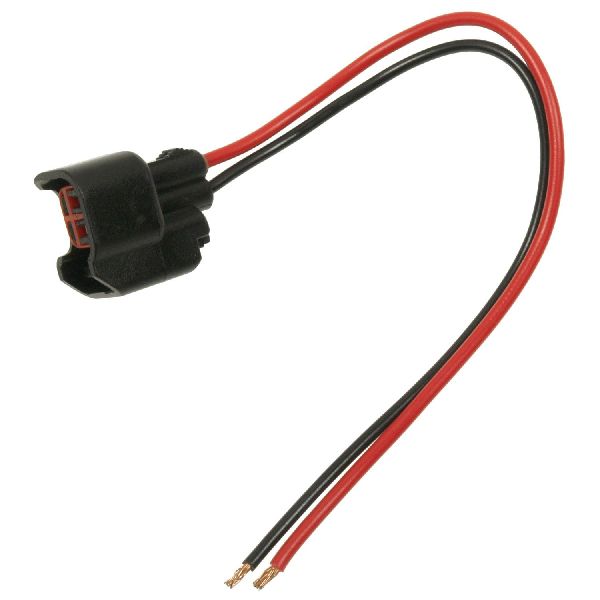
- Vent Valve Connector Wiring — At the EVAP vent valve connector, located near the charcoal canister under the rear of the vehicle.. A common, hard-to-find failure is for the power or ground wire to break *inside* the insulation, right at the connector, due to vibration and exposure. The wire will look intact, but a pull test will reveal the break. This causes an open circuit (like a P0446 or P0449) but can also cause intermittent issues that may contribute to a P0442.
Real Owner Repair Stories
- ScannerDanner Forum discussion (General Motors vehicles (e.g., 2007 Chevy Colorado)) — Intermittent P0442 code that kept returning.
❌ Tried (didn't work) Standard smoke test showed no leaks., Scan tool 'Purge/Seal' test showed the system could hold vacuum, indicating no leak.
✅ What actually fixed it The issue was identified as a valve (purge or vent) that would seal correctly under the pressure of a smoke machine, but would fail to seal under the slight vacuum the car's computer uses for its own leak test. The fix is to test the valves by applying a hand vacuum pump to see if they leak, a step often skipped if a smoke test is clean.
"I Checked Everything" — The Actual Cause
- A known tricky situation on GM vehicles is passing a smoke test but still having a P0442 code. The EVAP system's self-test works by creating a slight vacuum. A purge or vent valve can fail in a way that it holds pressure (from a smoke machine) but leaks under vacuum. A technician can diagnose this by applying a hand vacuum pump directly to the valve to see if it holds, or by repeatedly cycling the valves with a scan tool while smoke is being introduced to catch an intermittent failure.
OEM Part Supersession History
12608378→12690512, which is now superseded by 12737252— GM frequently updates parts to improve reliability or address known failure modes. This purge valve has been revised multiple times.
Heads up: The newest part number (12737252) is the correct service replacement for all previous versions.
Helpful Videos
Used OEM Parts in Stock



New Aftermarket Parts Available


The information in this article is provided for general reference and educational purposes only. Vehicle specifications, procedures, and part compatibility can vary by production date, trim level, and region. Always consult your vehicle's factory service manual and verify part numbers before purchasing or performing repairs. Safety-critical components such as airbags, seat belts, and braking systems should be installed by a qualified professional.
- Buick VERANO:
- 🎬 Helpful Videos
- 🛍️ Shop This Part
- What's Unique About the 2012-2017 Buick VERANO
- Diagnostic Flowchart
- Symptoms You May Notice
- Most Likely Causes
- Rare But Worth Checking
- Diagnosis Steps
- Parts You'll Likely Need
- Related Codes That Often Appear With This One
- Technical Service Bulletins (TSBs) & Recalls
- Platform-Specific Known Issues
- Mechanic-Grade Diagnostic Values
- Scan Tool Commands That Help
- Wiring & Ground Locations
- Real Owner Repair Stories
- "I Checked Everything" — The Actual Cause
- OEM Part Supersession History
- 🎟️ Get 5% Off