

P0442 on 2011-2018 Buick Regal: EVAP Small Leak Causes & Fixes
P0442 on a Buick Regal indicates a small leak in the evaporative emissions (EVAP) system. The most common and cheapest fix is a loose or worn-out gas cap. If that doesn't solve it, the next likely culprits are the EVAP purge or vent valve, which are known failure points on this platform.
- P0442 means your car has a small fuel vapor leak. It is not a serious threat to the engine's operation.
- Always start with the simplest fix: check that your gas cap is tight and its seal is not cracked or worn.
- If the gas cap isn't the issue, the EVAP purge valve (on the engine) and vent valve (near the tank) are the next most likely culprits.
- A smoke test is the most reliable professional method to find the exact location of a small leak if it's not obvious.
- You will fail an emissions test with this code active, so it's best to address it before your next inspection.
What's Unique About the 2011-2018 Buick REGAL
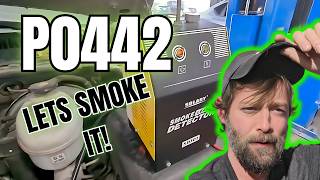
The 2011-2018 year range for the Buick Regal spans two distinct generations built on the GM Epsilon II platform, which is shared with vehicles like the Chevrolet Malibu and Buick LaCrosse. These vehicles are known for similar EVAP issues. Manufacturer Technical Service Bulletins (TSBs) for this platform, such as #PIT4943D and #21-NA-124, emphasize the importance of proper diagnostic procedures using tools like an EVAP system tester (smoke machine) rather than simply replacing parts. 🎬 Watch: How to find a small EVAP leak using professional methods. This suggests that while common parts fail, a systematic search for the leak is often required, as leaks can be intermittent or only appear under specific vacuum conditions. Some GM vehicles in this era also use an "Engine Off Natural Vacuum" (EONV) test, which monitors pressure changes as the fuel tank cools to detect leaks.
Diagnostic Flowchart
Tap your situation to follow the diagnostic path that matches what you're seeing on this vehicle.
Generation note: The 2011-2017 models belong to the fifth generation Regal, while the 2018 model is the first year of the sixth generation. Both are based on the GM Epsilon II platform. While the underlying cause (a small EVAP leak) is the same, specific part locations and part numbers, such as for the purge and vent valves, may differ between these generations and engine types.
Symptoms You May Notice
- Check Engine Light is on.
- A faint fuel smell may be noticeable, particularly around the gas cap area or outside the vehicle.
- Difficulty fueling where the pump clicks off before the tank is full (this is more common with vent valve issues).
- Slightly rough idle or difficulty starting immediately after refueling (a classic sign of a stuck-open purge valve).
- Replacing the O2 sensors, as they are not related to the EVAP system.
- Replacing the catalytic converter, which is an exhaust component and not part of the fuel vapor system.
- Assuming the gas cap is the only possible cause and replacing it multiple times without performing further diagnostics.
Most Likely Causes
- Loose or Faulty Gas Cap 🔴 High Probability The gas cap seal is a rubber O-ring that degrades over time due to exposure to fuel vapors and weather. This is the most common and simple failure point for any vehicle's EVAP system. Using a non-OEM cap can also lead to sealing issues.
How to confirm: Ensure the cap is tightened until it clicks several times. Inspect the rubber seal for cracks, stiffness, or damage. Check the filler neck for rust or debris that could prevent a good seal. A temporary test can be done by placing a plastic bag over the filler neck under the cap to create a better seal; if the code clears after a few drive cycles, the cap is faulty.
Typical fix: Tighten the cap. If the seal is bad or the cap is damaged, replace it with a new OEM-spec cap.
Est. part cost: $15-$35 - EVAP Purge Valve/Solenoid Failure 🟡 Medium Probability The purge valve, located in the engine bay, controls the flow of vapors to the engine. It's a very common failure point on GM vehicles of this era, often getting stuck slightly open, which creates a small, constant vacuum leak. GM even issued special coverage (N192210240) for this part on some models, extending the warranty to 10 years/120,000 miles due to high failure rates.
How to confirm: The purge valve is typically located on or near the engine intake manifold. With the engine off, it should be closed. A common DIY check is to remove the valve and try to blow through it; if air passes, it's stuck open and faulty. A mechanic can command it open and closed with a scan tool to test its function or use a smoke machine to see if smoke passes through it when commanded closed.
Typical fix: Replace the purge valve. It is highly recommended to use an OEM ACDelco part, as aftermarket versions are known to fail quickly.
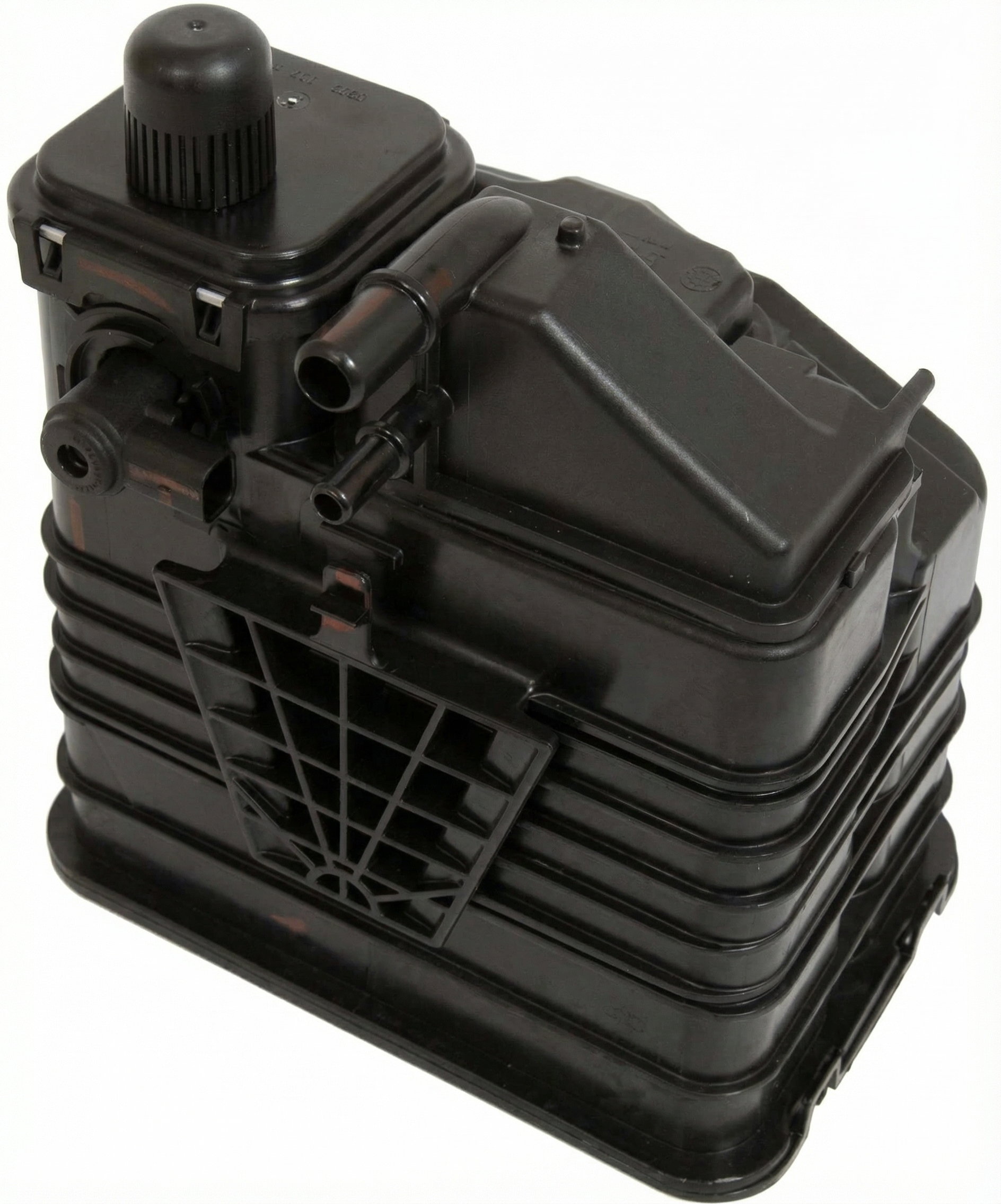
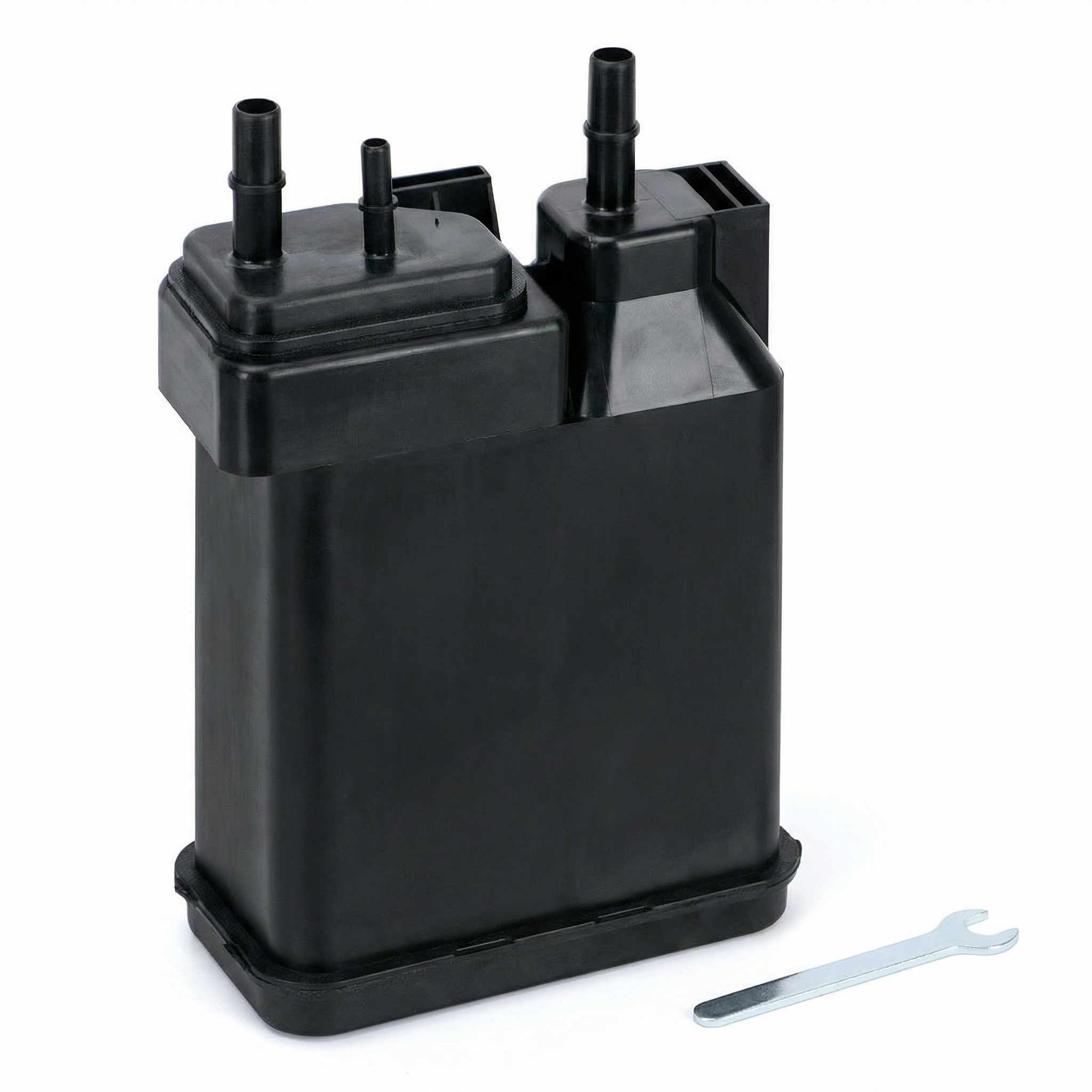
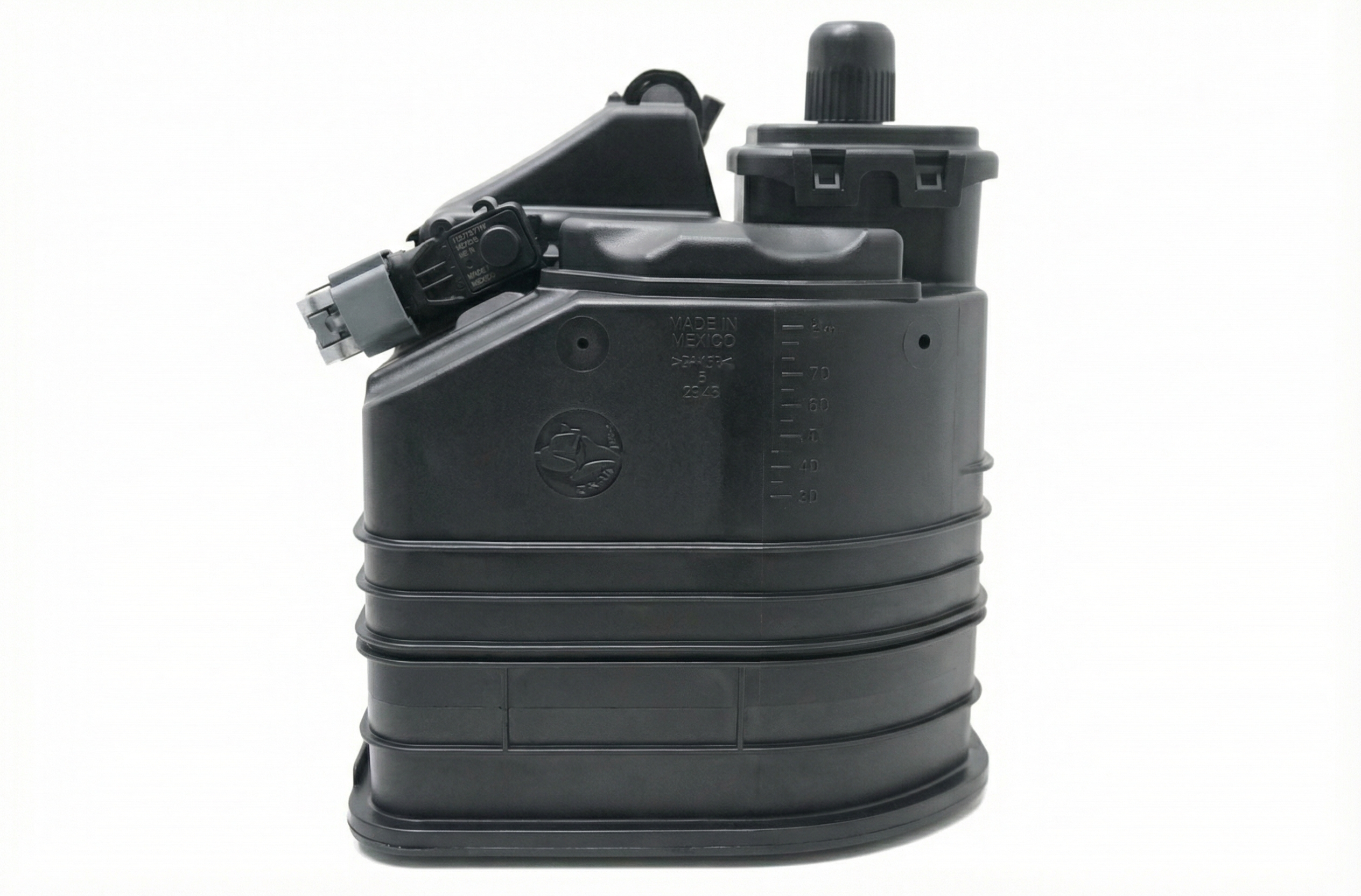
Est. part cost: $30-$70 - EVAP Vent Valve/Solenoid Failure 🟡 Medium Probability Located near the charcoal canister by the fuel tank, this valve can get stuck open or its filter can become clogged with road debris, preventing the system from sealing properly for its self-test. It is a known issue on many GM vehicles, with a service bulletin for 2011-2013 models specifically mentioning the EVAP Vent Solenoid as a possible cause.
How to confirm: This valve is normally open and is commanded closed by the ECM to test the system. A scan tool is needed to command the valve closed. A smoke test is the most effective way to confirm if it's leaking when it should be sealed. Sometimes cycling the valve multiple times with a scan tool can reveal an intermittent sticking problem.
Typical fix: Replace the vent valve solenoid. The part is often sold as an assembly with a new hose or filter box.
Est. part cost: $40-$80 - Cracked or Disconnected EVAP Hoses ⚪ Low Probability The rubber and plastic lines that carry fuel vapor can become brittle and crack over time, especially in harsh climates or at connection points.
How to confirm: A visual inspection may reveal obvious cracks or loose connections, particularly at elbows and fittings. However, small cracks are often invisible and are best found using a smoke machine, which fills the system with vaporous smoke to reveal the leak's location.
Typical fix: Replace the cracked section of hose or the entire line.
Est. part cost: $10-$50
Rare But Worth Checking
- Cracked EVAP Charcoal Canister: The plastic housing of the canister itself can develop cracks from road debris or age, causing a leak. This is less common than valve or hose failure but should be checked if other causes are ruled out.
- Leaking Fuel Tank or Filler Neck: Rust on the fuel filler neck where the gas cap seals is a known cause of P0442 on GM vehicles. A visual inspection or smoke test will reveal leaks from a rusted neck. In rare cases, the fuel tank itself or the gasket for the fuel pump sending unit can develop a small leak.
Diagnosis Steps
- Check the gas cap. Remove it, inspect the seal for damage, and reinstall it, ensuring it clicks multiple times. Clear the code and drive for a few days to see if it returns.
- If the code returns, perform a thorough visual inspection of all accessible EVAP hoses and lines running from the engine bay to the fuel tank, looking for obvious cracks, splits, or disconnections. Pay close attention to rubber elbows and plastic fittings.
- Locate the EVAP purge valve in the engine bay (typically on the intake manifold). With the engine off, remove the valve and try to blow through it. If air passes, the valve is stuck open and must be replaced.
- Inspect the fuel filler neck for any signs of rust or corrosion that could prevent the gas cap from sealing correctly.
- If no visual faults are found, the most effective next step is to have the system tested with a smoke machine. This test will fill the EVAP system with a harmless, visible smoke, and the leak will be revealed by where the smoke escapes.
- While performing the smoke test, a mechanic will use a scan tool to command the vent valve closed to ensure the entire system is sealed for the test. This also helps diagnose a faulty vent valve.
- Based on the smoke test results, replace the identified leaking component, whether it's a valve, hose, canister, or the gas cap.
Parts You'll Likely Need
- Fuel Cap — This is the most frequent cause of a P0442 code due to the seal wearing out over time. Always prefer an OEM cap for a guaranteed seal.
Trusted brands: ACDelco, Motorad, Stant
OEM price range: $20-$35
Aftermarket price range: $15-$25 - Vapor Canister Purge Valve / Solenoid
(OEM #12690512 (check fitment for specific year/engine))— This valve is a very common failure point, getting stuck open and causing a constant small leak. Aftermarket parts are known to fail prematurely.
Trusted brands: ACDelco (GM Genuine), Bosch, Delphi
OEM price range: $50-$90
Aftermarket price range: $30-$70 - Vapor Canister Vent Valve / Solenoid
(OEM #25932571 (cross-references to ACDelco 214-2149 or 214-2324, verify by VIN))— This valve, located near the fuel tank, can fail to close or get clogged with dirt, preventing the system from sealing. The ACDelco part number is often 214-2149 or is superseded.
Trusted brands: ACDelco (GM Genuine), Dorman, Standard Motor Products
OEM price range: $40-$80
Aftermarket price range: $25-$60
Related Codes That Often Appear With This One
- P0455 — This code indicates a 'Large EVAP Leak'. It can appear with P0442 if the leak is intermittent or on the borderline between small and large. The diagnostic process is nearly identical, often starting with the gas cap.
- P0449 — This code specifically points to a fault in the EVAP Vent Valve/Solenoid circuit. If you see P0442 and P0449 together, the vent valve is the most likely culprit.
- P0496 — Indicates 'EVAP Flow During a Non-Purge Condition'. This code is almost always caused by a faulty purge valve that is stuck open, allowing fuel vapors into the engine at the wrong time. It strongly points to the purge valve as the source of a P0442 leak.
Technical Service Bulletins (TSBs) & Recalls
- PIT4943D: Details a specific diagnostic procedure for P0442 when a leak is hard to find. It advises technicians to use a scan tool to monitor tank pressure, then use a smoke machine (GE 41413-A) to pressurize specific parts of the system, like the purge solenoid, to isolate the leak. It also warns that a leak may only appear under vacuum.
- 21-NA-124: Provides a general diagnostic tip for P0442/P0455 across many GM vehicles. It recommends a specific order of operations: 1. Check EVAP line connections. 2. Inspect lines for damage. 3. Test the vent valve. 4. Test the purge valve. This reinforces that part failure is common but a systematic check is required.
Platform-Specific Known Issues
- Rusted Fuel Filler Neck: On some GM vehicles of this era, the metal fuel filler neck can rust where the gas cap seals, creating a small leak that triggers P0442. A YouTube video on a 2010 Buick LaCrosse (a platform mate) shows a detailed diagnosis and replacement of a rusted filler neck to solve a persistent P0442 code. A forum post on a Buick LeSabre also details a successful DIY repair of the filler neck using JB Weld to fix the leak.
- High Failure Rate of Purge Valve: The purge valve solenoid is a notoriously common failure item on the Epsilon II platform. A YouTube video replacing the purge valve on a 2011 Buick LaCrosse for a P0442 code explicitly states to only use GM parts as aftermarket versions are known to fail quickly. This is corroborated by numerous forum discussions and mechanic experiences.
Scan Tool Commands That Help
- GDS2 / Tech2 (or advanced aftermarket scanner): EVAP Service Bay Test — This is a comprehensive, automated test run by the scan tool. It commands the vent and purge valves and monitors the Fuel Tank Pressure (FTP) sensor to verify the system can seal and hold a vacuum, helping to confirm if a leak is present before initiating a smoke test.
- GDS2 / Tech2 (or advanced aftermarket scanner): EVAP Vent Solenoid Valve Control — Used during a smoke test. The vent valve is normally open, so a technician must use this command to close it (command ON) to seal the system. If smoke escapes from the vent valve area when commanded closed, the valve is faulty.
- GDS2 / Tech2 (or advanced aftermarket scanner): EVAP Purge Solenoid Valve Control — Used to test the purge valve function. A technician can command the valve to open and close (or apply a duty cycle) while monitoring engine RPM or fuel trims to see if it is operating correctly. It's also used during a smoke test to confirm it's not leaking when commanded closed.
Wiring & Ground Locations
- Vapor Canister Purge Valve Connector — On the 2.4L engine (2011-2017), the purge valve is on the top right side of the engine. On other engines, it may be behind the throttle body. The connector is a 2-terminal oval-shaped male connector.. Damage to the connector or wiring pigtail can cause an intermittent loss of control over the purge valve, potentially leaving it slightly open and creating a leak that sets P0442. Knowing the connector type helps in sourcing a replacement pigtail for repair.
Real Owner Repair Stories
- GM Forum user (Buick (model not specified, but platform relevant)) — Persistent P0442 code.
❌ Tried (didn't work) Replaced vapor canister purge valve., Replaced canister vent solenoid.
✅ What actually fixed it Replaced the Fuel Tank Pressure (FTP) sensor and the fuel pump 'sending unit' gasket. The user noticed a fuel smell when accessing the top of the tank, leading them to suspect the gasket was the source of the leak.
"I Checked Everything" — The Actual Cause
- In one documented case, after replacing both the purge and vent valves without success, the actual cause was a leaking fuel pump sending unit gasket. This type of leak might be missed by a standard smoke test if the test pressure isn't high enough or if the leak is subtle and hidden under an access cover. The technician or owner discovered it by smelling fuel near the fuel pump access area in the trunk.
- A faulty Fuel Tank Pressure (FTP) sensor can send incorrect voltage readings to the ECM, making the computer believe there is a leak when the system is perfectly sealed. A smoke test would come back clean because there is no physical leak to be found.
When the Usual Fixes Don't Work
- While the most common fixes for P0442 are the gas cap, purge valve, and vent valve, there are documented cases where none of these resolved the issue. In one instance involving a GM vehicle, after replacing both the purge and vent valves, the code persisted. The actual root cause was a degraded fuel pump sending unit gasket on top of the fuel tank. This was only discovered after noticing a fuel smell inside the car near the fuel pump access panel, a detail that points away from the more common EVAP components. This highlights the importance of considering the entire fuel and vapor system, including seals on top of the tank, when common fixes fail.
OEM Part Supersession History
12610560, 12661763→12690512— Part has been updated by the manufacturer for improved reliability or to consolidate inventory.
Heads up: The new part number (12690512) is the correct direct replacement for the older numbers on applicable vehicles.25932571 (GM)→ACDelco 214-2149— This is a cross-reference between the GM part number and the common ACDelco service part number.
Heads up: ACDelco 214-2149 is the widely available service part that corresponds to GM PN 25932571.
Model Year Variations Within This Range
- 2011-2013: A GM service bulletin specifically highlights that on some 2011-2013 Buick vehicles, the P0442 code might be caused by a leaking EVAP Vent Solenoid (CVS), making it a primary suspect for these earlier model years.
- 2011-2017 (5th Gen) vs. 2018 (6th Gen): While the EVAP system's function is the same, the physical location of components like the purge valve can differ. For example, on the 2.4L engine common in 5th Gen models, the purge valve is on the top of the engine. Locations may vary for the 2.0L Turbo and will differ on the redesigned 6th generation (2018+) models. Always verify part location based on the specific engine and year.
Helpful Videos

We Have This Part in Stock


The information in this article is provided for general reference and educational purposes only. Vehicle specifications, procedures, and part compatibility can vary by production date, trim level, and region. Always consult your vehicle's factory service manual and verify part numbers before purchasing or performing repairs. Safety-critical components such as airbags, seat belts, and braking systems should be installed by a qualified professional.
- Buick REGAL:
- 🎬 Helpful Videos
- 🛍️ Shop This Part
- What's Unique About the 2011-2018 Buick REGAL
- Diagnostic Flowchart
- Symptoms You May Notice
- Most Likely Causes
- Rare But Worth Checking
- Diagnosis Steps
- Parts You'll Likely Need
- Related Codes That Often Appear With This One
- Technical Service Bulletins (TSBs) & Recalls
- Platform-Specific Known Issues
- Scan Tool Commands That Help
- Wiring & Ground Locations
- Real Owner Repair Stories
- "I Checked Everything" — The Actual Cause
- When the Usual Fixes Don't Work
- OEM Part Supersession History
- Model Year Variations Within This Range
- 🎟️ Get 5% Off