

P0442 on 2000-2004 Buick Regal: EVAP Small Leak Causes and Fixes
The P0442 code on a 2000-2004 Buick Regal indicates a small leak in the evaporative emissions (EVAP) system. The most common and inexpensive fix is replacing a worn or loose gas cap. If that doesn't solve it, the next most likely causes are a faulty EVAP vent or purge solenoid. Always check the gas cap and its sealing surface on the filler neck first.
- Always start with the simplest fix: check that your gas cap is tight. If it's old, replace it. This solves the problem more than half the time.
- If a new gas cap doesn't work, the next most likely culprits are the EVAP purge solenoid (in the engine bay) or the vent solenoid (near the gas tank).
- While you can replace parts based on probability, a smoke test is the only way to be 100% certain where the leak is, which can save you money in the long run.
- This code will not leave you stranded, but it will cause an automatic failure on an emissions test.
What's Unique About the 2000-2004 Buick REGAL
For the 2000-2004 Buick Regal, which is built on the GM W-body platform, the P0442 code is a very common issue. The primary culprits are often the same as on other GM vehicles of this era with the 3.8L V6 engine: a failing gas cap seal, or one of the two main EVAP solenoids (purge or vent). Due to the age of these vehicles, rubber hoses in the system can also become brittle and crack, causing hard-to-find leaks. Furthermore, rust on the fuel filler neck where the gas cap seals is a frequent problem in areas with road salt, preventing a proper seal even with a new cap. GM has issued technical service bulletins that provide diagnostic tips for finding these elusive leaks, indicating they can be a challenge to pinpoint without proper equipment like a smoke machine. [⭐ MANUFACTURER TSB — highest authority]
Diagnostic Flowchart
Tap your situation to follow the diagnostic path that matches what you're seeing on this vehicle.
Symptoms You May Notice
- Check Engine Light is on
- A faint smell of fuel, particularly around the rear of the car or near the gas cap
- Failing an emissions test
- Difficulty starting the engine immediately after refueling (points to a stuck-open purge valve).
- Message on the Driver Information Center (DIC) saying 'Check Gas Cap'.
- Fuel filler neck is visibly wet with gasoline after a fill-up, indicating a poor seal.
- Replacing the purge or vent valve when the actual problem is a simple bad gas cap or a corroded filler neck sealing surface. Always check the gas cap and its mating surface thoroughly first before buying more expensive parts.
Most Likely Causes
- Loose or Faulty Gas Cap 🔴 High Probability The rubber O-ring on the gas cap deteriorates over time, losing its ability to create a perfect seal. Additionally, the metal fuel filler neck can rust, creating a rough surface that a new cap still can't seal against. This is the most frequent cause for EVAP leak codes.
How to confirm: First, ensure the cap is tightened until it clicks multiple times (some owners report needing up to 3-5 clicks). Inspect the rubber seal for cracks or stiffness. Check the sealing surface on the filler neck for rust or debris. If the seal looks worn or the filler neck is corroded, it's a likely culprit.
Typical fix: Replace the gas cap with a new, quality OEM part. If the filler neck is rusted, clean the sealing surface thoroughly with a wire brush before installing the new cap. Applying a thin layer of silicone paste can help create a better seal.
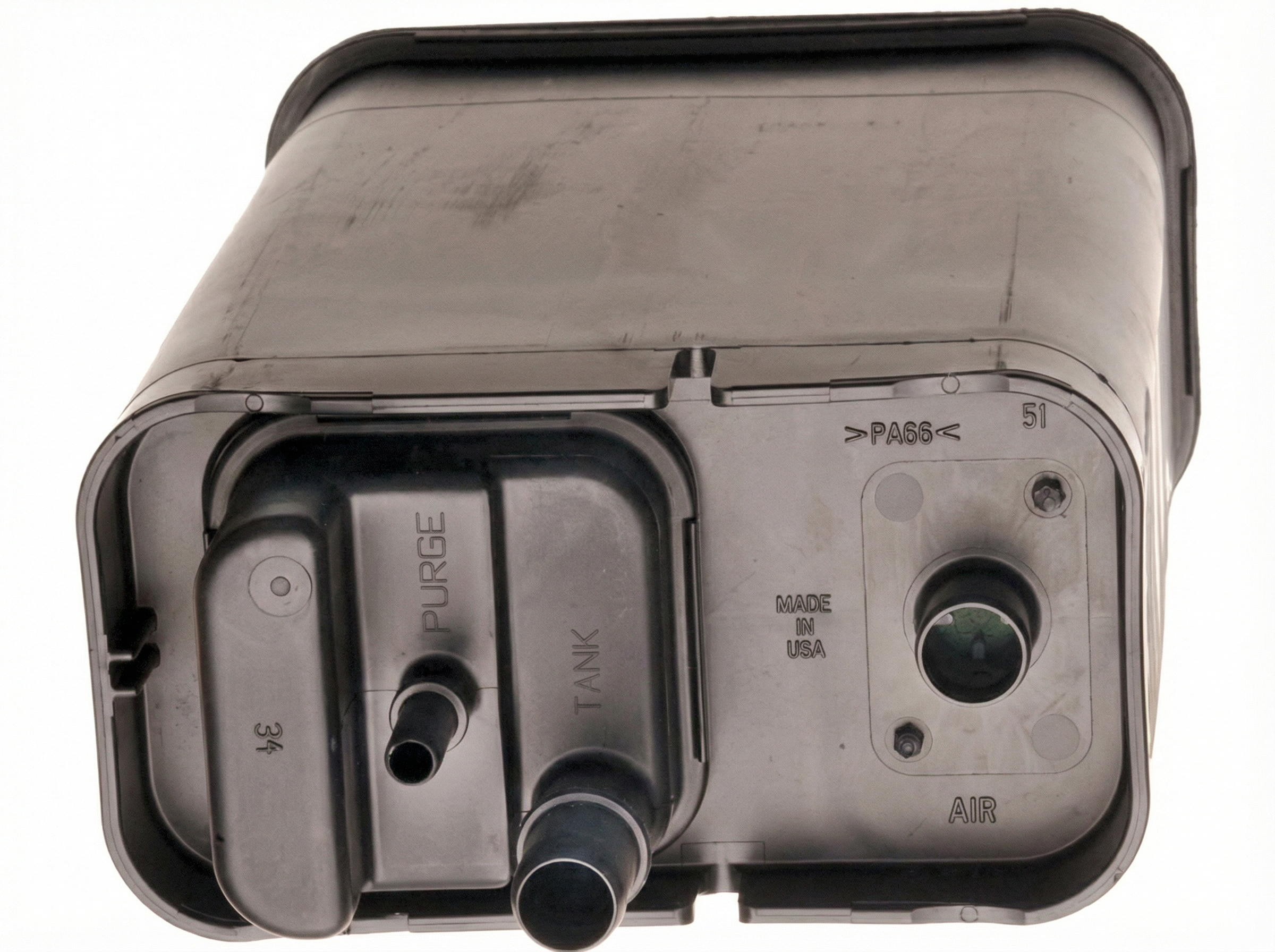
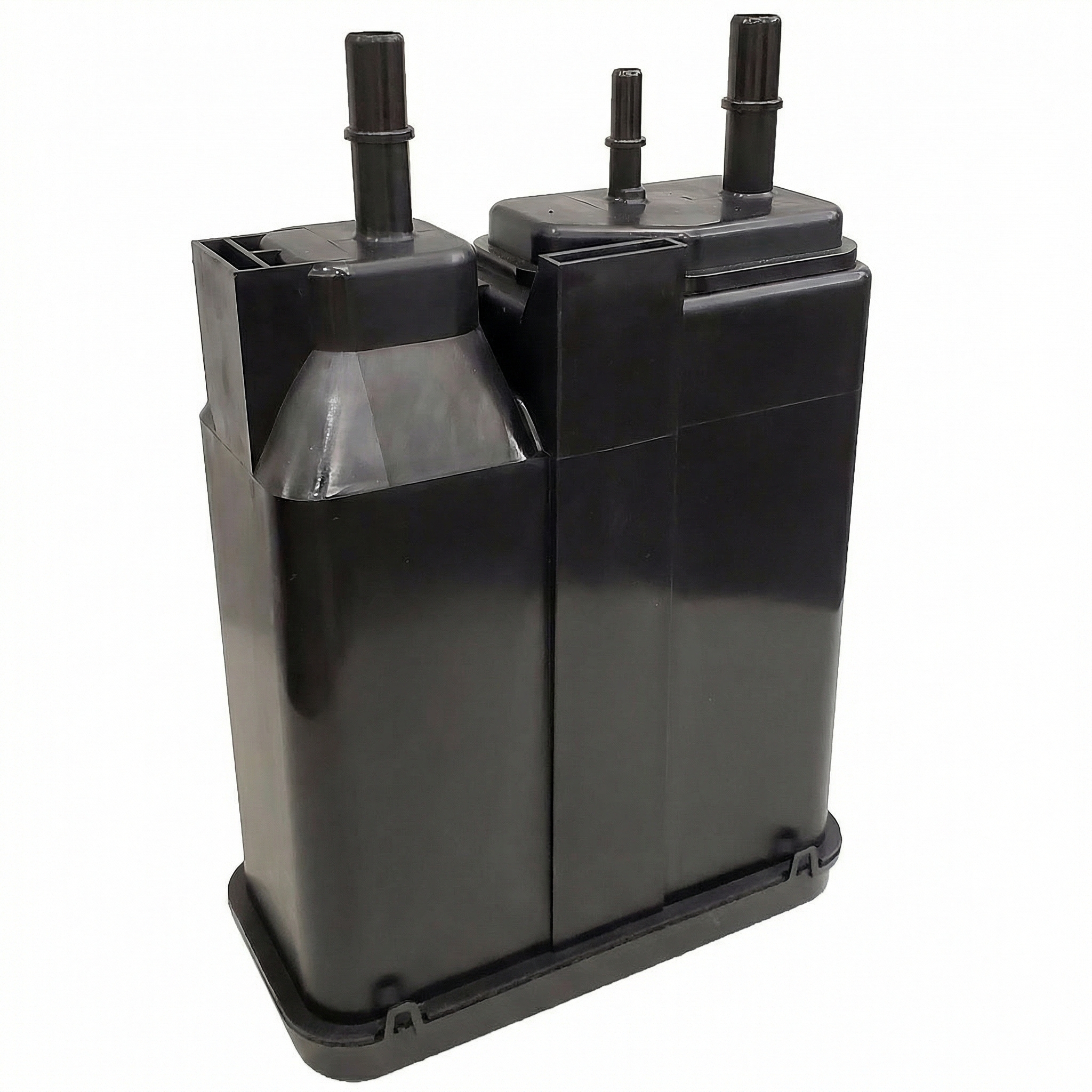
Est. part cost: $10-$30 - EVAP Vent Solenoid Failure 🟡 Medium Probability This valve, located near the charcoal canister by the fuel tank, is exposed to road grime and moisture, causing it to fail. It can get stuck open or closed, preventing the system from sealing properly for its self-test. This is a very common failure point on W-body cars.
How to confirm: A mechanic can command the valve to close with a scan tool and see if it holds a vacuum. A smoke test is the most definitive way to confirm a leak at the valve. The part can also be removed and tested with a 12v power source to see if it actuates (clicks).
Typical fix: Replace the EVAP vent solenoid. It is located behind the rear driver's side wheel, typically attached directly to the charcoal canister.
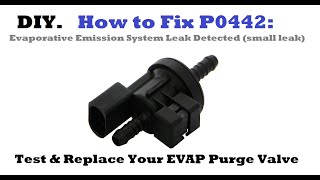
Est. part cost: $25-$60 - EVAP Purge Solenoid/Valve Failure 🟡 Medium Probability This valve is located in the engine bay and controls the flow of fuel vapors from the canister to the engine. It can get stuck open, creating a constant small vacuum leak. The plastic lines connected to it can also become brittle and crack.
How to confirm: With the engine off, remove the valve and try to blow through it. If air passes through, it is stuck open and faulty. Alternatively, with the engine running, disconnect the hose leading from the valve to the charcoal canister. There should be no vacuum present at idle. If you feel suction, the valve is stuck open and needs replacement.
Typical fix: Replace the purge solenoid. On the 3.8L V6, it is found on top of the engine near the intake manifold, making it very accessible.
Est. part cost: $20-$50 - Cracked or Disconnected EVAP Hoses ⚪ Low Probability After 20+ years, the rubber and plastic lines that make up the EVAP system can become brittle, dry-rotted, and crack, especially at connection points or where they are secured by clips.
How to confirm: A visual inspection may reveal obvious cracks, but small leaks often require a smoke test. This involves filling the EVAP system with visible smoke under low pressure to see where it escapes.
Typical fix: Replace the cracked section of hose or reconnect any loose lines. Small sections of vacuum hose are inexpensive.
Est. part cost: $5-$30
Rare But Worth Checking
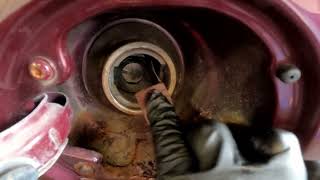
- Leaking Fuel Filler Neck: Rust and corrosion, especially in regions that use road salt, can cause small perforations in the fuel filler neck. On related platforms like the LeSabre, a design flaw where the metal flange separates from the plastic tube has been identified as a specific cause of P0442, which can be repaired with epoxy as a DIY fix. 🎬 See how to fix a leaking fuel filler neck flange.
- Cracked Charcoal Canister: The plastic housing of the canister itself can develop hairline cracks over time, causing a leak. This is usually found with a smoke test after all other components have been checked.
- Leaking Fuel Pump O-Ring / Gasket: The large O-ring that seals the fuel pump/sending unit assembly to the top of the gas tank can fail or be improperly seated after a fuel pump replacement. A key symptom is a strong gasoline smell inside the trunk area. This was the confirmed fix for one owner after replacing both EVAP solenoids did not solve the P0442 code.
Diagnosis Steps
- Check the Gas Cap and Filler Neck: Remove the gas cap. Inspect the seal for cracks or damage. Use a wire brush to clean any rust or debris from the sealing surface on the filler neck. Reinstall the cap, ensuring it clicks multiple times. Clear the code and drive for a few days to see if it returns.
- Visual Inspection: Carefully inspect all accessible EVAP hoses in the engine bay and under the car near the fuel tank. Look for obvious cracks, loose connections, or signs of dry rot. Pay close attention to the plastic lines connected to the purge solenoid on the engine.
- Test the Purge Solenoid: Locate the purge solenoid on top of the engine. With the engine off, disconnect the valve and its hoses. Try to blow air through it. If air passes, the valve is stuck open and must be replaced.
- Professional Smoke Test: If the above steps do not reveal the issue, the most effective diagnostic method is a smoke test. A mechanic will inject pressurized smoke into the EVAP system's service port. Smoke will exit from any leak, no matter how small, making it easy 🎬 Watch: How to use a smoke machine to find leaks. to pinpoint the source, whether it's a hose, the vent valve, the canister, the filler neck, or even the fuel tank gasket.
- Test the Vent Solenoid: During the smoke test, the mechanic will use a scan tool to command the vent solenoid to close. If smoke escapes from the vent valve, it has failed and needs to be replaced.
Parts You'll Likely Need
- Fuel Tank Cap
(OEM #GM 10357572 (and subsequent replacements))— This is the most common failure point. The seal wears out or the filler neck corrodes, causing a leak. It's an inexpensive and easy first step in diagnosis. An OEM cap is highly recommended as aftermarket caps can have sealing issues.
Trusted brands: ACDelco (GM Genuine), Stant, Motorad
OEM price range: $15-$30
Aftermarket price range: $10-$20 - Vapor Canister Purge Valve / Solenoid
(OEM #ACDelco 214-641 (GM 12581282))— Located in the engine bay, this valve can get stuck open, causing a persistent small leak. It's a common failure item on the 3.8L V6 and can also cause starting issues after refueling.
Trusted brands: ACDelco (GM Genuine), Delphi, Dorman
OEM price range: $30-$50
Aftermarket price range: $20-$40 - Vapor Canister Vent Valve / Solenoid
(OEM #ACDelco 214-2149 (GM 25932571) or 214-2082)— Located near the fuel tank, this valve is critical for sealing the system for pressure tests. Its exposure to the elements makes it a common failure point, either by getting stuck or through electrical failure.
Trusted brands: ACDelco (GM Genuine), Delphi, Dorman, Standard Motor Products
OEM price range: $40-$70
Aftermarket price range: $25-$60
Related Codes That Often Appear With This One
- P0455 — This code indicates a 'Gross Leak' in the EVAP system. It often appears with P0442 if the leak is intermittent or on the borderline between small and large, or if there are multiple leaks. TSB 21-NA-124 addresses both codes together. [⭐ MANUFACTURER TSB — highest authority]
- P0440 — This is a general EVAP system malfunction code. It can accompany P0442, indicating a fault has been detected but not yet pinpointed as small or large.
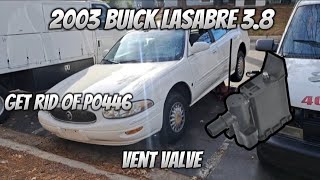
- P0446 — This code indicates a fault in the EVAP vent control circuit or system. It often points more directly to a faulty vent solenoid or a restriction in the vent hose, and can appear alongside P0442 if the valve is the source of the leak.
Technical Service Bulletins (TSBs) & Recalls
- Bulletin #21-NA-124: Provides diagnostic tips on testing for possible EVAP leaks to correct DTCs P0442 and/or P0455.
- Bulletin #PIT4943D: Advises technicians to use an Evaporative Emissions System Tester to diagnose DTC P0442.
- Bulletin #02-06-04-037: Addresses multiple EVAP codes including P0442 and difficulty fueling, often related to the vent solenoid.
Platform-Specific Known Issues
- TSB for Diagnostic Tips: GM issued Technical Service Bulletin #21-NA-124 to provide technicians with diagnostic tips for finding EVAP leaks related to codes P0442 and P0455. It specifically mentions that a stuck-open purge or vent valve can cause a P0442.
- TSB for Smoke Testing: An older TSB, #PIT4943D, also directs technicians to use an evaporative emissions system tester (a smoke machine) to accurately diagnose code P0442, reinforcing that visual inspection alone is often not enough.
- TSB for Vent Solenoid Issues: GM TSB #02-06-04-037 addresses issues including P0442, P0446, and difficulty filling the fuel tank, often pointing to a problem with the EVAP canister vent solenoid assembly, sometimes due to water ingestion.
- Fuel Filler Neck Leaks: A common issue on these and related GM cars is a leak at the fuel filler neck. This can be from simple rust on the gas cap sealing surface, or a more complex failure where the metal flange separates from the plastic filler tube, as documented by owners on forums.
Mechanic-Grade Diagnostic Values
- EVAP Vent Solenoid Connector Voltage — expected: With the key on and solenoid unplugged, one wire (power feed) should show ~12V and the other (control wire) should also show ~12V. This is because the PCM is not providing a ground, so you are reading the voltage through the intact solenoid winding.. Failure: If you read 12V on the power feed but 0V on the control wire side of the connector (when testing the solenoid itself), the solenoid winding is open and the part is bad. If you read 12V on both wires at the harness connector (disconnected from the solenoid), it indicates an open in the control wire between the connector and the PCM.
Scan Tool Commands That Help
- Tech2 or equivalent professional scan tool: EVAP System Test / Vent Solenoid Command — This bidirectional command is essential for performing a smoke test. The vent solenoid is normally open. This function commands the vent solenoid to close (changing status from 'Venting' to 'Not Venting'), which seals the EVAP system. This allows the system to be pressurized with smoke to find leaks. It also simultaneously tests the functionality of the vent solenoid; if smoke still escapes from the vent after it's commanded closed, the solenoid itself is faulty.
Wiring & Ground Locations
- Main Battery Grounds — One large cable runs from the negative battery terminal to the engine block or transmission bell housing bolt. A smaller wire runs from the negative terminal to the chassis/fender nearby.. A poor main engine or chassis ground can cause a variety of unpredictable electrical issues and incorrect sensor readings for the PCM, which could potentially affect the operation of EVAP system solenoids.
- Engine-to-Firewall Ground — A braided ground strap typically connects the rear of the engine or transmission to the vehicle's firewall.. This provides a redundant and critical ground path for the engine assembly. If the main ground is compromised, this strap prevents electrical current from seeking alternative, damaging paths.
- PCM/Sensor Grounds — A group of ground wires with ring terminals often bolts to the rear of the passenger-side cylinder head. These are grounds for the ECM and various sensors.. These are the specific ground reference points for the engine computer. A loose or corroded connection here is a notorious cause of phantom issues and incorrect sensor data, directly impacting the PCM's ability to accurately test the EVAP system.
Real Owner Repair Stories
- 2CarPros Forum (1999 Buick Regal 3.8L) — Check Engine Light with code P0442.
❌ Tried (didn't work) The user was asking for advice before replacing parts.
✅ What actually fixed it A responding mechanic confirmed that while the purge and vent solenoids are common culprits, it is critical on a 20-year-old car to first inspect all rubber EVAP lines for dry rot and cracks and to consider replacing the gas cap before buying more expensive components.
"I Checked Everything" — The Actual Cause
- In GM systems of this era, it is possible for the vehicle to pass a smoke test but still have a P0442 code. A common reason for this is a faulty EVAP purge solenoid (on the engine) that is leaking internally. A smoke test is designed to find external leaks where smoke escapes the system. However, if the purge valve is not sealing properly when commanded closed, it creates a vacuum leak from the intake manifold into the EVAP system. This won't show up as escaping smoke but will be detected by the PCM's pressure sensor during its self-test, setting the code. The fix is to test the purge valve separately by checking if it holds vacuum or by trying to blow through it when it is unpowered.
Helpful Videos

Used OEM Parts in Stock
New Aftermarket Parts Available


The information in this article is provided for general reference and educational purposes only. Vehicle specifications, procedures, and part compatibility can vary by production date, trim level, and region. Always consult your vehicle's factory service manual and verify part numbers before purchasing or performing repairs. Safety-critical components such as airbags, seat belts, and braking systems should be installed by a qualified professional.
- Buick REGAL:
- 🎬 Helpful Videos
- 🛍️ Shop This Part
- What's Unique About the 2000-2004 Buick REGAL
- Diagnostic Flowchart
- Symptoms You May Notice
- Most Likely Causes
- Rare But Worth Checking
- Diagnosis Steps
- Parts You'll Likely Need
- Related Codes That Often Appear With This One
- Technical Service Bulletins (TSBs) & Recalls
- Platform-Specific Known Issues
- Mechanic-Grade Diagnostic Values
- Scan Tool Commands That Help
- Wiring & Ground Locations
- Real Owner Repair Stories
- "I Checked Everything" — The Actual Cause
- 🎟️ Get 5% Off