

P0442 on 2004-2007 Buick Rainier: EVAP Small Leak Causes and Fixes
For a 2004-2007 Buick Rainier, code P0442 usually points to a faulty gas cap or a failing EVAP vent solenoid near the rear axle. Start by checking or replacing the gas cap (~$15-$35), preferably with an OEM ACDelco part. If that doesn't work, the vent solenoid (ACDelco #25950499) is the next likely culprit (~$25-$55 for the part), known for failing due to its exposed location on this platform.
- P0442 indicates a small leak in the EVAP emissions system.
- Always start with the simplest fix: check that the gas cap is tight. If the cap is old or its seal is cracked, replace it with a quality part.
- The two most common parts to fail on a Rainier are the gas cap and the EVAP vent solenoid, located near the spare tire.
- While you can drive the vehicle with this code, you will not pass an emissions inspection until it is fixed.
- If a new gas cap doesn't solve the problem, a smoke test is the most efficient way to find the leak's source without guessing.
What's Unique About the 2004-2007 Buick RAINIER
The Buick Rainier and its GM GMT360 siblings (like the Chevy Trailblazer, GMC Envoy, Oldsmobile Bravada, Isuzu Ascender, and Saab 9-7X) are known for EVAP component failures due to their location. Specifically, the EVAP vent solenoid is mounted above the rear axle, where it's exposed to road salt, dirt, and moisture, leading to corrosion and failure. This makes the vent solenoid a much more common failure point on these trucks compared to vehicles where it is better protected.
Diagnostic Flowchart
Tap your situation to follow the diagnostic path that matches what you're seeing on this vehicle.
Symptoms You May Notice
- Check Engine Light is on.
- A faint fuel odor, especially when parked in a garage or near the gas cap.
- Difficulty filling the gas tank (the pump nozzle clicks off repeatedly) if the vent solenoid is stuck closed.
- Slightly reduced fuel economy in some cases.
- Replacing the purge valve in the engine bay when the more common failure is the vent solenoid at the rear of the vehicle.
- Replacing the gas cap with a cheap aftermarket version, which may not seal properly and can cause the code to return.
Most Likely Causes
- Loose or Faulty Gas Cap 🔴 High Probability The gas cap seal is a rubber O-ring that can crack, harden, or get dirty over time, preventing a proper seal. This is the most common and easiest-to-fix cause for a P0442 code. Owners and mechanics on forums strongly recommend using an OEM ACDelco cap, as aftermarket caps are a frequent source of recurring P0442 or P0455 codes even when new.
How to confirm: First, ensure the cap is tightened until it clicks several times. Inspect the rubber seal for any visible cracks, tearing, or contamination. If the seal is damaged or the cap doesn't feel like it's tightening correctly, it should be replaced.
Typical fix: Replace the gas cap. It is highly recommended to use an OEM (ACDelco) or high-quality aftermarket cap, as some cheaper universal caps may not seal correctly.
Est. part cost: $15-$35 - Failed EVAP Vent Solenoid/Valve 🔴 High Probability Located above the rear axle, this part is highly susceptible to corrosion from road debris and moisture, causing it to stick open or closed. This is a very common failure on the GMT360 platform, often discussed in owner forums for the Trailblazer, Envoy, and Rainier.
How to confirm: A mechanic can command the valve to open and close with a scan tool to test its function. A DIY method involves removing the valve and attempting to blow through it; it should be open by default (allowing air to pass). Applying 12V power should cause it to close, blocking airflow. If it's stuck open or closed, or if the electrical test fails, it has failed.
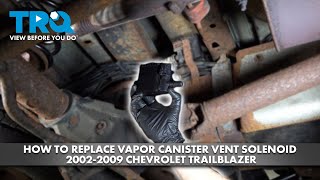
Typical fix: Replace the EVAP vent solenoid. This part is accessible from under the rear of the vehicle, near the charcoal canister. 🎬 Watch: Step-by-step guide to replacing the vent solenoid. The original part is ACDelco #25950499. Dorman offers popular aftermarket replacements like #911-033.
Est. part cost: $25-$55 - Failed EVAP Purge Valve/Solenoid 🟡 Medium Probability This valve is located in the engine bay and can get stuck open, creating a constant vacuum leak into the intake manifold. While less common than the vent solenoid for causing a P0442, it is a known failure point on GM vehicles.
How to confirm: With the engine off, disconnect the vapor line from the purge valve that leads to the charcoal canister. Start the engine. If you can feel vacuum from the intake manifold side of the valve with the engine running at idle, the valve is stuck open and needs to be replaced. You can also remove it and try to blow through it; it should be normally closed, blocking airflow when not energized.
Typical fix: Replace the purge valve. On the Rainier's 4.2L I6 engine, it's located on the driver's side of the engine block, below the intake manifold, and is often accessed from underneath the vehicle. 🎬 See how to replace the purge valve on this engine.
Est. part cost: $30-$85 - Cracked or Disconnected EVAP Hoses ⚪ Low Probability Rubber hoses can become brittle and crack with age and exposure to heat and elements. A small crack in any of the lines between the fuel tank, charcoal canister, and engine can trigger this code. A known issue on some GMT360s is a loose filler neck hose at the tank.
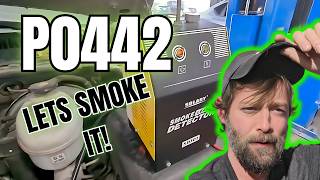
How to confirm: A visual inspection may reveal obvious cracks, especially at connection points. The most reliable method is to have a mechanic perform a smoke test, which forces smoke through the EVAP system to reveal the exact location of any leaks. 🎬 Watch: How to find small leaks using a smoke test.
Typical fix: Replace the cracked section of hose or re-secure the connection.
Est. part cost: $10-$30
Rare But Worth Checking
- Rusted Fuel Filler Neck: In areas with heavy road salt use, the metal fuel filler neck (where the gas cap screws on) can rust and corrode. This creates a poor sealing surface for the gas cap gasket, causing a P0442 even with a brand new cap. This is a well-documented issue in owner forums.
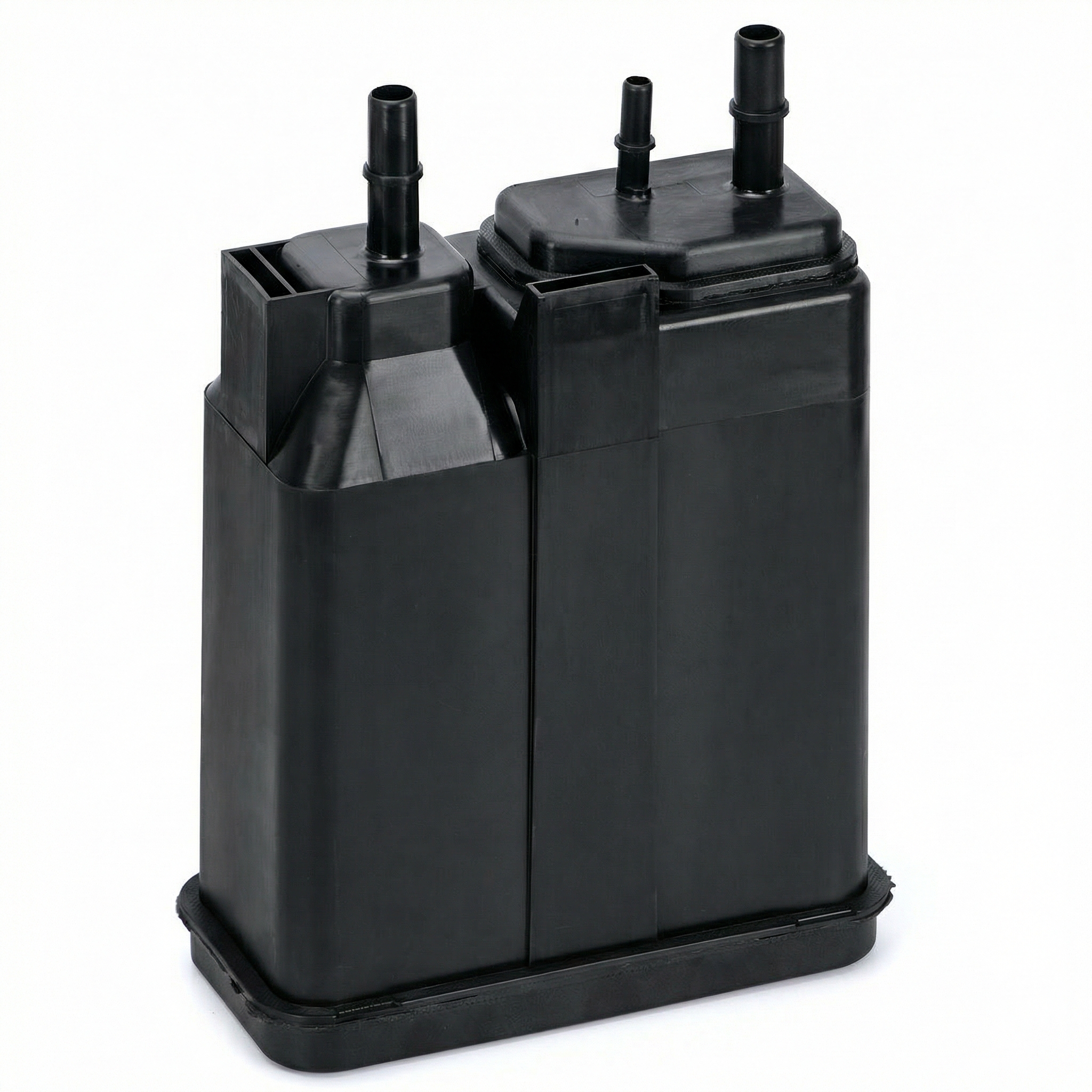
- Leaking Charcoal Canister: The plastic housing of the charcoal canister itself can develop small cracks over time, leading to a leak. This is usually found with a smoke test after all other more common components have been checked.
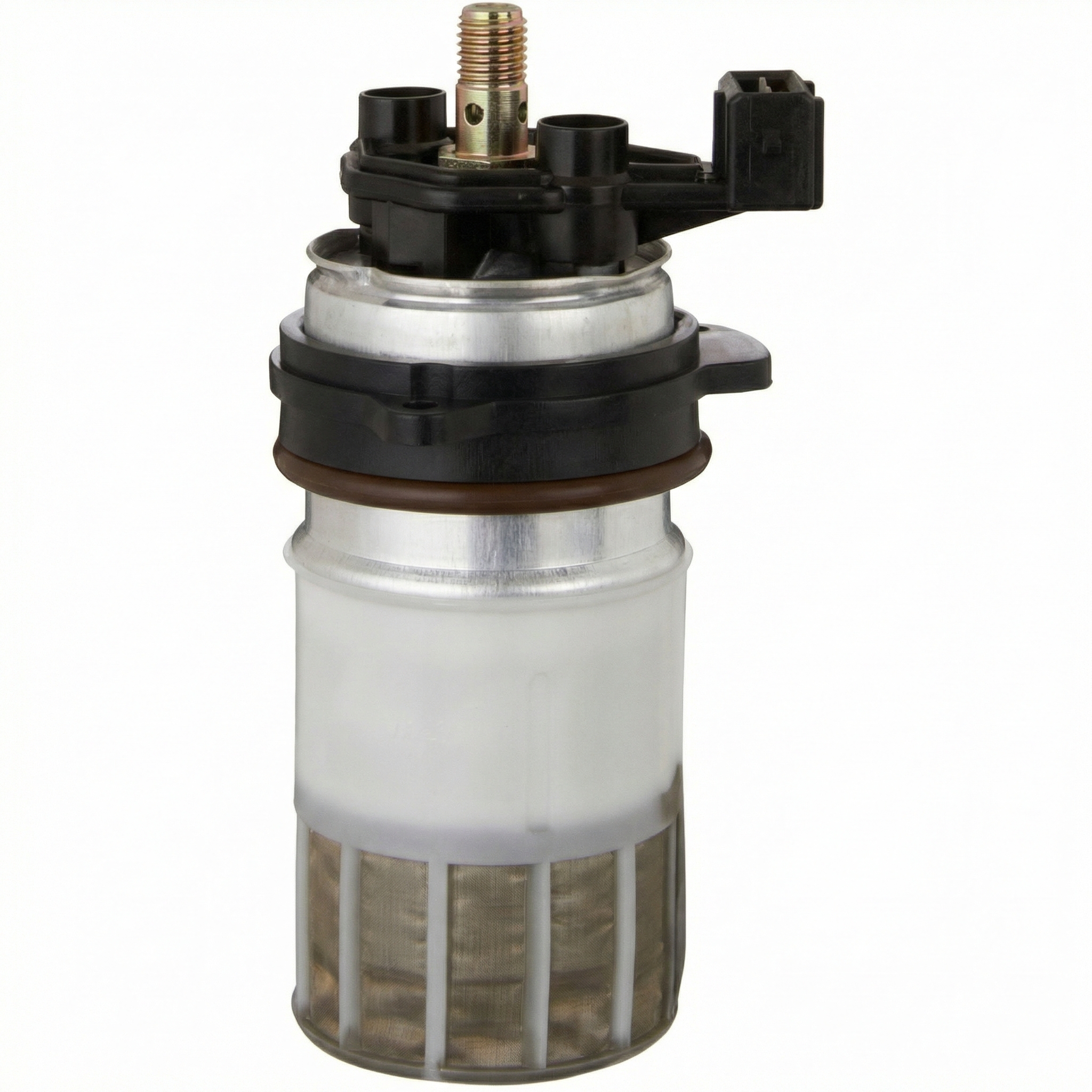
- Leaking Fuel Tank Gasket: The gasket for the fuel pump/sending unit module on top of the fuel tank can develop a small leak. This was common enough on some GM trucks that a warranty extension was issued in some northern states. A smoke test is the best way to confirm this leak.
Diagnosis Steps
- Read the code with an OBD-II scanner to confirm P0442 is present. Note any other codes.
- Inspect the gas cap. Remove it, check the seal for cracks or damage, and clean the sealing surfaces. Reinstall it, ensuring it clicks multiple times.
- Inspect the fuel filler neck for rust or corrosion where the gas cap seal makes contact.
- Clear the code and drive the vehicle for a few days to see if the light returns. If it does not, the issue was likely the gas cap.
- If the light returns, perform a thorough visual inspection of all accessible EVAP hoses and lines running from the fuel tank to the engine bay. Look for obvious cracks, damage, or loose connections.
- Locate the EVAP vent solenoid above the rear axle. Inspect it and its connectors for corrosion or damage. Test its function by applying 12V power to see if the valve closes.
- If a visual inspection reveals nothing, the most effective next step is a professional smoke test. This test will pressurize the system with smoke and pinpoint the exact location of the small leak, whether it's a hose, the vent solenoid, the purge valve, or the charcoal canister.
- Based on the smoke test results, replace the faulty component.
Parts You'll Likely Need
- Fuel Tank Cap
(OEM #ACDelco GT264 (19432733))— This is the most frequent and simplest cause of a P0442 code. The seal wears out over time. Using an OEM cap is highly recommended by owners to avoid persistent issues.
Trusted brands: ACDelco, Stant, Gates
OEM price range: $30-$40
Aftermarket price range: $11-$20 - Vapor Canister Vent Solenoid
(OEM #25950499)— Due to its exposed location on the Rainier, this part is highly prone to failure from corrosion, causing it to stick open and create a leak. It is a primary suspect after the gas cap. This part number supersedes older versions like 10377196 and 21996868.
Trusted brands: ACDelco, Dorman (911-033), Standard Motor Products (CP422)
OEM price range: $40-$55
Aftermarket price range: $25-$40 - Vapor Canister Purge Valve
(OEM #12581282 (for 4.2L I6))— This valve can fail by sticking open, causing a small, constant leak. While less common than the vent solenoid for this code, it is a known failure point on GM vehicles.
Trusted brands: ACDelco (214-641), Dorman (911-032), Delphi
OEM price range: $45-$60
Aftermarket price range: $30-$50
Related Codes That Often Appear With This One
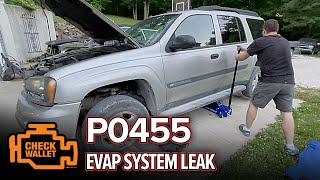
- P0455 — P0455 indicates a large EVAP leak. If a component fails significantly (like a very bad gas cap seal) or a hose becomes completely disconnected, you may see both codes as the computer tries to diagnose the leak size. The provided TSB #21-NA-124 specifically mentions diagnosing both P0442 and P0455.
- P0449 — P0449 specifically points to a fault in the EVAP vent solenoid's electrical circuit. It is very common to see this code along with P0442 if the vent solenoid has failed both electrically and mechanically (stuck open).
Technical Service Bulletins (TSBs) & Recalls
- 21-NA-124: Provides diagnostic tips for testing EVAP leaks related to codes P0442 and/or P0455. It advises a chronological investigation: 1. Check EVAP line connections. 2. Inspect lines for damage. 3. Test the vent valve. 4. Test the purge valve.
- PIT4943D: Directs technicians to a specific Techlink article from May 2013 on using the GM-specific EVAP tester (GE 41413-A) to diagnose code P0442. It outlines a process of using the scan tool to monitor tank pressure to isolate a faulty purge solenoid before performing a full smoke test.
Platform-Specific Known Issues
- Owner Experience: Aftermarket Parts Causing Repeat Failures: A recurring theme in owner forums is chasing a P0442 or P0455 code after replacing a component with a non-OEM part. A user on YouTube detailed having to replace a brand new aftermarket purge solenoid because it was faulty out of the box, and also had to replace a new aftermarket gas cap with an OEM one to finally resolve
Mechanic-Grade Diagnostic Values
- EVAP Purge Valve/Solenoid Coil Resistance — expected: 14 to 30 Ohms. Failure: A reading significantly outside this range, or an open circuit (infinite resistance), indicates a failed solenoid coil.
- EVAP Vent Solenoid Control Wire Voltage — expected: Approximately 12V (battery voltage) with key on, engine off, and solenoid unplugged.. Failure: If the voltage is 0V, there is an open circuit in the wiring between the PCM and the connector. If the voltage remains at 12V when the solenoid is commanded closed with a scan tool, it indicates an open in the solenoid's coil or a break in the ground wire.
Hidden / Shadow Codes Worth Checking
- Mode $06, Monitor ID $81: While not a proprietary 'shadow code', Mode $06 data reveals the raw results of the PCM's self-tests. For GM vehicles, Monitor ID $81 corresponds to the Evaporative System monitor. Specific Test IDs (TIDs) under this monitor will show pass/fail results for different phases of the EVAP test, which can help narrow down whether the failure occurred during the weak vacuum test, for example. (see via An advanced OBD-II scan tool capable of displaying Mode $06 data.)
Scan Tool Commands That Help
- GM Tech2 (or equivalent emulator like VCX Nano): EVAP Service Bay Test — This is a powerful bidirectional control used to force the PCM to run the entire EVAP leak test sequence while the vehicle is stationary. The tool commands the vent valve closed, then commands the purge valve to create a vacuum in the system, and monitors the fuel tank pressure sensor for decay. It's used to verify a leak exists or to confirm a repair without having to perform a full drive cycle.
- Advanced OBD-II Scanner: EVAP Vent Solenoid On/Off (or Closed/Open) — This is a basic bidirectional test to confirm the vent solenoid is functional. When commanded 'Closed' (energized), you should hear a click from the solenoid. It's used to quickly test the solenoid's electrical circuit and mechanical operation before performing more complex tests.
Wiring & Ground Locations
- EVAP Vent Solenoid Connector — At the EVAP vent solenoid, located above the rear axle near the spare tire.. The wires at this connector, particularly the white control wire, are known to break internally inside the insulation due to stress and exposure to the elements. The connection will look fine, but a gentle pull on the wire may reveal it is broken, causing an open circuit and codes like P0442 or P0449.
- G201 / SP201 — In the passenger side footwell, behind the kick panel.. This is a major ground splice pack for numerous interior components, including the instrument cluster (gauges) and the Data Link Connector (OBD-II port). While not a direct cause of P0442, a poor connection here can cause bizarre electrical issues, including problems with gauge readings or communication with a scan tool during diagnosis.
Real Owner Repair Stories
- YouTube channel 'Qualite Tech' (2004 Chevrolet Trailblazer 4.2L) — P0442 (small EVAP leak).
❌ Tried (didn't work) Assuming it was the gas cap, which is the most common first step.
✅ What actually fixed it The fuel filler neck was severely rusted where the gas cap seals, preventing a proper seal even with a good cap. Replacing the entire fuel filler neck resolved the leak and the code. - YouTube channel 'Automotivated' (2006 Chevrolet Trailblazer) — P0442 (small EVAP leak).
❌ Tried (didn't work) Initial smoke test was difficult and inconclusive because the leak was on top of the fuel tank, making it hard to pinpoint.
✅ What actually fixed it The metal top of the fuel pump module assembly had rusted through, creating a crack and a small leak. The owner confirmed the leak by feeling the rusted top of the pump before dropping the tank. Replacing the entire fuel pump module fixed the P0442 code.
"I Checked Everything" — The Actual Cause
- In one documented case on a 2006 Trailblazer, a P0442 code was present but a smoke test was very difficult to interpret. The smoke was escaping from the top of the fuel tank and dissipating, making it hard to find the source. The actual cause was a rusted-through crack on the top of the fuel pump module assembly, a fix that required dropping the fuel tank. This is often missed because access is difficult and the leak isn't as obvious as a cracked hose.
Helpful Videos

Used OEM Parts in Stock
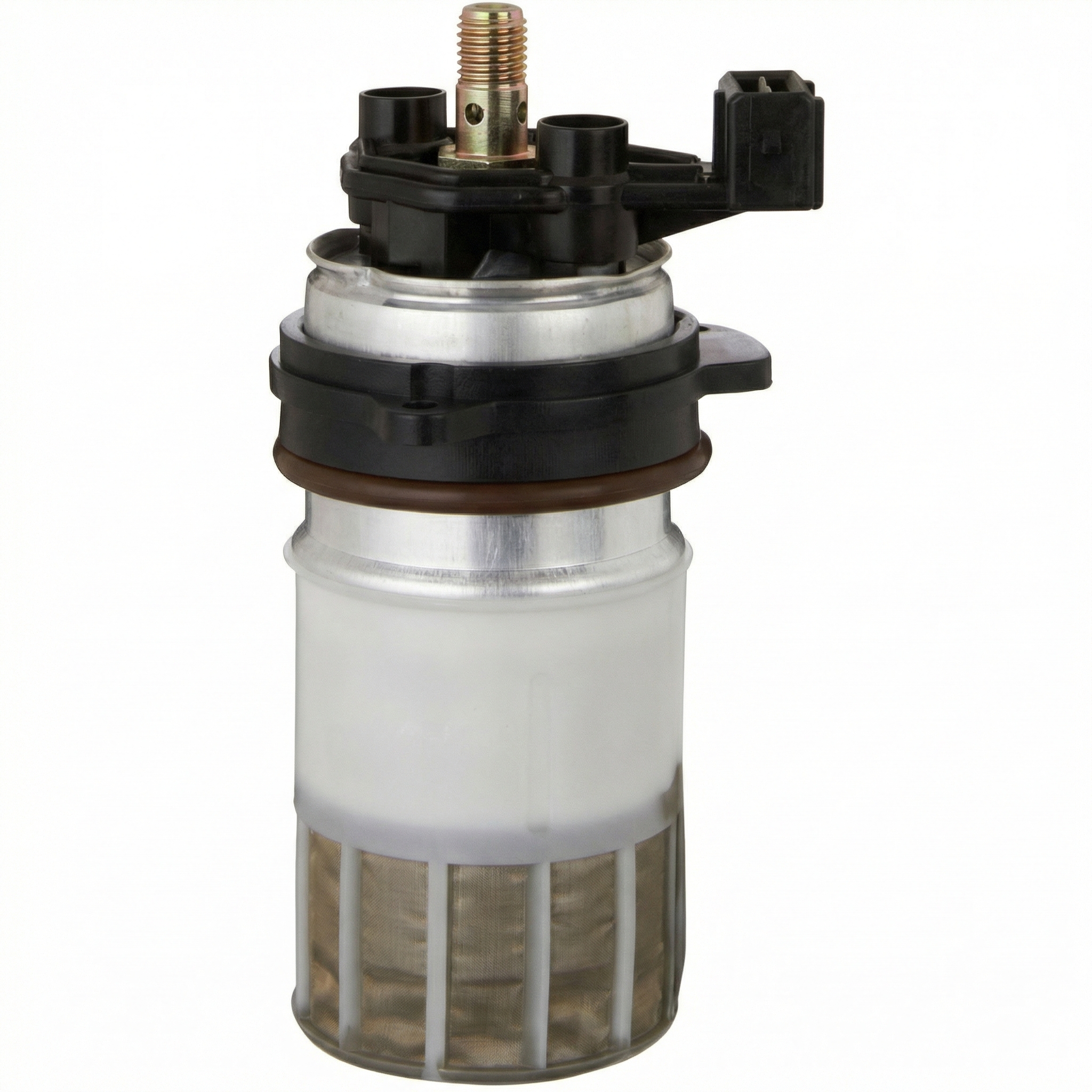

New Aftermarket Parts Available



The information in this article is provided for general reference and educational purposes only. Vehicle specifications, procedures, and part compatibility can vary by production date, trim level, and region. Always consult your vehicle's factory service manual and verify part numbers before purchasing or performing repairs. Safety-critical components such as airbags, seat belts, and braking systems should be installed by a qualified professional.
- Buick RAINIER:
- 🎬 Helpful Videos
- 🛍️ Shop This Part
- What's Unique About the 2004-2007 Buick RAINIER
- Diagnostic Flowchart
- Symptoms You May Notice
- Most Likely Causes
- Rare But Worth Checking
- Diagnosis Steps
- Parts You'll Likely Need
- Related Codes That Often Appear With This One
- Technical Service Bulletins (TSBs) & Recalls
- Platform-Specific Known Issues
- Mechanic-Grade Diagnostic Values
- Hidden / Shadow Codes Worth Checking
- Scan Tool Commands That Help
- Wiring & Ground Locations
- Real Owner Repair Stories
- "I Checked Everything" — The Actual Cause
- 🎟️ Get 5% Off