

P0442 on 2021-2022 Buick Encore: Causes and Fixes for Small EVAP Leak
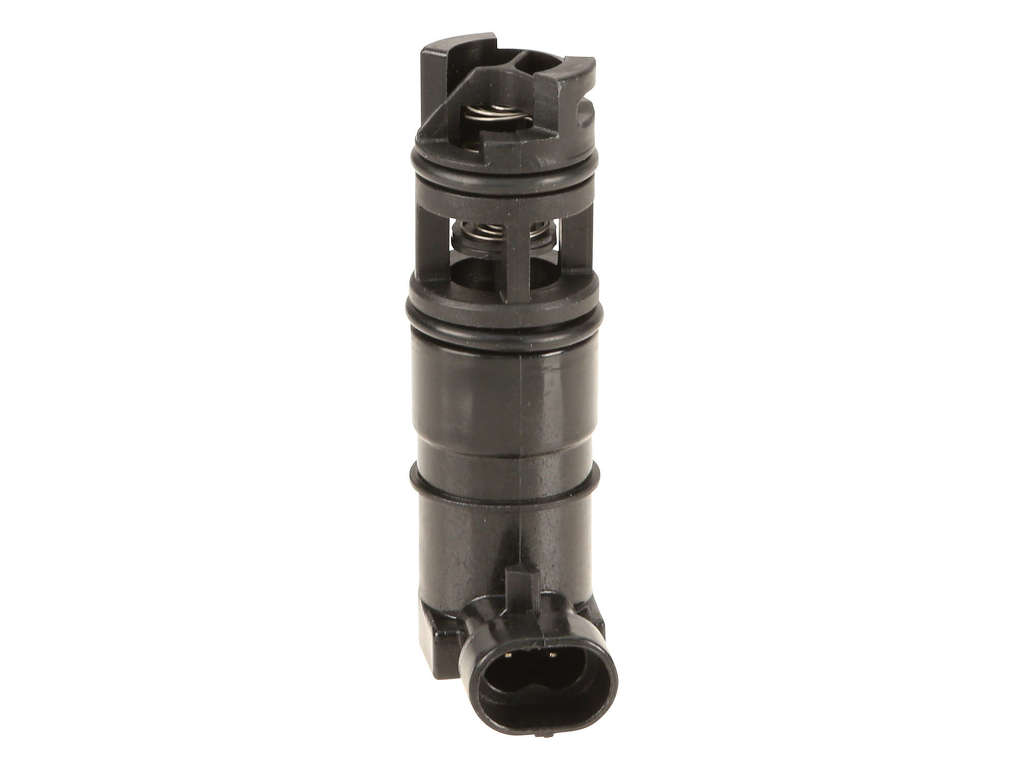
P0442 on a 2021-2022 Buick Encore indicates a small leak in the evaporative emissions system. The most common cause is a loose or faulty gas cap. If that's not the issue, the next most likely culprit is a failing EVAP purge valve solenoid (P/N 55573017), a notoriously common issue on this platform shared with the Chevy Trax and Cruze.
- P0442 means your Buick Encore has a small leak in the fuel vapor system.
- Always check the gas cap first. Ensure it is tight and the seal is not cracked. This is the easiest and most common fix.
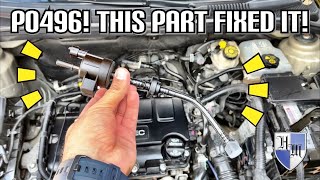
- If the gas cap is okay, the EVAP purge valve (solenoid) on top of the engine is the next most likely cause, especially if you also have a P0496 code.
- You can continue to drive the car with this code, but you will not pass an emissions test.
- If simple fixes don't work, a smoke test is the most effective way to find the exact source of the leak.
What's Unique About the 2021-2022 Buick ENCORE
The first-generation Buick Encore (sold through 2022) shares its 1.4L Turbo engine and EVAP system design with the Chevy Cruze, Sonic, and Trax. This platform has a well-documented history of the EVAP purge valve (GM P/N 55573017) failing, making it a primary suspect for the P0442 code, especially if accompanied by code P0496. Manufacturer service bulletins for this vehicle, like TSB 21-NA-124, emphasize the need for a specific diagnostic order, suggesting that while the purge valve is common, other issues like hose connections or the vent valve should be checked systematically.
Diagnostic Flowchart
Tap your situation to follow the diagnostic path that matches what you're seeing on this vehicle.
Generation note: The 2021-2022 model years include both the first-generation Buick Encore (which this guide primarily covers) and the newer Encore GX, which was introduced in 2020. While EVAP systems are similar in principle, part numbers and locations can differ slightly between the Encore and Encore GX. For example, the Encore GX uses a different engine (1.3L Turbo) and has a different purge pump design.
Symptoms You May Notice
- Check Engine Light is on
- A faint smell of fuel (less common)
- Difficulty starting or a long crank time immediately after refueling (a classic sign of a purge valve stuck open).
- Slightly rough idle upon startup.
- Replacing the charcoal canister when the actual problem is a less expensive valve or hose.
- Replacing O2 sensors, which are not related to the EVAP system.
- Immediately assuming the purge valve is bad without first checking the gas cap and inspecting hoses.
Most Likely Causes
- Loose or Faulty Gas Cap 🔴 High Probability The gas cap is the most frequently handled part of the sealed EVAP system. Seals can wear out, or the cap may not be tightened correctly after filling up. It's always the first and cheapest thing to check.
How to confirm: Remove the gas cap, inspect the rubber O-ring for cracks or damage, and clean the sealing surface on the fuel filler neck. Reinstall the cap, ensuring it clicks several times. Clear the code and see if it returns after a few days of driving.
Typical fix: Replace the gas cap with a new OEM-spec part. Aftermarket caps can sometimes cause sealing issues.
Est. part cost: $15-$35 - Faulty EVAP Purge Solenoid Valve 🔴 High Probability This is a very common failure point on the GM 1.4L engine platform shared by the Encore, Cruze, and Trax. The valve can get stuck open or closed, or develop an internal leak, often due to heat and age.
How to confirm: With the engine running, disconnect the EVAP line from the tank side of the purge valve. If you can feel suction from the valve with your finger, it is stuck open and faulty. Alternatively, with the engine off, remove the valve and try to blow through it; it should be closed and allow no air to pass. A bidirectional scan tool can also command the valve to open and close. This fault often appears with code P0496, which strongly points to this part.
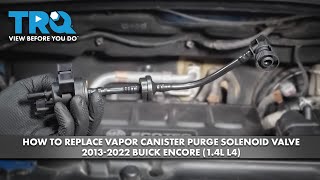
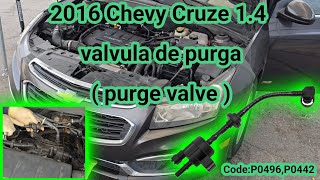
Typical fix: Replace the purge valve. It is located on top of the engine and is typically easy to access and replace in under 30 minutes 🎬 Watch: Step-by-step guide to replacing the purge solenoid valve. with no special tools.
Est. part cost: $25-$65 - Faulty EVAP Vent Solenoid Valve 🟡 Medium Probability This valve seals the EVAP system for pressure testing and can get stuck open or fail to seal properly due to dirt or age. It is exposed to road debris under the vehicle.
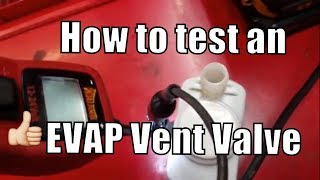
How to confirm: The valve is normally open. A scan tool can command it closed to check if it seals. 🎬 See how to test the vent valve for common leaks. It is located near the charcoal canister under the rear of the vehicle. A smoke test is the most reliable way to confirm a leak at this valve, as it can be difficult to access and test manually.
Typical fix: Replace the vent solenoid valve.
Est. part cost: $25-$50 - Cracked or Disconnected EVAP Hoses ⚪ Low Probability Rubber and plastic lines can become brittle over time and develop small cracks, especially at connection points or bends.
How to confirm: A thorough visual inspection may reveal obvious damage, but a smoke test is the most effective method for finding small hose leaks. TSB 21-NA-124 specifically advises checking that all EVAP lines are properly installed and fully seated as a primary step.
Typical fix: Replace the damaged section of hose.
Est. part cost: $10-$40 - Leaking Fuel Filler Neck ⚪ Low Probability On the shared Chevy Trax platform, a leaking fuel filler neck has been identified as a specific cause for P0442, sometimes covered by a service bulletin. The leak can occur at the base where it connects to the tank or from rust on the neck itself.
How to confirm: A smoke test is the most definitive way to confirm this leak. Smoke will be seen escaping from around the filler neck assembly, often near the wheel well or where it enters the fuel tank.
Typical fix: Replace the entire fuel filler neck assembly. This is a more involved repair than a valve or gas cap.
Est. part cost: $50-$120
Rare But Worth Checking
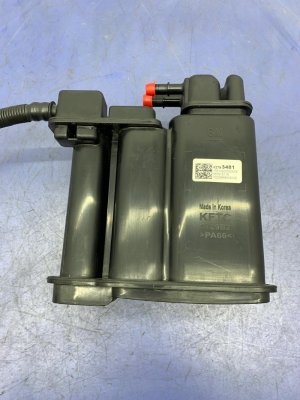
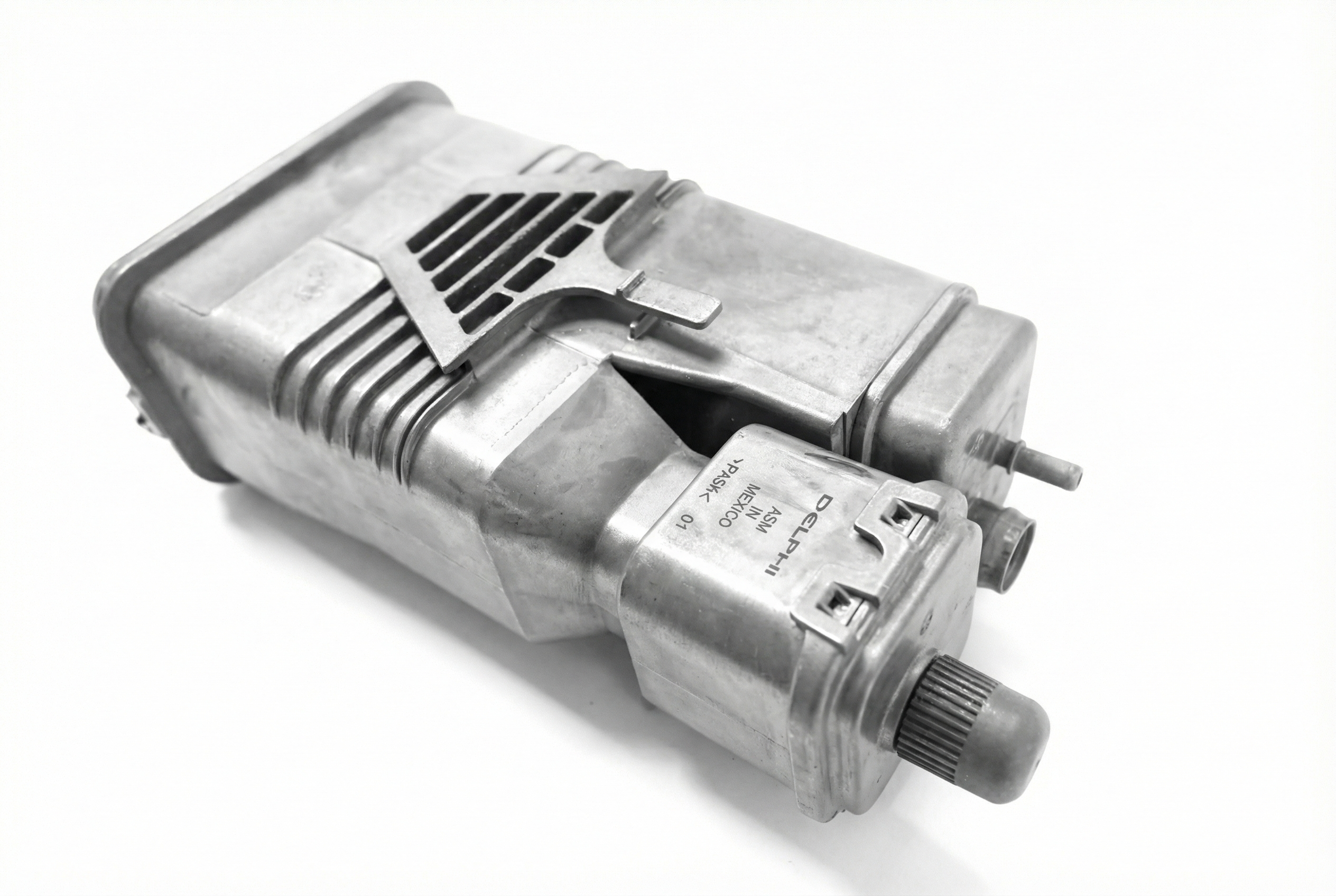
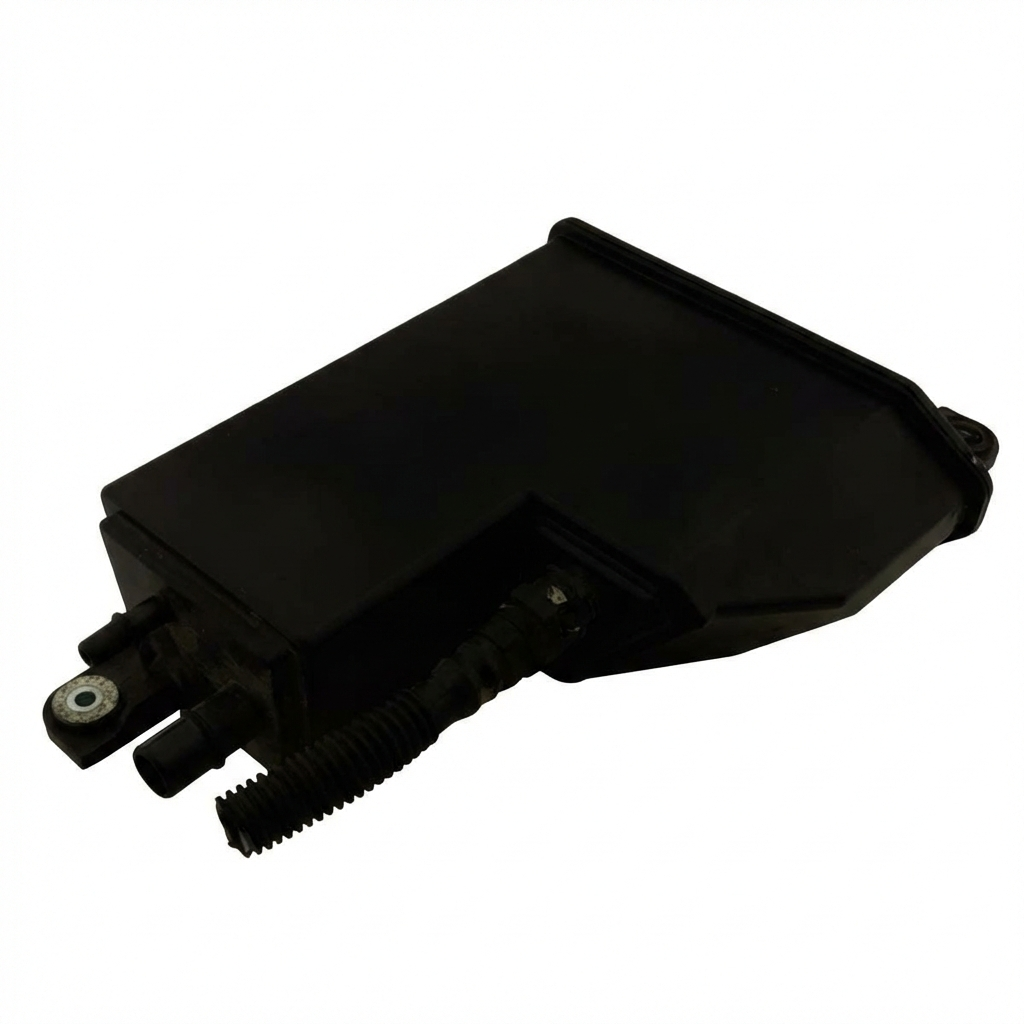
- Cracked EVAP Charcoal Canister: While more commonly associated with a large leak (P0455), a small crack in the canister body or at a hose fitting can cause a P0442 code.
- Faulty Fuel Tank Pressure (FTP) Sensor: The sensor can send incorrect readings to the computer, making it believe there is a leak when the system is perfectly sealed.
- Leaking Fuel Pump Sending Unit Gasket: In at least one documented case on a similar GM vehicle, a persistent P0442 was traced to a faulty fuel pump sending unit gasket under the rear seat. This may be suspected if a distinct fuel smell is present inside the car cabin.
Diagnosis Steps
- Read the codes with an OBD-II scanner to confirm P0442 is present and check for any other related codes like P0496 or P0455.
- Inspect the gas cap. Remove it, check the seal for cracks, and ensure it's the correct cap for the vehicle. Clean the filler neck sealing surface. Tighten the cap until it clicks multiple times.
- Clear the codes and drive for several days. The EVAP monitor runs under specific conditions, so it may take time to see if the light returns.
- If the light returns, follow the diagnostic order from TSB 21-NA-124: Perform a careful visual inspection of all accessible EVAP hoses and lines, ensuring they are fully seated and not cracked or damaged.
- Test the EVAP Vent Solenoid. This valve is normally open and located near the charcoal canister. A scan tool is needed to command it closed to check if it seals properly. This is often done during a smoke test.
- Test the EVAP Purge Valve on the engine. If code P0496 is present, this part is highly suspect. With the engine running, disconnect the line from the tank and feel for vacuum; there should be none at idle.
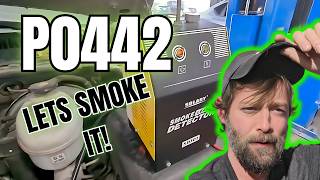
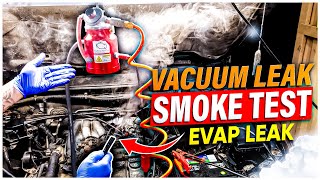
- If no obvious issues are found, the most reliable next step is to have a professional (or use a DIY kit) perform a smoke test. This involves injecting pressurized smoke into the EVAP system 🎬 Watch: How to perform a smoke test to find leaks. to make even the smallest leaks visible.
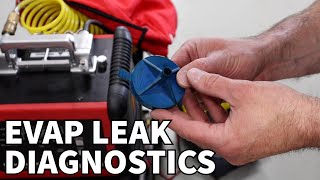
- The smoke test will pinpoint the exact location of the leak, whether it's a valve, the canister, a hose, or the fuel filler neck.
Parts You'll Likely Need
- Gas Cap
(OEM #95292260 (or ACDelco GT331))— This is the most common cause of a P0442 code due to improper tightening or a worn-out seal.
Trusted brands: ACDelco, Motorad, Duralast
OEM price range: $20-$35
Aftermarket price range: $15-$25 - Vapor Canister Purge Valve
(OEM #55573017)— A very common failure item on this GM platform, often getting stuck open and causing both P0442 and P0496 codes.
Trusted brands: ACDelco, Dorman, Standard Motor Products
OEM price range: $35-$65
Aftermarket price range: $25-$50 - EVAP Canister Vent Solenoid
(OEM #84524035)— This valve, located near the fuel tank, can fail to seal the system during the self-test, causing a leak code.
Trusted brands: ACDelco
OEM price range: $25-$40
Aftermarket price range: $20-$35
Related Codes That Often Appear With This One
- P0455 — Indicates a large EVAP leak. You might see both if a small leak worsens over time. TSB 21-NA-124 addresses diagnostics for both codes.
- P0496 — Indicates 'EVAP Flow During a Non-Purge Condition'. This code, when seen with P0442, is a very strong indicator that the EVAP Purge Valve is stuck open and is the root cause of the problem.
Technical Service Bulletins (TSBs) & Recalls
- 21-NA-124: Provides diagnostic tips for testing EVAP leaks related to DTCs P0442 and/or P0455, advising a specific order of operations for diagnosis.
- PIP5862: Communicates the possibility of DTC P0442 and advises dealers to perform leak testing as directed by service information.
Platform-Specific Known Issues
- TSB #21-NA-124 was issued to provide dealers with a specific diagnostic flow for finding EVAP leaks causing P0442/P0455. It advises technicians to first inspect all EVAP lines for damage/proper connection, then test the vent valve, and finally investigate the purge valve.
- TSB #PIP5862 also highlights the P0442 code and advises dealerships to perform leak tests according to service information, reinforcing that proper procedure is critical to avoid misdiagnosis.
- Owners of the platform-mate Chevy Trax have reported a known issue with the fuel filler neck
Mechanic-Grade Diagnostic Values
- EVAP Purge Valve Solenoid Resistance — expected: 15 - 30 Ohms. Failure: A reading far outside this range, or an open circuit (infinite resistance), indicates a failed solenoid coil.
- EVAP Canister Vent Valve Solenoid Resistance — expected: 20 - 50 Ohms. Failure: A reading of 0 or infinite (Open Line) indicates a failed coil. A reading outside this range suggests a faulty solenoid.
- Fuel Tank Pressure (FTP) Sensor Voltage (Key On, Gas Cap Off) — expected: 1.3 - 1.7 V. Failure: Voltage outside this range suggests a potential sensor or wiring issue.
Scan Tool Commands That Help
- GDS2 / Professional Scan Tool: EVAP Purge/Vent Solenoid Command — Allows the user to manually command the normally-open vent valve closed to seal the system for a smoke test, or to cycle the purge valve to check for mechanical sticking.
- GDS2: EVAP Service Bay Test — This function commands the vehicle's ECM to run the entire EVAP leak self-test in the shop, which is used to verify a leak exists and to confirm a repair was successful without needing a full drive cycle. The test requires specific conditions like fuel level between 15-85%.
Real Owner Repair Stories
- gm-volt.com forum user (2013 Chevrolet Volt (shared GM platform)) — Check engine light with P0442, gas pump nozzle clicks off repeatedly when trying to refuel.
❌ Tried (didn't work) Replacing the gas cap, Replacing the purge valve solenoid in the engine bay
✅ What actually fixed it The EVAP vent valve solenoid, located near the charcoal canister at the rear of the car, was stuck closed. Replacing it resolved both the P0442 code and the refueling issue.
"I Checked Everything" — The Actual Cause
- On some GM vehicles, a P0442 can be set even if a smoke test shows no visible leaks. This can happen if the Fuel Tank Pressure (FTP) sensor provides an erratic or slightly out-of-range reading, causing the ECM to misinterpret the pressure decay during the test. The leak is 'in the data' rather than a physical hole. In this scenario, monitoring the FTP sensor voltage on a scan tool is critical.
OEM Part Supersession History
Multiple (e.g., 25932573, 22865590, 20924750)→84524035— Standard part evolution for improved reliability or manufacturing changes.
Model Year Variations Within This Range
- 2021-2022: The Buick Encore and Buick Encore GX were sold concurrently. The Encore (first generation) uses the 1.4L Turbo engine and associated EVAP parts (like purge valve 55573017). The Encore GX uses a 1.3L Turbo engine with a different 'evaporative emission purge pump' (P/N 12703879, superseded by 25207556) which is physically different and located in a similar, but not identical, position. Ensure you are purchasing parts for the correct model.
Helpful Videos
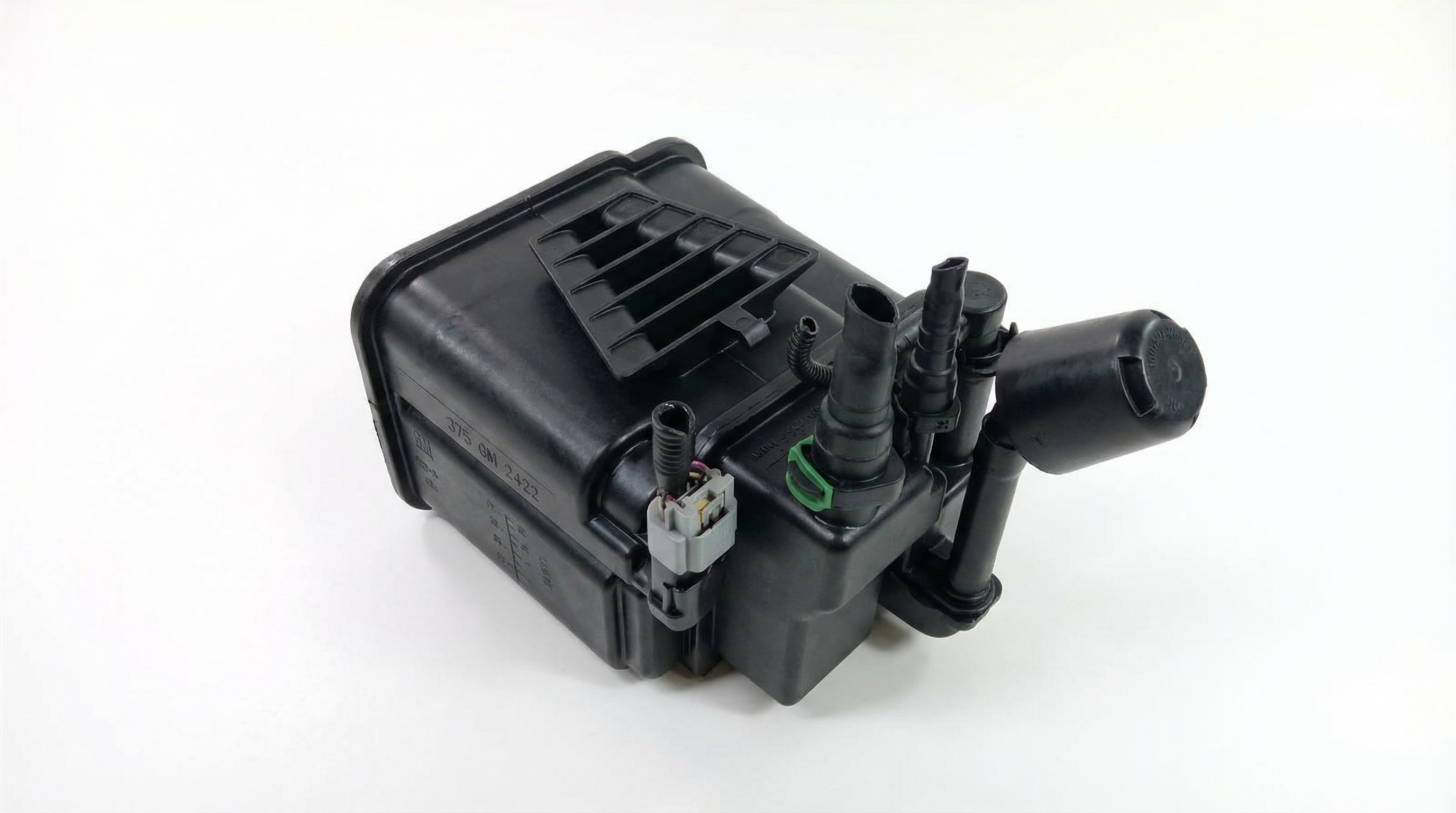
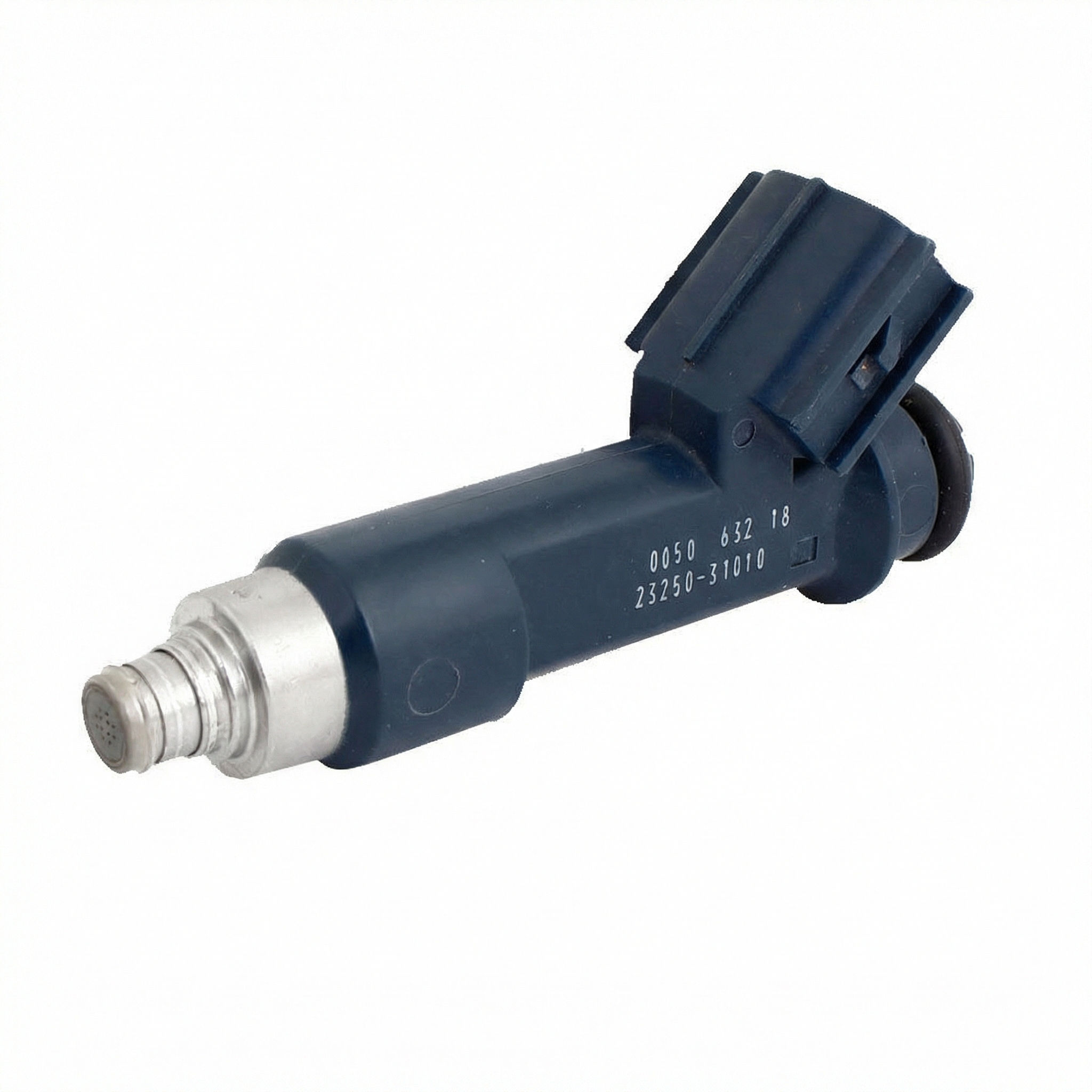
Used OEM Parts in Stock
New Aftermarket Parts Available

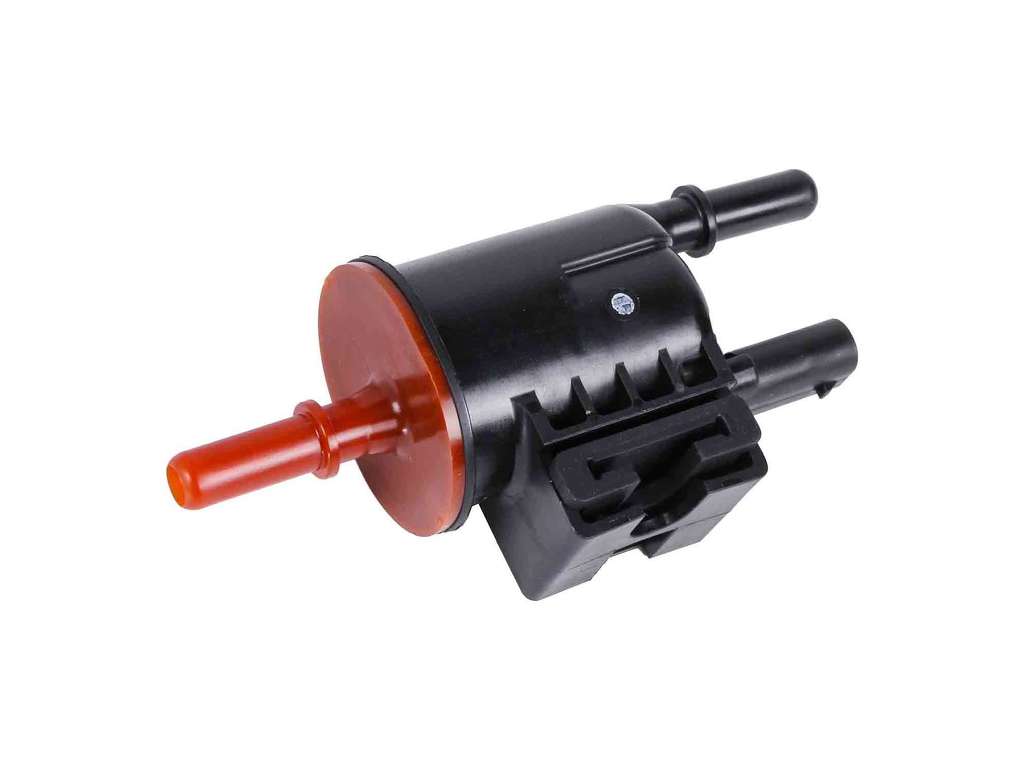
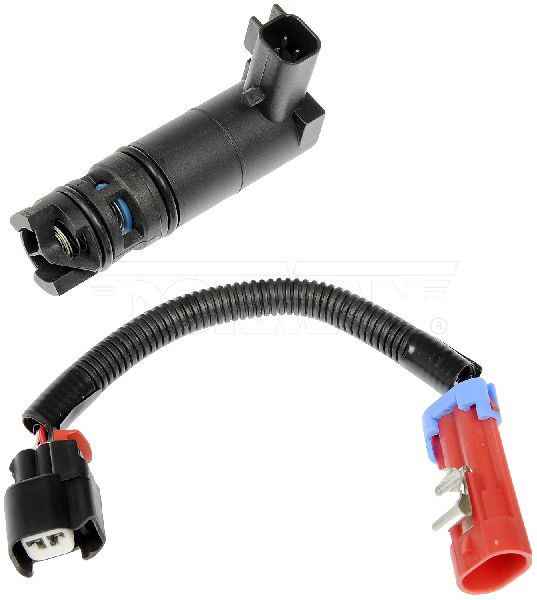

The information in this article is provided for general reference and educational purposes only. Vehicle specifications, procedures, and part compatibility can vary by production date, trim level, and region. Always consult your vehicle's factory service manual and verify part numbers before purchasing or performing repairs. Safety-critical components such as airbags, seat belts, and braking systems should be installed by a qualified professional.
- Buick ENCORE:
- 🎬 Helpful Videos
- 🛍️ Shop This Part
- What's Unique About the 2021-2022 Buick ENCORE
- Diagnostic Flowchart
- Symptoms You May Notice
- Most Likely Causes
- Rare But Worth Checking
- Diagnosis Steps
- Parts You'll Likely Need
- Related Codes That Often Appear With This One
- Technical Service Bulletins (TSBs) & Recalls
- Platform-Specific Known Issues
- Mechanic-Grade Diagnostic Values
- Scan Tool Commands That Help
- Real Owner Repair Stories
- "I Checked Everything" — The Actual Cause
- OEM Part Supersession History
- Model Year Variations Within This Range
- 🎟️ Get 5% Off