

P0442 on 2016-2019 Buick Cascada: EVAP Small Leak Causes and Fixes
For a 2016-2019 Buick Cascada, code P0442 most often means you have a loose gas cap or a failing EVAP purge or vent valve. Checking the gas cap is free, while replacing a valve can cost between $25 and $100 for the part. Using an OEM gas cap is highly recommended if replacement is needed.
- Start with the simplest fix: check that your gas cap is tight and the seal is not cracked. This resolves a large number of P0442 cases.
- If the gas cap isn't the issue, the next most likely culprits are the EVAP purge valve (in the engine bay) or the vent valve (under the car).
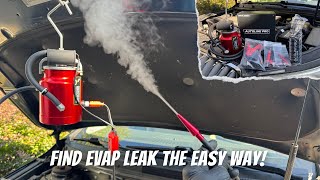
- While you can visually inspect hoses, finding a small leak without a smoke machine is difficult. A professional smoke test is the fastest and most accurate way to diagnose the problem if the cause isn't obvious.
- This code will not stop you from driving the car, but it will cause you to fail an emissions test.
What's Unique About the 2016-2019 Buick CASCADA
The Buick Cascada is a rebadged Opel Cascada, built on GM's global Delta II platform and engineered in Germany. This means its components, like the 1.6L SIDI engine (built in Hungary) and various emissions parts, differ from typical North American GM vehicles. While the causes for P0442 are common across most cars, GM has issued technical service bulletins like #21-NA-124, which provides a diagnostic flowchart starting with checking EVAP lines and connections before moving to the vent and purge valves, indicating a known pattern of failure.
Diagnostic Flowchart
Tap your situation to follow the diagnostic path that matches what you're seeing on this vehicle.
Symptoms You May Notice
- Check Engine Light is on.
- A faint smell of gasoline, particularly around the rear of the car or near the gas cap (less common).
- Difficulty starting the car immediately after refueling. This can happen if the purge valve is stuck open, allowing excess fuel vapors to flood the engine.
- Replacing the O2 sensors. O2 sensors are not part of the EVAP system and will not cause a P0442 code.
- Replacing the fuel injectors. While related to the fuel system, injectors are not part of the sealed vapor system that is tested for this code.
- Replacing the fuel tank pressure (FTP) sensor without proper diagnosis. While a faulty FTP sensor can cause EVAP codes, it will typically set its own specific code (e.g., P0452).
Most Likely Causes
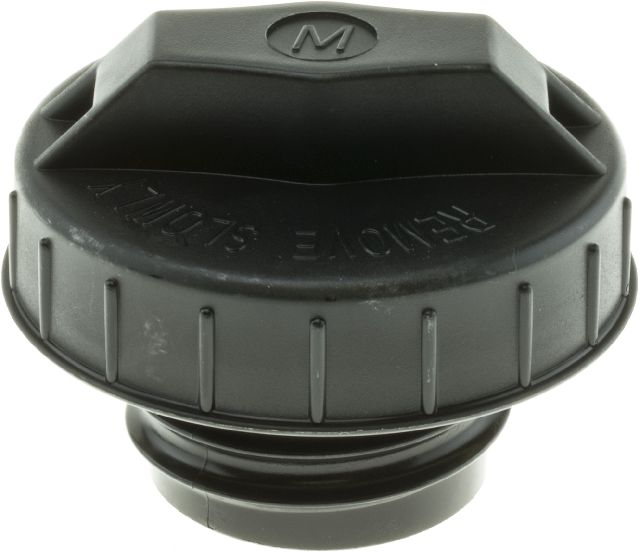
- Loose or Faulty Gas Cap 🔴 High Probability The gas cap is the most frequently handled part of the EVAP system. Its rubber O-ring can crack, stiffen, or get dirty over time, preventing a proper seal. This is the number one cause of P0442 across most vehicles. 🎬 Watch: A quick overview of P0442 causes and symptoms.
How to confirm: Remove the gas cap and inspect the rubber O-ring for any cracks, stiffness, or damage. Ensure the cap clicks at least 2-3 times when tightened. Also, check the fuel filler neck for dirt, rust, or debris that could prevent a good seal.
Typical fix: Tighten the cap correctly. If the seal is damaged, replace the entire gas cap. It is strongly recommended to use an OEM part (GM Part #13502509) to ensure a perfect seal, as aftermarket caps are a known source of recurring EVAP codes.
Est. part cost: $15-$40 - Failing EVAP Purge Solenoid/Valve 🟡 Medium Probability Purge valves on many GM vehicles are a common failure point. They can get stuck slightly open due to carbon buildup or wear, creating a small, constant leak that the system detects during its self-test.
How to confirm: The purge valve is located in the engine bay. A common symptom of a stuck-open purge valve is difficulty starting after refueling. To test, with the engine off, disconnect the valve and try to blow through it; no air should pass. A scan tool can also command the valve to open and close to check its function.
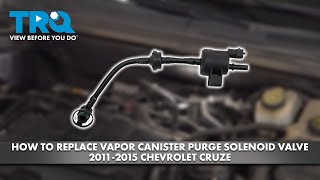
Typical fix: Replacement of the purge solenoid valve. The OEM part for the Cascada's 1.6L engine is GM Part #55509571 (which supersedes #55569458). 🎬 See this walkthrough on replacing the purge solenoid valve.
Est. part cost: $40-$85 - Failing EVAP Vent Solenoid/Valve 🟡 Medium Probability This valve is located underneath the vehicle near the charcoal canister and is exposed to road debris, water, and salt, which can cause it to fail, get stuck, or its filter to clog.
How to confirm: A scan tool can command the valve to close (it is normally open). The most definitive diagnostic method is a smoke test. A technician fills the EVAP system with smoke and commands the vent valve closed. If smoke exits the vent valve, it has failed and needs replacement.
Typical fix: Replacement of the vent solenoid valve. The OEM part number appears to be GM #85123399.
Est. part cost: $30-$80 - Cracked or Disconnected EVAP Hose ⚪ Low Probability Over time, the plastic and rubber hoses in the EVAP system can become brittle from engine heat and age, developing small cracks, especially at connection points or sharp bends.
How to confirm: Visually inspect all accessible EVAP lines running from the gas tank, to the charcoal canister, and up to the engine bay. Look for obvious cracks or loose connections. A smoke test is the most reliable way to find a very small or hidden hose leak.
Typical fix: Replace the damaged section of hose or the entire hose assembly. Secure connections with hose clamps.
Est. part cost: $10-$50
Rare But Worth Checking
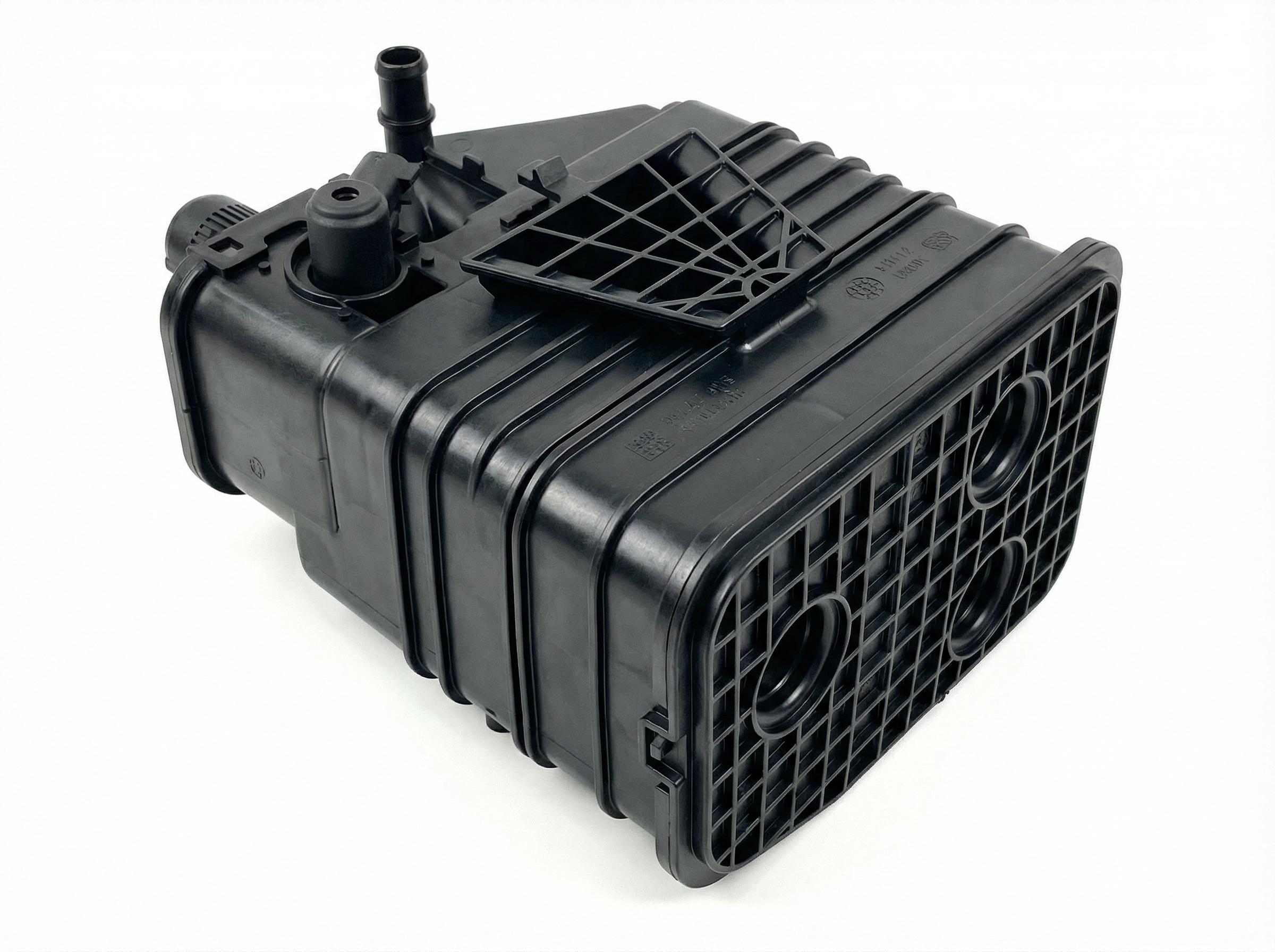
- Cracked Charcoal Canister: The plastic housing of the charcoal canister can develop hairline cracks from age or impact from road debris, creating a leak. This is almost always found with a smoke test.
- Leaky Fuel Tank Filler Neck: Rust or damage to the metal pipe where the gas cap seals can prevent a proper seal, causing a leak that mimics a bad gas cap. The mating surface must be clean and smooth.
Diagnosis Steps
- Check the gas cap. Remove it, inspect the seal for damage, and reinstall it, ensuring it clicks several times. Clear the code and drive for a few days to see if it returns. This is the most common fix.
- If the light returns, perform a thorough visual inspection of all accessible EVAP hoses and lines in the engine bay and under the vehicle near the fuel tank. Pay close attention to rubber elbows and plastic connections.
- Locate the EVAP purge valve in the engine bay. A key symptom of failure is a long crank time after refueling. With the engine cold and off, disconnect the hose from the canister side and check if it holds vacuum or if you can blow through it. It should be closed when not powered.
- Locate the EVAP vent valve near the charcoal canister under the car. Check for obvious damage or clogged filter material. This part is normally open and requires a scan tool to command it closed for testing.
- If no obvious faults are found, the most effective next step is to have a professional perform a smoke test. This involves filling the EVAP system with a harmless, visible smoke and watching for where it leaks out. This is the method recommended in GM's service literature (TSB #PIT4943D) and is the gold standard for finding small, hard-to-see leaks.
Parts You'll Likely Need
- Gas Cap
(OEM #13502509)— This is the most common cause due to frequent use and wear on the seal. It's the cheapest and easiest part to replace first. Using an OEM cap is critical for a proper seal.
Trusted brands: ACDelco (OEM)
OEM price range: $20-$40
Aftermarket price range: $15-$25 - Vapor Canister Purge Valve / Solenoid
(OEM #55509571)— These valves are a known failure point on many GM vehicles, often getting stuck partially open and causing a small leak. A symptom is hard starting after getting gas.
Trusted brands: ACDelco (OEM), Bosch, Dorman
OEM price range: $50-$85
Aftermarket price range: $25-$75 - Vapor Canister Vent Valve / Solenoid
(OEM #85123399)— Its location under the car makes it susceptible to dirt, moisture, and road debris, which can cause the valve to stick or fail.
Trusted brands: ACDelco (OEM), TRQ
OEM price range: $60-$120
Aftermarket price range: $30-$80
Related Codes That Often Appear With This One
- P0455 — This code indicates a 'Gross Leak' in the EVAP system. It can appear with P0442 if the leak is intermittent or on the borderline between small and large. The provided TSB #21-NA-124 specifically mentions diagnosing P0442 and P0455 together.
- P0449 — This code points specifically to a fault in the EVAP vent valve solenoid circuit. If you see P0442 and P0449 together, the vent valve assembly is almost certainly the problem.
Technical Service Bulletins (TSBs) & Recalls
- Bulletin #21-NA-124: Provides diagnostic tips for finding EVAP leaks related to codes P0442 and/or P0455. It advises checking lines and connections first, then the vent valve, and finally the purge valve.
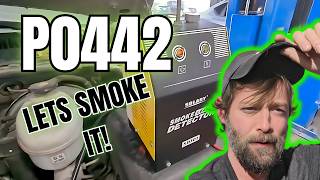
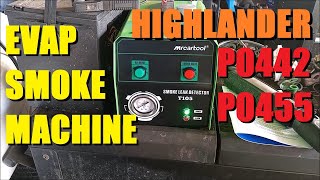
- Bulletin #PIT4943D: Directs technicians to use an Evaporative Emissions System Tester (smoke machine) to diagnose code P0442, confirming this as the standard professional procedure. 🎬 Watch: How to find small leaks using a smoke machine.
Platform-Specific Known Issues
- Purge Valve Failure After Refueling: A recurring theme in owner forums for vehicles with the 1.6L SIDI engine is a stuck-open purge valve (GM #55509571) causing a P0442 code accompanied by a long crank or rough start immediately after filling the gas tank. This happens because raw fuel vapor floods the intake manifold through the open valve. Replacing the purge valve is the definitive fix for this specific symptom combination.
Mechanic-Grade Diagnostic Values
- EVAP Canister Vent Valve Solenoid Resistance — expected: 20 - 30 Ohms. Failure: A reading outside of this range indicates a damaged solenoid winding.
- Fuel Tank Pressure (FTP) Sensor Voltage (Key On, Engine Off) — expected: Approximately 1.3V to 1.7V (Ideal is ~1.5V). Failure: A reading of 0V or 5V indicates a fault in the sensor or its circuit.
Scan Tool Commands That Help
- GDS2 / Professional Scan Tool: EVAP System Activation Test: Vent Valve Command — During a smoke test, a technician must use this command to close the normally-open vent valve. This seals the system, allowing the smoke to build pressure and reveal leaks. If smoke exits the vent valve while it is commanded closed, the valve itself is faulty.
Wiring & Ground Locations
- G103 — Located at the left rear of the engine compartment on the cowl, often above the brake booster.. This is a major ground point for the Body Control Module (BCM), Instrument Panel Cluster (IPC), and Data Link Connector (DLC). A poor connection here can cause a wide range of erroneous codes and communication issues, potentially including false EVAP system faults. GM has issued service bulletins emphasizing the need to ensure this ground is clean and tight.
- EVAP System Wiring Diagram — Vehicle-specific service manuals.. For advanced diagnostics, such as tracing a short or open in the vent/purge valve circuits or FTP sensor wiring, a complete color wiring diagram is essential. These are available for purchase and cover all engine controls and power distribution.
"I Checked Everything" — The Actual Cause
- An internally leaking EVAP Purge Valve. A standard smoke test pressurizes the system from a service port, but if the purge valve is leaking internally, it allows vapor (or smoke) to be drawn into the engine intake manifold where it may not be visible. This is often diagnosed after a smoke test finds no external leaks, and may be accompanied by symptoms like a rough idle or hard starting after refueling.
- A faulty Fuel Tank Pressure (FTP) Sensor. If the EVAP system is perfectly sealed (passes a smoke test), the FTP sensor itself may be providing incorrect voltage readings to the ECM. The sensor may not have failed completely but could be out of calibration, causing the ECM to incorrectly interpret the pressure decay during a self-test and set a P0442 code.
OEM Part Supersession History
55569458→55509571— This is a common supersession for the Vapor Canister Purge Solenoid Valve used on the 1.6L engine. The new part is the current OEM replacement.
Heads up: No known incompatibilities; 55509571 is the correct service part for all 2016-2019 Cascada models.
Helpful Videos
Used OEM Parts in Stock

New Aftermarket Parts Available


The information in this article is provided for general reference and educational purposes only. Vehicle specifications, procedures, and part compatibility can vary by production date, trim level, and region. Always consult your vehicle's factory service manual and verify part numbers before purchasing or performing repairs. Safety-critical components such as airbags, seat belts, and braking systems should be installed by a qualified professional.
- Buick CASCADA:
- 🎬 Helpful Videos
- 🛍️ Shop This Part
- What's Unique About the 2016-2019 Buick CASCADA
- Diagnostic Flowchart
- Symptoms You May Notice
- Most Likely Causes
- Rare But Worth Checking
- Diagnosis Steps
- Parts You'll Likely Need
- Related Codes That Often Appear With This One
- Technical Service Bulletins (TSBs) & Recalls
- Platform-Specific Known Issues
- Mechanic-Grade Diagnostic Values
- Scan Tool Commands That Help
- Wiring & Ground Locations
- "I Checked Everything" — The Actual Cause
- OEM Part Supersession History
- 🎟️ Get 5% Off