

P0441 on 2016-2020 Volkswagen Passat: EVAP Incorrect Purge Flow Causes and Fixes
For a 2016-2020 VW Passat, code P0441 is most often caused by a faulty EVAP purge valve, also known as the N80 valve. This is a relatively inexpensive part, typically costing $25-$75 for an aftermarket replacement, and is a straightforward DIY repair for many owners. The most common OEM part number is 06H906517AE, which has superseded previous versions.
- P0441 on a 2016-2020 Passat means 'Incorrect Purge Flow' in the emissions system.
- The most likely cause is a faulty EVAP Purge Valve (N80 Valve), which is a common and relatively inexpensive part to replace.
- Always check that the gas cap is tight and its seal is intact before buying any parts.
- This code is often seen with P04F0, which reinforces the diagnosis of a faulty purge valve or a related line blockage.
- The vehicle is safe to drive, but the issue should be fixed to pass an emissions test and ensure the Check Engine Light can alert you to future problems.
What's Unique About the 2016-2020 Volkswagen PASSAT

On this generation of Volkswagen Passat, the P0441 code is very frequently accompanied by code P04F0, as noted in multiple manufacturer Technical Service Bulletins (TSBs). [VIN4APIN20201001, VIN4APIN20200916, VIN4APIN20200207, VIN4APIN20200413] This pairing points towards a common failure pattern within the EVAP system, often related to the purge valve (N80) or associated lines. The engines used in this period (primarily the 1.8T and 2.0T Gen3 TSI) share a similar EVAP system design, making the N80 valve a common failure point across the model years and related VW/Audi platforms. Ross-Tech, the creator of VCDS diagnostic software, specifically notes to check for TSBs when this code appears on Passat models.
Diagnostic Flowchart

Tap your situation to follow the diagnostic path that matches what you're seeing on this vehicle.
Symptoms You May Notice
- Check Engine Light is on.
- A slight fuel odor may be noticeable.
- Rough idle in some cases, if the purge valve is stuck open.
- Difficulty starting the engine immediately after refueling. 🎬 Watch: Why your VW might die or stall after fueling.
- Slight decrease in fuel efficiency.
- Engine may hesitate or feel sluggish during performance.
- Replacing the gas cap when the purge valve is the actual problem. While a bad gas cap can cause other EVAP codes, P0441 is more specifically tied to the purge valve's function.
- Replacing other EVAP components before properly testing the N80 purge valve, which is the most common point of failure for this specific code on VW platforms.
Most Likely Causes


- Faulty EVAP Purge Valve (N80 Valve) 🔴 High Probability The N80 purge valve is a solenoid that cycles constantly during engine operation and is a known common failure item on many Volkswagen and Audi vehicles, leading it to get stuck open or closed. Debris from the charcoal canister can also clog the small internal filter of the valve.
How to confirm: With the engine cold and running, disconnect the EVAP hose from the valve and feel for suction; there should be none. As the engine warms up, the valve should open, and suction should be felt. If there is suction immediately, or none after warming up, the valve is likely faulty. You can also test the valve's resistance with a multimeter; a good valve should read between 22 and 30 ohms. A scan tool like VCDS can also run an output test to command the valve to click on and off.
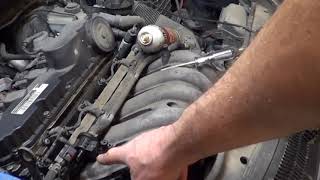
Typical fix: Replace the EVAP purge valve. It is located in the front of the engine bay, making it accessible for DIY replacement. 🎬 Watch: A complete walkthrough of P0441 causes and fixes. Some owners have had success temporarily cleaning the valve with WD-40 or a similar solvent to un-stick it.
Est. part cost: $25-$75 - Loose or Faulty Gas Cap 🟡 Medium Probability While P0441 is a flow code, not a leak code, a gas cap that does not seal properly can disrupt the system's ability to maintain correct pressure during the purge cycle, confusing the diagnostic sensors. It's a simple and common check for any EVAP code.
How to confirm: Inspect the gas cap for cracks in the plastic or damage to the rubber O-ring seal. Ensure it is tightened until it clicks at least once. Some owners recommend cleaning the cap and seal with WD-40.
Typical fix: Tighten the gas cap correctly. If the seal is damaged, replace the gas cap, preferably with an OEM part to ensure a proper seal.
Est. part cost: $15-$40 - Cracked or Disconnected EVAP Hoses/Lines ⚪ Low Probability Plastic and rubber hoses in the engine bay become brittle over time due to heat and age, leading to cracks and vacuum leaks that can cause incorrect purge flow.
How to confirm: Visually inspect all accessible EVAP lines between the charcoal canister, purge valve, and intake manifold for visible cracks, brittleness, or loose connections. A smoke test is the most effective method to find leaks that are not visible to the naked eye.
Typical fix: Replace the damaged section of hose.
Est. part cost: $10-$50
Rare But Worth Checking
- Clogged Charcoal Canister: This can happen if you consistently 'top off' your fuel tank after the pump clicks off. Excess fuel can saturate the canister, causing charcoal pellets to break down and clog the purge lines or the purge valve itself.
- Faulty Leak Detection Pump (LDP): The LDP is used by the system to pressurize and test for leaks. If it malfunctions, it can lead to incorrect diagnostic readings and trigger a P0441 code. Ross-Tech notes that crossed lines between the N80 and LDP can also cause this code 🎬 See this easy fix for starting issues after a fuel up. and hard starting after refueling.
- Faulty Powertrain Control Module (PCM): This is extremely rare and should only be considered after all other possibilities, including wiring issues, have been exhaustively ruled out.
Diagnosis Steps
- Read the code with an OBD-II scanner and check for any other accompanying codes, especially P04F0.
- Inspect the gas cap to ensure it is tight and the seal is in good condition.
- Visually inspect the engine bay for any obvious cracks or disconnected hoses in the EVAP system, particularly around the purge valve (N80).
- Locate the N80 valve on the front of the engine. Test the valve's function: Start the cold engine, disconnect the outlet hose, and feel for vacuum. There should be no suction. Let the engine warm up for a few minutes; suction should appear as the ECU commands the valve to open. If there is suction immediately (stuck open) or never any suction (stuck closed or clogged), the valve is bad.
- If you have a multimeter, disconnect the N80 valve's electrical connector and measure the resistance across its two pins. A healthy valve should read between 22-30 Ohms.
- If the purge valve seems to be working, inspect the lines for blockages. Disconnect the lines and check for charcoal pellets from a failed canister which can clog the lines or the valve itself.
- If no issues are found, a smoke test is the next step to identify hard-to-see leaks in the EVAP lines or canister.
- Check for power (12V+) and ground at the purge valve connector with the engine running to rule out a wiring issue.
Parts You'll Likely Need
- EVAP Canister Purge Valve (N80 Valve)
(OEM #06H906517AE)— This is the most frequent cause of P0441 on this platform due to it being a constantly working mechanical solenoid that wears out or gets clogged over time. This part number supersedes older versions like 06H906517K and 06H906517T.
Trusted brands: Genuine VW/Audi, Bosch, Pierburg
OEM price range: $50-$100
Aftermarket price range: $25-$75 - Fuel Cap
(OEM #5Q0201550L (example, verify by VIN))— A worn seal on the gas cap can disrupt the EVAP system's pressure, contributing to the code. It's an inexpensive and easy part to replace as a primary diagnostic step.
Trusted brands: Genuine VW, Stant, Blau
OEM price range: $25-$40
Aftermarket price range: $15-$25
Related Codes That Often Appear With This One
- P04F0 — Stands for 'EVAP System High Pressure Purge Line Performance'. This code frequently appears with P0441 on VWs and is mentioned together in multiple TSBs, indicating a closely related fault, often pointing directly to the purge valve or a restriction in the purge line. [VIN4APIN20201001, VIN4APIN20200916, VIN4APIN20200207, VIN4APIN20200413]
- P0455 / P0456 — These codes indicate large and small EVAP system leaks, respectively. If a hose is cracked or disconnected, it can cause both a leak code and the incorrect flow code P0441.
- P0442 — Indicates a small leak in the EVAP system. This can be caused by a faulty gas cap, a cracked hose, or a faulty purge valve that isn't sealing correctly.
Technical Service Bulletins (TSBs) & Recalls
- VIN4APIN20201001: Mentions customer complaints of MIL-on with P04F0 and/or P0441.
- VIN4APIN20200916: Notes customer states MIL-on with P04F0 and/or P0441.
- VIN 4 A PIN-2018: Lists MIL-on with P0441 in the ECM as a potential custome
Platform-Specific Known Issues
- Multiple Technical Service Bulletins (TSBs) for 2016-2020 VW models, including the Passat, list P0441 and P04F0 together as a common diagnostic issue, suggesting a linked problem that technicians should investigate. [VIN4APIN20201001, VIN4APIN20200916, VIN4APIN20200207, VIN4APIN20200413]
- According to the Ross-Tech Wiki, a resource for VW/Audi diagnostics, a TSB (01-09-09 or 2005554) exists for older Passat 1.8T models for this code, which involved a software update. While for a different generation, it highlights a history of VW addressing this code via TSBs.
Mechanic-Grade Diagnostic Values
- N80 Purge Valve Resistance — expected: 15 to 35 Ohms. Failure: An open circuit (infinite resistance) or a reading significantly outside the expected range indicates a faulty valve coil.
- N80 Purge Valve Connector Voltage (Pin 1 to Ground) — expected: ~12V (Battery Voltage) with ignition on. Failure: Low or no voltage (e.g., 1.25V) points to a wiring issue, blown fuse, or problem with the power supply from the ECU.
Scan Tool Commands That Help
- VCDS (VAG-COM): Output Test for EVAP Canister Purge Regulator Valve (N80) — Use this to manually command the N80 valve to cycle on and off. You should hear an audible clicking from the valve, which confirms the ECU can command it and the solenoid is mechanically actuating.
- VCDS (VAG-COM): Basic Settings - Group 070 / 071 — This initiates the EVAP system's self-test for leaks and flow. A failure in this test confirms a system fault. Technicians will often run this test, then pinch off hoses at various points (like at the N80 valve) and re-run the test to isolate the location of the fault.
Wiring & Ground Locations
- N80 Purge Valve Connector — On the N80 valve itself, located at the front of the engine near the intake manifold.. Testing at the connector's pins is critical for diagnosis. Pin 1 should have battery voltage with the ignition on. Pin 2 is the ground, which is controlled (pulsed) by the Engine Control Module (ECM). A lack of voltage on Pin 1 or a faulty ground path will prevent the valve from operating and trigger P0441 or a circuit code like P0444.
Real Owner Repair Stories
- YouTube channel 'itsjusta6' (VW Golf R (Mk6 with EA113 engine, which shares EVAP principles and often components with the Passat's EA888)) — P0441 code, idle hunting/rough idle, and difficulty starting the engine immediately after refueling.
❌ Tried (didn't work) The owner went straight to replacing the N80 valve as it is the most common cause.
✅ What actually fixed it Replacing the N80 EVAP purge valve resolved the P0441 code, the idle issue, and the hard-start problem after filling the gas tank. - Ross-Tech Forums user (Volkswagen with P0441) — Persistent P0441 code.
❌ Tried (didn't work) Replacing the N80 purge valve with a cheap part sourced from Amazon.
✅ What actually fixed it The user discovered the new, non-OEM valve was faulty out of the box and did not hold a vacuum. The advice from a verified technician was to avoid cheap aftermarket parts for this specific component and use a genuine OEM or OEM-supplier (e.g., Bosch) part, as they can fail intermittently even if they pass initial tests.
"I Checked Everything" — The Actual Cause
- A common scenario for P0441 is an intermittently failing N80 purge valve. A technician on the Ross-Tech forums noted that he has seen many N80 valves that will pass the VCDS EVAP self-test (Basic Settings 070/071) but are still faulty and will cause the check engine light to return after a few days. The valve may not be leaking at the time of the test but gets stuck open or closed during normal driving, triggering the incorrect flow code.
OEM Part Supersession History
06H906517K→06H906517T— Standard part revision and improvement by the manufacturer.06H906517T→06H906517AE— Standard part revision and improvement by the manufacturer. This is the most current version.
Model Year Variations Within This Range
- 2016-2020: The North American Passat switched from the 1.8T EA888 Gen3 engine to the 2.0T EA888 Gen3.B (B-Cycle) engine for the 2018 model year. However, for the P0441 code, this change is not significant as both engine variants use the same family of EVAP components, including the N80 purge valve (PN 06H906517AE). The diagnosis and repair procedure remains consistent across this entire year range.
Helpful Videos

Used OEM Parts in Stock
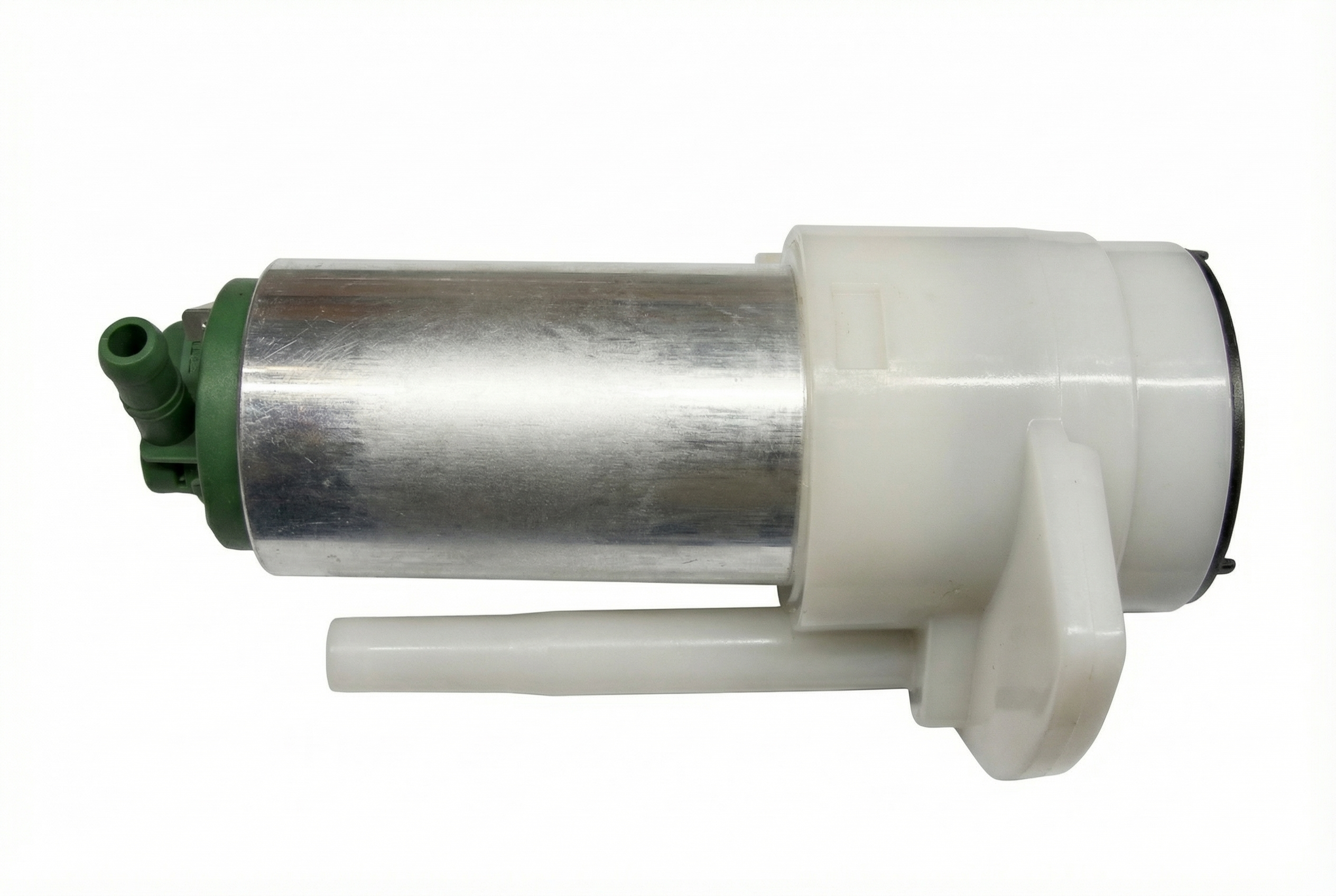

New Aftermarket Parts Available

The information in this article is provided for general reference and educational purposes only. Vehicle specifications, procedures, and part compatibility can vary by production date, trim level, and region. Always consult your vehicle's factory service manual and verify part numbers before purchasing or performing repairs. Safety-critical components such as airbags, seat belts, and braking systems should be installed by a qualified professional.
- Volkswagen PASSAT:
- 🎬 Helpful Videos
- 🛍️ Shop This Part
- What's Unique About the 2016-2020 Volkswagen PASSAT
- Diagnostic Flowchart
- Symptoms You May Notice
- Most Likely Causes
- Rare But Worth Checking
- Diagnosis Steps
- Parts You'll Likely Need
- Related Codes That Often Appear With This One
- Technical Service Bulletins (TSBs) & Recalls
- Platform-Specific Known Issues
- Mechanic-Grade Diagnostic Values
- Scan Tool Commands That Help
- Wiring & Ground Locations
- Real Owner Repair Stories
- "I Checked Everything" — The Actual Cause
- OEM Part Supersession History
- Model Year Variations Within This Range
- 🎟️ Get 5% Off