

P0441 on 2016-2018 VW Beetle Convertible: EVAP Incorrect Purge Flow Causes & Fixes
On a 2016-2018 VW Beetle, code P0441 is most often caused by a faulty EVAP Purge Valve (N80). This is a common failure item that is relatively inexpensive and easy to replace for a DIYer, typically costing between $30 and $100 for the part. Before replacing parts, ensure the gas cap is tight and its seal is not damaged.
- P0441 on a 2016-2018 VW Beetle almost always points to a faulty EVAP Purge Valve (N80).
- Symptoms often include a Check Engine Light and difficulty starting the car right after refueling.
- This is a DIY-friendly repair; the purge valve is accessible in the engine bay and simple to replace in under 30 minutes.
- Before buying parts, check that the gas cap is tight and its seal is not damaged.
- When replacing the N80 valve, inspect the lines for black charcoal pellets; if found, the charcoal canister must also be replaced.
- Driving with this code is safe, but you will not pass an emissions test until it is resolved.
What's Unique About the 2016-2018 Volkswagen BEETLE CONVERTIBLE
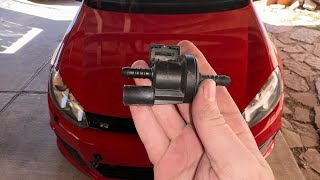
For this generation of Volkswagen Beetle and its platform mates (Golf, Jetta, Passat, Audi A3) using the EA888 engine, the N80 purge valve is a very common failure point that leads directly to code P0441. The issue is so prevalent that it's often the first and most successful part to be replaced. While other EVAP system components can fail, the purge valve is the primary suspect on these vehicles. 🎬 Watch: A breakdown of P0441 causes and common fixes. A TSB for slightly earlier 2012-2013 Beetles also identified that a production tolerance in the Diagnostic Module Tank Leakage (DMTL) pump could cause a false flow reading, triggering this code.
Diagnostic Flowchart
Tap your situation to follow the diagnostic path that matches what you're seeing on this vehicle.
Symptoms You May Notice
- Check Engine Light is on.
- Difficulty starting the engine, especially right after filling the gas tank.
- Rough or unstable idle.
- Slight fuel odor.
- Audible clicking noise from the engine bay (louder than normal purge valve operation), or no clicking at all when it should be active.
- Replacing the gas cap when the purge valve is the actual problem.
- Replacing oxygen sensors, which are not related to the EVAP system's purge function.
- Replacing only the N80 purge valve when the charcoal canister has also failed, leading to a quick repeat failure of the new valve due to contamination from charcoal pellets.
Most Likely Causes
- Faulty EVAP Purge Valve (N80 Valve) 🔴 High Probability This is a widely documented common failure part on many VW/Audi vehicles of this era, particularly those with EA888 engines. The internal solenoid can fail, causing it to stick open or closed, or it can become clogged with charcoal particles from a deteriorating canister.
How to confirm: With the engine off, unplug the electrical connector and the hose leading to the intake manifold. Try to blow through the valve; if air passes through, it is stuck open and faulty, as the valve is normally closed. A mechanic can also command the valve to open and close with a scan tool (like VCDS) to test its function and listen for a click. A more advanced test involves checking for vacuum at the valve's outlet port with the engine cold (should be none) and then warm (should have vacuum).
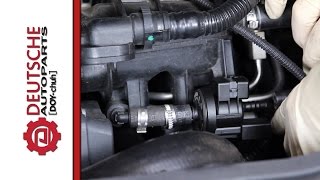
Typical fix: Replace the N80 purge valve. It is typically located in the engine bay, mounted on or near the engine, and is a simple part to swap. 🎬 Watch: Step-by-step N80 valve installation on the 2.0T engine.
Est. part cost: $30-$100 - Loose or Faulty Gas Cap ⚪ Low Probability While a bad gas cap more commonly causes large leak codes (P0455), it can sometimes disrupt the system's ability to hold vacuum during a self-test, which the ECU could misinterpret as an incorrect flow problem. It's a simple and free check.
How to confirm: Ensure the gas cap is tightened until it clicks multiple times. Inspect the rubber O-ring seal on the cap for cracks, tears, or debris. If the seal is worn or flattened, replacement is recommended.
Typical fix: Tighten or replace the gas cap.
Est. part cost: $15-$40 - Clogged or Cracked EVAP Lines/Hoses ⚪ Low Probability Rubber and plastic lines can become brittle over time and crack, creating a vacuum leak that disrupts the purge flow measurement. Blockages can also occur, sometimes from charcoal pellets from a failed canister.
How to confirm: Visually inspect all accessible EVAP hoses between the charcoal canister, purge valve, and intake manifold for cracks or disconnection. If you find black, sand-like particles in the lines, the charcoal canister has failed. A smoke test is the most effective way to find small, hard-to-see leaks.
Typical fix: Replace the damaged section of hose. If charcoal pellets are present, the charcoal canister and purge valve must be replaced.
Est. part cost: $10-$50 for a hose, $150-$300+ for a canister.
Rare But Worth Checking
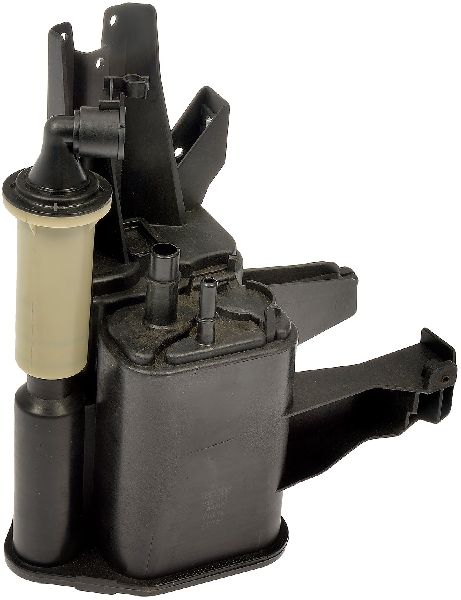
- Damaged Charcoal Canister: The canister can become saturated with fuel from overfilling the gas tank or can crack over time. More critically, the internal charcoal pellets can break down and clog the EVAP lines and the N80 valve, causing a P0441 code. If you replace the N80 valve and find black granules inside, the canister must also be replaced to prevent a repeat failure.
- Faulty Leak Detection Pump (DMTL): A TSB for 2012-2013 models noted that a production tolerance in the DMTL pump could cause a false P0441 reading. While the TSB doesn't cover 2016-2018, it's a known issue on the platform that could still occur, though it is much less common than a faulty N80 valve.
- ECM Software Issue: On related VW models like the Golf and Tiguan, Technical Service Bulletins have been issued to update the ECM software because the diagnostic parameters for setting P0441 were too sensitive. It's possible a similar update could apply.
Diagnosis Steps
- Read the code with an OBD-II scanner to confirm P0441 is present and note any other codes.
- Inspect the gas cap to ensure it is tight and the seal is intact and pliable.
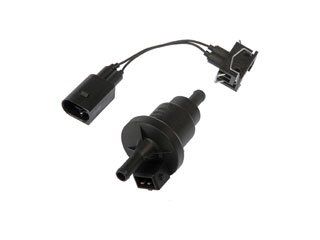
- Locate the EVAP Purge Valve (N80) in the engine bay. It's a small solenoid with two hoses and an electrical connector, often mounted directly on the engine or nearby.
- With the engine off, disconnect the valve. Try to blow through it. If air passes, the valve is stuck open and must be replaced.
- Disconnect the hose from the purge valve that comes from the charcoal canister and inspect it for black, sand-like charcoal pellets. If found, the charcoal canister and purge valve must be replaced.
- If the valve is not stuck open, inspect the connected vacuum and vapor lines for any visible cracks, brittleness, or loose connections.
- If the valve and lines appear okay, use a capable scan tool (like VCDS) to run an output test on the N80 valve. You should hear the valve clicking. You can also run the EVAP system self-test, typically in Basic Settings, Group 070.
- If the purge valve tests good, a smoke test should be performed on the EVAP system to check for leaks in the lines, charcoal canister, or other components.
- If no leaks are found, the Leak Detection Pump (DMTL) may be suspect, as noted in earlier model TSBs.
Parts You'll Likely Need
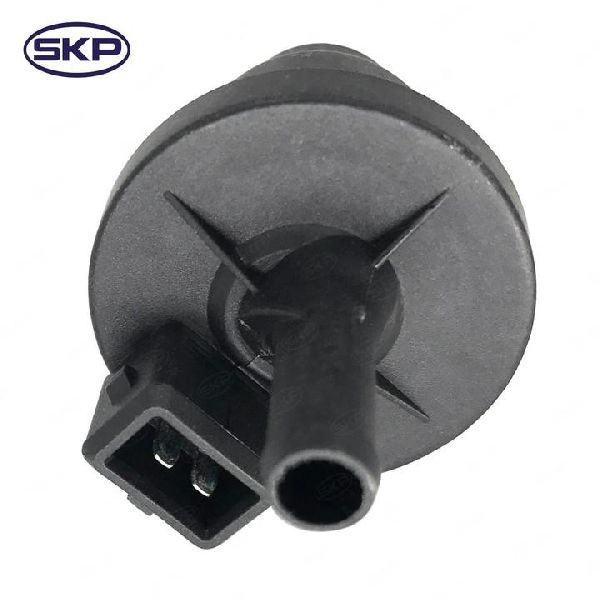
- Vapor Canister Purge Valve (N80 Valve)
(OEM #06H906517AE (supersedes 06H906517K, 06H906517T))— This is the most frequent cause of code P0441 on this specific vehicle, often failing by sticking open or closed. It is shared across many VW/Audi models with the 1.8T/2.0T engines.
Trusted brands: Bosch (often the OEM supplier), Genuine VW/Audi, Dorman
OEM price range: $70-$120
Aftermarket price range: $30-$80
Related Codes That Often Appear With This One
- P0455 — A large leak detected, which can occur if the purge valve is stuck wide open or a major hose is disconnected.
- P0456 — A small leak detected, which can be related to failing seals in the purge valve or small cracks in EVAP hoses.
- P0442 — A small leak detected, often pointing to similar root causes as P0441 within the EVAP system.
- P04F0 — Often seen with P0441 on VW platforms, this code also relates to the EVAP system high-pressure purge line and reinforces the diagnosis of a faulty N80 valve or blockage.
Technical Service Bulletins (TSBs) & Recalls
- VIN 4 A PIN-2018: Mentions MIL-on P0441 in the ECM as a known issue for 2016 models.
- 01 12 32 (2031341): For earlier 2012-2013 models, identifies a faulty DMTL pump as a potential cause for P0441.
- Ross-Tech Wiki references TSBs for other 1.8T models (Passat/A4) for P0441, indicating a platform-wide issue.
Platform-Specific Known Issues
- A Technical Service Bulletin (TSB) for the 2016 model year, #VIN 4 A PIN-2018, lists "MIL-on P0441 in the ECM" as a potential fault, confirming it is a known issue to the manufacturer.
- An earlier TSB (01 12 32 / 2031341) for 2012-2013 Beetles identified that a production tolerance in the Diagnostic Module Tank Leakage (DMTL) pump could cause a false P0441 code.
- Owner Experience: A user on Reddit with a P0441 code on their VW Jetta ultimately found the issue to be a failed charcoal canister that was replaced under warranty, after first replacing the N80 valve. This highlights the importance of checking for charcoal pellets in the lines.
- Owner Experience: On the VWVortex and newbeetle.org forums, numerous owners of A5-platform cars (Beetle, Jetta, Golf) report resolving P0441 by replacing the N80 valve. The symptom of a hard start after refueling is a very common confirmation of a stuck-open valve.
Mechanic-Grade Diagnostic Values
- N80 Purge Valve internal resistance — expected: 14 to 30 Ohms. Failure: A reading outside this range, or an open circuit (infinite resistance), indicates a faulty valve solenoid.
- N80 Purge Valve connector voltage (Key On, Engine Off) — expected: Pin 1: ~12V (Battery Voltage). Pin 2: Varies (ECU controlled ground).. Failure: Low voltage on Pin 1 (e.g., 1.25V) suggests a problem with the power supply from the Fuel Pump relay or a wiring issue. The voltage on Pin 2 is pulsed by the ECU when the valve is commanded to open.
Scan Tool Commands That Help
- VCDS (VAG-COM) or equivalent VW-specific scanner: Engine -> Output Tests -> Evaporative Emission (EVAP) Canister Purge Regulator Valve (N80) — This is a quick functional check. When activated, you should hear the N80 valve clicking, which confirms the ECU can command it and the solenoid's mechanicals are not seized. Lack of a click points to a bad valve or a wiring/ECU issue.
- VCDS (VAG-COM) or equivalent VW-specific scanner: Engine -> Basic Settings -> Group 070 (or Channel 70) — This runs a complete EVAP system leak test. The scan tool will display the test progress and the final result (e.g., 'EVAP OK' or 'EVAP not OK'). This is a more comprehensive test than the simple output click test and is used to confirm if the system can hold pressure after repairs are made.
Wiring & Ground Locations
- Engine Bay Ground Points — Check the ground connection in the engine compartment on the left side, below the battery tray and below the headlight. Also check the ground strap from the transmission to the body.. The N80 valve is controlled by the ECU, which relies on solid ground connections. A corroded or loose engine bay ground can cause intermittent or incorrect operation of solenoids and sensors, leading to flow codes like P0441.
- N80 Valve Connector — The two-pin electrical connector on the N80 valve itself.. Pin 1 is the 12V power supply (often from the fuel pump relay) and Pin 2 is the ground-side control from the ECU. Technicians must test for ~12V on Pin 1 with the key on to ensure the valve is receiving power before diagnosing a faulty valve or ECU.
"I Checked Everything" — The Actual Cause
- In some cases on VW platforms, a P0441 code can be set with no physical leaks found during a smoke test. The root cause may be that the ECM software's diagnostic parameters are too sensitive. A Technical Service Bulletin (TSB) for other models suggests an ECM software update may be required to fix the issue.
- An N80 purge valve, especially a cheap aftermarket one, can pass a basic VCDS output test (it clicks) and may even pass the initial system leak test (Basic Settings 070), but still be faulty. It may leak intermittently under specific vacuum or temperature conditions not present during the test, causing the P0441 code to return after a few drive cycles.
When the Usual Fixes Don't Work
- While the N80 purge valve is the most common cause, simply replacing it does not guarantee a fix. If the code returns, the next most likely cause is a failed charcoal canister that has contaminated the new valve with charcoal pellets; in this case, both parts must be replaced. Another possibility, though rarer, is that the fault lies not with a physical part but with the ECM's software, which may require an update from a dealer to adjust its sensitivity for triggering the P0441 code. Finally, forum users strongly caution against using cheap aftermarket N80 valves, as they have been known to fail or leak intermittently straight out of the box, causing the P0441 code to return despite the part being 'new'.
OEM Part Supersession History
06H906517K, 06H906517T→06H906517AE— Standard part revision and improvement by the manufacturer.
Heads up: The listed part numbers are generally interchangeable for this platform. The OEM supplier is often Bosch, with an equivalent part number of 0280142431. Using cheap, unbranded aftermarket valves is a common cause of repeat failures even if the part is new.
Helpful Videos


Used OEM Parts in Stock
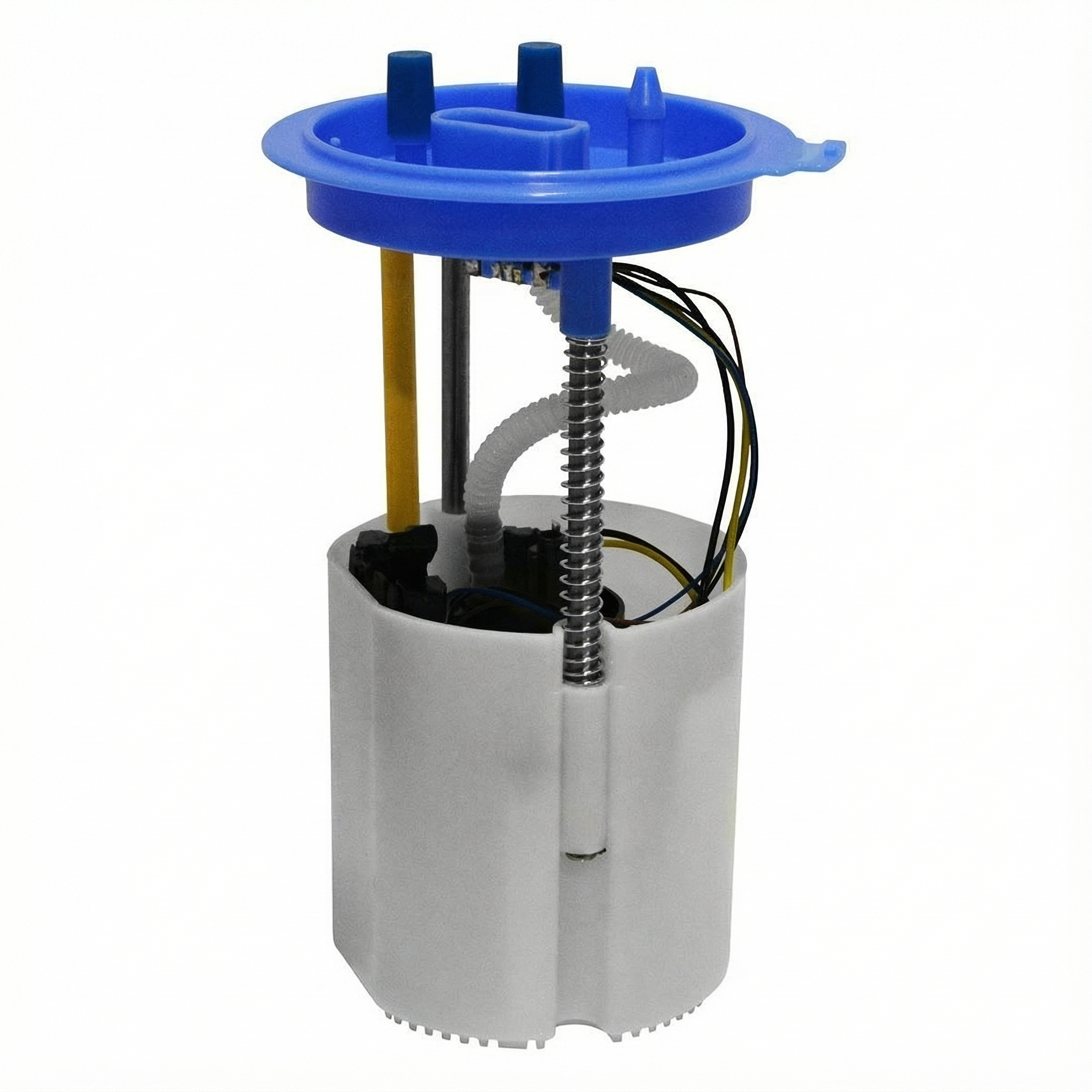
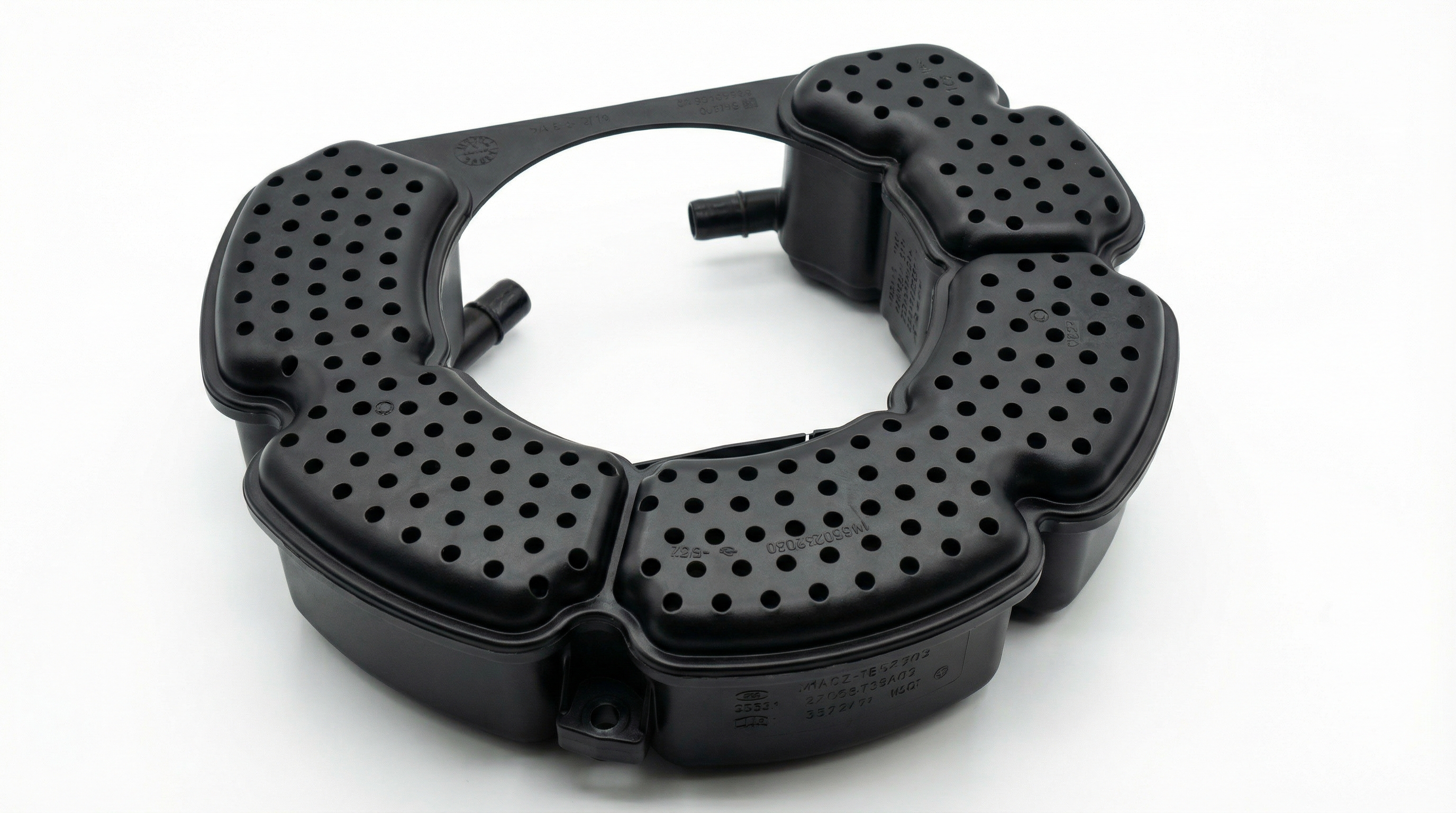
New Aftermarket Parts Available


The information in this article is provided for general reference and educational purposes only. Vehicle specifications, procedures, and part compatibility can vary by production date, trim level, and region. Always consult your vehicle's factory service manual and verify part numbers before purchasing or performing repairs. Safety-critical components such as airbags, seat belts, and braking systems should be installed by a qualified professional.
- Volkswagen BEETLE CONVERTIBLE:
- 🎬 Helpful Videos
- 🛍️ Shop This Part
- What's Unique About the 2016-2018 Volkswagen BEETLE CONVERTIBLE
- Diagnostic Flowchart
- Symptoms You May Notice
- Most Likely Causes
- Rare But Worth Checking
- Diagnosis Steps
- Parts You'll Likely Need
- Related Codes That Often Appear With This One
- Technical Service Bulletins (TSBs) & Recalls
- Platform-Specific Known Issues
- Mechanic-Grade Diagnostic Values
- Scan Tool Commands That Help
- Wiring & Ground Locations
- "I Checked Everything" — The Actual Cause
- When the Usual Fixes Don't Work
- OEM Part Supersession History
- 🎟️ Get 5% Off