

P0441 on 2019-2025 Ram 1500: EVAP Incorrect Purge Flow Causes and Fixes
On 2019-2025 Ram 1500s, P0441 is often caused by a faulty EVAP purge valve or a bad fuel tank pressure sensor. If you also have trouble filling the gas tank, the charcoal canister may be saturated. Expect to pay $40-$150 for a purge valve or sensor, and $200+ for a canister.
- P0441 on a 2019-2025 Ram 1500 means the EVAP system has incorrect vapor flow.
- If your main symptom is just the Check Engine Light, the EVAP purge valve is the most likely culprit.
- If you also have extreme difficulty filling the gas tank, the problem is more likely a saturated charcoal canister or a blocked vent filter.
- Avoid replacing the gas cap as a first step; it rarely fixes this specific code.
- A known faulty Fuel Tank Pressure Sensor assembly (P/N 52029939AC) could be the cause on some trucks.
What's Unique About the 2019-2025 Ram 1500

On the 5th Generation Ram 1500 (DT platform), code P0441 is frequently accompanied by a very specific and frustrating symptom: the fuel pump nozzle constantly clicks off during refueling, making it very hard to fill the tank. This is often due to a saturated charcoal canister or a faulty component in the tank's venting system, an issue so common that Ram has issued Technical Service Bulletins (TSBs) about it. Unlike many other vehicles, the issue may be less about a simple stuck valve and more about a systemic pressure and venting problem. For trucks in dusty environments, TSB 25-009-24 recommends an upgraded dual-filter kit to prevent clogging that causes these symptoms.
Diagnostic Flowchart

Tap your situation to follow the diagnostic path that matches what you're seeing on this vehicle.
Generation note: The 2019-2025 model years include both the newer 5th Generation Ram 1500 (code 'DT') and the 'Ram 1500 Classic' (code 'DS'), which is a carryover of the 4th Generation. While the causes can be similar, the widespread 'hard to fill' issue is most prominently documented on the 5th Gen (DT) models. TSB 25-009-24 explicitly covers both DS and DT platforms. It is also critical to know your fuel tank size (e.g., 26-gallon vs 33-gallon), as some parts like the charcoal canister are not interchangeable.
Symptoms You May Notice

- Check Engine Light is on
- Difficulty filling the fuel tank (gas pump nozzle clicks off repeatedly).
- A 'Check Gas Cap' message may appear on the dash, though the cap itself is rarely the cause for this specific code.
- Rough idle, especially after refueling (if the purge valve is stuck open).
- Slight decrease in fuel economy.
- Replacing the gas cap. While a faulty gas cap can cause other EVAP codes (like P0456 for a small leak), it is not a common cause for the P0441 'Incorrect Purge Flow' code on these trucks, as P0441 relates to flow dynamics rather than a static leak.
Most Likely Causes

- Faulty EVAP Purge Valve/Solenoid 🔴 High Probability The purge valve is a constantly working solenoid that can wear out or get stuck open or closed from fuel vapor contaminants. Overfilling the fuel tank can sometimes send charcoal particles from the canister into the purge valve, causing it to jam.
How to confirm: With the engine running, use a scan tool to command the purge valve open and closed. You should hear it click and see a change in EVAP system vacuum or fuel tank pressure. Alternatively, remove the valve (it should be closed with no power) and try to blow through it; if air passes, it's stuck open.
Typical fix: Replace the EVAP purge valve. It is typically located in the engine bay and is relatively easy to access and replace. 🎬 See this walkthrough for replacing the purge valve solenoid.
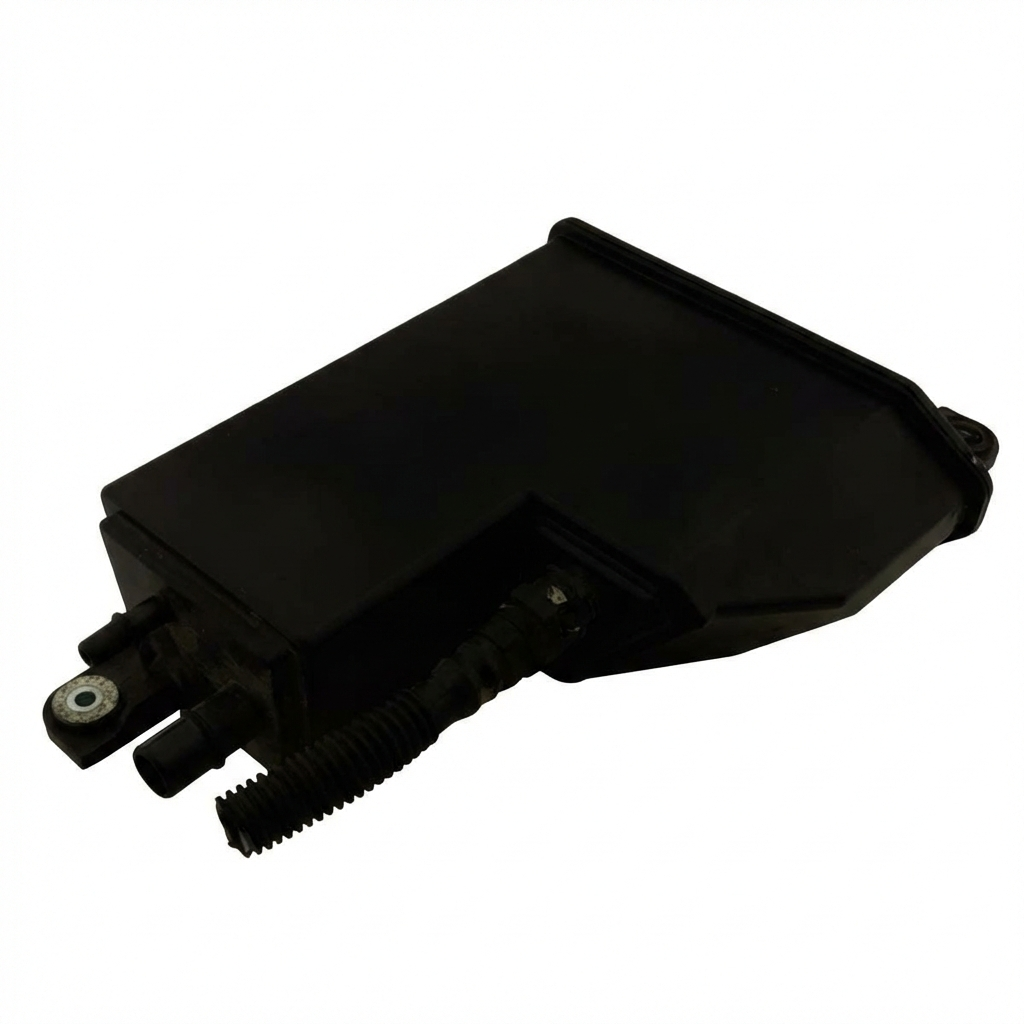
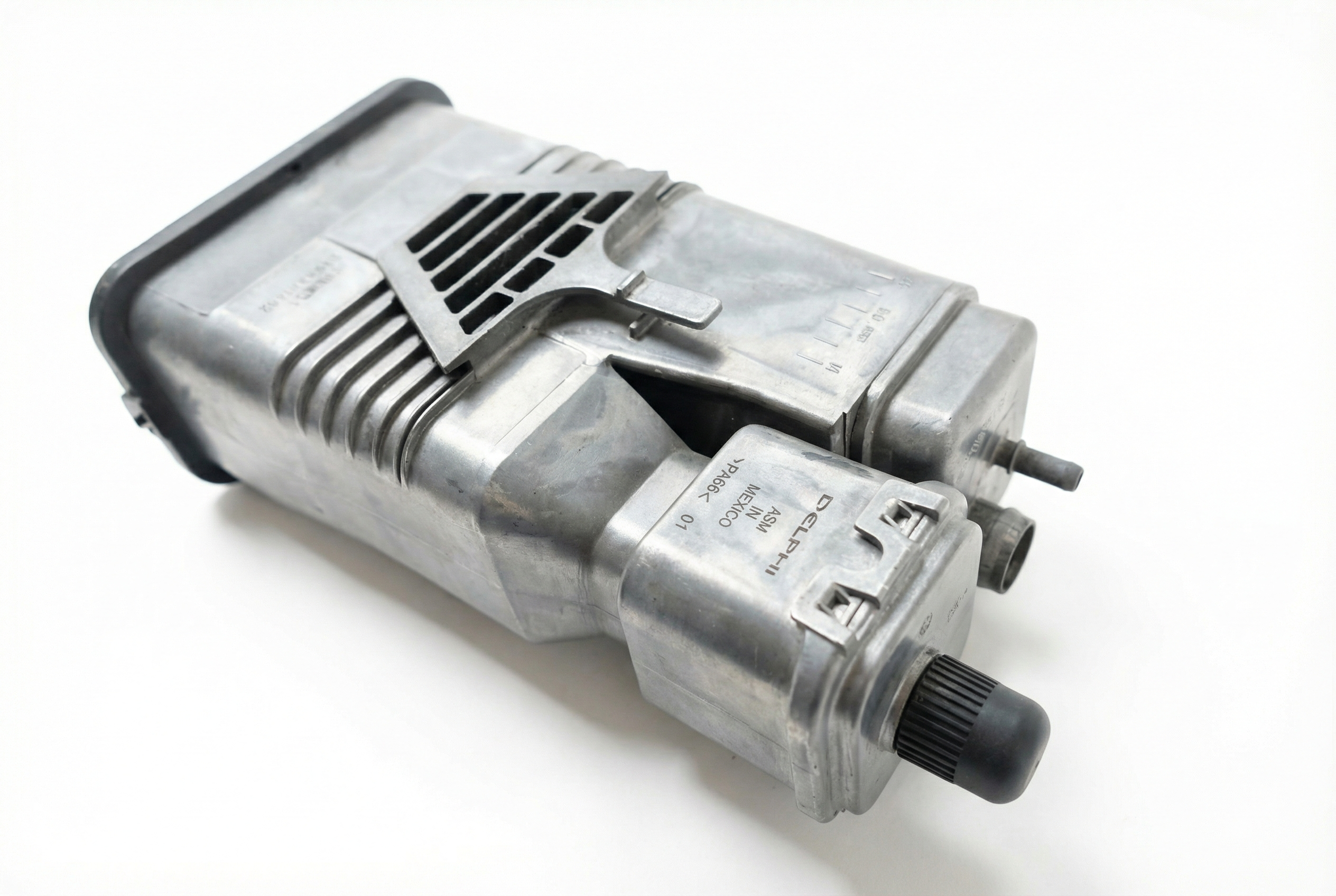
Est. part cost: $40-$90 - Saturated or Failed Charcoal Canister 🟡 Medium Probability Consistently overfilling the fuel tank after the pump clicks off can force liquid gasoline into the charcoal canister, which is only designed for vapor. This saturates the charcoal, causing blockages that lead to the 'hard to fill' symptom and incorrect purge flow.
How to confirm: This is often diagnosed by symptom. If P0441 is present and the truck is very difficult to fuel, the canister is the prime suspect. A mechanic may perform a smoke test or check for fuel contamination or charcoal pellets in the canister lines.
Typical fix: Replace the charcoal canister assembly. It is located near the fuel tank.
Est. part cost: $150-$250 - Faulty Fuel Tank Pressure Sensor 🟡 Medium Probability A known faulty batch of the 'Fuel Tank Pressure Sensor/Recirculation Tube Assembly' was reportedly installed on 2019 models, causing them to send skewed voltage readings to the PCM.
How to confirm: Use a scan tool to monitor the fuel tank pressure sensor voltage with the key on and engine off. The reading should be around 2.5-2.6 volts at atmospheric pressure. If the voltage is significantly different (e.g., 3.9V as seen in one diagnostic video 🎬 Watch: Diagnostic steps for the P0441 code and sensor voltage.), the sensor is bad. A forum member noted a known faulty part number is 52029939AC, which has been superseded.
Typical fix: Replace the fuel tank pressure sensor assembly. It is located on top of the fuel tank and may require lowering the tank for access. The updated part number is 52029939AD.
Est. part cost: $50-$150 - Blocked EVAP Vent Filter ⚪ Low Probability For trucks operated in dusty environments, the fresh air filter for the EVAP system can become clogged, restricting airflow and causing pressure issues during fueling and purging.
How to confirm: Visually inspect the filter, which is located near the fuel tank. If it is packed with dirt and debris, it is likely clogged. This is often diagnosed in conjunction with the 'hard to fill' symptom.
Typical fix: For vehicles in normal conditions, replace the stock filter. For vehicles in severe/dusty conditions, Ram recommends installing an upgraded dual-filter kit per TSB 25-009-24. The Mopar kit part number is 68478013AA.
Est. part cost: $30-$60 for stock, ~$100 for the dual-filter kit.
Rare But Worth Checking
- Damaged EVAP Hoses: Check for cracked, disconnected, or even rodent-damaged EVAP lines, especially if the code appeared after driving on rough roads or if the truck sat for a period. A user on YouTube found a chewed hose was the cause of their P0441, P0456, and P0457 codes. A visual inspection or smoke test is the best way to find a leak.
Diagnosis Steps
- Read the codes with an OBD-II scanner and note any other codes present, especially P062A or any leak codes (P045x).
- Check for the most common symptom: Is the truck difficult to fuel? If yes, suspect the charcoal canister, vent filter, or fuel tank pressure sensor.
- If at a dealer or capable shop, check for any available PCM software updates, as this is a common first step for many electronic issues.
- Using a scan tool with the Key On, Engine Off (KOEO), monitor the Fuel Tank Pressure (FTP) sensor voltage. It should read close to 2.5-2.6V at atmospheric pressure. If the reading is abnormal, the sensor is a primary suspect.
- Inspect the EVAP purge valve in the engine bay. Test its operation with a scan tool or by removing it to see if it's stuck open or closed.
- Visually inspect all accessible EVAP hoses between the engine, purge valve, and canister for obvious cracks, rodent damage, or disconnections.
- If operating in a dusty area, inspect the EVAP vent filter near the fuel tank for clogging. Consider the upgrade kit mentioned in TSB 25-009-24 if this is a recurring issue. 🎬 Watch: How to fix fueling issues and replace the filter.
- If a leak is suspected (especially with other codes), perform a smoke test on the EVAP system to pinpoint the source.
Parts You'll Likely Need
- EVAP Purge Valve / Solenoid
(OEM #4627831AB (for 3.6L/5.7L, check specific application))— This is a frequently failing component for this code. It gets stuck open or closed, directly causing incorrect purge flow.
Trusted brands: Mopar, Standard Motor Products (SMP), Dorman
OEM price range: $60-$90
Aftermarket price range: $40-$70 - Fuel Tank Pressure Sensor / Recirculation Tube Assembly
(OEM #52029939AD (supersedes 52029939AC))— A known failure point on some 2019+ models that causes P0441 by sending incorrect data to the PCM. Replacing this part has solved the issue for many owners, especially when accompanied by fueling issues.
Trusted brands: Mopar
OEM price range: $70-$120
Aftermarket price range: $50-$90 - Charcoal Canister — Fixes the P0441 code when it's accompanied by the 'hard to fill' symptom, which is common on this truck. Usually fails due to fuel saturation from over-filling the tank.
Trusted brands: Mopar
OEM price range: $150-$250
Aftermarket price range: $100-$180
Related Codes That Often Appear With This One
- P062A — As cited in TSBs 25-009-24 and 25-001-21, 'Fuel Pump Control Performance' can appear with P0441, indicating a complex venting issue that also causes the 'hard to fill' symptom, often related to a clogged EVAP filter in dusty conditions.
- P0456 / P0457 — These codes indicate a small or large leak in the EVAP system. If you have one of these alongside P0441, it strongly suggests a physical leak from a cracked hose, a bad seal, or a faulty canister is present, not just a stuck valve.
Technical Service Bulletins (TSBs) & Recalls
- 25-009-24: Links P0441 with P062A and 'Hard to fill' fueling issue, recommending an upgraded filter kit for dusty environments.
- 25-001-21: Also links P0441 with P062A and fueling issues.
Platform-Specific Known Issues
- TSB #25-009-24 and #25-001-21 address a Malfunction Indicator Lamp (MIL) with P0441 and/or P062A, along with a customer complaint of the fuel tank being hard to fill. The bulletins advise that for trucks in severe/dusty conditions, an upgraded 'Dual EVAP System Extreme Duty Vapor Canister Filter Kit' (P/N 68478013AA) is available to fix the issue.
- A faulty batch of Fuel Tank Pressure Sensor/Recirculation Tube Assemblies (P/N 52029939AC) was reportedly installed on some 2019 models, leading to persistent P0441 codes. A user on RamForum.com confirmed their dealer replaced this part under warranty to solve both the code and the 'hard to fill' issue. The part has since been updated to P/N 52029939AD.
Mechanic-Grade Diagnostic Values
- EVAP Purge Solenoid Control/Return Circuit Resistance (Open/High Resistance Check) — expected: Below 5.0 Ohms. Failure: A reading above 5.0 Ohms indicates an open or high resistance in the wiring between the PCM and the purge solenoid.
- EVAP Purge Solenoid Control/Return Circuit Resistance (Short to Ground Check) — expected: Above 10,000 Ohms (10k Ohms). Failure: A reading below 10k Ohms indicates a short to ground in the wiring.
Hidden / Shadow Codes Worth Checking
- Permanent DTC (pDTC): This is not a unique code, but a status. After a repair, a standard scanner may no longer show a 'current' or 'pending' code, but a 'permanent' P0441 may remain. This code cannot be cleared manually with a scanner or by disconnecting the battery. (see via It may be visible in a dedicated section of a more advanced OBD-II scanner. The Check Engine Light will be OFF, but the code remains stored until the PCM completes a specific number of successful self-tests (drive cycles), at which point it will clear itself.)
Scan Tool Commands That Help
- wiTECH (Dealer Tool): EVAP System Leak Verification Test (SLVT) — This is a dealer-level automated routine to test the integrity of the entire EVAP system. It's often used to confirm a leak exists before proceeding with a manual smoke test.
- Advanced Scan Tool: Evaporative Purge Valve Solenoid Duty Cycle — This bidirectional control allows a technician to command the purge valve to open at varying percentages while monitoring fuel tank pressure or vacuum. It is used to confirm if the valve is physically responding to PCM commands and if flow is occurring as expected.
Wiring & Ground Locations
- EVAP Purge Solenoid Connector — On the EVAP purge solenoid, located in the engine bay, typically on or near the intake manifold.. This is the connection point for testing the solenoid and its wiring. The circuit from the PCM C1 connector to this point can be tested for opens, shorts, or high resistance. The two key circuits are the (K52) Evap Purge Control circuit and the (K70) Evap Purge Return circuit.
- PCM C1 Harness Connector — One of the main connectors at the Powertrain Control Module (PCM).. This is the origin point for the EVAP purge solenoid control and return circuits. A technician would test for continuity and resistance between this connector and the solenoid connector to rule out a wiring harness issue.
Real Owner Repair Stories
- RamForum.com user (2019 Ram 1500 5.7L) — P0441 Check Engine Light, plus a long-term issue with the gas pump nozzle stopping constantly during fill-ups.
❌ Tried (didn't work) Owner considered self-repair but took it to the dealer due to warranty.
✅ What actually fixed it The dealer replaced the 'Fuel Tank Pressure Sensor/Recirculation Tube Assembly' (P/N 52029939AC) under warranty, which solved both the code and the fueling problem. The user was told there was a 'bad run' of these parts. - YouTube user 'Dantastic' (2014 Ram 1500 (4th Gen, but relevant parts/issues)) — P0441, P0456 (small leak), and P0457 (large leak) codes, along with a 'Check Gas Cap' message.
❌ Tried (didn't work) Replacing the gas cap.
✅ What actually fixed it Upon visual inspection under the truck, the owner discovered a hose with a hole chewed in it by an animal. Replacing the damaged EVAP hose (Mopar P/N 55398515AB) resolved all the codes. - YouTube user 'Mastering Mayhem' (2022 Ram 2500 6.4L (Similar EVAP components)) — P0441 Check Engine Light appeared shortly after overfilling the gas tank.
✅ What actually fixed it The owner replaced the EVAP purge valve (solenoid) in the engine bay and the gas cap. After clearing the code, it did not return after 200 miles of driving, confirming the fix. - Reddit user 'agent00snap' (2019 Ram 1500) — Check Engine Light with a code similar to P0441.
✅ What actually fixed it The user took the truck to the dealer, where it was diagnosed with a stuck-open purge valve. The repair was performed under warranty.
"I Checked Everything" — The Actual Cause
- The P0441 code specifically tests for 'Incorrect Purge Flow,' not just leaks. A common scenario is a purge valve that is stuck closed. In this state, the EVAP system is perfectly sealed and will pass a smoke test, showing no leaks. However, when the PCM commands the purge valve to open to draw vapors into the engine, it monitors the fuel tank pressure sensor for a corresponding drop in pressure (increase in vacuum). If the valve is stuck closed and no flow occurs, the pressure won't change, causing the PCM to log code P0441 despite the system being leak-free.
OEM Part Supersession History
52029939AC→52029939AD— This Fuel Tank Pressure Sensor/Recirculation Tube Assembly was reportedly part of a faulty batch on 2019 models. The new part number is the corrected version.4627831AA→4627831AB— Standard part revision for the EVAP Purge Valve.
Model Year Variations Within This Range
- 2019-2025: The 2019 model year marked the split between the new 5th Gen 'DT' platform and the carryover 4th Gen 'DS' platform (sold as the Ram 1500 Classic). While they share similar engines and EVAP principles, body styles, technology, and some part locations differ significantly.
- 2019-2025 (All platforms): The vapor canister (charcoal canister) is specific to the fuel tank size. Trucks with the standard 26-gallon tank use a different canister than trucks with the optional 32 or 33-gallon tanks. Installing the wrong canister will cause persistent EVAP codes. Always verify tank size before ordering a replacement canister.
Helpful Videos
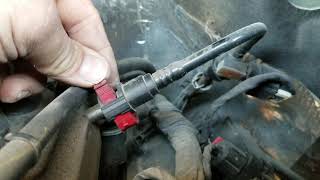
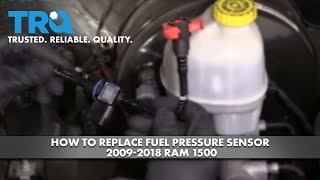
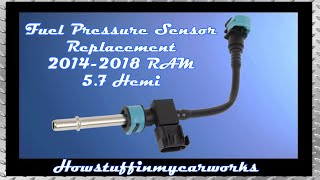
Used OEM Parts in Stock


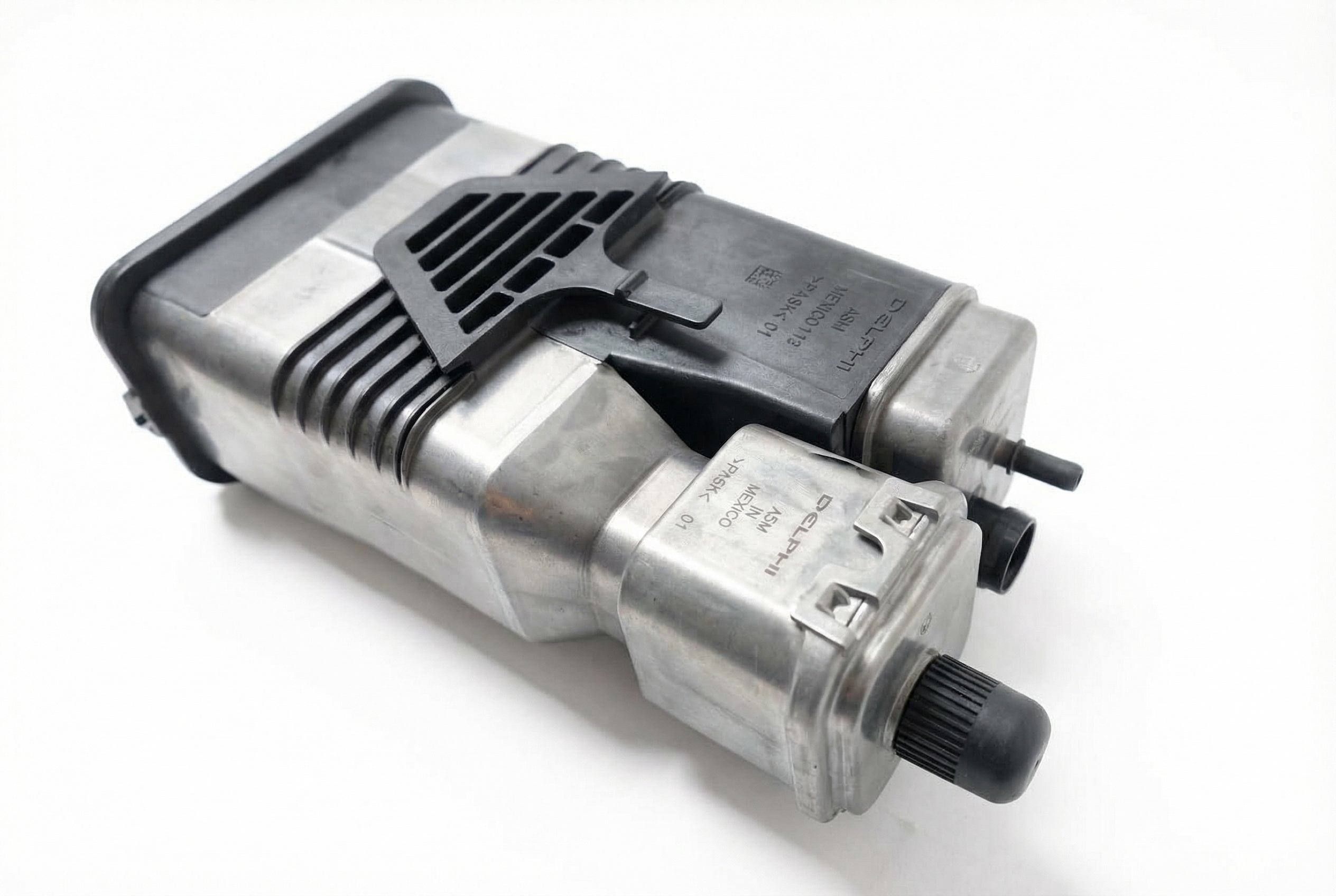
New Aftermarket Parts Available


The information in this article is provided for general reference and educational purposes only. Vehicle specifications, procedures, and part compatibility can vary by production date, trim level, and region. Always consult your vehicle's factory service manual and verify part numbers before purchasing or performing repairs. Safety-critical components such as airbags, seat belts, and braking systems should be installed by a qualified professional.
- Ram 1500:
- 🎬 Helpful Videos
- 🛍️ Shop This Part
- What's Unique About the 2019-2025 Ram 1500
- Diagnostic Flowchart
- Symptoms You May Notice
- Most Likely Causes
- Rare But Worth Checking
- Diagnosis Steps
- Parts You'll Likely Need
- Related Codes That Often Appear With This One
- Technical Service Bulletins (TSBs) & Recalls
- Platform-Specific Known Issues
- Mechanic-Grade Diagnostic Values
- Hidden / Shadow Codes Worth Checking
- Scan Tool Commands That Help
- Wiring & Ground Locations
- Real Owner Repair Stories
- "I Checked Everything" — The Actual Cause
- OEM Part Supersession History
- Model Year Variations Within This Range
- 🎟️ Get 5% Off