

P0441 on 2010-2016 Mercedes-Benz E-Class: Incorrect Purge Flow Causes and Fixes
For a 2010-2016 Mercedes E-Class, the P0441 code is almost always caused by a faulty EVAP purge valve (solenoid) located in the engine bay. This part commonly fails due to internal seal degradation. Replacing the valve is a straightforward DIY job, with the part costing between $50 for an aftermarket version and $150 for an OEM part. A common OEM part number is A2124702793, and a popular aftermarket equivalent is Bosch 0280142486.
- P0441 on a 2010-2016 E-Class points directly to a problem with the EVAP system's purge flow.
- The most likely cause by far is a faulty purge valve, which tends to stick open or closed due to age.
- A key symptom of a bad purge valve is having trouble starting the car right after you fill the gas tank.
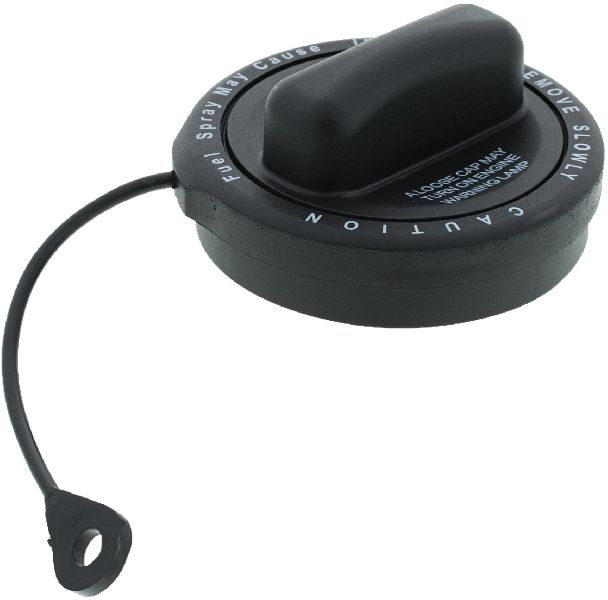
- Before buying parts, check that the gas cap is tight and its seal is not cracked.
- Replacing the purge valve is a simple DIY task for most owners and is the most probable fix.
What's Unique About the 2010-2016 Mercedes-Benz E-Class
On the W212 and C207/A207 E-Class, the purge valve is a very common failure point that sets the P0441 code. The valve's internal seals can degrade over time from exposure to fuel vapors, causing it to stick open or closed. A classic symptom of it sticking open is difficulty starting the car immediately after refueling. While other causes like a loose gas cap are possible, a faulty purge valve is the primary suspect on this specific platform. Forum users on MBWorld and PeachParts frequently cite replacing the purge valve as the definitive fix for this code.
Generation note: The 2010-2016 year range covers the W212 generation (sedan and wagon) and the C207/A207 generation (coupe and convertible). The C207/A207 models are marketed as E-Class but are mechanically based on the W204 C-Class platform. However, for this specific EVAP issue, the causes and fixes are largely the same as they often share engine and emissions components.
Symptoms You May Notice
- Check Engine Light is on
- Difficulty starting the engine right after getting gas (long crank time)
- Slight fuel odor, especially around the rear of the car
- Rough idle in some cases
- Engine may surge at very low speeds when coming to a stop
- Replacing the charcoal canister when the purge valve is the actual problem.
- Replacing O2 sensors or other unrelated emissions components before properly diagnosing the EVAP system.
- Mistaking a rough idle or starting issue for a fuel pump or injector problem when it's caused by a stuck-open purge valve.
Most Likely Causes
- Faulty EVAP Purge Valve (Solenoid) 🔴 High Probability The internal seals of the purge valve are known to wear out and degrade from prolonged exposure to fuel vapors, causing the valve to stick open or closed. This is a widely reported failure on Mercedes forums for this era.
How to confirm: The most telling symptom is a long crank or difficulty starting after refueling. 🎬 Watch: Why your car won't start after getting gas. You can also test the valve directly: with the engine off, disconnect the valve and try to blow through it; it should be closed (no air passes). If air passes, it's stuck open. Apply 12V power to its electrical connector; it should click open and allow air to pass. If it's stuck open or doesn't open with power, it's faulty.
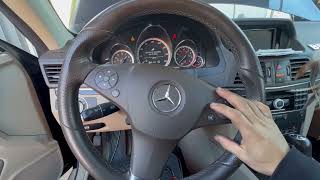
Typical fix: Replace the purge valve. It is typically located in the engine bay, mounted near the intake manifold with two hoses and an electrical connector. On many E-Class models, it's near the windshield washer fluid reservoir. 🎬 Watch: See this E350 purge valve replacement walkthrough.
Est. part cost: $50-$150 - Loose or Faulty Gas Cap 🟡 Medium Probability
How to confirm: Ensure the gas cap is tightened until it clicks. Inspect the rubber seal on the cap for any cracks, tearing, or signs of wear. A worn seal will not hold pressure. A loose cap is a very common cause for EVAP codes in general.
Typical fix: If the cap is loose, tighten it and clear the codes. If the seal is damaged, replace the gas cap with a new OEM or high-quality aftermarket part.
Est. part cost: $25-$60 - Cracked or Disconnected EVAP Hoses ⚪ Low Probability Over time, the rubber and plastic hoses in the engine bay can become brittle and crack due to heat cycles.
How to confirm: Visually inspect all vacuum and EVAP lines connected to the purge valve and intake manifold for visible cracks, loose connections, or deterioration. A smoke test is the most effective way to find small, hard-to-see leaks.
Typical fix: Replace any cracked or broken hoses. Ensure all connections are secure.
Est. part cost: $10-$50
Rare But Worth Checking
- Clogged Charcoal Canister: This can happen if you habitually 'top off' your fuel tank after the pump clicks off. Excess fuel can flood the canister and saturate the charcoal pellets, causing a restriction. A clogged canister can prevent vapors from passing through to the purge valve.
- Faulty EVAP Purge Line with Check Valve: In some cases, particularly on the related W204 C-Class platform, a check valve integrated into the purge line itself can fail. A dealer diagnosis on a W204 with P0441 pointed to a faulty 'Purge line with check valve' (part # 271-018-02-00) and required a software update.
- Faulty Fuel Tank Pressure Sensor: In rare cases, the fuel tank pressure sensor can provide erratic readings without setting its own specific fault code (e.g., P0451-P0453). The ECU relies on this sensor to verify the EVAP system's integrity and purge flow. If the sensor data is incorrect, the ECU may incorrectly flag a P0441, even if the purge valve and hoses are fine.
Diagnosis Steps
- Read the code with an OBD-II scanner and note any other codes present.
- Check the gas cap. Ensure it is tight and the seal is in good condition. If in doubt, it's an inexpensive first step to replace.
- Pay attention to symptoms. If the car is hard to start after refueling, the purge valve is the most likely culprit.
- Locate the purge valve in the engine bay. It will have hoses connecting it to the intake manifold and the EVAP canister line. It is often found near the washer fluid reservoir.
- Visually inspect the hoses connected to the purge valve for cracks or disconnections.
- Test the purge valve. With the engine cold and off, disconnect the hose coming from the charcoal canister and try to blow through the valve. It should be closed (no air passes). If you can blow through it, it's stuck open and needs replacement.
- If the valve is not stuck open, you can test its operation with a 12V power source. Apply power to the electrical pins; you should hear an audible click as the solenoid opens. The internal resistance of the solenoid coil should be between 15 and 30 Ohms.
- If the purge valve and gas cap are good, the next step is a smoke test to check the entire EVAP system for hidden leaks in hoses or the charcoal canister.
Parts You'll Likely Need
- Vapor Canister Purge Valve / Solenoid
(OEM #A2124702793, A0004708893)— This is the most common failure point for the P0441 code on this vehicle due to internal seal degradation.
Trusted brands: Bosch, Genuine Mercedes-Benz
OEM price range: $100-$150
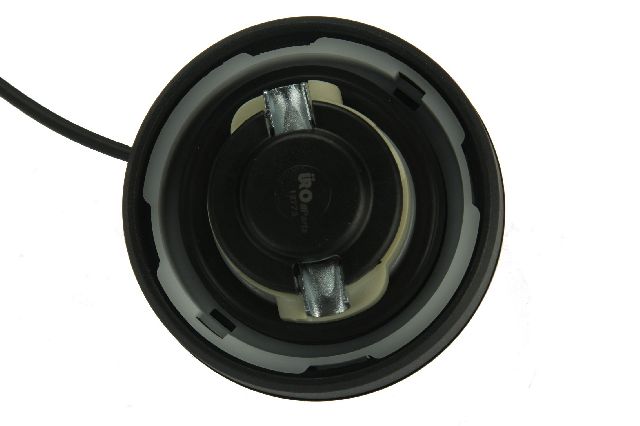
Aftermarket price range: $50-$90 - Fuel Cap — A worn out or damaged gas cap seal can prevent the EVAP system from holding pressure, though it more commonly causes small leak codes. It is an easy and inexpensive first step.
Trusted brands: Genuine Mercedes-Benz
OEM price range: $40-$60
Aftermarket price range: $25-$40
Related Codes That Often Appear With This One
- P0455 — A stuck-open purge valve can be interpreted by the ECU as a 'Large EVAP Leak', triggering P0455. One owner of a 2010 E550 reported seeing both P0455 and P0451 (related to the pressure sensor) while chasing an EVAP issue.
- P0171 / P0174 — If the purge valve is stuck open, it creates a vacuum leak by allowing unmetered fuel vapors into the engine. The ECU may try to compensate for this lean condition, triggering 'System Too Lean' codes.
- P0456 — A small leak in the system, sometimes from a bad gas cap seal or a cracked hose, can accompany the incorrect flow code. 🎬 Watch: Understanding P0441 causes, symptoms, and fixes. The ECU may flag both the flow issue and the leak itself.
Mechanic-Grade Diagnostic Values
- Vapor Canister Purge Valve (Solenoid) Coil Resistance — expected: 15 - 30 Ohms. Failure: A reading of infinity (open circuit) or near zero (short circuit) indicates a failed solenoid coil.
- Purge Valve Connector Voltage (Key On, Engine Off) — expected: Approximately 12V (battery voltage) on one pin, 0V on the other.. Failure: No voltage suggests a problem with the fuse or power supply from the SAM (Signal Acquisition Module).
Scan Tool Commands That Help
- Mercedes-Benz XENTRY/DAS: EVAP System Leakage Test (Guided Function) — This is the definitive, dealer-level test to run when basic checks (gas cap, visual inspection) don't reveal the cause. The software automatically seals the EVAP system, actuates the vent and purge valves, and uses the fuel tank pressure sensor to monitor for pressure decay, providing a pass/fail result that is more reliable than a manual smoke test for detecting certain faults. It is typically found under: Control Units -> ME-SFI (Motor Electronics) -> Troubleshooting by symptoms -> Check fuel tank leakage.
Wiring & Ground Locations
- Purge Valve Connector (Y58/1) — On the purge valve itself, located in the engine bay, often near the windshield washer fluid reservoir.. This 2-pin connector provides power and control to the valve. Pin 1 is typically the 12V power feed from a fuse in the front SAM, and Pin 2 is the ground-side signal controlled by the Engine Control Module (ME-SFI). Corrosion or a loose connection here will cause a P0441 or related circuit codes.
- W16/5 (Engine Electronics Ground) — A common ground point located in the engine compartment on the driver's side (LHD) inner fender/wheelhouse area.. This is a primary ground point for many engine sensors and actuators, including the circuit for the purge valve. A corroded or loose connection at this stud can cause intermittent and difficult-to-diagnose electrical issues, including incorrect operation of the purge valve leading to a P0441 code.
Real Owner Repair Stories
- MBWorld.org forum user reports (2011 Mercedes-Benz E350 (W212)) — Check Engine Light with codes P0441 and P0455. Owner also experienced difficult starting (long crank) immediately after refueling.
❌ Tried (didn't work) Checking the gas cap.
✅ What actually fixed it Replacing the vapor canister purge valve (OEM part A2124702793) resolved both the codes and the hard-starting symptom. This is the classic failure pattern for this vehicle. - Diagnostic case study from various technician forums (Mercedes-Benz C300 (W204), which shares engine/emissions architecture with the C207 E-Class.) — Persistent P0441 code.
❌ Tried (didn't work) Replacing the purge valve., Performing a smoke test, which showed no leaks in the system.
✅ What actually fixed it The technician monitored live data from the fuel tank pressure sensor and noticed its readings were erratic and not responding as expected during purge cycles. Replacing the fuel tank pressure sensor finally resolved the P0441 code. The sensor was providing bad data to the ECU, causing it to fail the purge flow monitor test, even though the sensor itself hadn't failed completely enough to set its own specific code.
"I Checked Everything" — The Actual Cause
- In some documented cases on related platforms, a P0441 code will persist even after a smoke test comes back clean. A common culprit in this scenario is a faulty fuel tank pressure sensor. The sensor may not have failed completely to trigger its own code (like P0451-P0453), but it provides incorrect readings to the ECU during the EVAP self-test, causing the system to believe there is a flow problem when there isn't one. A technician with a high-level scan tool can observe the sensor's live data to spot the erratic behavior.
When the Usual Fixes Don't Work
- While the purge valve is the most common cause, it is not the only cause. There are multiple forum reports where an owner replaced the purge valve, but the P0441 code returned. In one such case, the final fix was a small, hard-to-see cracked vacuum hose near the throttle body that was missed during the initial visual inspection. This highlights the importance of a thorough diagnosis, including a smoke test, if replacing the purge valve doesn't solve the issue.
OEM Part Supersession History
A2124702493→A2124702793— Standard part revision and consolidation by the manufacturer.
Heads up: These parts are generally interchangeable. A2124702793 is the most current and widely available number. It is often sold under other numbers like A0004708893 as well.
Diagnostic Flowchart
Other Known Issues on This Vehicle
Issues unrelated to this code that are worth knowing about as an owner of this generation:
- M276/M278 Timing Chain Tensioner Rattle on Startup 🟠 Medium — Common on earlier M276/M278 engines (approx. 2011-2014). A rattling noise on cold start that quickly disappears. Caused by lack of oil pressure at the tensioners. (Ref: Mercedes issued service bulletins and updated parts (check valves, improved tensioners) to address the issue.)
- Fading Burl Walnut Wood Trim 🟡 Low — Extremely common on 2010-2016 models with burl walnut trim (option code 731 or H14). The wood fades, discolors, or gets a cloudy appearance due to inadequate UV protection. (Ref: Multiple TSBs were issued (e.g., LI68.10-P-050415). A class-action lawsuit resulted in a settlement providing extended warranty coverage for replacement.)
- Rear Airmatic Suspension Failure 🟠 Medium — Common on models equipped with rear or full Airmatic suspension, typically after 60,000-80,000 miles. The rear air springs develop leaks, causing the rear of the car to sag, especially overnight. This overworks the compressor, leading to further failure if not addressed.
- 7G-Tronic (722.9) Transmission Conductor Plate Failure 🔴 High — A well-known issue on the 722.9 transmission. Can cause harsh shifting, getting stuck in gear, or the vehicle entering limp mode. Often throws speed sensor fault codes (e.g., 0717, 0718).
- M276 Direct Injection Carbon Buildup 🟠 Medium — As a direct-injection engine, the M276 is prone to carbon buildup on the intake valves over time, as fuel does not wash over them. Can cause rough idle, misfires, and reduced performance, typically noticeable after 50,000+ miles.
- Engine Mount Collapse 🟡 Low — The hydraulic engine mounts tend to wear out and collapse, typically north of 70,000 miles. This results in increased vibration felt in the cabin and steering wheel, especially at idle.
Used vs. New Parts: Buying Guide for This Vehicle
When a used part is the smart pick: For this specific P0441 repair, sourcing a used purge valve from a junkyard is NOT recommended. The primary failure mode is the degradation of internal rubber seals from age and fuel vapor exposure. A used part will have similar age and wear, offering no guarantee of longevity and a high probability of premature failure.
What to inspect on the donor part:
- Not applicable as used parts are not recommended for this component.
OEM-only on this vehicle (don't cheap out):
- For the purge valve, a new OEM part is not strictly necessary. The aftermarket Bosch equivalent is widely considered to be of equal quality to the Genuine Mercedes-Benz part, often being the original supplier.
Aftermarket brands forum-validated for this vehicle:
- Bosch (for the purge valve, part number 0280142486)
Brands owners have reported issues with on this vehicle:
- Unbranded, no-name purge valves from online marketplaces like eBay or Amazon should be avoided. Forum users frequently report these parts failing within a few months, causing the P0441 code to return.
Real Owner Stories
Aggregated from forums and TSBs cited above. Mileages and costs reflect what owners reported in those sources.
W212 E-Class
Symptoms: Check Engine Light with P0441
What fixed it: Replacement of the fuel tank (completely covered by Mercedes-Benz)
Cost: $0-$0
Source hint: MBWorld.org Forums
2018 W204 C-Class (Platform Mate)
Symptoms: P0441 code present; dealer diagnosis identified a leak in the purge line
What fixed it: Replaced purge line with check valve (part # 271-018-02-00)
Source hint: MBWorld.org Forums - Where is this Purge Line???
2005 C220 (Platform Mate)
Symptoms: P0441 Evap Emission Control System Incorrect Purge Flow
What fixed it: Replacement of the purge valve (Part No. 000-470-22-93) after checking for disconnected vacuum lines
Source hint: PeachParts Mercedes-Benz Forum - P0441 Evap Emission Control System Incorrect Purge Flow
Related OBD-II Codes
Frequently Asked Questions
Why does my E-Class have trouble starting only after I fill up the gas tank?
Where is the purge valve located on a W212 E-Class?
Is there a specific part number I should look for if the purge line is leaking?
Can I test the purge valve myself before buying a new one?
Does the E-Class wood trim issue have anything to do with my P0441 code?
Could a loose gas cap really be the cause of a P0441 on my Mercedes?
Helpful Videos
Used OEM Parts in Stock


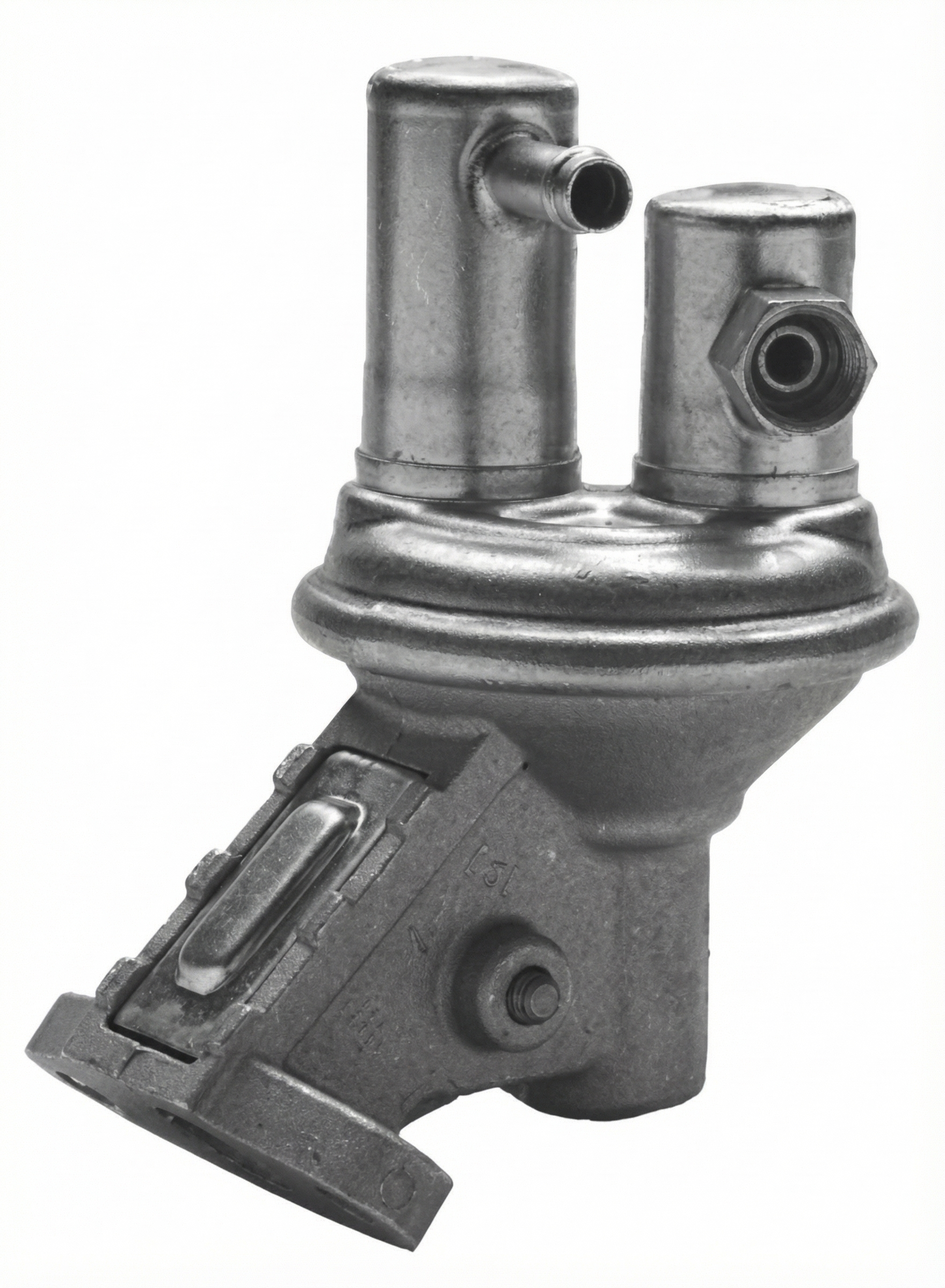
New Aftermarket Parts Available


The information in this article is provided for general reference and educational purposes only. Vehicle specifications, procedures, and part compatibility can vary by production date, trim level, and region. Always consult your vehicle's factory service manual and verify part numbers before purchasing or performing repairs. Safety-critical components such as airbags, seat belts, and braking systems should be installed by a qualified professional.
- Mercedes-Benz E-Class:
- 🎬 Helpful Videos
- 🛍️ Shop This Part
- What's Unique About the 2010-2016 Mercedes-Benz E-Class
- Symptoms You May Notice
- Most Likely Causes
- Rare But Worth Checking
- Diagnosis Steps
- Parts You'll Likely Need
- Related Codes That Often Appear With This One
- Mechanic-Grade Diagnostic Values
- Scan Tool Commands That Help
- Wiring & Ground Locations
- Real Owner Repair Stories
- "I Checked Everything" — The Actual Cause
- When the Usual Fixes Don't Work
- OEM Part Supersession History
- Diagnostic Flowchart
- Other Known Issues on This Vehicle
- Used vs. New Parts: Buying Guide for This Vehicle
- Real Owner Stories
- W212 E-Class
- 2018 W204 C-Class (Platform Mate)
- 2005 C220 (Platform Mate)
- Related OBD-II Codes
- Frequently Asked Questions
- 🎟️ Get 5% Off