

P0441 on 2012-2016 Kia Soul: Incorrect Purge Flow Causes and Fixes
On a 2012-2016 Kia Soul, P0441 is most often caused by a faulty canister purge valve or an outdated engine computer software. First, check with a Kia dealer about software updates (TSBs exist for this exact issue), then inspect the purge valve, which is a relatively inexpensive part to replace (~$25-$75). A key symptom of a failed purge valve is difficulty starting the car immediately after getting gas.
- First, check if your Soul needs a software update from a Kia dealer, as this is a known issue that can fix the code without replacing parts. [TSB-ENG164R1]
- If the software is current, the most likely culprit is a faulty canister purge valve located in the engine bay.
- This code will cause an automatic failure on an emissions test, so it should be addressed before inspection.
- The repair is generally straightforward for a DIYer, with the most common part (purge valve) being accessible and relatively inexpensive.
What's Unique About the 2012-2016 Kia SOUL

For this specific generation of Kia Soul, the P0441 code is frequently triggered by a software glitch in the Engine Control Unit (ECU). Kia released multiple Technical Service Bulletins (TSBs), such as TSB-ENG164R1 and TSBENG146R1, advising that an ECU software upgrade can resolve faulty logic that incorrectly flags a P0441. This means that before replacing any parts, the first step should always be to check if the vehicle's software is up to date, as this could be the entire problem. This issue is also common on the platform-mate Kia Rio.
Diagnostic Flowchart

Tap your situation to follow the diagnostic path that matches what you're seeing on this vehicle.
Generation note: This range covers two generations of the Kia Soul: the first generation (AM, 2012-2013) and the second generation (PS, 2014-2016). The provided TSBs regarding software updates for P0441 apply to vehicles in both generations, and the common hardware causes are similar across the entire 2012-2016 range. The 1.6L Gamma and 2.0L Nu engines used in these years share similar EVAP components.
Symptoms You May Notice

- Check Engine Light is on.
- Difficulty starting the engine immediately after refueling.
- Slightly rough idle, sometimes fluctuating.
- A faint smell of fuel.
- Slight decrease in fuel economy.
- High revs on a cold start.
- Replacing the gas cap when the issue is actually the purge valve or software.
- Replacing the expensive charcoal canister when the problem is a much cheaper and more accessible purge valve or hose.
- Using cheap, counterfeit aftermarket purge valves from online retailers like Amazon, which may be faulty out of the box.
Most Likely Causes

- Outdated Engine Control Unit (ECU) Software 🔴 High Probability Kia issued multiple TSBs (e.g., TSB-ENG164R1, TSBENG146R1) for 2012-2014 Soul models specifically to correct faulty ECU logic that causes this code to appear erroneously. The TSBs refer to this as a 'logic improvement'.
How to confirm: A Kia dealership or a qualified shop with access to Kia's service network can check your vehicle's VIN to see if the software update has been performed.
Typical fix: The ECU needs to be reprogrammed (flashed) with the updated software by a dealer or authorized technician.
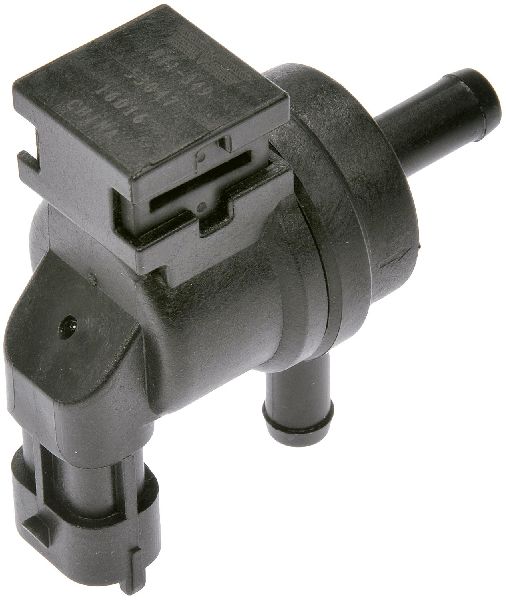
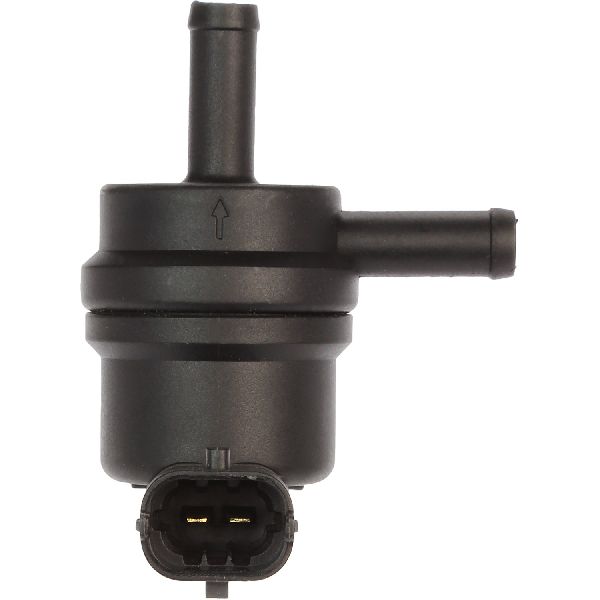
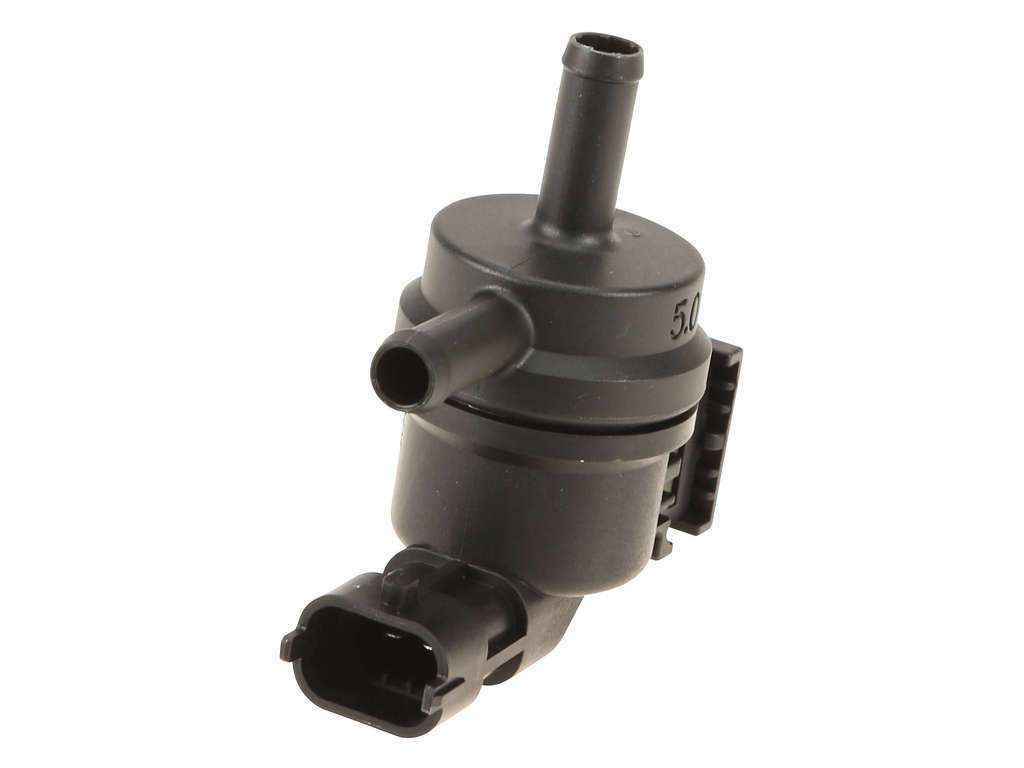
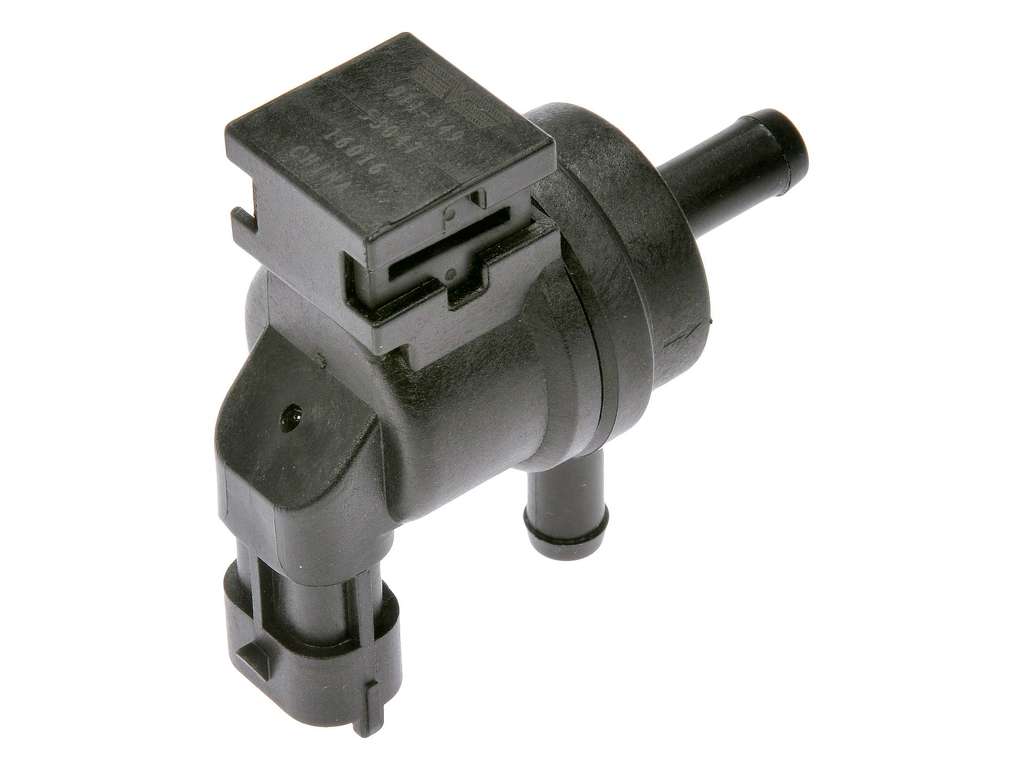
Est. part cost: $0-$150 - Faulty Canister Purge Valve (Purge Solenoid) 🔴 High Probability This is the most common hardware failure for P0441 across most Kia/Hyundai models. The valve, located in the engine bay near the intake manifold, can become clogged with carbon or get stuck open or closed over time. A stuck-open valve is a frequent culprit for the 'hard start after refueling' symptom.
How to confirm: With the engine off, remove the valve and try to blow through it; it should be closed (no airflow). You can then apply 12V to its terminals to see if it clicks and opens. A scan tool can also command the valve to open and close during testing.
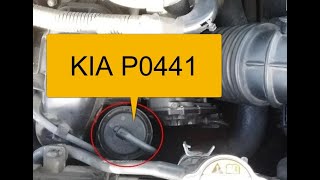
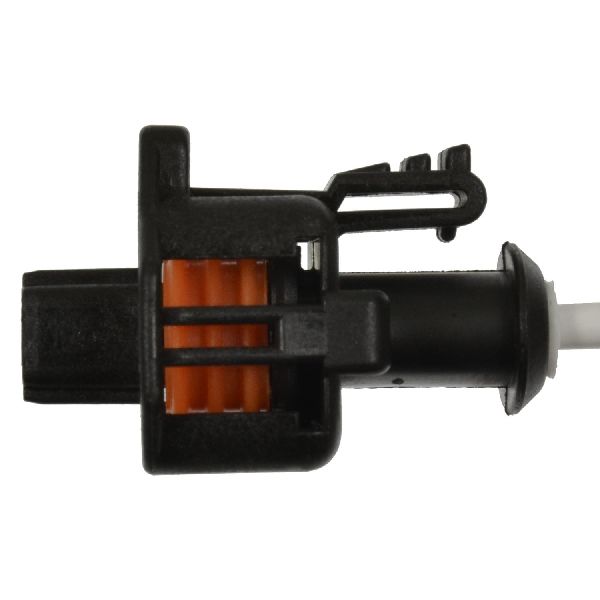
Typical fix: Replace the canister purge valve. It is typically located in the engine bay, connected to the intake manifold via two hoses and a single electrical connector.
Est. part cost: $25-$75 - Cracked or Disconnected EVAP Hoses 🟡 Medium Probability The rubber and plastic hoses in the EVAP system can become brittle and crack with age and exposure to engine heat. Sometimes hoses are connected incorrectly after other service.
How to confirm: Visually inspect all vacuum lines connected to the purge valve and running towards the charcoal canister for any visible cracks, loose fittings, or disconnections. A smoke test is the most effective way to find small leaks.
Typical fix: Replace the damaged section of hose or reconnect it securely. One mechanic on YouTube found a case where the PCV hose and purge valve hose were swapped by mistake.
Est. part cost: $5-$30 - Faulty or Loose Gas Cap ⚪ Low Probability While more commonly associated with large leak codes (like P0455), a gas cap that doesn't seal properly can sometimes contribute to incorrect flow readings. One owner on Reddit reported the P0441 light went away after replacing the cap, only for a P0455 code to appear later, indicating the purge valve was the real issue.
How to confirm: Check that the gas cap clicks several times when tightened. Inspect the cap's seal for cracks or damage. If it looks worn, replacement is a cheap and easy test, but often not the root cause for this specific code.
Typical fix: Replace the gas cap, preferably with an OEM part to ensure a proper seal.
Est. part cost: $15-$30
Rare But Worth Checking
- Faulty Canister Vent Valve / Close Valve (CCV): This valve is located near the charcoal canister by the fuel tank (under the rear of the car). While it more commonly causes other EVAP codes, if it gets stuck, it can affect the system's ability to flow correctly, triggering a P0441. A user on kiasoulforums.com discussed this as a secondary part to check after the purge valve.
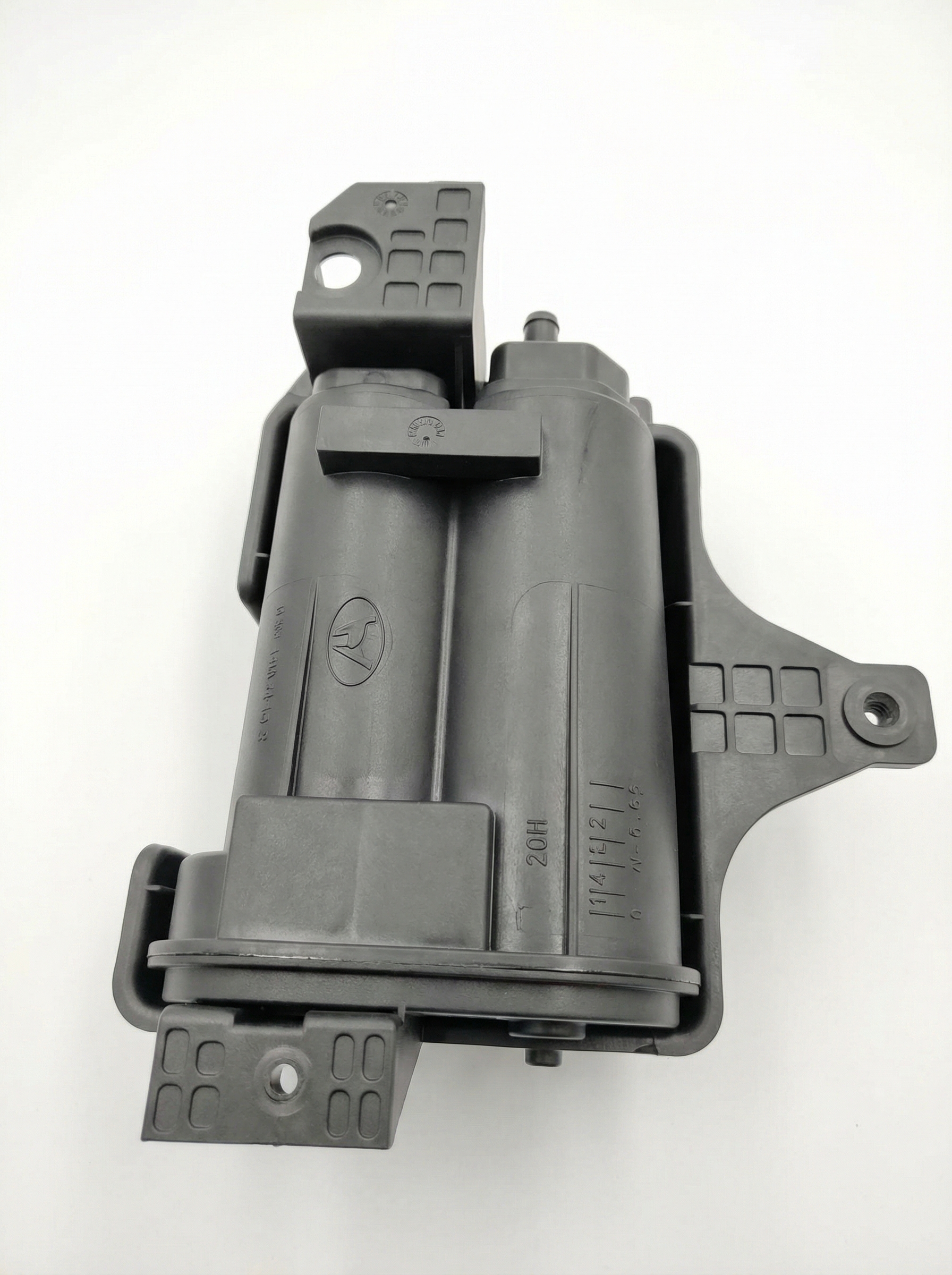
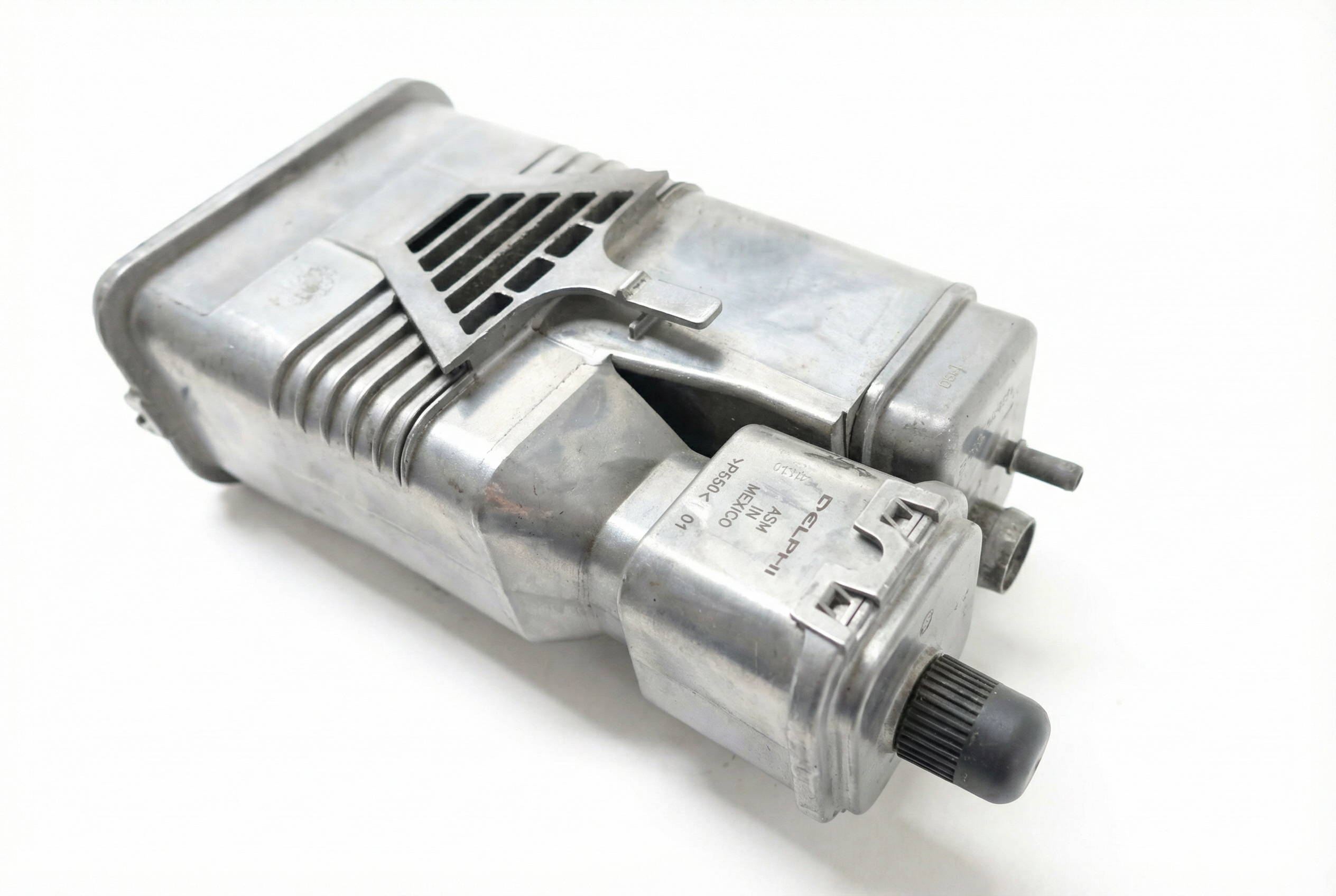
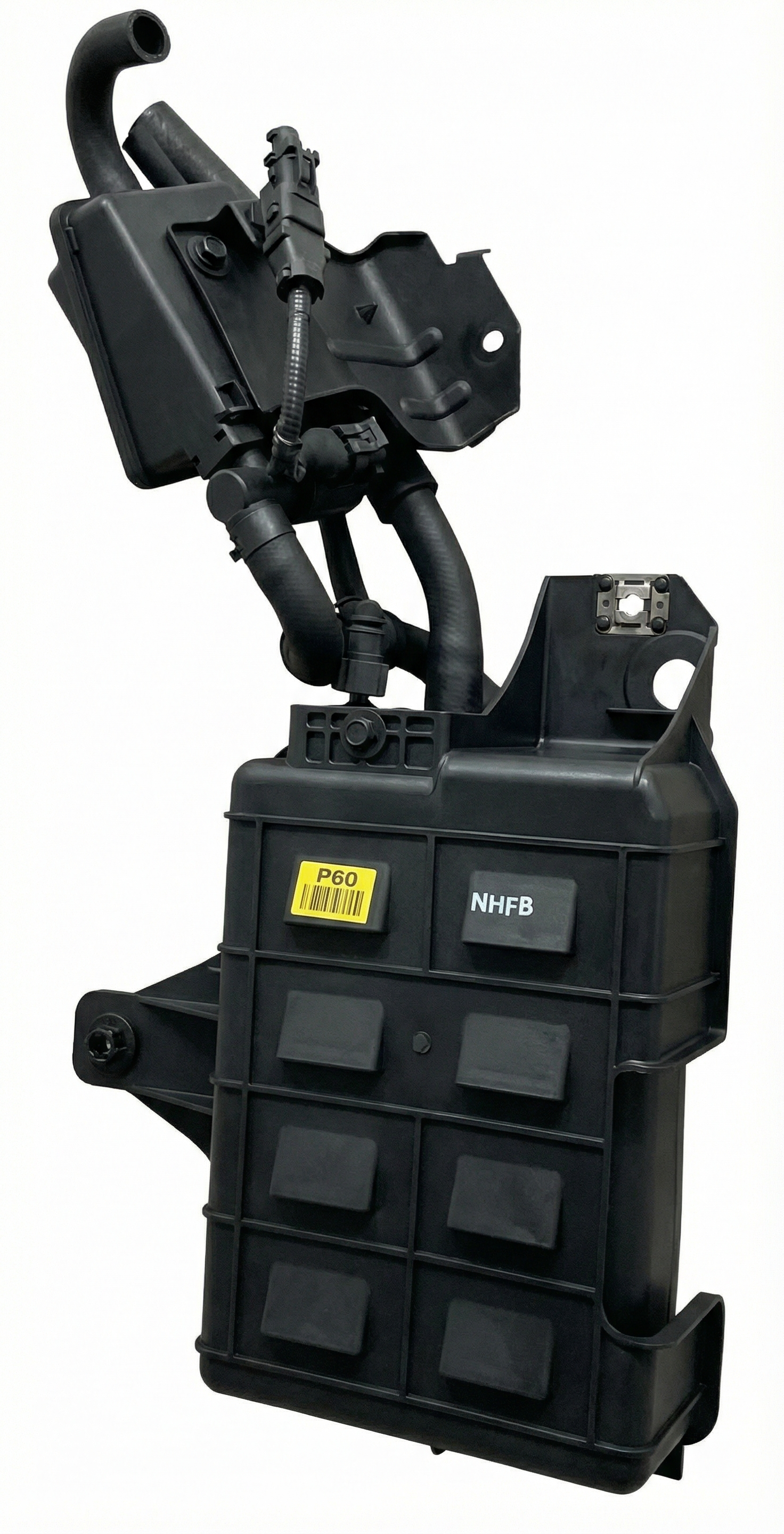
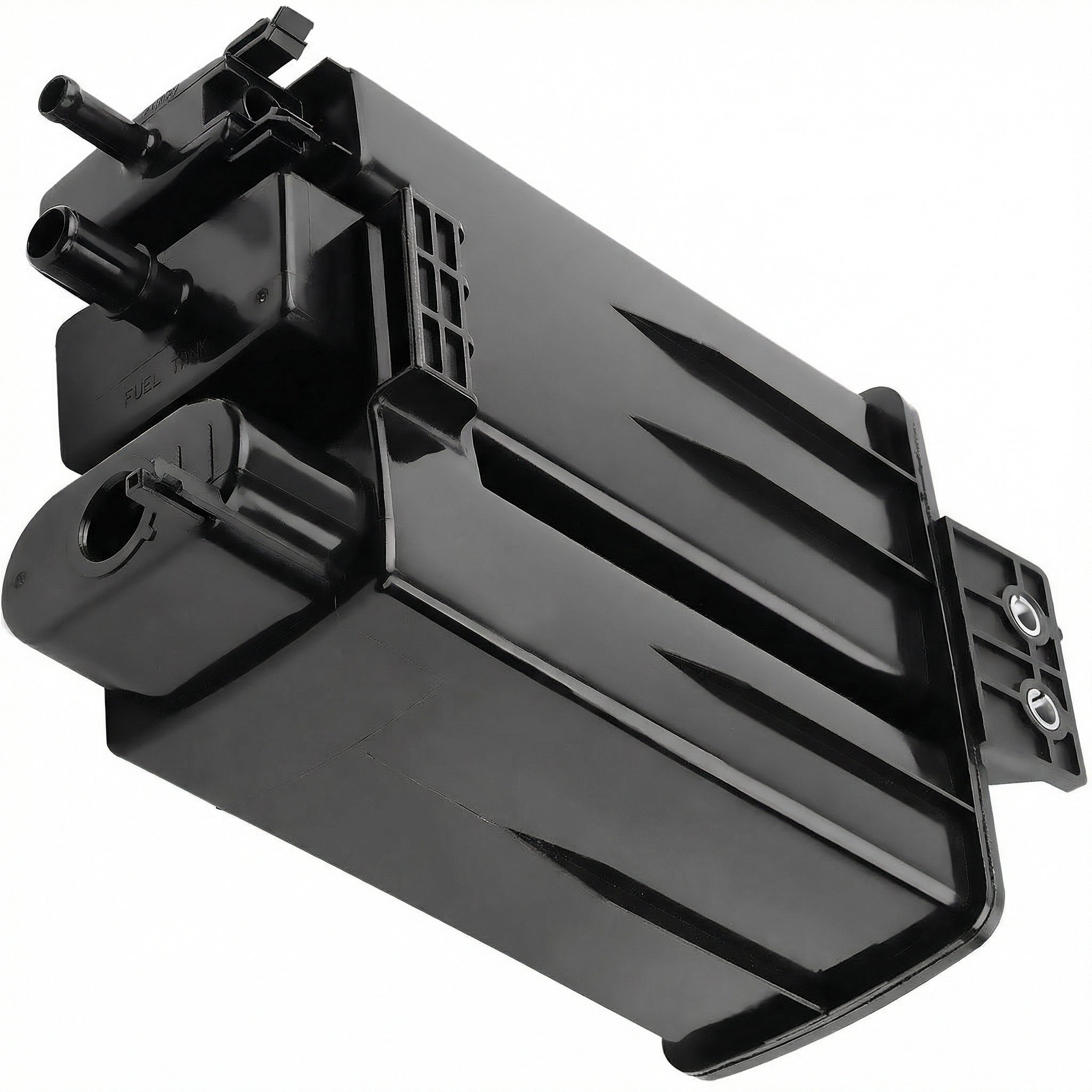
- Clogged or Saturated Charcoal Canister: If the canister becomes saturated with fuel (often from habitually overfilling the gas tank) or if the filter media breaks down, it can create a blockage that leads to an incorrect purge flow reading. This is an expensive part, so it should be diagnosed last.
- Blown Fuse: The purge valve solenoid is an electronic component that receives power via a fuse. If the fuse blows, the valve cannot operate, which will cause a no-flow condition and trigger the P0441 code. Check the fuse box in the engine compartment for a fuse labeled 'Sensors 2' or similar.
Diagnosis Steps
- Check for TSBs: Contact a Kia dealer with your VIN to determine if your Soul is eligible for the P0441 ECU software update. This should be the first step as it is a known issue.
- Inspect the Gas Cap: Ensure the gas cap is tight and the seal is in good condition. While a cheap fix, it's a less likely cause for this specific code.
- Visually Inspect Hoses: Check the EVAP hoses around the purge valve in the engine bay for any obvious cracks, breaks, or loose connections. Ensure they are routed correctly.
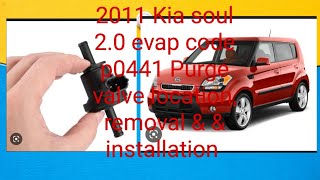
- Test the Purge Valve: Locate the purge valve on or near the intake manifold. Disconnect it and test its operation. It should be closed (no airflow) with no power and open (allows airflow) when 12V is applied. A stuck-open valve is a strong indicator, especially if you have trouble starting after refueling.
- Check the Fuse: If the purge valve doesn't operate with 12V applied, check the fuse for the emissions sensors in the engine bay fuse box before replacing the valve.
- Test the Canister Vent Valve: If the purge valve is good, locate the vent valve near the charcoal canister (under the rear of the car) and test its operation. It is normally open and should close when 12V is applied.
- Perform a Smoke Test: If no obvious faults are found, the next step is to introduce smoke into the EVAP system to find any hard-to-see leaks in the lines or canister.
Parts You'll Likely Need
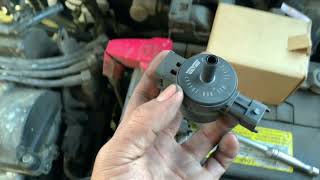
- Canister Purge Valve / Solenoid
(OEM #28910-26900 (For 2.0L engines, approx. 2010-2011) or 29010-2B000 (For 1.6L engines, approx. 2010-2012). Note: A Spanish-language YouTube video for a 2014 Soul shows part number 28910-2E000. Always verify with VIN.)— This is the most common hardware component to fail, causing the P0441 code by sticking open or closed.
Trusted brands: Genuine Kia / Hyundai, Dorman, Standard Motor Products (SMP), SKP
OEM price range: $50-$80
Aftermarket price range: $25-$50
Related Codes That Often Appear With This One
- P0455 (EVAP System Leak Detected - Gross Leak)
- P0456 (EVAP System Leak Detected - Very Small Leak)
Technical Service Bulletins (TSBs) & Recalls
- TSB-ENG164R1 / TSB-ENG164_R2: SERVICE ACTION: ECU UPGRADE - DTC P0441 LOGIC IMPROVEMENT (SA280) - For 2012-2016 Rio and 2012-2013 Soul.
- TSBENG146R1: ECM UPGRADE – RIO, SOUL MIL ON WITH DTC(S) P0456/P0461/P050A/P2188/P2192/P0128/P0326/P0441 - For 2012-2014 Rio and 2012-2014 Soul.
- TSBENG150: SERVICE ACTION: MIL ON WITH DTC(S) P0326/P0441(SA194) - For 2014 Rio and other models.
Platform-Specific Known Issues
- A primary issue for the 2012-2014 Soul is the Engine Control Module's software logic, which can incorrectly trigger the P0441 code. Kia has issued service bulletins (e.g., TSB-ENG164R1, TSBENG146R1) to address this with a software update.
- The 1.6L GDI engine in the 2012-2016 Soul is also subject to a class-action settlement for engine-related issues, though not directly tied to the EVAP system, it highlights a period of known engine complexities.
Mechanic-Grade Diagnostic Values
- Canister Purge Solenoid Valve (PCSV) Coil Resistance — expected: 15 to 30 Ohms. Failure: A reading far outside this range indicates a damaged internal circuit in the valve.
- Vacuum at Purge Valve with Engine Running, Connector Unplugged — expected: 0 inHg (no vacuum). Failure: Any vacuum reading (e.g., 20 inHg) indicates the valve is mechanically stuck open and defective.
- Fuel Tank Pressure Sensor (FTPS) Signal Voltage (KOEO, Gas Cap OFF) — expected: Refer to KGIS (Kia Global Information System) for specific vehicle specs, but should be a stable baseline voltage.. Failure: Voltage out of the specified range can indicate a faulty FTPS, or a problem with its 5V reference or ground circuit.
Scan Tool Commands That Help
- Kia GDS (Global Diagnostic System): Actuation Test for Purge Control Solenoid Valve (PCSV) — This bidirectional command allows a technician to manually open and close the purge valve to test its mechanical and electrical operation without removing it from the vehicle. It's used to confirm if the valve clicks and if it correctly allows or blocks flow when commanded.
- Advanced OBD2 Scanner: EVAP System Test (Close Vent Valve, Command Purge Valve OFF) — This test seals the EVAP system by closing the vent valve and commanding the purge valve shut. The technician then monitors the Fuel Tank Pressure (FTP) sensor. If the pressure (vacuum) drops, it confirms the purge valve is leaking vacuum into the system when it should be sealed, indicating it's stuck open.
Wiring & Ground Locations
- Purge Control Solenoid Valve (PCSV) Connector — In the engine bay, typically mounted on or near the intake manifold.. This 2-pin connector provides power and the control signal from the ECM. One pin should have battery voltage with the key on, and the other is the ground-side control from the ECM. Checking for power and signal here is a critical step in diagnosing a non-responsive valve.
- Engine/Chassis Ground — Multiple grounding points exist, including the cylinder head, engine block, and intake manifold.. A poor engine or ECM ground can cause erratic behavior in sensors and solenoids, including the purge valve. The ECM relies on a solid ground reference for proper operation. An ECM pinout diagram for a 2019 Soul shows multiple pins dedicated to chassis ground.
- Fuse: 'Sensors 2' — In the engine compartment fuse box.. The purge valve solenoid receives power through a fuse. If this fuse is blown, the valve will not have power to operate, leading to a no-flow condition and triggering P0441.
Real Owner Repair Stories
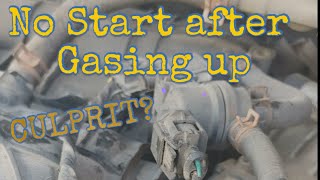
- YouTube channel 'JL's Auto Solution' (2010 Kia Soul (similar to 2012-2013 models)) — Code P0441 and a hard start/no-start condition for 15-30 seconds immediately after refueling, requiring the gas pedal to be held down to start.
❌ Tried (didn't work) The diagnosis immediately focused on the purge valve due to the classic symptom of hard starting after getting gas.
✅ What actually fixed it The purge valve was diagnosed as being stuck open. With the engine running and the valve's electrical connector unplugged, a vacuum gauge connected to the valve showed 20 inHg of vacuum, proving it was leaking internally. Replacing the purge valve resolved the issue. - Reddit user in r/KiaSoulClub (2013 Kia Soul) — Check Engine Light with code P0441.
❌ Tried (didn't work) Replaced the gas cap with two different aftermarket parts.
✅ What actually fixed it The user eventually replaced the gas cap with a genuine OEM Kia part, which resolved the check engine light, at least in the short term. This highlights that while less common for P0441, a faulty cap (especially aftermarket ones) can be the cause.
OEM Part Supersession History
Unknown→28910-2E000— Standard part update for multiple models.
Heads up: Part number 28910-2E000 is listed as compatible for 2012-2016 Kia Soul, as well as many other Kia/Hyundai models like the Elantra and Forte from the same era. Always verify with VIN, but this part appears to have broad compatibility across the platform.
Model Year Variations Within This Range
- 2012-2014: These model years are explicitly mentioned in TSBs (TSBENG146R1) for the P0441 logic improvement software update. While later years in the range may also be affected, the 2012-2014 models are the primary focus of the known software issue.
- 2012-2013 vs 2014-2016: The purge valve location is consistent (under the intake manifold), but part numbers can vary slightly. For example, some parts catalogs specify '2.0L, 2012-13' for part number 28910-2E000, indicating potential minor differences for the second-generation (2014+) Soul, though the same part is often listed as compatible.
Helpful Videos
![How to Fix P0441 Engine Code in 3 Minutes [2 DIY Methods / Only $4.50]](https://img.youtube.com/vi/ifwpcNQCSvI/mqdefault.jpg)


Used OEM Parts in Stock

New Aftermarket Parts Available


The information in this article is provided for general reference and educational purposes only. Vehicle specifications, procedures, and part compatibility can vary by production date, trim level, and region. Always consult your vehicle's factory service manual and verify part numbers before purchasing or performing repairs. Safety-critical components such as airbags, seat belts, and braking systems should be installed by a qualified professional.
- Kia SOUL:
- 🎬 Helpful Videos
- 🛍️ Shop This Part
- What's Unique About the 2012-2016 Kia SOUL
- Diagnostic Flowchart
- Symptoms You May Notice
- Most Likely Causes
- Rare But Worth Checking
- Diagnosis Steps
- Parts You'll Likely Need
- Related Codes That Often Appear With This One
- Technical Service Bulletins (TSBs) & Recalls
- Platform-Specific Known Issues
- Mechanic-Grade Diagnostic Values
- Scan Tool Commands That Help
- Wiring & Ground Locations
- Real Owner Repair Stories
- OEM Part Supersession History
- Model Year Variations Within This Range
- 🎟️ Get 5% Off