

P0441 on 2012-2016 Hyundai Veloster: Incorrect Purge Flow Causes and Fixes
For a 2012-2016 Veloster, code P0441 most often points to a faulty canister purge valve, a simple DIY replacement. However, a known software issue can also trigger the code, which requires a dealer update per a Technical Service Bulletin (TSB). Always check for TSBs first before replacing parts.
- First, check with a Hyundai dealer if your Veloster needs a free software update (Campaign T1T) to fix the P0441 code, as per official TSBs.
- If no software update is needed, the most likely cause is a faulty canister purge valve. It is an inexpensive part and easy to replace yourself.
- Owners strongly recommend using a genuine OEM purge valve over cheaper aftermarket alternatives to ensure a permanent fix.
- Always check that your gas cap is tight and its seal is in good condition, as this is a simple but common cause for EVAP system codes.
What's Unique About the 2012-2016 Hyundai VELOSTER

What's unique to the Hyundai Veloster (and related models like the Accent) is that Hyundai has issued Technical Service Bulletins (TSBs) acknowledging that the P0441 code can be triggered by overly sensitive software logic in the Engine Control Module (ECM). In many cases, the fix is not a new part, but a simple software update performed by a dealership. This makes checking for applicable TSBs a critical first step before replacing any components. The issue is prevalent enough on both the naturally aspirated and turbo 1.6L engines.
Diagnostic Flowchart

Tap your situation to follow the diagnostic path that matches what you're seeing on this vehicle.
Symptoms You May Notice
- Check Engine Light is on
- Slightly reduced fuel economy
- Difficulty starting the vehicle immediately after refueling. This happens because a stuck-open purge valve allows un-metered fuel vapor into the intake manifold, creating a rich condition.
- Slightly rough idle or stalling at stops, especially after the engine has warmed up.
- A faint fuel smell (less common)
- Replacing the O2 sensors, as they are not directly related to the EVAP purge flow measurement on this system.
- Replacing the charcoal canister when the actual problem is the much cheaper and more accessible purge valve. A canister failure is rare compared to the purge valve.
- Assuming an aftermarket purge valve will work. Some owners report that cheap aftermarket valves failed quickly or did not solve the code, and the issue was only resolved by using a genuine OEM part.
Most Likely Causes

- Faulty Canister Purge Valve (CPV) 🔴 High Probability This is the most common failure point in the EVAP system for this code. The valve's internal solenoid fails, causing it to get stuck open or closed, or leak internally, directly causing incorrect flow. Owners frequently report this as the definitive fix.
How to confirm: With the engine off, remove the valve and try to blow through it; it should be closed. A more definitive test is to use a hand-held vacuum pump on the engine side port; it should hold vacuum without bleeding down. You can also apply 12V to its terminals to verify it clicks and opens. A scan tool can also command the valve to open and close to test its function.
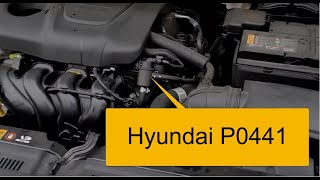
Typical fix: Replace the canister purge valve. It is located on top of the engine, mounted with a simple bracket, and is easily accessible.
Est. part cost: $25-$65 - Engine Control Module (ECM) Software Update Needed 🔴 High Probability Hyundai issued TSBs (e.g., #17-01-019 for 2016 models) because the original ECM software was too sensitive and could falsely trigger P0441. This campaign, T1T, specifically addresses this code.
How to confirm: A Hyundai dealership can check your vehicle's VIN against their records in the WEBDCS system to see if the T1T software update campaign is open and has not been performed.
Typical fix: The dealership performs an ECM software update using their GDS diagnostic tool. The labor time is estimated at 0.3 hours.
Est. part cost: $0 (if campaign is open) - Loose or Faulty Gas Cap 🟡 Medium Probability The gas cap is a critical part of the sealed EVAP system. A loose cap or a degraded seal allows vapor to escape, which can be misinterpreted by the system as a flow problem. Some owners have reported the code disappearing after tightening the cap.
How to confirm: Ensure the gas cap is tightened until it clicks. Inspect the rubber seal on the cap for cracks, stiffness, or damage. A visual inspection is usually sufficient.
Typical fix: Tighten the gas cap. If the seal is bad, replace the gas cap.
Est. part cost: $15-$30 - Cracked or Disconnected EVAP Hose ⚪ Low Probability Rubber hoses can become brittle and crack over time due to engine heat and age, creating a vacuum leak that disrupts the purge flow. The connections directly at the purge valve are the most common culprits.
How to confirm: Visually inspect the vacuum lines running to and from the purge valve on the engine. A smoke test is the most effective way to find small, non-visible leaks in the system.
Typical fix: Replace the cracked or broken section of the hose.
Est. part cost: $10-$40
Rare But Worth Checking
- Faulty EVAP Charcoal Canister: The canister can become saturated with fuel if the tank is habitually overfilled, or the internal charcoal can break down, causing a blockage. This is less common than a simple valve failure and is often preceded by difficulty filling the gas tank.
- Faulty Fuel Tank Pressure Sensor: If the sensor that reports pressure inside the EVAP system fails, it can send incorrect data to the ECM, leading to a false P0441 code. This is an uncommon failure but should be considered if all other components test good.
Diagnosis Steps
- Check for Technical Service Bulletins (TSBs): Before any other step, contact a Hyundai dealer with your VIN to see if an ECM software update (like Service Campaign T1T / TSB #17-01-019) is available for your vehicle. This could be a free fix.
- Inspect the Gas Cap: Remove the gas cap, inspect the seal for damage, and ensure it is tightened correctly until it clicks. Clear the code and drive to see if it returns.
- Inspect the Purge Valve and Hoses: Locate the canister purge valve on the top of the engine. Check that the electrical connector and vacuum hoses are securely attached and not cracked or broken.
- Test the Purge Valve: Disconnect the valve. With the engine off, it should be closed (no air should pass through). Use a hand-held vacuum tester on the port leading to the engine; it should hold vacuum. If it leaks down, it has failed and must be replaced.
- Perform a Smoke Test: If the valve appears to be working, the next step is to use a smoke machine to check the entire EVAP system for small leaks in the hoses or charcoal canister that aren't visually apparent.
- Replace the Purge Valve: If the valve is confirmed to be faulty, replace it. This is a simple repair requiring only basic tools like pliers. Many owners recommend using an OEM part to avoid repeat failures.
Parts You'll Likely Need
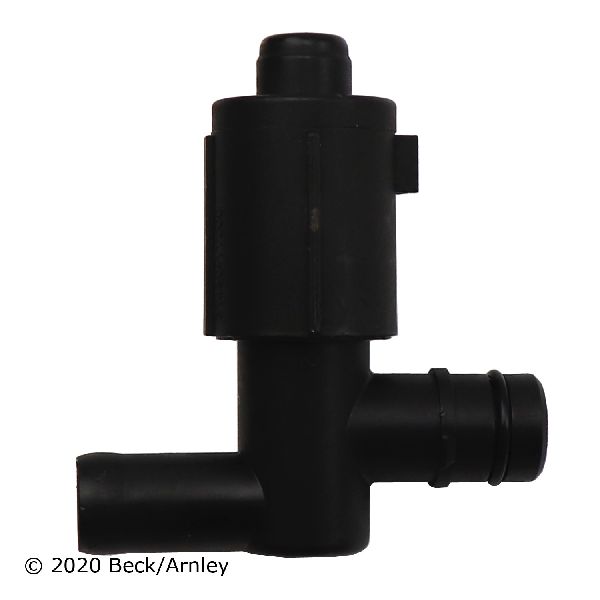
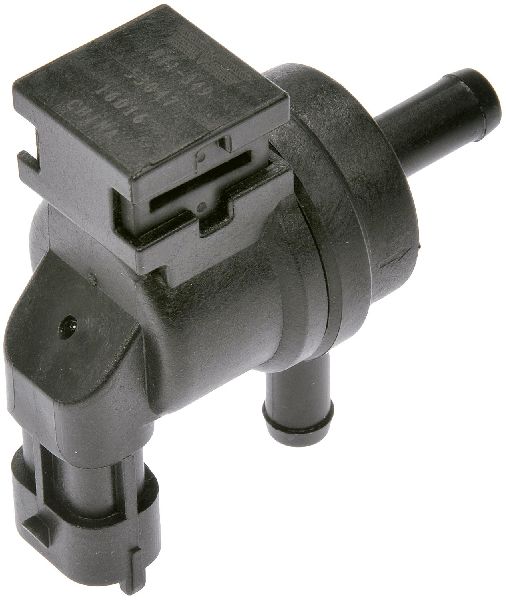
- Canister Purge Valve / Solenoid
(OEM #28910-2E000)— This is the most frequent mechanical failure for code P0441. It gets stuck open or closed, directly causing the incorrect flow reading. Multiple owner forums and repair videos confirm this as the primary fix.
Trusted brands: Hyundai (OEM), Bosch, Dorman (P/N: 911-349)
OEM price range: $50-$85
Aftermarket price range: $25-$50
Related Codes That Often Appear With This One
- P0455 (Evaporative Emission System Leak Detected - Gross Leak)
- P0456 (Evaporative Emission System Leak Detected - Very Small Leak)
Technical Service Bulletins (TSBs) & Recalls
- Bulletin #5NP-S5Y6V-04: Details an ECM software update for DTC P0441 on 2012 models, stating there is no performance concern.
- TSB #17-01-019 (Service Campaign T1T): Provides the procedure for an ECM software update to fix P0441 on certain 2016 Veloster and Accent models with the 1.6L GDI engine.
Platform-Specific Known Issues
- A known issue for 2016 models is an overly sensitive ECM logic that can be corrected with a software update, as detailed in Hyundai TSB #17-01-019 (Service Campaign T1T).
- Some owners report that using cheaper, non-OEM aftermarket purge valves can lead to the code returning quickly, recommending the use of a genuine Hyundai part for a lasting repair.
Mechanic-Grade Diagnostic Values
- Canister Purge Valve (PCSV) Coil Resistance — expected: 22.0 ~ 26.0 Ω at 20°C (68°F). Failure: A reading outside this range indicates a faulty internal coil.
- Canister Close Valve (CCV) Coil Resistance — expected: 19.5 ~ 22.5 Ω at 20°C (68°F). Failure: A reading outside this range suggests the vent valve solenoid is bad, which can sometimes be misdiagnosed as a purge issue.
- Fuel Tank Pressure Sensor (FTPS) Voltage — expected: Approximately 2.5V at 0 kPa (atmospheric pressure).. Failure: Voltage significantly different from 2.5V with the gas cap off, or voltage that doesn't change when the system is sealed and vacuum is applied, points to a faulty sensor.
Scan Tool Commands That Help
- Hyundai GDS (Global Diagnostic System): Active Test -> Canister Purge Solenoid Valve — This bidirectional control allows a technician to manually command the purge valve to open and close while monitoring system pressure or vacuum. This directly tests the solenoid's function and its effect on the system, confirming if it's stuck or not responding.
- Hyundai GDS (Global Diagnostic System): EVAP Leakage Test — This is an automated, guided diagnostic function. The GDS commands the purge and vent valves to seal the system and then monitors pressure decay. It's used to differentiate a flow issue (P0441) from a system leak (P0455/P0456).
Wiring & Ground Locations
- Purge Control Solenoid Valve (PCSV) — Located on the left rear of the engine, under the plastic engine cover, mounted on the intake manifold.. This is the physical location of the most commonly failed part for P0441. Knowing its location is essential for inspection, testing, and replacement.
- ECM (Engine Control Module) — Located in the left rear of the engine compartment.. The ECM provides the control signal and ground for the PCSV. Any wiring issues would be traced back to this module.
- GGGT06 / GGGT07 — Ground points located on the left side of the engine compartment.. These are primary engine grounds. A poor ground connection at these points could potentially cause erratic behavior in various engine sensors and solenoids, including the PCSV.
Real Owner Repair Stories
- YouTube Creator 'Repairs and Rides' (2014 Hyundai Veloster Turbo) — Check Engine Light with code P0441.
❌ Tried (didn't work) Replacing the purge valve with a new part from AutoZone did not make the check engine light turn off by itself.
✅ What actually fixed it After replacing the faulty purge valve, the stored fault code had to be manually cleared with an OBD-II scanner. The light did not return, confirming the new valve was the correct fix. - Reddit r/veloster user (2015 Veloster Turbo) — Check Engine Light with code P0441.
❌ Tried (didn't work) Replacing the purge valve with a cheap aftermarket part from Amazon.
✅ What actually fixed it The code and associated issues persisted until the cheap aftermarket valve was replaced with a genuine OEM part from a local auto parts store. The user advises, "Just buy the damn OEM."
OEM Part Supersession History
28910-2E000→N/A - Still current— This part number remains the primary service part.
Heads up: This part number is widely used across many Hyundai and Kia models with 1.8L and 2.0L engines, in addition to the Veloster's 1.6L. No major incompatibilities are noted, but verifying by VIN is always recommended.
Model Year Variations Within This Range
- 2016: Certain 2016 Veloster models (along with the Hyundai Accent) are subject to Service Campaign T1T (TSB 17-01-019), which involves an ECM software update specifically to correct overly sensitive logic for detecting P0441.
- 2012: Early models were subject to TSB #5NP-S5Y6V-04, which also provided an ECM software update for P0441, indicating the software sensitivity issue existed from the beginning of the model's run.
Helpful Videos
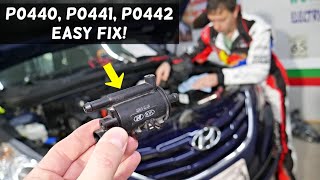
![How to Fix HYUNDAI P0441 Engine Code in 3 Minutes [2 DIY Methods / Only $4.50]](https://img.youtube.com/vi/Pb-LTfC7HpE/mqdefault.jpg)


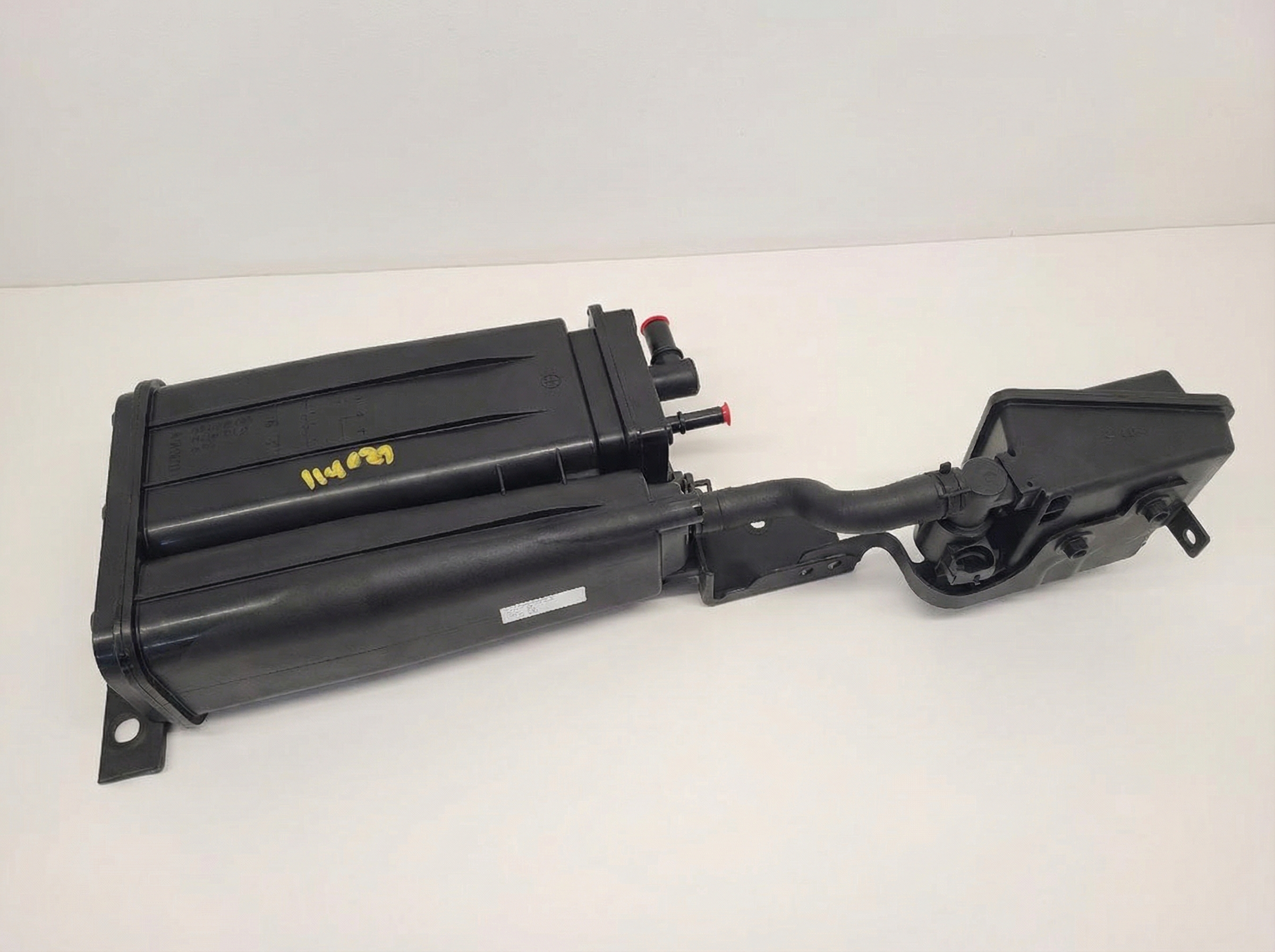
Used OEM Parts in Stock
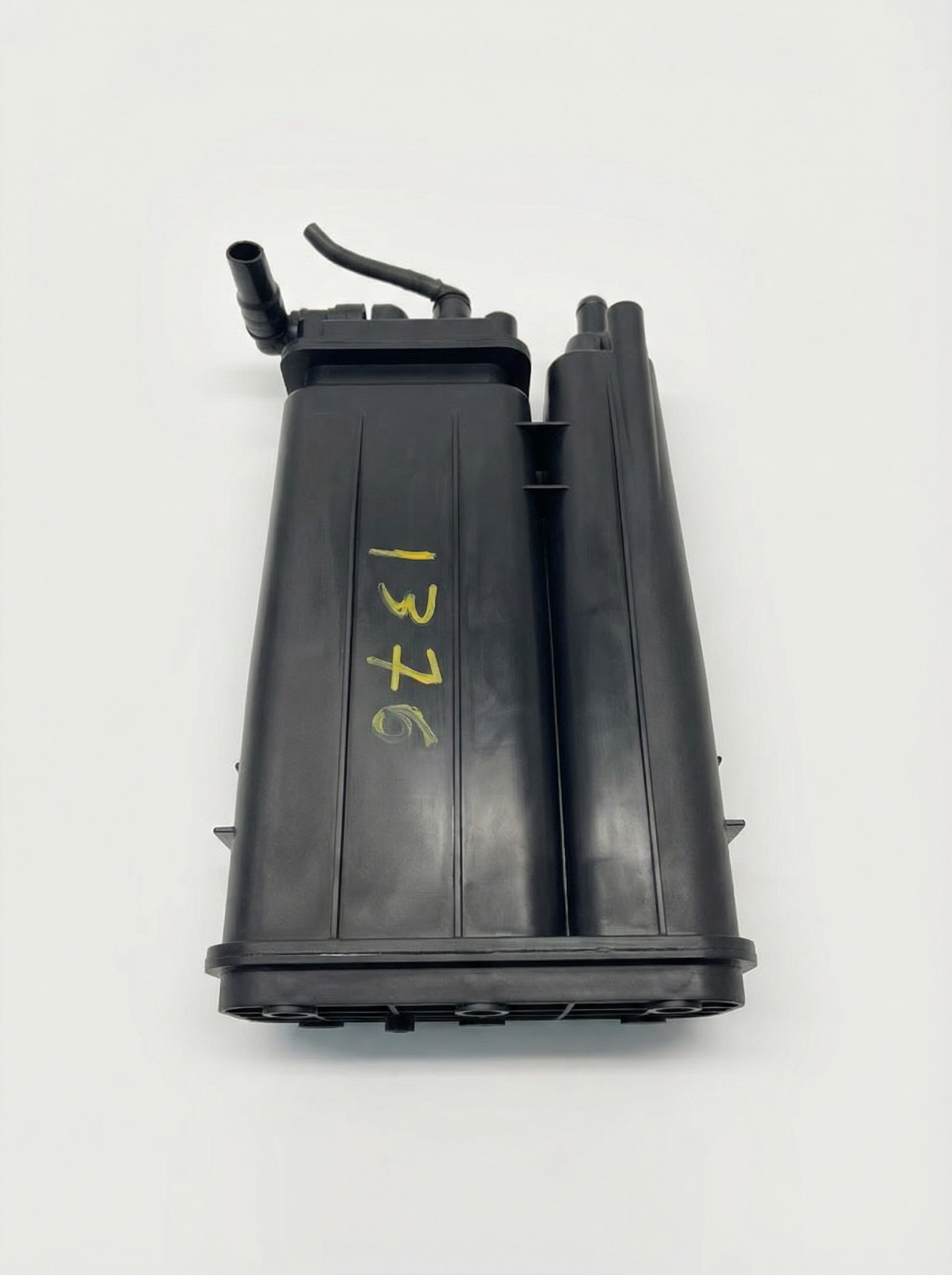
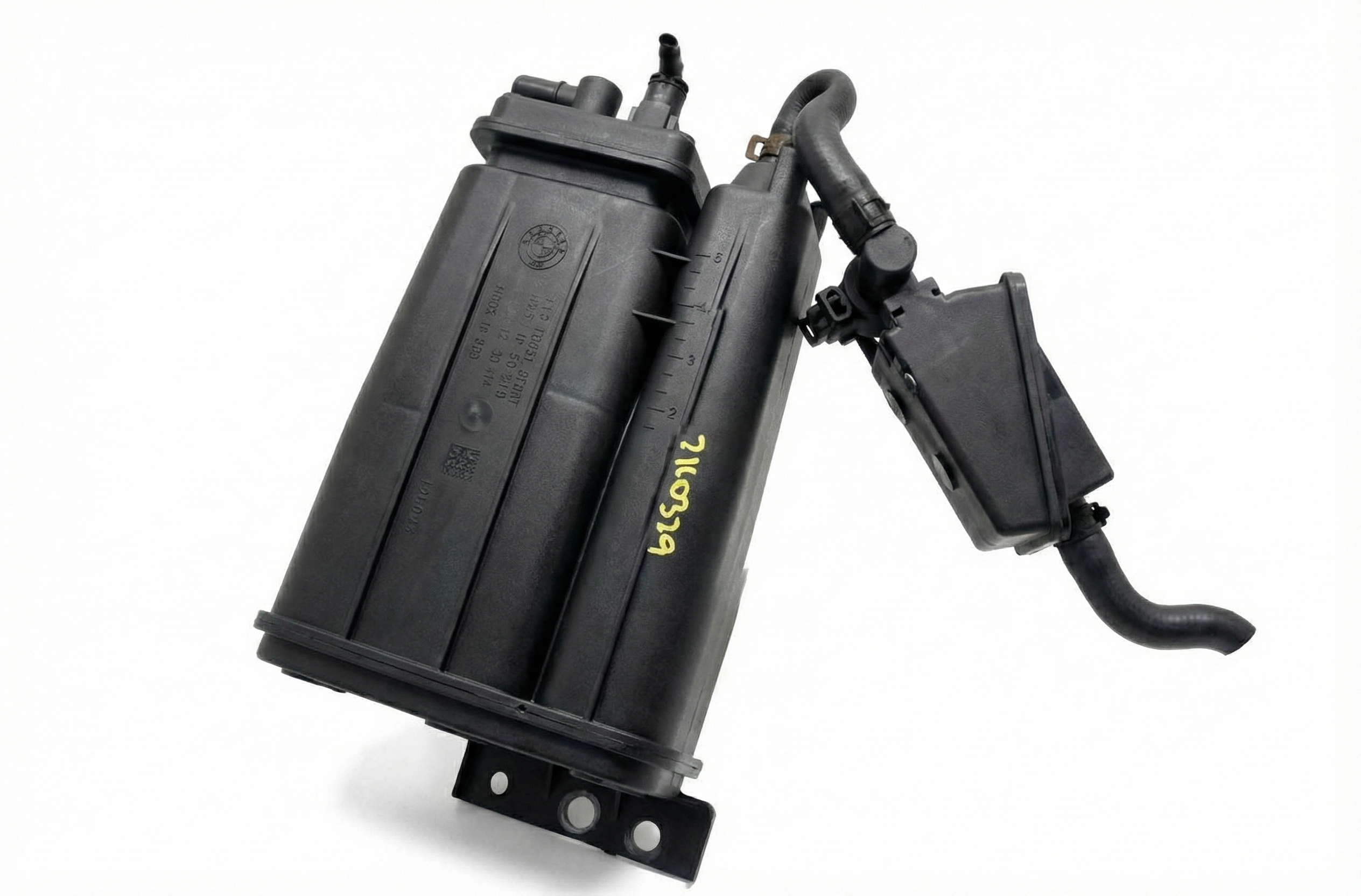
New Aftermarket Parts Available


The information in this article is provided for general reference and educational purposes only. Vehicle specifications, procedures, and part compatibility can vary by production date, trim level, and region. Always consult your vehicle's factory service manual and verify part numbers before purchasing or performing repairs. Safety-critical components such as airbags, seat belts, and braking systems should be installed by a qualified professional.
- Hyundai VELOSTER:
- 🎬 Helpful Videos
- 🛍️ Shop This Part
- What's Unique About the 2012-2016 Hyundai VELOSTER
- Diagnostic Flowchart
- Symptoms You May Notice
- Most Likely Causes
- Rare But Worth Checking
- Diagnosis Steps
- Parts You'll Likely Need
- Related Codes That Often Appear With This One
- Technical Service Bulletins (TSBs) & Recalls
- Platform-Specific Known Issues
- Mechanic-Grade Diagnostic Values
- Scan Tool Commands That Help
- Wiring & Ground Locations
- Real Owner Repair Stories
- OEM Part Supersession History
- Model Year Variations Within This Range
- 🎟️ Get 5% Off