

P0441 on 2012-2017 Hyundai Accent: Incorrect Purge Flow Causes and Fixes
On a 2012-2017 Hyundai Accent, code P0441 is most often caused by either a faulty canister purge valve or outdated engine control module (ECM) software. Before replacing any parts, check with a Hyundai dealer about a potential software update (Service Campaign T1T), which could be the only fix needed. If you experience difficulty starting the car right after getting gas, the purge valve is the most likely culprit.
- Always check for the software update TSB with a Hyundai dealer first by providing your VIN.
- If the car has trouble starting after you get gas, the purge valve is almost certainly the problem.
- The purge valve is an easy and inexpensive DIY replacement, located right on top of the engine.
- Don't immediately suspect the more expensive charcoal canister unless you find charcoal pellets in the EVAP lines.
What's Unique About the 2012-2017 Hyundai ACCENT

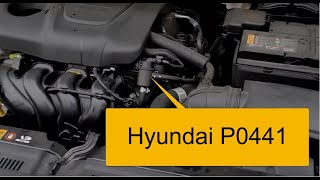
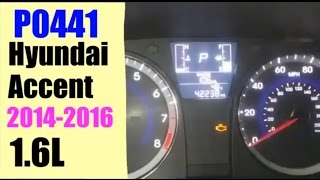
For this specific generation of Hyundai Accent, the P0441 code is frequently triggered by overly sensitive software in the engine's computer, not necessarily a failed part. Hyundai issued a Technical Service Bulletin (TSB 17-01-019) and a corresponding Service Campaign (T1T) 🎬 Watch: Understanding the P0441 code and the software update fix. to address this exact issue with a software update. This makes it unique, as the first diagnostic step for owners should be to check if this software update has been performed, potentially saving them from buying parts they don't need. Its platform-mate, the Kia Rio, suffers from the exact same software-related issue.
Diagnostic Flowchart

Tap your situation to follow the diagnostic path that matches what you're seeing on this vehicle.
Symptoms You May Notice

- Check Engine Light is on
- Difficulty starting immediately after refueling (long crank time). This strongly points to a purge valve stuck open.
- A slight rough or unstable idle.
- A faint fuel smell (uncommon).
- Slightly decreased fuel efficiency in some cases.
- Replacing the charcoal canister or vent valve before thoroughly testing the purge valve and checking for software updates. The purge valve is a much more common failure point for this specific code, and the software issue is unique to this platform.
Most Likely Causes

- Outdated Engine Control Module (ECM) Software 🔴 High Probability Hyundai released TSB 17-01-019 as part of Service Campaign T1T specifically for this issue, indicating the factory software logic was too sensitive and could trigger P0441 without a real fault.
How to confirm: Contact a Hyundai dealership and provide your vehicle's VIN. They can check their system to see if Service Campaign T1T is open for your car. A diagnostic video on a 2014 Accent confirmed checking for this TSB is the first step.
Typical fix: The dealership will perform a software update (reflash) on the ECM, which is covered if the campaign is active.
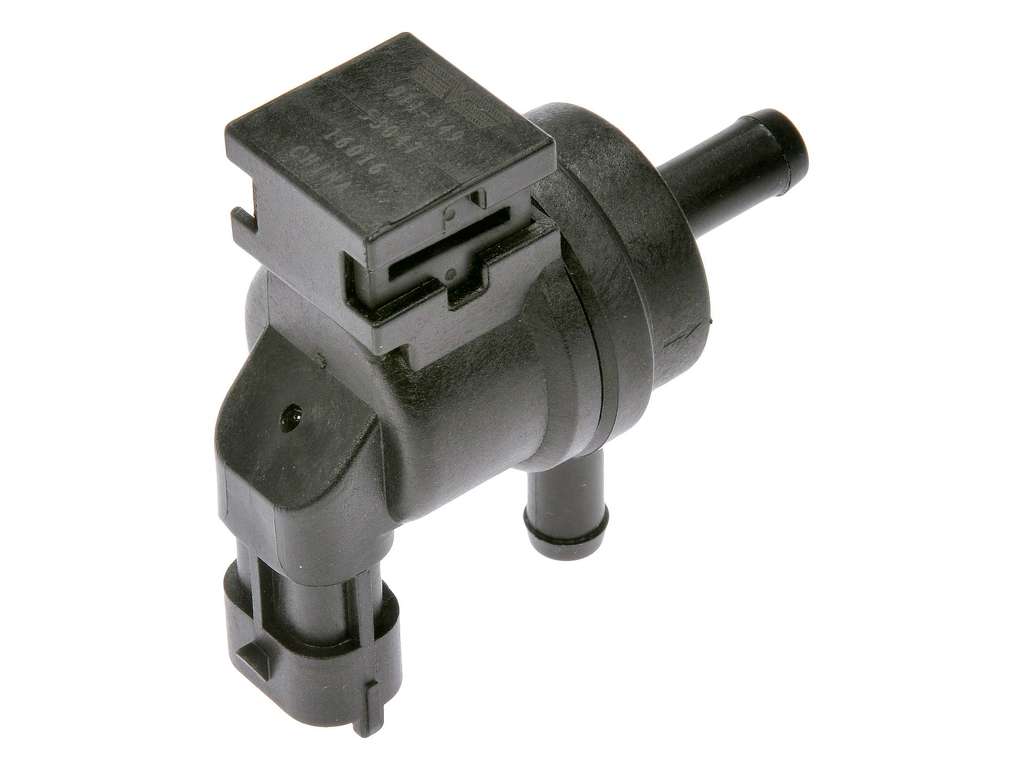
Est. part cost: $0-$150 - Faulty Canister Purge Valve (CPV) 🔴 High Probability The purge valve is a small solenoid that cycles thousands of times and can fail by sticking open or closed. A valve stuck open will often cause a distinct symptom: the car struggles to start after getting gas because the engine is flooded with fuel vapors.
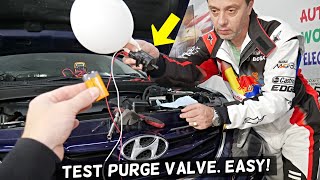
How to confirm: With the engine off, disconnect the valve. You should not be able to blow air through it. If you can, it's stuck open and bad. A more thorough test involves using a handheld vacuum pump; the valve should hold vacuum when de-energized. A YouTube video for a 2013 Accent demonstrates this test, showing a bad valve failing to hold vacuum.
Typical fix: Replacement of the canister purge valve. This part is located on top of the engine under the plastic cover and is held by a 10mm bolt, making it very accessible.
Est. part cost: $25-$70 - Cracked or Disconnected EVAP Hoses 🟡 Medium Probability The rubber and plastic hoses in the engine bay and leading to the charcoal canister can become brittle over time and crack, causing a vacuum leak that disrupts the purge flow.
How to confirm: Visually inspect all hoses connected to the purge valve and running towards the back of the car for any visible cracks, loose fittings, or disconnections. A smoke test is the most effective way to find small, hard-to-see leaks.
Typical fix: Replace the damaged section of hose.
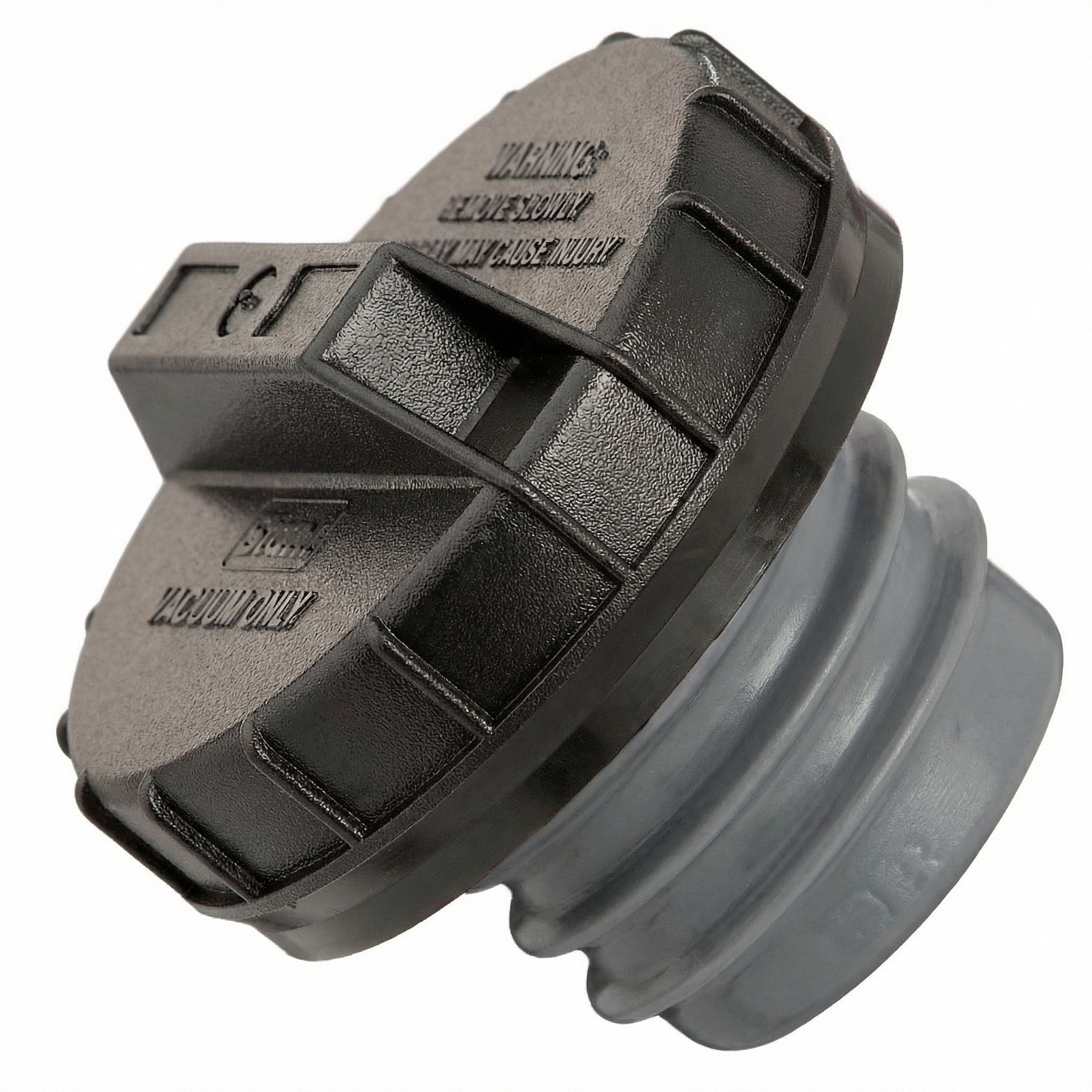
Est. part cost: $5-$20 - Loose or Faulty Gas Cap ⚪ Low Probability While a loose gas cap typically sets a large leak code (P0455/P0457), a faulty cap that doesn't seal properly can sometimes contribute to general EVAP system problems and is a simple first check.
How to confirm: Ensure the gas cap is tightened until it clicks. Inspect the cap's seal for cracks or damage. Some owners on forums report cleaning the cap and seal resolved the issue temporarily.
Typical fix: Tighten or replace the gas cap.
Est. part cost: $10-$25
Rare But Worth Checking
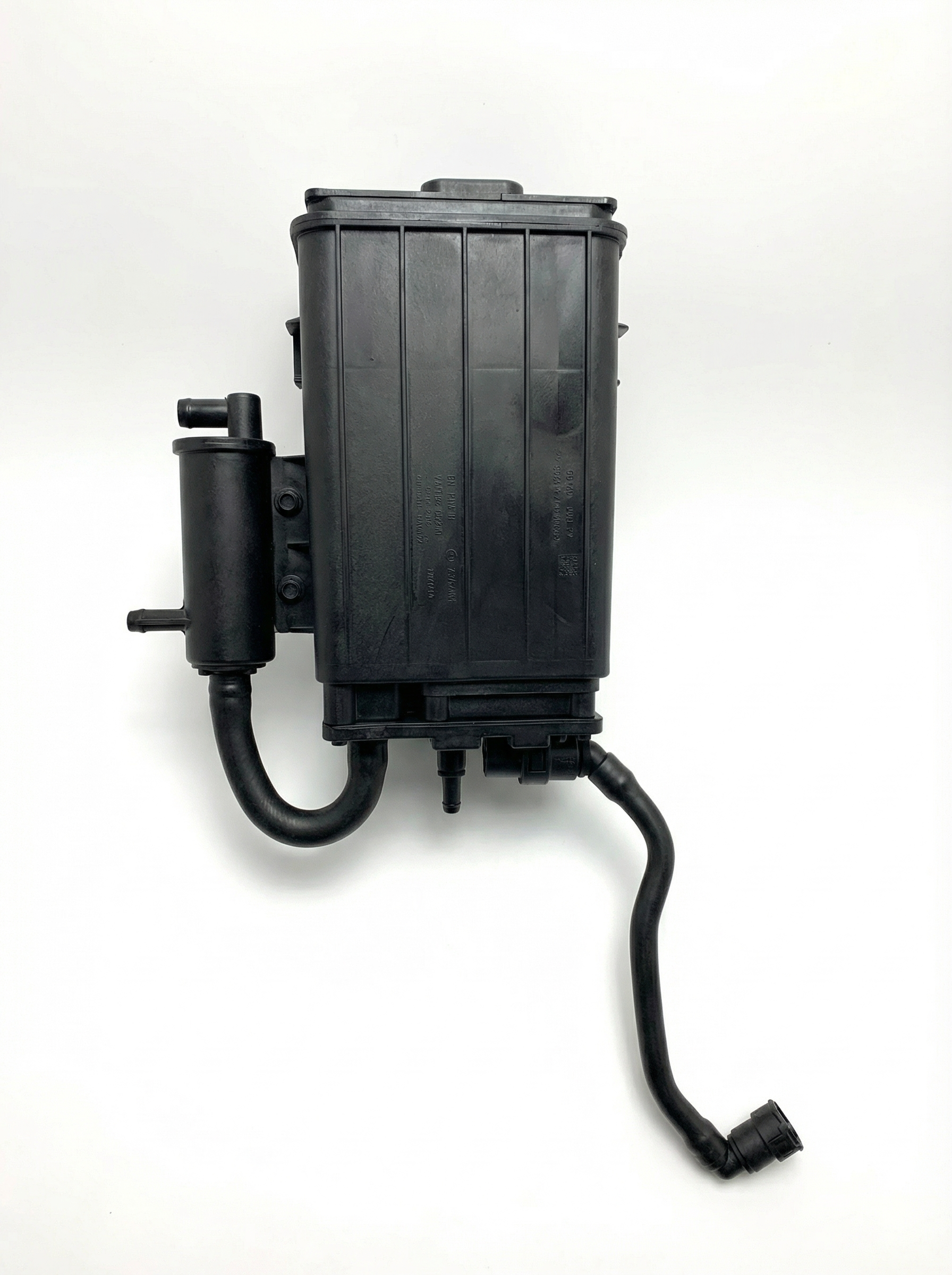
- Faulty Charcoal Canister: The canister can become saturated with fuel or internally blocked, especially after overfilling the gas tank. This can also send charcoal pellets into the purge lines, clogging the purge valve. A Reddit user mentioned considering this after replacing other parts without success.
- Faulty Fuel Tank Pressure Sensor: The sensor that reports pressure changes within the EVAP system to the ECM can fail. If it provides incorrect data, the computer may falsely believe there is a purge flow problem. This is an uncommon cause and should be considered after other components have been tested.
Diagnosis Steps
- Check for TSBs: First, contact a Hyundai dealer with your VIN to determine if your vehicle needs the ECM software update mentioned in TSB #17-01-019 / Service Campaign T1T. This could be a free fix.
- Inspect the Gas Cap: Ensure the gas cap is tight and the seal is in good condition.
- Visually Inspect Hoses: Remove the plastic engine cover and inspect the vacuum hoses connected to the purge valve for any cracks, brittleness, or loose connections.
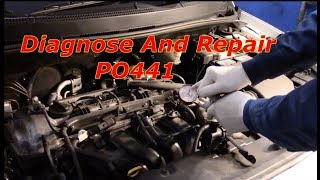
- Test the Canister Purge Valve (CPV): Locate the CPV on top of the engine. A classic symptom of failure is a long crank/hard start after refueling. To test, disconnect the hoses and try to blow through the valve; it should be closed and block airflow. For a more precise test, use a handheld vacuum pump on the intake port; it should hold vacuum steadily. A video on a 2013 Accent shows a bad valve slowly losing vacuum.
- Check for Power: If the valve seems mechanically sound, reconnect it and start the engine. You should be able to hear or feel it clicking. Use a multimeter to verify that the valve is receiving a pulsed voltage signal from the ECM when the engine is warm.
- Check for Blockages: If the valve and wiring are good, disconnect the hose coming from the charcoal canister to the purge valve. Check for any blockages, such as charcoal pellets, which would indicate a failing charcoal canister.
- Smoke Test: If the cause is still not found, a mechanic can perform a smoke test to pressurize the EVAP system with smoke. This will make any small, hard-to-see leaks in hoses or components visible.
Parts You'll Likely Need
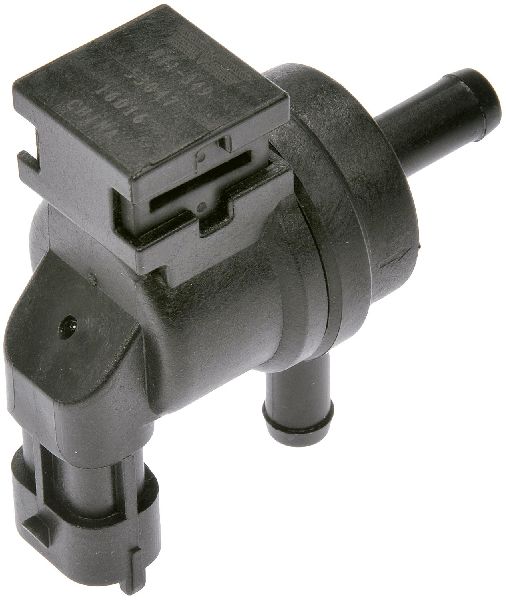
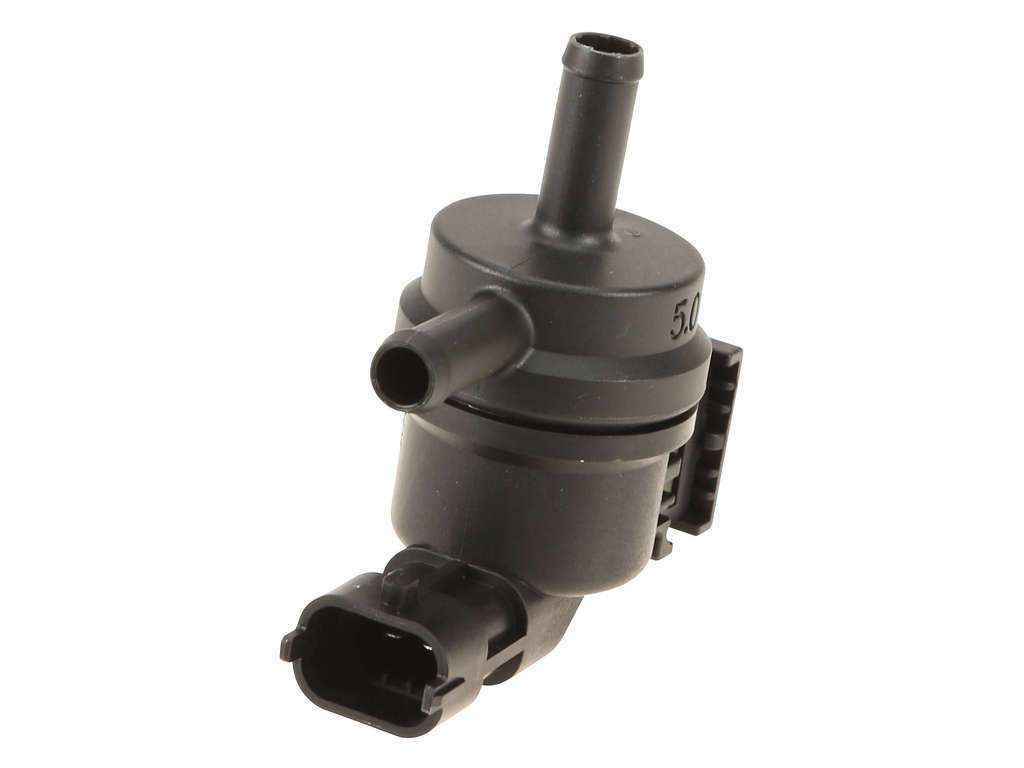
- Canister Purge Valve
(OEM #28910-26900)— This valve is the most common hardware component to fail, either by sticking or developing an internal leak, directly causing the incorrect flow detected by the ECM. It is confirmed to fit this Accent and is also used on other Hyundai/Kia models.
Trusted brands: Genuine Hyundai, Dorman, Standard Motor Products (SMP), SKP
OEM price range: $50-$70
Aftermarket price range: $25-$45
Technical Service Bulletins (TSBs) & Recalls
- 17-01-019 / Service Campaign T1T: Provides information for an ECM software update to correct a false P0441 trouble code. It explicitly states there is no vehicle performance concern associated with this condition and instructs dealers to perform the update whenever an affected vehicle is in for service.
Platform-Specific Known Issues
- A Technical Service Bulletin (TSB #17-01-019, part of Service Campaign T1T) was issued by Hyundai because the original ECM software was too sensitive and could set a P0441 code without any actual hardware failure. This should always be the first check.
- A stuck-open purge valve commonly causes a 'long crank' or 'hard start' condition specifically after refueling, a symptom frequently reported by owners of this model.
Mechanic-Grade Diagnostic Values
- Canister Purge Valve (CPV) Solenoid Coil Resistance — expected: 16 ± 2 Ω (at 20°C / 68°F). Failure: A reading significantly outside this range (open circuit or short) indicates a faulty solenoid coil.
Hidden / Shadow Codes Worth Checking
- GDS Event #429: This is not a DTC, but the dealer-level software event number used within the Hyundai GDS to perform the ECM update for a P0441 on an Accent (RB). (see via Hyundai GDS (Global Diagnostic System) scan tool in the ECU Update menu.)
Scan Tool Commands That Help
- Hyundai GDS (or equivalent high-end scan tool): EVAP.LEAKAGE TEST — This is a guided test to check the entire EVAP system for leaks and proper function after initial component checks (like the purge valve) are performed. It can confirm if a leak is present even if not immediately visible.
- Bidirectional Scan Tool: Purge Valve Solenoid ON/OFF Actuation — Used to manually command the purge valve to open and close. A technician can feel or listen for the valve clicking to confirm the electrical circuit and solenoid are responding to commands from the ECM.
Wiring & Ground Locations
- Canister Purge Valve Connector — On top of the engine, under the plastic cover, connected directly to the purge valve. It is a 2-pin connector.. This is the point for electrical testing. One pin should have battery voltage with the key on, and the other pin is the control wire that the ECM pulses to ground to activate the valve. A loss of power or a break in the control wire will prevent the valve from operating, causing a P0441.
- Main Engine Ground — On the left side of the engine compartment, a strap connects the engine block to the chassis.. While not specific to the EVAP circuit, a poor main engine ground can cause a wide range of electrical issues and unpredictable sensor behavior. It should be checked and cleaned if other electrical tests are inconclusive.
Real Owner Repair Stories
- Reddit user on r/AskAMechanic (2013 Hyundai Accent, 1.6L GDI) — P0441 code returned after a couple of days.
❌ Tried (didn't work) Replaced the canister purge valve (CPV)., Replaced the canister vent valve.
✅ What actually fixed it The issue was not resolved in the post, but the next logical step identified by the owner was to replace the charcoal canister, suspecting it was blocked or had failed internally, as it was the only major component left. This highlights a scenario where common fixes are not sufficient.
"I Checked Everything" — The Actual Cause
- A technician working on a 2015 Accent with P0441 first tested the purge valve with a handheld vacuum pump, and it held vacuum perfectly, passing the standard bench test. Assuming the valve was good, he proceeded to a smoke test of the entire EVAP system. The smoke test revealed a leak not from a common hose or the canister, but from the fuel filler neck area. This indicates that even if the primary components test okay individually, a leak elsewhere in the system can still trigger an 'incorrect flow' code.
When the Usual Fixes Don't Work
- While the canister purge valve is the most common hardware failure, simply testing it with a vacuum pump may not be a definitive diagnosis. In one documented case on a 2015 Accent, the purge valve held vacuum perfectly (passing the test), yet the P0441 code persisted. The actual cause was a leak in the fuel filler neck, found only with a smoke test. This demonstrates that a 'good' purge valve does not rule out a system problem, and a smoke test is critical if replacing the valve doesn't solve the issue.
OEM Part Supersession History
28910-26900→No direct supersession found.— N/A
Heads up: This part number is widely used across many Hyundai and Kia models from approximately 2006 to 2013 and beyond, indicating a stable design.
Model Year Variations Within This Range
- 2012-2017: The primary variation across this generation is not in the hardware but in the ECM software logic. A Technical Service Bulletin (TSB #5NP-S5Y6V-04 / 17-01-019) was issued to correct overly sensitive diagnostic logic that could falsely trigger a P0441 code. The update is applicable to the entire 2012-2017 model year range for the 1.6L GDI engine, suggesting the potential fault exists in all vehicles of this generation prior to the update being applied.
Helpful Videos
![How to Fix HYUNDAI P0441 Engine Code in 3 Minutes [2 DIY Methods / Only $4.50]](https://img.youtube.com/vi/Pb-LTfC7HpE/mqdefault.jpg)
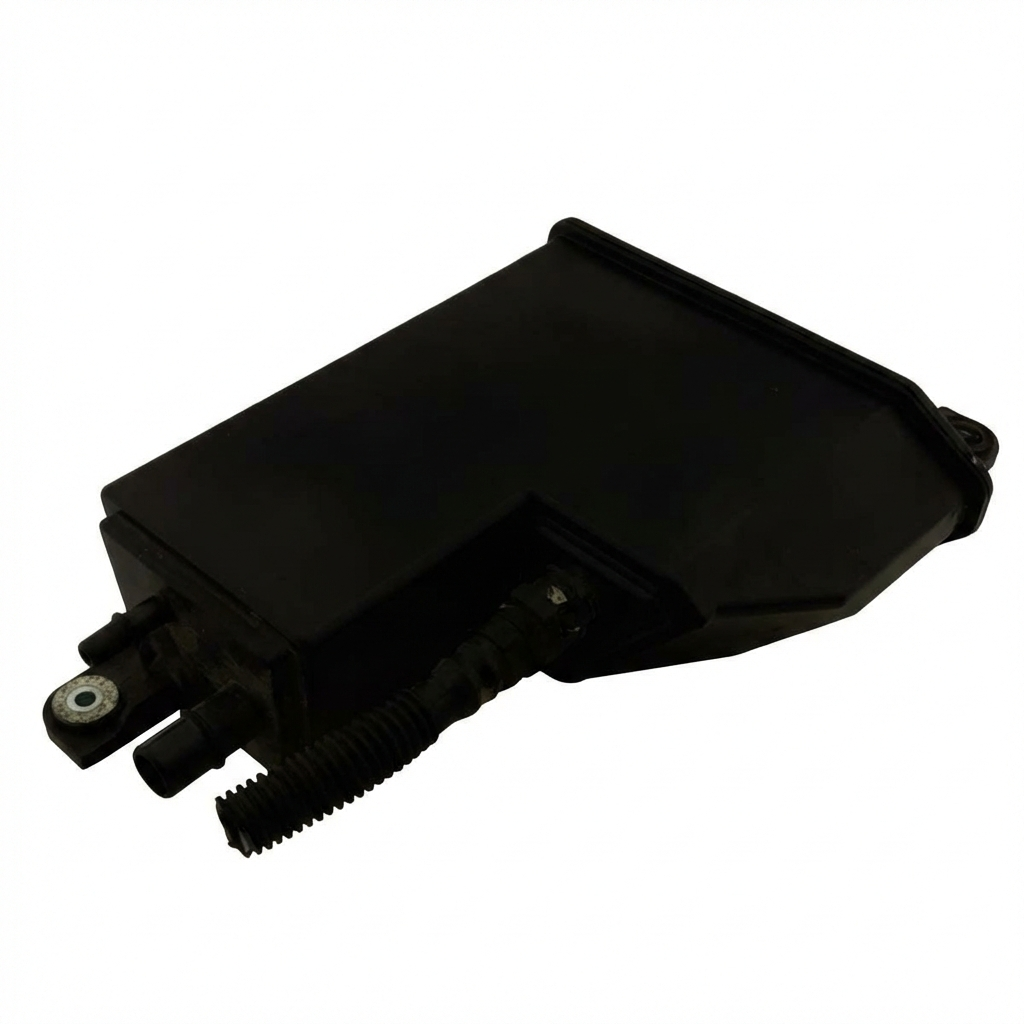
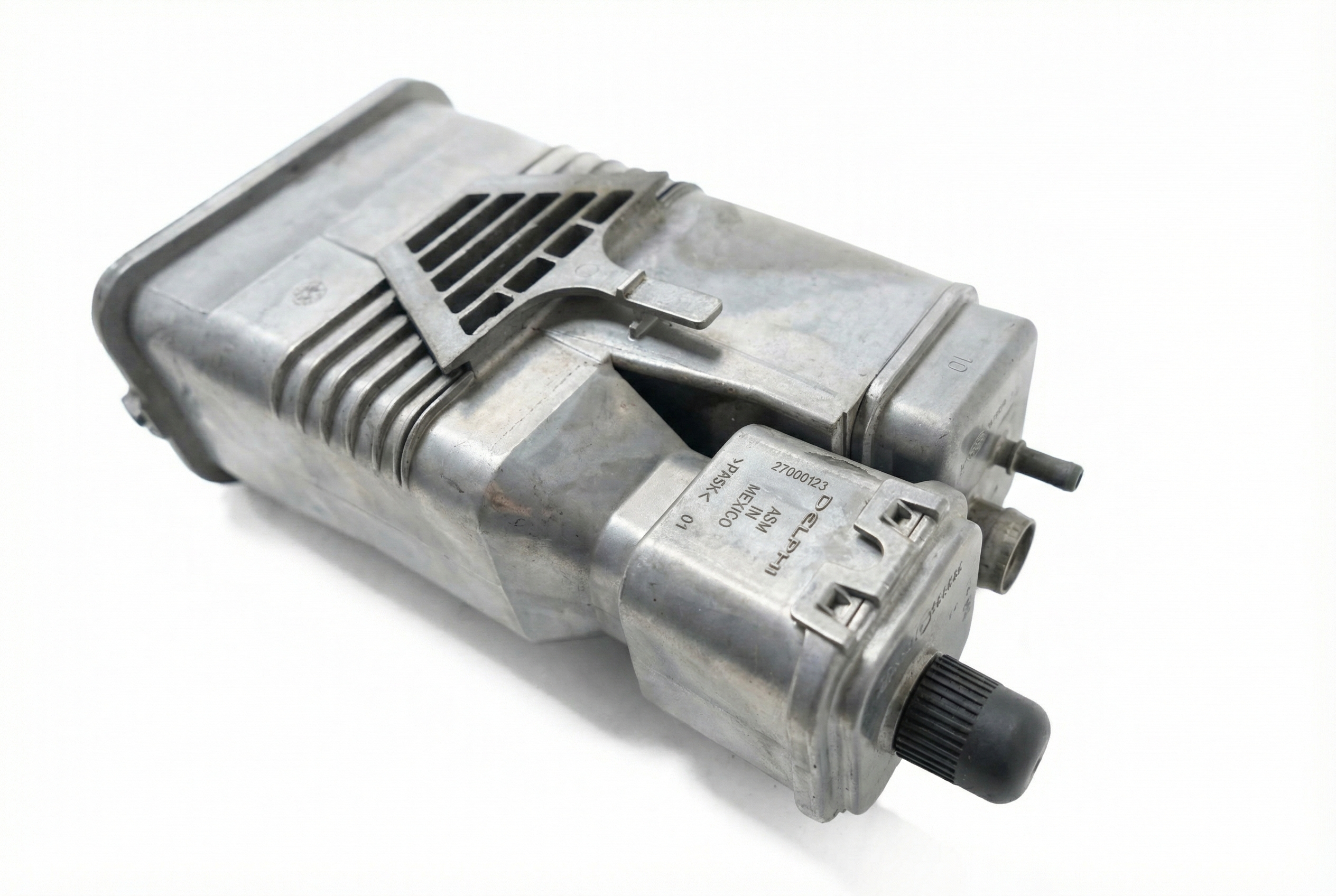
Used OEM Parts in Stock
New Aftermarket Parts Available


The information in this article is provided for general reference and educational purposes only. Vehicle specifications, procedures, and part compatibility can vary by production date, trim level, and region. Always consult your vehicle's factory service manual and verify part numbers before purchasing or performing repairs. Safety-critical components such as airbags, seat belts, and braking systems should be installed by a qualified professional.
- Hyundai ACCENT:
- 🎬 Helpful Videos
- 🛍️ Shop This Part
- What's Unique About the 2012-2017 Hyundai ACCENT
- Diagnostic Flowchart
- Symptoms You May Notice
- Most Likely Causes
- Rare But Worth Checking
- Diagnosis Steps
- Parts You'll Likely Need
- Technical Service Bulletins (TSBs) & Recalls
- Platform-Specific Known Issues
- Mechanic-Grade Diagnostic Values
- Hidden / Shadow Codes Worth Checking
- Scan Tool Commands That Help
- Wiring & Ground Locations
- Real Owner Repair Stories
- "I Checked Everything" — The Actual Cause
- When the Usual Fixes Don't Work
- OEM Part Supersession History
- Model Year Variations Within This Range
- 🎟️ Get 5% Off