

P0441 on 2011-2018 Dodge Charger: EVAP Purge System Performance Causes and Fixes
For a 2011-2018 Dodge Charger, code P0441 most often points to a faulty EVAP purge valve/solenoid, a common and relatively inexpensive DIY fix (around $25-$50 for the part). Before replacing parts, also check for any available PCM software updates from a dealer, as this is a known issue documented in Technical Service Bulletins. Also, perform a quick visual inspection for disconnected vacuum hoses near the purge valve, as this is a surprisingly common and free fix.
- P0441 means the EVAP system has an incorrect purge flow.
- The most likely cause on a 2011-2018 Charger is a bad purge valve, which is an easy DIY replacement.
- Before buying parts, check for cracked or disconnected vacuum hoses near the purge valve.
- Be aware that a software glitch can cause this code; check with a dealer for any available PCM updates for your VIN.
- The issue is not critical and will not stop you from driving, but it will cause an emissions test failure.
What's Unique About the 2011-2018 Dodge CHARGER

For the 2011-2018 Dodge Charger, a P0441 code isn't always caused by a failed hardware component. Dodge has issued several Technical Service Bulletins (TSBs) indicating that this code can be triggered by a software glitch in the Powertrain Control Module (PCM). In these specific cases, the only fix is to have a dealership update the PCM software. This makes it unique, as owners might replace several good parts before realizing the root cause is software-related. The TSBs often bundle the P0441 fix with corrections for other unrelated codes, reinforcing the software-based nature of the problem.
Diagnostic Flowchart

Tap your situation to follow the diagnostic path that matches what you're seeing on this vehicle.
Symptoms You May Notice
- Check Engine Light is on
- Remote start may be disabled
- Slight fuel odor (less common)
- Slightly reduced fuel economy
- Loss of 'ECO' mode indicator
- Replacing the gas cap when the purge valve is the actual problem.
- Replacing the charcoal canister when a simple hose is cracked or disconnected.
- Replacing multiple hardware parts when a PCM software update is all that is required.
Most Likely Causes

- Faulty EVAP Purge Valve/Solenoid 🔴 High Probability The purge valve is a constantly working solenoid that can wear out or get stuck open or closed over time. It's the most frequently replaced part for this code across many Dodge/Chrysler vehicles, including the Charger.
How to confirm: With the engine off, disconnect the purge valve and try to blow through it. If air passes, it is stuck open and faulty. With the engine running, disconnect the vacuum hose from the purge valve; there should be no vacuum present at idle. You can also test the solenoid's resistance with a multimeter or apply 12V to see if it clicks open and closed.
Typical fix: Replace the purge valve. It is located on the engine, near the intake manifold, and is a straightforward replacement requiring minimal tools.
Est. part cost: $25-$60 - PCM Software Update Needed 🟡 Medium Probability Dodge has released multiple TSBs (e.g., #18-067-15, #18-067-15 REV A) for 2011-2016 Chargers specifically calling out P0441 as a code that can be resolved with a PCM software update. This often occurs with other unrelated codes.
How to confirm: A Dodge dealership or a qualified shop with access to OEM software (like a StarSCAN or wiTECH tool) can check your vehicle's VIN against available TSBs and determine if a software update is needed.
Typical fix: Flash the Powertrain Control Module (PCM) with the latest software version. This must be done at a dealership or a properly equipped independent shop. Forum users report dealer costs ranging from $175 to $350 for this service.
Est. part cost: $0 (if under warranty) - $350 - Cracked or Disconnected EVAP Hoses 🟡 Medium Probability The plastic and rubber hoses in the engine bay can become brittle from heat cycles. A hose can easily be knocked loose during other maintenance. A disconnected hose at the purge valve itself is a common finding.
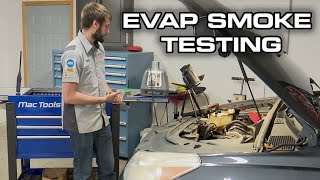
How to confirm: Visually inspect all EVAP lines, paying close attention to the connections at the purge valve near the intake manifold. A mechanic may use a smoke machine to pump low-pressure smoke into the system, which will quickly reveal hard-to-see leaks.
Typical fix: Reconnect the hose or replace the cracked/broken section. This is often a no-cost fix if a hose was simply disconnected.
Est. part cost: $5-$50 - Loose or Faulty Gas Cap ⚪ Low Probability While more likely to cause a large or small leak code (P0455/P0456), a gas cap that is not sealing properly can sometimes contribute to incorrect flow readings. An aftermarket cap is a common source of issues.
How to confirm: Ensure the gas cap is tightened until it clicks at least three times. Inspect the cap's seal for cracks or damage. If you have an aftermarket cap, consider replacing it with an OEM part.
Typical fix: Tighten or replace the gas cap. Using an OEM Mopar cap is highly recommended for a proper seal.
Est. part cost: $15-$35
Rare But Worth Checking
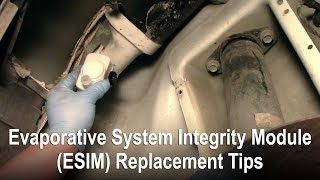
- Faulty EVAP Leak Detection Pump (LDP) / ESIM: On these Chrysler/Dodge models, an Evaporative System Integrity Module (ESIM), also called a Leak Detection Pump (LDP), is used to test the system. This component, located near the charcoal canister by the fuel tank, can fail or get sticky, causing a P0441 code, sometimes with a P0456. One owner reported this as the fix after the purge valve didn't solve it.
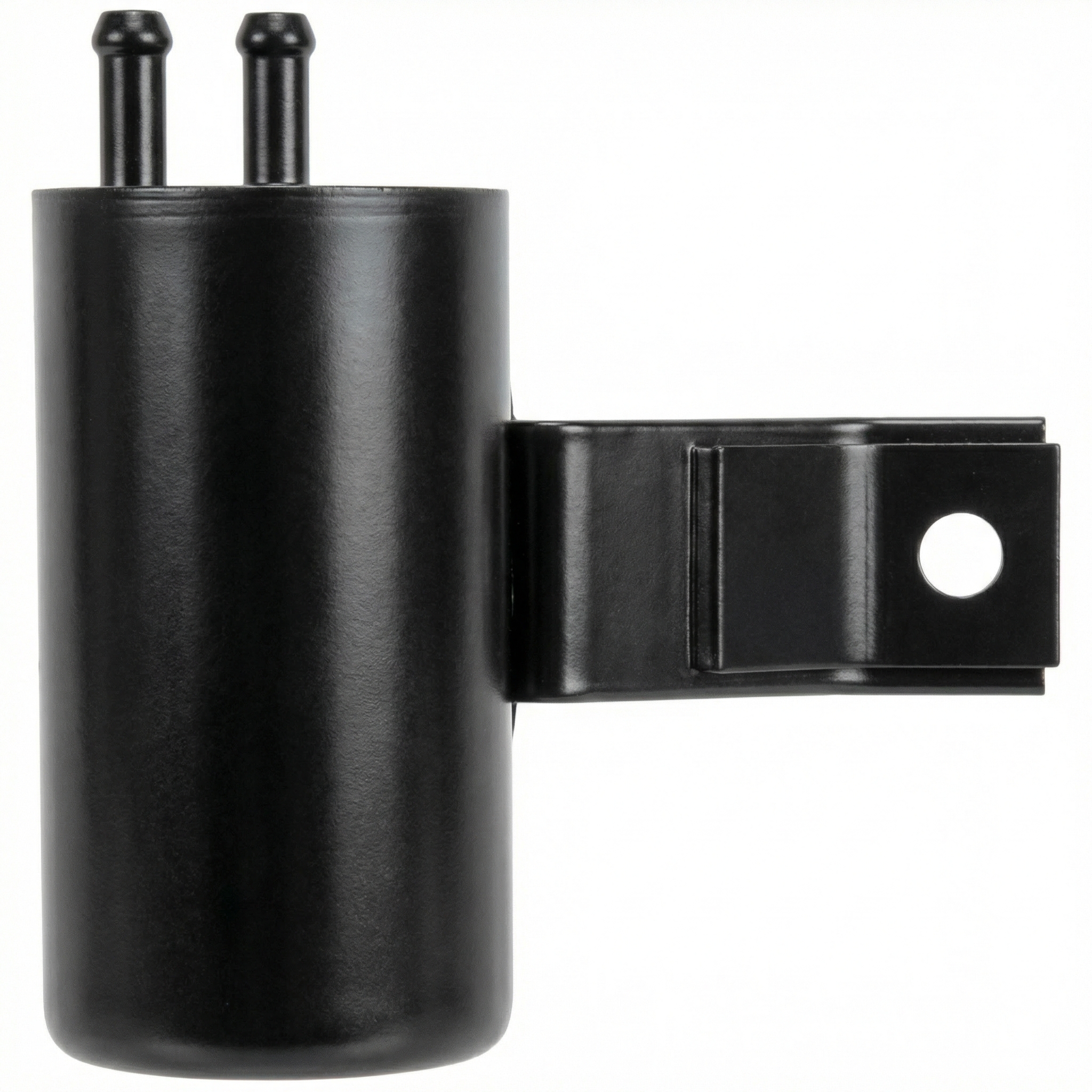
- Clogged Charcoal Canister: Habitually over-filling the fuel tank (topping off after the pump clicks off) can force liquid gasoline into the charcoal canister, saturating the charcoal pellets and causing a blockage that triggers a P0441 code.
Diagnosis Steps
- Read the code with an OBD-II scanner to confirm P0441 is present and note any other codes, especially P0455, P0456, or U-codes.
- Check the gas cap. Ensure it is an OEM cap, is tightened until it clicks multiple times, and the seal is not cracked or worn.
- Visually inspect the engine bay. Look for disconnected EVAP hoses, especially the one connecting to the top of the purge valve solenoid near the intake manifold. This is a common and simple fix.
- Test the EVAP purge valve. Locate it on the engine. With the engine off, remove the valve and try to blow through either port. If air passes, it's stuck open and must be replaced.
- If the valve seems closed, test its operation. Reconnect it, start the engine, and use a capable scanner to command the purge valve to open. You should hear a clicking sound and feel vacuum on the canister-side port.
- If the valve and hoses seem fine, contact a Dodge dealer with your VIN. Ask them to check for open campaigns or TSBs related to P0441, specifically mentioning TSB #18-067-15 REV A for a potential PCM software update.
- If no software update is available, a smoke test is the next step. This will pressurize the system with smoke and reveal any hairline cracks or hidden leaks in hoses or the charcoal canister.
- As a final step, inspect the charcoal canister and the attached ESIM/LDP unit (near the fuel tank) for damage or blockages. The ESIM can fail and is a known, though less common, cause.
Parts You'll Likely Need
- Vapor Canister Purge Valve / Solenoid
(OEM #04891731AA)— This is the most common mechanical failure point for a P0441 code. It's a solenoid that frequently gets stuck open or closed, directly causing an 'incorrect purge flow' condition.
Trusted brands: Mopar, Dorman, Bosch, Standard Motor Products (SMP)
OEM price range: $40-$70
Aftermarket price range: $25-$50 - Evaporative System Integrity Module (ESIM) Detector
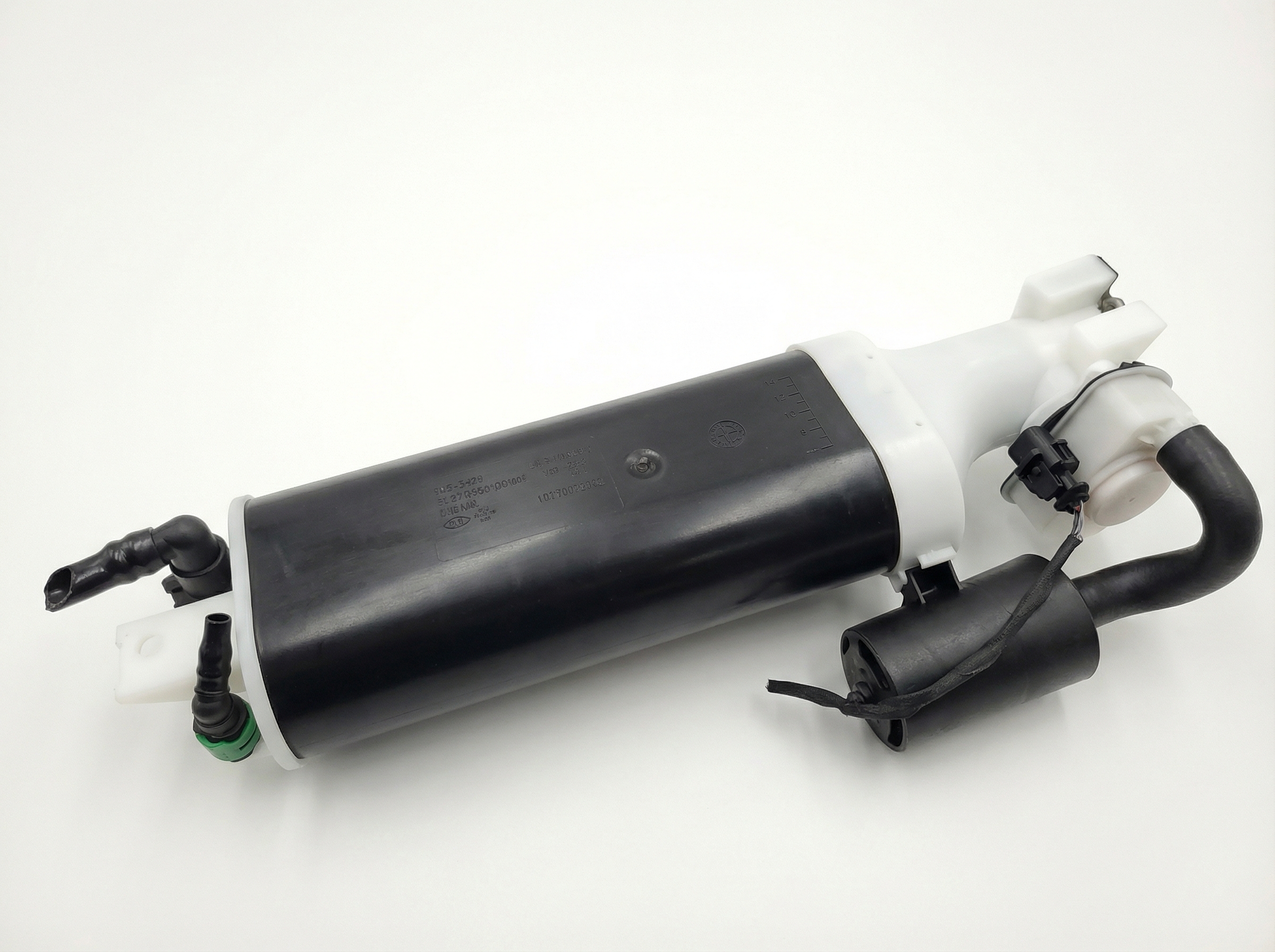
(OEM #04861963AD)— A less common but notable cause. This module, part of the leak detection system near the canister, can fail and cause incorrect flow codes. It supersedes older part numbers ending in AA, AB, and AC.
Trusted brands: Mopar, Standard Motor Products
OEM price range: $70-$110
Aftermarket price range: $30-$60
Related Codes That Often Appear With This One
- P0456 — Indicates a small leak in the EVAP system, which can be related to the same components that cause incorrect purge flow. This code is mentioned alongside P0441 in TSB #1809416 and is a common pairing seen by owners.
- P0455 — Indicates a large leak in the EVAP system. A purge valve stuck open can sometimes be interpreted as a large leak. This code is mentioned with P0441 in TSBs #1807517 and #18-062-17.
- U0401 — Indicates implausible data received from the ECM/PCM. TSB #18-067-15 REV A lists this code with P0441, strongly suggesting a software issue can cause multiple communication and system performance codes.
- P0340 — Camshaft Position Sensor Circuit code. Its appearance with P0441 in TSB #18-067-15 REV A points towards a potential PCM software problem affecting multiple, unrelated systems.
Technical Service Bulletins (TSBs) & Recalls

- Bulletin #1807517: Mentions P0441 along with other EVAP and sensor codes.
- Bulletin #1809416: Lists P0441 with other EVAP and misfire codes.
- Bulletin #18-067-15: Cites P0441 as a code that can be fixed by a PCM software update for certain model years.
- Bulletin #18-067-15 REV A: Revises and reinforces that a software update can resolve P0441, often seen with U0140, U0401, and P0340.
- Bulletin #18-062-17: Groups P0441 with various sensor performance codes.
Platform-Specific Known Issues
- Certain 2011-2016 models may trigger P0441 due to a software issue, requiring a PCM update as described in TSBs #18-067-15 and #18-067-15 REV A.
- P0441 is often seen with other seemingly unrelated codes like P0340 (Camshaft Position Sensor) or U0401 (Implausible Data from ECM/PCM), which strongly points to the aforementioned software issue rather than multiple hardware failures. (TSB #18-067-15 REV A)
- A disconnected vacuum hose right at the purge solenoid is a very common finding. Before buying parts, a thorough visual check in this area is critical.
Scan Tool Commands That Help
- wiTECH or other professional scanner: EVAP Purge Solenoid Actuator Test / Bidirectional Control — This command allows the technician to manually open and close the purge solenoid while the engine is running. It's used to verify if the solenoid is physically responding to PCM commands. You can check for vacuum at the port or listen for an audible click when the command is sent.
Wiring & Ground Locations
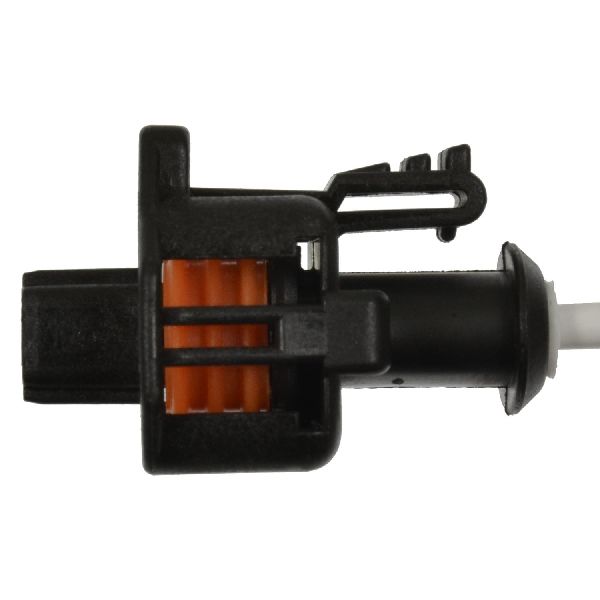
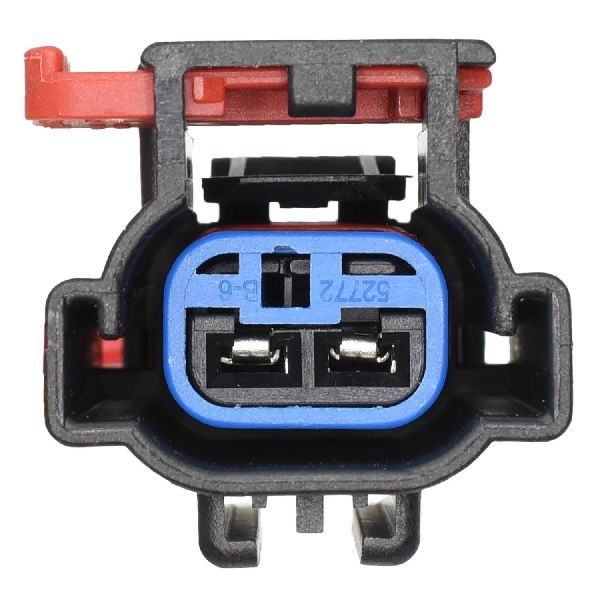
- EVAP Purge Solenoid Connector — On the EVAP purge solenoid, located on the passenger side firewall on 5.7L Hemi models.. A damaged connector or wire at this point will prevent the purge solenoid from operating correctly, triggering a P0441. The pinout is: Pin 1 (K52, Dark Blue/Orange wire) is the EVAP Purge Control signal from the PCM. Pin 2 (K70, Dark Blue/Brown wire) is the EVAP Purge Return.
- ESIM / Leak Detection Pump — In the passenger side rear wheel well, mounted on top of the charcoal canister. Access requires removing the wheel and the plastic wheel well liner.. This component is responsible for testing the EVAP system's integrity. Its failure can cause incorrect flow codes like P0441, even if there are no actual leaks in the system.
- Chassis Ground Point — Underneath the factory airbox and under the passenger front seat carpet are known factory ground post locations on later model (2018) Chargers.. Poor grounding for the PCM or related sensors can cause a variety of electrical issues and erroneous trouble codes. While not a primary cause for P0441, ensuring clean and tight grounds is a fundamental step in diagnosing any electrical fault.
Real Owner Repair Stories
- YouTube user 'WJHandyDad' (Dodge Charger (year not specified, LD generation)) — Check Engine Light on, loss of 'ECO' mode indicator.
❌ Tried (didn't work) Initially suspected a part was broken during a recent suspension repair.
✅ What actually fixed it Found a disconnected vacuum hose right at the EVAP purge solenoid and reconnected it. - Commenter on YouTube video for P0456 (2014 Dodge Charger SXT) — Check Engine Light on with EVAP leak codes (P0456, often related to P0441).
❌ Tried (didn't work) Replacing the vapor canister control valve (purge valve).
✅ What actually fixed it Replaced the 'vapor Leak detection pump' (ESIM) located in the passenger rear wheel well. The light went off the next day after the computer re-ran its tests. - YouTube user comment (Dodge/Chrysler vehicle) — P0441 code.
❌ Tried (didn't work) Multiple other attempted fixes (not specified).
✅ What actually fixed it Replacing the gas cap was the final, successful fix.
"I Checked Everything" — The Actual Cause
- In many cases where a smoke test reveals no leaks, the fault lies with the Evaporative System Integrity Module (ESIM), also known as the leak detection pump. This component can fail internally, where its diaphragm switch no longer operates correctly. Since this is not a physical leak of vapor to the atmosphere, a smoke machine will not detect the fault. A technician can test the ESIM directly by applying ground and checking for a return signal on the other pin while applying light pressure or vacuum to the ports.
- A faulty gas cap that appears visually okay can sometimes be the culprit. Even if it's tight, the internal valve or seal may not be functioning correctly, leading to system test failure without an obvious leak point for a smoke test.
When the Usual Fixes Don't Work
- While the purge valve is the most common cause, it is not always the fix. In one documented case for a 2014 Charger, replacing the purge valve did not resolve the EVAP code. The actual solution was to replace the Evaporative System Integrity Module (ESIM) located near the fuel tank, which fixed the problem. This highlights the need to consider the entire system, especially when common fixes fail.
OEM Part Supersession History
04861963AA, 04861963AB, 04861963AC→04861963AD— Component revision and improvement by the manufacturer.
Heads up: The newer part number (AD) is the correct replacement for all previous versions for this application.
Model Year Variations Within This Range
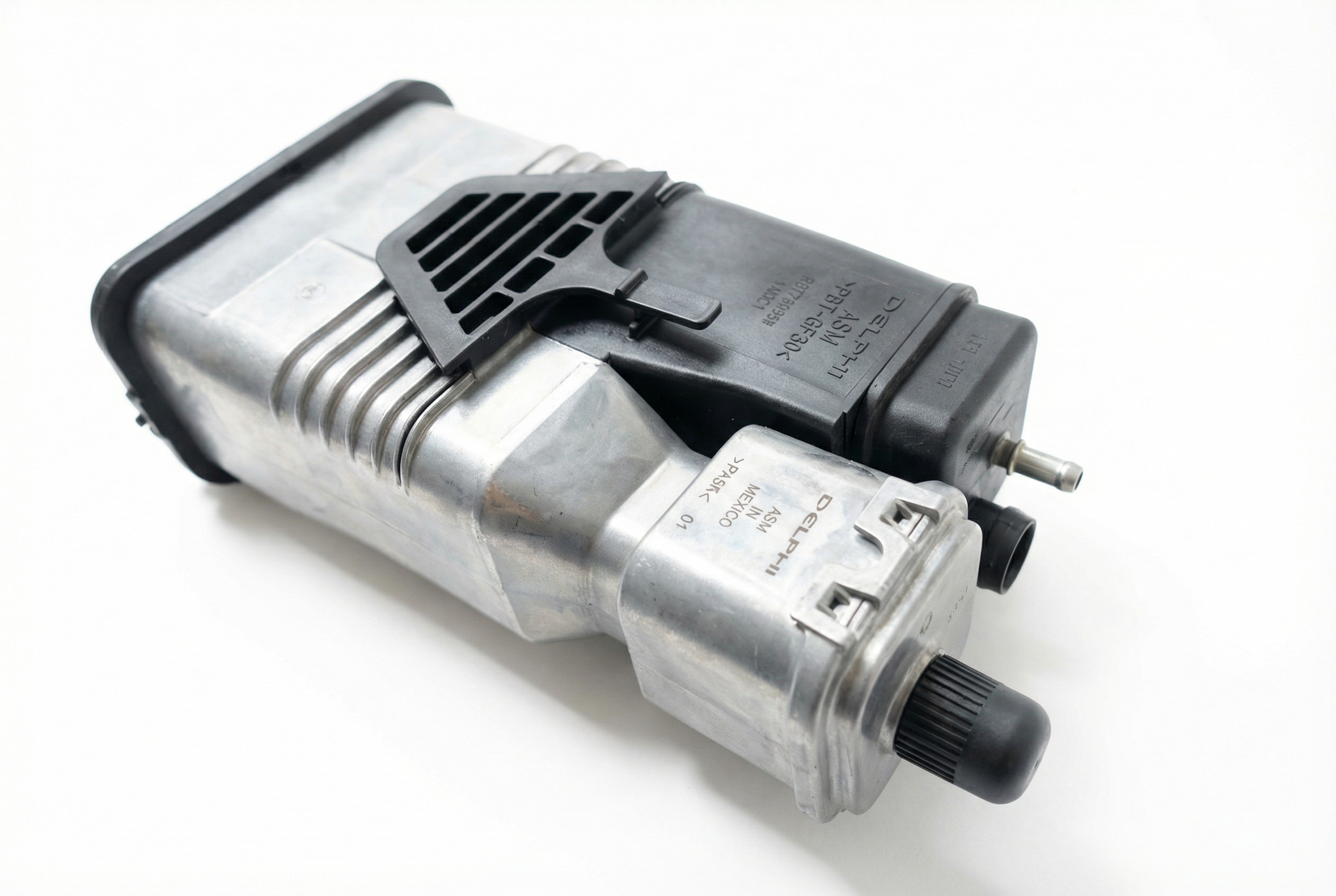
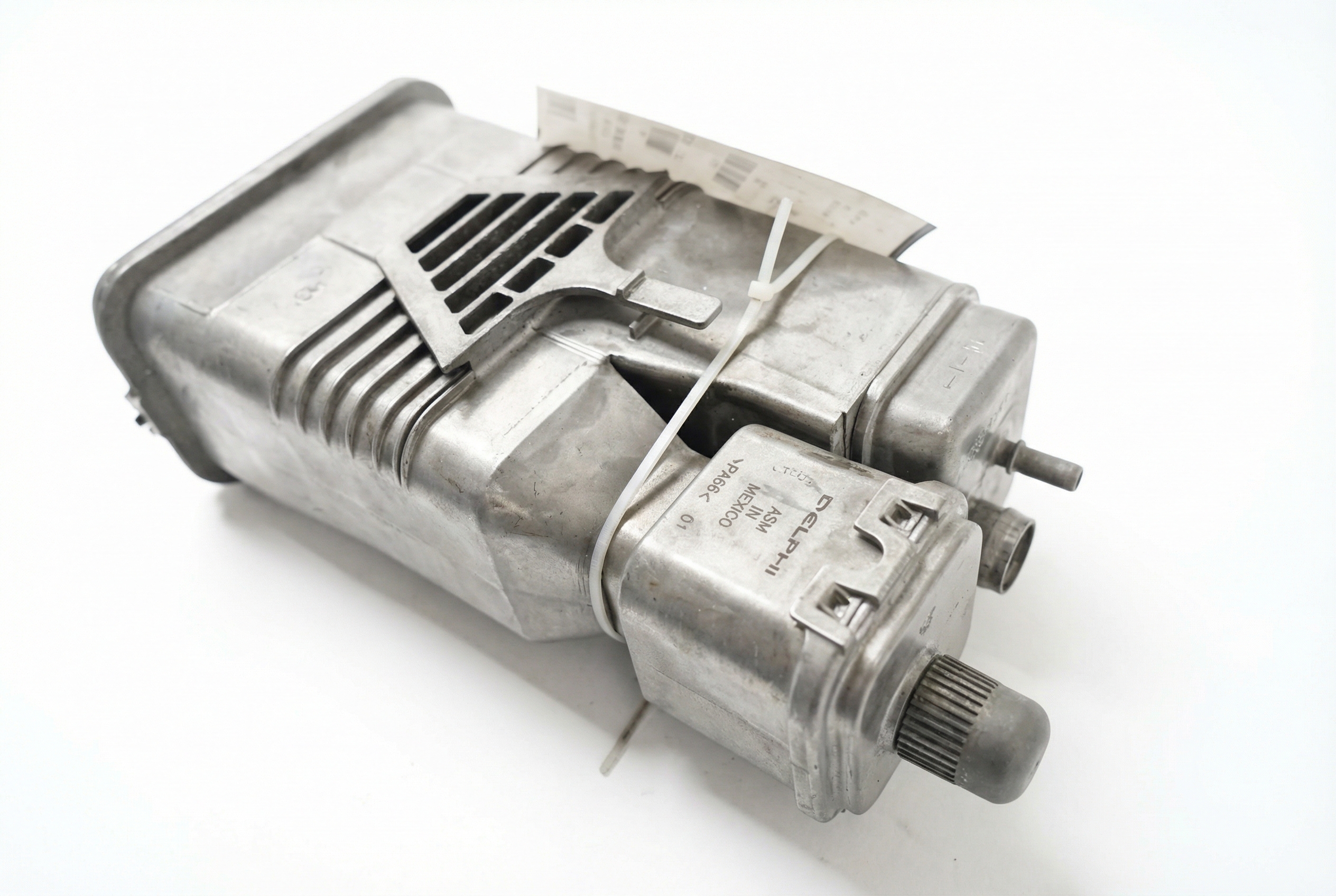
- 2011-2018: While the ESIM/Leak Detection Pump is consistently located in the passenger rear wheel well, the charcoal canister it mounts to may have a different shape. Older models may have a square, boxy canister, while newer models in this range may have a longer, cylindrical canister. The function and location of the ESIM itself remain the same.
- 2011-2018 (5.7L Hemi): For the 5.7L Hemi engine, the EVAP purge solenoid is consistently located on the passenger side firewall, making it relatively easy to access.
Helpful Videos

Used OEM Parts in Stock
New Aftermarket Parts Available


The information in this article is provided for general reference and educational purposes only. Vehicle specifications, procedures, and part compatibility can vary by production date, trim level, and region. Always consult your vehicle's factory service manual and verify part numbers before purchasing or performing repairs. Safety-critical components such as airbags, seat belts, and braking systems should be installed by a qualified professional.
- Dodge CHARGER:
- 🎬 Helpful Videos
- 🛍️ Shop This Part
- What's Unique About the 2011-2018 Dodge CHARGER
- Diagnostic Flowchart
- Symptoms You May Notice
- Most Likely Causes
- Rare But Worth Checking
- Diagnosis Steps
- Parts You'll Likely Need
- Related Codes That Often Appear With This One
- Technical Service Bulletins (TSBs) & Recalls
- Platform-Specific Known Issues
- Scan Tool Commands That Help
- Wiring & Ground Locations
- Real Owner Repair Stories
- "I Checked Everything" — The Actual Cause
- When the Usual Fixes Don't Work
- OEM Part Supersession History
- Model Year Variations Within This Range
- 🎟️ Get 5% Off