

P0441 on 2019-2022 Dodge Challenger: EVAP Purge System Performance Causes and Fixes
For a 2019-2022 Dodge Challenger, code P0441 is most often caused by a faulty EVAP purge valve or a software issue requiring a dealer PCM update. Check for TSBs like #1809623 before replacing the purge valve, which is a relatively inexpensive part ($30-$70). A disconnected hose near the valve is also a common and free fix.
- P0441 indicates an 'Incorrect Purge Flow' in the EVAP system, not a leak.
- Before buying parts, check with a dealer for TSBs. A simple software update (per TSB #18-096-23) may be the only fix required for some 2022 models.
- The most common part to fail is the EVAP purge valve/solenoid, which is an accessible and affordable DIY replacement. Check for disconnected hoses first.
- Do not automatically replace the gas cap for this code; it is an unlikely cause.
- Inspect the vacuum hoses connected to the purge valve carefully for cracks or disconnection before replacing any parts.
What's Unique About the 2019-2022 Dodge CHALLENGER
A key issue for this specific Dodge Challenger range is a documented software problem. Technical Service Bulletin (TSB) #18-096-23 (NHTSA #1809623) explicitly states that the P0441 code can be falsely triggered on some 2022 models, sometimes along with other EVAP codes. The official fix is not a part replacement, but reprogramming the Powertrain Control Module (PCM) with updated software. This makes it crucial to check for applicable TSBs with a dealer before spending money on hardware, as many owners have replaced parts unnecessarily only to find a software flash was the true solution.
Diagnostic Flowchart
Tap your situation to follow the diagnostic path that matches what you're seeing on this vehicle.
Symptoms You May Notice
- Check Engine Light is on
- Remote start may be disabled
- Slightly rough idle in some cases, particularly if the valve is stuck open creating a vacuum leak
- Slight fuel odor (rare)
- No noticeable drivability issues in most cases
- Replacing the gas cap. A loose or faulty gas cap typically causes a leak detection code like P0456 (small leak) or P0457 (loose cap), not a P0441 incorrect flow code.
Most Likely Causes
- Faulty EVAP Purge Valve/Solenoid 🔴 High Probability The purge valve is a very common failure point on many Chrysler/Dodge vehicles. It's a mechanical solenoid that cycles frequently and can get stuck open or closed from wear or contamination, leading to incorrect flow.
How to confirm: With the engine running at idle, disconnect the electrical connector from the purge valve and place your finger over the vacuum port on the valve. If you feel suction, the valve is stuck open and is faulty. Alternatively, with the engine off, remove the valve and try to blow through it; it should be closed. Applying 12V to the pins should make it click open.
Typical fix: Replace the purge valve. On the 3.6L V6, it's near the throttle body. On the 5.7L/6.4L V8, it's on the passenger side of the intake manifold. It is held by one or two bolts and is accessible for DIY replacement.
Est. part cost: $30-$70 - PCM Software Requires Update 🔴 High Probability TSB #18-096-23 explicitly states that a PCM software update is the fix for P0441 on certain 2022 models. The logic for monitoring the EVAP system may be too sensitive in the original software, falsely triggering the code.
How to confirm: A Dodge dealership or a qualified shop with access to OEM software (like wiTECH) can check your vehicle's VIN against the TSB and see if a software update is available.
Typical fix: Reprogram the Powertrain Control Module (PCM) with the latest software. This must be done by a dealer or a properly equipped independent shop.
Est. part cost: $0 if under warranty, otherwise typically one hour of labor ($100-$200). - Cracked or Disconnected EVAP Hoses 🟡 Medium Probability The plastic and rubber hoses in the engine bay are exposed to heat and can become brittle and crack, or simply get disconnected. A surprisingly common find is the hose connecting to the purge valve itself being disconnected.
How to confirm: Visually inspect all vacuum lines connected to the purge valve and running towards the charcoal canister for any cracks, loose connections, or blockages. A YouTube video on a Dodge Charger showed the fix was simply reconnecting a hose that had popped off the purge valve. A smoke test is the professional way to find hard-to-see leaks.
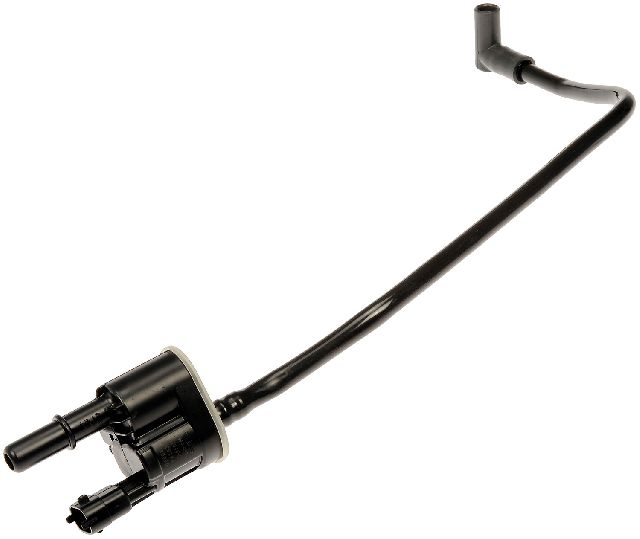
Typical fix: Replace the damaged section of hose or reconnect it. OEM replacement hoses are available (e.g., Mopar Part #68137179AA).
Est. part cost: $10-$40
Rare But Worth Checking
- Faulty EVAP Pressure Sensor: This is more likely if P0441 is accompanied by code P0452 (EVAP Pressure Switch Stuck Closed), as noted in TSB #2500320 and #25-003-20. The sensor provides feedback to the PCM about system pressure during the purge cycle.
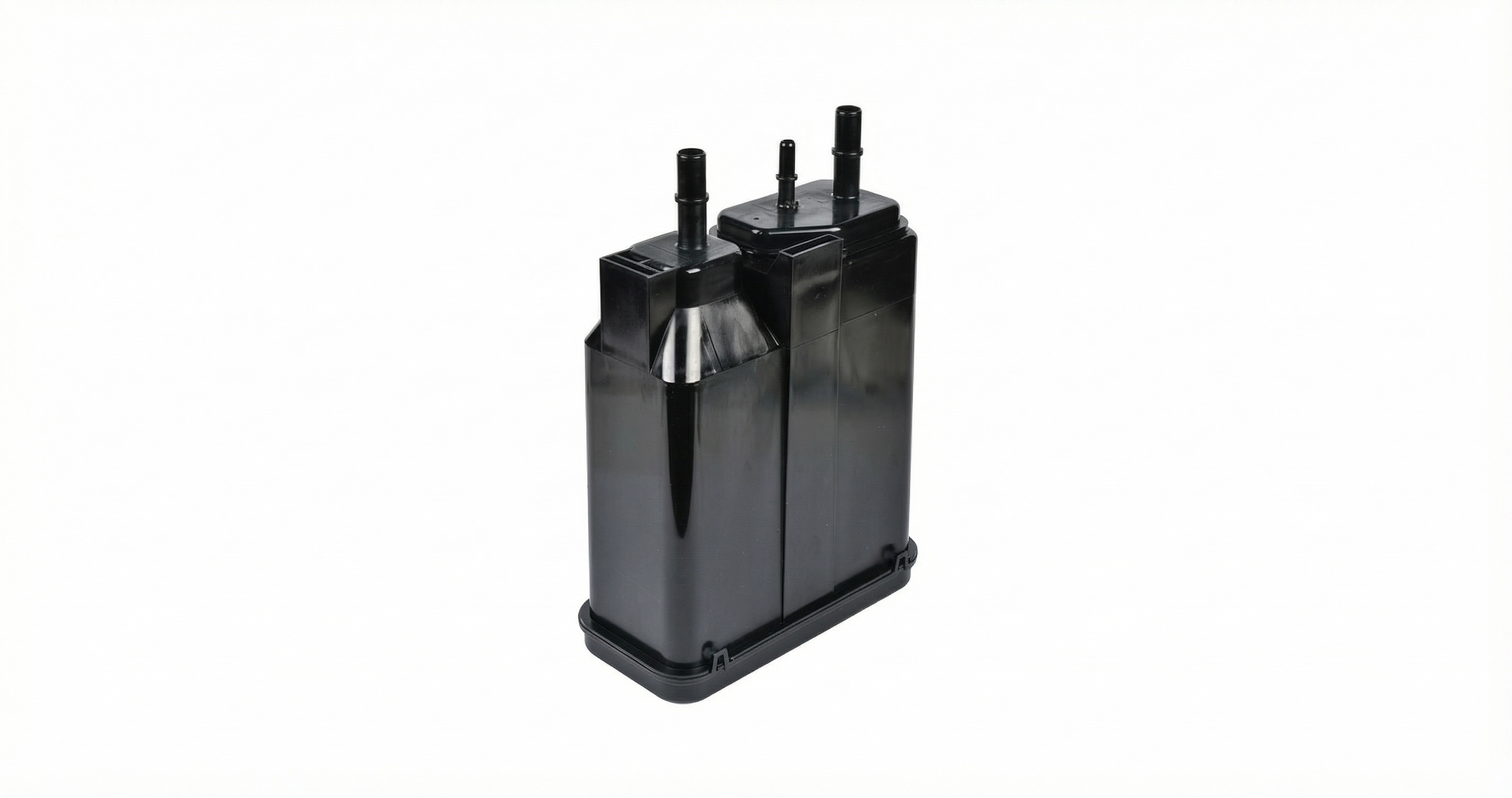
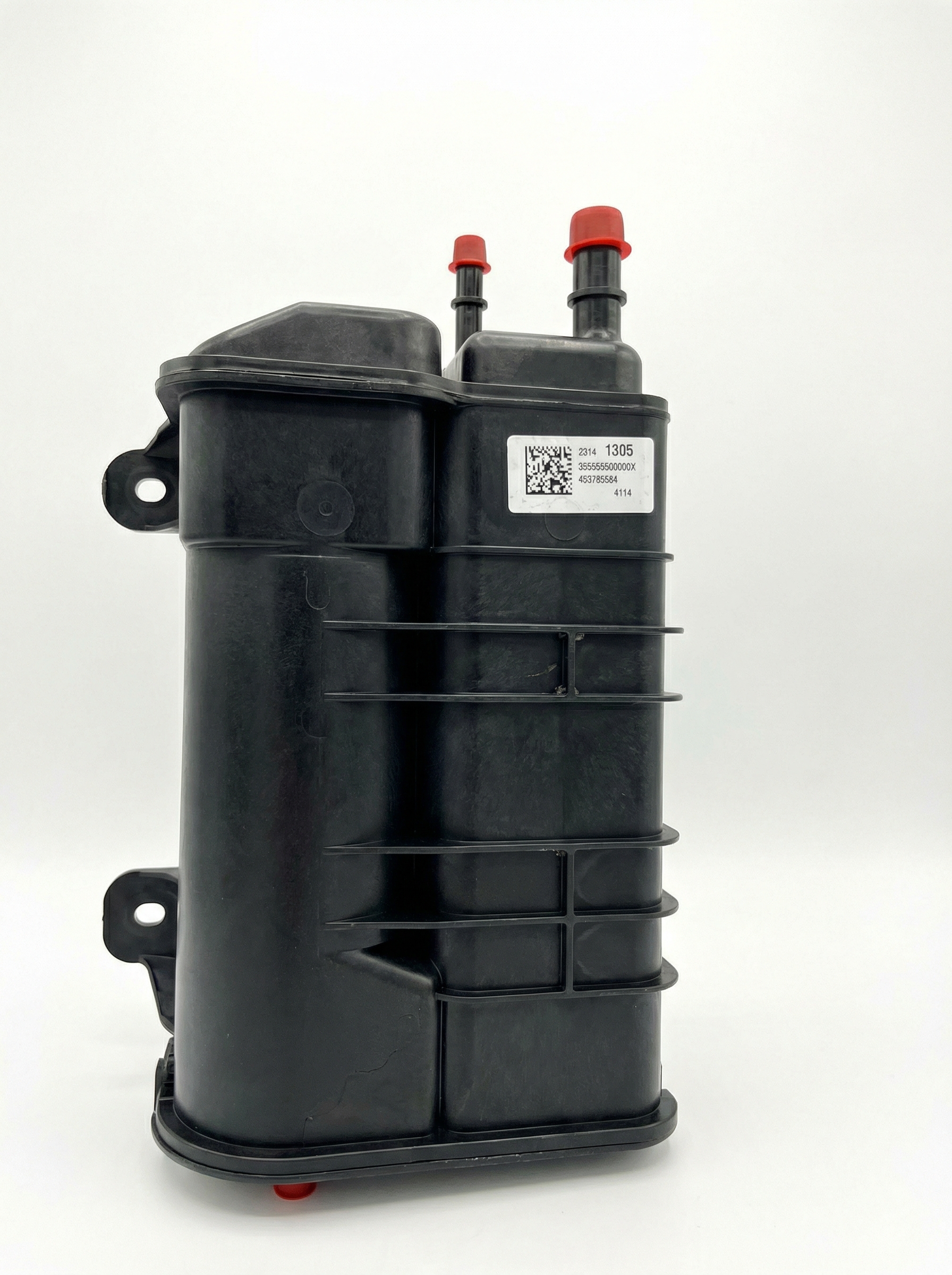
- Clogged Charcoal Canister: Habitually over-filling the fuel tank past the first click can saturate the charcoal canister with liquid fuel, causing it to become clogged and restricting vapor flow. This is an expensive repair.
- Faulty Evaporative System Integrity Monitor (ESIM): On platform-mates like the Chrysler 300, a faulty ESIM (attached to the charcoal canister) has been diagnosed as the cause of P0441 after the purge valve was replaced without success. The ESIM can fail internally due to corrosion, preventing it from detecting the vacuum pull from a proper purge cycle.
Diagnosis Steps
- Check for Technical Service Bulletins (TSBs) first. Contact a Dodge dealer with your VIN to see if TSB #18-096-23 or others apply. A PCM reflash may be the only required fix.
- Inspect the gas cap to ensure it is tight and the seal is intact, but do not replace it as the primary fix for P0441.
- Visually inspect all EVAP hoses and lines connected to the purge solenoid in the engine bay. Pay close attention to the connection right at the valve, as it can pop off.
- Locate the purge valve. On the 3.6L V6, it's near the throttle body; on V8s, it's on the passenger side of the intake manifold.
- Test the purge valve. With the engine running, disconnect the electrical plug and feel for vacuum at the valve's port. There should be none at idle. If there is, the valve is stuck open and bad.
- If the valve seems okay, consider a smoke test. A mechanic can inject smoke into the EVAP system to definitively identify any hairline cracks or leaks in the lines that are not visible to the naked eye.
- If the valve and hoses are good, the issue is very likely the PCM software. Contact a dealer to check for updates per TSB #18-096-23.
- If other codes like P0452 are present, further diagnosis of the EVAP pressure sensor and its wiring may be needed, as outlined in TSB #25-003-20.
Parts You'll Likely Need
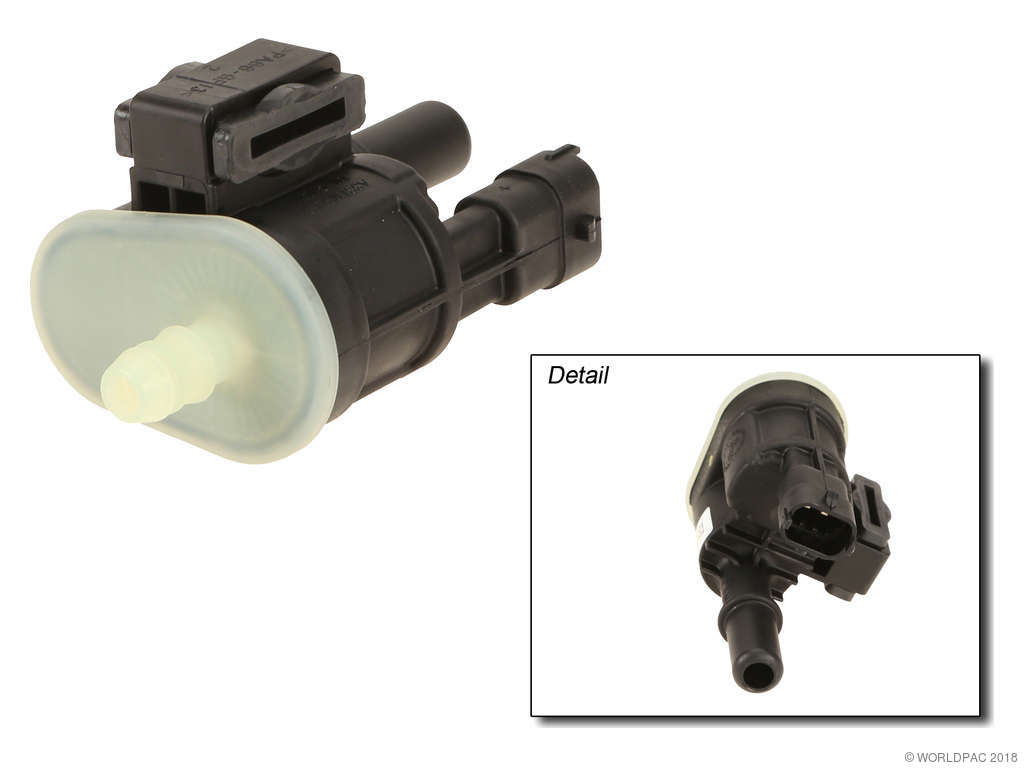
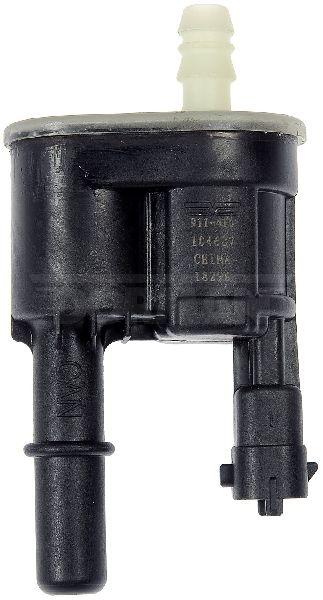
- EVAP Vapor Canister Purge Valve / Solenoid
(OEM #Mopar 4627694AB (replaces 4627694AA) or 04891738AD (replaces 4891738AA, 4891738AB). Verify with VIN.)— This is the most common mechanical failure that causes a P0441 code. The solenoid fails and either sticks open or closed, disrupting the correct flow of fuel vapors.
Trusted brands: Mopar, Duralast, Standard Motor Products, Bosch
OEM price range: $50-$90
Aftermarket price range: $30-$70
Related Codes That Often Appear With This One
- P0452 — TSB #2500320 and #25-003-20 list P0441 and P0452 (EVAP Pressure Switch Stuck Closed) together, indicating a potential issue with the pressure sensor circuit or the sensor itself.
- P0440 — This is a general EVAP system failure code. TSB #18-096-23 notes that a PCM software issue can cause both P0440 and P0441 to appear.
- P0455 / P0456 — These codes indicate large and small EVAP leaks, respectively. While P0441 is a flow issue, a significant leak in the purge line or a stuck-open purge valve could potentially trigger it alongside a leak code. TSB #18-096-23 also groups these codes with P0441 as being potentially caused by a software glitch.
Technical Service Bulletins (TSBs) & Recalls
- Bulletin #1809623 (also cited as 18-096-23): Addresses P0441 and other EVAP codes on 2022 6.4L models caused by a software issue, requiring a PCM reflash.
- Bulletin #2500320 / #25-003-20: Notes the occurrence of P0441 along with P0452, guiding diagnosis toward the pressure sensor circuit on 2020 models.
Platform-Specific Known Issues
- TSB #18-096-23: PCM Software Update for EVAP Codes: For some 2022 models with the 6.4L V8, this bulletin advises that P0441 (and P0440, P0455, P0456) may be set due to a software issue. The fix is to reprogram the PCM, not replace parts.
- TSB #25-003-20: P0441 Paired with P0452: For some 2020 models, this bulletin notes that P0441 may appear alongside P0452 (EVAP Pressure Switch Stuck Closed), pointing towards a potential pressure sensor or circuit issue rather than the purge valve itself.
- Owner Experience: Disconnected Hose: A common real-world fix shared by owners of Challengers and platform-mates is discovering the vacuum hose on the purge valve itself has simply popped off. Before buying parts, a thorough visual check of these connections is highly recommended.
Mechanic-Grade Diagnostic Values
- EVAP Purge Valve/Solenoid Coil Resistance — expected: Approximately 14.4 Ω. Failure: A reading that is significantly higher, lower, or shows an open circuit (infinite resistance) indicates a faulty internal coil.
- Fuel Tank Pressure (FTP) Sensor Voltage (Key On, Engine Off, Gas Cap Off) — expected: ~2.6 V. Failure: A voltage near 0V or one that doesn't change with pressure indicates a faulty sensor or circuit problem.
- Mode $06 Data (Advanced Scan Tool) — expected: Value for TID $88 should be within the specified MIN/MAX range.. Failure: A failing or out-of-range value for Test ID $88, described as 'gas flow average ratio', pointed to an incorrect purge flow issue on a Challenger after the purge valve was already replaced.
Hidden / Shadow Codes Worth Checking
- Mode $06, TID $88: Monitors the 'gas flow average ratio' for the EVAP system. A failure of this monitor can indicate an incorrect purge flow condition even if the primary P0441 is intermittent. This provides a deeper look into the system's self-test results. (see via Requires an advanced OBD-II scan tool capable of displaying Mode $06 test results.)
Scan Tool Commands That Help
- wiTECH or equivalent professional scanner: EVAP Monitor Test / EVAP System Test — This is a forced, automated test that runs the vehicle through the complete EVAP monitor sequence, which can take up to 20 minutes. It is used to verify if a fault is currently present and can set a code if the system fails the test, confirming an issue exists without having to complete a full drive cycle.
- wiTECH or equivalent professional scanner: EVAP Purge Solenoid Actuation / Duty Cycle — This bidirectional command allows the technician to manually open and close the purge valve while the engine is running. It's used to confirm the solenoid is mechanically functioning (listen for a click) and to verify that flow is occurring by observing a change in short-term fuel trim or a vacuum pull on the disconnected hose.
Wiring & Ground Locations
- Front Fuse Box (Under Hood) — Located on the passenger side of the engine bay.. The purge valve solenoid and its control circuit are powered by fuses and relays in this box. Check fuses F31, F34, F35, F36 and relay R63, which are related to engine management and can affect the EVAP system.
- Rear Fuse Box (Trunk) — Located behind the trunk liner on the passenger side, near the battery.. Relay R29 in the rear fuse box is also tied to the engine control systems and should be checked if power issues are suspected for the EVAP components.
- Purge Valve Connector — Directly on the EVAP purge valve solenoid, on top of or to the rear of the engine.. This 2-pin connector provides power and ground control from the PCM. One pin should have battery voltage with the key on, and the other is the ground-side control from the PCM. Corrosion or a poor connection here will cause a P0441 or related circuit codes.
Real Owner Repair Stories
- RamForum.com user (2019 Ram 1500 5.7L (platform-mate engine), 27,000 miles) — Check Engine Light with P0441, and difficulty filling the fuel tank (pump constantly shutting off).
❌ Tried (didn't work) The owner considered replacing common parts but took it to the dealer under warranty first.
✅ What actually fixed it The dealership replaced the Fuel Tank Pressure Sensor/Recirculation Tube Assembly (Part #52029939AC) under warranty, which resolved the code. The tech mentioned it was a known issue with a bad batch of those parts.
"I Checked Everything" — The Actual Cause
- If a smoke test passes, showing no physical leaks, the cause of P0441 is almost always a functional failure, not a static leak. The two most common culprits are a mechanically stuck purge valve (which a smoke test won't detect) or a PCM software glitch requiring a dealer reflash per TSBs. A less common but notable cause is a failed Evaporative System Integrity Monitor (ESIM), which has its own internal switch that can fail without causing an external leak.
OEM Part Supersession History
4627694AA→4627694AB— Standard part revision and improvement by the manufacturer.
Model Year Variations Within This Range
- 2019 (6.4L Engine): On the 6.4L engine for this model year, the purge valve is reportedly buried deep at the back of the engine, making it much harder to access compared to the 5.7L engine where it is mounted on a more accessible bracket near the top.
- 2020 (3.6L Engine): TSB #25-003-20 notes that for vehicles built between May and June 2020, P0441 may be accompanied by P0452 due to a kinked EVAP purge line in the engine bay, pointing to a manufacturing/assembly issue for a specific batch.
- 2022 (5.7L & 6.4L Engines): TSB #18-096-23 indicates that P0441 on these models can be caused by a software glitch in the PCM. The only fix is a software update performed by a dealer, not a hardware replacement.
Helpful Videos

Used OEM Parts in Stock



New Aftermarket Parts Available


The information in this article is provided for general reference and educational purposes only. Vehicle specifications, procedures, and part compatibility can vary by production date, trim level, and region. Always consult your vehicle's factory service manual and verify part numbers before purchasing or performing repairs. Safety-critical components such as airbags, seat belts, and braking systems should be installed by a qualified professional.
- Dodge CHALLENGER:
- 🎬 Helpful Videos
- 🛍️ Shop This Part
- What's Unique About the 2019-2022 Dodge CHALLENGER
- Diagnostic Flowchart
- Symptoms You May Notice
- Most Likely Causes
- Rare But Worth Checking
- Diagnosis Steps
- Parts You'll Likely Need
- Related Codes That Often Appear With This One
- Technical Service Bulletins (TSBs) & Recalls
- Platform-Specific Known Issues
- Mechanic-Grade Diagnostic Values
- Hidden / Shadow Codes Worth Checking
- Scan Tool Commands That Help
- Wiring & Ground Locations
- Real Owner Repair Stories
- "I Checked Everything" — The Actual Cause
- OEM Part Supersession History
- Model Year Variations Within This Range
- 🎟️ Get 5% Off