

P0441 on 2011-2018 Dodge Challenger: EVAP Incorrect Purge Flow Causes & Fixes
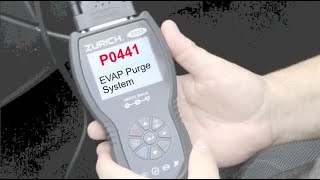
On a 2011-2018 Dodge Challenger, P0441 most often points to a faulty EVAP purge valve (Part No. 4891735AC) or a needed software update. The purge valve is a relatively inexpensive part (around $40-$70) and is easy to replace, often only requiring a 10mm socket. Always check with a dealer for software updates, as multiple TSBs address this code as a potential software glitch.
- P0441 on a Challenger means the EVAP system has incorrect vapor flow, which won't stop you from driving but will cause an emissions test failure.
- Before buying parts, check with a dealer for software updates. Multiple TSBs confirm a PCM reflash can fix this code.
- The most common hardware failure is a bad EVAP purge valve, which is an affordable and accessible part to replace for a DIYer.
- Don't immediately blame the gas cap; while possible, it's a less frequent cause for this specific code compared to the purge valve or software issues.
- If other seemingly unrelated codes (like for cam/crank sensors) are present with P0441, it's a strong indicator of a software problem, not multiple part failures.
What's Unique About the 2011-2018 Dodge CHALLENGER

For the 2011-2018 Dodge Challenger, the P0441 code is frequently mentioned in manufacturer Technical Service Bulletins (TSBs). Uniquely, these TSBs often bundle P0441 with a variety of seemingly unrelated codes, such as those for crankshaft position sensors or communication modules. This pattern strongly suggests that the root cause is often not a simple hardware failure but a glitch in the Powertrain Control Module (PCM) software that can be resolved with an update from a Dodge dealer. Forum discussions confirm owners have had this exact experience, sometimes replacing parts unnecessarily before a software flash fixed the issue.
Diagnostic Flowchart

Tap your situation to follow the diagnostic path that matches what you're seeing on this vehicle.
Generation note: The 2011-2018 model years cover the third generation of the Dodge Challenger, but this includes a major facelift for the 2015 model year. While the underlying EVAP system components are similar, always verify part numbers for your specific year and engine (V6 or V8) before purchasing. The purge valve, however, appears to be consistent across most engines in this range.
Symptoms You May Notice
- Check Engine Light is on.
- A faint smell of fuel (in rare cases).
- No noticeable impact on drivability.
- Slightly rough idle or hesitation in some instances, as the engine may be receiving un-metered vapor.
- Replacing the gas cap when the purge valve is the actual problem.
- Replacing multiple hardware components (like the purge valve or canister) when the vehicle simply needs a PCM software update as specified in the TSBs.
- Replacing the ESIM or charcoal canister when the much cheaper and more accessible purge valve is the true cause.
Most Likely Causes

- Faulty EVAP Purge Valve/Solenoid 🔴 High Probability The purge valve is a constantly working mechanical part with a solenoid that can wear out or get stuck open or closed over time. It's the most frequently reported failure point by owners for this code.
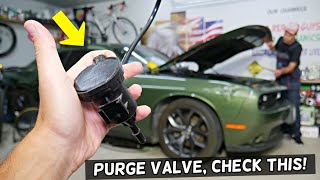
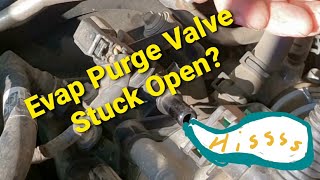
How to confirm: With the engine off, disconnect the purge valve's electrical connector and the hose from the intake manifold side. Try to blow through it; it should be closed and allow no air to pass. You can also use a scan tool to command the valve open and closed while checking for vacuum flow. A clicking sound from the valve during operation is normal. A simple test is to disconnect the valve's electrical connector with the engine running and feel the vacuum port; if you feel suction, the valve is stuck open and is bad. 🎬 Watch: A quick video demonstration of this vacuum suction test.
Typical fix: Replace the purge valve. It's located on top of the engine and is accessible by removing the engine cover, typically held on by a single 10mm bolt. 🎬 Watch: See this step-by-step purge valve replacement walkthrough.
Est. part cost: $40-$70 - Powertrain Control Module (PCM) Software Update Required 🟡 Medium Probability Multiple TSBs (#1807517, #1809416, #18-067-15, #18-062-17) for this specific vehicle range explicitly list P0441 as a code that can be resolved with a a software reflash. This indicates the original software logic was too sensitive or flawed, falsely triggering the code.
How to confirm: A Dodge dealership or a qualified shop with access to OEM software tools can check if your vehicle's VIN has a pending update by looking up the TSBs.
Typical fix: Update the PCM software at a dealership. Owners on forums report this being the ultimate fix after replacing hardware did not solve the problem.
Est. part cost: $100-$250 - Cracked or Disconnected EVAP Hoses ⚪ Low Probability Rubber and plastic hoses in the engine bay are exposed to heat and can become brittle and crack or get disconnected over time, leading to vacuum leaks.
How to confirm: Visually inspect all vacuum lines connected to the purge valve and running towards the back of the vehicle for cracks, loose connections, or deterioration. A Dodge Charger owner with P0441 found the hose completely disconnected from the purge valve. 🎬 Watch: See how a loose hose can trigger this code. A smoke test is the most effective way to find hard-to-see leaks.
Typical fix: Replace the damaged hose section or reconnect a loose line.
Est. part cost: $10-$30 - Loose or Faulty Gas Cap ⚪ Low Probability While more commonly associated with large/small leak codes (P0455/P0456), a gas cap that isn't sealing properly can sometimes contribute to incorrect flow readings.
How to confirm: Ensure the gas cap is tightened until it clicks. Check the rubber seal on the cap for cracks or damage.
Typical fix: Tighten or replace the gas cap. Using an OEM cap is strongly recommended as some aftermarket caps may not seal correctly.
Est. part cost: $15-$35
Rare But Worth Checking
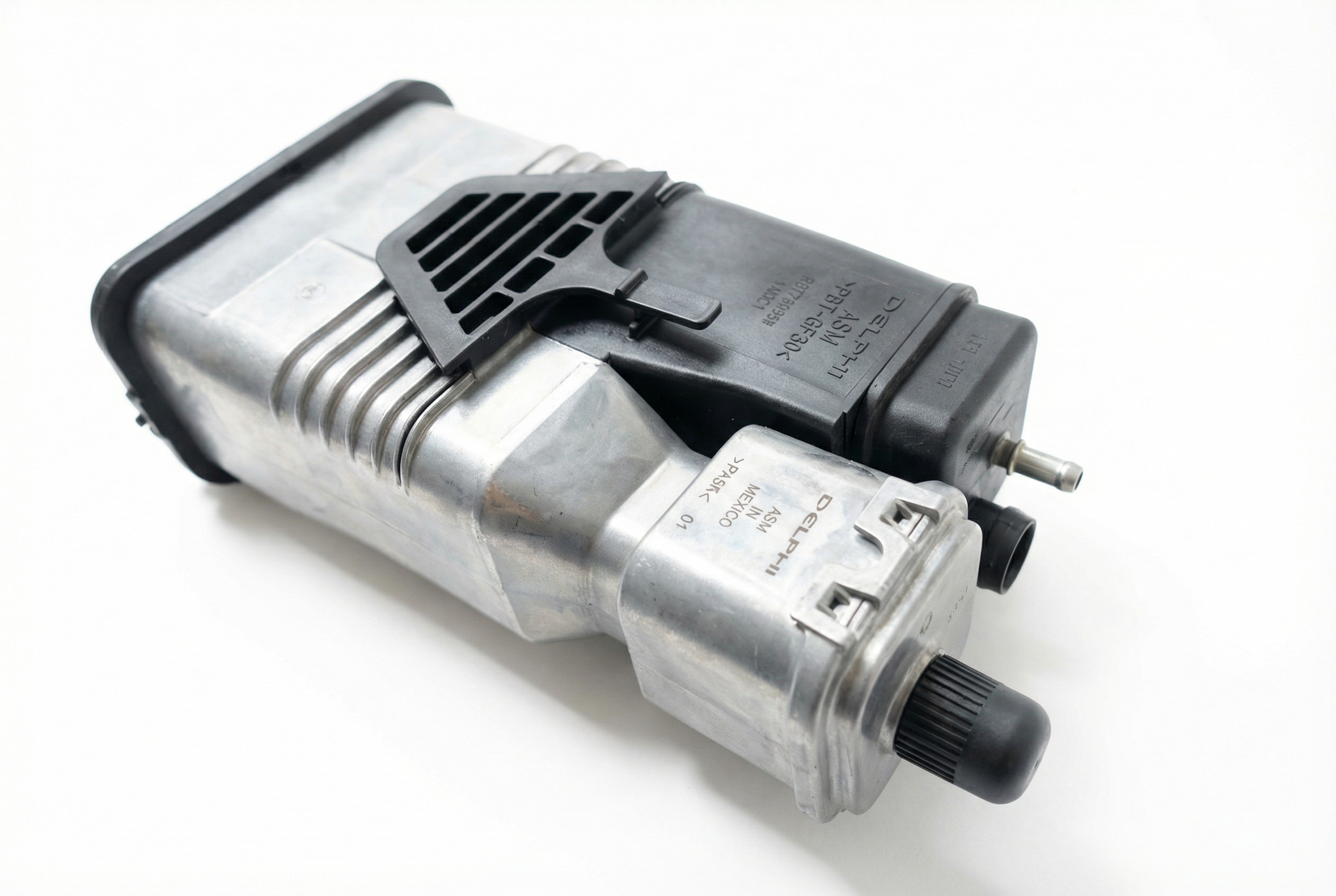
- Faulty Evaporative System Integrity Monitor (ESIM): This vehicle uses an ESIM, not an LDP. The ESIM is attached to the charcoal canister and uses natural vacuum and pressure changes to test the system. If it fails, it can cause various EVAP codes. It is located in the passenger-side rear wheel well, attached to the canister. A failure here is less common for P0441 specifically but has been noted as a fix on platform-mates after the purge valve was replaced without success.
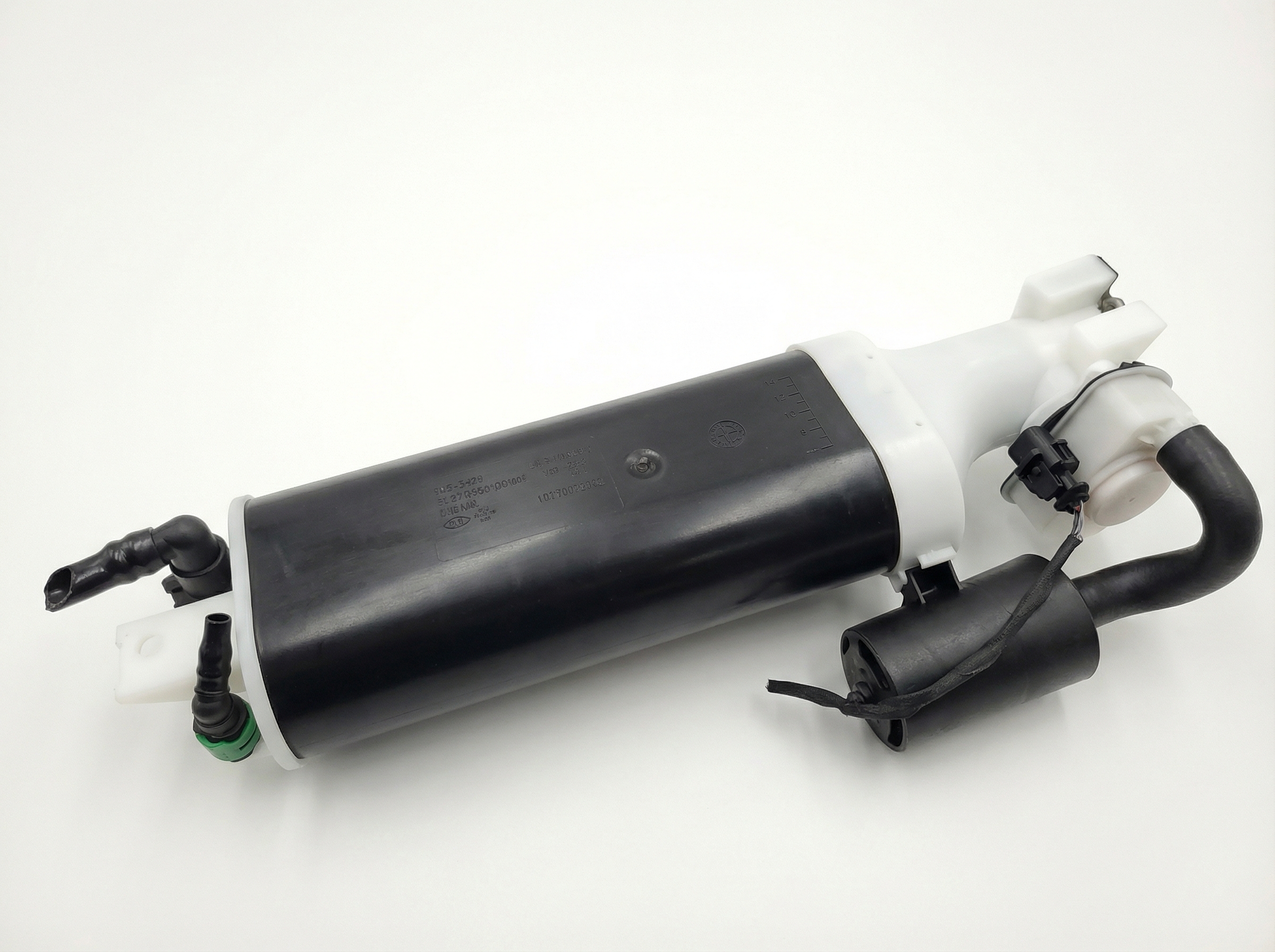
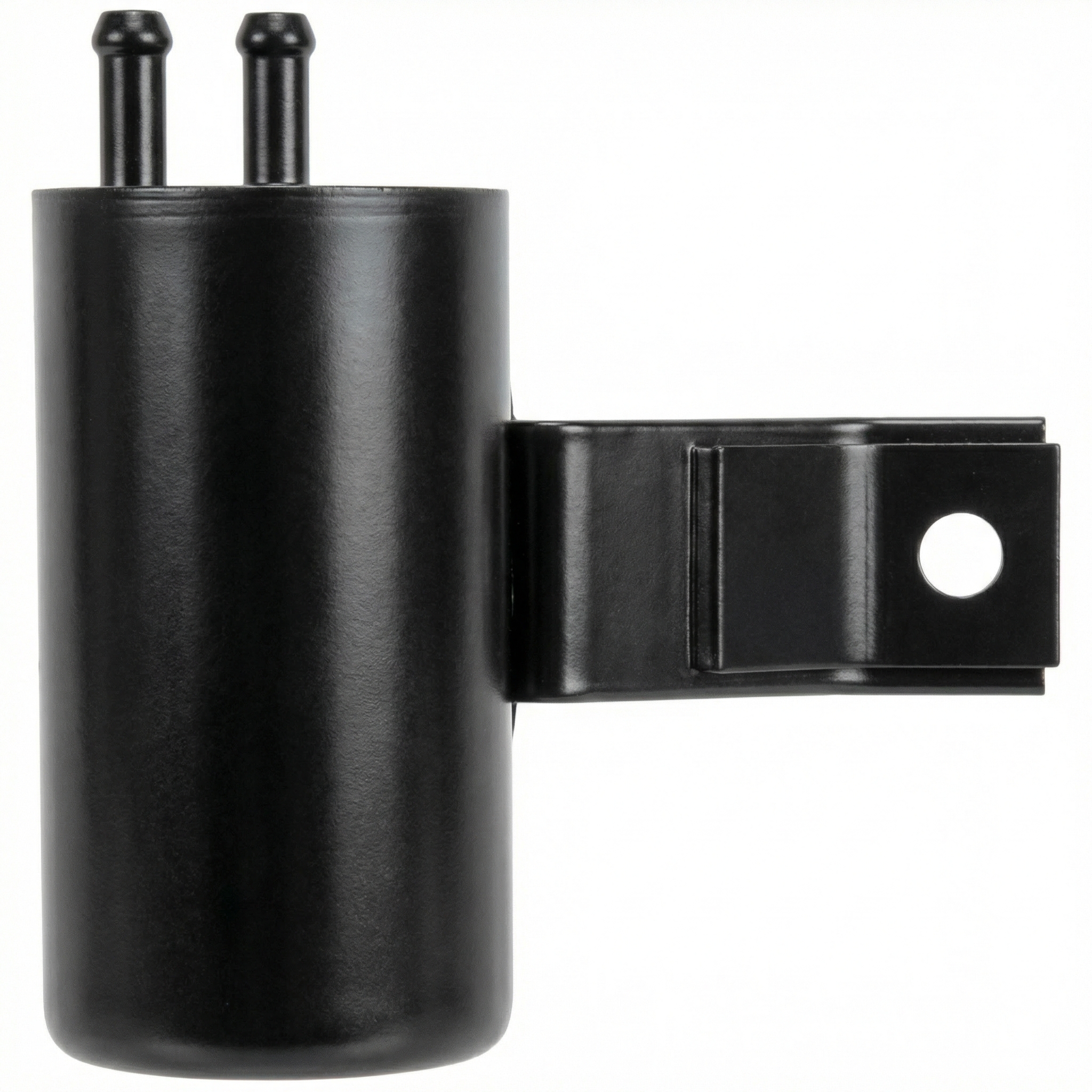
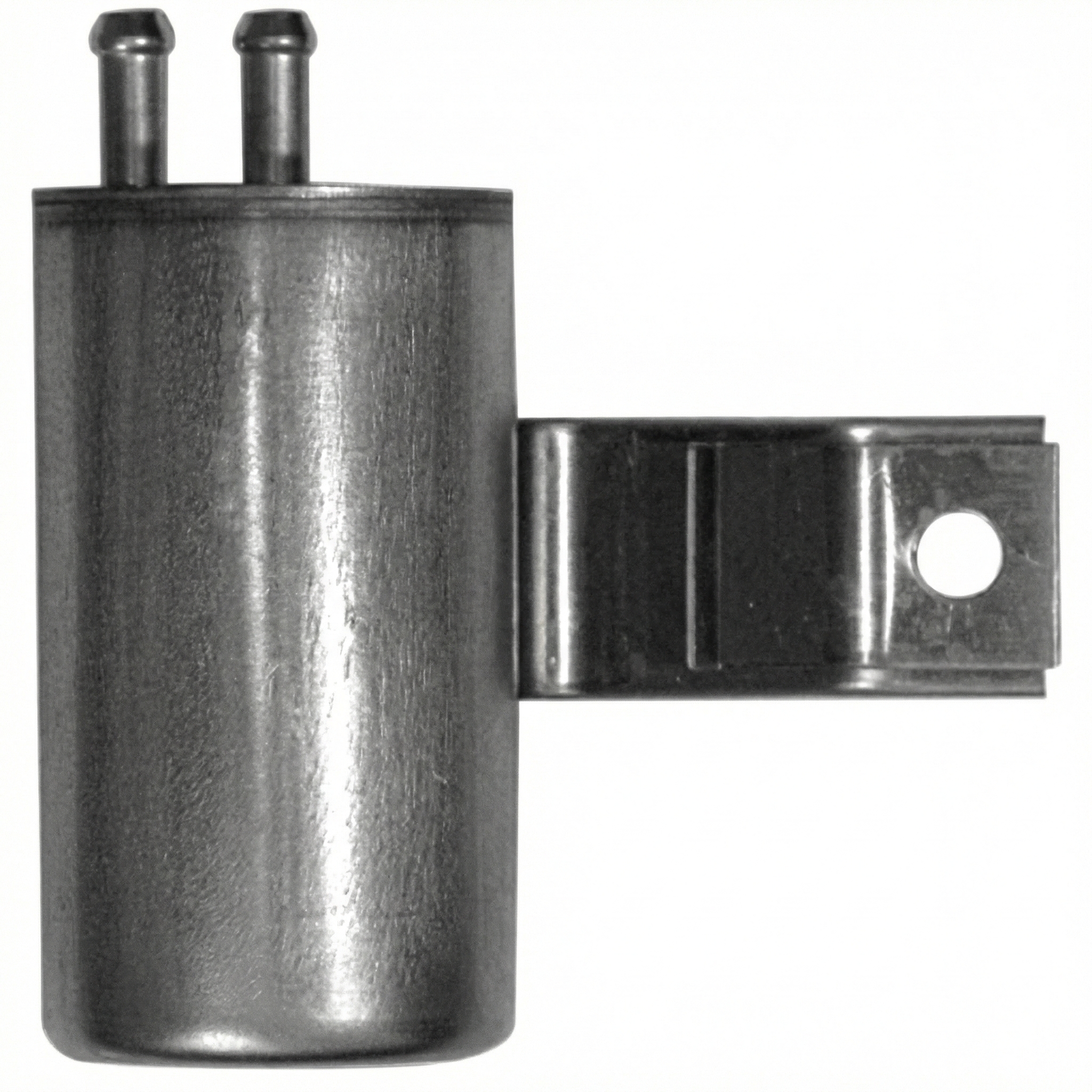
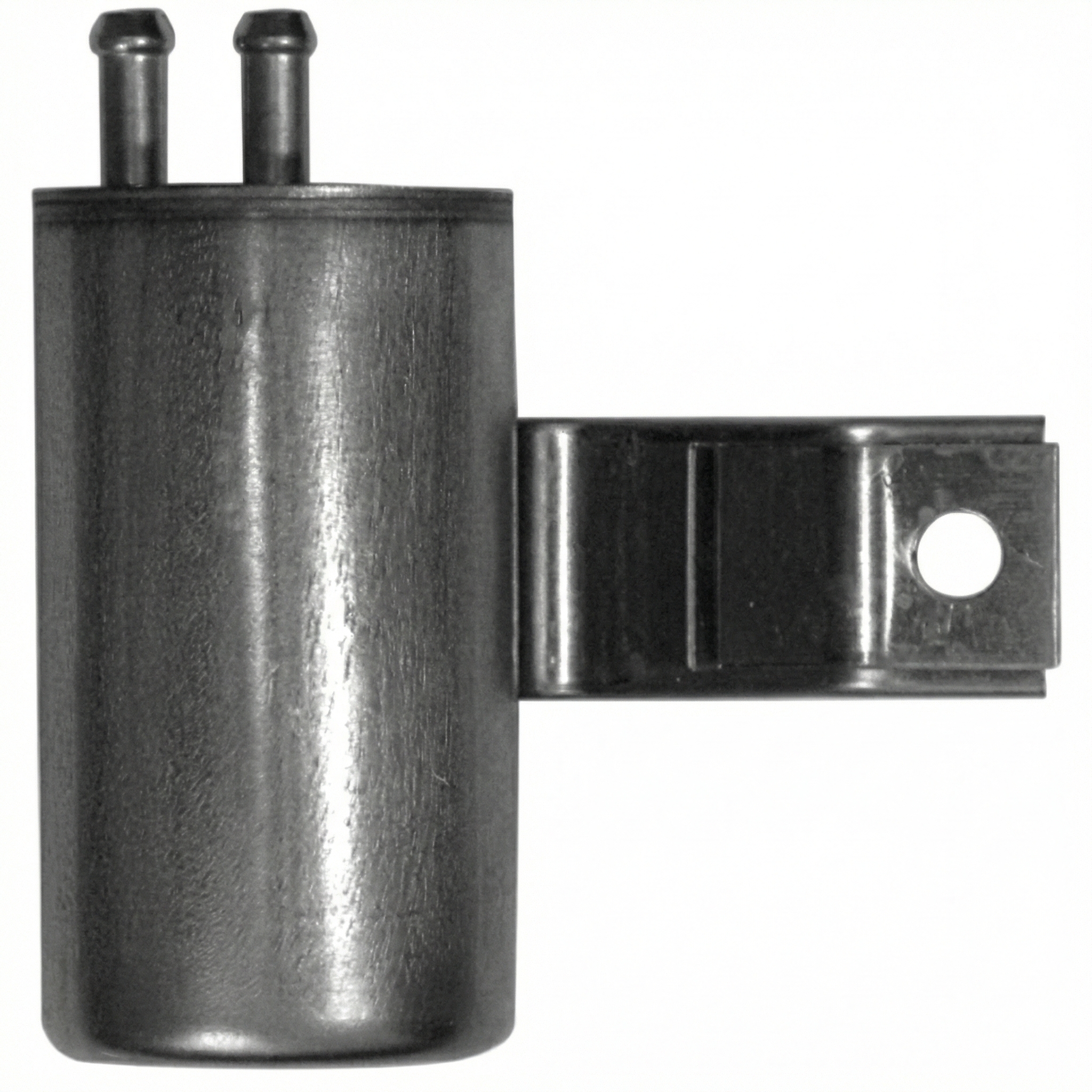
- Clogged Charcoal Canister: If the charcoal canister becomes saturated with fuel or the internal filter breaks down, it can become clogged, restricting vapor flow and causing a P0441 code. This can sometimes happen if you habitually overfill your gas tank. Replacement can be costly, with parts alone estimated between $277 and $410 for a 2018 model.
Diagnosis Steps
- Read the code with an OBD-II scanner and check for any other accompanying codes.
- Check with a Dodge dealer if your vehicle's VIN has any open recalls or applicable TSBs, especially those related to PCM software updates for P0441.
- Inspect the gas cap for a tight seal and any signs of damage to the O-ring. Ensure it's tightened until it clicks.
- Visually inspect the EVAP purge valve and its connecting hoses in the engine bay. Look for obvious cracks, damage, or loose connections.
- Test the purge valve. With the engine off, disconnect the electrical connector and hoses. The valve should be closed and not allow air to pass through. A quick test is to start the engine, disconnect the electrical plug to the valve, and feel the vacuum port. If there is suction, the valve is stuck open and needs replacement.
- If the purge valve and hoses appear fine, the next most likely cause is a software issue that requires a dealer visit for a PCM reflash.
- If the problem persists, a smoke test can be performed on the EVAP system to identify any hard-to-find leaks in the lines, ESIM, or charcoal canister.
Parts You'll Likely Need

- EVAP Vapor Canister Purge Valve
(OEM #4891735AC (supersedes older numbers))— This is the most common hardware failure for a P0441 code. It's a solenoid-operated valve that can get stuck open or closed over time.
Trusted brands: Mopar, Dorman, Standard Motor Products (SMP), Continental
OEM price range: $50-$80
Aftermarket price range: $30-$60
Related Codes That Often Appear With This One
- P0456 — EVAP System Small Leak. Both codes are related to the EVAP system. TSBs #1807517 and #1809416 show them appearing together, often due to a software issue or a faulty ESIM.
- P0455 — EVAP System Large Leak. TSBs #1807517 and #18-062-17 list this code alongside P0441, suggesting a common software-related trigger.
- P0335 / P0339 — Crankshaft Position Sensor Circuit. The appearance of these codes with P0441 in TSBs #1807517 and #18-062-17 strongly indicates a PCM software issue rather than multiple independent hardware failures.
- P0340 — Camshaft Position Sensor Circuit. TSBs #18-067-15 and #18-067-15 REV A link this with P0441, pointing towards a required software update.
- U0140 / U0401 — Lost Communication With Body Control Module / Implausible Data Received From ECM/PCM. TSB #18-067-15 lists these network codes with P0441, which is highly indicative of a module software problem.
Technical Service Bulletins (TSBs) & Recalls

- Bulletin #1807517: Notes P0441 along with other EVAP and engine sensor codes.
- Bulletin #1809416: Lists P0441 with EVAP leak and misfire codes.
- Bulletin #18-067-15 REV A: Cites P0441 with communication and camshaft sensor codes, fixed by a software update.
- Bulletin #18-067-15: An earlier version of the above TSB, also pointing to a software fix for P0441.
- Bulletin #18-062-17: Groups P0441 with EVAP leak and crankshaft sensor codes.
Platform-Specific Known Issues
- A significant number of Technical Service Bulletins (TSBs) issued by the manufacturer indicate that P0441 can be triggered by software errors in the Powertrain Control Module (PCM). These bulletins often show P0441 appearing with other, unrelated fault codes. (Bulletins: #1807517, #1809416, #18-067-15 REV A, #18-067-15, #18-062-17)
- Owner experiences frequently describe a scenario of replacing the purge valve, only for the code to return, with the final solution being a PCM software update at the dealership.
Mechanic-Grade Diagnostic Values
- EVAP Purge Valve Solenoid Resistance — expected: 14 to 30 Ohms. Failure: A reading outside this range, or an open/infinite reading, indicates a faulty solenoid coil.
- EVAP Purge Valve Connector Voltage (Key On, Engine Off) — expected: Approximately 11-12 Volts DC. Failure: No voltage suggests a problem with the power supply circuit, such as a blown fuse or a wiring issue between the fuse box and the solenoid.
- EVAP Purge Valve Vacuum Test (Engine Off) — expected: Should hold vacuum (e.g., 15-17 inHg) with no drop for several minutes.. Failure: If the vacuum level drops, the valve is leaking internally and is not sealing correctly when closed.
Scan Tool Commands That Help
- wiTECH (or equivalent professional scanner): EVAP Purge Solenoid Duty Cycle / EVAP System Test — This bidirectional control allows a technician to command the purge solenoid to open and close while the engine is running. It's used to verify the solenoid is mechanically functioning and to observe the effect on fuel trims and EVAP system pressure, confirming if the valve is stuck or responding correctly to PCM commands.
Wiring & Ground Locations
- Engine Block to Firewall/Chassis Ground Strap — Typically a braided strap from the cylinder head or engine block to the firewall or frame rail.. A poor engine ground can cause a host of electrical issues and erratic sensor behavior. While not a direct cause of P0441, it can create voltage discrepancies that affect how the PCM interprets sensor data. Ensuring this ground is clean and tight is a fundamental step in diagnosing any electrical fault code.
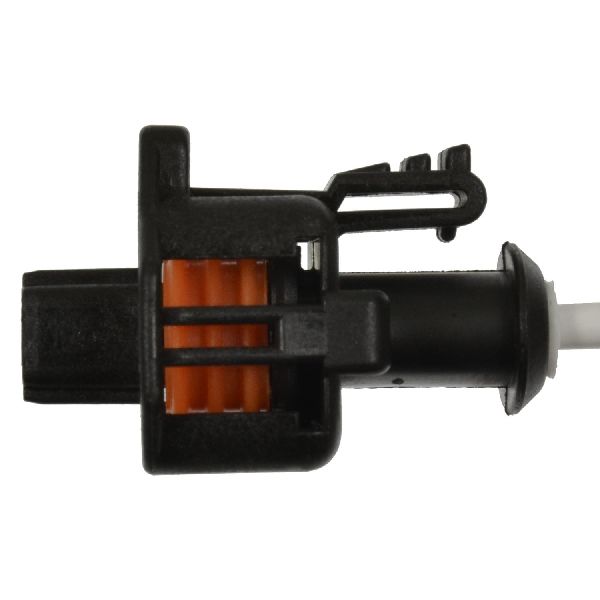
- Purge Valve Connector — On top of the engine, connected to the purge valve solenoid. For the V6, it's often near the throttle body; for the V8, it's on the passenger side of the intake manifold.. The two pins in this connector supply power and the ground-side control signal from the PCM. Corrosion or a loose connection here will directly cause a P0441 or related circuit codes. One pin should have battery voltage with the key on, and the other is the control wire back to the PCM.
Real Owner Repair Stories
- ChallengerTalk Forum (2016 Dodge Challenger) — Check Engine Light with code P0441.
❌ Tried (didn't work) Replaced the gas cap., Replaced the EVAP purge valve solenoid.
✅ What actually fixed it The code returned after replacing parts. The final solution was taking the vehicle to the dealership for a Powertrain Control Module (PCM) software update, as indicated by a Technical Service Bulletin (TSB).
"I Checked Everything" — The Actual Cause
- In cases where a smoke test reveals no leaks in the EVAP lines, the cause is often not a physical leak but a functional failure. The two most common non-leak causes for P0441 on this platform are a faulty (stuck open or closed) purge valve solenoid, which won't be found by a static smoke test, or a PCM software glitch requiring a dealer reflash as outlined in multiple TSBs.
OEM Part Supersession History
4891735AA, 4891735AB→4891735AC— Standard part revision and improvement by the manufacturer. The newer part number is the current replacement for the earlier versions.
Heads up: While listed for many Chrysler/Dodge/Jeep vehicles, this part number is sometimes confused with a throttle body assembly by online sellers. Ensure the part purchased is specifically the EVAP Purge Valve/Solenoid.
Helpful Videos

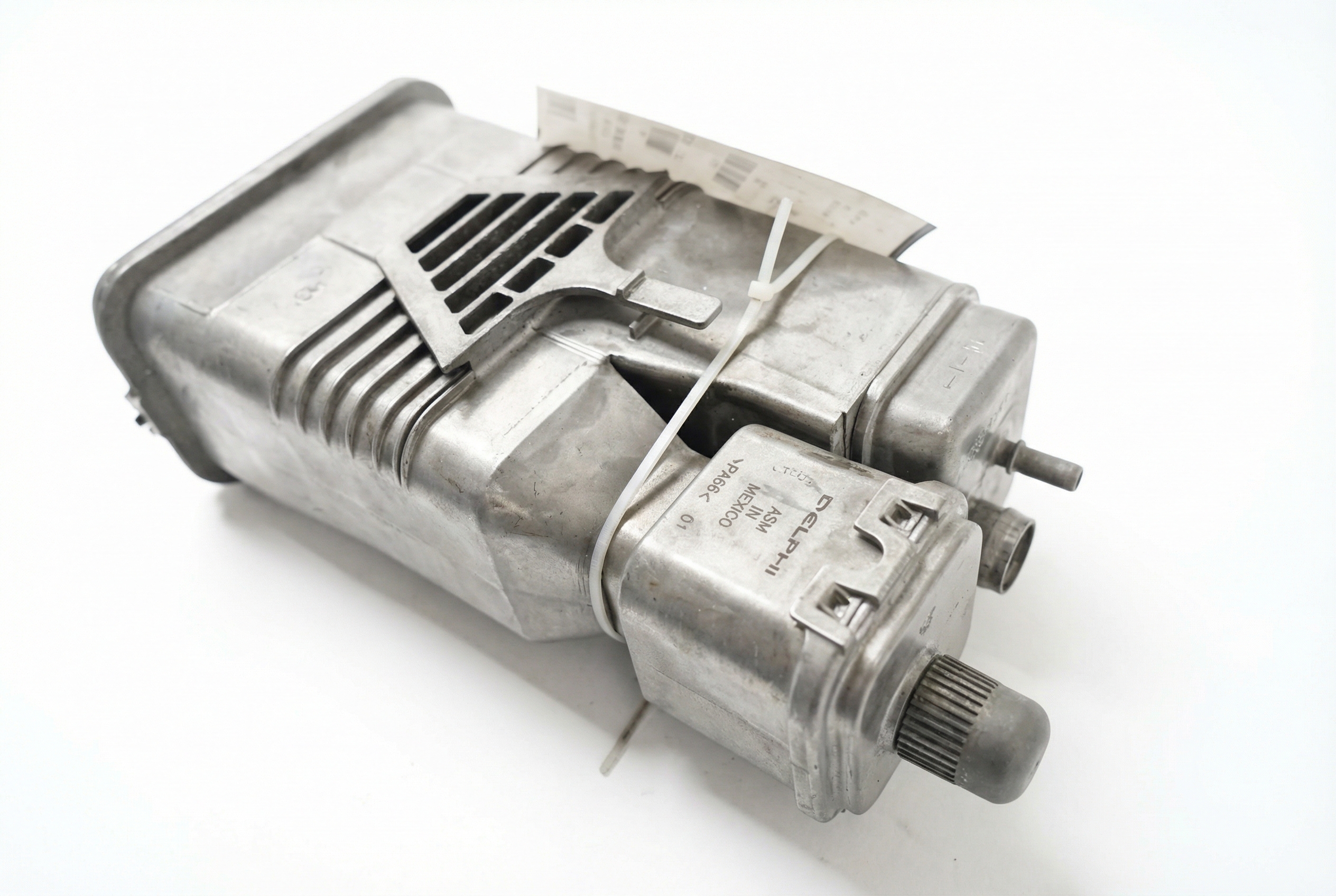
Used OEM Parts in Stock
New Aftermarket Parts Available

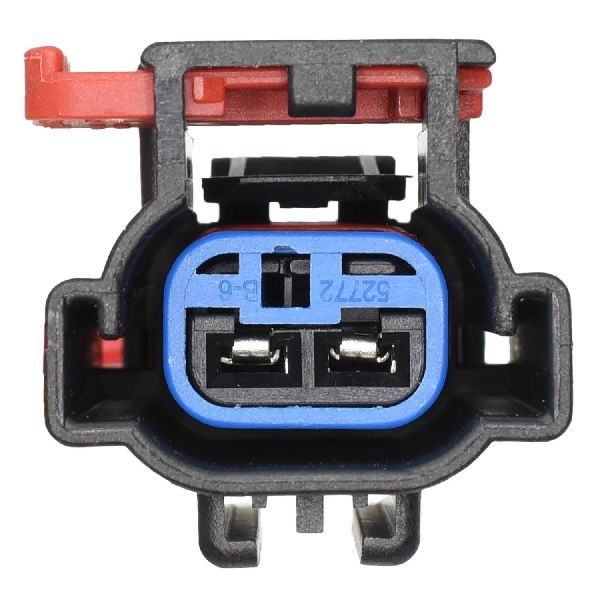

The information in this article is provided for general reference and educational purposes only. Vehicle specifications, procedures, and part compatibility can vary by production date, trim level, and region. Always consult your vehicle's factory service manual and verify part numbers before purchasing or performing repairs. Safety-critical components such as airbags, seat belts, and braking systems should be installed by a qualified professional.
- Dodge CHALLENGER:
- 🎬 Helpful Videos
- 🛍️ Shop This Part
- What's Unique About the 2011-2018 Dodge CHALLENGER
- Diagnostic Flowchart
- Symptoms You May Notice
- Most Likely Causes
- Rare But Worth Checking
- Diagnosis Steps
- Parts You'll Likely Need
- Related Codes That Often Appear With This One
- Technical Service Bulletins (TSBs) & Recalls
- Platform-Specific Known Issues
- Mechanic-Grade Diagnostic Values
- Scan Tool Commands That Help
- Wiring & Ground Locations
- Real Owner Repair Stories
- "I Checked Everything" — The Actual Cause
- OEM Part Supersession History
- 🎟️ Get 5% Off