

P0441 on 2012-2014 Dodge Avenger: EVAP Incorrect Purge Flow Causes and Fixes
For a 2012-2014 Dodge Avenger, code P0441 most often points to a faulty EVAP purge valve (Mopar P/N: 4891735AC), a common and affordable DIY fix. Before replacing parts, check that the gas cap is tight and its seal is intact, as this is a frequent and easy-to-fix cause. In some cases, especially on 3.6L V6 models, a PCM software update per TSB #18-102-16 may be required.
- P0441 means the EVAP system has an incorrect purge flow, not necessarily a leak.
- The most likely cause on a 2012-2014 Avenger is a bad purge valve, which is an easy DIY replacement located in the engine bay.
- Always check the gas cap first. Make sure it's tight and the seal is good.
- Do not overfill your fuel tank, as this can damage the charcoal canister and lead to this code.
- If other strange electrical codes are present, check with a dealer for any available PCM software updates before replacing parts, per TSB #1810216.
What's Unique About the 2012-2014 Dodge AVENGER

On this generation of Dodge Avenger, the EVAP system uses an Evaporative System Integrity Module (ESIM), also known as a leak detection pump, to test the system's integrity. While the purge valve in the engine bay is the most common culprit for P0441, this ESIM module (Mopar P/N: 4861959AB), located near the fuel tank, is another known failure point specific to Chrysler/Dodge vehicles that can cause this code.
Diagnostic Flowchart
Tap your situation to follow the diagnostic path that matches what you're seeing on this vehicle.
Symptoms You May Notice
- Check Engine Light is on.
- Difficulty starting the engine, especially right after refueling (if purge valve is stuck open).
- Rough or unstable idle (if purge valve is stuck open, creating a vacuum leak).
- Possible faint fuel smell (uncommon).
- Audible clicking noise from a malfunctioning purge valve solenoid. 🎬 Watch: A quick overview of P0441 causes, symptoms, and fixes.
- Replacing the O2 sensors or catalytic converters when P0441 appears with codes like P0420, P0430, or P0133. The provided TSB #18-102-16 suggests there can be a single underlying PCM software issue causing multiple codes on 3.6L V6 models.
- Replacing the purge valve when the actual issue is a bad gas cap. One owner reported replacing multiple parts before finally fixing the code with a new OEM gas cap.
Most Likely Causes

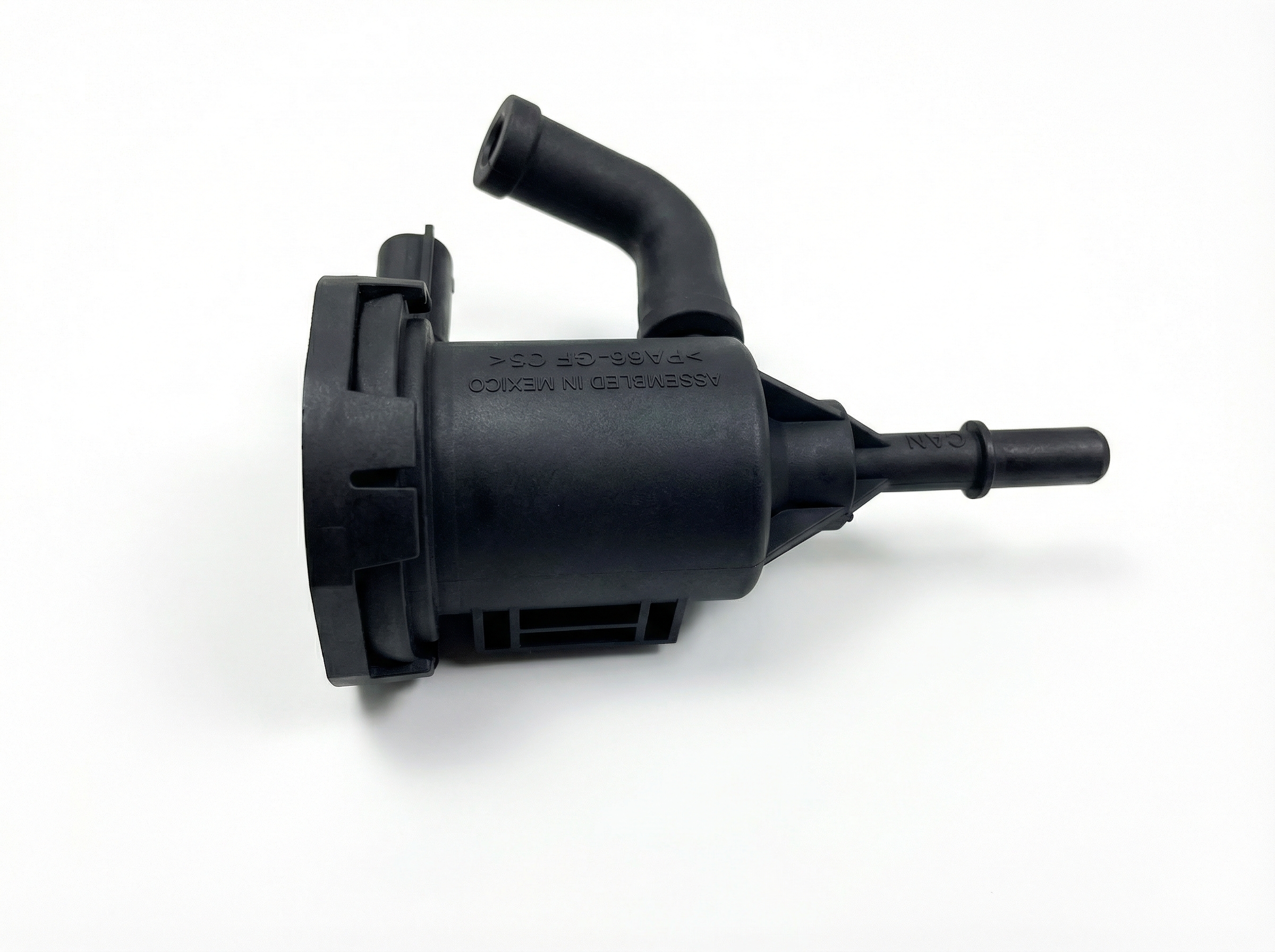
- Faulty EVAP Purge Valve/Solenoid 🔴 High Probability This is a very common failure item across many Chrysler/Dodge/Jeep products of this era. The valve can become stuck open or closed due to age, contamination from the charcoal canister, or electrical failure.
How to confirm: The purge valve is located in the engine bay. With the engine off, disconnect the valve and try to blow through it. No air should pass since it is a normally-closed valve. If air passes, it's stuck open and faulty. You can also test it by applying 12V power to the terminals; a functioning valve will click open. A video on the Nate's Auto Repairs channel demonstrates this test.
Typical fix: Replace the purge valve solenoid. This is a straightforward DIY job shown in several YouTube videos.
Est. part cost: $25-$60 - Loose or Faulty Gas Cap 🟡 Medium Probability The gas cap seal degrades over time, or the cap may not have been tightened correctly. This is a common first-check for any EVAP code. Some owners report that even a visually good seal can be too compressed to function properly.
How to confirm: Inspect the gas cap for cracks or damage to the rubber O-ring. Ensure it is tightened until it clicks at least once. If the seal looks worn, cracked, or flattened, it should be replaced.
Typical fix: Tighten or replace the gas cap. It is highly recommended to use an OEM Mopar part (P/N: 52100543AA or 4649951AF), as some aftermarket caps can have sealing issues and fail to resolve the code.
Est. part cost: $15-$35 - Cracked, Disconnected, or Blocked EVAP Hoses 🟡 Medium Probability Rubber hoses become brittle and crack with age and exposure to engine heat. The plastic connectors can also become brittle and fail. A disconnected hose after recent service is also a possibility.
How to confirm: Visually inspect all accessible EVAP vacuum lines between the engine, purge valve, and the lines running back to the fuel tank for obvious cracks or disconnections. A mechanic would use a smoke machine to pressurize the system and find leaks that are not visible.
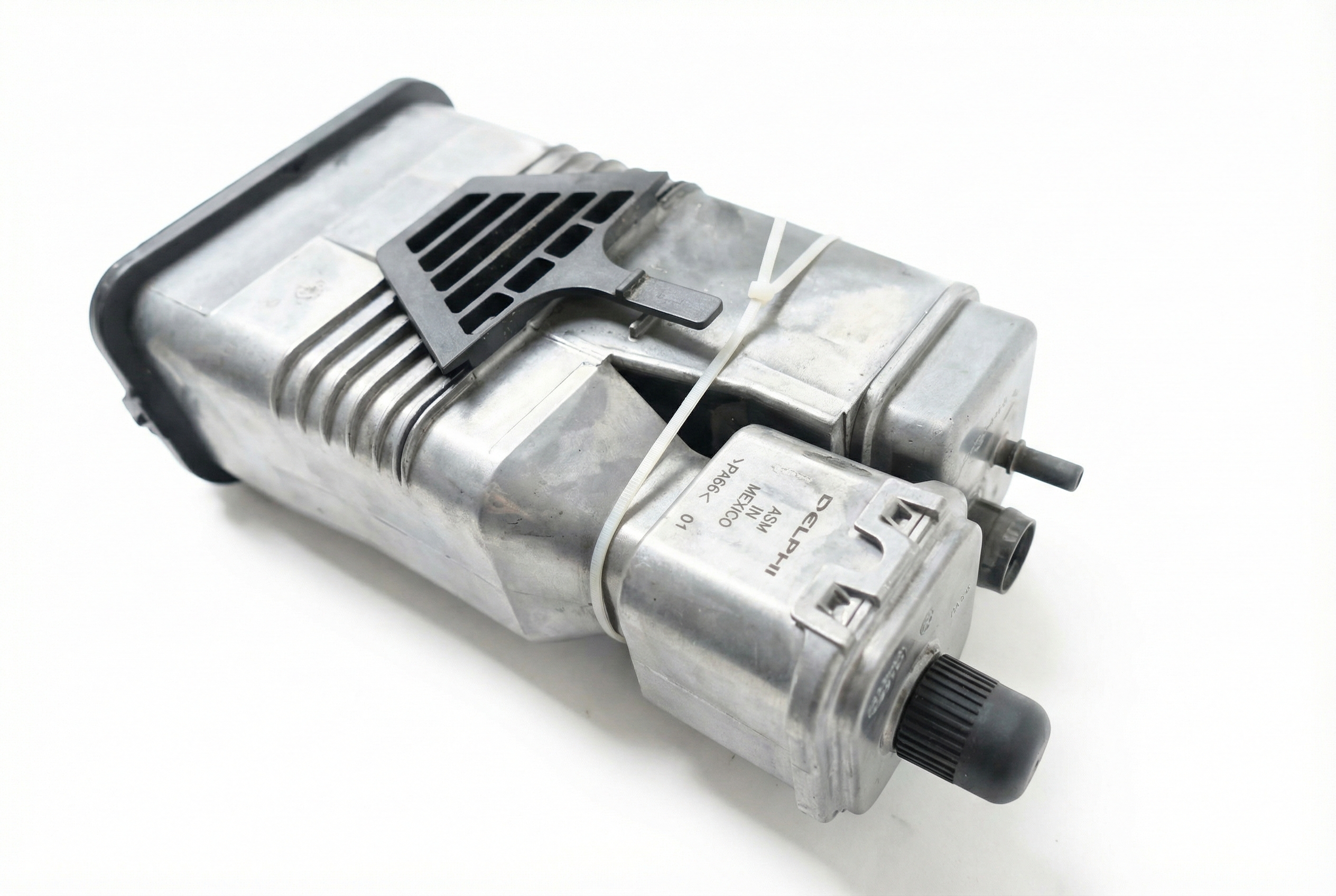
Typical fix: Replace the damaged section of hose or reconnect it securely. - Faulty EVAP System Integrity Module (ESIM) ⚪ Low Probability This is a known high-failure-rate part on Chrysler/Dodge products. The internal switch, weights, or seals can fail, leading the PCM to believe there is a flow problem when there isn't one.
How to confirm: The ESIM is located on or near the charcoal canister by the fuel tank, accessible from underneath the rear of the vehicle. Testing involves checking for proper mechanical function and electrical continuity, which is difficult without a service manual. Replacement is often done when a smoke test reveals no leaks and the purge valve is known to be good.
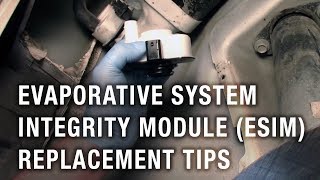
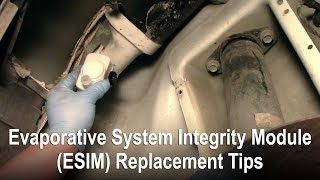
Typical fix: Replace the ESIM assembly. It twists into the charcoal canister. 🎬 See this video for helpful ESIM replacement tips and tricks.
Est. part cost: $40-$80
Rare But Worth Checking
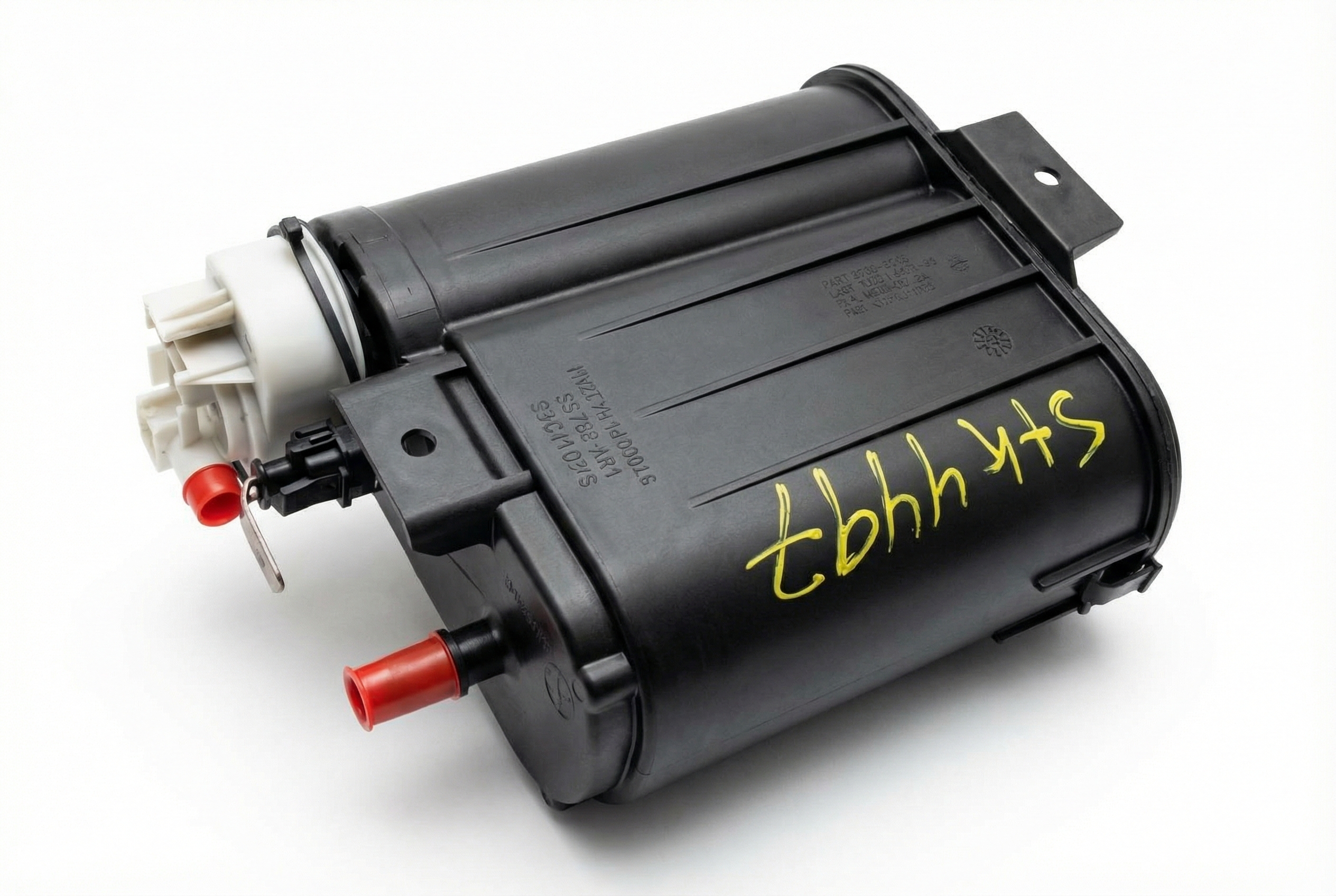
- Clogged Charcoal Canister: This is most often caused by habitually 'topping off' the fuel tank after the pump clicks off. Liquid fuel can be forced into the canister, saturating the charcoal pellets and causing a blockage or sending pellets into the purge line, which then clogs the purge valve.
- PCM Software Issue: Technical Service Bulletin TSB #18-102-16 specifically for 2012-2014 Avenger/200 models with the 3.6L V6 lists P0441 with other unrelated codes. The fix is a PCM software update performed by a dealership.
Diagnosis Steps

- Check the gas cap. Remove, inspect the seal for cracks or flatness, and retighten until it clicks. If the seal looks worn or you have doubts, replacing it with an OEM cap is an inexpensive and common fix.
- Inspect the purge valve. Locate the valve in the engine bay. Visually inspect its wiring connector for a secure connection and the hoses for obvious damage.
- Test the purge valve. With the vehicle off, disconnect the hoses from the valve and attempt to blow through it. If air passes, it is stuck open and must be replaced. For a more advanced test, apply 12V to the electrical pins to confirm it clicks open and closed.
- Inspect EVAP hoses. Trace the vacuum lines from the purge valve for any obvious cracks, breaks, or loose connections. Pay attention to the plastic connectors.
- Consider a smoke test. If no obvious issues are found, the next step is to use a smoke machine to pressurize the EVAP system from the service port. This will definitively identify any hard-to-see leaks in hoses or components.
- Inspect the ESIM/LDP. If no leaks are found and the purge valve tests good, the ESIM near the fuel tank is the next component to inspect. It's located on the charcoal canister, accessible from underneath the vehicle near the rear axle.
- Check for TSBs. If you have a 3.6L V6 model, contact a Dodge dealer with your VIN to see if the PCM software update from TSB #18-102-16 applies to your vehicle, especially if other codes are present.
Parts You'll Likely Need

- EVAP Purge Valve / Solenoid
(OEM #4891735AC)— This is the most frequent cause of P0441. It gets stuck open or closed, leading to incorrect vapor flow.
Trusted brands: Mopar, Standard Motor Products (CP780), Dorman (911-403)
OEM price range: $40-$70
Aftermarket price range: $25-$50 - Fuel Cap
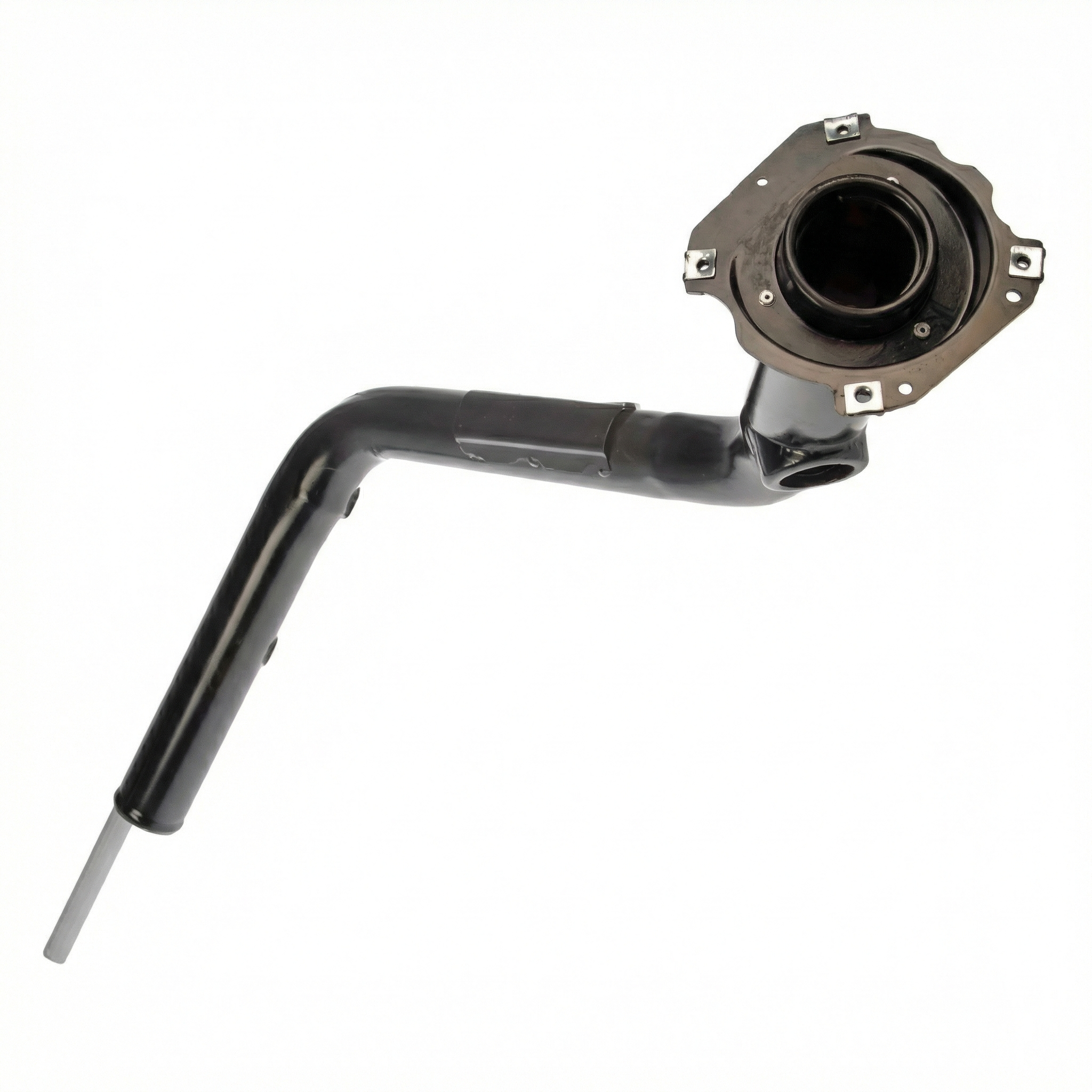
(OEM #52100543AA, 4649951AF)— A worn seal on the gas cap is a very common cause for EVAP system codes and is the easiest part to replace. Aftermarket caps are known to cause issues.
Trusted brands: Mopar, Stant
OEM price range: $20-$35
Aftermarket price range: $15-$25 - EVAP System Integrity Module (ESIM)
(OEM #4861959AB)— A known failure item on Chrysler/Dodge vehicles that can cause this code if it fails its self-test.
Trusted brands: Mopar, Standard Motor Products (CP3235), Dorman
OEM price range: $60-$90
Aftermarket price range: $40-$80
Related Codes That Often Appear With This One
- P0443 — This code specifically points to an electrical circuit malfunction in the purge valve (e.g., open or short), while P0441 points to incorrect flow. They often appear together when the valve's internal solenoid fails electrically.
- P0456 — This code indicates a very small leak in the EVAP system. If a hose is cracked or a seal is failing, you may get both a leak code and an incorrect flow code as the system cannot hold the vacuum required for the test.
- U0140, P0420, P0430, P0133, P0153, P0300-P0304 — A manufacturer TSB (#18-102-16) for the 2012-2014 models with the 3.6L V6 indicates these codes can appear with P0441, suggesting a potential PCM software fault that requires a reflash from the dealer.
Technical Service Bulletins (TSBs) & Recalls

- 18-102-16: For 2012-2014 models with 3.6L V6, mentions P0441 in a list of DTCs that may be set due to a software issue, requiring a PCM reflash.
Platform-Specific Known Issues
- A Technical Service Bulletin (TSB #18-102-16) for 2012-2014 Dodge Avengers with the 3.6L V6 engine notes that P0441 can be set along with a host of other codes (U0140, P0420, P0430, P0133, etc.). The prescribed fix is not a part replacement but a dealership-performed PCM software update.
Mechanic-Grade Diagnostic Values
- EVAP Purge Valve/Solenoid Coil Resistance — expected: 15 to 30 Ohms. Failure: A reading far outside this range indicates a damaged internal electrical circuit in the valve.
- EVAP Purge Valve Connector Voltage (Key On) — expected: Close to battery voltage (approx. 12V) at the power supply pin.. Failure: No voltage suggests a wiring issue or a problem with the power source (PCM or TIPM).
- Scan Tool Live Data - Fuel Tank Pressure (FTP) Sensor — expected: With the engine idling and purge valve commanded closed, the FTP sensor reading should be stable. When the purge valve is commanded open, a vacuum should build, and the pressure reading should drop.. Failure: If the FTP sensor shows a vacuum being pulled even when the purge valve is commanded closed, the valve is likely stuck open.
Scan Tool Commands That Help
- Professional Scan Tool (e.g., WiTech, Autel, Launch): Purge Vapors Test / Purge Solenoid Activation — This bidirectional command allows a technician to manually open and close the purge valve while monitoring system pressure or vacuum. If the scan tool commands the valve to close but vacuum is still detected (via the FTP sensor), it confirms the valve is mechanically stuck open.
- Professional Scan Tool (e.g., WiTech, Autel, Launch): EVAP System Leak Test — This is an automated test sequence that the PCM runs. A technician can initiate it with a scan tool to verify a repair. The tool will command the vent valve closed and the purge valve open to see if the system can hold a vacuum. This confirms the integrity of the entire system after a part has been replaced.
Wiring & Ground Locations
- EVAP Canister Purge Valve Connector — On the purge valve itself, located in the engine bay, typically near the intake manifold or on the side of the engine block.. This connector provides power and ground control from the PCM to operate the solenoid. A poor connection, corrosion, or damaged wires here will cause P0443 (circuit fault) and can also lead to P0441 if the valve isn't operating when commanded. One pin is the 12V feed from the TIPM/PCM, and the other is the ground-side control from the PCM.
- Engine Block Grounds (e.g., G102, G103) — Bolted to the engine block or cylinder head. Specific locations vary between the 2.4L and 3.6L engines but are critical for all sensor and actuator functions.. While not specific to the EVAP circuit, a poor main engine ground can cause floating voltages and erratic behavior in multiple systems controlled by the PCM, including the purge solenoid. If multiple, seemingly unrelated codes are present with P0441, checking the main engine and PCM grounds is a valid diagnostic step.
Real Owner Repair Stories
- avengerforumz.com user (2013 Dodge Avenger SXT 2.4L) — Check Engine Light with code P0441.
❌ Tried (didn't work) Replaced the gas cap., Replaced the purge valve solenoid.
✅ What actually fixed it The user performed a smoke test which revealed no leaks. The final fix was replacing the EVAP System Integrity Module (ESIM) located on the charcoal canister. The code did not return after replacement.
"I Checked Everything" — The Actual Cause
- In several documented cases for Chrysler/Dodge vehicles, a smoke test will show no leaks, and the purge valve will test good, yet the P0441 code persists. The underlying cause is often a faulty EVAP System Integrity Module (ESIM). The ESIM has its own internal switch and weights to detect pressure changes, and if this internal mechanism fails, it can incorrectly report a flow problem to the PCM even when no physical leak exists.
OEM Part Supersession History
4891735AB→4891735AC— Standard part revision and update by the manufacturer.
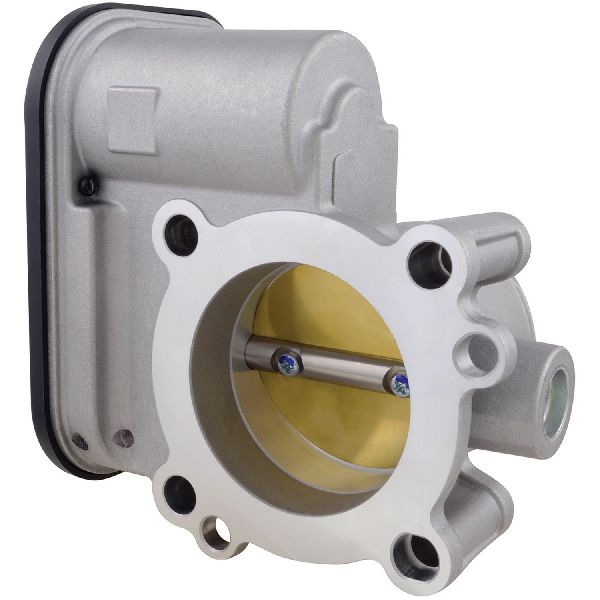
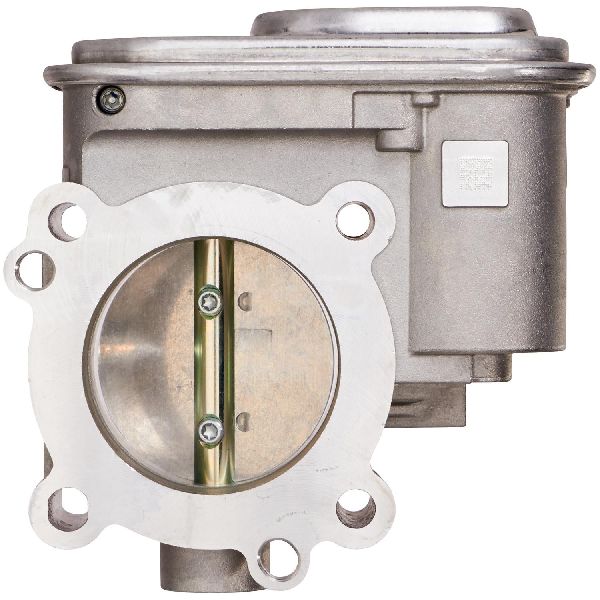
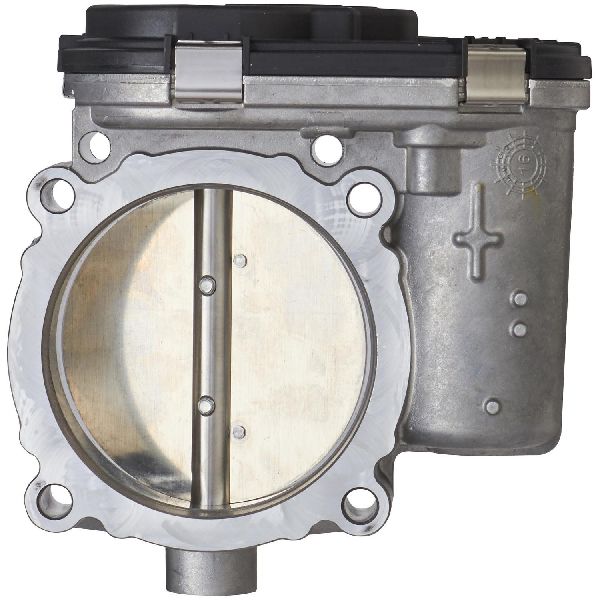
Heads up: The part itself is often listed as a 'Throttle Body' in some Mopar catalogs, which can be confusing. However, for the 2.4L engine, this part number corresponds to the purge valve assembly. Part number 4891735AC has also been superseded by 4891735AD, which is now discontinued, but 4891735AC remains the common service part.
Model Year Variations Within This Range
- 2012-2014: The primary difference affecting P0441 diagnosis is the engine. The 3.6L V6 is subject to TSB #18-102-16 which suggests a PCM reflash may solve P0441 when accompanied by other codes. This TSB is not applicable to the 2.4L 4-cylinder engine, where the cause is almost always a physical component like the purge valve, gas cap, or ESIM.
Helpful Videos
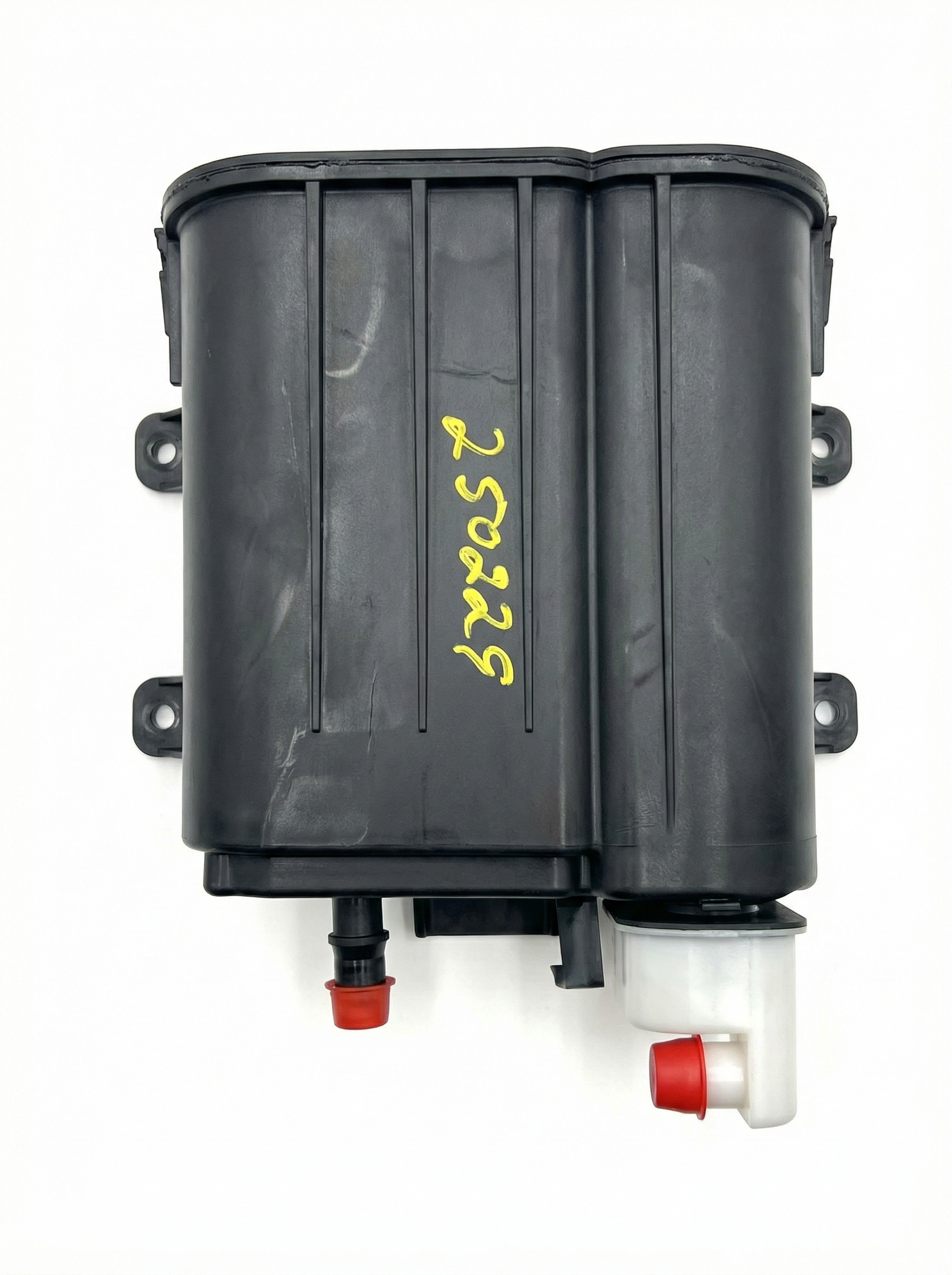
Used OEM Parts in Stock

New Aftermarket Parts Available


The information in this article is provided for general reference and educational purposes only. Vehicle specifications, procedures, and part compatibility can vary by production date, trim level, and region. Always consult your vehicle's factory service manual and verify part numbers before purchasing or performing repairs. Safety-critical components such as airbags, seat belts, and braking systems should be installed by a qualified professional.
- Dodge AVENGER:
- 🎬 Helpful Videos
- 🛍️ Shop This Part
- What's Unique About the 2012-2014 Dodge AVENGER
- Diagnostic Flowchart
- Symptoms You May Notice
- Most Likely Causes
- Rare But Worth Checking
- Diagnosis Steps
- Parts You'll Likely Need
- Related Codes That Often Appear With This One
- Technical Service Bulletins (TSBs) & Recalls
- Platform-Specific Known Issues
- Mechanic-Grade Diagnostic Values
- Scan Tool Commands That Help
- Wiring & Ground Locations
- Real Owner Repair Stories
- "I Checked Everything" — The Actual Cause
- OEM Part Supersession History
- Model Year Variations Within This Range
- 🎟️ Get 5% Off