

P0441 on 2019-2022 Chrysler 300: EVAP Incorrect Purge Flow Causes and Fixes
On a 2019-2022 Chrysler 300, P0441 most often means a faulty EVAP purge solenoid or that the vehicle's main computer (PCM) needs a software update. Before replacing parts, check with a dealer for any available software flashes, as this is a manufacturer-documented fix for both 3.6L and 5.7L engines. If hardware is the cause, the purge solenoid is a ~$50 part and is a relatively easy DIY replacement, often located on the passenger side of the engine.
- Before buying any parts for a P0441 code, check with a Chrysler dealer if your vehicle needs a PCM software update per TSB #18-092-23 (5.7L) or has an open action for TSB #25-003-20 (3.6L).
- The most common hardware failure is the EVAP purge solenoid (Mopar P/N 04627694AB), which is affordable and relatively easy to replace.
- Do not automatically replace the gas cap; it is not a likely cause for this specific 'incorrect flow' code.
- This code will not leave you stranded, but it will cause an automatic failure on an emissions test and may disable remote start.
- The issue can occur on both the 3.6L V6 and 5.7L V8 engines available in the Chrysler 300 and its platform mates, the Dodge Charger and Challenger.
What's Unique About the 2019-2022 Chrysler 300
For this specific generation of Chrysler 300 and its platform mates (Dodge Charger, Dodge Challenger), the P0441 code has a well-documented history of being caused by software issues, not just a failed part. Chrysler issued Technical Service Bulletin (TSB) #18-092-23 for the 5.7L V8, indicating that reprogramming the Powertrain Control Module (PCM) is the fix. Similarly, TSB #25-003-20 was issued for 2020 models with the 3.6L V6 for a related EVAP line issue that can trigger P0441. Checking for these TSBs is a crucial first step before assuming a hardware failure, as replacing parts will not fix a software-related problem.
Diagnostic Flowchart
Tap your situation to follow the diagnostic path that matches what you're seeing on this vehicle.
Symptoms You May Notice
- Check Engine Light is on
- Remote start may be disabled
- A faint fuel odor (rare, but possible if the purge valve is stuck open)
- Slightly reduced fuel economy
- Difficulty starting the engine (in rare, more severe cases)
- Replacing the gas cap. While a bad gas cap can cause other EVAP codes (like P0455 or P0456 for leaks), it is an uncommon cause for an 'incorrect flow' code like P0441.
Most Likely Causes
- Powertrain Control Module (PCM) Software Requires Update 🔴 High Probability Manufacturer TSB #18-092-23 explicitly states that for 2022 models with the 5.7L V8, this code can be set due to overly sensitive software logic, and the fix is to reprogram the PCM. Similar software-related issues are common across FCA platforms.
How to confirm: A Chrysler dealership or a qualified shop with access to OEM software (like wiTECH) can check your PCM's software calibration against the latest version for your vehicle's VIN.
Typical fix: Reprogramming the PCM with the latest software version. This is typically a 0.2-0.3 hour labor charge at a dealership.
Est. part cost: $0 - Faulty EVAP Purge Valve/Solenoid 🔴 High Probability This is the most common mechanical failure point for this code across most vehicles. The valve can get stuck open or closed from wear and tear. On the Chrysler 300, it's often located on the passenger side of the engine.
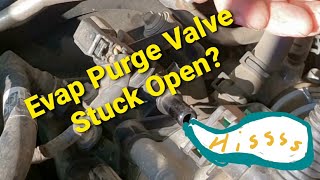
How to confirm: With the engine off, remove the valve and try to blow through it. If air passes, it is stuck open and faulty. 🎬 Watch: A quick, easy test for a stuck open purge valve. A scan tool can also be used to command the valve open and closed to check its function electronically.
Typical fix: Replace the purge valve solenoid. The Mopar part number is often 04627694AB for this generation.
Est. part cost: $30-$60 - Cracked, Kinked, or Disconnected EVAP Hose 🟡 Medium Probability TSB #25-003-20 specifically addresses a kinked EVAP purge line on 2020 models with the 3.6L V6, which can cause P0441. Hoses can also become brittle from engine heat cycles or get accidentally disconnected during other service.
How to confirm: Visually inspect all EVAP lines, especially those connected to the purge valve and the intake manifold, for visible cracks, disconnections, or deterioration. Pay close attention to the routing of the purge line near the brake booster tube on 3.6L models.
Typical fix: Reconnect any loose hoses or replace the damaged section of the hose. For the issue in TSB #25-003-20, the purge valve assembly is replaced and the line is re-routed.
Est. part cost: $5-$25 - Faulty EVAP Pressure Sensor / ESIM ⚪ Low Probability TSB #25-003-20 links P0441 with P0452 (EVAP Pressure Switch Stuck Closed), suggesting the sensor that measures the flow can sometimes be the root cause. The Evaporative System Integrity Module (ESIM), also called the leak detection pump, is a known failure point on this platform.
How to confirm: This typically requires a scan tool that can read live data from the EVAP pressure sensor to see if its readings are logical or stuck on a single value. The ESIM is located near the charcoal canister, often behind the rear passenger wheel well liner.
Typical fix: Replace the EVAP pressure sensor or ESIM. The ESIM part number is often 04861963AD, which supersedes previous versions.
Est. part cost: $40-$80
Rare But Worth Checking
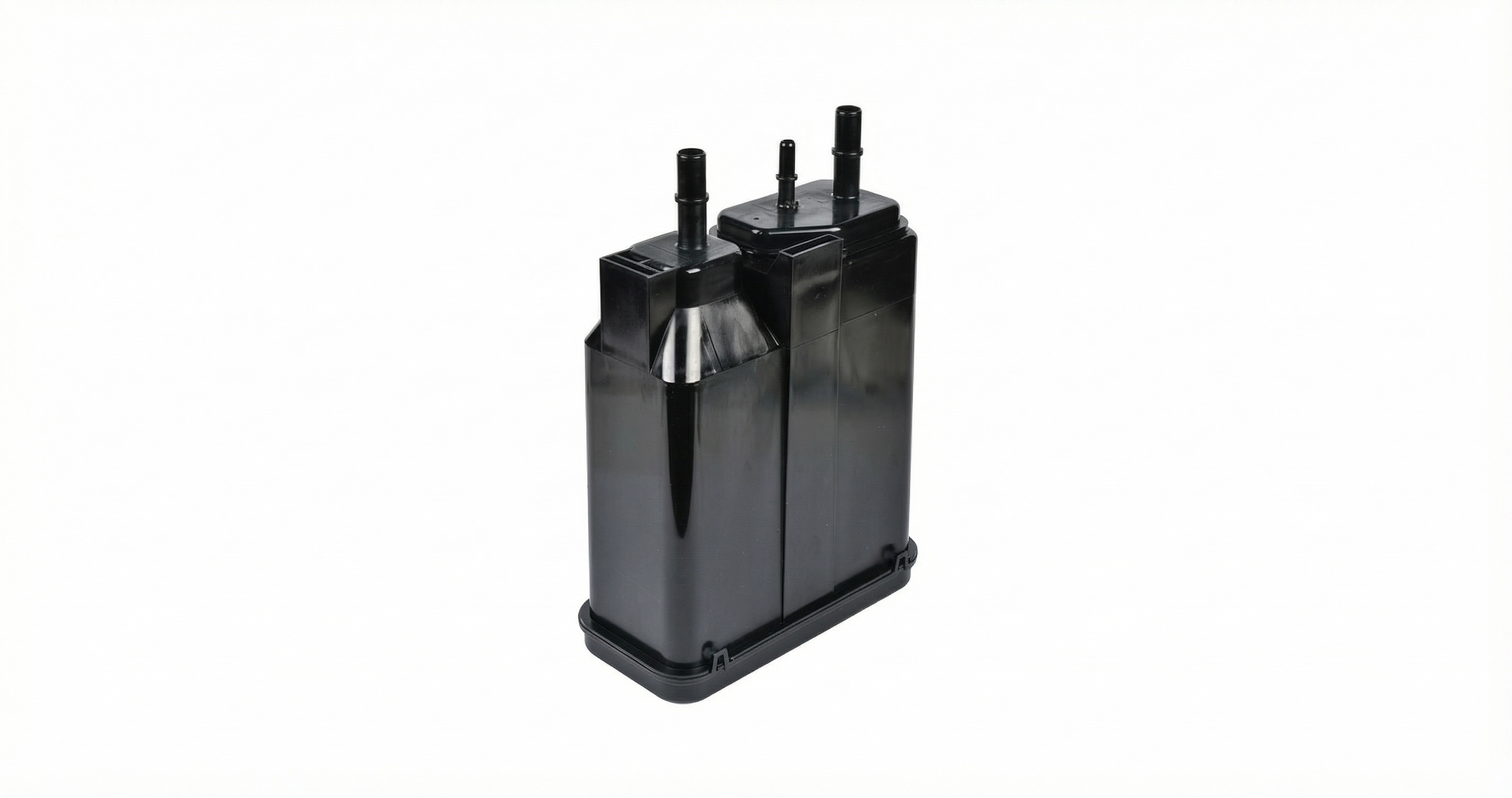
- Clogged EVAP Charcoal Canister: This can happen if you habitually 'top off' the fuel tank after the pump clicks off. Liquid fuel can saturate the charcoal canister, causing a restriction.
- Faulty Fuse or Relay: While uncommon, a blown fuse for the EVAP system can cause this code. On these vehicles, relevant fuses (like F31, F34, F35, F37) are in the front fuse box, with relays (like R14, R29) in the trunk fuse box.
Diagnosis Steps
- Read the codes with an OBD-II scanner to confirm P0441 and note any other codes.
- Contact a Chrysler dealer with your VIN to check if TSB #18-092-23 (for 5.7L) or TSB #25-003-20 (for 3.6L) applies to your vehicle. This should be the first step.
- Visually inspect the engine bay for any obvious signs of cracked, broken, or disconnected EVAP hoses, particularly around the purge solenoid and intake manifold.
- Locate the EVAP purge solenoid. It is typically found on the passenger side of the engine, mounted near the top.
- Test the purge solenoid. With the engine off, disconnect the hoses and try to blow through the valve. It should be closed (no air passes). If air passes, the valve is stuck open and needs replacement.
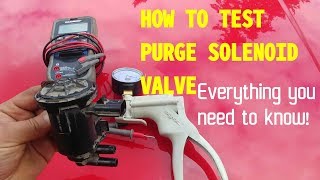
- If the valve seems okay, check for voltage at its electrical connector with the key on and the engine running (a scan tool may be needed to command it on). 🎬 Watch: Everything you need to know about testing a purge valve. Also check the related fuses (F31, F34, F35, F37) and relays (R14, R29, R63).
- If no issues are found, consider a smoke test. A mechanic can use a smoke machine to pressurize the EVAP system and easily find any hard-to-see leaks in hoses or the charcoal canister.
Parts You'll Likely Need
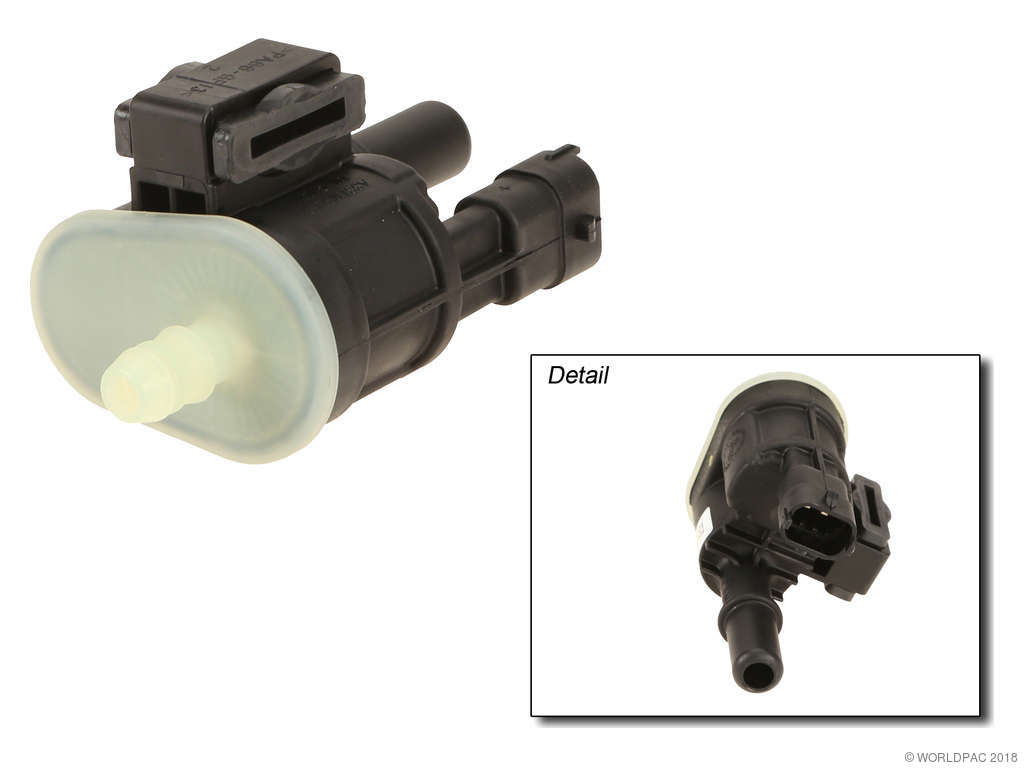
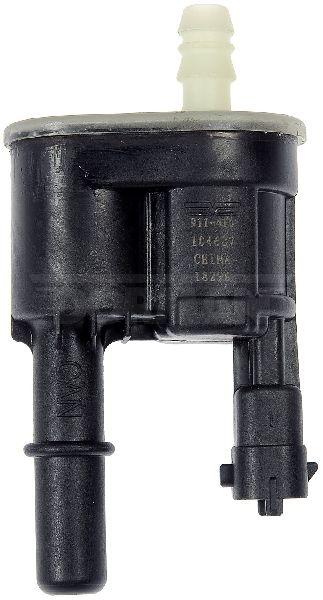
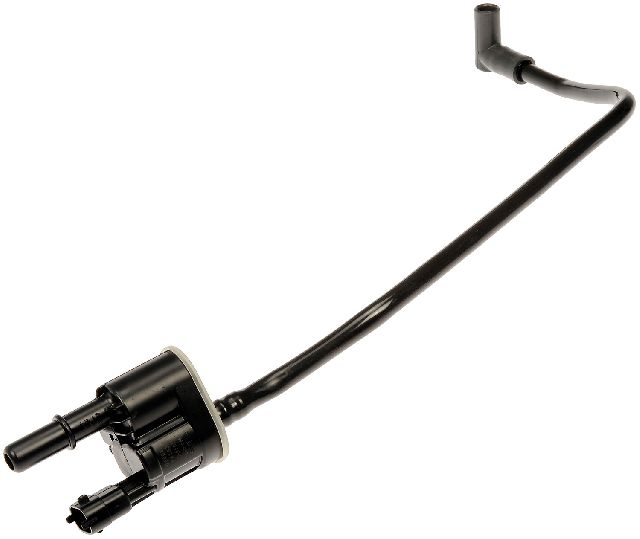
- EVAP Purge Valve Solenoid
(OEM #04627694AB)— This is the most common mechanical part to fail that causes a P0441 code. It's a moving part that can get stuck open or closed from wear.
Trusted brands: Mopar, Dorman, Standard Motor Products
OEM price range: $50-$70
Aftermarket price range: $25-$50
Related Codes That Often Appear With This One
- P0456 — A small leak in the system can sometimes be misinterpreted by the PCM as an incorrect flow problem. TSB #18-092-23 lists them together.
- P0455 — A large leak in the system can also be flagged alongside an incorrect flow issue. TSB #18-092-23 lists them together.
- P0440 — This is a general EVAP system failure code that can accompany more specific codes like P0441. TSB #18-092-23 lists them together.
- P0452 — This code for the EVAP pressure switch being stuck closed directly points to a potential sensor issue that can trigger P0441. TSB #25-003-20 lists them together.
Technical Service Bulletins (TSBs) & Recalls
- Bulletin #18-092-23: Notes that P0441 (along with P0455, P0456, P0440) on 2022 5.7L models may be resolved by reprogramming the PCM with the latest software.
- Bulletin #25-003-20: Links P0441 with P0452 on 2020 3.6L models due to a potentially kinked EVAP purge line from the factory. The fix involves inspecting and possibly replacing the purge valve assembly and rerouting the line.
Platform-Specific Known Issues
- A primary cause for P0441 on this platform can be a software glitch requiring a PCM update, as documented in TSB #18-092-23 for the 2022 5.7L V8.
- On 2020 models with the 3.6L V6, a kinked EVAP purge line from the factory is a known issue that triggers P0441, addressed by TSB #25-003-20.
- The code is often seen with other EVAP codes like P0455, P0456, P0440, and P0452, as noted in TSBs #18-092-23 and #25-003-20.
Hidden / Shadow Codes Worth Checking
- TID $93: This is a Test ID from the onboard monitoring system (Mode 6 data) that is tied to the purge flow monitor. On some Chrysler family vehicles, an out-of-range value for this TID has been linked to a faulty Fuel Tank Pressure sensor, even when the primary code is P0441. (see via A professional OBD-II scan tool that can display Mode 6 test results. Some advanced consumer scanners may also show this data.)
Scan Tool Commands That Help
- wiTECH (OEM) or advanced bidirectional scanner: EVAP Purge Solenoid Actuation / System Test — This command allows a technician to manually open and close the purge solenoid while the engine is off. It's used to confirm if the solenoid is physically working (you can often hear it click) and to check if it's stuck open or closed without having to remove it from the vehicle.
Wiring & Ground Locations
- EVAP Fuses — In the front fuse box (under the hood). Specifically, check fuses F31, F34, F35, and F37 as they are related to engine management and can supply power to EVAP components.. A blown fuse will cut power to the purge solenoid or other EVAP system components, preventing them from operating and causing a flow-related code.
- EVAP Relays — Check relay R63 in the front fuse box and relays R14 and R29 in the trunk fuse box.. A faulty relay can prevent power from being sent to the EVAP system components, mimicking a failed part.
- Engine/Chassis Grounds — Key grounds are located under the air intake box (on the frame rail) and on the cylinder heads. While from an older model, common chassis grounds like G300 (below driver's B-pillar) and G301 (below passenger's B-pillar) are critical for overall electrical health.. The purge solenoid is controlled by the PCM via a switched ground. A poor ground connection can cause erratic operation or complete failure of the solenoid, triggering a P0441 code.
Real Owner Repair Stories
- RamForum.com user report (2014 Ram 1500 (similar EVAP system architecture)) — Persistent small EVAP leak code and 'replace gas cap' light.
❌ Tried (didn't work) Two smoke tests performed by a Dodge dealer, Replaced leak detection pump, Replaced charcoal canister, Replaced EVAP lines, Replaced fuel pump, Replaced purge solenoids, Replaced gas cap three times
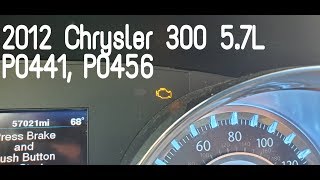
✅ What actually fixed it The owner discovered a nylon line from the fuel pump was installed in a way that it was leaning on the leak detection pump, preventing a complete seal. Repositioning the line to remove the interference resolved the codes. - YouTube video by owner (2012 Chrysler 300 5.7L) — Check Engine Light with codes P0441 and P0456, remote start disabled.
❌ Tried (didn't work) Initial diagnosis only, no parts replaced before the fix.
✅ What actually fixed it The owner replaced the EVAP purge valve solenoid located on the engine. This cleared both the P0441 and P0456 codes and restored remote start functionality.
"I Checked Everything" — The Actual Cause
- In one documented case on a similar platform, a vehicle repeatedly passed a smoke test but continued to set a P0441 code. The actual cause was found to be an electrical break in the 12V power wire that ran to the Leak Detection Pump (ESIM) in the rear of the vehicle, which prevented the system self-test from running correctly.
- A vehicle owner reported that after two dealer-performed smoke tests found no leaks, the root cause was a misaligned nylon fuel line physically interfering with the leak detection pump, preventing a proper seal that the smoke test did not identify.
- On a Dodge Caravan with a persistent P0441, an owner reported that smoke tests were clean and replacing the purge valve and gas cap did not fix the issue, highlighting that the problem can be related to other non-leak factors like a stuck-closed vent valve.
When the Usual Fixes Don't Work
- While replacing the purge valve is the most common fix for P0441, there are multiple documented cases on Chrysler platforms where this does not solve the problem. In instances where a smoke test also passes, the root cause has been found to be more complex. These include electrical issues, such as a broken power wire to the leak detection pump at the rear of the vehicle, or subtle mechanical issues like a mis-routed fuel line preventing another component from sealing correctly. This indicates that if a new purge valve and a clean smoke test do not resolve the code, the diagnostic path must widen to include electrical checks of the entire EVAP circuit and a physical inspection for component interference.
OEM Part Supersession History
4627694AA→04627694AB— Standard part revision by the manufacturer.
Heads up: The parts are interchangeable; 04627694AB is the current replacement for the older part number.4861963AA, 4861963AB, 4861963AC, 4891729AA→04861963AD— Multiple revisions of the Evaporative System Integrity Module (ESIM) have been consolidated into the latest part number.
Heads up: Using an older version on a newer vehicle may cause compatibility issues. Always use the latest superseded part number for replacement.
Model Year Variations Within This Range
- 2022 (5.7L V8): A known software issue can trigger P0441. TSB #18-092-23 advises that the primary fix is reprogramming the PCM, not replacing hardware.
- 2020 (3.6L V6): A known factory assembly issue can cause a kinked EVAP purge line. TSB #25-003-20 advises inspecting the line's routing and potentially replacing the purge valve assembly.
Helpful Videos
Used OEM Parts in Stock
New Aftermarket Parts Available


The information in this article is provided for general reference and educational purposes only. Vehicle specifications, procedures, and part compatibility can vary by production date, trim level, and region. Always consult your vehicle's factory service manual and verify part numbers before purchasing or performing repairs. Safety-critical components such as airbags, seat belts, and braking systems should be installed by a qualified professional.
- Chrysler 300:
- 🎬 Helpful Videos
- 🛍️ Shop This Part
- What's Unique About the 2019-2022 Chrysler 300
- Diagnostic Flowchart
- Symptoms You May Notice
- Most Likely Causes
- Rare But Worth Checking
- Diagnosis Steps
- Parts You'll Likely Need
- Related Codes That Often Appear With This One
- Technical Service Bulletins (TSBs) & Recalls
- Platform-Specific Known Issues
- Hidden / Shadow Codes Worth Checking
- Scan Tool Commands That Help
- Wiring & Ground Locations
- Real Owner Repair Stories
- "I Checked Everything" — The Actual Cause
- When the Usual Fixes Don't Work
- OEM Part Supersession History
- Model Year Variations Within This Range
- 🎟️ Get 5% Off