

P0441 on 2006-2013 BMW 3-Series: Incorrect Purge Flow Causes and Fixes
The P0441 code on a 2006-2013 BMW 3-Series most often points to a faulty EVAP purge valve (also called a fuel tank breather valve). This is a common failure item that is relatively inexpensive and easy to replace. Expect to pay between $50 and $90 for a quality aftermarket part from a brand like Bosch. Less frequently, the issue could be the DMTL pump near the rear wheel.
- P0441 on a BMW 3-Series almost always means there's a problem with the EVAP purge valve or, less commonly, the DMTL pump.
- Start your diagnosis by checking the purge valve on the engine's intake manifold; it's the most likely culprit and is easy to access and test.
- Do not immediately assume a bad gas cap; while possible, it's more likely to cause a leak-related code (like P0442 or P0456).
- If inspecting the DMTL pump, ensure the rear passenger fender liner is intact, as its absence can lead to water damage and premature pump failure.
What's Unique About the 2006-2013 BMW 3-Series
The 2006-2013 BMW 3-Series (primarily the E90, E91, E92, and E93 generations) uses a specific component called a Diagnostic Module for Tank Leakage (DMTL) pump to test the EVAP system for leaks. This is different from many other manufacturers that use a vacuum-based system. While the P0441 code is about incorrect flow, not a leak, a failure of either the purge valve on the engine or the DMTL pump assembly near the fuel tank can trigger it. The most frequent culprit on this platform is the purge valve itself, which can get stuck open or closed.
Generation note: This year range covers two generations of the 3-Series. The 2006-2012 models are primarily the E90/E91/E92/E93 generation. In 2012, BMW introduced the F30 generation sedan, which was sold alongside the E92/E93 coupe and convertible for the 2012 and 2013 model years. While the causes are often similar, part numbers and locations for components like the purge valve and DMTL pump can differ between the E9x and F30 platforms. This guide focuses primarily on the more common E9x generation.
Symptoms You May Notice
- Check Engine Light is on
- A faint smell of fuel (rare)
- Slightly rough idle if the purge valve is stuck open (uncommon)
- Difficulty starting the engine in rare cases
- Replacing the gas cap when the purge valve is the actual problem. A bad gas cap usually causes a leak-related code, not an incorrect flow code like P0441.
- Replacing the DMTL pump multiple times without checking for underlying issues like a clogged charcoal canister or wiring problems.
Most Likely Causes
- Failed EVAP Purge Valve (Fuel Tank Breather Valve) 🔴 High Probability This valve cycles frequently and is exposed to fuel vapors, leading to internal components wearing out or getting stuck over time. It is a well-documented common failure item on the N51/N52/N54/N55 engines.
How to confirm: Locate the valve on the side of the intake manifold, often just behind the throttle body. With the engine off, disconnect the hose from the valve and try to blow through it. If air passes, it's stuck open and faulty. You can also use a BMW-specific scan tool to command the valve to open and close while checking for vacuum or listening for a click.
Typical fix: Replacement of the purge valve and its associated hose.
Est. part cost: $50 - $90 - Failed DMTL Pump 🟡 Medium Probability The DMTL pump is a small electric motor and valve assembly located near the charcoal canister that can fail over time. Exposure to road salt and water spray from the tire can corrode the pump or its electrical connector if the fender liner is damaged or missing.
How to confirm: Diagnosis often requires a BMW-specific scan tool (like ISTA) to run the DMTL system test. A failing pump may also be associated with other DMTL-specific codes (like 2A17 or 2B3A in the BMW system). A buzzing or clicking noise from the rear passenger wheel well area after shutting the car off can be a sign of a failing pump.
Typical fix: Replacement of the DMTL pump, which is located in the rear passenger-side wheel well area, behind the liner.
Est. part cost: $100 - $200 - Cracked or Disconnected EVAP Hoses ⚪ Low Probability The plastic and rubber lines in the EVAP system can become brittle with age and heat, leading to cracks or loose connections. This is especially true for the hoses connecting directly to the purge valve.
How to confirm: A visual inspection of all accessible EVAP lines between the engine and the charcoal canister is the first step. A smoke test is the most effective way to find a leak in a hose that isn't visually obvious.
Typical fix: Replacing the specific section of cracked hose.
Est. part cost: $20 - $50
Rare But Worth Checking
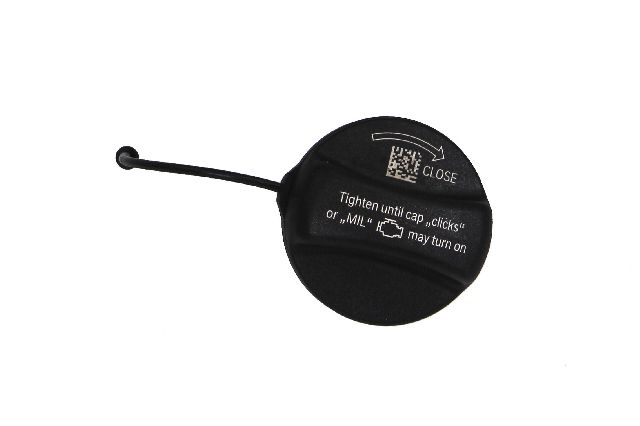
- Faulty Gas Cap: While a loose or bad gas cap typically throws a leak code (like P0456), a severely faulty cap with a cracked or compressed seal could potentially contribute to a flow issue. It's an easy and inexpensive item to check or replace.
- Clogged Charcoal Canister: Over-filling the fuel tank can force liquid gasoline into the charcoal canister, saturating it and causing a blockage. This can restrict vapor flow and trigger a P0441 code. In some cases, a failing DMTL pump can be caused by a clogged canister.
Diagnosis Steps
- Read the code with an OBD-II scanner to confirm P0441 is present.
- Check the gas cap to ensure it is tight and the seal is not cracked or worn.
- Visually inspect the EVAP purge valve (on the intake manifold) and its connecting hoses for any obvious cracks or disconnections.
- Test the purge valve. With the engine off, remove the valve and try to blow through it. It should be closed and block airflow. If air passes, the valve is faulty and needs replacement.
- If you have a capable scan tool, activate the purge valve and listen for a clicking sound, indicating the solenoid is working.
- Inspect the EVAP lines running from the engine bay to the rear of the vehicle for any visible damage.
- If the purge valve and hoses appear to be in good condition, the next step is to inspect the DMTL pump and charcoal canister, located behind the rear driver's side wheel liner. Check the fender liner for damage, as missing pieces can expose the pump to water and debris, causing premature failure.
- For hard-to-find issues, a smoke test is the definitive method to identify any leaks in the EVAP system hoses or components.
Parts You'll Likely Need
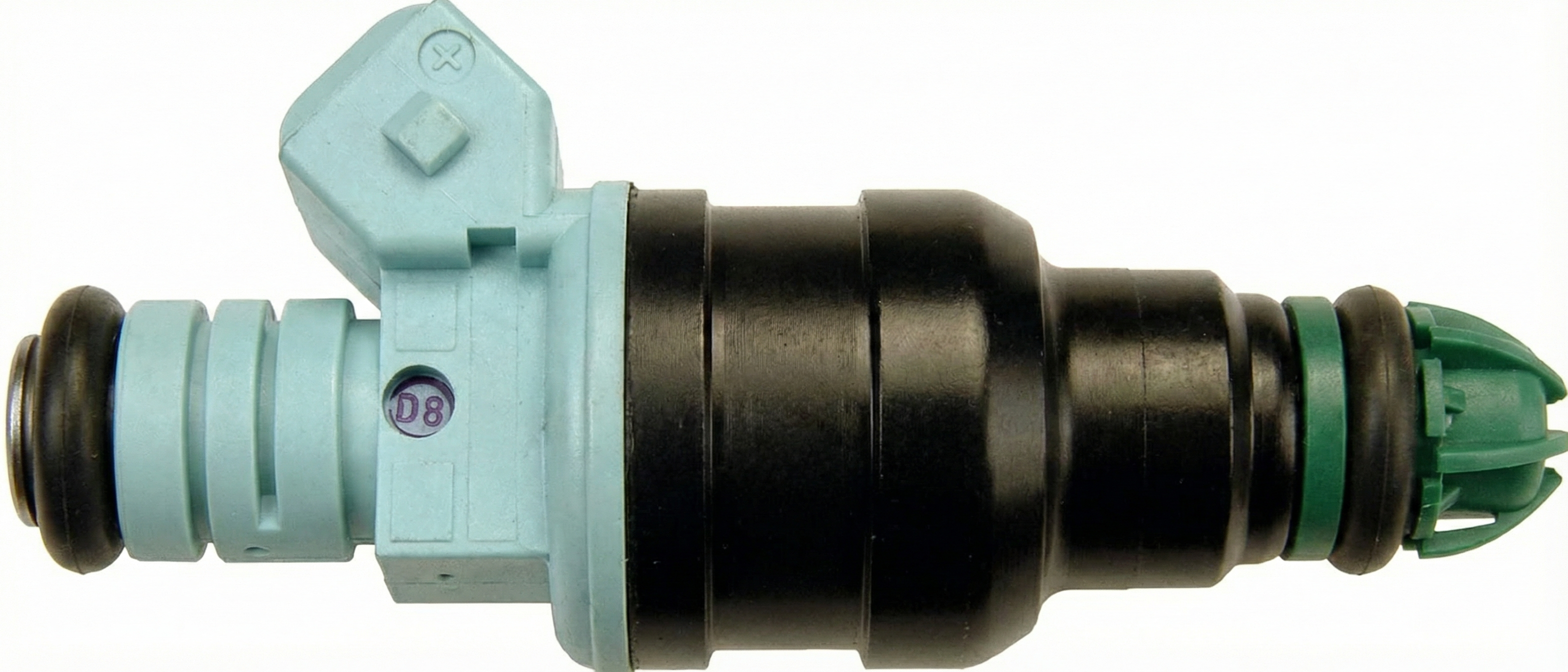
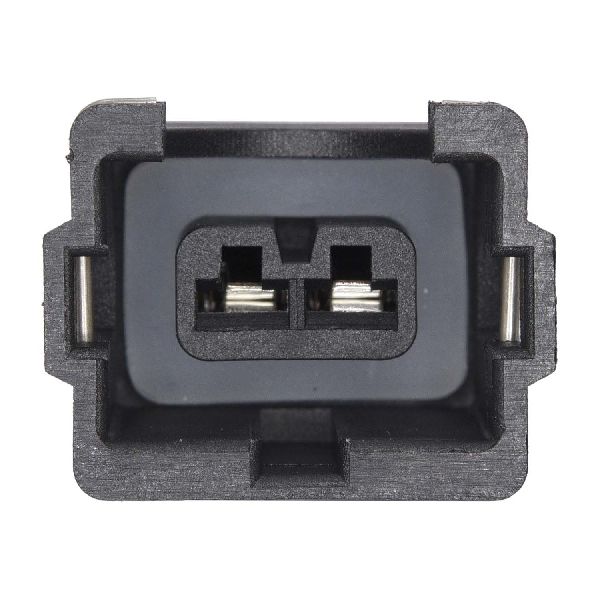
- EVAP Purge Valve / Fuel Tank Breather Valve
(OEM #13907618643)— This is the most common failure point for a P0441 code on this platform. It gets stuck open or closed, causing incorrect vapor flow. This part number supersedes 13907572234 and 13904588396.
Trusted brands: Bosch, Febi-Bilstein, URO Parts
OEM price range: $115-$140
Aftermarket price range: $50-$90 - Diagnostic Module for Tank Leakage (DMTL) Pump
(OEM #16137193479)— This pump is the second most likely cause. It is responsible for pressurizing the system for leak tests, and its failure can lead to various EVAP codes. This part number supersedes 16136764191, 16136752551, and others.
Trusted brands: Bosch
OEM price range: $150-$250
Aftermarket price range: $100-$180
Related Codes That Often Appear With This One
- 2A17 — This is a BMW-specific code for a DMTL module fault. If you see this alongside P0441, the DMTL pump is highly suspect.
- P0442 — This code indicates a small EVAP leak. It can appear with P0441 if there is both a leak (e.g., a cracked hose) and a flow problem caused by a faulty component.
- 2B3A — Another BMW-specific code pointing directly to a DMTL pump fault. A DIY replacement guide is available for this specific code.
Platform-Specific Known Issues
- Owner Experience: DMTL Pump Repair Attempt: An owner on an E90Post forum thread reported getting a DMTL-related code after overfilling their gas tank. They disassembled the pump, found the internals were dry after being washed with fuel, lubricated the small vane pump with motor oil, and reassembled. This fix lasted for about a month before codes returned, at which point they replaced the pump with a new unit. This suggests that while a temporary fix might be possible, replacement is the only long-term solution.
Mechanic-Grade Diagnostic Values
- EVAP Purge Valve (TEV) Solenoid Resistance — expected: 28 to 45 Ohms at room temperature.. Failure: A reading of infinite resistance (open circuit) or a significantly higher reading (e.g., over 190 Ohms) indicates a failed valve.
- DMTL Pump Current Draw (during ISTA reference test) — expected: Approximately 27.4 mA when pumping against the built-in 0.5mm reference leak.. Failure: A significantly higher current draw can indicate a blockage or restriction downstream of the pump; a lower or zero reading can indicate a failed pump motor or wiring issue.
Hidden / Shadow Codes Worth Checking
- 2A17: DME: DMTL, system fault. This is a general fault for the DMTL module and often points to a failure in the pump itself or its wiring, preventing the leak test from starting. (see via BMW-specific scan tool like ISTA, INPA, or a capable aftermarket scanner.)
- 2A15 / 2A16: DME: DMTL, fine leakage / finest leakage. These are the manufacturer-specific equivalents that trigger the generic P0456 code, but can sometimes appear alongside a P0441 if a flow issue and a leak are both present. (see via BMW-specific scan tool.)
- 2A18: DME: DMTL, heater, activation. This indicates an open circuit or fault specifically with the DMTL pump's internal heater element or its wiring. (see via BMW-specific scan tool.)
- P1447 / P1434: These are older, less common BMW-specific codes that also point to the DMTL pump. P1447 indicates the pump current was too high, while P1434 is a more general DMTL pump fault. (see via Some OBD-II scanners may display these instead of or in addition to the standard P-code.)
Scan Tool Commands That Help
- ISTA (Rheingold): Fuel tank leakage diagnostic module DMTL (Test Plan) — This is the primary diagnostic function to test the entire DMTL system. It commands the pump to run, measures current draw against a reference leak, and checks the changeover valve, providing a pass/fail result without manual testing.
- ISTA / INPA: Component Triggering: Activate DMTL Pump Motor / Activate DMTL Changeover Valve — This allows for manual activation of individual components. It's used to confirm if the pump motor runs or the internal valve clicks, helping to isolate a failure to the pump itself versus a wiring or command issue.
Wiring & Ground Locations
- DMTL Pump Connector (X1714) — At the DMTL pump, located behind the driver's side rear wheel well liner.. This 4-pin connector is the single point of failure for all DMTL functions. Pin 4 is power (Red/White), Pin 1 is the pump motor ground signal (Brown/Blue), Pin 2 is the heater ground signal (Black/Red), and Pin 3 is the valve ground signal (Black/Green).
- DMTL Wiring Harness Chafe Point — In the driver's side rear wheel well. The harness runs exposed and is known to be too short from the factory, making it susceptible to rubbing from the tire/liner or corrosion from road spray.. A broken or shorted wire in this harness is a common cause for recurring DMTL-related codes (like 2A17, 2A18) even after replacing the pump. A visual inspection of this entire harness section is critical.
- DME Connector (e.g., X60002) — In the electronics box (E-box) in the engine bay, under the passenger side cabin air filter housing.. This is the source of the ground signals for the DMTL pump. A continuity test between the pins at this connector and the pins at the DMTL connector (X1714) is the definitive way to diagnose a broken wire in the harness.
Real Owner Repair Stories
- Bimmerpost user 'bm6w' (BMW E92 (specific model not stated, but in E9x forum)) — Service Engine Soon light with multiple DMTL codes (P2401, P2419, P240A, 2A13, 2A12, 2A18) that returned immediately after clearing.
❌ Tried (didn't work) Replaced DMTL Pump, Replaced Gas Cap, Inspected the common wiring chafe area near the wheel well liner, which appeared fine.
✅ What actually fixed it Found a disintegrated wire about 6 inches higher up the harness in the driver's side rear wheel well, away from the typical chafe point. Splicing in a new section of wire resolved all codes.
"I Checked Everything" — The Actual Cause
- A BMW Technical Service Bulletin (SI B01 07 02) explicitly warns technicians NOT to use an external pressure/smoke test tool on DMTL-equipped vehicles. Doing so can force the DMTL's internal check valve open, creating an 'erroneous leak' that will be incorrectly diagnosed as a system fault.
- When performing a smoke test, if the DMTL pump's internal changeover valve is not first commanded shut with a scan tool, smoke will be seen exiting the pump's fresh air filter. This is normal operation and can be misdiagnosed as a major leak from the pump itself.
OEM Part Supersession History
13907572234, 13904588396→13907618643— Standard part revision and consolidation by BMW.16136752551, 16136764191→16137193479— Standard part revision for the DMTL pump.
Model Year Variations Within This Range
- 2006-2013: While the EVAP system functions similarly across N52, N54, and N55 engines in the E9x chassis, the DMTL pump is located on the DRIVER'S side rear, bolted to the charcoal canister, not the passenger side as is common on some other BMW models.
Diagnostic Flowchart
Other Known Issues on This Vehicle
Issues unrelated to this code that are worth knowing about as an owner of this generation:
- Electric Water Pump & Thermostat Failure 🔴 High — Extremely common, often failing without warning between 60,000 and 100,000 miles. It is considered a preventative maintenance item.
- Oil Filter Housing Gasket (OFHG) Leak 🔴 High — Very common across all E9x 6-cylinder engines (N51, N52, N54, N55). Gasket hardens and leaks oil onto the serpentine belt, which can cause the belt to slip off and get ingested by the crank seal, leading to catastrophic engine failure.
- Valve Cover & Gasket Leak 🟠 Medium — Common on all engines due to heat cycles causing the plastic cover to warp and the gasket to harden. Often occurs after 70,000 miles.
- N54 High-Pressure Fuel Pump (HPFP) Failure 🔴 High — A notorious issue on the twin-turbo N54 engine, leading to long cranks, rough running, and limp mode. Subject to recalls and extended warranties, but still a frequent failure point. (Ref: Multiple recalls and extended warranties were issued by BMW.)
- N54 Turbo Wastegate Rattle 🟠 Medium — Affects most N54 engines as they age. Caused by wear in the wastegate actuator arm and bushing, creating a metallic rattling noise, especially on deceleration. While not immediately damaging, it can lead to boost control issues over time. (Ref: BMW issued service bulletins (e.g., SIB 11 03 08) and an extended warranty for this issue.)
- VANOS Solenoid Failure 🟡 Low — Common across all engines. Solenoids get clogged with oil debris, causing rough idle, poor performance, and VANOS-related fault codes. Often, they can be cleaned, but replacement is a common fix.
Used vs. New Parts: Buying Guide for This Vehicle
When a used part is the smart pick: For simple mechanical items like EVAP hoses or the charcoal canister body (if not clogged), a used part from a low-mileage donor can be a cost-effective option. However, for electronic components, new is strongly recommended.
Donor-vehicle mileage cap: roughly under 80000 miles for the part to have meaningful remaining life.
What to inspect on the donor part:
- For hoses, check for any signs of dry rot, cracking, or brittleness.
- For the DMTL pump or purge valve, visually inspect the plastic housing for cracks and the electrical connector for corrosion, but be aware that internal failure is common and not visible.
- Verify the donor vehicle is from a dry, salt-free climate to minimize the risk of corrosion on electrical parts and wiring.
OEM-only on this vehicle (don't cheap out):
- DMTL Pump
- EVAP Purge Valve
Aftermarket brands forum-validated for this vehicle:
- Bosch (This is the Original Equipment Supplier for the DMTL pump and purge valve; buying a Bosch-branded part is often identical to the Genuine BMW part at a lower cost).
Brands owners have reported issues with on this vehicle:
- Unbranded or exceptionally cheap electronic parts (e.g., purge valves, DMTL pumps) from online marketplaces are frequently cited on forums as having high premature failure rates.
Real Owner Stories
Aggregated from forums and TSBs cited above. Mileages and costs reflect what owners reported in those sources.
BMW E90 (3-Series)
Symptoms: Owner reported getting a DMTL-related code after overfilling their gas tank.
What fixed it: Initially attempted to lubricate the small vane pump with motor oil, but ultimately replaced the DMTL pump with a new unit after the temporary fix failed.
Source hint: Vehicle_specific_issues: Owner Experience: DMTL Pump Repair Attempt / E90Post forum thread
BMW E90 (3-Series)
Symptoms: Recurring DMTL pump code (2777) even after the pump was replaced.
What fixed it: Investigation into the fender liners and wiring for corrosion.
Source hint: https://www.e90post.com/forums/showthread.php?t=1496321
BMW E90 (3-Series)
Symptoms: DMTL pump failure in an area with road salt.
What fixed it: Replacement of the pump, though the owner noted significant difficulty removing the mounting screws due to salt-related corrosion.
Source hint: https://www.reddit.com/r/E90/comments/i40p1p/dmtl_pump_failure/
Related OBD-II Codes
Frequently Asked Questions
Where is the EVAP purge valve located on my N52 engine?
I hear a buzzing noise from the rear passenger wheel well after I turn off my 3-Series; is this related to P0441?
Can I just clean the DMTL pump instead of replacing it?
Why did my DMTL pump fail so early on my E90?
Is there a specific tool I need to test the EVAP system on my BMW?
Does overfilling the gas tank cause P0441 on this vehicle?
Helpful Videos
![How to Fix P0441 Engine Code in 6 Minutes [4 DIY Methods / Only $3.50]](https://img.youtube.com/vi/NJYZiDhYhP8/mqdefault.jpg)
![How to Fix P0441 Engine Code in 3 Minutes [2 DIY Methods / Only $4.50]](https://img.youtube.com/vi/ifwpcNQCSvI/mqdefault.jpg)

Used OEM Parts in Stock


New Aftermarket Parts Available


The information in this article is provided for general reference and educational purposes only. Vehicle specifications, procedures, and part compatibility can vary by production date, trim level, and region. Always consult your vehicle's factory service manual and verify part numbers before purchasing or performing repairs. Safety-critical components such as airbags, seat belts, and braking systems should be installed by a qualified professional.
- BMW 3-Series:
- 🎬 Helpful Videos
- 🛍️ Shop This Part
- What's Unique About the 2006-2013 BMW 3-Series
- Symptoms You May Notice
- Most Likely Causes
- Rare But Worth Checking
- Diagnosis Steps
- Parts You'll Likely Need
- Related Codes That Often Appear With This One
- Platform-Specific Known Issues
- Mechanic-Grade Diagnostic Values
- Hidden / Shadow Codes Worth Checking
- Scan Tool Commands That Help
- Wiring & Ground Locations
- Real Owner Repair Stories
- "I Checked Everything" — The Actual Cause
- OEM Part Supersession History
- Model Year Variations Within This Range
- Diagnostic Flowchart
- Other Known Issues on This Vehicle
- Used vs. New Parts: Buying Guide for This Vehicle
- Real Owner Stories
- BMW E90 (3-Series)
- BMW E90 (3-Series)
- BMW E90 (3-Series)
- Related OBD-II Codes
- Frequently Asked Questions
- 🎟️ Get 5% Off