

P0440 on 2019-2022 Dodge Charger: EVAP System Failure Causes & Fixes
For a 2019-2022 Dodge Charger, code P0440 is most often caused by a loose gas cap or a software issue requiring a dealer update. Always check the gas cap first. If it's tight, the next step should be checking for manufacturer software updates (per TSBs #1809423 and #1806522) before replacing any parts, as this is a very common and specific issue for this platform.
- Always check that your gas cap is tight and its seal is intact before attempting any other repairs.
- Be aware that a software glitch is a known cause for P0440 on 2019-2022 Chargers. Contact a dealer to check for TSB-related software updates before buying parts.
- If the gas cap and software are ruled out, the most common failed parts are the EVAP purge valve and the Evaporative System Integrity Module (ESIM).
- A smoke test is the most reliable way to find physical leaks in the EVAP system's hoses or charcoal canister.
What's Unique About the 2019-2022 Dodge CHARGER

For this generation of Dodge Charger, a significant factor for the P0440 code is a known software issue. Manufacturer Technical Service Bulletins (TSBs) confirm that this code, along with other EVAP codes, can be triggered erroneously. The official fix is to reprogram the PCM with updated software, making a dealership check a crucial step before part replacement. This is different from many other vehicles where the code is almost always a physical part failure. Additionally, this platform and its relatives (Chrysler 300, Dodge Challenger) are known for failures of the Evaporative System Integrity Module (ESIM), which contains an internal switch that fails and can trigger this code without an actual leak being present.
🎬 Watch: Understanding P0440 causes and fixes for your Dodge.Diagnostic Flowchart

Tap your situation to follow the diagnostic path that matches what you're seeing on this vehicle.
Symptoms You May Notice
- Check Engine Light is on
- A faint smell of fuel, especially around the gas cap area or after refueling
- Inability to use the remote start feature (if equipped)
- Replacing the purge valve or charcoal canister before checking for a loose gas cap.
- Replacing multiple EVAP parts without first checking if a PCM software update is available and applicable to the vehicle's VIN.
- Using a cheap aftermarket gas cap which does not seal correctly, leading the owner to believe the gas cap was not the problem.
Most Likely Causes

- Loose or Faulty Gas Cap 🔴 High Probability This is the most common cause for any EVAP code on any vehicle. The seal can wear out or the cap may not have been tightened correctly after refueling. It is critical to use an OEM Mopar cap, as aftermarket caps are frequently reported to seal improperly and fail to resolve the code.
How to confirm: Ensure the gas cap is tightened until it clicks at least three times. Inspect the rubber seal on the cap for cracks, stiffness, or damage. If the seal is compromised, the cap needs replacement.
Typical fix: Tighten or replace the gas cap. It is highly recommended to use an OEM Mopar part (Part No. 52030377AB) to ensure a proper seal.
Est. part cost: $25-$45 - Powertrain Control Module (PCM) Software Update Needed 🔴 High Probability Dodge has issued TSBs (#1809423 and #1806522) for this specific issue, indicating the vehicle's software may be too sensitive or contain a bug that falsely triggers EVAP codes like P0440, P0455, and P0456.
How to confirm: A Dodge dealership can check your vehicle's VIN to see if it's eligible for a software update per the TSBs. This is a crucial step before replacing parts.
Typical fix: Reprogramming the PCM with the latest software version at a dealership. This is typically covered under warranty, but may cost between $100-$250 (one hour of labor) if out of warranty.
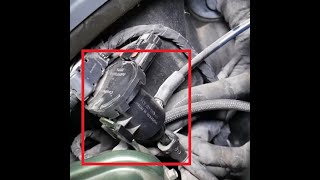
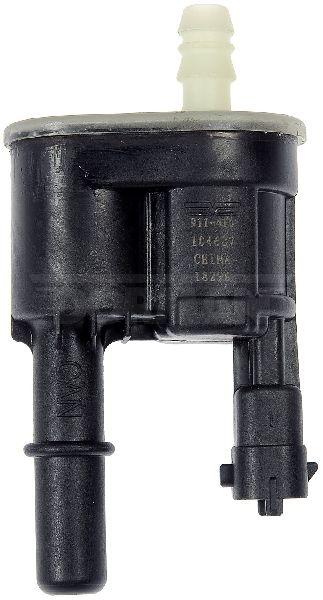
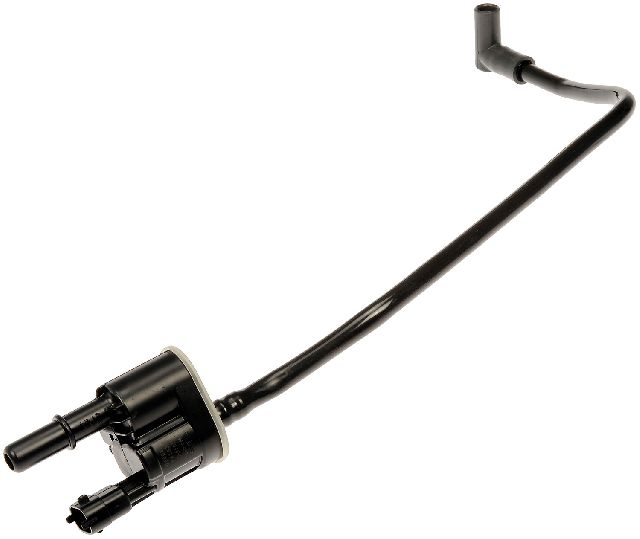
Est. part cost: $0-$250 (May be covered under warranty) - Faulty EVAP Purge Valve/Solenoid 🟡 Medium Probability The purge valve is a frequently moving part that controls the flow of fuel vapors to the engine. It can get stuck open or closed over time, a common issue on the 3.6L Pentastar V6 and Hemi V8 engines.
How to confirm: The valve is typically located in the engine bay, on top of the engine. It can be tested with a handheld vacuum pump to see if it holds vacuum when closed, or by applying 12V to see if it opens and closes. A stuck valve is a common failure.
Typical fix: Replace the purge valve. An example OEM part number for the 3.6L V6 is 4627694AB.
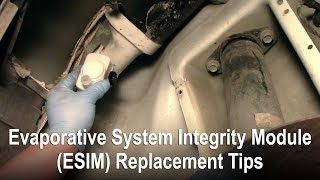
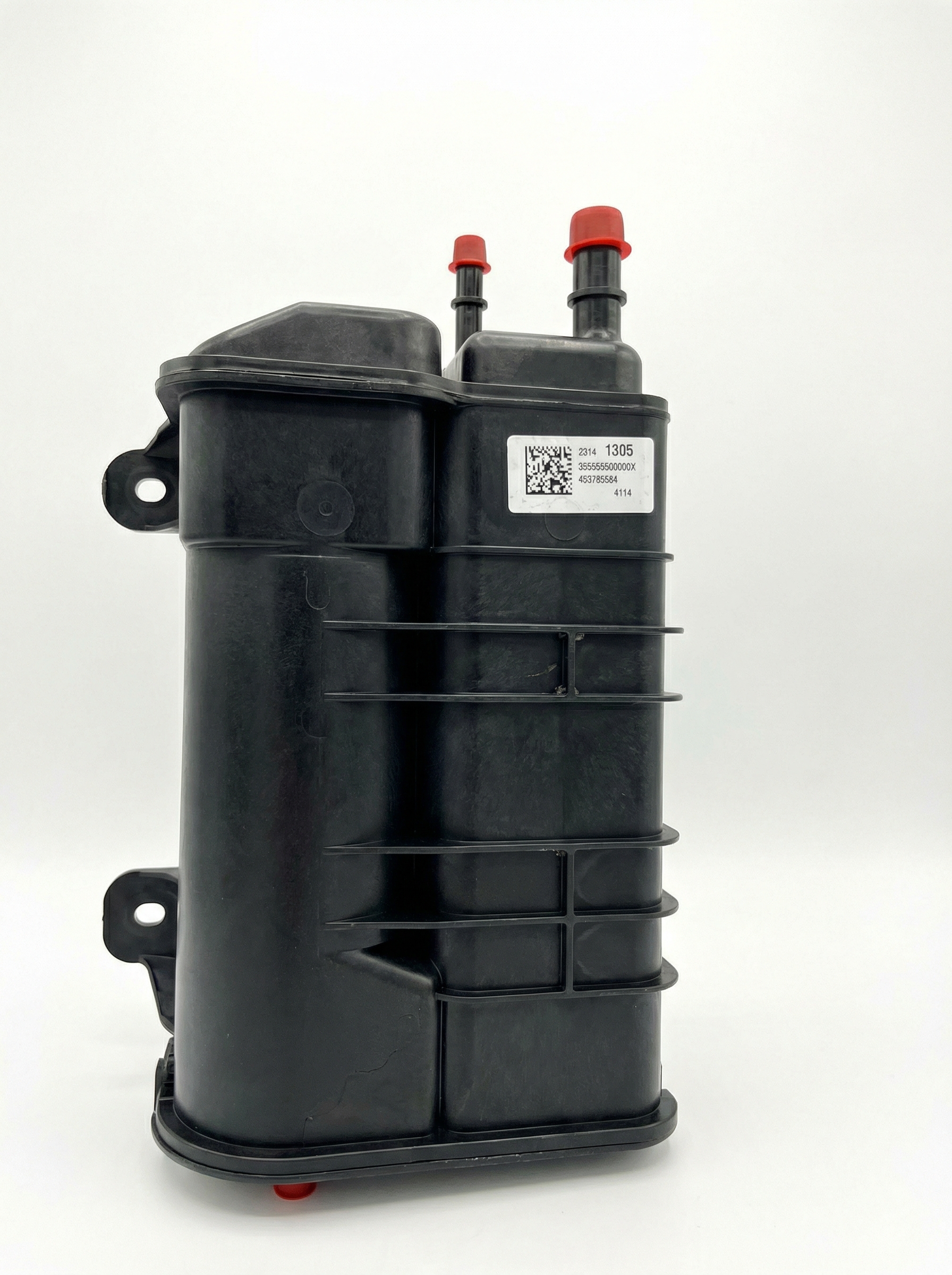
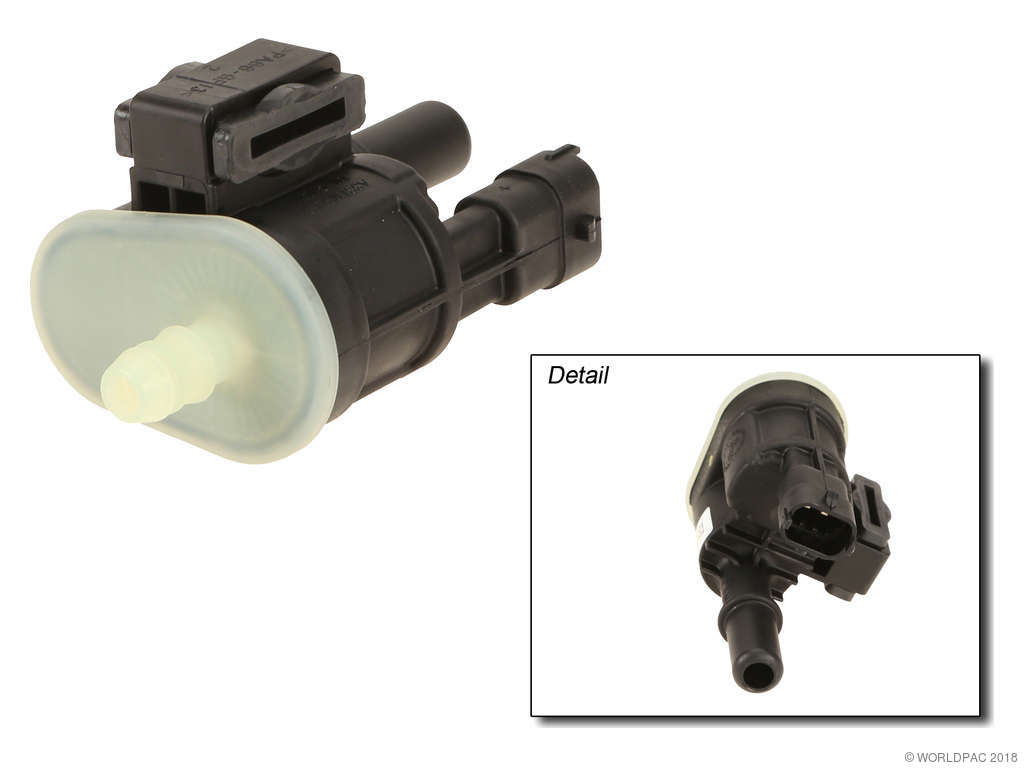
Est. part cost: $25-$70 - Faulty Evaporative System Integrity Module (ESIM) 🟡 Medium Probability Also known as a Leak Detection Pump, this is a known high-failure item on many modern Chrysler/Dodge/Jeep vehicles. The internal switch fails rather than the part developing a physical leak, leading to a false code after the gas cap has been ruled out. Owners on forums frequently report this as the ultimate fix.
How to confirm: This component is located on the charcoal canister, accessible by removing the rear driver's or passenger's side wheel and fender liner. Diagnosis involves a scan tool that can run an ESIM force monitor test or bench testing the switch function with a vacuum pump. However, due to its high failure rate and low cost, it's often replaced after the gas cap and purge valve are checked.
Typical fix: Replace the ESIM assembly. It twists into the charcoal canister. An example Mopar part number is 4861962AD, which supersedes several previous versions.
Est. part cost: $30-$80 - Cracked or Disconnected EVAP Hoses ⚪ Low Probability Hoses can become brittle and crack with age and exposure to heat and elements, especially connections near the engine or the canister.
How to confirm: A visual inspection may reveal obvious damage, but the most effective method is a smoke test. A mechanic injects pressurized smoke into the EVAP system to see where it escapes. This is the definitive way to find a physical leak.
Typical fix: Replace the damaged section of hose or secure a loose connection.
Est. part cost: $10-$50
Rare But Worth Checking
- Leaking Charcoal Canister: The plastic housing of the canister can crack from road debris or age. This is usually found with a smoke test after other, more common components have been checked.
- Faulty Fuel Tank Pressure Sensor: This sensor reports pressure data to the PCM. If it sends incorrect readings, the computer may falsely trigger P0440. It's less common than valve or hose failures.
- Cracked Fuel Filler Neck: A crack in the fuel filler neck can cause a persistent EVAP leak code. This may be missed during a smoke test if the test adapter seals past the location of the crack. One owner reported this as the final fix after replacing nearly every other EVAP component.
Diagnosis Steps

- Read the code with an OBD-II scanner and document any other codes that are present.
- Check the gas cap. Remove it, inspect the seal for damage, and reinstall it, ensuring it clicks shut. If in doubt, replace it with an OEM Mopar cap (Part No. 52030377AB).
- Clear the codes and drive for a few days to see if the code returns. If it does, proceed to the next step.
- Contact a Dodge dealer with your VIN to check if TSB #1809423 or #1806522 apply to your vehicle. If an update is available, this is the most likely fix.
- Perform a thorough visual inspection of all accessible EVAP hoses and lines in the engine bay and under the vehicle near the fuel tank. Look for cracks, holes, or loose connections.
- If no visual issues are found, test the EVAP purge valve in the engine bay for correct operation. It's located on top of the engine and is a common failure point.
- If the purge valve is good, consider replacing the Evaporative System Integrity Module (ESIM) located on the charcoal canister. This is a very common failure point on this platform where the internal switch fails without an external leak.
- If the code persists, the next step is a professional smoke test to definitively locate any hard-to-see leaks in the hoses, charcoal canister, or other components.
- If no leaks are found with a smoke test, suspect an electrical component failure like the Fuel Tank Pressure Sensor or its wiring. Test the sensor for proper voltage readings (approx. 1.5V KOEO) and response to vacuum.
Parts You'll Likely Need
- Gas Cap
(OEM #52030377AB)— This is the most frequent and simplest cause of a P0440 code. The seal fails over time or the cap is not tightened properly. Using an OEM cap is critical for a proper seal.
Trusted brands: Mopar
OEM price range: $25-$45
Aftermarket price range: $15-$30 - EVAP Purge Valve
(OEM #4627694AB (Example for 3.6L V6))— A common failure point that can get stuck open or closed, disrupting the system's ability to manage fuel vapors.
Trusted brands: Mopar, Dorman, Standard Motor Products
OEM price range: $40-$70
Aftermarket price range: $25-$50 - Evaporative System Integrity Module (ESIM)
(OEM #4861962AD (supersedes earlier versions))— A known weak point on this platform. The internal switch fails, causing a false code when no physical leak exists. It's a very common fix after the gas cap is ruled out.
Trusted brands: Mopar, Dorman
OEM price range: $50-$80
Aftermarket price range: $30-$60
Related Codes That Often Appear With This One
- P0456 — Indicates a small leak. The general P0440 fault can be accompanied by a more specific code like this one. TSB #1809423 and #1806522 mention them appearing together.
- P0455 — Indicates a large leak. Similar to P0456, this is a more specific fault that can appear with P0440. TSB #1809423 and #1806522 also mention this combination.
- P0441 — Indicates incorrect purge flow. This often points directly to a problem with the purge valve or its circuit and is mentioned in TSB #1809423.
Technical Service Bulletins (TSBs) & Recalls
- 1809423: Involves reprogramming the PCM with the latest software to address several EVAP codes, including P0440. This TSB confirms a software glitch is a primary potential cause.
- 1806522: Notes that P0440 and other EVAP DTCs may be set and recommends checking for software updates before proceeding with hardware replacement.
Platform-Specific Known Issues
- TSB #1809423 (dated 2023-08-29) notes that P0440, P0455, P0456, or P0441 can be set due to a software issue, and the fix is to reprogram the PCM.
- TSB #1806522 (dated 2022-03-31) also identifies P0440 and other EVAP codes as potentially being caused by a software glitch that requires a PCM reflash.
- Owner Experience: A user on YouTube with a 2015 Chrysler 300 (a platform
Mechanic-Grade Diagnostic Values
- Fuel Tank Pressure (FTP) Sensor Voltage — expected: ~1.3V to 2.5V with Key On, Engine Off (KOEO) at atmospheric pressure (gas cap removed).. Failure: A reading near 0V or 5V suggests a wiring short/open or a failed sensor. The voltage should decrease when a vacuum is applied with a hand pump.
- EVAP Purge Valve Solenoid Resistance — expected: Typically 15 to 30 Ohms across the two pins.. Failure: A reading far outside this range (e.g., infinite for an open circuit, or near zero for a short) indicates a failed solenoid coil.
- EVAP Purge Valve Solenoid Function — expected: The valve should be normally closed, holding vacuum. When 12V is applied to its pins, it should click open and allow air/vacuum to pass through.. Failure: No click when power is applied, or vacuum passes through when it should be closed (stuck open).
Scan Tool Commands That Help
- wiTECH (OEM FCA Scan Tool): Small Leak Verification Test (SLVT) — This is the mandatory factory procedure to verify if a small leak is actually present before replacing parts, and to confirm a repair is successful after replacing a component. A road test is not sufficient to confirm the fix.
- Professional Scan Tool (e.g., wiTECH, Autel): Vent Valve/Solenoid Actuation — Used to command the EVAP system's vent valve closed to seal the system during a smoke test. This is a required step to build pressure for the test.
- Professional Scan Tool (e.g., wiTECH, Autel): ESIM Force Monitor Test — This function can be used to force the ESIM's internal switch test to run, helping to diagnose a faulty ESIM without having to wait for the natural engine-off cooldown cycle.
Wiring & Ground Locations
- Front Fuse Box (Underhood, Passenger Side) — Located in the engine compartment on the passenger side.. Contains fuses and relays potentially related to the EVAP system. Check fuses F31, F34, F35, F37 and relay R63 for issues.
- Rear Fuse Box (Trunk) — Located in the trunk, behind the battery.. Contains relays potentially related to the EVAP system. Check relays R14 and R29.
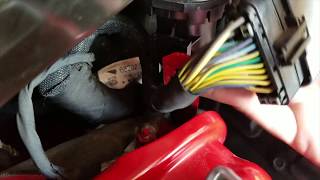
- Fuel Tank Pressure (FTP) Sensor Connector — On top of the fuel tank, part of the fuel pump module.. This is the connection point for testing the sensor's 5V reference, ground, and signal wires. A reading of 0V or 5V on the signal wire points to a circuit fault.
Real Owner Repair Stories
- Comment on YouTube video by 'HVAC Mechanic' (Dodge vehicle (model not specified, but platform behavior is similar)) — Check engine light with a sequence of changing EVAP codes: P0455, then P0456, then P0457, and finally P0440.
❌ Tried (didn't work) Replacing most components of the EVAP system.
✅ What actually fixed it Replacing the fuel filler neck resolved the persistent, changing EVAP codes. - Comment on YouTube video by 'Pro-Tech' (Dodge/Chrysler vehicle (model not specified)) — P0441 (Incorrect Purge Flow), but the principle applies to general EVAP diagnosis.
❌ Tried (didn't work) Replacing other EVAP components first.
✅ What actually fixed it The gas cap was the last item replaced, and it ultimately solved the problem, highlighting the importance of checking the simplest cause first.
"I Checked Everything" — The Actual Cause
- If a smoke test passes (no leaks found), the cause is very likely not a physical leak in a hose or the canister. For the 2019-2022 Charger, the most probable causes in this scenario are: 1) A faulty Evaporative System Integrity Module (ESIM), where the internal switch has failed but the component itself is not leaking. 2) A faulty Fuel Tank Pressure (FTP) sensor providing incorrect data to the PCM. 3) The PCM requires the software update specified in TSBs #1809423 or #1806522.
OEM Part Supersession History
4861962AA, 4861962AB, 4861962AC, 4891685AA, 4891685AB→4861962AD— Standard part revision and improvement for the Evaporative System Integrity Module (ESIM).
Helpful Videos
Used OEM Parts in Stock


New Aftermarket Parts Available


The information in this article is provided for general reference and educational purposes only. Vehicle specifications, procedures, and part compatibility can vary by production date, trim level, and region. Always consult your vehicle's factory service manual and verify part numbers before purchasing or performing repairs. Safety-critical components such as airbags, seat belts, and braking systems should be installed by a qualified professional.
- Dodge CHARGER:
- 🎬 Helpful Videos
- 🛍️ Shop This Part
- What's Unique About the 2019-2022 Dodge CHARGER
- Diagnostic Flowchart
- Symptoms You May Notice
- Most Likely Causes
- Rare But Worth Checking
- Diagnosis Steps
- Parts You'll Likely Need
- Related Codes That Often Appear With This One
- Technical Service Bulletins (TSBs) & Recalls
- Platform-Specific Known Issues
- Mechanic-Grade Diagnostic Values
- Scan Tool Commands That Help
- Wiring & Ground Locations
- Real Owner Repair Stories
- "I Checked Everything" — The Actual Cause
- OEM Part Supersession History
- 🎟️ Get 5% Off